In that moment, you might wonder — what exactly are deer eating in the summer, and why does it matter so much to them?
Summer is a season of abundance for deer. Unlike the harsh winter months, when food is scarce, the warm months provide a rich buffet of plants, fruits, and crops that fuel their energy, help bucks grow strong antlers, and give does the nutrients they need to care for their fawns.
Understanding what deer eat in the summer not only deepens our appreciation for these graceful animals but also offers valuable insights for hunters and wildlife enthusiasts who love observing them in their natural element.
Why Summer Diet Matters for Deer
If you’ve ever wondered what do deer eat in the summer, the answer is more than just “plants.” Summer marks a dramatic shift in a deer’s diet compared to the leaner months of winter.
For wildlife enthusiasts, this is the season when deer seem most active and visible, and for hunters, it’s the perfect time to understand patterns that can make scouting more effective.
During summer, food is plentiful. Meadows, forests, and farmlands transform into feeding grounds where deer can find high-quality vegetation.
Unlike winter, when survival depends on woody browse and whatever scraps they can find, summer provides nutrient-rich foods that help deer thrive. This abundance directly affects their health, growth, and daily movements.
One of the biggest reasons summer foods matter is antler development in bucks.
Growing antlers requires a tremendous amount of protein, minerals, and hydration. Summer vegetation, fruits, and crops provide these nutrients in abundance.
Hunters who track deer during this season can often spot bucks frequenting fields and crop edges, where they can get the nutrition needed to fuel their rapid antler growth.
For me, the summer diet is equally critical. Many are nursing fawns, which means their bodies demand extra energy and minerals. Foods rich in protein and natural sugars support milk production and overall health.
For wildlife lovers observing deer, this explains why deer are often seen near lush vegetation or fruiting trees, carefully balancing their need to feed with their instinct to protect their young.
Water also plays a crucial role. Deer often seek out ponds, streams, and moisture-rich plants to stay hydrated during hot months.
This makes their feeding patterns more predictable, as they rarely stray far from a reliable water source.
Both hunters and nature observers can use this knowledge to anticipate where deer are likely to be found at different times of day.
In short, the summer diet of deer isn’t just about food, it’s about survival, growth, and behavior.
Understanding these seasonal changes gives you a clearer window into their world and sets the stage for exploring the specific foods deer enjoy most during this season.
Common Deer Foods in the Summer
When we ask the question what do deer eat in the summer, the answer is surprisingly diverse.
Deer take full advantage of the lush growth and variety of foods available in warm months, feeding on a mix of plants, fruits, crops, and even moisture-rich vegetation that keeps them healthy and active.
One of their favorite summer meals is green vegetation. Fields of clover, alfalfa, soyabeans, and peas are irresistible to deer because they are tender, easy to digest, and packed with protein. If you’re a hunter scouting in the summer, you’ll often spot deer grazing in these areas during early mornings or late evenings.
For wildlife enthusiasts, watching a herd calmly feeding in a green field is one of the most peaceful sights nature offers.
Another major food source is fruits and berries. Deer are opportunistic feeders, so when apples, pears, persimmons, and blackberries are in season, they flock to these natural sugar sources.
These fruits give deer quick energy and hydration, making them a crucial part of the summer deer diet. If you live near orchards or wild berry patches, chances are you’ll see deer frequenting those areas.
Deer also browse on leaves, shrubs, and young shoots. Fresh tree leaves and vines are soft and easy to chew compared to woody browse in winter. This makes them an important summer staple.
Add in agricultural crops like corn, wheat, and oats, and you have a near-endless buffet that keeps deer thriving.
Lastly, don’t overlook water and moisture-rich plants. The summer heat means hydration is just as essential as food. Deer will often remain close to creeks, ponds, or shaded areas where moisture is readily available.
So, what do deer eat in the summer? The short answer: almost everything that’s green, fresh, or sweet. This rich variety explains why summer is the season when deer appear healthiest and most active.
How These Foods Impact Deer Behavior
Understanding what deer eat in the summer is not just about listing food sources, it also explains why deer behave the way they do during this season. The availability of fresh greens, fruits, and crops shapes their daily routines, movement patterns, and even their social interactions.
For wildlife enthusiasts, this makes summer one of the best times to observe deer in their natural element, while hunters can use these insights to improve scouting.
Because food is abundant, deer don’t need to travel long distances to find meals in summer. Instead, they concentrate around areas rich in vegetation, orchards, or crop fields. This abundance creates predictable feeding patterns, with deer most active in the cooler parts of the day – early morning and late evening.
If you’ve ever noticed deer emerging from the woods at dusk to feed in open fields, this is a direct result of what deer eat in the summer.
For bucks, high-protein foods like clover, soybeans, and alfalfa play a critical role in antler growth. Bucks will revisit these areas regularly, which is why summer is prime time for spotting them with velvet-covered antlers.
Hunters often use trail cameras near food plots during this season to track these patterns.
Does, on the other hand, need extra nutrition to support fawn growth and milk production. Their feeding behavior is more cautious, as they balance the need for energy-rich foods with keeping their fawns safe. Enthusiasts watching closely may see it grazing near fruit trees or berry patches, then retreating quickly into cover.
In short, what do deer eat in the summer directly shapes how and where they spend their time. From predictable feeding schedules to clear habitat preferences, their diet influences nearly every aspect of summer behavior.
Why Knowing Deer Foods in Summer Helps You
Learning what deer eat in the summer isn’t just an interesting fact,it’s practical knowledge that benefits both wildlife enthusiasts and hunters. Deer diets directly influence their habits, locations, and visibility, which means understanding their summer food sources can greatly improve your chances of seeing or tracking them.
For wildlife lovers, knowing what deer eat in the summer makes it easier to find them in natural settings. Deer are drawn to lush fields of clover, berry patches, and orchards, so spending time in these areas increases your chances of observing them up close.
Imagine watching a doe carefully guide her fawn to a patch of wild blackberries or spotting a buck with velvet antlers grazing on soybeans. By understanding their seasonal diet, you can anticipate where these moments are likely to happen and enjoy a more rewarding nature experience.
For hunters, knowledge of summer food sources provides a strategic advantage. Bucks and deer both stick to reliable feeding patterns in summer, making this the best time to scout.
Setting up trail cameras near soybean fields, corn edges, or water sources often reveals consistent deer activity. Since deer diets fuel antler growth and fawn health, knowing what do deer eat in the summer also helps hunters predict how strong and healthy the herd will be heading into fall.
Finally, understanding deer foods encourages ethical interaction with wildlife. Observers can respect natural feeding behaviors instead of interfering, while hunters can plan responsibly for future seasons.
In short, learning what deer eat in the summer connects you more closely to deer behavior. Whether you’re capturing photos or planning hunts, this knowledge gives you deeper insight into the rhythms of deer life during the warm months.
Conclusion: Share Your Summer Deer Encounters
So, what do deer eat in the summer? From lush green fields and wild berries to crops and tender shoots, deer enjoy a season of abundance that fuels their health, growth, and daily rhythms.
For wildlife enthusiasts, this knowledge opens the door to more meaningful sightings in meadows, orchards, and forest edges. For hunters, it provides a crucial scouting advantage as you prepare for the months ahead.
But the real magic of learning about deer isn’t just in reading — it’s in sharing experiences. Every encounter tells a story, and your perspective adds value to this community of nature lovers and hunters.
Have you ever watched a deer grazing on summer crops, nibbling berries, or cooling off near a stream? What’s the most memorable summer sighting you’ve had?
Drop your story in the comments below. Your insight could inspire another reader, help a beginner spot deer more easily, or simply spark a great conversation about the beauty of these animals.
Don’t just read — be part of the conversation. Scroll down, share your experience, and let’s build a space where hunters and wildlife enthusiasts can learn from each other.
]]>Table of Contents
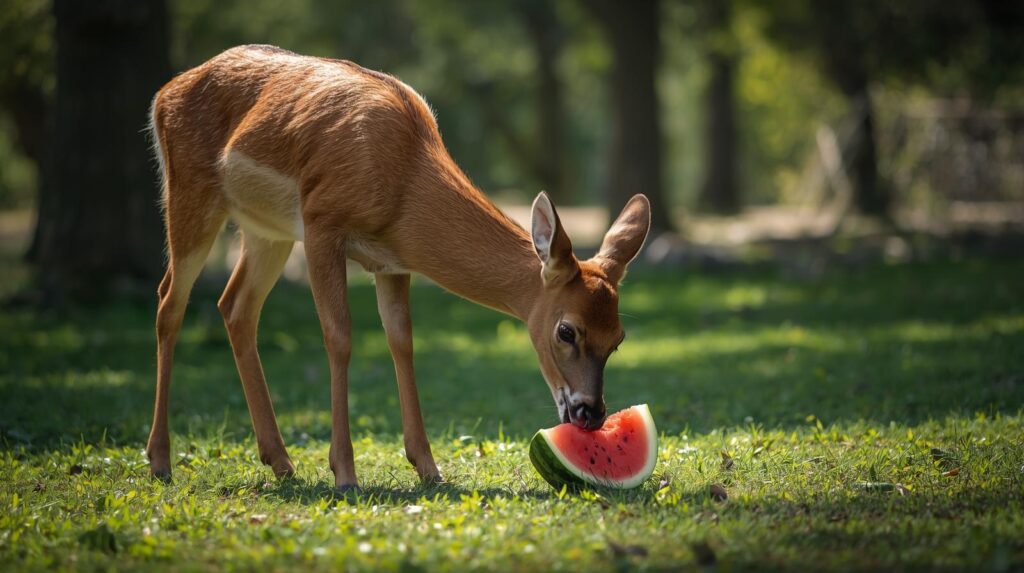
You’ve probably seen deer wandering through fields or backyards, nibbling on fruits and plants. But here’s a question many hunters and wildlife lovers often ask: Is watermelon good for deer? At first glance, this juicy fruit seems like the perfect summer treat.
It’s sweet, full of water, and refreshing on a hot day. But is it really safe and healthy for deer, or could it cause more harm than good?
If you have ever walked through the woods on a summer evening, you know how curious and hungry deer can be. They are always looking for something fresh and tasty to eat.
While they often munch on leaves, grass, and acorns, many hunters and nature lovers have noticed that deer also enjoy fruits. This brings us to a popular question: Is watermelon good for deer?https://wondeerful.farm/story/do-deer-eat-watermelon?utm_source=chatgpt.com
At first thought, watermelon seems like the perfect snack. It’s juicy, sweet, and full of water, which feels refreshing in the heat. But just because we enjoy it doesn’t always mean it’s the best choice for wildlife.
Deer have special diets and digestive systems that are different from ours. Giving them the wrong kind of food, or too much of it, can sometimes cause more harm than good.In this guide, we will break down everything you need to know about deer and watermelon.
Is Watermelon Good for Deer? A Look at Their Wild Diet
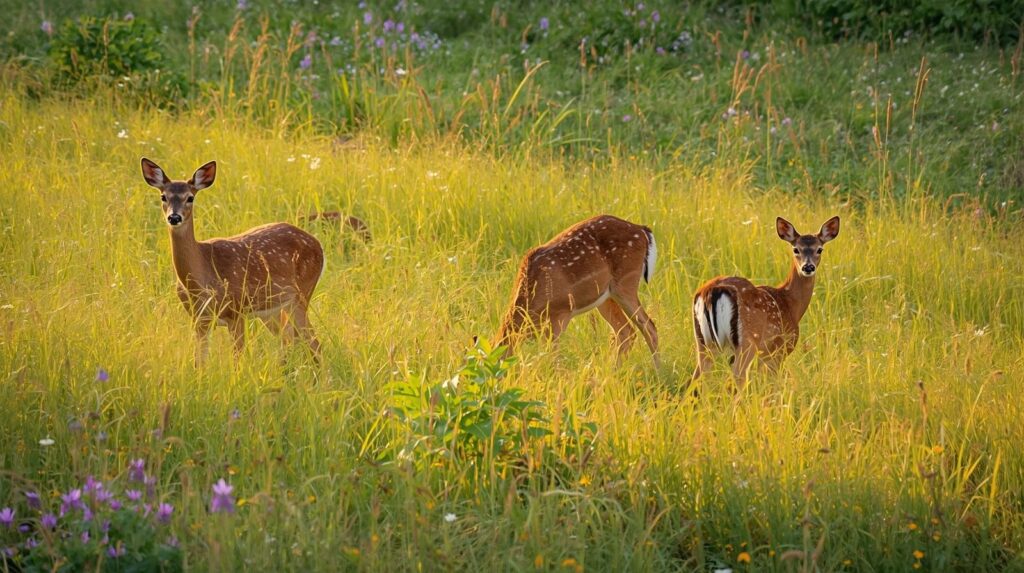
Deer are herbivores, which means they feed only on plants.https://www.deerfriendly.com/feeding-deer?utm_source=chatgpt.com Their natural diet changes with the seasons:
- Spring: fresh grasses, young leaves, and tender shoots.
- Summer: fruits, berries, and farm crops.
- Fall: acorns, nuts, and fallen fruits.
Winter: bark, twigs, and whatever greenery they can find.
This variety keeps deer healthy and gives them the nutrients they need to survive.
Nutritional Value of Watermelon for Deer
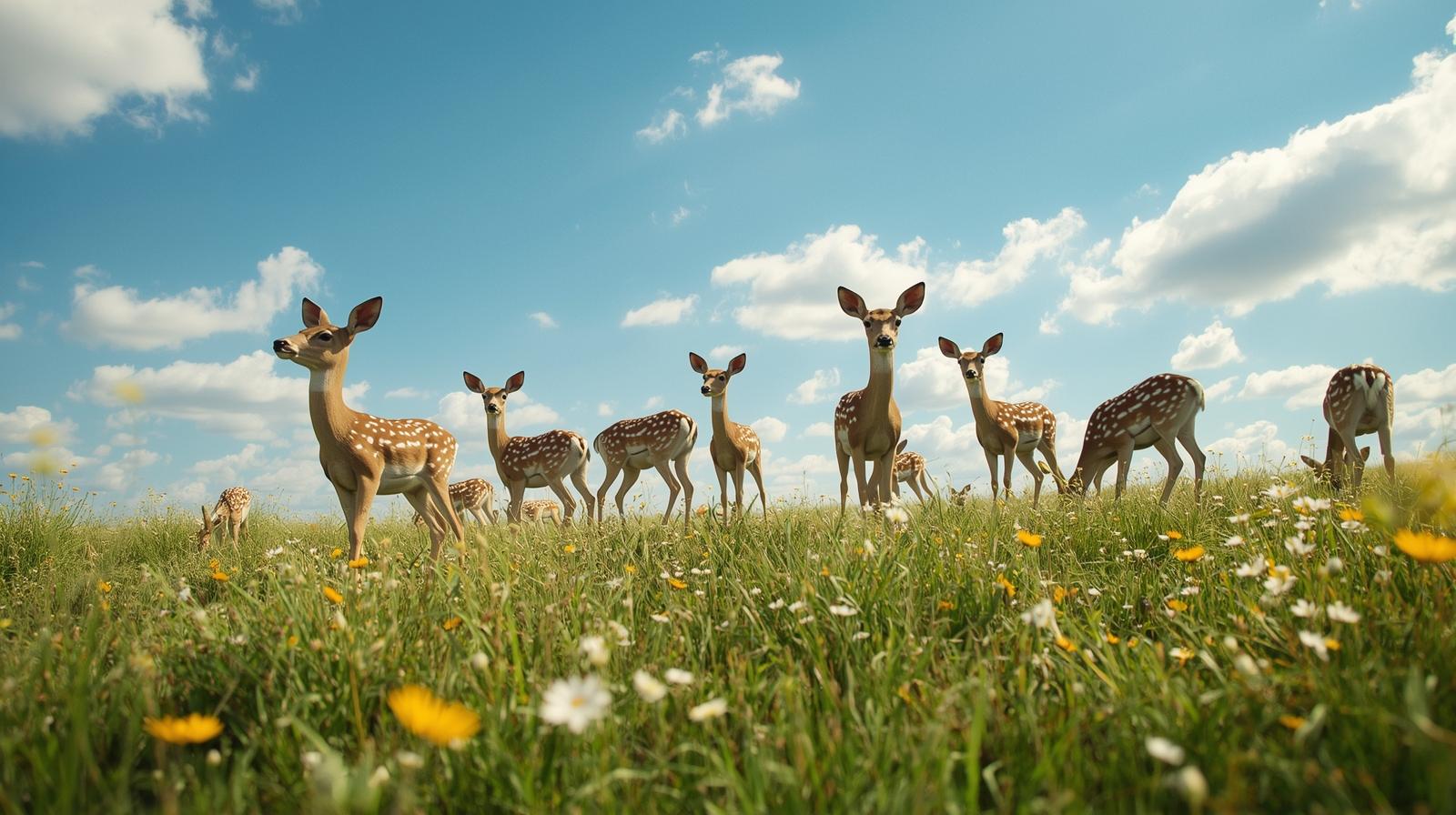
Watermelon is made up of about 92% water, which makes it a great source of hydration. It also contains:
- Natural sugars for quick energy
- Vitamins A and C to boost health
- Fiber to aid digestion
Compared to their usual food sources, watermelon is sweeter and juicier, which is why deer find it attractive in the summer.
Benefits of Feeding Deer Watermelon
Hydration in Hot Weather
During hot summer days, watermelon can help deer stay cool and hydrated.
Quick Energy Source
The natural sugars in watermelon give deer a fast burst of energy, which is useful when food is scarce.
Attracting Deer for Viewing
Placing watermelon in open areas can bring deer closer, making it easier for hunters, photographers, or wildlife lovers to observe them.
Potential Risks of Feeding Deer Watermelon
While watermelon seems harmless, too much of it can cause problems.
- Digestive Issues: Deer have a sensitive rumen (stomach). Excess sugar can ferment and upset their digestion.
- Overdependence: If deer get used to human-provided food, they may stop looking for natural sources.
- Ethical & Legal Concerns: In some areas, feeding deer is restricted because it can change their behavior, spread disease, or increase traffic accidents.
Safe Ways to Offer Watermelon to Deer
If you decide to share watermelon with deer, do it safely:
- Moderation: Think of watermelon as a treat, not a main meal.
- Chop into Pieces: Smaller chunks are easier for deer to chew and digest.
- Leave the Rind: Deer can eat both the red flesh and green rind, but make sure it’s free of pesticides or chemicals.
- Mix with Natural Foods: Combine watermelon with apples, acorns, or browse to keep their diet balanced.
Alternative Foods Deer Love
Watermelon isn’t the only fruit deer enjoy. Other safe options include:
- Apples and pears – Sweet and widely available.
- Berries – Natural treats in the wild.
- Acorns and nuts – Packed with energy for fall and winter.
These foods are closer to what deer naturally eat and can be healthier in the long run.
Expert Insights and Field Experience
From a hunter’s perspective, deer are highly attracted to sweet fruits like watermelon. However, wildlife experts warn against feeding it in large amounts. The best approach is to let deer enjoy watermelon occasionally while ensuring their main diet comes from the wild.
CONCLUSION
So, is watermelon good for deer? The simple answer is yes but only in small amounts. Watermelon can keep deer cool and hydrated in the summer while giving them a sweet energy boost.
Still, it should be seen as an occasional treat, not a replacement for the natural foods deer rely on in the wild. Too much can upset their stomachs or even encourage unhealthy feeding habits.
As hunters, farmers, or nature lovers, it’s important that we think about the long-term health of deer populations. Offering watermelon once in a while is fine, but helping them stick to their natural diet is always the best choice.
Remarks: If you’ve ever wondered “Is watermelon good for deer?”, now you know the answer. The next time you spot deer near your home or hunting area, you can make a safe decision about whether or not to share this juicy fruit.

Ever wondered what makes a trip truly unforgettable? It’s not just about ticking places off a bucket list—it’s about diving into experiences that bring a city, culture, or landscape to life. Whether you’re wandering through bustling markets, tasting street food that locals swear by, or hiking a trail with breathtaking views, the right travel activities can transform an ordinary journey into a story worth telling again and again.
As a traveler, every destination offers countless opportunities to explore, relax, or push your limits. From sightseeing at world-famous landmarks to indulging in hidden gems only locals know, each activity is a chance to connect more deeply with the place you’re visiting.
Think of it as crafting your own adventure, tailored to your curiosity—whether that means cultural festivals, outdoor thrills, culinary discoveries, or simply finding the perfect beachside spot to unwind.
In this guide, we’ll explore the most exciting categories of travel activities you can enjoy anywhere in the world. No matter your style—adventure-seeker, foodie, culture enthusiast, or laid-back explorer—there’s something here to spark your wanderlust.
Popular Categories of Travel Activities
When it comes to exploring a new city or country, there’s no shortage of ways to make your journey exciting. The beauty of travel activities is that they cater to every personality—whether you’re chasing thrills, seeking culture, or simply looking to unwind. Here are some of the most popular categories every traveller should consider:
1. Sightseeing and City Tours
Before heading out for long city tours, check out our best packing tips for travellers to make your trip more comfortable. From iconic landmarks to hidden alleyways, city tours let you soak in history, architecture, and stories that bring a destination to life. Think guided walking tours, hop-on-hop-off buses, or even boat cruises through bustling harbours.
2. Nature and Outdoor Adventures
For travelers who love the great outdoors, activities like hiking, birdwatching, or visiting nature reserves offer a refreshing escape. These experiences connect you to landscapes beyond the city buzz.
3. Cultural Experiences
Festivals, live performances, art galleries, or even cooking classes introduce you to the traditions and heartbeat of a community. These travel activities create authentic connections with local life.
4. Food and Culinary Exploration
Every bite tells a story. Food tours, street markets, and wine tastings aren’t just meals—they’re cultural journeys that awaken your taste buds.
5. Relaxation and Wellness
Sometimes the best adventure is no adventure at all. Yoga retreats, spa visits, or beach lounging help you recharge while still savoring the destination.
Adventure, Shopping, and Creative Travel Activities
Beyond the classics like sightseeing and food tours, some experiences push your journey to the next level. These travel activities give you a mix of adrenaline, discovery, and creativity, ensuring every trip feels unique.
6. Adventure and Sports
For thrill-seekers, travel is the perfect excuse to try something bold. From ziplining through lush forests, scuba diving in crystal-clear waters, or cycling across scenic routes, adventure activities add unforgettable excitement to your itinerary.
7. Shopping and Local Markets
No trip feels complete without bringing home a little piece of it. Exploring artisan shops, bustling street markets, and souvenir stalls introduces you to local craftsmanship and culture. Shopping becomes more than a purchase—it’s a story you carry back.
8. Photography and Art
Some travelers express their journey through creativity. Photography walks, art tours, or even sketching iconic landmarks allow you to capture the soul of a destination in your own way. These travel activities ensure memories last long after the trip ends.
Together, these experiences balance thrill, culture, and personal expression, showing that travel isn’t just about where you go—it’s about how you choose to engage with the world.
Every country has its own rhythm, culture, and natural beauty, offering travelers countless ways to explore. Choosing the right destination often comes down to the type of travel activities you’re most excited about. Here are a few countries that stand out:
Best Countries for Memorable Travel Activities
1. Italy – Food & Cultural Immersion
Italy is a dream for foodies and history lovers. From pasta-making classes in Tuscany to exploring Rome’s Colosseum and Venice’s canals, cultural and culinary activities are endless.
2. Japan – Tradition Meets Modernity
In Japan, you can join a tea ceremony, witness the cherry blossom festivals, or explore Tokyo’s futuristic districts. Hiking in Kyoto’s bamboo forests is another must.
3. South Africa – Nature & Adventure
For wildlife enthusiasts, a safari in Kruger National Park offers a once-in-a-lifetime thrill. Adventure lovers can also try shark cage diving or scenic hikes along Table Mountain.
4. France – Art & Leisure
Beyond the Eiffel Tower, France offers wine tasting in Bordeaux, art tours in Paris, and leisurely strolls through Provence’s lavender fields.
5. Thailand – Beaches & Spiritual Journeys
Known for its vibrant street food culture, Thailand also offers serene beach escapes, temple visits, and wellness retreats that rejuvenate the body and soul.
These destinations prove that no matter where you travel, there’s a wide spectrum of travel activities waiting to be experienced.
For more inspiration and detailed destination guides, visit the Lonely planet travel guide.
Who to Share Your Travel Activities With

Travel is incredible on its own, but it often becomes more meaningful when shared with the right people. Choosing who to bring along can shape your experience, turning every destination into a shared memory. Here are some companions who can make your travel activities even more enjoyable:
1. Family
From family road trips to beach vacations, traveling with loved ones creates bonding moments that strengthen relationships. Activities like theme parks, sightseeing tours, or nature hikes are perfect for all ages.
2. Friends
Friends bring fun, spontaneity, and laughter. Whether it’s a group adventure like ziplining, exploring local nightlife, or backpacking across new cities, travel activities with friends often become unforgettable stories.
3. Solo Journeys
Sometimes the best company is yourself. Traveling solo lets you customize your activities at your own pace, offering self-discovery and independence through city tours, retreats, or creative workshops.
4. Partners
Couples can turn any trip into a romantic escape. Imagine wine tasting in France, sunset cruises in Greece, or wellness retreats in Bali—perfect ways to connect while exploring the world together.
5. Travel Groups
Joining guided tours or activity-based travel groups is a great way to meet like-minded explorers while sharing unique experiences.
Whoever you choose, the right company makes every activity not just an adventure, but a memory to treasure.
Why Travel Activities Matter
Travel isn’t just about moving from one destination to another—it’s about the experiences that fill the journey. That’s where travel activities come in. They transform a simple trip into a meaningful adventure, offering deeper connections to the people, culture, and environment you encounter.
1. Creating Lasting Memories
Photos fade, but the feelings from a cooking class in Italy or a sunrise hike in South Africa stay with you forever. Engaging in travel activities helps turn moments into stories worth sharing.
2. Understanding Local Culture
Immersive activities like festivals, art tours, or local workshops let you go beyond sightseeing. They offer insight into traditions, values, and lifestyles that you won’t find in guidebooks.
3. Boosting Well-being
Travel activities aren’t just fun—they’re good for you. Hiking, yoga retreats, or even market strolls can reduce stress, improve health, and recharge your spirit.
4. Supporting Local Economies
When you join guided tours, shop at markets, or dine in family-owned restaurants, you’re contributing directly to local communities, making your travel more sustainable.
In short, travel becomes far more enriching when you actively participate in activities. They give purpose to your journey and ensure that every trip is more than just a change of scenery—it becomes a personal transformation.
Conclusion
At the heart of every great trip are the moments that stay with you long after you’ve returned home. And those moments are often born from the travel activities you choose to experience. Whether it’s wandering through ancient streets, sharing a meal with locals, or testing your limits on an outdoor adventure, each activity shapes the story of your journey.
We’ve explored how sightseeing, cultural immersion, culinary exploration, adventure, and relaxation each bring their own magic to a trip. We’ve also highlighted countries like Italy, Japan, South Africa, France, and Thailand, where travelers can find endless opportunities to engage, learn, and be inspired. The importance of these activities goes beyond fun—they create lasting memories, promote well-being, and support local communities.
Travel is more than just visiting a place; it’s about connecting with it. And the best way to do that is by stepping out, being curious, and saying yes to experiences that speak to you.
So, the next time you pack your bags, don’t just plan where you’ll go—plan what you’ll do. Seek out those travel activities that excite you, challenge you, and make you feel alive. Because at the end of the day, it’s not the miles traveled but the moments lived that define a truly unforgettable journey.
 Ready to start planning your adventure? Let these ideas guide your next trip, and turn your travels into stories worth telling.
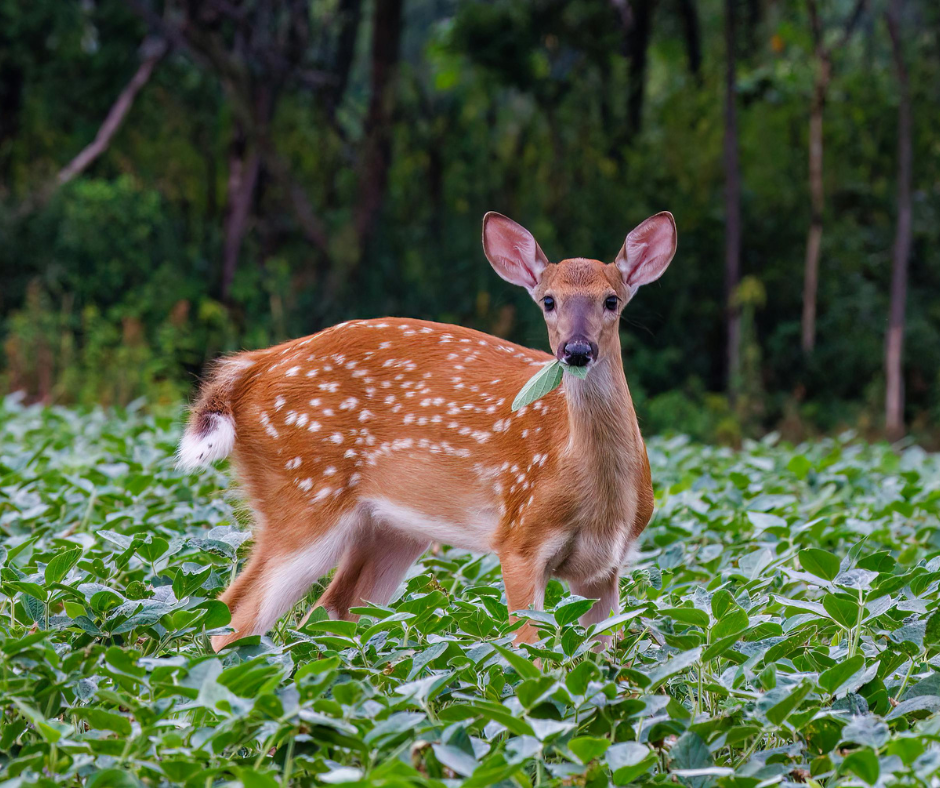
If you’ve ever asked yourself, “Will deer eat green beans?”, the answer is a firm yes and not just occasionally. Deer actively seek out green beans when given the chance.
Table of Contents
For hunters, wildlife managers, and outdoor enthusiasts, understanding what draws deer to specific foods can offer valuable insight into their habits, movement patterns, and habitat use. Green beans might not be a native browse species, but their high nutritional content and soft texture make them an irresistible target in food plots, farm edges, and backyard environments.
This article dives into why deer are drawn to green beans, when they’re most likely to eat them, where these encounters occur, and what this behavior tells us about their diet. We’ll also cover whether feeding green beans to deer is wise or legal, and how to observe or manage this behavior whether you’re tracking deer for a hunt or working to protect your land.
Why Deer Will Eat Green Beans
Deer are naturally drawn to plants that are soft, moist, and easy to eat and green beans fit this profile perfectly.
High Palatability
Green bean plants have tender leaves, soft stems, and juicy pods that are especially appealing to deer. Unlike woody shrubs or tough grasses, green beans are easy for deer to bite and chew. This makes them a preferred food source, especially for young deer or those looking for quick, easy energy.
Nutritional Appeal
Green beans are more than just tasty,they’re nutritious, too. The leaves and pods are rich in moisture, which helps keep deer hydrated during hot months. They also contain natural sugars and carbohydrates that provide fast energy, as well as protein, which is essential for growth, muscle development, and especially in bucks antler formation. For does (female deer), protein and vitamins in green beans are valuable during pregnancy and nursing.
Lack of Natural Deterrents
Many wild plants develop bitter flavors or chemical compounds to protect themselves from being eaten. Green beans do not. They lack strong defenses, making them not only more palatable but also more likely to be eaten in larger amounts when deer come across them.
Scent and Visual Cues
Deer rely heavily on their sense of smell and sight to find food. Green bean plants give off a mild but sweet scent, especially when flowering or when the pods are forming. The bright green color and open structure of bean plants can also help catch a deer’s attention, particularly in areas with less vegetation.
When Deer Are Most Likely to Eat Green Beans
While deer may browse green beans at any time they’re available, certain seasons and conditions increase the chances of green bean plants becoming a deer magnet.
Spring and Summer
In spring and early summer, deer are actively seeking out tender, new plant growth. Green beans grow quickly in warm weather, producing soft leaves and young pods just the kind of food deer crave. This is also a time when deer need more nutrients for growth, fawning, or antler development, making green beans especially valuable.
Periods of Food Scarcity
As summer ends and natural vegetation begins to dry up, deer may struggle to find fresh food sources. In late summer or early fall, if rainfall is low or wild forage is limited, green beans can become one of the few lush, green foods left in the landscape. This makes deer more likely to target gardens, small farms, or leftover crops.
During Gestation or Lactation
Female deer (does) have increased nutritional needs during pregnancy and while nursing fawns. They seek out foods that are rich in protein, moisture, and minerals to support both themselves and their young. Green beans, with their high nutrient content, provide a natural source of these essential elements. If a doe finds green beans during these periods, she’s likely to return frequently.
Where Are Green Beans Most Vulnerable? – Will Deer Eat Green Beans Based on Location?
Farmland: Beans Grown for Human Consumption
In rural areas, farmland often provides deer with direct access to green beans. These crops are grown widely for human consumption, and the edges of fields or garden plots are commonly visited by deer searching for soft, nutritious plants. Once deer discover rows of green beans especially during early stages of growth they can return repeatedly, consuming leaves, stems, and pods until little is left. Farmers and rural homeowners often find that deer can cause serious damage in just a few nights.
Suburban Areas: Backyard Compost Piles and Hobby Farms
As deer populations expand into suburban and semi-rural areas, they increasingly find green beans in backyards, hobby farms, and even compost piles. Deer are opportunistic and curious by nature. If someone tosses bean plants or scraps into an open compost pile, deer may be drawn by the scent and begin foraging. Homegrown vegetable patches in suburban neighborhoods are especially vulnerable, as deer have learned that these areas often offer easy, untended food.
Food Plots: Hunters or Land Managers May Use Green Beans in Plant Mixes
Some hunters and landowners plant food plots to attract or support local deer. While soybeans, clover, and alfalfa are more common choices, green beans may be used in mixed plantings designed to provide nutritional diversity. These plants grow quickly and are highly palatable, making them a tempting treat in managed lands where supplemental forage is provided during warm seasons.
Accidental Access: Fallen or Discarded Produce Near Roads, Trash Bins, or Markets
Occasionally, deer may encounter green beans purely by accident. Spilled or discarded produce near farmers markets, grocery store dumpsters, roadside stands, or even residential garbage bins can provide deer with a surprise snack. These chance encounters demonstrate how deer will investigate and consume unfamiliar foods if they look, smell, or taste appealing.
What This Behavior Reveals About Deer Diets
Deer Are Adaptive Feeders: They Adjust to Local Food Availability
Deer are known as adaptive feeders, meaning their diets change depending on what food sources are available. In spring and summer, they target fresh, leafy vegetation. In fall, they seek out fruits and acorns. In winter, they’ll even eat bark or twigs when options are scarce. The fact that deer willingly eat green beans even though they aren’t native or wild plants shows how flexible and opportunistic their feeding behavior really is.
Preference for Variety: Green Beans Are Just One of Many Soft-Tissue Plants Deer Consume
Rather than feeding exclusively on a single plant type, deer prefer to browse sampling a variety of plants in small amounts. Green beans are just one of many tender, moisture-rich plants deer enjoy. Others include hostas, strawberries, and even certain flowers like tulips. This variety helps deer meet their nutritional needs more effectively, especially when their diet must support antler growth, fawning, or winter fat storage.
Feeding Patterns Reflect Environmental Pressures and Seasonal Needs
Deer diets also change in response to seasonal changes and environmental stress. During dry periods or food shortages, deer may move closer to human spaces in search of accessible food. In years with low acorn or mast production, they may shift more heavily toward farm crops and garden plants. Their willingness to eat green beans especially when natural food is scarce is a direct response to these changing conditions.
Should You Feed Green Beans to Deer?
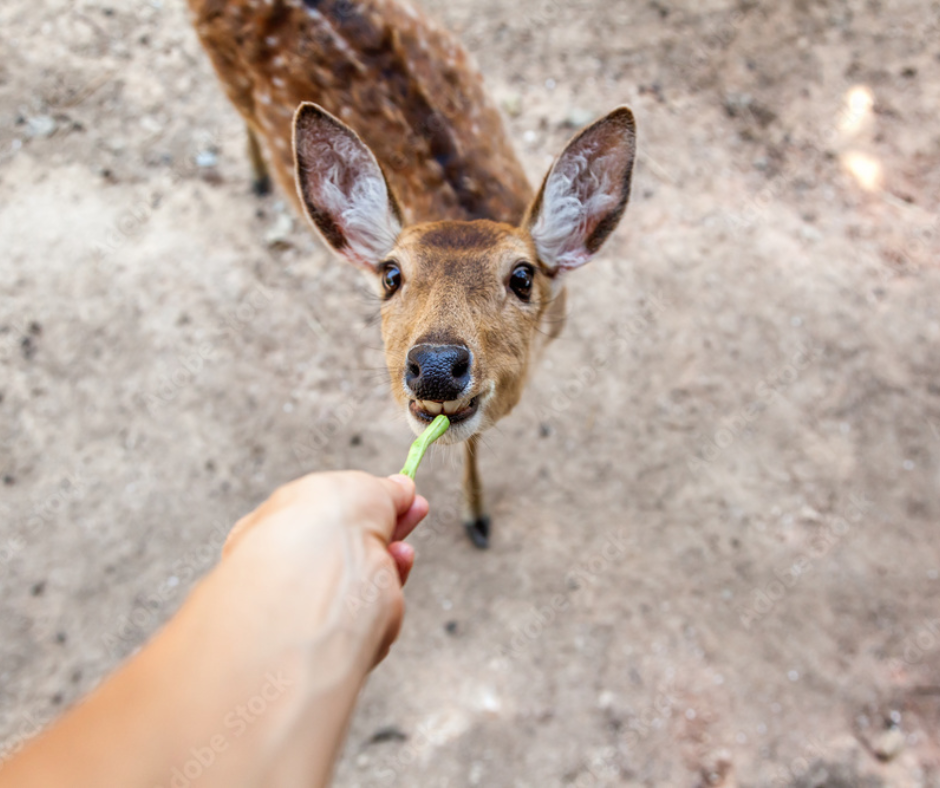
Natural Foraging vs. Intentional Feeding
It’s important to distinguish between deer naturally discovering green beans and people intentionally feeding them. While letting deer nibble on what’s naturally available in the environment is part of the ecosystem, providing food regularly, especially human-grown produce can lead to long-term problems. Wildlife agencies generally recommend letting deer forage on their own without human interference.
Potential Risks of Supplemental Feeding: Dependence, Disease Spread, Habitat Disruption
Feeding deer whether green beans or other foods can lead to a number of issues. It may cause deer to become dependent on handouts and lose their natural foraging habits. Additionally, gathering deer around a single food source increases the risk of disease transmission, including serious illnesses like chronic wasting disease (CWD). Supplemental feeding can also disrupt migration patterns, increase local overpopulation, and cause long-term habitat degradation as deer stay in areas not suited to sustained browsing.
Legal and Ethical Considerations in Feeding Wildlife
In many regions, feeding deer is regulated or prohibited by law, especially during hunting season or disease outbreaks. Even where it is legal, wildlife experts discourage the practice. Feeding deer green beans might seem kind or harmless, but it can unintentionally cause harm to both the deer and the local ecosystem. If you’re unsure about the rules in your area, it’s always best to check with your local wildlife or conservation authority.
Observing or Managing This Behavior
What to Look For: Signs Deer Have Eaten Green Beans
If deer are feeding on green beans in your area, they’ll leave behind several signs. You might notice clean, angled bite marks on leaves and pods, deer tracks around the plants, or small piles of droppings nearby. Often, deer feed at dawn or dusk, so damage may appear suddenly overnight. You may also see that the plants are eaten unevenly, with top leaves and stems stripped while lower portions remain untouched.
Implications for Wildlife Watchers, Landowners, and Conservationists
For wildlife enthusiasts, observing deer behavior can be a rewarding experience. Watching deer browse and interact with their environment provides insight into their habits and health. However, for landowners, frequent deer activity may mean crop loss or plant damage. Conservationists, too, must consider the balance between supporting deer populations and protecting native plants and ecosystems from overbrowsing.
Tips for Discouraging or Redirecting Deer if Necessary
If you’re trying to protect green bean crops or other plants from deer, there are several strategies you can use. Tall fencing, at least 6 to 8 feet high, is often the most effective deterrent. Scent-based repellents made from garlic, eggs, or pepper can make plants less appealing. Motion-activated sprinklers or lights may also startle deer and keep them at a distance. Additionally, you can plant deer-resistant plants like lavender, marigolds, or yarrow around your green beans to act as a natural barrier
CONCLUSION
So, will deer eat green beans? Absolutely and their interest in this simple crop offers more insight than you might expect. Green beans are soft, nutritious, and completely unprotected by natural deterrents, making them an easy target across a variety of environments.
This behavior can hint at travel routes and preferred feeding spots during key seasons. And for wildlife enthusiasts and landowners, it’s a reminder of how deer adapt and how our land use affects their choices.
Want more practical tips for understanding and managing whitetail behavior? Sign up for our expert wildlife insights, and stay informed every season.
]]>
Do deer calls really? It’s early November. The woods are quiet, the air crisp, and you know a buck is somewhere just out of sight. You reach for your grunt tube, your mind racing with a familiar question: do deer calls really work or will this move send him running in the opposite direction?
This is a debate as old as modern whitetail hunting itself. While some hunters swear by their
grunt calls and rattling antlers, others insist they’ve had more empty sits than close encounters.
The truth lies somewhere in between: deer calls can be powerful tools, but only when used with
timing, skill, and strategy.
As an experienced hunter knows, success is rarely about one trick—it’s about understanding
deer behavior, reading the conditions, and integrating every tactic into a bigger game plan. In
this guide, we’ll draw on proven field experience and expert insights to break down how deer
calls work, when they’re most effective, and the common mistakes even seasoned hunters
make.
If you’ve ever wondered whether adding more calling to your setup could improve your results
or simply want to refine your technique,this article will give you the answers, backed by real
hunting knowledge and practical strategies.
Do Deer Call Really Work: How Deer Calls Work
The Role of Deer Communication
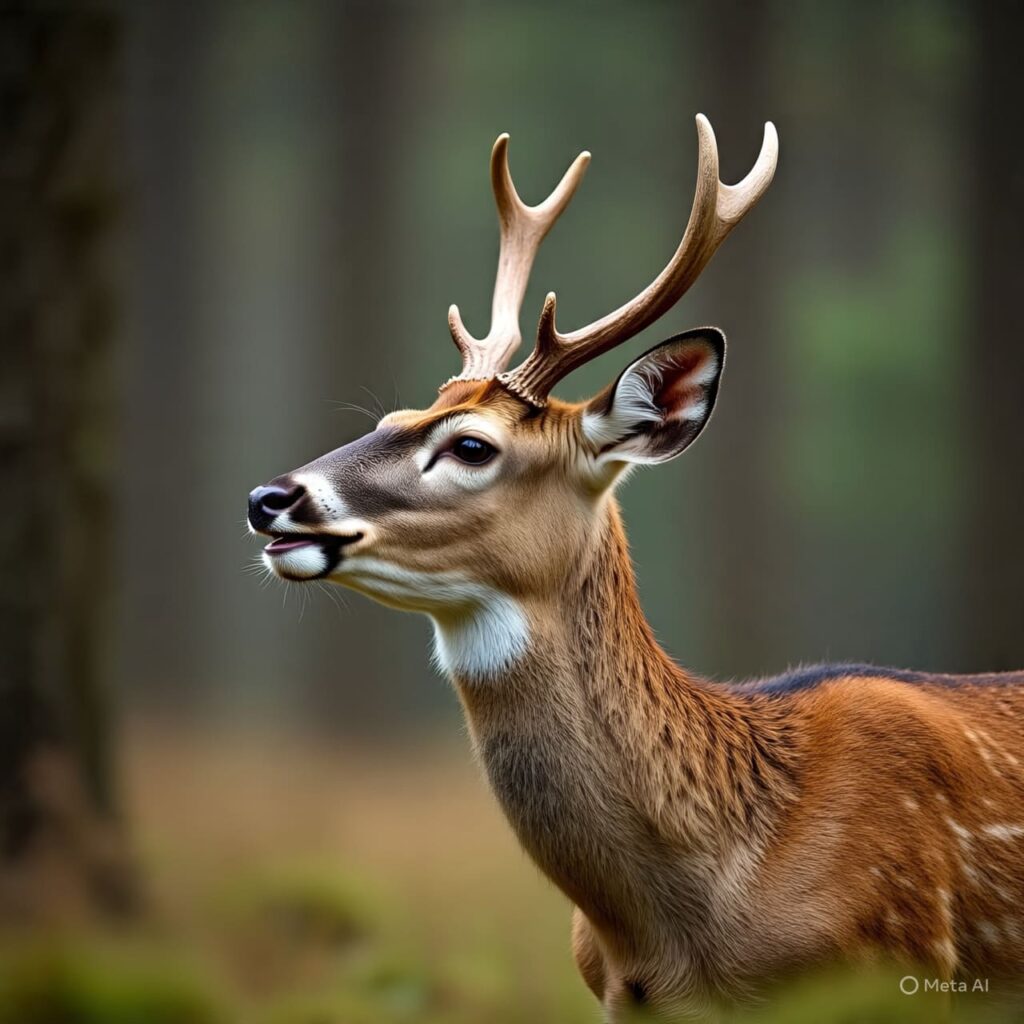
Deer are not silent animals (deer vocalisation research). Much like humans, they rely on different sounds to communicate with one another. These vocalisations serve many purposes, from warning the herd about predators to expressing dominance or signaling readiness to breed.
During the rut, the deer’s breeding season ,communication becomes even more important.
Bucks often grunt or snort to challenge rivals, while does may call to let bucks know they are
receptive.
For hunters, understanding this “language” is key. Each sound a deer makes is connected to a
specific behaviour or situation. When we ask, do deer calls really work, the answer is yes but only
if the call you use matches the message deer naturally expect to hear. If the sound feels “off” or
out of place, experienced deer will ignore it or even move away.
Do Deer Calls Really Work : Types of Deer Calls and Their Purpose
Grunt Calls
Grunts are low, short sounds bucks make to show dominance or keep in contact with other deer.
Hunters often use them when a buck is already in sight to draw him closer.
Doe Bleats
These higher-pitched sounds signal that a doe is nearby and possibly ready to breed. They are
most effective during the rut, when bucks are actively searching for does.
Fawn Bleats
Fawns use a softer, urgent call when they need their mothers. Hunters mimic this sound to
attract does, who may rush in out of maternal instinct.
Rattling Antlers
This sound imitates two bucks fighting for dominance. During peak rut, it can be one of the most
dramatic and effective ways to attract a curious or competitive buck.
Do Deer Calls Really Work : Key Factors That Influence Effectiveness
Hunters often wonder, do deer calls really work every time? The honest answer is no. Even the
most realistic call will fall flat if used in the wrong way. Success depends on a few key factors:
timing, location, hunting pressure, and calling technique.
Timing: Pre-Rut, Rut, and Post-Rut
The time of year greatly affects how deer respond. During the pre-rut, bucks are busy testing
dominance, so light grunts or sparring rattles can catch their attention.
In the peak rut, calling is most effective because bucks are chasing does—doe bleats and aggressive rattling often trigger strong reactions. By the post-rut, responses slow down, but soft grunts or fawn bleats may still bring deer closer.
Location: Where You Call Matters
Deer are far more likely to respond when they feel safe. Calling near bedding areas, travel
funnels, or thick cover works better than wide-open spaces where deer may feel exposed and
vulnerable.
Hunting Pressure
In areas with heavy hunting activity, deer learn quickly. They may associate certain calls with
danger and avoid them altogether. In low-pressure zones, however, calls are more likely to
spark curiosity.
Calling Technique
Finally, how you call matters just as much as when and where. Subtle, well-timed calls are more
believable than constant, loud calling. Reading a deer’s body language and adjusting your
technique often makes the difference between success and failure.
Do Deer Calls Really Work : Real-World Effectiveness and Hunter Perspectives
Hunters often trade stories about calling, and the opinions are as varied as the hunts
themselves. Some swear that deer calls are the reason they’ve tagged mature bucks year after
year.
Others claim that they’ve tried every grunt, bleat, and rattle in the book without so much as
a flick of an ear in response. This mix of experiences makes many hunters pause and ask
again: do deer calls work, or are they just over-hyped tools?
The truth is, both perspectives hold merit. Deer are individuals with different personalities and
experiences. In high-pressure hunting areas, a seasoned buck may be wary of even the most
realistic call. But in less pressured environments—or during the heat of the rut—calls can turn a
cautious deer into one charging straight toward your stand.
Blind Calling vs. Targeted Calling
One point of debate is whether to call blindly or only when deer are already in sight. Blind calling
can sometimes bring deer out of cover, but it is less reliable and carries the risk of spooking
animals that approach silently. Targeted calling, on the other hand, allows hunters to “read” a
buck’s body language and adjust their technique, often with better results.
Do Deer Calls Really Work : Common Myths About Deer Calls
Several myths cloud the topic. One is that calls always scare deer away. While overuse or poor
timing can have that effect, subtle, well-placed calls rarely do. Another myth is that calls
guarantee success. No call, no matter how realistic, can replace scouting, stand placement, or
understanding deer movement patterns.
In the end, deer calls are effective—but not foolproof. They work best when used as part of a
larger, well-rounded hunting strategy rather than as a shortcut to success.
Do Deer Calls Really Work : Building a Complete Hunting Strategy
Many hunters focus heavily on calling, but seasoned outdoorsmen know that deer calls are just
one piece of a much larger puzzle. When asked, do deer calls work, the honest answer is
yes—but they work best when supported by a complete hunting strategy. Preparation, scent
control, and patience often matter more than the call itself.
Scouting and Stand Placement
Preparation almost always beats improvisation. Successful hunters spend time before the
season studying deer movement patterns, bedding areas, and feeding routes. Choosing a stand
in the right funnel, near a bedding area, or along a travel corridor can set the stage for success.
A well-placed hunter with a call has far better odds than one relying solely on sound to bring
deer within range.
Scent and Wind Control
No matter how good your calling is, it won’t fool a deer’s nose. Whitetails live and die by their
sense of smell, which means scent control and wind awareness are non-negotiable. Always
position yourself downwind of likely deer approaches, and pair calling with scent management
practices. This ensures that when a buck responds, he doesn’t spook before stepping into
range.
Patience and Observation
Finally, patience is often the most underrated skill. Deer calls are tools, not shortcuts.
Sometimes the best move is to call lightly and then wait, watching carefully for subtle
movement.
Experienced hunters know that deer often approach silently, testing the situation
before committing. By combining patience with keen observation, you can capitalise on
opportunities that less disciplined hunters might miss
Do Deer Calls Really Work : Conclusion
Do deer calls work? Yes,but only when used wisely. They are not a shortcut, but a tool that
works best with the right timing, location, and technique. Subtle, well-placed calls can trigger
curiosity or draw in a rutting buck, especially when paired with scouting, scent control, and
patience.
If you want to move beyond trial and error and use deer calls as part of a proven hunting
strategy, Visit our website, and let’s make your next season your most successful one yet.

Have you noticed more deer showing up in your neighborhood lately—crossing streets, nibbling on gardens, or even wandering through busy parks? You’re not alone. As more towns and cities continue to expand, something unexpected is happening: instead of moving away, deer are adapting.
Balancing urban expansion and deer habitats has become a growing challenge for communities everywhere. Where new housing developments and roads once pushed wildlife out, today’s patchwork of parks, green spaces, and suburbs often creates the perfect environment for deer to thrive.
In this post, we’ll explore why balancing urban expansion and deer habitats matters, what happens when things get out of balance, and how cities, hunters, and conservationists can work together to create better solutions for both people and wildlife.
How Urban Expansion Fuels the Deer Boom

You might wonder. Why are there so many deer in cities these days? It all comes down to how urban areas are changing the landscape in ways that actually help deer thrive.
Cities Create the Perfect Habitat
When we build homes, roads, parks, and shopping centers, we break up the natural land into smaller patches. This mix of green spaces, backyards, and forest edges is exactly what deer love.
They can easily find food like flowers, shrubs, vegetable gardens, and even birdseed, and also plenty of shelter in wooded areas, parks, or even vacant lots. In a way, these urban spaces become “deer-friendly neighborhoods.”
Fewer Predators, Fewer Problems
In the wild, predators like wolves and mountain lions help keep deer populations in check. But in cities, those predators are gone. And while hunting is a natural way to manage deer numbers in rural areas, many urban neighborhoods don’t allow hunting for safety reasons.
That means deer can live longer and raise more young. In fact, one of the main ways deer die in cities is through car accidents, not natural predators.
Clever and Adaptable
Deer are smart animals. In urban areas, they’ve learned to adjust their routines. They come out at dawn or dusk when there’s less traffic and fewer people around. They quickly figure out which yards have the tastiest plants and how to navigate busy streets safely. Over time, they’ve become surprisingly good at living alongside humans.
Impacts of Overabundant Urban Deer

While seeing deer in the city can feel magical at first, having too many can lead to some serious problems for both people and the environment. The rise of urban deer populations grow beyond what the land can support, they start to cause damage and create risks we can’t ignore. Let’s take a look at some of the biggest impacts.
Human-Wildlife Conflicts
When deer and people live close together, it can lead to some unwanted encounters.
- Vehicle collisions: Deer darting across roads can cause accidents, leading to injuries, car damage, and sometimes even fatalities.
- Property damage: Deer love munching on gardens, shrubs, and crops, which frustrates homeowners and farmers alike.
- Public health risks: More deer can mean more ticks in the environment, raising the chances of diseases like Lyme disease spreading to people and pets.
Ecological Consequences
Too many deer don’t just affect humans, but they can also harm local ecosystems.
- Overbrowsing: Deer eat young trees and native plants faster than they can grow back, which can lead to bare, unhealthy forests.
- Loss of biodiversity: As deer wipe out certain plants, the animals and insects that depend on those plants also disappear.
- Spread of invasive species: With native plants gone, invasive species often move in and take over, changing the entire landscape.
Strategies for Managing Urban Deer Populations

As more deer appear in our neighborhoods, cities and towns are exploring various methods to manage the situation. It’s not just about getting rid of deer, but it’s about finding smart, safe, and respectful solutions that work for both people and wildlife.
Some strategies involve reducing deer numbers, while others aim to keep them out of certain areas or prevent problems before they start. Some of these strategies are as follows.
Regulated Lethal Control
Sometimes, when deer populations grow too large and cause serious damage or safety concerns, carefully managed hunting or removal is used to bring numbers down.
- Special hunting programs with extra tags in approved areas
- Trained sharpshooters in select zones (especially at night when it’s safer)
- Permits for landowners facing crop or property damage
Non-Lethal and Innovative Solutions
Not everyone is comfortable with lethal methods, so cities also explore ways to manage deer without harming them.
- Fertility control, like deer contraceptives or sterilization
- Fencing and repellents to protect gardens and landscaping
- Habitat changes to make areas less attractive to deer
- Targeting bold deer that are more likely to cause problems
Community-Based Management
Local communities play a big role in finding solutions that fit their needs and values. These strategies focus on teamwork and education.
- Public meetings and surveys to gather opinions
- Education campaigns about deer safety and prevention
- Collaboration between homeowners, city officials, and wildlife experts
- Use of planning tools like Cornell’s Deer Advisor and DEC guides
Moving Toward Better Balance: Urban Expansion and Deer Habitats

Now, it’s a fact that deer aren’t going away, and neither are people. So the real challenge is figuring out how we can live alongside each other in a way that works for everyone.
It’s about creating a balance where deer can still be part of the landscape without causing big problems for people or the environment.
Designing “Deer-Smart” Cities
One way to help is by building cities and neighborhoods that take deer into account by:
- Creating safe wildlife paths or corridors so deer aren’t forced onto busy streets.
- Putting up fences or using plants that deer don’t like around gardens and parks.
- Discouraging people from feeding deer can lead to bigger problems.
Using Science and Public Input
Good decisions are based on good information.
- Experts use research and local data to understand deer populations and their impacts.
- Communities can take surveys or attend meetings to share their thoughts and concerns.
- When cities listen to both science and local voices, they can make smarter, more balanced choices.
Looking to the Future
Managing urban deer isn’t something you do once and forget. It’s an ongoing process that needs flexibility and care. This can be done by,
- Monitoring deer populations and adjusting strategies as needed.
- Keeping forests and natural areas healthy for the long term.
- Finding humane, thoughtful ways to reduce conflicts while still appreciating the wildlife around us.
Conclusion
It might seem surprising to see deer becoming such a common sight in our cities and suburbs, but as we’ve seen, they’ve adapted pretty well to life alongside us. The problem is, when too many deer move into these spaces, it can lead to real challenges for people, for local plants and animals, and for the deer themselves.
Finding the right balance isn’t easy. It takes understanding why deer are thriving in urban areas, recognizing the impacts they can cause, and working together on smart, fair solutions. Whether it’s adjusting how we design our neighborhoods, exploring new management tools, or simply having open conversations in our communities, we all have a part to play.
In the end, the goal is simple: to create healthy, safe places for both people and wildlife. With a little effort and cooperation, we can get there, one step at a time.
Join the Conversation
How is your community handling the challenge of balancing urban expansion and deer habitats? What ideas or experiences would you share with others? Drop your thoughts in the comments below!
We believe in learning from each other, whether you’re a hunter, a conservationist, or simply someone who enjoys observing wildlife. Let’s work together to explore smart, balanced ways to manage urban deer and build a conversation that leads to better solutions.
]]>Forest dwelling deer are some of the most fascinating and elusive creatures in the wild. They move with silent precision through thick woodlands, relying on instincts and adaptations that have kept them alive for centuries. To the untrained eye, these animals might seem predictable. But any hunter knows the moment you underestimate a forest dwelling deer, it vanishes like smoke into the trees.
Have you ever wondered how deer always seem to know you’re there—even before you make a sound? That’s because forest dwelling deer are masters of survival. They blend in, sense danger before it arrives, and adapt to every season of the year.
In this post, we’ll uncover the 7 survival secrets of forest dwelling deer. These insights will not only help you appreciate the intelligence of these woodland survivors but also give hunters a valuable edge in the field.
Secret 1: Mastering Camouflage in Dense Forests
The first survival advantage of a forest dwelling deer is its natural camouflage. Their coats change with the seasons, allowing them to vanish into the forest background:
- Summer coats: Reddish-brown fur blends with leaves and undergrowth.
- Winter coats: Grayish hues match bare trees and snow.
A forest dwelling deer doesn’t just rely on color. It freezes and stays still, becoming part of the forest itself. Sometimes, a hunter may sit for hours within 30 yards of a deer without realizing it’s there. Their ability to merge into shadows makes them nearly invisible.
For hunters, success means spotting movement, not shapes. Train your eyes to detect small, subtle motions, the flick of an ear, the rise and fall of a chest, or the twitch of a tail.
Pro tip: Next time you’re glassing a woodlot, look for movement rather than silhouettes. In the forest, stillness is often the deer’s strongest weapon.
Secret 2: Acute Senses – Hearing, Smell, and Sight
The second survival secret of forest dwelling deer is their extraordinary senses. These animals are built to detect danger long before it arrives.
- Hearing: Their ears swivel like radar dishes, picking up faint rustles or the snap of a twig. Hunters often underestimate just how quiet they must be.
- Smell: A forest dwelling deer can detect human scent from hundreds of yards away, sometimes hours after you’ve passed through.
- Sight: While deer don’t see colors the way humans do, they excel at detecting movement, especially in low-light conditions at dawn and dusk.
For hunters, this creates both a challenge and an opportunity. Success depends on working with the deer’s senses rather than against them. Check the wind before you head out, wear scent-control gear, and minimize unnecessary noise.
Secret 3: Strategic Feeding Patterns
A forest dwelling deer doesn’t feed randomly—it eats with strategy and caution.
- Timing: Deer are crepuscular, meaning they feed most actively at dawn and dusk. These times reduce risk because predators are less effective in low light.
- Diet shifts: In summer, deer prefer fresh greens, while in autumn they gorge on acorns and crops to build fat reserves. Winter diets are leaner, woody browse, bark, and fungi sustain them when food is scarce.
- Location: Forest dwelling deer rarely feed in wide-open areas unless they feel safe. They stick to forest edges or areas close to cover for a quick escape.
Hunters who pay attention to seasonal food sources can predict movement. For instance, when acorns drop in early fall, deer abandon fields to feast in oak groves. Knowing this helps you position yourself where the deer will be, not just where they were.
Secret 4: Navigating with Memory and Mapping
A forest dwelling deer isn’t a wanderer, it’s a strategist with a mental map of the forest. This map includes:
- Safe bedding areas
- Water sources
- Feeding zones
- Trusted escape routes
Deer remember danger zones. If they survive an encounter in one spot, they may avoid it for weeks or shift to a safer route. This memory is why hunters often notice trails worn smooth in certain areas while others remain unused.
For hunters, understanding this “mental map” is critical. Rub lines, scrapes, and deer trails are clues to their preferred routes. Study these, and you’re essentially reading the diary of a forest dwelling deer.
Pro tip: If you spook a deer in one area, give it a week or two before returning. Their memory is sharp, and they won’t risk danger twice in quick succession.
Secret 5: Stealth and Silence in Movement
A forest dwelling deer moves with incredible stealth. Their hooves and muscles are designed for quiet movement, allowing them to slip through forests without breaking the silence.
They pause frequently, scanning and listening before moving again. This stop-and-go pattern makes it hard for predators or hunters to track them.
For hunters, the lesson is clear: mimic the deer. Move slowly, pause often, and always watch where you step. A snapped twig may seem minor, but to a deer, it’s an alarm bell.
Picture this: You’re easing through a thicket, taking one step every 20 seconds. You pause, listen, then move again. This rhythm mirrors the caution of a forest dwelling deer and drastically increases your chances of going undetected.
Secret 6: Group Dynamics and Alert Systems
A single forest dwelling deer is cautious, but a group is nearly impossible to fool. Deer—especially does and fawns, often move in small groups for safety.
They communicate with subtle signals:
- Tail flicks show alertness.
- Foot stomps warn of potential danger.
- Snorts trigger group flight.
One alert deer can ruin a hunt. If the lead doe stomps and snorts, the entire group may bolt, and even nearby deer could be alerted.
Hunters must watch carefully for body language. A raised tail or stomping hoof is your warning sign—you’ve been noticed. Freeze, stay still, and you may avoid a full alarm.
Secret 7: Seasonal Adaptations and Survival Strategies
The final secret of the forest dwelling deer is how it adapts to the seasons. These strategies ensure survival year-round:
- Winter: Energy conservation is vital. Deer reduce movement, seek sheltered bedding areas, and rely on fat reserves.
- Antler cycles: Bucks grow antlers for dominance during the rut, then shed them afterward to conserve strength.
- Range shifts: In times of scarcity, deer may migrate short distances to find better cover and food.
For hunters, timing is everything. The rut offers the best opportunities to hunt mature bucks because their guard drops. In winter, focusing on food sources or thick bedding areas pays off.
Pro tip: Study your hunting grounds year-round. Each season tells a different story about where forest dwelling deer will be.
Conclusion
The forest dwelling deer is one of nature’s most skilled survivors. From camouflage and sharp senses to memory, stealth, group alerts, and seasonal adaptability, these strategies reveal just how intelligent and resourceful deer truly are.
For hunters, this knowledge changes the game. It transforms hunting from guesswork into a thoughtful pursuit of skill and respect. More importantly, it deepens admiration for the animal itself.
When you step into the woods, remember you’re not just entering a hunting ground. You’re entering the carefully managed world of a master survivor.
Call to Action
Did these forest dwelling deer secrets give you new hunting insights?
- Share this post with your hunting buddies.
- Comment with your own deer encounters.
The more we understand forest dwelling deer, the more rewarding every trip into the woods becomes.
]]>
Scent lures and attractants can be the deciding factor between watching a buck slip away or sealing the perfect shot. Deer rely on their noses, which are up to 1,000 times more sensitive than ours, making scent one of the most powerful tools a hunter can use.
For deer hunters and enthusiasts, scent lures and attractants aren’t just extras in the pack — they’re strategic tools that tap into curiosity, dominance, and feeding instincts. In this post, we’ll break down the top 7 proven scent lures and attractants that actually work, plus when and how to use them to maximize your chances of success in the field.
1. Doe Estrus Urine
When it comes to scent lures and attractants, few options are as powerful and time-tested as doe estrus urine. This lure replicates the natural scent released by a doe in heat, signaling to nearby bucks that she is ready to breed. For deer hunters, this scent is one of the most reliable ways to trigger an instinctive response during the rut, often drawing dominant bucks straight into range.
Why Doe Estrus Urine Works
The biology behind this attraction is simple but effective. Bucks rely heavily on their sense of smell to locate receptive does during the breeding season. Estrus urine mimics this chemical cue perfectly, flipping the switch on a buck’s natural drive to seek out breeding opportunities. Unlike food-based scents that appeal to hunger, this lure taps directly into a buck’s reproductive instincts making it one of the most effective scent lures and attractants in a hunter’s toolkit.
Best Time to Use Doe Estrus Urine
Timing is everything. Doe estrus urine shows its greatest effectiveness during the peak of the rut, when bucks are actively seeking and are more aggressive in responding to mating signals. While you can experiment with this lure in the pre-rut, you’ll get the strongest results once bucks are fully locked into breeding behavior. Using it outside of this window may not spook deer, but it will be far less effective.
How to Use It in the Field
To maximize effectiveness, apply doe estrus urine on scent wicks or drag lines leading toward your stand. Dragging the scent across trails or through natural deer travel corridors creates a realistic path for a buck to follow. Hanging wicks at nose level near scrapes or shooting lanes also increases the chance of pulling a deer into range.
Pro Tip for Maximum Effect
Doe estrus urine loses potency quickly, especially in changing weather conditions. Refresh your scent wicks or drag lines regularly to keep the aroma strong and realistic. Hunters who consistently reapply the scent report significantly higher success rates, proving that freshness can make or break your setup.
2. Buck Urine
Among the many scent lures and attractants available to deer hunters, buck urine holds a unique place. Unlike food-based scents or estrus lures, this attractant is all about dominance and territory. When another buck catches the smell of fresh buck urine, his natural instincts push him to investigate, defend his ground, or even challenge the intruder. For hunters, this provides an opportunity to trigger aggressive, curiosity-driven behavior that brings deer closer.
Why Buck Urine Works
Bucks rely on scent to establish dominance and communicate their presence to rivals. The smell of another male signals competition and can quickly stir up territorial aggression. Mature bucks, in particular, are less tolerant of other males during the breeding season, making buck urine one of the most effective scent lures and attractants for drawing them out of cover. Instead of avoiding the scent, they often charge in to assess the rival, giving hunters a critical advantage.
Best Time to Use Buck Urine
The best results come during the pre-rut and rut phases. In the pre-rut, bucks begin to lay down scrapes and rubs, marking territory and establishing hierarchy. Introducing buck urine at this stage convinces them another deer is trying to move in. During the rut, when aggression is at its peak, this lure can trigger explosive reactions from dominant bucks eager to chase off competition. Using it outside of this window may still pique interest but won’t deliver the same high-energy response.
How to Use Buck Urine in the Field
The most effective strategy is applying buck urine directly to scrapes or mock scrapes. This instantly transforms the area into a perceived challenge for nearby bucks. Another approach is to use scent wicks around your stand to disperse the smell across the wind. Placing it along established deer trails can also increase the chance of drawing a dominant buck into range.
Pro Tip for Hunters
For maximum impact, pair buck urine with a grunt call. The combination of scent and sound creates a powerful illusion of a rival deer actively invading territory. This multi-sensory trigger often compels bucks to respond quickly and aggressively, increasing your odds of success.
3. Tarsal Gland Scent
For serious deer hunters looking to tap into natural dominance behavior, tarsal gland scent is one of the most overlooked yet powerful scent lures and attractants. This scent comes directly from the glands located on the inside of a buck’s hind legs, which produce a strong, musky odor during the rut. Bucks use it to communicate hierarchy, attract does, and warn off rivals—making it an irresistible signal in the hunting woods.
Why Tarsal Gland Scent Works
The tarsal gland is like a buck’s calling card. When deer urinate over their tarsal glands, the scent mixes with their unique pheromones and bacteria, creating a distinct odor that signals age, dominance, and breeding readiness. Other bucks immediately recognize this cue and often interpret it as a challenge. This makes tarsal gland scent one of the most natural and effective scent lures and attractants you can deploy, because it mirrors what deer already use to communicate every day.
Best Time to Use Tarsal Gland Scent
This attractant is effective throughout the rut. In the early rut, it sparks curiosity and mild competition. As the rut peaks, bucks become more territorial and aggressive, making them more likely to investigate and confront what they perceive as a rival’s scent. Late in the rut, it can still be useful, especially in areas with established scrapes that bucks continue to monitor. Unlike estrus urine, which is highly seasonal, tarsal scent has a broader window of effectiveness.
How to Use Tarsal Gland Scent in the Field
The most effective placement is on mock scrapes or overhanging branches, where bucks naturally expect to encounter territorial markers. Applying the scent at nose level maximizes detection and makes the setup appear authentic. You can also combine it with doe urine in the scrape to simulate a breeding scenario, further increasing interest.
Pro Tip for Hunters
Tarsal gland scent delivers the best results when used in combination with natural deer signs, such as existing scrapes, rubs, or trails. Adding the lure to a fresh scrape enhances realism and convinces dominant bucks that another male is actively using their territory. This layered approach increases the odds of pulling a curious or territorial buck directly into a shooting range.
4. Food-Based Attractants (Apple, Corn, Acorn Scents)
When it comes to natural draw power, food-based attractants are some of the most reliable scent lures and attractants for deer hunters. Scents like apple, corn, and acorn mimic the familiar foods deer instinctively seek out in the wild. Because these aromas are tied to survival and daily feeding routines, they instantly put deer at ease, making them approach areas more confidently compared to aggressive or dominance-based lures.
Why Food-Based Scents Work
Deer are browsers by nature, and their diet shifts with seasonal availability. Apples, corn, and acorns are staples that deer recognize and actively pursue when accessible. When hunters introduce these scents into a hunting setup, they create the illusion of a food source nearby. This appeals not only to hunger but also to a deer’s natural curiosity. For pressured deer that may shy away from unfamiliar smells, food-based lures feel safe and inviting, making them one of the most versatile scent lures and attractants on the market.
Best Time to Use Food-Based Attractants
The greatest success comes in the early season and late season. In early fall, deer are focused on building fat reserves and are highly food-driven, making apple and corn scents particularly effective. In the late season, when natural food supplies are scarce, acorn or corn-based attractants can become irresistible. During the rut, food-based scents are less effective compared to estrus or dominance lures, but they still work well for pulling in does—which, in turn, may attract trailing bucks.
How to Use Food-Based Scents in the Field
Hunters can apply these scents near food plots, trails, or bedding areas where deer naturally travel. Sprays or liquid attractants can be applied to vegetation, while scent wafers or gels can provide longer-lasting coverage. A strategic placement along the wind path ensures deer pick up the scent long before they reach your stand, drawing them in naturally.
Pro Tip for Hunters
To avoid raising suspicion, rotate food-based scents throughout the season. Deer are intelligent and can grow wary if they encounter the exact same aroma repeatedly in pressured areas. Switching between apple, corn, and acorn scents keeps your strategy fresh and believable, increasing your chances of consistent encounters.
5. Curiosity Scents
Not every hunting setup needs to rely on dominance or food. Sometimes, the simplest approach is sparking a deer’s natural sense of exploration. Curiosity scents are non-threatening aromas designed to intrigue deer rather than intimidate them. For hunters, this makes them one of the most flexible and underrated scent lures and attractants, particularly in areas where deer are heavily pressured or unusually cautious.
Why Curiosity Scents Work
Deer are highly alert animals, but they’re also inquisitive. When they encounter an unfamiliar but non-threatening scent, their first instinct is often to investigate. Unlike aggressive lures such as buck urine, curiosity scents don’t trigger fear or competition. Instead, they encourage deer to step closer out of simple interest. This makes them especially effective for pulling in young bucks, but even mature bucks can’t always resist checking out a smell that doesn’t signal danger. Among scent lures and attractants, curiosity scents stand out for their subtle but consistent pull.
Best Time to Use Curiosity Scents
One of the biggest advantages of curiosity scents is that they can be used throughout the season. Early in the year, they’re great for drawing in deer without raising alarms, while during the rut, they can act as supplemental attractants alongside breeding or territorial scents. Late in the season, when deer are more cautious, curiosity scents continue to perform well because they feel neutral and low-risk. This year-round flexibility is what makes them one of the most dependable scent lures and attractants in any hunter’s toolkit.
How to Use Curiosity Scents in the Field
For best results, apply curiosity scents lightly around hunting paths, mock scrapes, or travel corridors. A little goes a long way—too much can make deer suspicious. Sprays and gels work well because they allow for controlled application and can be refreshed as needed. Position the scent crosswind from your stand so deer naturally follow the trail into your shooting lanes.
Pro Tip for Hunters
Curiosity scents are especially effective in wary or high-pressure hunting zones where deer may avoid estrus or buck scents. Because they present no obvious threat, they help build trust and lower a deer’s guard. Pairing them with subtle calling or natural sign can enhance realism and gently coax deer into range without spooking them. This makes curiosity-based products a smart addition to your lineup of scent lures and attractants.
6. Synthetic Deer Lures
As deer hunting regulations evolve, especially in areas affected by Chronic Wasting Disease (CWD), many hunters are turning to synthetic deer lures as safe and legal alternatives to natural scents. Unlike traditional urine-based products, synthetics are lab-created to mimic the chemical profiles of natural deer scents without carrying the risk of spreading disease. For deer hunters who want to stay compliant with the law while still using effective scent lures and attractants, synthetic options provide a dependable solution.
Why Synthetic Deer Lures Work
Modern formulas are designed to replicate the scent compounds found in real deer urine or glands. To a buck’s nose, these synthetics are nearly indistinguishable from the real thing, meaning they still trigger curiosity, dominance, or breeding responses depending on the formula you choose. Since deer rely almost exclusively on scent for communication, synthetics give hunters a tool that is both effective and regulation-friendly. In fact, synthetic products are now among the fastest-growing categories of scent lures and attractants.
Best Time to Use Synthetic Deer Lures
Synthetic lures can be used all season, depending on the specific blend. Estrus-based synthetics are most effective during the rut, while dominant buck formulas shine in the pre-rut and rut phases. Food-based synthetic scents can be applied early or late in the season to draw deer looking for reliable food sources. This versatility makes synthetics one of the most adaptable types of scent lures and attractants available to hunters.
How to Use Synthetic Deer Lures in the Field
Application methods are nearly identical to natural scents. Hunters can apply synthetics on scent wicks, drag lines, or directly into scrapes. Hanging wicks at deer nose level ensures maximum detection, while dragging synthetic scent along travel routes creates a trail deer are likely to follow. Because synthetics are designed for longevity, they often hold up better in wet or windy conditions compared to natural alternatives—an added advantage over other scent lures and attractants.
Pro Tip for Hunters
Not all synthetic products are created equal. For best results, choose brands that test for longevity and weather resistance. Higher-quality synthetics maintain their effectiveness longer in the field, ensuring deer continue to pick up the scent even in less-than-ideal conditions. This consistency makes synthetics a must-have in any modern hunter’s arsenal of scent lures and attractants.
7. Dominant Buck Scents
For hunters targeting mature, aggressive deer, dominant buck scents are some of the most powerful scent lures and attractants available. These scents replicate the odor of an alpha buck, immediately signaling to other males that their territory is being challenged. When used strategically, dominant buck scents can provoke territorial behavior that brings big, mature bucks out of hiding and straight into range.
Why Dominant Buck Scents Work
During the rut, bucks are driven by two powerful instincts: breeding and dominance. The smell of another dominant male in their area triggers an instinctive need to investigate and often confront the perceived intruder. Unlike curiosity scents or food-based attractants, dominant buck scents aren’t subtle. They directly provoke a reaction, especially from older bucks that have established control of an area. This makes them one of the most aggressive yet effective scent lures and attractants when the timing is right.
Best Time to Use Dominant Buck Scents
The rut is the prime window for dominant buck scents. At this time of year, bucks are at their most territorial and competitive. While they can be used in the pre-rut to stir early aggression, they truly shine once the breeding season peaks and bucks are actively defending scrapes, rub lines, and does. Outside of this period, the scent may spook younger bucks or simply go ignored, which is why timing is critical for success with this type of scent lure and attractant.
How to Use Dominant Buck Scents in the Field
For maximum effectiveness, apply dominant buck scents directly to scrapes and rub lines where territorial behavior is already evident. This enhances the illusion of a rival buck moving in on local ground. Hunters can also hang scent wicks at nose level near trails or stands to disperse the odor into the wind. Pairing these setups with calling strategies—like grunts or rattling—amplifies realism and makes the encounter feel more authentic to a mature buck.
Pro Tip for Hunters
For the most realistic setup, combine dominant buck scents with rattling antlers. The combination of scent and sound creates a powerful multi-sensory trigger, convincing nearby bucks that a real rival is challenging their dominance. This strategy often produces aggressive, fast responses, making it one of the most exciting ways to use scent lures and attractants in the field.
Conclusion
The difference between an empty-handed hunt and a successful harvest often comes down to one simple factor: using the right scent lure and attractant at the right time. Whether it’s doe estrus during the rut, food-based attractants in the early season, or dominant buck scents to provoke territorial aggression, each type of scent plays a role in stacking the odds in your favor.
Seasoned hunters know success isn’t about luck — it’s about observation, timing, and making smart use of proven scent lures and attractants. The more intentional you are with your strategy, the more consistent your results will be in the field.
Now it’s your turn. This season, test different scent lures and attractants, keep detailed notes on how deer respond, and refine your approach until you find what works best in your hunting area. Every hunt is a learning opportunity, and the hunters who adapt fastest are the ones who consistently fill their tags.
 If you found this guide valuable, don’t stop here. Subscribe to Deer Hunting Gateway today for more expert tips, strategies, and field-tested insights designed to give you the edge every time you step into the woods.
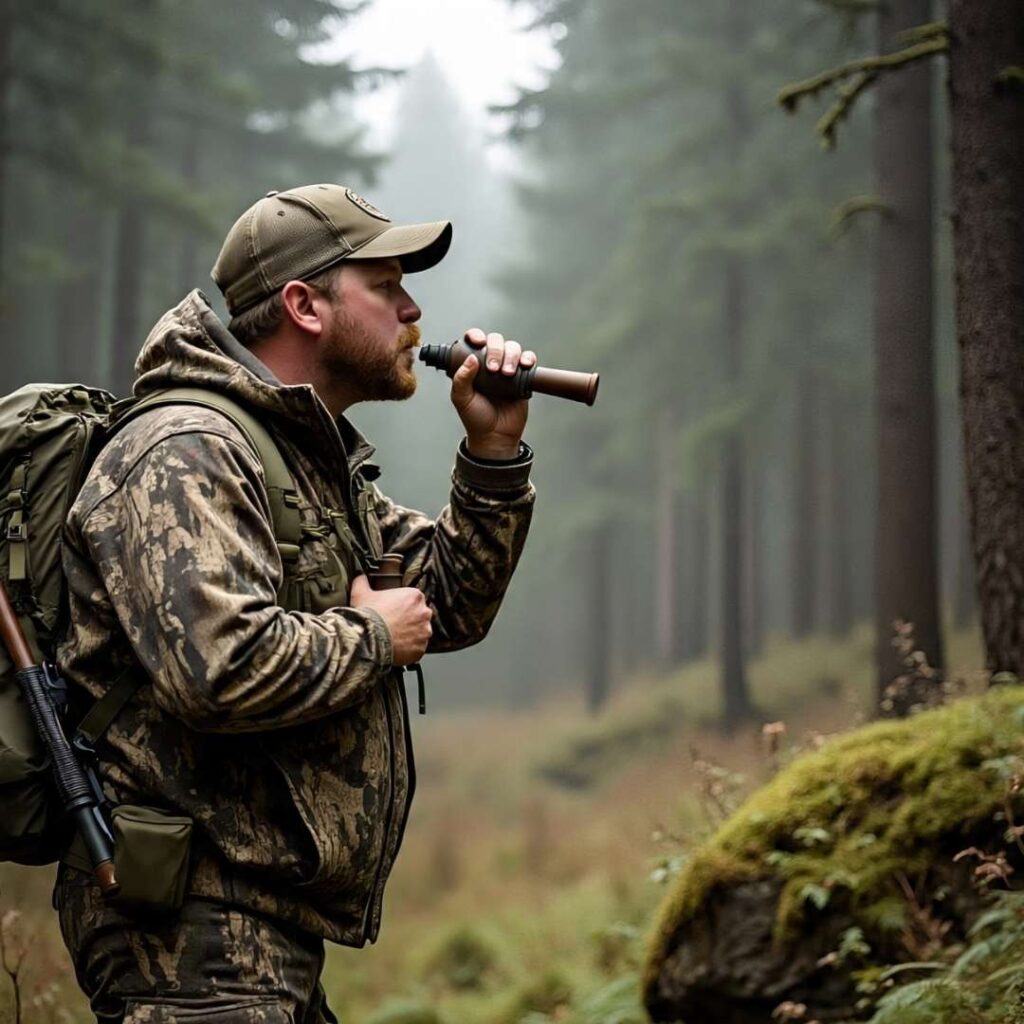
The woods are silent. A mature buck steps into the clearing, broadside, unaware of your presence. You reach for your grunt call—one sound later, he locks eyes, stomps, and vanishes. Just like that, your chance is gone.
Many hunters replay this exact scenario in their heads, wondering what went wrong. The truth? It often comes down to simple grunt call mistakes that can be easily avoided. In this post, we’ll break down **five common grunt call mistakes—and how to fix them—**so your next hunt ends in success, not frustration.
Mistake 1: Using Grunt Calls Too Often
One of the most common errors hunters make with grunt calls is simply overusing them. While it’s tempting to reach for your call every few minutes, too much noise quickly tips deer off that something isn’t right. Instead of drawing them in, excessive calling can send them bolting out of range.
Deer are highly sensitive to their surroundings, and they recognize natural calling patterns. In the wild, bucks don’t grunt nonstop. They vocalize occasionally to communicate dominance, maintain contact, or signal breeding interest. When hunters overcall, it creates an unnatural rhythm that deer immediately pick up on.
The problem is that many hunting enthusiasts believe frequent grunt calls equal stronger attraction. In reality, constant calling has the opposite effect. Just as you might ignore a phone that won’t stop buzzing, a buck will ignore—or even avoid—what seems like an overly aggressive or unnatural sound.
To fix this mistake, think of grunt calls as a tool for subtle influence rather than constant control. Your goal is to mimic natural deer behavior, not to dominate the woods with artificial sound. A few well-timed calls will always be more effective than a barrage of noise.
Here are some simple ways to keep your grunt calls realistic and effective:
- Short, spaced-out grunts = realism. One or two soft calls followed by silence feels authentic.
- Constant calling = unnatural. Continuous grunting sounds forced and alarms deer.
- Think of grunt calls like texting. Too many messages get ignored or blocked; the same applies in the woods.
By calling sparingly, you allow curiosity to work in your favor. A buck that hears a single, subtle grunt is more likely to investigate than one overwhelmed by nonstop noise. Remember, in deer communication, less almost always means more.
This balance sets the stage for the next mistake many hunters make—using grunt calls at the wrong time. Understanding not just how much to call but when to call can make or break your hunt.
Mistake 2: Wrong Timing with Grunt Calls
Even when hunters use grunt calls sparingly, many still make the mistake of calling at the wrong time. Timing is everything in the woods, and a poorly timed grunt can completely ruin an otherwise perfect setup. Understanding when to call—and when to stay quiet—separates successful hunts from missed opportunities.
One of the biggest timing errors happens when a deer is already on high alert. If a buck is staring your way, stamping his hoof, or showing signs of unease, hitting your grunt call is the worst move you can make. Instead of calming him, the sound confirms his suspicion and drives him off.
Another common mistake occurs when hunters call while deer are too close. At close range, grunt calls can sound unnaturally loud and aggressive, breaking the illusion of authenticity. Deer may spook immediately, leaving you no chance to recover. At such moments, silence is your best strategy.
The ideal time to use grunt calls is when a buck is moving calmly, distracted by feeding, or walking out of range. A subtle grunt in these situations mimics natural communication and can trigger curiosity or dominance without raising suspicion. This timing gives you control over the encounter without pressuring the animal.
Here are a few practical tips for mastering timing with grunt calls:
- Call when deer are calm. Relaxed behavior creates the best opportunity for a natural response.
- Wait for a deer to pass slightly out of range. A soft grunt can stop him or turn him back.
- Never call when a buck is locked on you. Any sound will increase his alertness.
By using grunt calls with patience and purpose, you let the moment dictate your action instead of forcing it. Deer react more favorably when timing feels natural and deliberate.
Getting timing right is crucial, but it’s only half the equation. The next mistake hunters often make is using the wrong tone or volume, which can be just as damaging to your success in the field.
Mistake 3: Using the Wrong Tone or Volume
Grunt calls are not a one-size-fits-all tool. Just as deer change their vocalizations based on mood and season, hunters need to adjust tone and volume to match the situation. Using the wrong sound at the wrong level is one of the quickest ways to alarm deer and end your hunt early.
Too much volume is the most frequent mistake. A loud grunt may carry farther, but it often comes across as unnatural or aggressive, especially outside of the rut. Bucks that aren’t in a dominant mood will shy away from what they perceive as a challenge. Instead of investigating, they’ll slip out quietly.
On the other hand, calls that are too soft fail to make an impression. If a buck can’t hear the grunt, it serves no purpose. Worse still, an inconsistent tone that rises and falls unnaturally can make the call sound artificial, tipping off wary deer before they commit to approaching.
The key to success is matching your grunt calls to both the deer’s behavior and the hunting season. During the rut, a slightly louder, more aggressive grunt may spark dominance. In early or late season, subtle and soft calls are more effective, reflecting natural deer communication at those times.
Here are some quick guidelines to keep your tone and volume in check:
- Soft tending grunts work best at close range or in early season setups.
- Moderate contact grunts help reach deer that are nearby but out of sight.
- Aggressive grunts should be reserved for rutting bucks ready to challenge rivals.
Think of grunt calls as a conversation. If you shout when a whisper will do, you risk breaking the mood. If you mumble when boldness is needed, your message never gets through. Balance ensures your calls sound natural and believable.
Mastering tone and volume builds authenticity, but hunters often overlook another critical factor—matching grunt calls to the season. Knowing when and how to adjust your calling strategy by time of year is the next step to consistent success.
Mistake 4: Not Matching Grunt Calls to the Season
Another major mistake hunters make with grunt calls is using the same strategy all season long. Deer behavior shifts dramatically throughout the year, and if your calling doesn’t adjust to match, you risk sounding unnatural. What works in November during peak rut will not have the same effect in September or January.
In the early season, deer are cautious and less vocal. Overly aggressive grunt calls at this time feel out of place and often spook bucks instead of attracting them. The right approach is to keep calls soft and minimal, mimicking light communication between deer rather than dominance displays.
During the rut, everything changes. Bucks are charged with testosterone and far more responsive to grunt calls. This is the time for slightly louder and more assertive grunts, often combined with rattling sequences to mimic a challenge. The right tone can trigger a dominant buck’s natural instinct to defend his territory.
Late season calls for restraint again. After the rut, bucks are weary from breeding activity and highly alert to danger. Loud or frequent grunt calls will send them running. Instead, a few quiet, subtle grunts can encourage cautious deer to investigate without raising alarm.
Here’s a quick seasonal guide for using grunt calls effectively:
- Early season: use light, sparing grunts to avoid spooking deer.
- Rut: mix in aggressive grunts with rattling for maximum attraction.
- Late season: keep calls soft and subtle to avoid pressuring wary bucks.
By tailoring your grunt calls to the season, you mirror the natural communication patterns of deer at different times of year. This seasonal awareness not only improves realism but also increases your odds of coaxing a buck into range.
Even with the right seasonal strategy, hunters often fail to notice how deer react in real time. Ignoring a buck’s body language after a grunt call can undo all your careful planning, which brings us to the next mistake.
Mistake 5: Ignoring Body Language After a Grunt Call
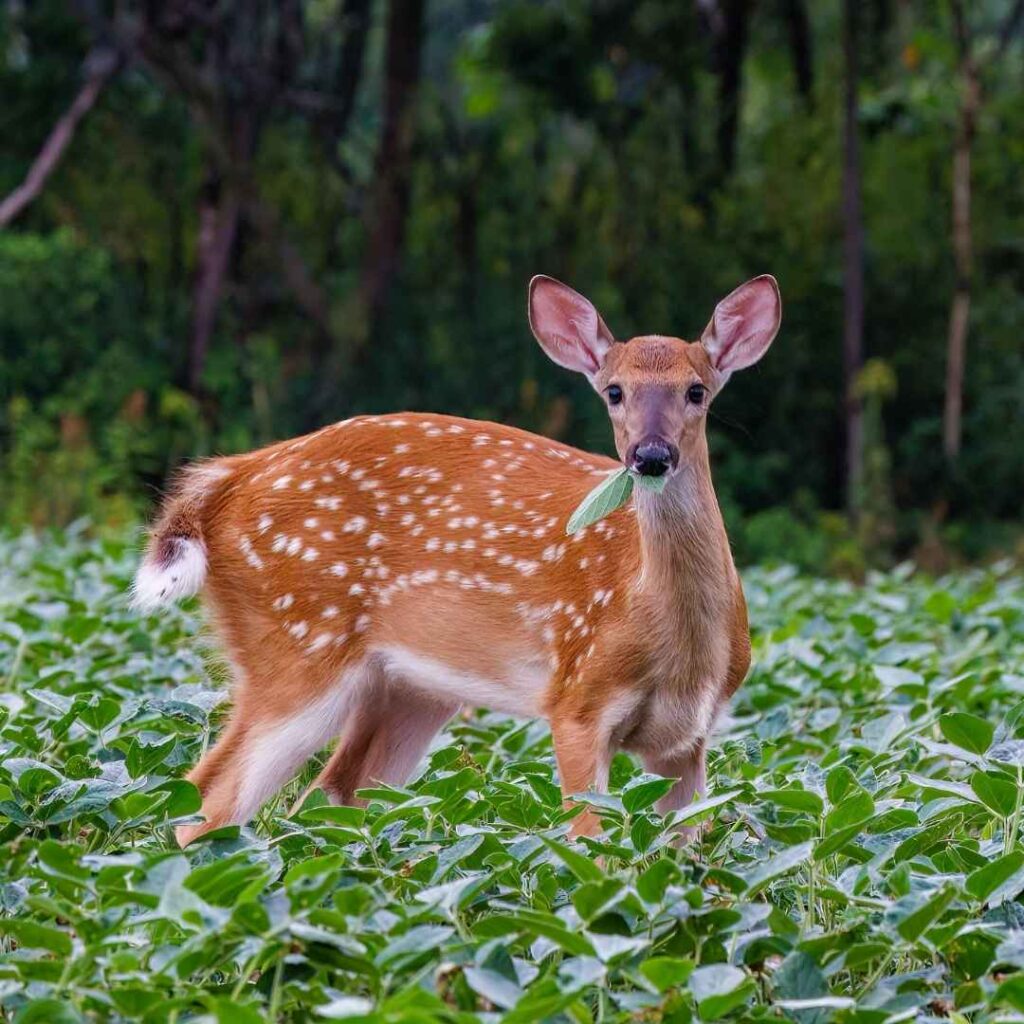
Even when hunters use grunt calls correctly, many still make the mistake of ignoring what comes next—the deer’s reaction. Body language provides instant feedback, and failing to read it often leads to blown opportunities. A call without observation is like speaking without listening.
When a buck hears a grunt call and freezes, his posture tells you everything. If he raises his head, perks his ears, and scans the woods, he is alert but undecided. Calling again too soon in this moment can break the illusion and send him bounding away. Patience becomes the smarter move.
Another reaction is cautious investigation. If the buck takes a few steps in your direction but stops frequently to look around, he is curious but suspicious. A second, soft grunt after a pause may encourage him to close the distance, but pushing too hard risks ruining the setup.
Sometimes, deer respond positively and commit right away. If a buck turns directly toward the sound, there’s no need for additional grunt calls. Many hunters lose deer by getting overexcited and calling again, which makes the encounter feel staged. Silence in this scenario is the strongest strategy.
Here are quick tips for interpreting deer body language after a grunt call:
- Staring or stomping: stay quiet; another call confirms his suspicion.
- Slow approach with caution: wait, then add a soft call if needed.
- Immediate commitment: remain silent and prepare for the shot.
Learning to read and respond to deer behavior ensures grunt calls feel authentic. Every movement, ear flick, or step is a clue that guides your next decision. By paying attention, you avoid overcalling and keep the illusion alive.
Mastering body language completes the picture. With the right frequency, timing, tone, seasonality, and observation, grunt calls become a true hunting advantage instead of a liability. Used wisely, they can transform an ordinary sit in the woods into the hunt of a lifetime.
Conclusion: Mastering Grunt Calls for Hunting Success
Grunt calls can either make or break your hunt. As you’ve seen, overcalling, poor timing, the wrong tone, ignoring the season, and overlooking deer body language are mistakes that cost hunters countless opportunities. The good news? Each one is easy to fix when you hunt with patience, awareness, and strategy.
The next time you step into the woods, treat your grunt call as a tool of precision, not pressure. Subtlety and timing win more deer than force ever will. By avoiding these five pitfalls, you’ll not only improve your success rate but also build more memorable, rewarding hunts.
Now it’s your turn—have you ever made one of these grunt call mistakes, or do you have a tip that works for you? Drop a comment below and share your experience with fellow hunters.
And if you want more proven deer hunting strategies, gear breakdowns, and expert tips, follow Deer Hunting Gateway on Facebook, Instagram, and TikTok. Every hunt can teach you something new—don’t miss the next lesson.
]]> While it might look like a simple routine of grazing in fields or nibbling on leaves, their feeding behavior is actually guided by fascinating patterns that help them survive ,and understanding these habits can completely change how we see them in the wild.
For wildlife enthusiasts, learning about these feeding patterns offers a window into deer behavior that goes far beyond a casual sighting. Every nibble, every shift in feeding time, and every seasonal change tells a story of adaptation, survival, and instinct. And for hunters, recognizing these patterns can be the difference between going home empty-handed or finding success in the field.
In this post, we’ll break down five key feeding patterns of deers that are not only educational but also practical for anyone who loves observing or pursuing these incredible animals. By the end, you’ll be able to watch deer with a fresh perspective ,appreciating both their natural rhythms and how those rhythms can make or break a hunt.
1. Dawn and Dusk Grazers
One of the most fascinating feeding patterns of deers is their tendency to be most active during the early morning and late evening hours. Biologists call this behavior crepuscular activity, which simply means that deer prefer to feed at sunrise and sunset. For wildlife enthusiasts, this is one of the easiest patterns to observe — and one of the most rewarding.
Why Deer Prefer These Hours
Deer don’t just choose dawn and dusk randomly. Their feeding schedule is a survival strategy shaped by both instinct and environment.
- Cooler Temperatures: Midday heat, especially in warmer months, makes movement uncomfortable. Feeding in the cool of early morning and evening conserves energy.
- Reduced Predator Risk: Many natural predators are less active at these hours, giving deer a safer window to graze and forage.
- Optimal Feeding Opportunities: Plants are often fresher and more palatable after cooler night hours, offering deer high-quality food right when they need it.
What This Means for Wildlife Enthusiasts
If you’ve ever spotted a deer grazing in the soft glow of sunrise or moving quietly at sunset, you’ve witnessed this natural pattern in action. These are truly the golden hours for observing deer. Not only are you more likely to see them feeding, but you’ll also notice subtle behaviors ,like group movement, alert stances, and food choices ,that may not be as visible at other times of day.
For anyone passionate about learning feeding patterns of deers, understanding their dawn and dusk grazing habits provides a deeper appreciation of how deer interact with their environment. It’s a reminder that even in something as simple as feeding, there’s a fascinating rhythm to nature that balances survival, safety, and sustenance.
2. Seasonal Shifts in Diet
Another key aspect of the feeding patterns of deers is how their diet changes with the seasons. Deer are remarkably adaptable foragers, and their food choices reflect the resources available throughout the year. By understanding these seasonal shifts, wildlife enthusiasts can better predict where and when deer are most likely to be feeding.
Spring and Summer: Fresh Growth
In spring and early summer, deer take advantage of lush green vegetation. They graze on tender grasses, leafy plants, and agricultural crops, which provide the nutrients needed for recovery after winter. For female deer, this season’s diet is especially critical, as it supports pregnancy and nursing fawns.
Fall: Energy-Rich Foods
As autumn arrives, deer focus on calorie-dense foods such as acorns, nuts, berries, and fruits. This high-energy diet allows them to build fat reserves for the cold months ahead. Enthusiasts often spot deer feeding heavily under oak trees or near fruit-bearing plants during this time, as they instinctively prepare for the challenges of winter.
Winter: Survival Mode
Winter brings scarcity, and deer must shift their diet to woody browse ,including twigs, bark, and evergreen plants. These foods are less nutritious, but they help deer endure when other resources are unavailable. During harsh winters, observing this feeding behavior can be a humbling reminder of nature’s resilience.
2. Seasonal Shifts in Diet
Another key aspect of the feeding patterns of deers is how their diet changes with the seasons. Deer are remarkably adaptable foragers, and their food choices reflect the resources available throughout the year. By understanding these seasonal shifts, wildlife enthusiasts can better predict where and when deer are most likely to be feeding.
Spring and Summer: Fresh Growth
In spring and early summer, deer take advantage of lush green vegetation. They graze on tender grasses, leafy plants, and agricultural crops, which provide the nutrients needed for recovery after winter. For female deer, this season’s diet is especially critical, as it supports pregnancy and nursing fawns. (Related: [Best Hunting Gear for Summer Scouting])
Fall: Energy-Rich Foods
As autumn arrives, deer focus on calorie-dense foods such as acorns, nuts, berries, and fruits. This high-energy diet allows them to build fat reserves for the cold months ahead. Enthusiasts often spot deer feeding heavily under oak trees or near fruit-bearing plants during this time, as they instinctively prepare for the challenges of winter. (Explore: [Hunting Guides for Fall Deer Patterns])
Winter: Survival Mode
Winter brings scarcity, and deer must shift their diet to woody browse — including twigs, bark, and evergreen plants. These foods are less nutritious, but they help deer endure when other resources are unavailable. During harsh winters, observing this feeding behavior can be a humbling reminder of nature’s resilience.
2. Seasonal Shifts in Diet
One of the most important feeding patterns of deers is how their diet shifts with the changing seasons. Deer are opportunistic foragers, which means they adapt their eating habits to whatever nature provides. For wildlife enthusiasts, recognizing these changes is key to understanding not just what deer eat, but also where you’re most likely to find them throughout the year.
Spring and Summer: Fresh Growth
During spring and summer, deer thrive on nutrient-rich foods like tender grasses, leafy plants, crops, and soft vegetation. This seasonal diet provides essential energy after the harsh winter months. For does , it also supports pregnancy and nursing fawns. If you enjoy observing deer in warmer months, you’ll often see them grazing in fields and near farmlands.
3. Weather-Driven Feeding Habits
Weather plays a powerful role in shaping the feeding patterns of deers. Unlike humans, deer can’t take shelter and wait out bad weather with ease — their survival depends on adjusting behavior to match environmental conditions. For wildlife enthusiasts, paying attention to weather shifts can explain why deer are more or less visible on certain days.
Storms and Heavy Rain
When heavy rain or storms roll in, deer typically hunker down in sheltered areas and reduce feeding activity. Strong winds and loud conditions increase their sense of vulnerability, making them less likely to expose themselves in open fields.
Light Drizzle and Snow
Interestingly, mild drizzle or light snowfall often sparks more feeding activity. These calmer weather events create cooler conditions without the disruption of a storm, encouraging deer to move about more freely. Observers may notice deer browsing during or right after these gentle weather patterns.
Cold Snaps and Temperature Drops
During sudden cold snaps, the feeding patterns of deers shift again. Their activity windows shorten as they conserve energy and minimize exposure to harsh winds or extreme chill. Instead of feeding for long periods, deer may graze in quick bursts before retreating to cover.
Calm After the Storm
Once rough weather passes, deer often resume feeding with heightened activity. Wildlife watchers who head out after a storm will frequently see deer emerging in groups, making up for lost feeding time.
Understanding how weather influences the feeding patterns of deers can help enthusiasts better anticipate when and where deer are most active in their natural habitats.
Conclusion
The feeding patterns of deers reveal so much more than just when and what these graceful animals eat. They tell a story of survival, adaptation, and instinct that fascinates wildlife enthusiasts and informs hunters alike. By understanding how deer change their routines from dawn to dusk, across seasons, and in response to their environment, you gain a deeper appreciation of their world — and a sharper eye for spotting them in the wild.
But this is just the beginning. There’s always more to learn about deer behavior, movement, and survival strategies. If you found value in exploring these five feeding patterns, why not take the next step?
Subscribe today and get more wildlife insights, hunting tips, and expert guides delivered straight to your inbox. Stay ahead of the curve, deepen your knowledge, and never miss a chance to connect with the fascinating world of deer.