
In recent years, the growing presence of deer in urban and suburban areas has become a topic of increasing concern for wildlife managers, ecologists, and even local residents. While urban deer populations may seem like a distant issue for hunters who primarily focus on rural or wilderness areas, the reality is that this phenomenon has significant implications for hunting traditions, wildlife management, and conservation efforts. Hunters, as stewards of the land and key players in wildlife population control, should pay close attention to the rise of urban deer and the challenges it presents.
The Rise of Urban Deer Populations
Deer are highly adaptable creatures, and their ability to thrive in urban environments is a testament to their resilience. As cities and suburbs expand into previously rural areas, deer have found new habitats that provide ample food, shelter, and protection from predators. Landscaped gardens, ornamental plants, and the absence of natural predators make urban areas an ideal refuge for deer. This has led to a surge in deer populations in places where they were once uncommon.
While this might seem like a positive development for wildlife enthusiasts, the overpopulation of deer in urban areas has created a host of problems. From increased vehicle collisions to the destruction of gardens and ecosystems, urban deer are becoming a nuisance for many communities. However, the implications for hunters are equally significant.
Challenges for Hunters
- Limited Access to Hunting Opportunities
Urban deer populations are often located in areas where hunting is either restricted or entirely prohibited due to safety concerns and local ordinances. This means that hunters have limited opportunities to participate in managing these populations, even though they are often the most qualified to do so. As a result, deer in urban areas continue to grow unchecked, leading to overpopulation and its associated problems. - Public Perception of Hunting
The presence of urban deer has sparked debates about how to manage these populations. While hunting is one of the most effective and sustainable methods of controlling deer numbers, it is often met with resistance in urban areas. Many residents who are unfamiliar with hunting view it as inhumane or unnecessary, preferring alternative methods such as sterilization or relocation. However, these methods are often costly, less effective, and impractical for large-scale population control. This disconnect between hunters and urban residents can further erode public support for hunting as a legitimate wildlife management tool. - Ecological Imbalance
Overpopulated deer herds can have devastating effects on local ecosystems. In urban areas, deer often overgraze on native plants, leading to a loss of biodiversity and the degradation of habitats for other wildlife species. This ecological imbalance can extend beyond urban boundaries, affecting rural areas where hunters traditionally operate. For example, if urban deer populations are left unmanaged, they may eventually migrate to nearby rural areas, putting additional pressure on already strained ecosystems. - Disease Transmission
High deer densities in urban areas increase the risk of disease transmission, such as chronic wasting disease (CWD) and Lyme disease. These diseases threaten deer populations and pose risks to humans and other animals. Hunters, often on the front lines of monitoring and managing wildlife health, may deal with the consequences of unchecked urban deer populations.
Opportunities for Collaboration
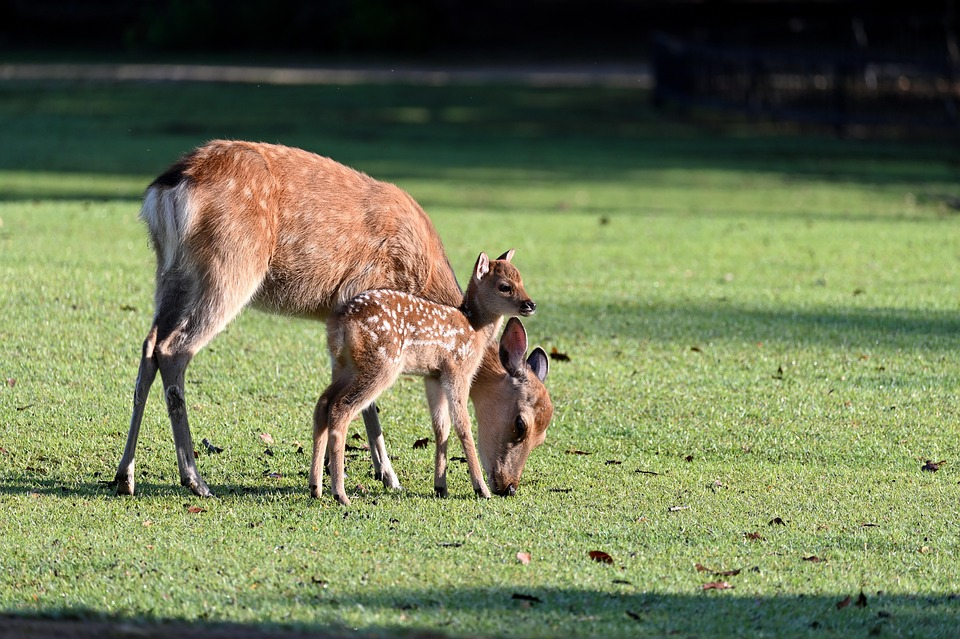
Despite these challenges, the rise of deer also presents an opportunity for hunters to engage with their communities and advocate for responsible wildlife management. By working with local governments, wildlife agencies, and urban residents, hunters can help bridge the gap between rural traditions and urban realities.
- Education and Outreach
Hunters can play a crucial role in educating the public about the importance of hunting as a tool for wildlife management. By sharing their knowledge and experiences, hunters can help dispel misconceptions and build support for sustainable hunting practices in urban areas. - Advocating for Controlled Hunts
In some urban areas, controlled hunts or culls have been implemented as a way to manage deer populations. Hunters can advocate for these programs, emphasizing their effectiveness and safety when conducted by trained professionals. By participating in or supporting controlled hunts, hunters can demonstrate their commitment to responsible wildlife management. - Promoting Conservation Efforts
Hunters have long been champions of conservation, funding many wildlife management programs through licenses and fees. By highlighting the role of hunting in conservation, hunters can strengthen their position as key stakeholders in addressing urban deer issues.
Conclusion
The rise of urban deer populations is a complex issue that requires careful consideration and collaboration. For hunters, it represents both a challenge and an opportunity to reaffirm their role as stewards of the land. By engaging with urban communities, advocating for responsible management practices, and promoting the benefits of hunting, hunters can help address the problems associated with urban deer while ensuring the sustainability of their traditions. The future of hunting depends on our ability to adapt to changing landscapes, both literally and figuratively, and urban deer are a reminder of the importance of this ongoing effort.
As hunters, we must recognize that the boundaries between urban and rural are becoming increasingly blurred. By taking an active role in addressing deer populations, we can protect our hunting heritage, support conservation efforts, and foster a greater understanding of the vital role hunters play in maintaining healthy ecosystems
]]>
Introduction
Mindfulness is a deeply spiritual and mental practice that connects us with nature. For many hunters, the pursuit of deer is not just about the harvest but about the experience of being in the wild, observing animal behavior, and finding inner peace.
Mindfulness—being fully present in the moment—can transform your hunting experience. You can become a more ethical, patient, and successful hunter by cultivating mental preparation and a deep respect for nature. In this post, we’ll explore how mindfulness enhances deer hunting, techniques for mental preparation, and how to develop a harmonious relationship with the natural world.
The Role of Mindfulness in Hunting
Mindfulness is often associated with meditation, but it is equally valuable in hunting. It involves:
- Being fully present – Instead of letting your mind wander to distractions, focus on the sights, sounds, and smells of the forest.
- Controlling emotions – Hunting can be frustrating when deer don’t appear. Mindfulness helps manage impatience and disappointment.
- Enhancing awareness – A mindful hunter notices subtle signs—a snapped twig, a flick of a deer’s ear, or a change in wind direction.
Benefits of Mindful Hunting
- Improved Patience – Deer hunting requires long hours of waiting. Mindfulness teaches acceptance of the moment rather than frustration over lack of action.
- Better Decision-Making – A calm, focused mind makes ethical shots and avoids rushed mistakes.
- Deeper Connection to Nature – Instead of just “taking” from nature, mindfulness helps hunters appreciate the ecosystem and their role within it.
Mental Preparation Before the Hunt
A successful hunt begins long before you step into the woods. Mental preparation is just as important as physical readiness.
1. Set Intentions, Not Expectations
- Instead of fixating on bagging a deer, focus on the experience. Ask yourself:
- Why am I hunting? (Food, conservation, tradition)
- How can I honor the animal and the land?
- This mindset reduces frustration and increases gratitude.
2. Visualization Techniques
- Imagine yourself in the stand or blind:
- Picture the surroundings—the trees, the wind, the sunrise.
- Visualize a deer approaching and executing a calm, ethical shot.
- This mental rehearsal improves focus and confidence.
3. Breathing Exercises for Calmness
- Deep, controlled breathing lowers stress and sharpens focus.
- Try the 4-7-8 technique before and during your hunt:
- Inhale for 4 seconds
- Hold for 7 seconds
- Exhale for 8 seconds
- This regulates your heart rate, keeping you steady when a deer appears.
Mindfulness in the Field
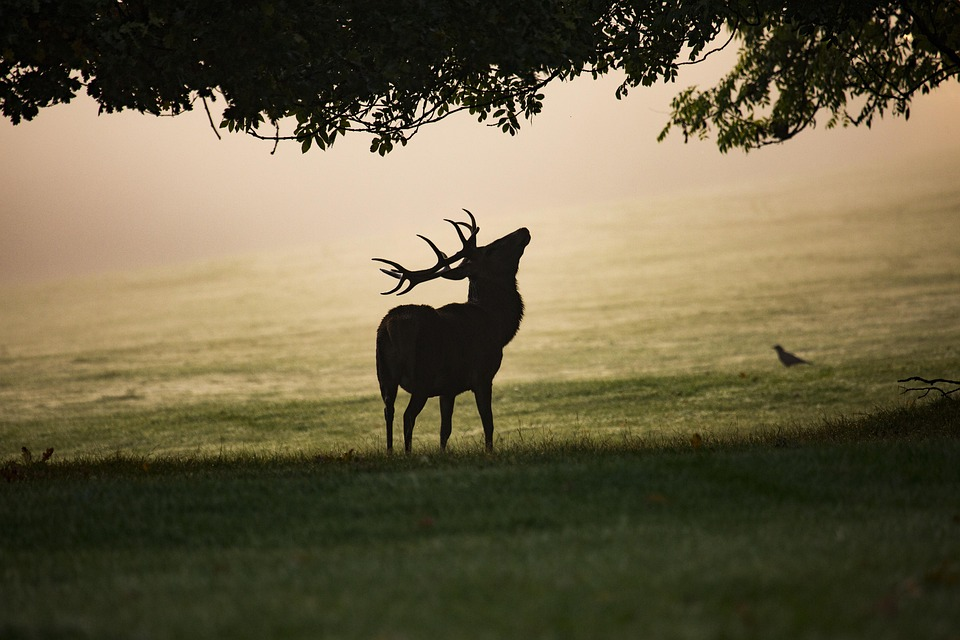
Once you’re hunting, staying present is key. Here’s how to practice mindfulness while in the woods:
1. Engage Your Senses
- Listen – Instead of just waiting, actively tune into sounds: rustling leaves, bird calls, distant footsteps.
- Observe – Study deer body language. A flicking tail or raised head signals alertness.
- Feel – Notice the temperature, the texture of your gear, the wind on your face.
2. Let Go of Distractions
- Avoid checking your phone or dwelling on unrelated thoughts.
- If your mind drifts, gently bring it back to the present moment.
3. Practice Gratitude
- Whether or not you harvest a deer, appreciate:
- The beauty of the wilderness
- The opportunity to be outdoors
- The skills you’re developing
Ethical Hunting: Honoring the Animal
Mindful hunting goes hand-in-hand with ethical hunting. Consider:
- Shot Placement – Take only high-percentage shots to ensure a quick, humane harvest.
- Tracking with Respect – If you make a shot, follow up diligently. Use mindfulness to stay focused during tracking.
- Expressing Gratitude – Many cultures have traditions of thanking the animal for its life. A moment of silence or a spoken thanks fosters respect.
Post-Hunt Reflection
After the hunt, take time to reflect:
- What did you learn?
- How did mindfulness affect your experience?
- How can you improve next time?
Journaling about your hunts helps deepen your connection to the process.
Conclusion: Becoming One with Nature
Deer hunting is not just about the harvest—it’s about the journey. By practicing mindfulness, you cultivate patience, awareness, and a profound respect for nature. When you approach hunting with a peaceful mind, you become more than a hunter; you become a steward of the wilderness.
Next time you head into the woods, leave behind distractions, breathe deeply, and embrace the stillness. The deer will come when the time is right, and you’ll find that the true reward is the harmony you’ve built with the natural world.
Happy hunting, and may your mind be as sharp as your aim.
]]>
Venison, the lean and flavorful meat from deer, has been a prized protein for centuries. Unlike commercial meats, wild venison offers a unique taste and exceptional nutritional benefits—but it requires special handling to bring out its best qualities. This guide offers you just what you need.
Whether you’re a hunter processing your own harvest or a home cook exploring new ingredients, this comprehensive guide will walk you through selecting, preparing, and cooking venison to perfection.
Why Choose Venison?
Before diving into preparation methods, let’s examine why venison deserves a spot in your kitchen:
- Lean & Nutritious: With 50% less fat than beef but higher protein and iron content, venison is a powerhouse of nutrition.
- Sustainable Choice: Wild deer are free-range, grass-fed, and free from antibiotics or hormones.
- Rich, Earthy Flavor: When handled properly, venison offers a deep, robust taste that stands out in any dish.
Now, let’s explore how to make the most of this exceptional meat.
1. Selecting High-Quality Venison
The journey to perfect venison starts at the source.
Field Dressing & Aging
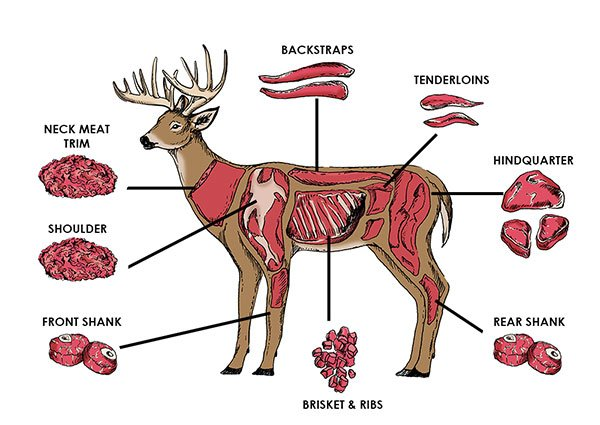
Proper field dressing is crucial. Gut the deer as soon as possible to prevent bacterial growth and spoilage. Many hunters swear by hanging the carcass for 3–7 days in a cool environment (34–40°F / 1–4°C) to enhance tenderness and flavor.
Evaluating the Meat
- Color: Fresh venison should be deep red, not brown or gray.
- Smell: It should have a clean, slightly sweet aroma—avoid any sour or off odors.
- Texture: Younger deer (fawns or yearlings) yield more tender meat than older bucks.
Pro Tip: If purchasing from a butcher, ask about the deer’s age and how it was processed.
2. Proper Storage & Handling
Venison’s low fat content makes it prone to drying out, so proper storage is key.
Refrigeration & Freezing
- Short-Term Storage: Keep fresh cuts refrigerated below 40°F (4°C) and use within 2–3 days.
- Freezing: For long-term storage, vacuum-seal portions to prevent freezer burn. If using freezer paper, wrap tightly and label with dates.
- Thawing: Always thaw slowly in the refrigerator—never at room temperature.
Avoid Refreezing: Once thawed, cook venison immediately for the best texture.
3. Preparing Venison for Cooking
Trimming & Cleaning
- Remove Silver Skin: The thin, silvery membrane on cuts like backstrap can be tough if left on.
- Trim Excess Fat: Unlike beef, deer fat doesn’t render well and can taste gamey.
Tenderizing Techniques
- Marinating: Acidic ingredients like red wine, vinegar, or citrus juices help break down muscle fibers.
- Brining: A saltwater soak (or buttermilk bath) can reduce gaminess and improve moisture retention.
- Mechanical Tenderizing: For tougher cuts, use a meat mallet or Jaccard tenderizer.

4. Best Cooking Methods for Venison
Because venison is so lean, the wrong cooking method can leave it dry and tough. Here’s how to cook it perfectly.
Grilling & Searing (Best for Tender Cuts)
- Ideal Cuts: Backstrap, tenderloin, or rib chops.
- Method: Sear over high heat to medium-rare (130–140°F / 54–60°C).
- Pro Tip: Baste with butter or olive oil to prevent drying.
Slow Cooking & Braising (Best for Tough Cuts)
- Ideal Cuts: Shanks, shoulder, or neck.
- Method: Cook low and slow in broth, wine, or beer until fork-tender.
- Recipe Idea: Try a classic venison stew with root vegetables and herbs.
Ground Venison (Versatile & Easy)
- Mix with Fat: Blend with 10–20% pork or beef fat for juicy burgers or meatloaf.
- Recipe Ideas: Tacos, chili, or Bolognese sauce.
5. Flavor Pairings & Serving Suggestions
Venison’s rich flavor pairs beautifully with bold, earthy, and aromatic ingredients.
Best Herbs & Spices
- Rosemary, thyme, sage
- Juniper berries, black pepper, garlic
- Red wine, mustard, balsamic glaze
Side Dishes to Complement Venison
- Creamy mashed potatoes
- Roasted Brussels sprouts
- Wild rice pilaf
- Cranberry sauce
Final Thoughts
Venison is a rewarding meat to work with—once you master the basics. By selecting high-quality cuts, storing them properly, and cooking with care, you’ll unlock its full potential.
Want to take it further? Experiment with smoking venison, making jerky, or trying global recipes like venison curry or stir-fry.
Have a favorite venison dish? Share your tips in the comments below!
]]>
When most people think of hunting, images of rugged landscapes, camouflage gear, and the thrill of the chase often come to mind. However, what many don’t realize is that hunters play a critical role in supporting deer health and broader conservation efforts. Far from being just a recreational activity, responsible hunting is a cornerstone of wildlife management and ecosystem balance. In this blog post, we’ll explore how hunters contribute to the health of deer populations and the environment as a whole.
The Role of Hunters in Population Management
One of the most significant ways hunters support deer health is through population control. Deer populations can grow rapidly when left unchecked, leading to overpopulation. While this might sound harmless, an overabundance of deer can have devastating effects on both the environment and the deer themselves.
Overpopulated deer herds often exceed the carrying capacity of their habitat, meaning there isn’t enough food or shelter to sustain them. This leads to malnutrition, disease, and increased mortality rates. Additionally, overgrazing by deer can damage forests, reduce plant diversity, and harm other wildlife species that depend on the same habitat.
Hunters help maintain a balanced deer population by harvesting a regulated number of animals each year. State wildlife agencies set specific hunting seasons and quotas based on scientific data to ensure that deer populations remain healthy and sustainable. By adhering to these regulations, hunters prevent overpopulation and its associated problems.
Funding Conservation Through Hunting
Another critical contribution hunters make to deer health and conservation is financial. Hunting licenses, tags, and permits generate significant revenue that funds wildlife management programs. In the United States, for example, the Pittman-Robertson Act imposes an excise tax on firearms, ammunition, and archery equipment. This tax, along with hunting license fees, provides billions of dollars for conservation efforts, including habitat restoration, research, and education.
These funds are used to improve deer habitats, monitor disease outbreaks, and implement programs to combat threats like chronic wasting disease (CWD). Without the financial support of hunters, many of these initiatives would struggle to exist, leaving deer populations vulnerable to decline.
Promoting Habitat Conservation
Hunters are often among the most passionate advocates for habitat conservation. Healthy deer populations depend on thriving ecosystems, and hunters understand the importance of preserving natural landscapes. Many hunting organizations and individual hunters actively participate in habitat restoration projects, such as planting native vegetation, creating water sources, and removing invasive species.
By maintaining and improving habitats, hunters ensure that deer have access to the resources they need to thrive. This not only benefits deer but also supports a wide range of other wildlife species, contributing to overall biodiversity.
Combating Disease and Supporting Research
Deer health is increasingly threatened by diseases like chronic wasting disease (CWD), a fatal neurological disorder that affects deer, elk, and moose. Hunters play a vital role in monitoring and controlling the spread of such diseases. Many states require hunters to submit harvested deer for testing, providing valuable data that helps researchers track the prevalence and spread of CWD.
In addition to disease monitoring, hunters contribute to scientific research by participating in surveys and providing samples. This information is used to develop strategies for managing deer populations and mitigating the impact of diseases. By working closely with wildlife agencies, hunters help ensure that deer populations remain healthy and resilient.
Ethical Hunting Practices
Responsible hunters prioritize ethical practices that respect both the animal and the environment. This includes following fair chase principles, using humane methods to harvest deer, and minimizing waste by utilizing as much of the animal as possible. Many hunters also practice selective harvesting, targeting older or weaker animals to strengthen the overall health of the herd.
Ethical hunting not only supports deer health but also fosters a deeper connection between hunters and the natural world. This connection often translates into a lifelong commitment to conservation and stewardship.
Hunters are far more than just participants in a time-honored tradition; they are essential partners in wildlife conservation. Through population management, financial contributions, habitat restoration, disease monitoring, and ethical practices, hunters play a vital role in supporting deer health and ensuring the sustainability of ecosystems.
The next time you hear about hunting, remember that it’s not just about the pursuit—it’s about preserving the delicate balance of nature. By supporting responsible hunting practices, we can all contribute to the health of deer populations and the conservation of our natural heritage. Whether you’re a hunter or simply a nature enthusiast, there’s no denying the positive impact hunters have on the world around us.
]]>
Deer hunting is a time-honored tradition for many, providing not only a rewarding outdoor experience but also a sustainable source of lean, protein-rich meat. Once you’ve harvested your deer, preserving the meat is essential to ensure it stays fresh and flavorful for months to come. While freezing is a popular option, canning deer meat is an excellent alternative that saves freezer space and provides ready-to-eat meals with a long shelf life. In this guide, we’ll walk you through a safe and simple method for canning deer meat at home.
Why Can Deer Meat?
Canning deer meat offers several advantages:
- Long-Term Storage: Properly canned meat can last for up to a year or more, making it a great option for stocking your pantry.
- Convenience: Canned deer meat is fully cooked and ready to use in soups, stews, casseroles, or even as a standalone dish.
- Space-Saving: Unlike freezing, canning doesn’t require valuable freezer space.
- Flavor Retention: Canning preserves the natural flavor and tenderness of the meat, often enhancing it with the addition of broths or seasonings.
Safety First: The Importance of Proper Canning Techniques
Canning meat requires careful attention to safety to prevent the growth of harmful bacteria, such as Clostridium botulinum, which can cause botulism. To ensure safety, always use a pressure canner when canning meat. Unlike water bath canning, which is suitable for high-acid foods like fruits and pickles, pressure canning reaches the high temperatures necessary to safely preserve low-acid foods like meat.
What You’ll Need

Before you begin, gather the following supplies:
- A pressure canner
- Canning jars (quart or pint-sized) with lids and bands
- A jar lifter and canning funnel
- A sharp knife and cutting board
- Deer meat (trimmed of fat and connective tissue)
- Salt (optional, for flavor)
- Broth or water (for packing the jars)
- A clean workspace and clean towels
Step-by-Step Guide to Canning Deer Meat
Step 1: Prepare the Meat
Start by trimming the deer meat of any excess fat, sinew, or connective tissue. Fat can become rancid over time, so it’s important to remove as much as possible. Cut the meat into chunks, strips, or cubes, depending on your preference. Some people prefer to brown the meat lightly in a skillet before canning, but this is optional.
Step 2: Sterilize the Jars and Lids
Wash your canning jars, lids, and bands in hot, soapy water, then rinse thoroughly. Place the jars in a pot of boiling water or run them through a dishwasher cycle to sterilize them. Keep the jars hot until you’re ready to fill them.
Step 3: Pack the Jars
Using a canning funnel, pack the prepared deer meat into the sterilized jars. Leave about 1 inch of headspace at the top of each jar to allow for expansion during processing. You can add a pinch of salt to each jar for flavor, if desired. Then, fill the jars with boiling water, broth, or tomato juice, maintaining the 1-inch headspace.
Step 4: Remove Air Bubbles
After filling the jars, use a non-metallic utensil (like a plastic spatula) to remove any air bubbles by gently pressing along the sides of the jar. Wipe the rims of the jars with a clean, damp cloth to ensure a proper seal.
Step 5: Secure the Lids
Place the sterilized lids on the jars and screw on the bands until they are fingertip-tight. Avoid over-tightening, as this can prevent air from escaping during processing.
Step 6: Process in the Pressure Canner
Place the filled jars in the pressure canner, following the manufacturer’s instructions for your specific model. Add the recommended amount of water to the canner, then lock the lid in place. Process the jars at the appropriate pressure for your altitude:
- 10 pounds of pressure for altitudes of 0–1,000 feet.
- 15 pounds of pressure for altitudes above 1,000 feet.
Process pint jars for 75 minutes and quart jars for 90 minutes. Adjust the processing time if you’re using a weighted-gauge canner.
Step 7: Cool and Store
Once the processing time is complete, turn off the heat and allow the pressure canner to cool naturally. Do not force-cool the canner, as this can cause the jars to break. When the pressure has fully released, carefully remove the jars using a jar lifter and place them on a towel-lined surface to cool. As the jars cool, you’ll hear the satisfying “ping” of the lids sealing.
After 12–24 hours, check the seals by pressing down on the center of each lid. If the lid doesn’t flex, the jar is sealed. Store any unsealed jars in the refrigerator and consume them within a few days. Label the sealed jars with the date and contents, then store them in a cool, dark place.
Tips for Success

- Use Fresh Meat: Always can fresh, high-quality deer meat for the best results.
- Follow Guidelines: Stick to tested recipes and processing times to ensure safety.
- Rotate Your Stock: Use the oldest jars first to maintain freshness.
- Experiment with Flavors: Add herbs, spices, or vegetables to the jars for variety.
Enjoying Your Canned Deer Meat
Canned deer meat is incredibly versatile. Use it in hearty stews, savory pies, or even as a quick protein boost for salads. The meat’s tender texture and rich flavor make it a favorite for campfire meals or emergency food supplies.
Final Thoughts
Canning deer meat at home is a practical and rewarding way to preserve your harvest. By following these simple steps and prioritizing safety, you can enjoy the fruits of your hunting efforts all year round. Whether you’re a seasoned canner or a beginner, this method is a great way to make the most of your deer meat and reduce food waste. Happy canning!
]]>
As the leaves begin to turn and the crisp autumn air settles in, hunters across Ohio are gearing up for another exciting deer hunting season. But before you head out into the woods, it’s crucial to stay informed about the latest updates to Ohio’s deer hunting regulations for 2025. The Ohio Department of Natural Resources (ODNR) Division of Wildlife has announced several changes aimed at improving wildlife management, enhancing hunter safety, and ensuring a sustainable deer population. Whether you’re a seasoned hunter or new to the sport, here’s everything you need to know about the 2025 Ohio deer hunting regulations.
Key Changes to Ohio Deer Hunting Regulations in 2025
- New Bag Limits for Antlerless Deer
One of the most significant updates for 2025 is the adjustment to antlerless deer bag limits. In an effort to balance the deer population and promote healthier herds, the ODNR has introduced county-specific bag limits. Hunters in certain counties with higher deer densities will be allowed to harvest more antlerless deer, while counties with lower populations will see stricter limits. Be sure to check the updated county-by-county regulations before heading out, as these limits vary significantly across the state. - Expanded Youth Hunting Opportunities
The 2025 season brings great news for young hunters! Ohio has expanded its youth deer hunting opportunities by adding an additional weekend to the youth-only hunting season. This change is designed to encourage more young people to participate in hunting and learn the importance of conservation. The youth season will now run for two consecutive weekends in early November, giving families more time to create lasting memories in the field. - Mandatory Harvest Reporting
Starting in 2025, all deer hunters in Ohio will be required to report their harvest within 24 hours of taking a deer. This new regulation aims to improve data collection and help wildlife biologists make more informed decisions about deer management. Hunters can report their harvest through the ODNR’s mobile app or online portal. Failure to report a harvest could result in penalties, so make sure to comply with this new rule. - Changes to Antler Point Restrictions
In certain counties, the ODNR has implemented antler point restrictions (APRs) to promote the growth of older, larger bucks. For 2025, hunters in these counties will be required to harvest bucks with at least three points on one side of their antlers. This regulation is intended to improve the age structure of the buck population and provide hunters with more opportunities to harvest mature deer. - New Public Land Hunting Opportunities
Ohio continues to expand access to public hunting lands. In 2025, several new areas will be opened to deer hunting, providing hunters with more options for pursuing their game. These additions include state forests, wildlife areas, and cooperative hunting areas. Be sure to review the updated maps and regulations for these new locations before planning your hunt.
Why These Changes Matter
The updates to Ohio’s deer hunting regulations for 2025 are not just about rules and restrictions—they’re about ensuring the long-term health of the state’s deer population and the sustainability of the hunting tradition. By adjusting bag limits, expanding youth opportunities, and improving data collection, the ODNR is taking a proactive approach to wildlife management. These changes reflect a commitment to balancing the needs of hunters, landowners, and the ecosystem.
For hunters, these updates mean more opportunities to enjoy the sport while contributing to conservation efforts. By adhering to the new regulations, you’re playing a vital role in maintaining Ohio’s rich hunting heritage for future generations.
Tips for a Successful 2025 Deer Hunting Season
- Plan Ahead
With the new county-specific bag limits and antler point restrictions, it’s more important than ever to plan your hunt in advance. Research the regulations for the counties you plan to hunt in and familiarize yourself with the new public land opportunities. - Use Technology to Your Advantage
The ODNR’s mobile app is a valuable tool for hunters. Use it to report your harvest, check regulations, and even scout hunting locations. Staying connected and informed will help you make the most of your hunting experience. - Focus on Safety
While the thrill of the hunt is undeniable, safety should always be your top priority. Wear blaze orange, practice proper firearm handling, and let someone know your hunting plans before heading out. - Get Involved in Conservation
Hunting is about more than just harvesting deer—it’s about being a steward of the land. Consider participating in local conservation efforts or volunteering with organizations that support wildlife management. Your involvement can make a real difference.
What Hunters Are Saying About the 2025 Updates
The response to the 2025 regulations has been largely positive, with many hunters praising the ODNR for its efforts to improve deer management. “I’m excited about the new public land opportunities,” says longtime Ohio hunter Mark Johnson. “It’s great to see the state making more areas available for hunting.” Others have expressed appreciation for the expanded youth season, noting that it’s a fantastic way to introduce the next generation to the sport.
However, some hunters have raised concerns about the mandatory harvest reporting requirement, citing potential challenges for those without reliable internet access. The ODNR has acknowledged these concerns and is working to provide alternative reporting methods for hunters in remote areas.
Final Thoughts
The 2025 Ohio deer hunting season promises to be an exciting one, with new opportunities and updated regulations designed to benefit both hunters and wildlife. By staying informed and following the rules, you can enjoy a safe and successful hunt while contributing to the conservation of Ohio’s deer population.
As always, the ODNR encourages hunters to provide feedback on the new regulations. Your input helps shape the future of deer hunting in Ohio, ensuring that it remains a cherished tradition for years to come. So, grab your gear, review the latest regulations, and get ready for an unforgettable hunting season in the Buckeye State!
“
]]>
Starting your deer hunting journey can seem daunting. This beginner guide simplifies deer hunting basics to build your confidence.
It covers everything from hunting introduction to essential tips for beginners, ensuring you’re prepared for your first hunt.
A serene outdoor scene with a camouflaged hunter in the foreground, blending seamlessly into the lush, verdant forest landscape. Dappled sunlight filters through the canopy, casting a warm, natural glow. In the middle ground, a mosaic of earthy tones and textures – tree bark, fallen leaves, and undergrowth – creates a complex, organic pattern that enhances the camouflage effect. The background features a dense, layered forest with towering trees and vibrant foliage, suggesting a tranquil, secluded setting ideal for a first-time deer hunt. The overall composition emphasizes the importance of blending in with the environment, a fundamental principle of successful deer hunting for beginners.
Essential Gear for Your Debut Hunt
For beginners, the right gear is key. You’ll need a good rifle or bow clothes for the weather, and safety items. Don’t forget camouflage basics like the right patterns and layers to stay hidden.
Use scent control products to avoid being found. Look for affordable brands like Real tree or Sitka. They offer quality without breaking the bank.
Understanding Hunting Regulations and Licensing
First, get your deer hunting licenses from your state’s wildlife agency. Learn the hunting rules to avoid trouble. This includes knowing bag limits and what guns you can use.
Many states require a hunter education course before you can buy a license. This makes sure you’re ready to hunt legally.
Choosing the Right Hunting Season and Location
Find out when hunting seasons are in your area on your state’s DNR website. Beginners should start with bow seasons to learn the ropes. Use online maps or local guides to find the best places to hunt.
Public lands like national forests are great for beginners because they’re affordable. But, hunting on private land needs permission from the landowner.
Physical and Mental Preparation
Getting ready for hunting means building up your stamina for long sits and cold weather. Practice shooting at a range to get better. This will help you hit your target.
Mentally, focus on staying safe and making the right choices in the field. Learning to manage stress helps a lot during important moments.
Mastering Field Skills and Hunting Techniques
Understanding deer behavior is crucial for hunting success. Watch how deer move at dawn and dusk. They follow paths and change their ways with the weather.
Learning to read wildlife signs like tracks and rubs is important. These signs help predict where deer will go next. By tracking these signs, you can guess deer paths.

Tracking deer signs in a lush, verdant forest. A sunlit trail winds through dense undergrowth, where fallen leaves and broken twigs hint at the passage of a deer. Detailed close-ups of hoof prints, rubbed trees, and disturbed vegetation, with a high-resolution camera lens to reveal the intricate patterns and textures. The lighting is soft and diffused, casting long shadows and highlighting the earthy tones of the natural environment. An atmosphere of quiet observation and careful attention to the signs that a skilled hunter must learn to interpret.
Decide between stand hunting or still hunting based on your surroundings. Use tree stands in thick woods for a surprise attack. Or, move quietly in open areas during still hunting.
Both methods need patience and knowledge of deer behavior to stay hidden.
Mastering shot placement is key for quick, humane kills. Practice at distances you might face in the field. Always aim for vital spots with confidence. Remember, ethical hunting means respecting wildlife and nature.
Develop hunting field skills like knowing the wind direction. Wear scent-control clothes and hunt downwind. Learn the terrain to find deer paths and where they rest.
Success in the field also means staying calm. Practice breathing exercises to control “buck fever.” Keep improving your tracking deer and hunting strategies with each hunt. You’ll learn more about deer and how to adapt to the field.
Conclusion: Building on Your First Hunting Experience
Every deer hunting experience shapes your journey, whether your first attempt succeeded or not. After the hunt, proper field dressing basics and meat processing are vital steps. These steps show respect for the resource and improve your skills.
If you didn’t harvest a deer, analyze your approach to improve. Keeping a journal of decisions made during the hunt helps. Note environmental factors, location choices, and strategies to pinpoint areas for growth in future seasons.
Engage with the hunting community through organizations like the National Wild Turkey Federation or Quality Deer Management Association. These groups promote conservation ethics and preserve hunting traditions. Mentorship programs and education events provide resources to deepen your understanding of the sport’s values.
Hunting traditions and conservation ethics define the sport’s legacy. Embrace this path as a lifelong pursuit, where every season offers lessons. Prioritizing ethical practices ensures your role in sustaining wildlife populations and the outdoor heritage you’ve begun to explore.
]]>
Field dressing a deer is an essential skill for any hunter. Properly field dressing your game not only ensures the quality of the meat but also makes the transportation process easier. Whether you’re a seasoned hunter or a beginner, this step-by-step guide will walk you through the process of field dressing a deer safely and efficiently.
What You’ll Need
Before you begin, make sure you have the following tools:
- Sharp hunting knife
- Latex gloves (optional but recommended for hygiene)
- Small saw or bone-cutting tool
- Rope or game drag
- Clean cloth or paper towels
- Plastic bags for organs (if you want to keep them)
- Water or disinfectant wipes for cleaning your hands and tools
Step 1: Safety First
Before you start, ensure the deer is fully deceased. Approach the deer cautiously from behind and touch its eye with a stick or the tip of your knife to confirm there’s no reaction. Always wear gloves to protect yourself from bacteria and potential diseases.
Step 2: Position the Deer
Lay the deer on its back with its legs spread apart. If you’re on uneven terrain, try to position the deer so that its head is slightly elevated. This will help with the drainage of fluids during the field dressing process.
Step 3: Make the Initial Incision
Start by making a small incision just below the breastbone. Be careful not to puncture the intestines or stomach. Use your fingers to lift the skin and make a shallow cut to avoid cutting into the internal organs. Extend the incision down to the pelvic area.
Step 4: Open the Body Cavity
Once the initial incision is made, use your fingers to separate the skin and muscle from the internal organs. Be gentle to avoid puncturing the intestines or stomach, which can contaminate the meat with bacteria. You can use your knife to help separate the muscle from the rib cage.
Step 5: Cut Through the Breastbone
Using a small saw or bone-cutting tool, cut through the breastbone to open the chest cavity. This will give you better access to the heart and lungs, which need to be removed.
Step 6: Remove the Organs
Start by cutting around the anus and tying it off with a string or cord to prevent contamination. Then, carefully cut the diaphragm (the thin muscle separating the chest cavity from the abdominal cavity) and reach up to cut the windpipe and esophagus. Gently pull the organs out of the body cavity. Be sure to remove the heart and lungs as well.
Step 7: Drain the Blood
Turn the deer on its side or elevate the hind legs to allow any remaining blood to drain out of the body cavity. Use a clean cloth or paper towels to wipe away any excess blood.
Step 8: Cool the Carcass
It’s crucial to cool the deer as quickly as possible to preserve the meat. If the weather is warm, consider packing the body cavity with ice or snow. If you’re in a colder climate, prop the body cavity open with a stick to allow air to circulate and cool the meat.
Step 9: Transport the Deer
Once the deer is field dressed, you can either drag it out of the woods or quarter it for easier transport. If you choose to drag it, use a rope or game drag to secure the deer and make the process easier.
Step 10: Clean Up

After field dressing the deer, clean your tools and hands thoroughly with water and disinfectant wipes. Properly dispose of any waste materials, such as gloves and paper towels, responsibly.
Tips for Success
- Stay Calm and Patient: Field dressing a deer can be a messy and time-consuming process, especially if you’re new to it. Take your time and focus on making clean, precise cuts.
- Keep Your Tools Sharp: A sharp knife is essential for making clean cuts and reducing the risk of accidents. Dull knives can slip and cause injuries.
- Practice Good Hygiene: Always wear gloves and wash your hands and tools thoroughly after field dressing. This helps prevent the spread of bacteria and diseases.
- Know the Regulations: Make sure you’re familiar with local hunting regulations regarding field dressing and transporting game. Some areas may have specific requirements or restrictions.
Conclusion
Field dressing a deer is a vital skill that every hunter should master. By following this step-by-step guide, you can ensure that your deer is properly field dressed, preserving the quality of the meat and making the transportation process easier. Remember to stay calm, be patient, and practice good hygiene throughout the process. Happy hunting!
]]>
This is a step-by-step to mastering still hunting. Imagine standing still in a thicket, holding your breath as a deer stops 30 yards away. Its ears move, checking the forest. This is still hunting.
For generations, hunters have used this method to stalk game without modern tools. It shows that still hunting techniques are still crucial today.
This guide will make your hunting skills top-notch. You’ll learn to track whitetail deer in Wisconsin or elk in Colorado’s high country. You’ll move like a shadow and read the landscape like a pro.
Still hunting is more than a method; it’s a mindset. It requires control over every step, breath, and glance.
You’ll learn to master the stalking game through terrain analysis, scent control, and animal behavior psychology. We’ll share professional hunting methods, like silent foot placement and reading wind patterns. Each lesson aims to turn instinct into expertise.
By the end, you’ll see why still hunting is key to ethical hunting. It’s not just about tagging game; it’s a test of perseverance and a connection to the wild. Are you ready to learn the secrets of moving unseen?
Understanding the Fundamentals of Still Hunting
Still hunting is a skill that mixes patience with keen observation. It’s different from stand or drive hunting because you move quietly. You watch for signs of the game as you go.
This method blends stealth with smart movement. It stands out from just sitting still or rushing around.
What Sets Still Hunting Apart from Other Hunting Methods
Traditional hunting often means waiting in one spot or using dogs and callers. Still hunting, though, is about slow, careful steps. It helps you move without being seen.
This approach beats using trail cameras or decoys. It’s simple and relies on natural instincts, not just gear.
The Historical Evolution of Still Hunting Techniques
Indigenous people first used still hunting to understand landscapes and animal behavior. Early settlers adopted it too. Over time, it evolved but kept its core principles.
Today, hunters mix old wisdom with new knowledge of animal behavior. This shows that quiet methods can outdo loud ones in the right places.
Why Still Hunting Remains Effective in Modern Times
Still hunting is cost-effective and works on many terrains. It’s great for dense forests or open fields, where patience wins over technology. Learning these basics gives you a valuable skill for places where other methods fail.
Essential Gear for Successful Still Hunting
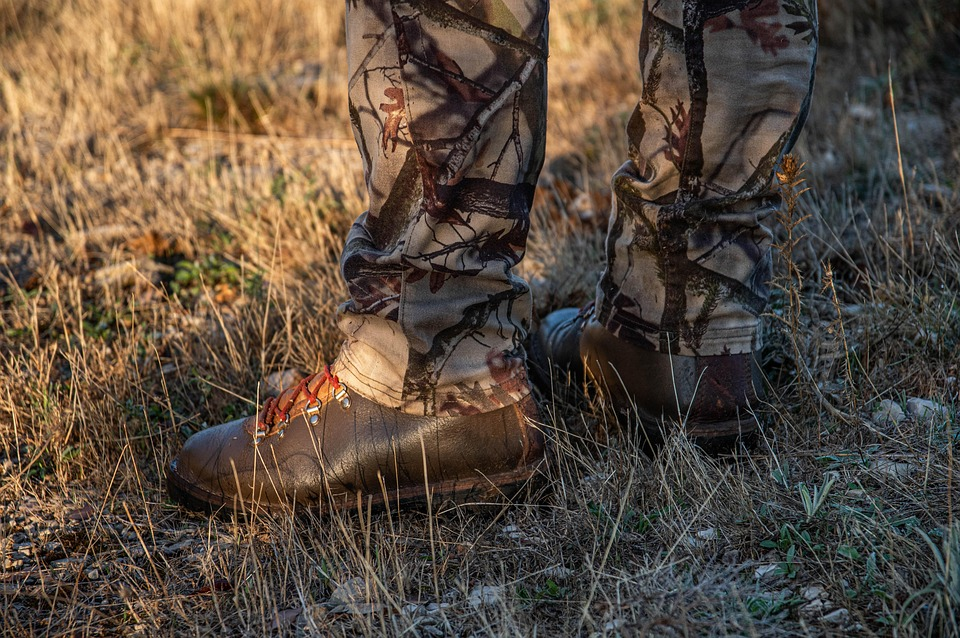
Choosing the right still hunting equipment is key to creeping and staying hidden. Start with footwear designed for silent steps. Boots like LaCrosse’s UltraLight or Danner’s Hale Storm are great. They keep you steady on different terrains without weighing you down.
A rugged, well-equipped hunting setup rests in a secluded forest clearing. In the foreground, a weathered leather backpack and a sturdy rifle with a telescopic sight stand ready. Beside them, a camouflage-patterned jacket and pants hang neatly. In the middle ground, a pair of comfortable hiking boots and a pair of binoculars lie on a moss-covered log. The background features a dense canopy of towering evergreen trees, casting a serene, dappled light across the scene. The overall atmosphere evokes a sense of preparedness, patience, and a deep connection with the natural world.
Camouflage clothing is also crucial. Look for layering systems from Sitka or Real Tree. These offer modern moisture-wicking fabrics and patterns that blend with your surroundings. Choose materials that reduce rustling, like Primal insulation or wind-resistant outer layers.
Scent control products are essential. Use sprays and clothing treatments from Scent Blocker or Primos to hide your scent. Carry scent-neutralizing packs in your pack to refresh your cover during long sits.
Compact optics like Bushnell’s Legend Ultra HD binoculars are great for scanning without bulk. For weapons, consider a lightweight crossbow or bow. Mathews’ Axis X is agile, while a rifle like the Remington 700 in .243 calibers balances power and portability.
Accessories can make a big difference. Shooting sticks from Tink’s reduce noise, and silent slings from Tenkara USA keep gear secure. Invest in scent-free packs and lightweight calls tailored to your target species.
Mastering the Art of Still Hunting: A Step-by-Step Guide
Success in still hunting comes from mastering key skills. This guide will help you improve your abilities. It turns theory into action.
Developing the Right Mindset for Still Hunting
Still hunting requires patience. Start by training your focus during everyday activities. Slow your breathing and notice small details in the city.
Practice tracking animal signs in your backyard. This prepares you for hunting. Discipline and calmness are essential for success.
Perfecting Your Movement Techniques
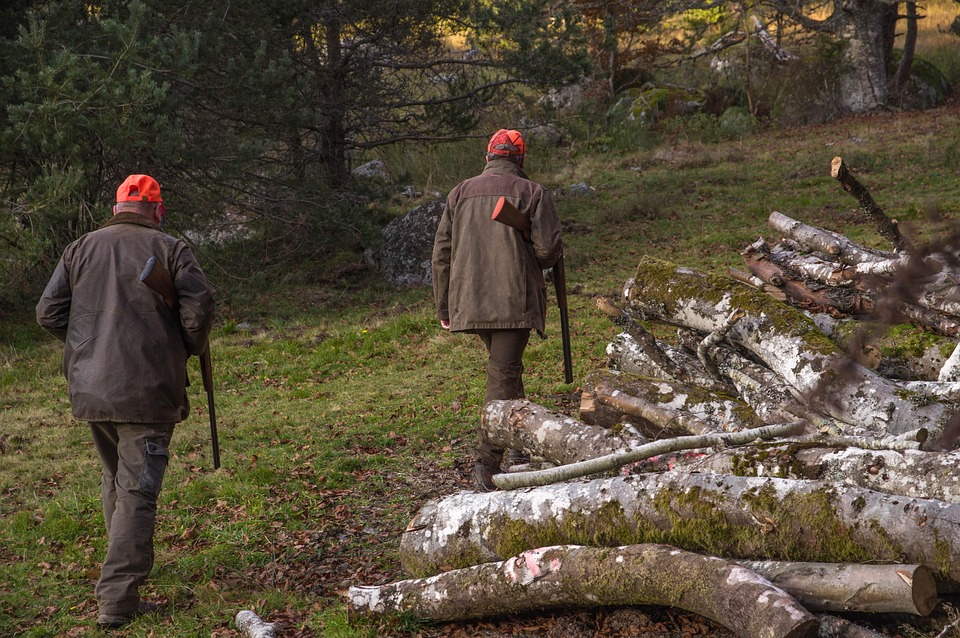
Good still hunting involves controlled movement. Take two steps, pause, and freeze if you see the game. Step softly and test the ground before moving.
Use natural barriers like rocks to hide your sound. Practice in different terrains to build muscle memory.
Controlling Your Scent and Sound
Start scent control by washing gear in unscented detergents like Nikwax Tech Wash. Shower with scent-free soap before hunting. Always approach the game from downwind.
Use wind vanes to track the wind. Spritzing Scent Stop UV adds an extra layer of protection.
Optimizing Your Visual Awareness
Sharpen your visual skills by scanning systematically. Look from left to right at different heights. Train to spot deer ears or antlers in trees.
Use your peripheral vision to spot movement without moving your head. Practice in wooded areas to improve your skills.
Weather Conditions and Their Impact on Still Hunting Success
Weather plays a big role in every still hunt. Learning to adapt to different weather conditions can turn challenges into advantages. This section will show you how to use wind, rain, and temperature to your advantage.
Hunting in Wind, Rain, and Snow
When hunting in the wind, it’s key to face it to hide your scent. If there’s a crosswind, you’ll need to move to stay hidden. Rain can help mask your movements, but watch out for muddy spots.
Tracking in the snow is all about following prints. But move slowly to avoid sinking or making too much noise.
Temperature Considerations for Different Game
Temperature affects how game behaves. Whitetail deer are more active when it’s below 50°F. Elk tend to stay quiet during the hottest part of the day.
Adjust your hunting strategy based on the species you’re after. Cold mornings can be great for spotting animals, while very hot days make them less active.
Using Weather Forecasts to Plan Your Hunt
Weather forecasts can help you plan your hunt. Look for times when animals are more active, like before a storm or after the weather has changed. Plan your hunt for cool, calm days after rain or snow for the best chance of success.
Terrain Analysis for Strategic Still Hunting
Learning about hunting terrain features begins with map study. Spot ridges, draws, and valleys to guess where animals move. Topographic layers show where game paths are, helping you pick better spots.
GPS apps like OnX Hunt or DeLorme help find game travel corridors. Look for narrow passes or stream crossings where animals gather. These spots increase your chances of success.
Focus on habitat edge hunting where forests meet meadows or thicket border fields. Animals often stop at these edges, giving you a clear shot. Stay downwind of these areas.
Study elevation changes to guess animal paths. Animals prefer easy routes—ridges for warmth, creek bottoms in rain. Use natural cover like boulders or fallen logs to hide.
Practice scouting with aerial maps. Note pinch points and funnels. When hunting, move along contour lines to stay hidden. Analyzing terrain turns it into your ally, not a barrier.
Tracking and Sign Reading Essentials
Learning to track and read signs turns the forest into a map. Begin with animal track identification to understand movement. Look at track depth and mud to guess how old they are. A fresh print with sharp edges means recent activity.
Study the direction of claw marks or hooves to guess where animals are going.
Identifying and Interpreting Animal Tracks
Track patterns show how animals behave. Deer tracks pointing inward mean they’re running away. Tracks pointing outward mean they’re coming towards you.
Use a stick to measure track size—deer hooves are usually 2-4 inches. Look for tracks in mud or snow for animal track identification. Practice drawing tracks in a journal to get better.
Understanding Feeding Signs and Patterns
Deer feeding signs show torn leaves above 18 inches. Elk or moose make taller breaks. Look at chew marks: rough edges mean recent eating.
Rub lines on trees with game trail patterns near food show active areas. Track when leaves are stripped at dawn or dusk for ambush times.
Recognizing Bedding Areas and Travel Routes
Wildlife bedding areas are hidden in thickets with flattened plants. Look for hair on branches or faint game trail patterns leading away. Primary trails show where animals go to water, food, and cover.
Use these signs to set up stands where trails meet wildlife bedding areas.
Developing Stealth: The Silent Hunter’s Approach
Stealth is key to still hunting success. Mastering silent hunting movement and stealth hunting techniques takes practice. Start by controlling your body’s presence in the field.
Learn to shift your weight slowly and place each footfall with care. Pause between steps to freeze, like wildlife does.
Body Control and Movement Techniques
Take slow, quiet steps to avoid making noise. Practice slow hunting approach by moving 10 yards and then pausing for 60 seconds. Adjust your foot placement on different terrain to reduce sound.
Use your knees to absorb shock, which helps prevent vibrations that could scare game.
Breathing and Mental Discipline
Controlled breathing helps you stay still. Inhale slowly through your nose and exhale in short bursts. This keeps your body steady.
Do mental focus exercises like counting tree rings or tracking sounds. This keeps your mind sharp without getting tense. Use a metronome app daily to improve your rhythm and calmness.
Clothing and Equipment Noise Reduction
Test your gear weekly with the “quiet test”. Lay on a carpeted floor and move like you’re hunting. Listen for any noise from zippers, buckles, or fabric.
Use hook-and-loop straps instead of snaps, and line your packs with fleece. Choose boots with rubberized soles, like LaCrosse or Sloggi, for wetland hunting. Attach drawstrings to hood edges to stop them from flapping.
Seasonal Adaptations for Year-Round Still Hunting
Mastering seasonal hunting strategies means adjusting to nature’s cycles. In early-season hunting, look for food sources like cornfields or acorn drops. Animals tend to gather there. Move slowly along field edges at dawn or dusk when deer are active but still hidden by vegetation. Also, adjust scent control as wind patterns change with cooler mornings.
Rut hunting tactics change as autumn reaches its peak. Look for rub lines and scrape lines made by bucks chasing does. Move quietly near these spots, using grunt calls or doe bleats to get a reaction. Hunt travel corridors between doe groups and bedding zones during the pre-rut phase. During the chase phase, position yourself where does gather to intercept chasing bucks.
In late season still hunting, adapt to winter’s open landscapes. Focus on areas with lots of browse, like cedar thickets or hardwood draws. Use terrain features like ridges to stay upwind of feeding zones. Post-rut bucks are wary, so stalk slowly in a zigzag pattern to avoid predictable trails. Snow conditions let you follow tracks directly to bedding areas at first light.
Time your movements with light: hunt midday in the early season when animals feed actively, but switch to twilight hours during the rut. Late-season success often comes at dawn or in the late afternoon when deer seek shelter from the cold. Every season demands patience, but these shifts in timing and location make still hunting effective year-round.
Game-Specific Still Hunting Strategies
Successful hunting depends on matching tactics to the animal’s instincts.
Each species needs its own deer-hunting techniques, elk-hunting strategies, or small-game hunting methods to succeed.
Whitetail Deer Tactics
Whitetail deer use edge zones between open fields and thickets. Move parallel to these areas, staying low to avoid detection. On public land, vary paths weekly to confuse pressured deer. Pause frequently to scan for tail flicks or ear movements.
Elk and Moose Approaches
Elk hunting strategies require vocalizations during the rut. Bugling can draw bulls into view. Moose in open country need wider field-of-view scans—watch for antler shadows against slopes. Hunt elk herds cautiously, avoiding sudden movements that spook cows.
Small Game Methods
Small game hunting methods prioritize speed and sound mimicry. Move faster than with big game but stay alert for rustling leaves or bird alarms. Use twig-snapping sounds to mask approach noises. Rabbits freeze when spotted—freeze too, then advance slowly.
Species-specific hunting thrives when you blend biology with patience. Observe how each animal uses terrain, and adjust every step to its behavior.
Ethical Considerations and Shot Placement
Still hunting lets hunters get close to their prey, making shots easier. But, it’s crucial to follow ethical hunting rules. Every shot you take shows your commitment to hunting responsibly.
When hunting deer, aim for the heart-lung area. Shots angled at 30 degrees or less are okay if you’re sure of your aim. But, avoid shots that could harm the spine or non-vital areas, causing the animal to suffer.
It’s better to wait for a clear shot than to rush. Make sure you have a good view of the animal’s body before shooting. If the angle is tricky, aim higher to hit the lung area.
Always carry a rangefinder to check distances accurately. Knowing how to track animals is as important as knowing how to shoot. Learn to follow blood trails to find animals quickly and humanely.
Use bullets or broadheads that cause quick blood loss. For example, bonded bullets work well even at steep angles. Don’t take shots you’re not sure about. Practice at 3D targets to build your confidence.
Responsible hunters care more about the animal’s welfare than trophies. This approach helps conservation and shows respect for wildlife.
Troubleshooting Common Still Hunting Challenges

Still, hunting requires quick thinking when things go wrong. If you spot deer, stay calm. Freeze instantly to avoid sudden movements.
Use terrain features like brush or elevation changes to break the line of sight. If detected at close range, consider retreating slowly to avoid pursuit risks. Carry calls to mimic animal sounds and distract the deer’s attention.
Adaptive hunting methods are key when the game acts unpredictably. If deer approach directly, stay absolutely still and let them pass. Non-target animals like turkeys or birds can alert prey—adjust routes to avoid flushing them.
For pressured animals showing altered behavior, shift tactics: hunt later in the day or target less-frequented areas. Learn from patterns to predict shifts in movement.
Hunting mental stamina keeps you sharp during long sits. Combat fatigue by setting small goals: track time in 30-minute intervals. Use physical checks—adjust clothing, reset stance—to stay present.
Mental drills like counting tree rings or estimating distances keep focus. Manage discomfort by hydrating early and using padded gear to prevent aches from slowing reactions.
Conclusion: Becoming a Still Hunting Expert Through Practice and Patience
Still hunting is all about patience and precision. It needs both mental and physical focus. You start with the basics like scent control and terrain analysis.
Getting better takes time and practice. You’ll learn to read the wind and understand animal tracks. This journey is about setting goals and improving with each hunt.
Keep a journal to track your progress. Write down what you learn from each hunt. Every mistake is a chance to get better.
Start small by spending hours in the woods without a gun. Learn to move quietly and mask your scent. Still hunting is a long-term journey, not a quick fix.
Begin your journey today. Choose a familiar place and practice holding your breath or mapping trails. Every step you take brings you closer to becoming an expert.
]]>
Chronic Wasting Disease (CWD) is a growing concern for hunters and wildlife enthusiasts alike. As this fatal neurological disease continues to spread among deer, elk, and moose populations, it’s crucial for hunters to understand its risks, how it spreads, and what precautions they should take. This blog post will cover everything hunters need to know about CWD, from identifying infected animals to responsible hunting practices that help prevent its spread.
What is Chronic Wasting Disease (CWD)?
CWD is a prion disease that affects cervids, including deer, elk, and moose. It belongs to the same family of diseases as mad cow disease (Bovine Spongiform Encephalopathy) and Creutzfeldt-Jakob disease in humans. Prions are misfolded proteins that cause fatal neurodegenerative conditions by accumulating in the brain and other tissues, leading to severe deterioration and death. CWD is always fatal, and there is currently no known cure or vaccine.
How is CWD Transmitted?
CWD spreads through direct animal-to-animal contact and through environmental contamination. Infected animals shed prions in saliva, urine, feces, and carcasses, which can persist in soil and vegetation for years. Healthy animals can contract the disease by grazing in contaminated areas or coming into contact with infected individuals. This makes controlling the disease especially challenging.
Identifying CWD in Deer and Other Cervids
Hunters should be aware of the common symptoms of CWD, though infected animals can appear healthy for months or even years before showing signs. Symptoms include:
- Dramatic weight loss (wasting)
- Lethargy and listlessness
- Excessive drooling and thirst
- Difficulty swallowing
- Unusual behaviors such as lack of fear of humans
- Poor coordination and stumbling
Since symptoms can take years to appear, an infected deer may look completely healthy. This makes surveillance and testing essential.
The Risk to Humans
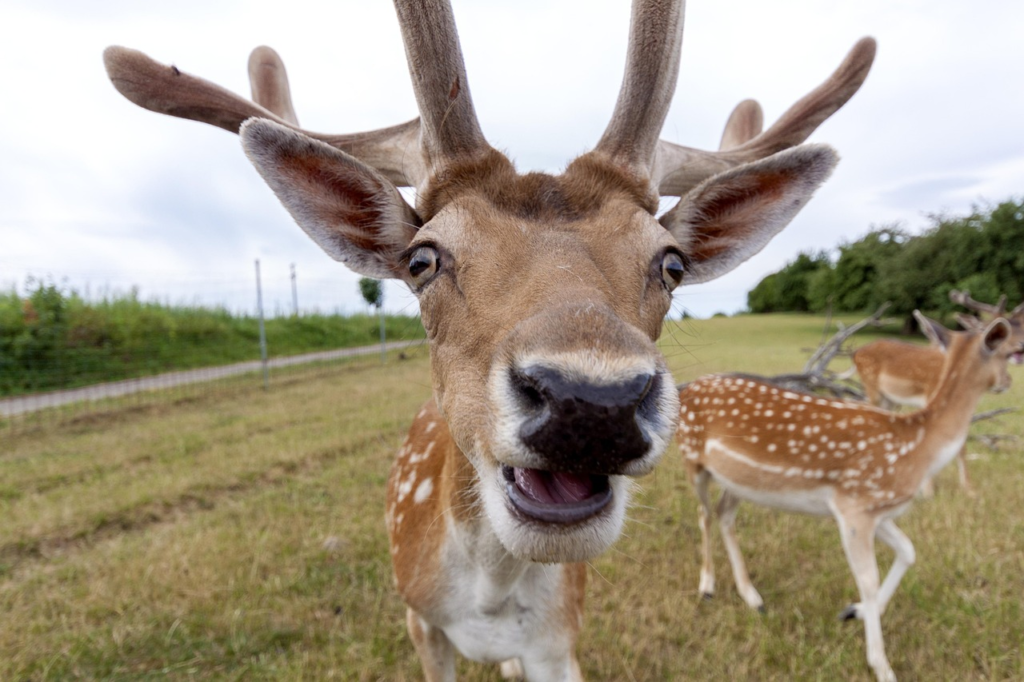
Currently, there is no direct evidence that CWD can infect humans. However, the Centers for Disease Control and Prevention (CDC) and other health organizations strongly advise against consuming meat from CWD-positive animals. Laboratory studies suggest that CWD prions could potentially pose a risk to humans, similar to mad cow disease, which is why caution is recommended.
What Hunters Can Do to Prevent the Spread of CWD
Hunters play a crucial role in monitoring and controlling CWD. Here’s how you can help:
- Follow Testing Guidelines – Many states and provinces require or encourage hunters to submit harvested deer for CWD testing, especially in high-risk areas. Always check local regulations before hunting.
- Avoid High-Risk Areas – If hunting in an area with confirmed CWD cases, take extra precautions, such as testing your harvest and properly disposing of carcasses.
- Use Caution When Handling Game – Wear gloves when field-dressing and avoid cutting through the brain, spinal cord, or lymph nodes. Thoroughly clean and disinfect knives and equipment after use.
- Dispose of Carcasses Properly – Do not leave animal remains in the field, as this contributes to environmental contamination. Follow local guidelines for carcass disposal.
- Limit Movement of Carcasses – Transporting infected animals to new areas can accelerate the spread of CWD. Only move processed meat, cleaned skulls, or taxidermy mounts.
Final Thoughts
CWD is a serious threat to wildlife populations and hunting traditions. While there is no cure, informed hunters can help slow its spread by practicing responsible hunting and following state and provincial guidelines. Staying educated, testing harvested animals, and avoiding consumption of infected meat are crucial steps to protect both wildlife and human health.
By taking these precautions, hunters can continue to enjoy their sport while ensuring the long-term health of deer populations for future generations. Additionally, hunters should work closely with wildlife management authorities and conservation groups to stay updated on new research and best practices. Spreading awareness about CWD among fellow hunters and outdoor enthusiasts can also contribute to better disease control. Responsible hunting not only safeguards wildlife but also preserves the integrity of hunting traditions for years to come. Working together, hunters can make a meaningful impact in the fight against CWD and help maintain the balance of natural ecosystems.
]]>