Grassland inhabiting deer, also known as antelope, are a diverse group of hoofed mammals. They live in open plains and savannas around the world. These adaptable ruminants have evolved unique traits to survive in their grassy habitats.
This article will explore the various grassland deer, their characteristics, preferred habitats, and interesting social behaviors.
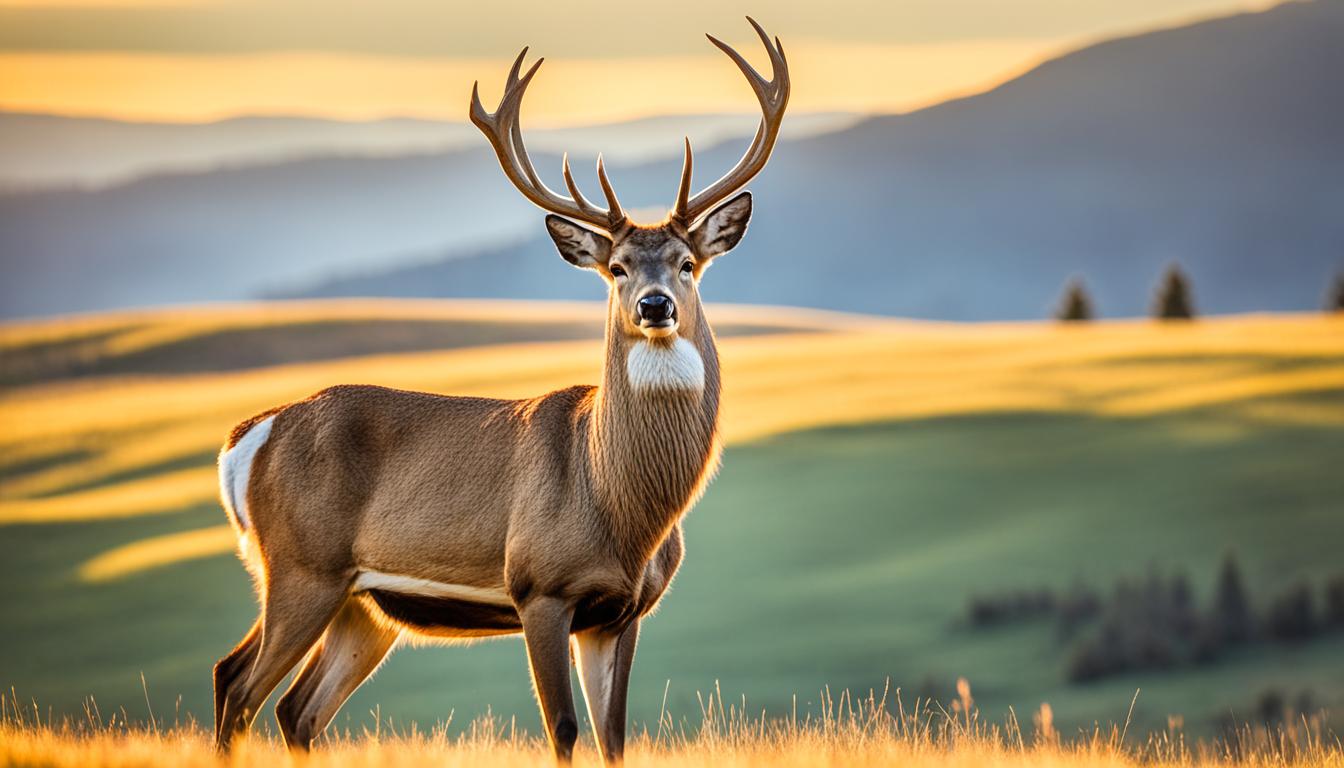
Are you fascinated by the lightning-fast pronghorn of North America, the graceful gazelle of the African savanna, or the elusive impala of the bush? The world of grassland-dwelling deer is full of captivating stories. Join us as we explore the remarkable adaptations and vibrant lives of these magnificent grassland antelope.
Introduction To Grassland Inhabiting Deer
The deer family, known as Cervidae, includes many hoofed, ruminant ungulates found worldwide. They are called “true deer” and are known for their iconic antlers. These antlers are grown and shed every year by most males. While many deer live in forests, a lot have adapted to live in grasslands, prairies, and savannas.
Grassland deer have unique physical traits, social behaviors, and preferences for their habitats. They share a common ancestry with forest deer but have special traits for living in open areas. This makes them stand out.
Deer like the pampas deer, marsh deer, and Andean deer live in grasslands. They are important to the cervidae family and play a key role in grassland ecology. These remarkable deer show how the deer family has adapted to different habitats, from forests to grasslands.
Pampas Deer: The Iconic Grassland Species
In central South America, the Pampas deer (Ozotoceros bezoarticus) is a standout among grassland deer. They are smaller than European deer but have a compact build and plain colors. This helps them blend into their grassy home.
Physical Characteristics
The Pampas deer has a unique 3-point antler structure, like many Asian deer. Their fur is reddish-brown to grayish-brown, perfect for hiding in the grasslands. They are about 3 feet tall and weigh 130-220 pounds, making them medium-sized deer.
Habitat And Diet
These deer live in the open grasslands and savannas of South America, especially in central Argentina’s Pampas. They eat various grasses, herbs, and sometimes woody plants. Their ability to move through the flat, treeless lands lets them thrive in this unique area.
Social Behavior And Reproduction
- Pampas deer live in small groups of up to 20, led by a dominant male.
- They breed in spring and summer, with females having one fawn after 7-8 months of pregnancy.
- Newborn fawns can stand and follow their mothers right away, a key survival skill in the open grasslands.
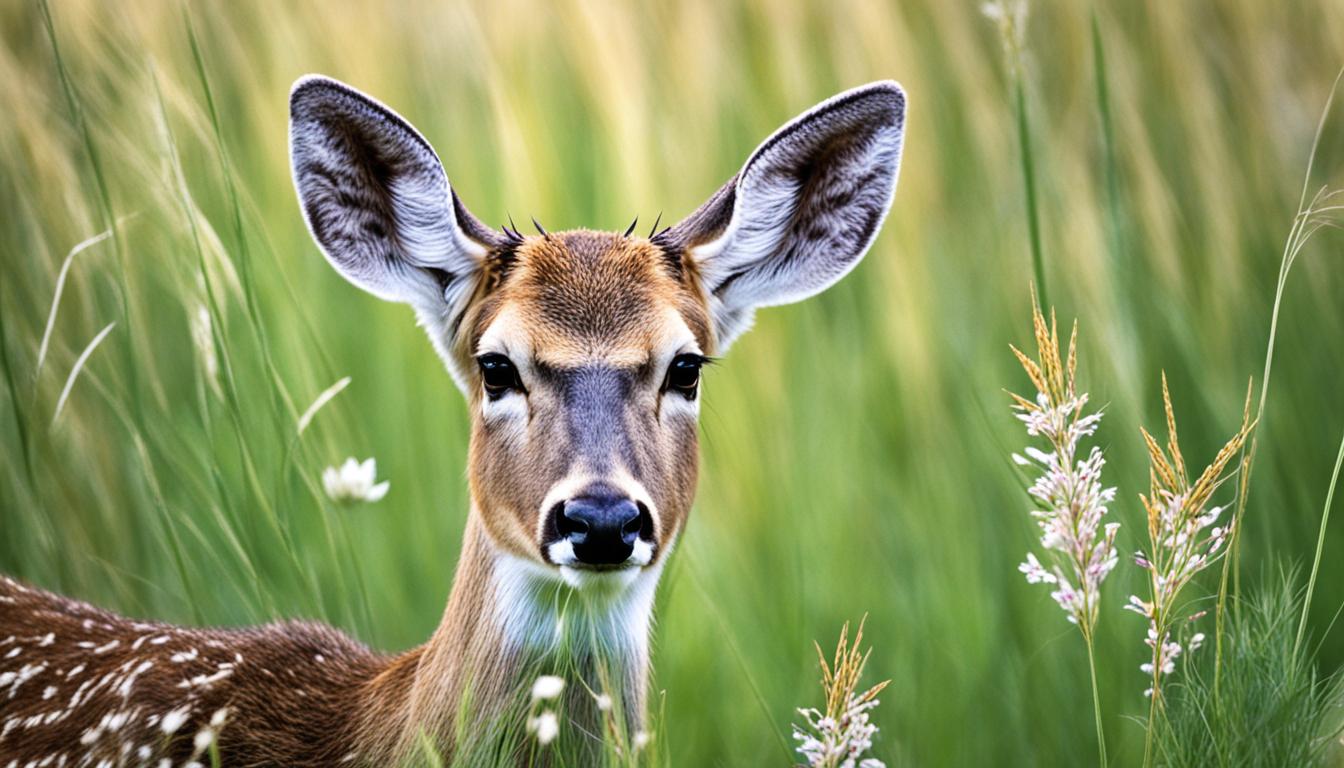
The Pampas deer is known for its unique look, special adaptations, and important role in the grasslands. It’s a symbol of South America’s natural beauty. Protecting this deer is key to keeping the Pampas ecosystem diverse and balanced.
Marsh Deer: Wetland Wonders
In the vast wetlands and tall grasses, a majestic creature roams – the marsh deer (Blastocerus dichotomus). It looks like a pampas deer but has long legs and black lower legs. These features make it stand out. Its antlers have four or five points with a unique design.
Distinguishing Features
The marsh deer is unique among wetland deer. Its long legs help it move through marshes easily. Its dark lower legs contrast with its light-colored body. The deer’s antlers have a special design with multiple points.
Habitat Preferences And Feeding Habits
The marsh deer loves wetland environments. It lives in places like the Pantanal in South America and lush river deltas. These deer eat many types of aquatic plants. They dive into the water to eat the plants that grow there.
Grassland Inhabiting Deer: Species, Behavior, And Habitat
Grassland deer, also known as antelope, live in open plains, prairies, and savannas worldwide. They include pampas deer, marsh deer, and many others like pronghorn, gazelle, and wildebeest. These deer have special traits to live in vast, grassy areas. They have unique ways of eating and living together in groups.
The pampas deer lives in small areas in central South America. Only about 1% of their old home is left today. They eat grass, shrubs, and herbs. They live in small groups and change their behavior with the seasons.
Marsh deer are bigger than pampas deer and love wetlands. They can swim well and eat plants in shallow water. But, their homes are being destroyed by people, making them harder to find.
There are many types of grassland deer, each with its own way of life. Learning about these deer helps us understand how they live in their vast, grassy homes.
Andean Deer: Mountain Marvels
Many deer live in open areas, but two species love the Andes’ mountains. These Andean deer are amazing. They live in tough places in the Andes.
Taruka: The Central Andes Dweller
The taruka lives in the central Andes, from Peru to northern Argentina. It’s an Andean deer that’s great at moving through steep places. It’s perfect for its home in the high mountains.
Huemul: The Endangered Patagonian Gem
In Chile and Argentina, the huemul lives in the southern Andes. It’s also known as the Patagonian deer. This deer is very special and has adapted well to the tough Patagonian land. Sadly, it’s endangered, and people are working to save it.
Conservation Challenges And Efforts
The grassland deer species, like the pampas deer, marsh deer, and Andean deer, face big challenges. Their homes are being destroyed and broken up by human activities. These include farming, building cities, and making roads.
For example, only about 1% of the original pampas deer home is left today. The marsh deer and the endangered huemul are also losing their homes. Their wetlands and mountain areas are being changed and used for other things.
People are working hard to save these deer and their homes. They use new methods like spatial modeling and remote sensing to track changes in the land. This helps them make plans to protect these areas.
The NRCS started a project to help grassland birds in the U.S. Northern Great Plains. Researchers like Niemuth et al. in 2017 made maps to help save grassland birds in the same area.
Conserving private land is getting harder because people use it for different things now. But, there are still efforts to restore habitats and protect deer populations.
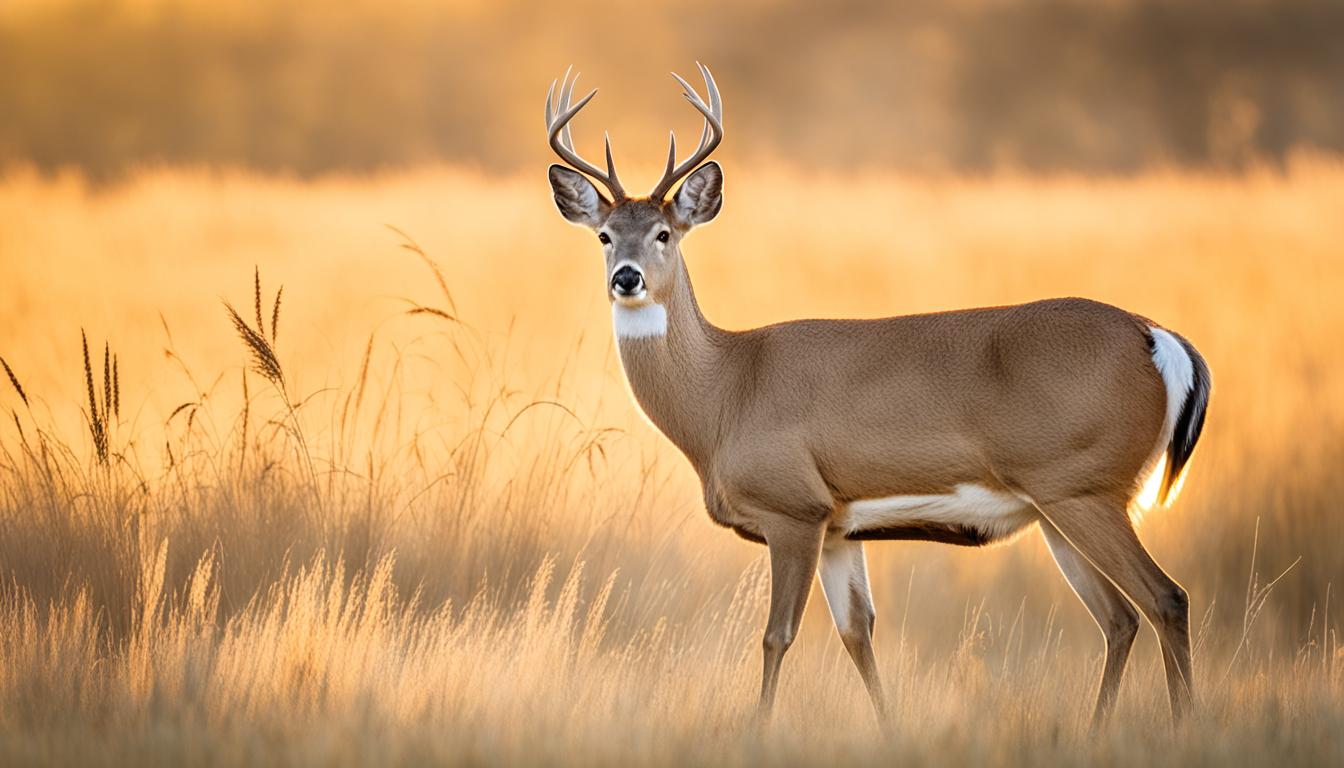
Even with big challenges, there’s hope for saving grassland deer. By stopping the main causes of habitat loss and using smart conservation plans, we can help these special deer live in their natural homes.
Conclusion
Grassland deer are a fascinating group that live in open, treeless areas. They include the well-known pampas deer and the endangered Andean species. These deer have unique traits and behaviors that help them live in their grassy homes.
It’s important to understand and protect these deer because they face many threats. Habitat loss and fragmentation are big problems for them. We need to keep studying and protecting these deer to save them.
By researching and raising awareness, we can help these deer survive. We can learn how deer affect the ecosystem by studying their eating habits and how they interact with plants. This knowledge helps us manage deer in places like farms and forests better.
Protecting grassland deer is important for nature and culture. They are tied to the culture and history of their lands. Keeping these deer helps keep their ecosystems diverse and balanced. By focusing on saving grassland deer, we protect these amazing animals and their homes for the future.
]]>You’ll learn about the Hunting Knives, Optics and Scopes, Hunting Packs and Bags, Game Calls, Hunting Safety Equipment, Hunting Maps and Navigation Tools, and Field Dressing Kits you need.
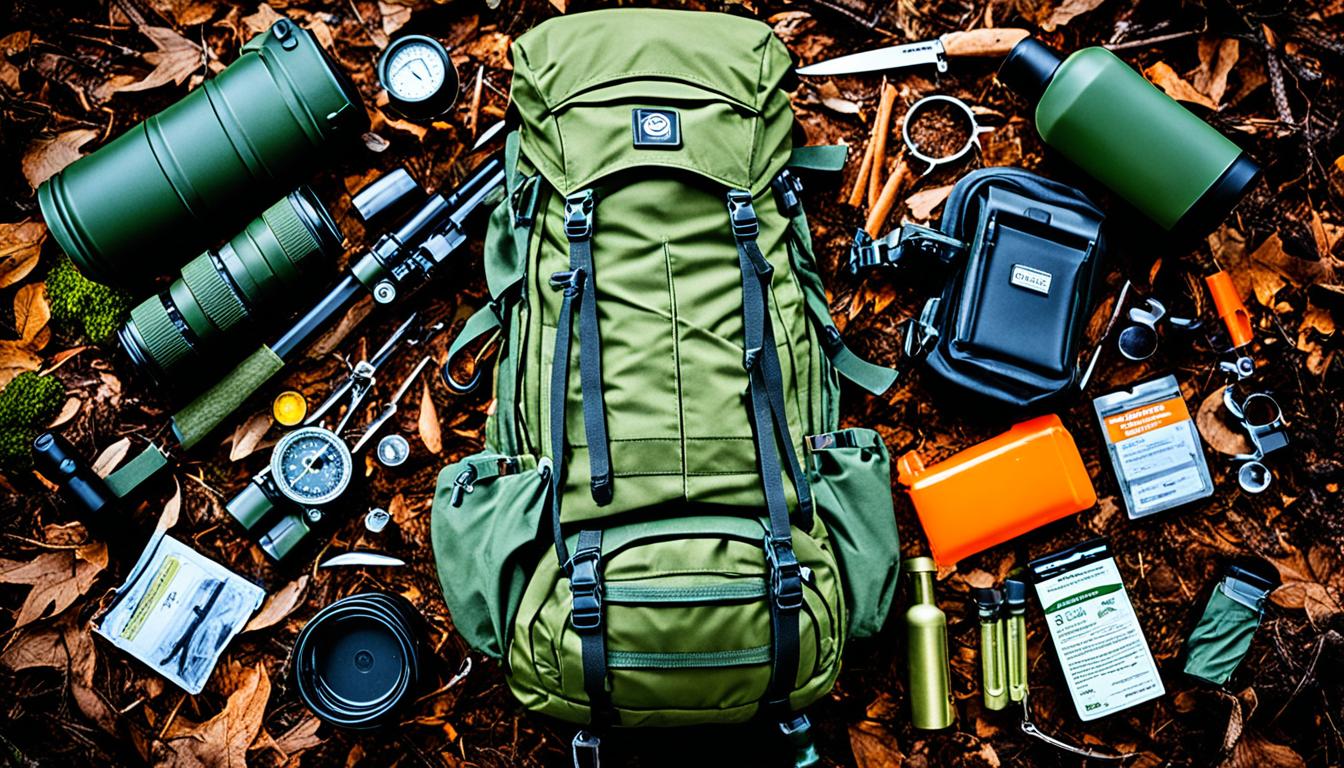
Every hunt is different, and so should your gear and preparation. But, there are some essential items every hunter should carry. This article will show you the must-have Essential Hunting Accessories for most hunts. These items can help make sure your hunt is successful, no matter the species or location.
Essential Clothing For Hunters
Choosing the right clothes is crucial for a successful hunt. Layering is essential. Begin with a base layer of moisture-wicking materials like merino wool or synthetic polyester. These keep you dry and comfy in different weather.
For insulating layers, use what you already own, such as sweatshirts and fleece jackets. It’s important to have many layers you can adjust. Merino wool or synthetic materials are great for keeping warm and dry.
Outer Shell Layers
Your outer shell layers should protect against water and wind. They should also be quiet to avoid scaring game. Depending on where you hunt, you might need camouflage or blaze orange. Make sure your clothes fit well but aren’t too tight.
Hunting Boots
Hunting boots are vital. They need to be well-insulated, especially for cold weather. Choose boots a size bigger than your regular shoes for extra room. This lets your toes move and stay warm. Good boots are key to a successful hunt, as cold feet mean heading back early.
Essential Hunting Tools
When it comes to essential hunting tools, two key items stand out: Hunting Knives and Multi-Tools. These tools are crucial for any hunter. They help with everything from field dressing to completing various tasks during your hunt.
Hunting Knives
A quality hunting knife is a must-have for any hunter. These knives are made to handle the tough tasks of field dressing and processing game. Fixed-blade knives are tough and easy to keep up, while folding knives are more compact. They also come with tools like screwdrivers and saws.
Multi-Tools
Multi-tools are great for hunters because they offer many tools in one small package. You can find screwdrivers, pliers, saws, and more in these tools. They’re perfect for fixing things or dressing game in the field. Having all these tools in one spot is super handy for hunters.
Having a good hunting knife and a dependable multi-tool is key for a successful hunt. They make your hunting tasks easier and more efficient.
Essential Navigation For Hunting
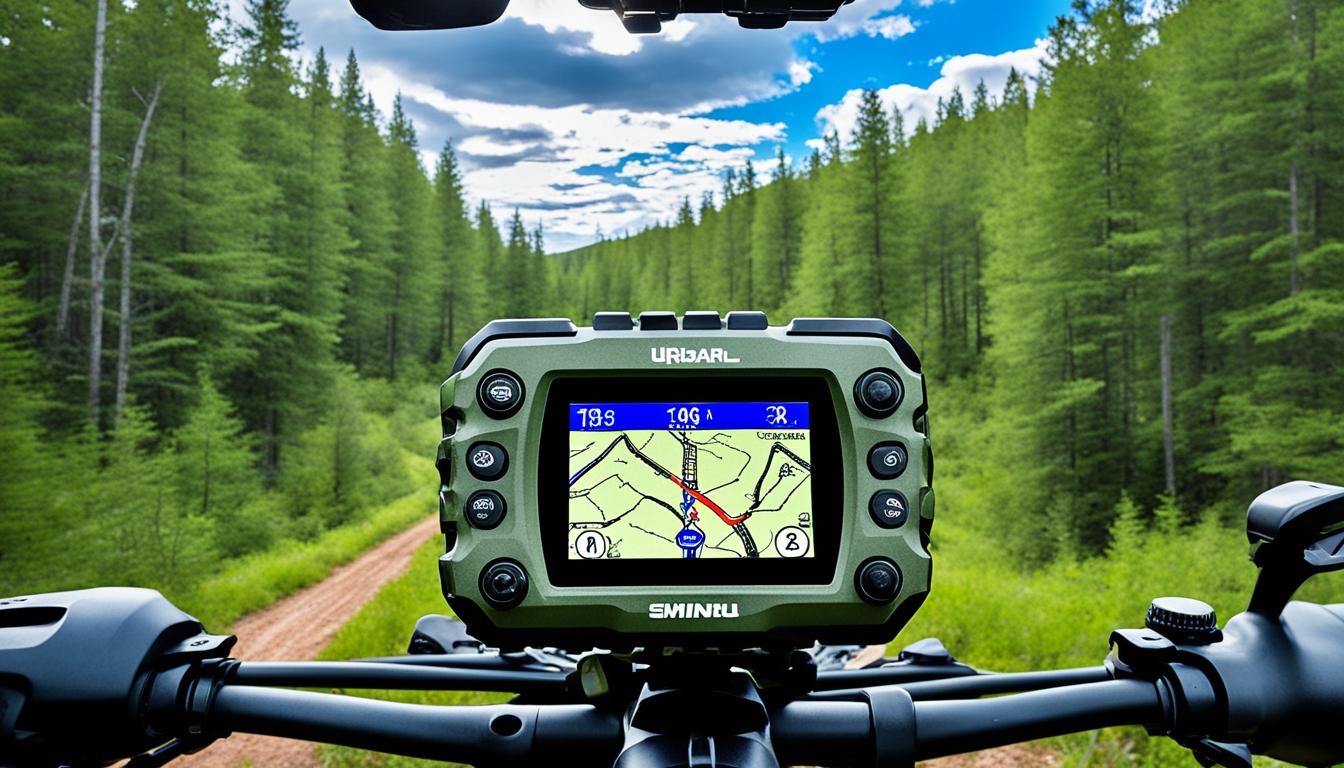
Knowing where you are and the land’s layout is key for a good hunt. Traditional map and compass skills are still vital. But, GPS units are now a top choice for many hunters. They make finding your spot easy, let you mark important places, and often have offline maps.
Gps Units
GPS devices have many benefits for hunters. They show your exact spot, helping you stay on track in new places. You can also mark key spots like your camp or where you find an animal. Some GPS units work offline, so you don’t need cell service to navigate.
Hunting Maps And Apps
Maps and apps are also great for hunting navigation. Topographic maps, paper or digital, help you understand the land and plan your path. The onX Hunt app is especially useful with its offline maps, waypoint tracking, and land info. These tools keep you on track and help you find your way in new areas.
Essential Hunting Visual Aids
Successful hunting depends on spotting and identifying potential game. Quality optics are key tools that greatly improve your hunting. Let’s look at the must-have visual aids for your gear.
Binoculars
A good pair of binoculars is a must for hunters. They let you check out your target and the area before shooting. You’ll find binoculars in various magnifications. It’s important to balance power with weight. Using bino harnesses and tripods can also make your Hunting Binoculars more useful.
Rangefinders
Hunting Rangefinders are vital for hunters, especially bow hunters. They help you measure the distance to your target accurately. For bowhunting, choose a rangefinder that works well at close ranges, marked in yards.
Spotting Scopes
A top-notch Hunting Spotting Scope is great for looking at distant areas. It lets you see potential game or their movements up close. It’s not needed for every hunt but can be a big help in open areas or for glassing from afar before stalking.
Choosing the right visual aids can greatly improve your hunting. Whether you like binoculars, rangefinders, or spotting scopes, these tools can make you a better and more responsible hunter.
Emergency Supplies For Hunting
No hunting trip should be without essential gear. Hunters should pack water, food, shelter, a first aid kit, fire-starting tools, and light. A Sawyer water filter, high-calorie foods, emergency blankets, and a first aid kit are key for safety.
Ben Dillon, a seasoned hunter and physical therapist, credits a well-stocked first aid kit for helping him during injuries. His experiences highlight the need for practical knowledge and being prepared.
Here are some must-haves for a Hunting First Aid Kit:
- Band-Aids
- Steri-Strips
- Moleskin
- Tweezers
- PPE/nitrile gloves
- SAM splint
- Duct tape
- Burn cream
- After Bite
- Antibiotic cream
- Prep pads
- Medical tape
- Survival blanket
- Trauma shears
- Multi-tool
For a Hunting First Aid Kit, include Aspirin, Ibuprofen, Iodine tablets, and Electrolyte Tabs. These help with pain, inflammation, purifying water, and keeping electrolytes balanced. For wounds, pack QuikClot + Gauze, Chest Seal, CAT Tourniquet, and more to treat injuries and prevent infections.
Most states need a hunter safety course for a hunting license. Having the right gear ensures a safe and successful hunt.
Essential Hunting Accessories
Hunting is more than just having the basics. It’s about having the right gear for comfort and efficiency. Hunting packs, apparel, and key equipment are important. But, some versatile accessories can make your hunting better.
A trash bag is one such accessory. It protects your gear and can also be used for storing game meat. Paracord is another must-have. It’s useful for setting up shelters and securing your gear.
- Trash bags: Protect your gear and store game meat
- Paracord: Versatile for shelter, gear, and more
- Pen and paper: Take notes on your surroundings and sightings
A pen and paper might seem basic, but they’re very useful. You can write down observations, draw maps, or record important hunt details. These small items help you stay organized and focused.
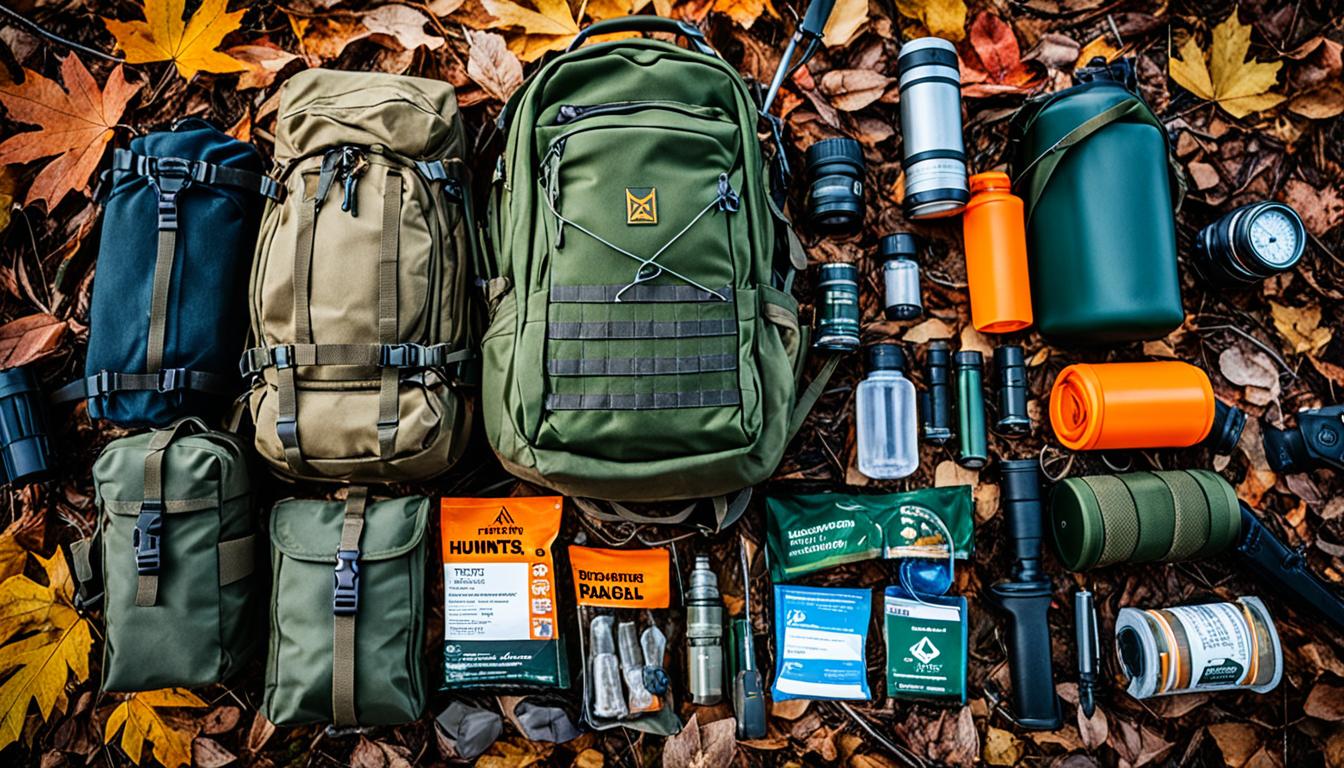
The hunting industry is growing, with more people taking up the sport. This means there’s a big demand for new and useful hunting accessories. From budget-friendly options to high-end gear, there’s something for everyone to improve their hunting.
Essential Elk Hunting Gear
Heading out to hunt elk in the rugged western terrain requires the right gear for success and comfort. Make sure to pack quality game bags and supportive hunting boots.
Game Bags
Keeping the meat safe and cool after you’ve dressed your elk is key. That’s where quality game bags come in. They keep flies away and let the meat cool properly. A good pair of game bags means your elk meat stays in top shape.
Hunting Boots
Sturdy, supportive hunting boots are a must for elk hunting. You’ll be walking a lot and carrying a heavy pack. So, boots with great ankle support and waterproof liners are essential. The mountains can be unpredictable, so boots that handle tough conditions are key for your comfort and safety.
With the right Elk Hunting Gear, like game bags and quality boots, you’re ready for the challenges of elk hunting in the western wilderness.
Essential Deer Hunting Gear
When hunting whitetail deer, having the right gear is key. This includes everything from scent control products to specialized equipment. The right gear can make your hunt better and help you bring home the deer.
Scent Control Products
Deer have a strong sense of smell. So, controlling your scent is very important. Using scent-blocking clothing and sprays can help you stay hidden. High-quality scent control gear can really help you out when hunting whitetail deer.
Rangefinders
A good rangefinder is a must for deer hunters, especially archers. It’s important to know how far away your target is for a good shot. Rangefinders that work well up close are best for bowhunters.
Deer Drags
After you’ve made a successful hunt, a strong deer drag or rope is very useful. They let you easily move the deer to your vehicle. This saves your back and shoulders from carrying a heavy load. Having the right gear makes recovering your deer easier and less tiring.
Choosing the right deer hunting gear can really improve your hunting. Focus on scent control, a good rangefinder, and a reliable deer drag. This will help you have a better and more successful deer hunting season.
Conclusion
Getting ready for a hunt with the right gear is crucial for success and fun. You need the best clothing, tools, navigation aids, optics, and emergency supplies. This way, you can enjoy the hunt without worrying about your equipment. Whether you’re after elk or whitetail deer, the right gear makes a big difference.
Essential items like insulating layers, durable boots, and reliable knives are key. This article has covered the must-have accessories for various hunting situations. By choosing quality gear and preparing well, you’ll get the most out of your outdoor adventures and increase your chances of success.
The success of a hunt also depends on the gear you pick. With the right accessories, you can fully enjoy the hunt and make unforgettable memories. So, make sure you have the best gear with you to support your hunting journey.
]]>This guide will help you understand the rules for hunting deer in the US. We’ll cover what affects hunting seasons and how to hunt while protecting nature.
Introduction To Deer Hunting Seasons
Deer hunting is a tradition in the United States that goes back generations. Over time, the rules, gear, and even the seasons have changed. While fall is the main season for deer hunting, there are also spring seasons for turkey, varmint, and small game. Each type of game has its own rules, gear needs, and season dates that hunters must know.
Importance Of Hunting Seasons
Hunting seasons are key for the conservation of deer and other wildlife. State wildlife agencies manage these seasons to keep natural resources healthy. By following the rules, hunters help control deer populations. This keeps the ecosystem balanced.
Factors Influencing Deer Hunting Seasons
- Deer population dynamics
- Habitat conditions and food availability
- Breeding and fawning patterns
- State wildlife regulations and conservation goals
- Hunting tradition and cultural practices
These factors, along with research and data, shape the deer hunting seasons. As a hunter, it’s vital to keep up with local regulations and changes. This ensures your hunting matches the state’s wildlife management goals.
How Hunting Seasons Are Defined
In the U.S., hunting season is mainly about deer hunting. The fall marks the start of big game hunting, aligning with the deer’s breeding period, or the rut. But, the exact timing of the rut can vary by location. Each state sets its own deer hunting season dates based on these local conditions.
What Is A Limiting Factor?
A limiting factor is something that reduces a species’ population in a certain area. Things like disease, changes in food and water, predators, and human activities can be limiting factors. Hunting within a set season helps keep deer populations healthy by preventing overpopulation.
State wildlife agencies set the dates for deer hunting to manage the population and protect wildlife. They consider many factors, such as:
- The timing of the deer rut or breeding season
- Deer migration patterns and habitat needs
- Deer population density and herd health
- Potential conflicts with human activities and development
By setting these dates, wildlife experts can control deer numbers. This reduces problems like crop damage, car accidents, and disease spread. It keeps the ecosystem balanced, good for both deer and people.
Deer Hunting Seasons By State
Deer hunting is a beloved tradition across the United States. Each region has its own seasons and rules. Knowing these details is key for hunters to plan and follow the law.
Northeast States
In the Northeast, deer hunting is a long-standing tradition. Maine has a big hunting community and sets specific dates for hunting turkeys, small game, and more. Hunters need to know the bag limits and licensing to hunt right.
Southeast States
The Southeast has its own deer hunting traditions. In Georgia, you need a hunting license and can’t hunt certain deer on certain days. It’s important for hunters to know these rules.
Midwest States
Deer hunting is a tradition in the Midwest. Many take time off to hunt in rural areas. Hunters should learn the season dates and limits to hunt well and responsibly.
Western States
In the West, hunting deer and elk is big in late summer and fall. August, September, and October are peak months for big game hunting. Hunters should know the rules and dates for their area to hunt safely and legally.
Knowing about deer hunting seasons by state is vital for all hunters. It helps you plan and follow the rules of each state. This way, you can enjoy this outdoor activity while being ethical and sustainable.
Understanding Regional Hunting Traditions
Across the United States, hunting traditions vary by region. Each place has its own unique landscapes, wildlife, and cultural ways. For example, Maine has long deer seasons, while Georgia has strict rules on hunting deer.
In Wisconsin, archery and crossbow hunting start early before the gun season. This gives hunters a head start. The West has a peak in deer and elk hunting in August, September, and October. This shows when most people prefer to hunt in this area.
Hunting rules change a lot from state to state. In Alaska, non-residents must have a guide for bear hunting. This is for safety and to make hunting more efficient. On the other hand, some southern states let people hunt wild hogs and coyotes all year without a license. This shows how different states have different rules.
Knowing about hunting traditions, hunting culture, and hunting equipment is key for hunters. It helps them have a safe, successful, and ethical hunt. By learning about each state’s hunting scene, hunters can better follow the regional hunting traditions. This way, they can have a rewarding and responsible hunt.
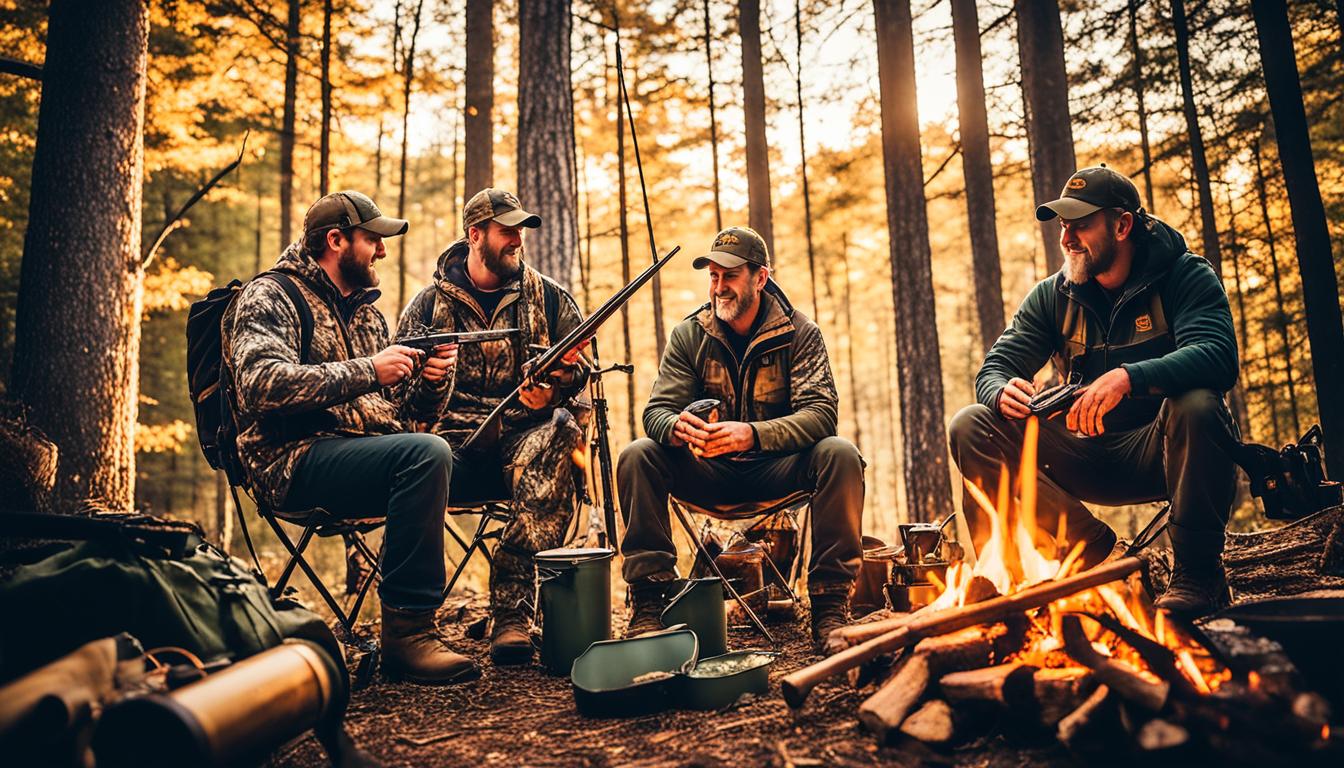
Hunting Tools And Equipment
As an avid hunter, having the right gear is key to your success and safety. From optics and safety gear to hearing protection, quality tools are a must. Let’s look at the main items that can boost your hunting.
Optics And Safety Gear
Good optics help you spot your target and make a clean shot. You might choose a rifle scope, binoculars, or a rangefinder. High-quality optics give you a big edge. Also, safety gear like a strong hunting harness and durable clothes keep you safe from the elements and dangers.
Hearing Protection For Hunters
Firearms can damage your hearing over time. To protect your hearing, you need special ear protection for hunting. Electronic earmuffs or noise-cancelling headphones let you hear around you while blocking loud shots.
With the right gear, from optics and safety to hearing protection, you’ll improve your hunting. You’ll have a better chance of success and stay safe. Being ready with the right tools is crucial for your hunting success.
Ethical Hunting And Conservation Efforts
As avid hunters, it’s key to follow ethical hunting and wildlife conservation. By making your hunting responsible, you enjoy the sport and help protect our natural resources for the future.
Learn about the hunting rules and seasons in your state. These rules help keep wildlife populations healthy. Stick to the bag limits, make sure to tag your catch, and hunt only during allowed times. This shows you care about hunting ethics and wildlife conservation.
Think about how your hunting affects the environment. Use the latest hunting equipment and methods that reduce animal pain and harm to nature. Choose responsible hunting ways, like placing shots well, dressing the animal in the field, and handling it right. This way, you respect the animals and help protect them for the future.
To End
Deer hunting is a deeply rooted tradition in the United States, offering hunters a chance to connect with nature and contribute to wildlife management. Understanding the unique hunting seasons and regulations for each state is crucial for ensuring a safe, ethical, and successful hunt. By staying informed and adhering to state-specific rules, hunters can help maintain healthy deer populations, balance ecosystems, and support conservation efforts.
Equipped with the right knowledge, tools, and a commitment to ethical hunting practices, you can enjoy the rich heritage of deer hunting while safeguarding our natural resources for future generations. Whether you’re a seasoned hunter or a novice, respecting the guidelines and traditions of each region will enhance your hunting experience and foster a sustainable relationship with the great outdoors. Happy hunting!
]]>Whitetail deer are found all over the United States, offering hunting seasons in most states. Whether you like bowhunting or rifle hunting, understanding whitetail deer can improve your skills. This article will teach you about their rut behavior and deer habitat, helping you become a trophy buck hunter.
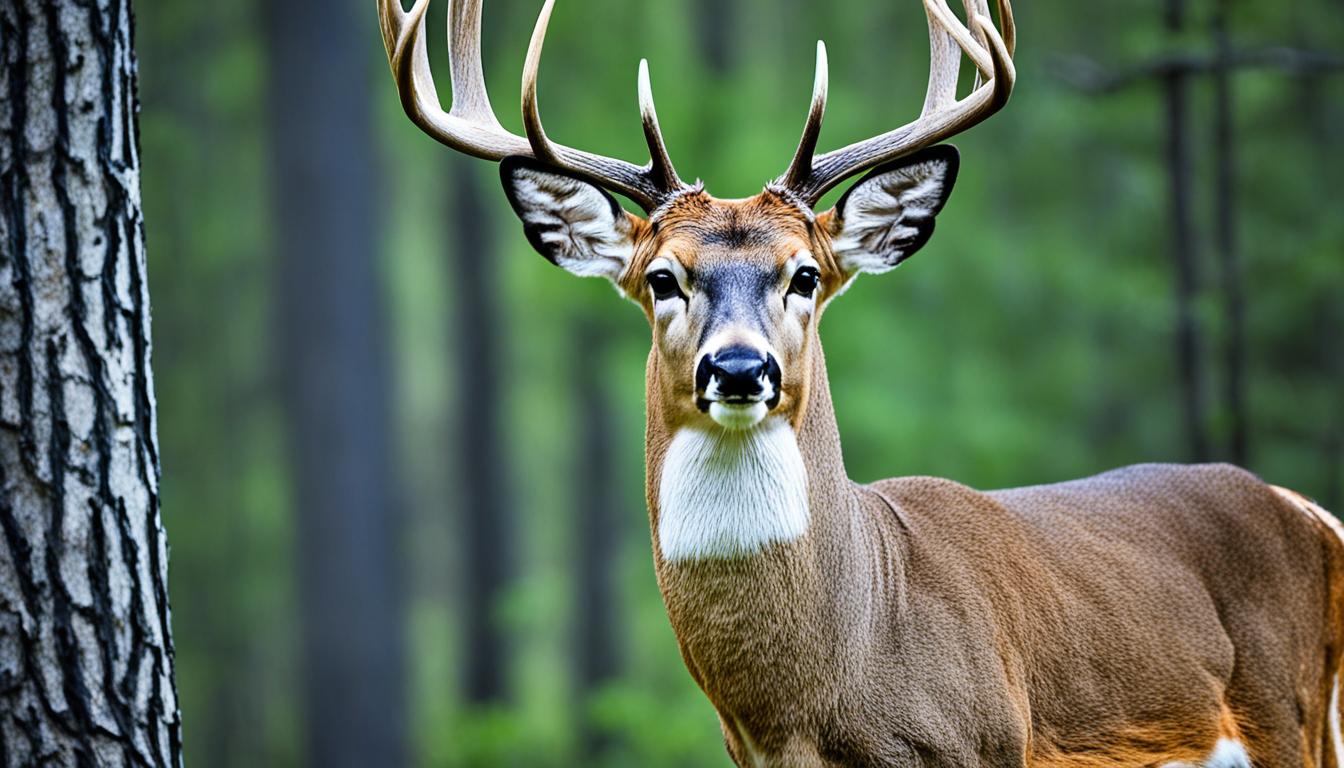
Exploring whitetail biology and their habits will help you hunt them better. You’ll learn how to use deer food plots and deer calling to improve your hunting. This journey will change how you hunt deer forever.
Ambush Hunting: The Most Common Whitetail Strategy
Ambush hunting is the top choice for whitetail hunters. Most hunters set up ambushes on or near farmland. They look for where deer like to eat, which changes often.
Scouting For Deer Feeding Areas
Deer eat many things like alfalfa, beechnuts, acorns, apples, and dogwood limbs. To hunt successfully, you need to know where they eat and move to find them.
Identifying Whitetail Bedding Areas
Deer sleep in places hard for predators to see, like marsh edges, briar patches, and creek bottoms. These spots are great for setting up an ambush.
Targeting Travel Corridors And Funnels
After finding where deer sleep and eat, look for their paths. Setting up ambushes along these paths can help you catch them off guard.
Learning Ambush Hunting can make you a better hunter, no matter your gear or where you hunt.
Still Hunting: The Art Of Stalking Whitetails
Stand hunting from high spots is common today, but still hunting, or stalking whitetails, is still a top choice. It’s a patient way to hunt that needs great woodsmanship skills. Hunters can get close to deer without them noticing.
Ideal Conditions For Still Hunting
Great days for still hunting are overcast and damp with little wind. These conditions help hide the hunter’s sounds and movements. Hunters use the land’s cover and shadows to move quietly through the deer’s home.
Essential Gear For Still Hunters
- Short-barreled firearm or compact bow for close-range shots
- Neutral-toned camouflage to blend into the surroundings
- Lightweight, quiet footwear that allows for a stealthy “fox walk”
Techniques For Successful Still Hunting
For successful still hunting, stay calm and focused. Use the “fox walk” to move quietly. Always be alert and use your senses to find deer before they see you. Patience and hard work are key, as you may walk a lot before seeing a deer.
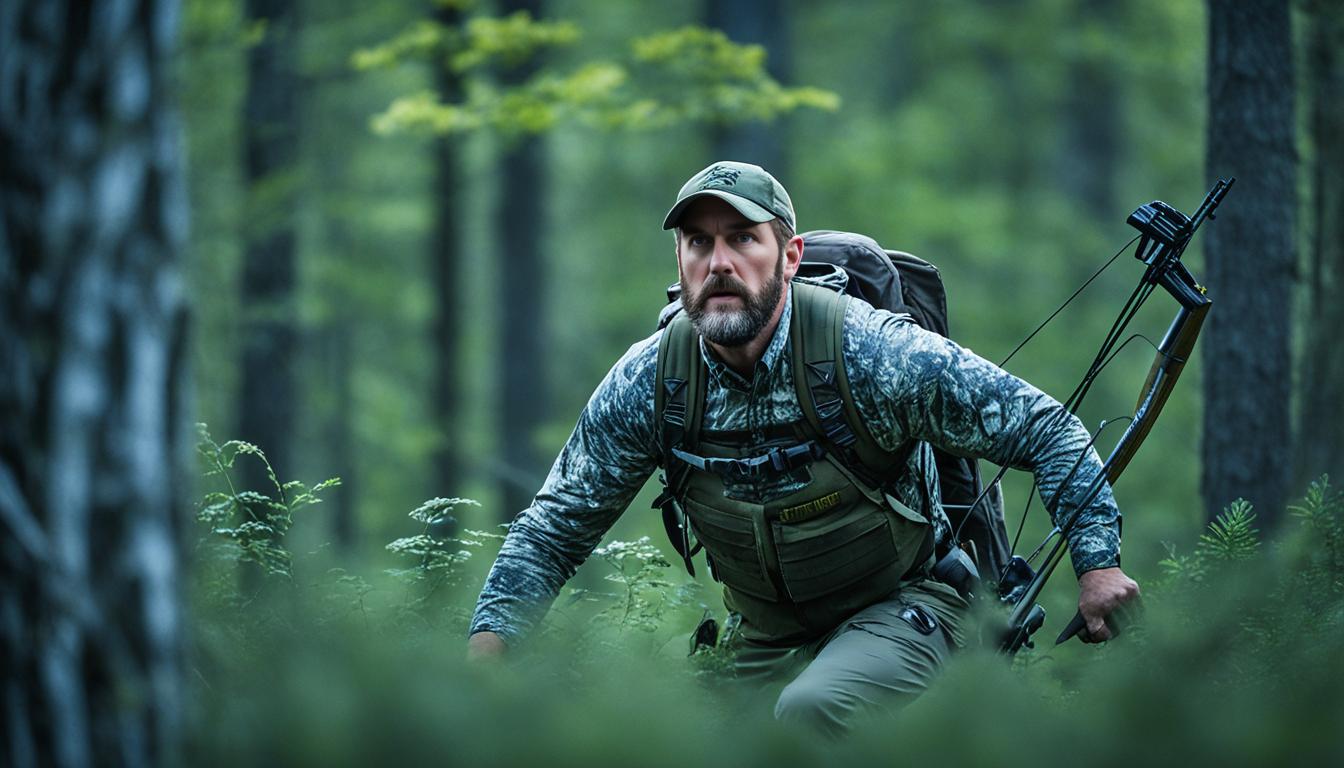
Stand hunting is popular, but still hunting is a special challenge. By knowing the best conditions, gear, and techniques, hunters can improve their chances of success in this traditional way of hunting deer.
Whitetail Deer: Behavior And Habitat
Whitetail deer are known for their amazing Whitetail Behavior. They have sharp senses that make them hard to spot. Hunters must be very careful to avoid them. These deer like to stay in thick, dense areas like marsh edges and creek bottoms.
Whitetails change what they eat all year. Hunters need to be flexible and watchful to find them. An adult whitetail deer eats about 5-7 lb of food daily. The amount they need changes with the seasons, especially for pregnant and nursing females, and males during the fall rut.
In spring, whitetail deer are most active at dawn and dusk, known as crepuscular. In summer, they move around more during the day. During the late autumn rut, they can be active at any time.
When it gets cold, deer leave their summer spots when snow is about 15 inches deep. They travel up to 12 miles to reach their winter spots, called “deer yards.” These places have lots of trees for protection from the cold.
The breeding season, or rut, for white-tailed deer happens from late autumn to early winter, peaking around November 10th. Most fawns are born in late May or early June, weighing about 3-6 lb.
Morning Hunting: When And Where To Hunt Whitetails
Morning hunting is a great way to catch whitetail deer, especially during the rut. But, it’s important to know the best times and places to hunt. Understanding when and where to hunt in the morning can make a big difference in your success.
Optimal Morning Hunting Scenarios
The best times for morning hunting are when it’s cold and calm, with lots of open areas like hardwood forests. Make sure your stand is at least 200 yards away from where deer eat and sleep. This helps you get in and out without scaring them.
During the rut, hunting in the morning near where does and bucks sleep can be very successful. Bucks look for does in these spots, so you might catch them there.
When To Avoid Morning Hunts
Not all mornings are good for hunting. Hunting too much in the morning can make deer change their ways, making evening hunting less effective. Also, if you’re not careful getting in and out, you might scare away all the deer.
Knowing when and where to hunt in the morning can really help you succeed. The rut is a great time for morning hunting, so don’t miss out.
Stand Setup And Selection For Whitetail Hunting
Setting up your hunting stand correctly is key for whitetail hunting success. Whitetail deer have sharp senses, so using elevated stands is a must. These stands keep your scent and shape hidden from deer, making them less likely to notice you.
Look for stand spots in travel paths, funnels, and between feeding and resting areas. Think about wind direction, cover, and how well you can see when placing stands. Don’t skip a good spot just because the tree isn’t perfect. Use trees that are good enough, even if they’re not the best.
Don’t risk your safety when picking a tree for your stand. Using stands that fit different tree shapes helps you find the best spot. Remember, 93% of successful stand placement comes from understanding deer travel patterns and behavior. Watch for air currents, thermal patterns, and deer movement to guess where they’ll go and set up your stands.
Conclusion
In conclusion, understanding the behavior and habitat of whitetail deer is essential for any hunter looking to improve their skills and increase their success. By studying their biology, feeding habits, and movement patterns, hunters can better anticipate where and when to find deer.
Utilizing ambush hunting and still hunting techniques can offer unique challenges and rewards, with each method requiring specific gear and strategies to be effective.
Embark on your hunting journey with these insights, and you’ll find that the more you learn about whitetail deer, the more rewarding and fulfilling your hunts will become. Happy hunting!
]]>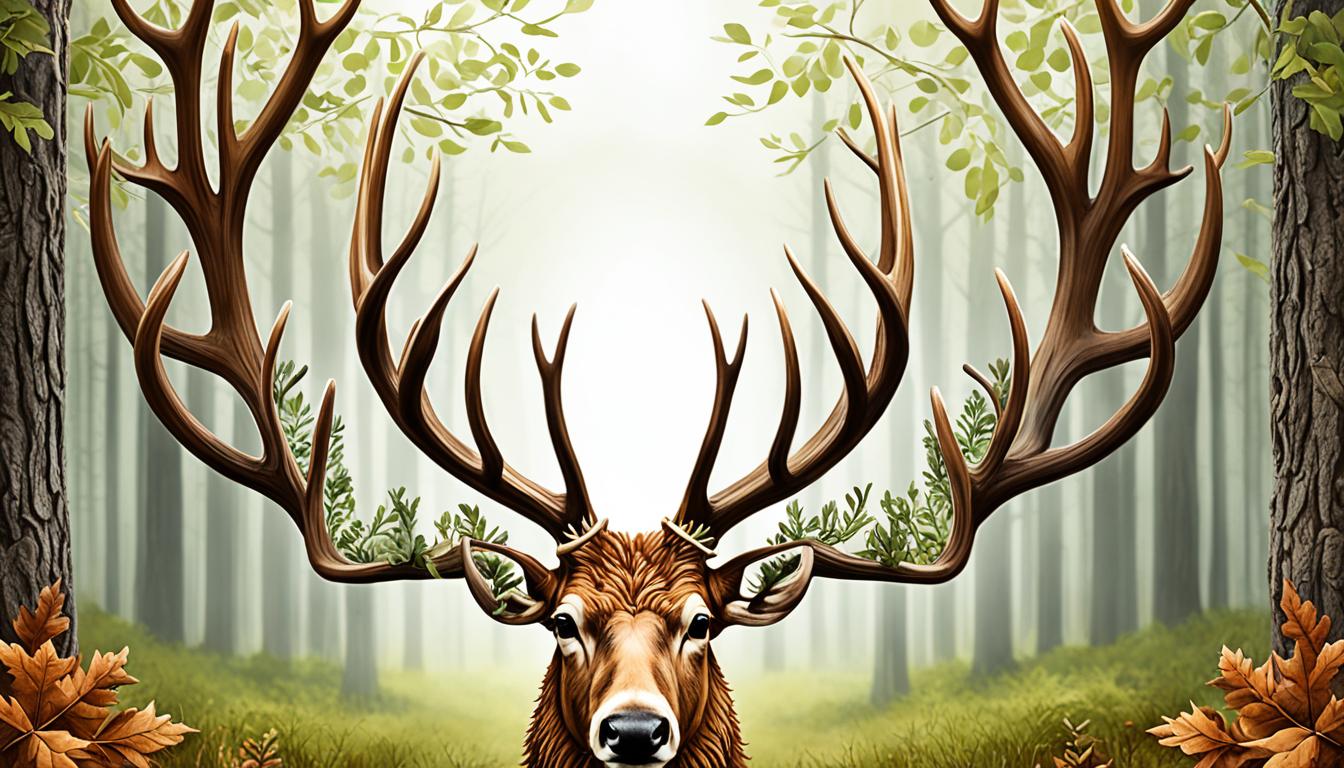
Did you know a healthy bull elk can shed up to 10 pounds of velvet yearly? Or that antlers in velvet can grow 1 inch daily? These are just a few amazing facts about antler growth. Join us to learn more about their anatomy, purpose, and what affects their size and development. This guide is perfect for hunters, wildlife fans, or anyone curious about nature.
Introduction To Antlers
Antlers are a unique feature of the deer family, Cervidae. They grow every year from the pedicles on the frontal bones of male deer, caribou, and moose. Female caribou also grow antlers, showing that not all are limited to males.
What Are Antlers?
Antlers are temporary bone projections that grow and are shed yearly. They are unique to cervids, like deer, elk, moose, and caribou. These antlers are seen as a secondary sexual trait. Their main role is to help males compete during the breeding season.
Purpose Of Antlers
- Antlers signal a male deer’s health and genetic quality to potential mates.
- They are used in fights between males to show dominance and get mating rights.
- Antlers can defend against predators, causing serious injuries with their size and shape.
- Recent studies show antlers might be a controlled bone growth, like tumors, not just for fighting or showing off.
The growth and shedding of antlers each year is amazing. It needs a lot of energy and nutrients from the deer. Learning about antlers helps us understand the deer family’s biology and evolution.
Anatomy And Growth Of Antlers
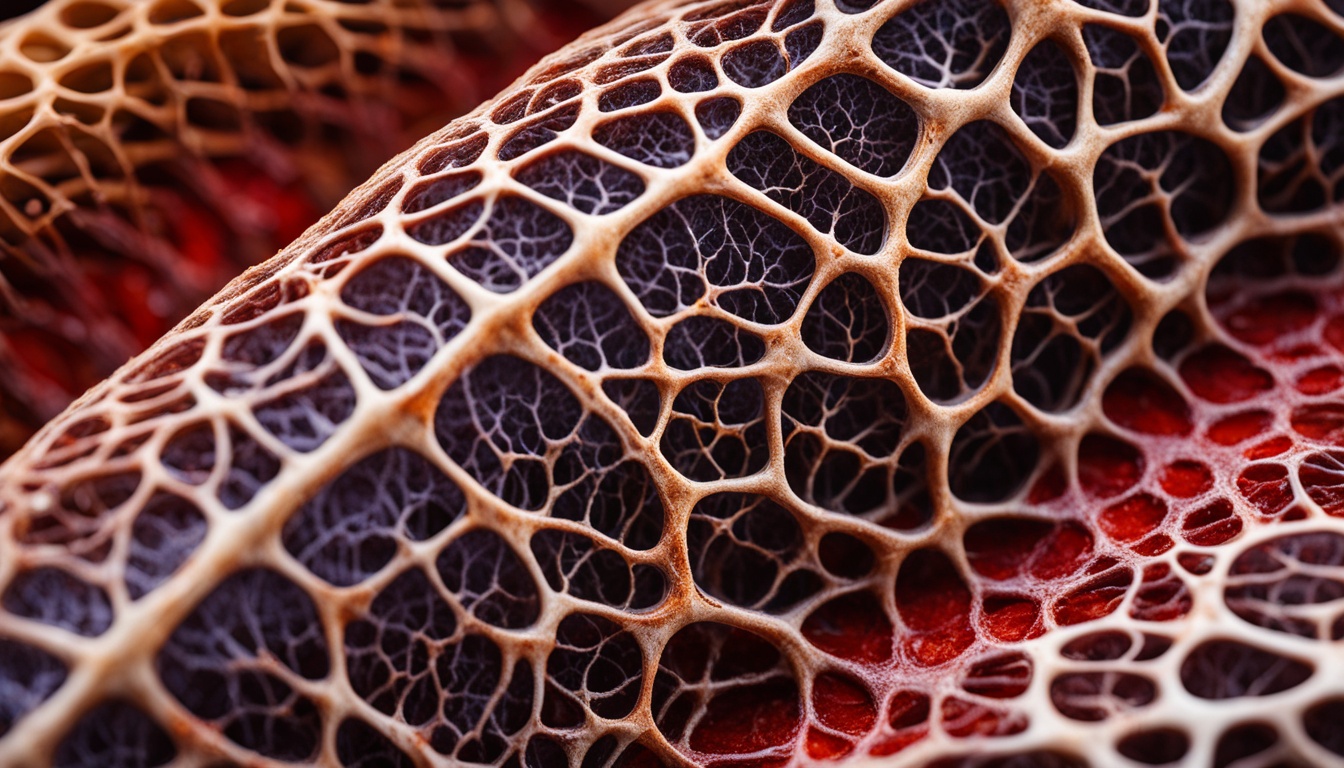
Deer are famous for their impressive antlers, which they grow and shed every year. This process is controlled by hormones and environmental factors. As spring and summer come, antler growth starts, thanks to a lot of blood and a velvet skin layer.
The growth of antlers starts right after the old ones are shed, usually from January to March. Then, the antlers grow fast, up to half an inch a day in July. By mid-September, the velvet comes off, showing the hard, shiny antlers ready for the breeding season.
- Hormones control antler growth, with the pituitary gland starting the process in spring.
- Antlers are made of spongy and compact bone, with the outer layer strong and the inside full of marrow and blood vessels.
- Things like age, genes, and diet affect the size and shape of antlers, making them different from one another.
When the breeding season ends and days get shorter, deer shed their antlers. This starts the cycle again. This amazing yearly growth shows how well deer have adapted.
Antlers And Their Growth
The size and growth of a deer’s antlers depend on age, nutrition, and genetics. These factors are key to understanding how these amazing structures grow and change.
Factors Affecting Antler Size
As male deer get older, their antlers grow bigger and more complex. This is because their age and hormonal changes help their antlers grow. Young bucks have small, thin antlers, but older ones can have huge, impressive racks.
What a deer eats is also crucial for its antlers. They need a diet full of protein, minerals, and nutrients for fast antler growth. This can happen at a rate of up to half an inch per day during the growing season. Bucks with a good diet tend to have bigger, more impressive antlers.
Genetics also play a big part in antler size and shape. Every deer is different genetically, which affects how big and complex its antlers can be. Some bucks are naturally better at growing large, impressive racks.
Knowing about age, nutrition, and genetics helps us appreciate deer antlers more. It also helps wildlife managers and hunters make better decisions about these amazing natural wonders.
Deformed Antlers
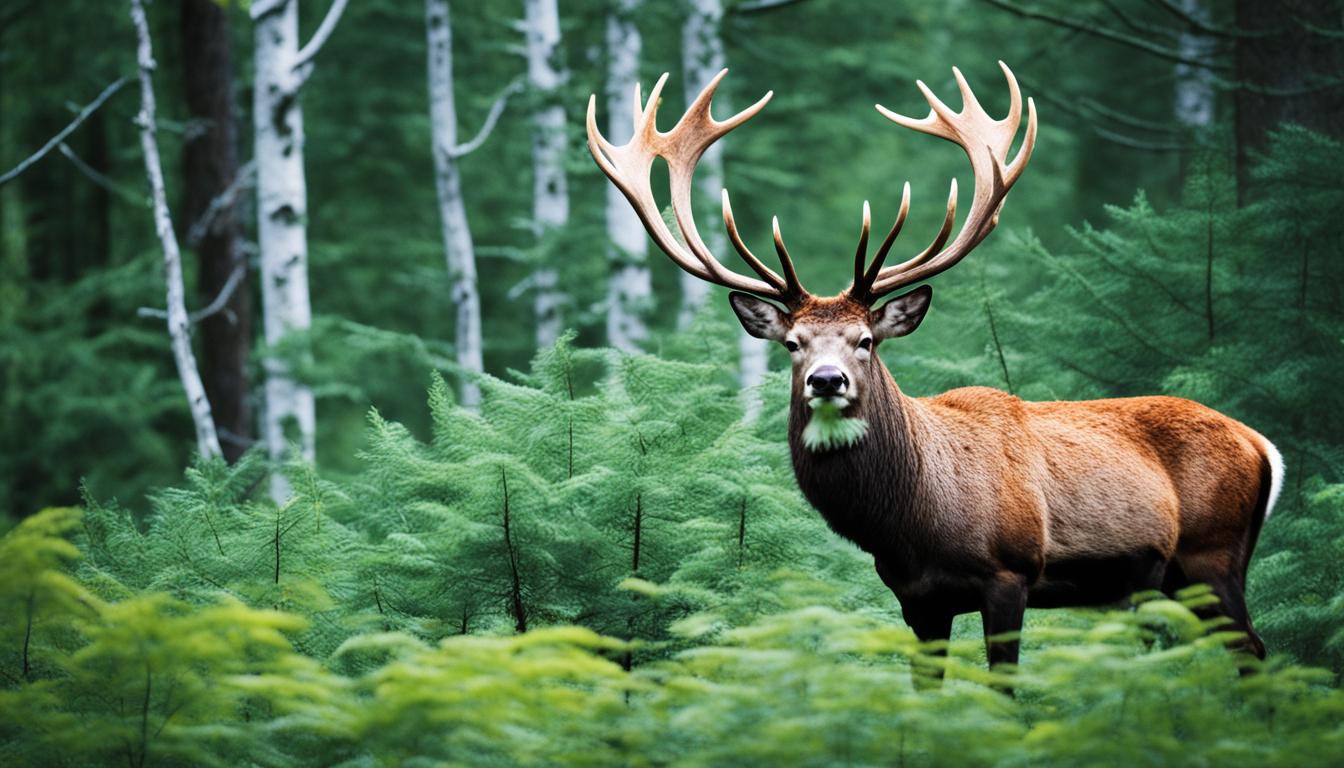
White-tailed deer are famous for their impressive antlers. But sometimes, these antlers can look different. Deformed antlers come from injuries or genes, showing how complex antler growth is.
Injuries often cause deformed antlers. Damage to the leg, pedicle, or velvet can mess up antler growth. If a deer gets hurt during a fight, it might grow an “SOS” buck. This means one antler stays small or looks odd. But, these issues often get better over time as the deer heals.
- A study by Auburn University found 34 out of 71 SOS bucks had injuries that caused their antlers to deform.
- Injuries during the velvet stage can make antlers look odd this year. But, they might grow normally the next year if the velvet heals.
- Leg injuries can also make antlers grow funny or small. This happens because the deer uses its energy to heal instead of growing antlers.
Genetics also matter a lot. More than half of wild bucks can have genes for odd antlers. But most don’t live long enough to show it. In places where odd antlers are common, these traits can be passed down.
Low hormone levels, especially testosterone, can cause weird antler shapes. Understanding why antlers grow oddly is key for managing wildlife and conservation.
Looking into why antlers deform helps us value these amazing animals more. From injuries to genes, deformed antlers show how adaptable and strong these creatures are. They give us a peek into the changing world of nature.
Conclusion
Antlers are a key part of male deer, showing strength and helping them survive. By learning about how antlers grow, we can better understand deer biology. This guide has shown how important antlers are for deer.
If you love deer, study wildlife, or just enjoy nature, knowing about antlers is important. It helps you see deer in a new light. By using what we’ve learned, we can help protect deer and keep them safe.
Antlers show how strong and adaptable deer are. By learning more about them, we can help protect deer. We can also enjoy the beauty and complexity of nature.
]]>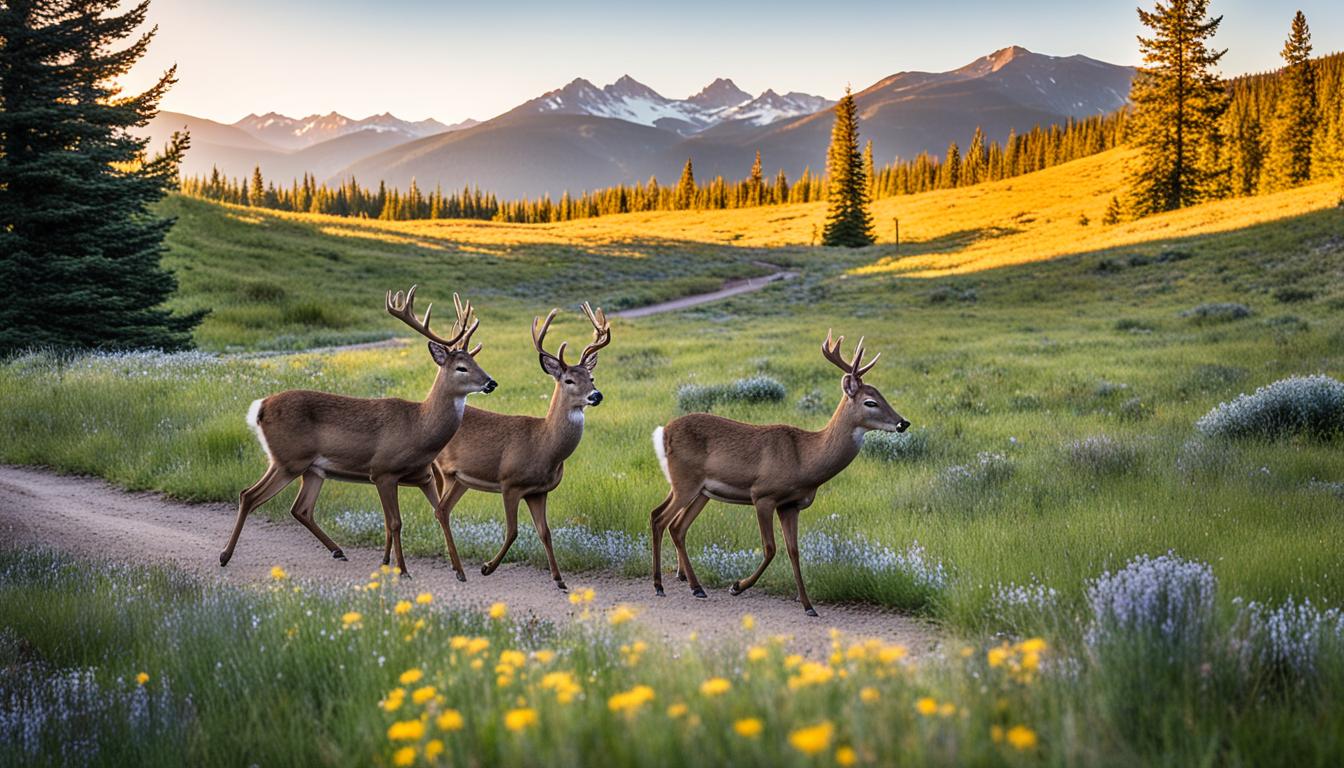
Deer, like the majestic mule deer and the resilient white-tailed deer, have learned to adapt. They move between areas to find the best food and avoid dangers. This migration is key to their survival, but how do they do it and what’s changing?
The Importance Of Migration For Deer
Deer and other animals move between habitats to get what they need all year. This Importance of Migration is key for their survival and the health of their numbers.
Benefits Of Migration
Deer that move between areas are usually in better shape than those stuck in one spot. Deer Migration Benefits include:
- Fatter and healthier females, more likely to make it through winter and have strong babies.
- They get to eat better food and find more resources, which helps their herd.
- They don’t fight as much over food, which helps the population stay strong over time.
Consequences Of Disrupted Migration
But, when Disrupted Migration happens because of people or other things, it’s bad news. Consequences of Blocked Migration are:
- Animal populations go down because they can’t find important places and things they need.
- They’re more likely to crash into cars on roads that go through their paths.
- They lose the knowledge about where to go, passed down from their parents, making it hard to adjust to new situations.
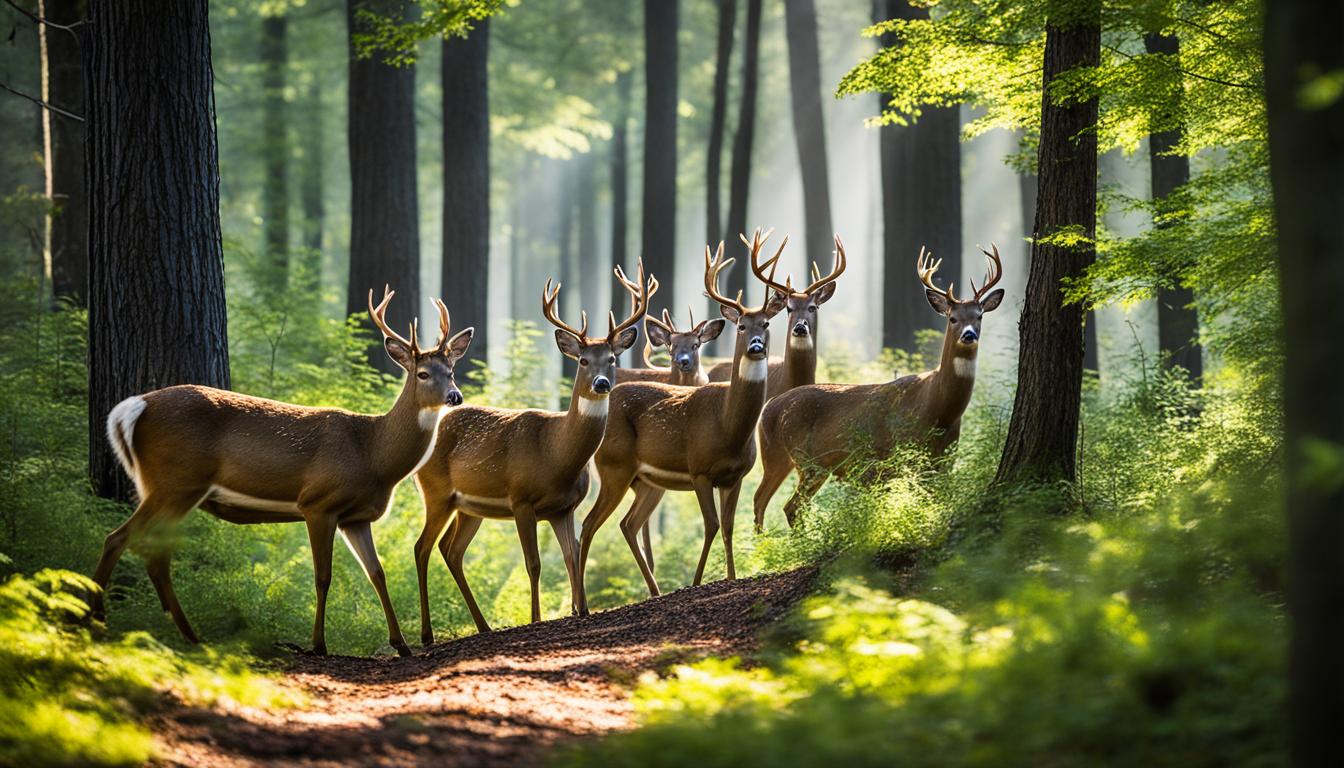
Keeping the Importance of Migration safe for deer and other animals is key. It helps keep their populations healthy and keeps the American West special.
Migration Habits: Typical And Atypical Behaviors
Deer migration habits show a wide range of behaviors, from common to unusual. Most studies focus on the main migration patterns. But, recent research shows a big difference in how each deer moves.
Categorizing Migration Patterns
Scientists have found different types of migration in deer. For example, 54.4% of adult female mule deer move between two areas each year. Another 23.6% visit several places during their migration.
Some deer are commuters, moving between home and work daily. Others are poly migrants, visiting many places. A few are gradual movers, while others stay put or move around a lot.
Individual Variation And Plasticity
About half of the deer changed their migration patterns over time. This shows how flexible deer can be in their movements. It’s important to study both common and unusual migration behaviors in deer.
Deer migration habits are similar to those of the Dark-eyed Junco bird. This bird changes its appearance, migration patterns, and life cycle over time. Studying these changes helps us understand how animals adapt to their environments.
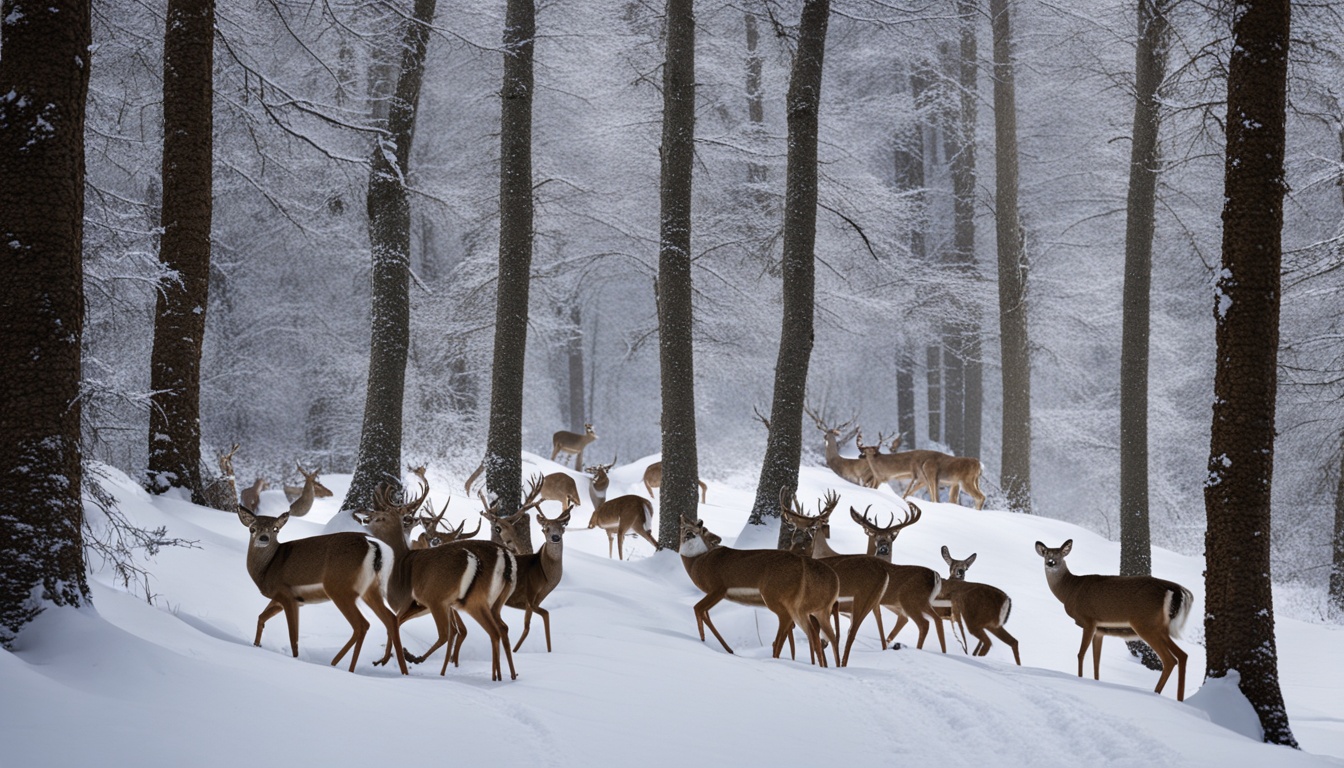
Timing Is Crucial: Surfing The Green Wave
Mule deer know exactly when to move to find the best food in spring. They follow the “green wave” of new plants. This way, they get to eat the tastiest plants first.
Studies show that the timing of their migration is linked to plant growth. For example, research by Van der Graaf et al. (2006) on Barnacle Geese found this connection. Bischof et al. (2012) and Merkle et al. (2016) also found that mule deer move with the green wave to get better food.
A study in Wyoming looked at 99 adult female mule deer. All of them moved with the green wave. Their age or health didn’t affect how well they timed their migration.
How well a deer does on the green wave depends on the “greenscape” along its path. Deer do better if they have more time to eat new plants. They also do better if plants grow quickly and continuously from winter to summer.
For mule deer, Timing of Migration is key. They move with the Green Wave Migration and Phenology of Migration to eat the best food in spring. This helps them survive.
Threats To Migration Habits
Migratory animals face many challenges on their seasonal journeys. Human activities and climate change are big threats to their migration patterns.
Human Activities Disrupting Migration
Human growth, like building fences and roads, can block animal migration paths. These barriers limit access to vital habitats and resources. Wildlife-vehicle collisions on roads also harm migrating animals, causing injuries and deaths.
Climate Change And Phenological Mismatch
Climate change changes the growth and food availability for migratory animals. This leads to a mismatch between plant and animal seasons. For example, animals may arrive too early or late to find food, disrupting their life cycles and threatening their survival.
Despite the challenges, conservation efforts can protect these important animal movements. Sustainable land management can help ensure these species’ survival.
Conclusion
Organizations like The Pew Charitable Trusts have made recommendations to protect wildlife migrations. They aim to help land and wildlife managers, conservationists, and others work together. Their goal is to Conserve Wildlife Migrations by mapping and researching, working with human stakeholders, and more.
They suggest removing or changing fences in important Migration Corridors. Building wildlife-crossing structures, offering incentives to landowners, and smart energy development on federal lands are also key steps. By doing these things, we can help protect the Migration Habitat and save species like deer.
Through teamwork and Migration Recommendations, we can ensure these amazing animals can keep migrating. This way, we can help them continue their journeys without interruption.
It’s important to balance human and wildlife needs. Preserving Conserve Wildlife Migrations protects our planet’s natural heritage. It also keeps the balance in nature that supports us all.
]]>It’s important to know the nutritional needs of both deer and horses before feeding them together. So, can deer eat horse feed?
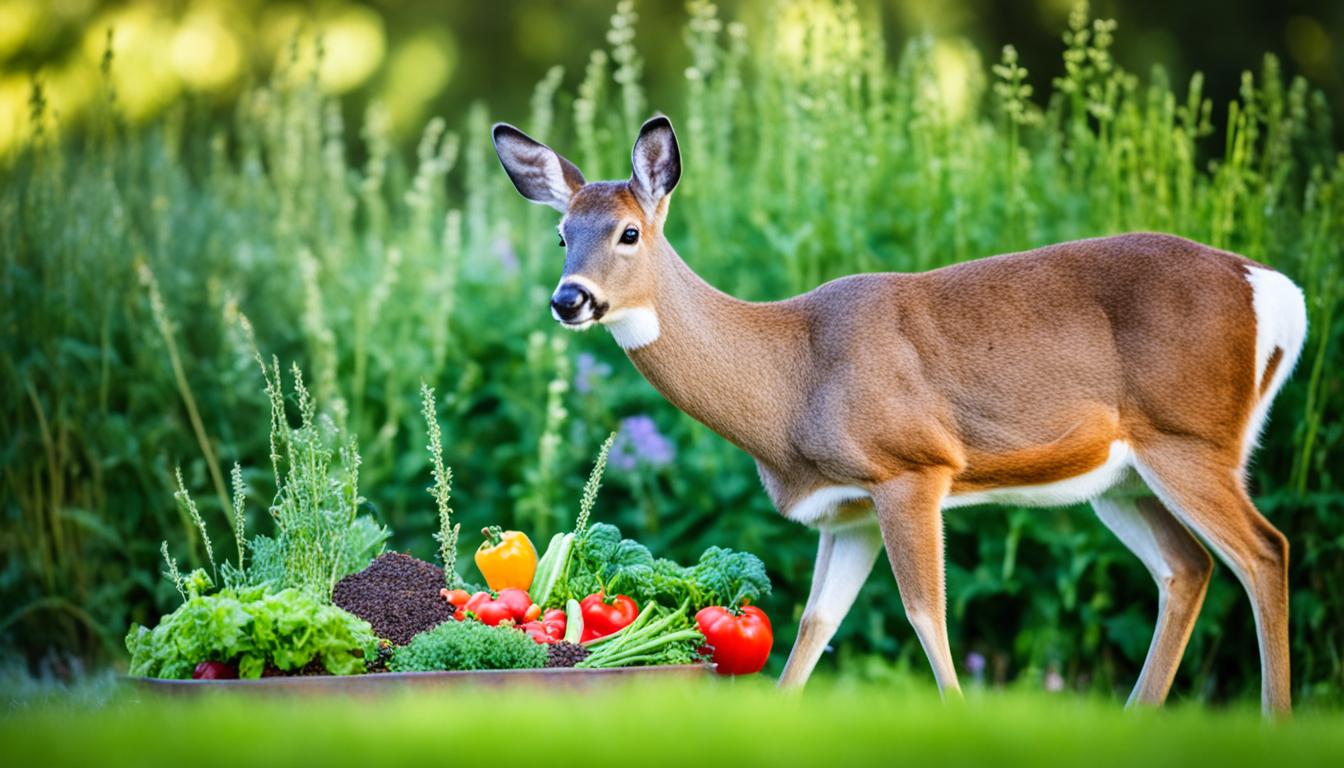
Introduction To Deer Nutrition
Deer eat mainly as herbivores, needing a special diet. They eat browse, forage, and mast, like woody plants, grasses, and nuts or fruits. Their stomach is made to break down tough plant materials well.
Deer’s Natural Diet
Can deer eat horse feed? Deer eat a wide variety of plants in the wild. They eat leaves, twigs, buds, and even acorns. This diet gives them the nutrients they need to stay healthy and work well.
For example, acorns can be up to 75% of a deer’s diet in late fall and early winter. One deer can eat up to 300 acorns a day during a mast year, which happens every two to five years. In Maine, deer used to eat oats and barley but now eat more alfalfa hay.
Importance Of Proper Nutrition
Good nutrition is key for deer health. It helps with their antlers, fitness, immune system, and breeding. Eating the wrong foods can mess up their natural eating habits and cause health problems.
There are over 10,000 deer farms in the U.S. where deer eat special food like Purina AntlerMax. This has 16 to 20 percent protein. Or, they can eat pellets for rabbits, goats, or horses with alfalfa hay, soybean meal, and corn for at least 12 percent protein.
Risks Of Feeding Deer Inappropriate Foods
Deer have a special way of digesting their food, made for their natural diet of leaves and twigs. Feeding them foods like horse feed can mess up their gut balance. This can lead to serious stomach problems. Eating the wrong foods can also make deer weak, hurt their immune system, and even be deadly.
Digestive System Adaptations
Deer are ruminants, with a four-chambered stomach perfect for breaking down tough plants. Their stomach is made to handle a diet of leaves and twigs. But, giving them foods like horse feed can cause big problems. This can lead to conditions like acidosis and founder.
Potential Health Consequences
- Digestive distress: The wrong food can cause bloating and diarrhea in deer.
- Nutritional deficiencies: A bad diet can weaken a deer’s immune system, making them more likely to get sick.
- Metabolic disorders: Feeding deer the wrong foods can cause obesity, liver damage, and kidney failure.
- Behavioral changes: Bad feeding can change a deer’s eating habits and how they interact with humans, leading to more conflicts.
Feeding deer the wrong foods is risky and can harm their health a lot. It’s important to know what deer need to eat and give them the right diet. This keeps them healthy and safe.
Can Deer Eat Horse Feed?
Feeding deer requires knowing their nutritional needs are different from horses. Deer and horses have unique digestive systems and diets. What works for one may not work for the other.
Can deer eat horse feed? Deer mainly eat woody plants, leaves, and other vegetation. Their digestive system is made for a high-fiber, low-starch diet. Horse feed, on the other hand, is high in starch and low in fiber. This can cause serious stomach problems for deer.
- Deer have a special rumen to break down tough plant material. Horses have a simpler digestive system for a diet rich in starch and low in fiber.
- Feeding deer horse feed can lead to nutritional imbalances and serious health issues.
- Deer and horses have different dietary needs, making cross-species feeding a big concern. Deer need a balanced diet for good health.
It’s important to know what deer need nutritionally and give them the right diet. Feeding deer horse feed or other wrong foods can harm their health.
So can deer eat horse feed? Deer and horses have different dietary needs. Deer should not be given horse feed. It’s key to give deer a diet made for their needs to keep them healthy.
Considerations For Winter Feeding
Feeding deer in winter might seem like a good idea, but it can actually harm them if not done carefully. Changing a deer’s diet suddenly or giving them the wrong food can lead to malnutrition and even starvation.
Avoiding Malnutrition And Starvation
Deer have a special diet that keeps them healthy. Feeding them extra can upset their stomach and make them lack nutrients. In fact, many deer, especially young ones and older ones, die more often when it’s very cold.
Maintaining Deer’s Natural Behavior
Feeding deer too much can mess with their natural way of finding food. This brings more deer together, which means more disease and fights. It also makes them more likely to get hit by cars or eaten by predators.
It’s good to want to help deer in winter, but we must think about the downsides of feeding them extra. By taking care of their natural habitats, we can help deer stay healthy and safe for a long time.
Appropriate Supplemental Feeds For Deer
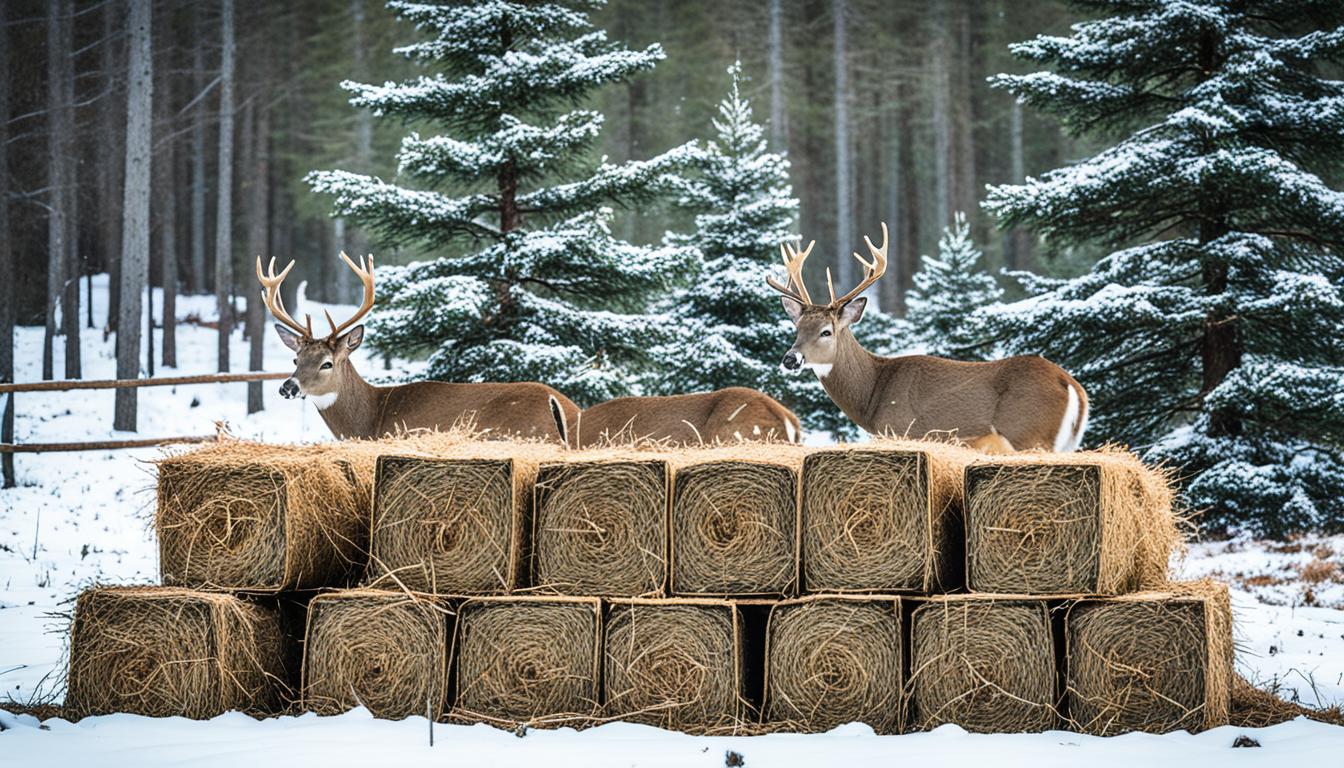
Feeding deer the right food is key. They eat leaves, twigs, and other plant parts. So, good feeds include high-quality hay, browse, or special deer food.
Avoid giving them corn or grains. These can harm their stomachs. Instead, give them food made just for deer to help them forage naturally.
Choose feeds with proteins, fats, and carbs for deer. Products like Purina AntlerMax are good choices. Apples, grapes, and veggies are also great for them.
Feeding deer right helps them stay healthy. It’s important to feed them well, especially when food is scarce. This way, they get the nutrients they need.
Considerations For Supplemental Deer Feeding
- Focus on providing browse from woody plants, high-quality hay, or commercially-produced deer feed
- Avoid corn, grains, and other starchy feeds that can disrupt the deer’s digestive system
- Look for feeds that contain a balanced blend of proteins, fats, and carbohydrates tailored to deer’s nutritional needs
- Natural deer forage substitutes like apples, grapes, and vegetables can be excellent supplemental options
- Ensure that supplemental feeding minimizes disruption to the deer’s natural behaviors and supports their overall health
Best Practices For Deer Feeding
Feeding deer can be a great way to help them through tough times. But, it’s important to do it right to keep them safe and healthy. Knowing the location and timing of feeding, and how to slowly add new foods, is key. This way, you help them without messing with their natural ways.
Location And Timing
Where you put your deer feeder is very important. It should be near where they live and away from busy roads to keep them safe. This helps them stay in their usual paths and lowers the risk of them getting hit by cars.
Also, when you feed them matters a lot. Keep feeding them through winter until spring comes and they can find food on their own. This makes sure they always have enough to eat during the hard months.
Gradual Introduction Of New Foods
When you start adding new foods to deer, do it slowly. Their stomachs are used to certain foods, and sudden changes can make them sick. Start by mixing a little bit of the new food with what they’re used to, then slowly add more over time.
It’s also key to store and handle the feed right to keep it fresh and safe. Following wildlife feeding guidelines helps you feed deer the right way. This keeps them healthy and happy.
By using these best practices for deer feeding, you can help feed them without messing with their lives. The aim is to add to their diet, not change their natural way of living.
Conclusion
This exploration shows how crucial it is to focus on deer’s unique needs and behaviors. Can deer eat horse feed? Feeding them foods meant for horses can harm their health. It’s key to approach feeding wildlife with care and knowledge.
Knowing how deer, elk, and cattle eat helps us help deer better. Using the right feeders and choosing the right food can make a big difference. It also keeps other animals away.
The main points here are clear. Proper nutrition for deer is vital. Feeding them wrong can be risky. And, doing things right helps wildlife thrive. By understanding deer’s needs, we can help them live well in our areas.
]]>
This guide will show you how to keep deer away from your trees. We’ll talk about building deer cages, using repellents, and installing fences. You’ll learn how to make your backyard safe from deer.
Ready to know how to protect young fruit trees from deer? Let’s start this journey together. We’ll find the best ways to keep deer away from your trees.
Understanding Deer Behavior And Threats
White-tailed deer are common in North America, including Pennsylvania. They live in early forests and areas with crops and orchards. They are most active at dawn and dusk, and their territory covers many acres.
Deer Feeding Habits And Preferences
Deer eat a wide variety of foods. They like leaves, new plant growth, fruits, and nuts. In areas with crops, deer can eat up to 78% of their diet from these sources.
Seasonal Patterns Of Deer Damage
Deer can damage fruit trees all year, but most damage happens in the winter. During this time, they eat new growth and ripe fruit, causing big losses for farmers. Damage can change from year to year due to weather, food, deer numbers, and local conditions.
Deer are very flexible. They can jump high and long and fit through small openings. Their ability to move and their large territories make them a big threat to young fruit trees and crops.
Monitoring And Identifying Deer Damage
Knowing how to protect young fruit trees from deer damage an eye on your orchard is key to handling deer issues. Watch for signs of deer browsing and rubbing to understand the problem’s severity. This helps guide your control efforts. By tracking deer, you can see how they interact with your young fruit trees.
Signs Of Deer Browsing And Rubbing
Deer browsing leaves vegetation with jagged, ragged edges, unlike other herbivores. You might also see split-hoofed tracks where deer move through your orchard. Deer rubbing, where they remove velvet and mark territory, scars tree bark.
Tracking Deer Movement And Activity
Watching deer in your orchard shows how much damage they cause and when to act. Look for deer trails, bedding spots, and where they eat. Seeing deer at dawn and dusk shows where they hang out.
By watching and noticing deer signs, you can really get to know the deer in your orchard. This helps you make plans on how to protect young fruit trees from deer damage.
Population Management Strategies
Managing deer populations often means controlling their numbers and using physical barriers. In Pennsylvania, the Pennsylvania Game Commission manages deer by hunting both male and female deer. As a landowner, you should support hunting in your area if deer damage your orchard.
Regulated Hunting Programs
The Hunter Access Program and the Red Tag Program let landowners use licensed hunters to control deer. These programs give landowners a chance to manage deer by allowing hunters on their land during certain seasons.
Deer Management Assistance Program (Dmap)
The Deer Management Assistance Program (DMAP) gives landowners coupons for permits to hunt female deer. This program, run by the Pennsylvania Game Commission, helps landowners manage deer on their property.
Using these strategies, you can work with wildlife experts and the Pennsylvania Game Commission. This helps keep deer and the ecosystem in balance. It also protects your young fruit trees from deer damage.
How To Protect Young Fruit Trees From Deer
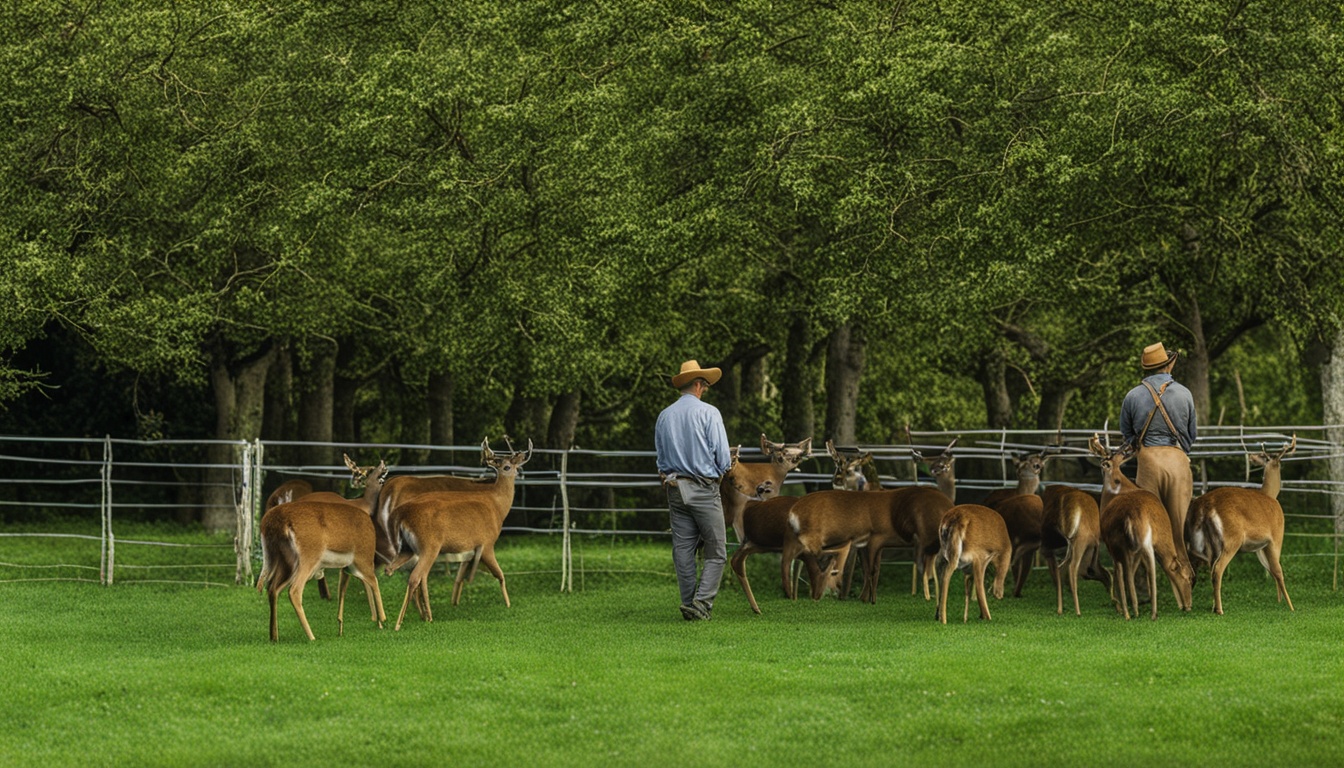
Keeping your young fruit trees safe from deer is key for their health and growth. Use a mix of strategies like population control and physical barriers for the best results. We’ll look at different ways to protect your trees using repellents to fences.
Repellent Options: Area And Contact Repellents
Deer repellents are a smart choice for pest control. Deer repellants come in area and contact types. Area repellents, like predator urine or ammonia sprays, make the area smell bad to deer. Contact repellents make plants taste bad to deer, keeping them away.
Repellents can help, but they might need to be reapplied often, especially after rain or watering. Always follow the directions and switch up the types of repellents you use to keep them working well.
Fencing Solutions: Woven Wire And Electric Fences
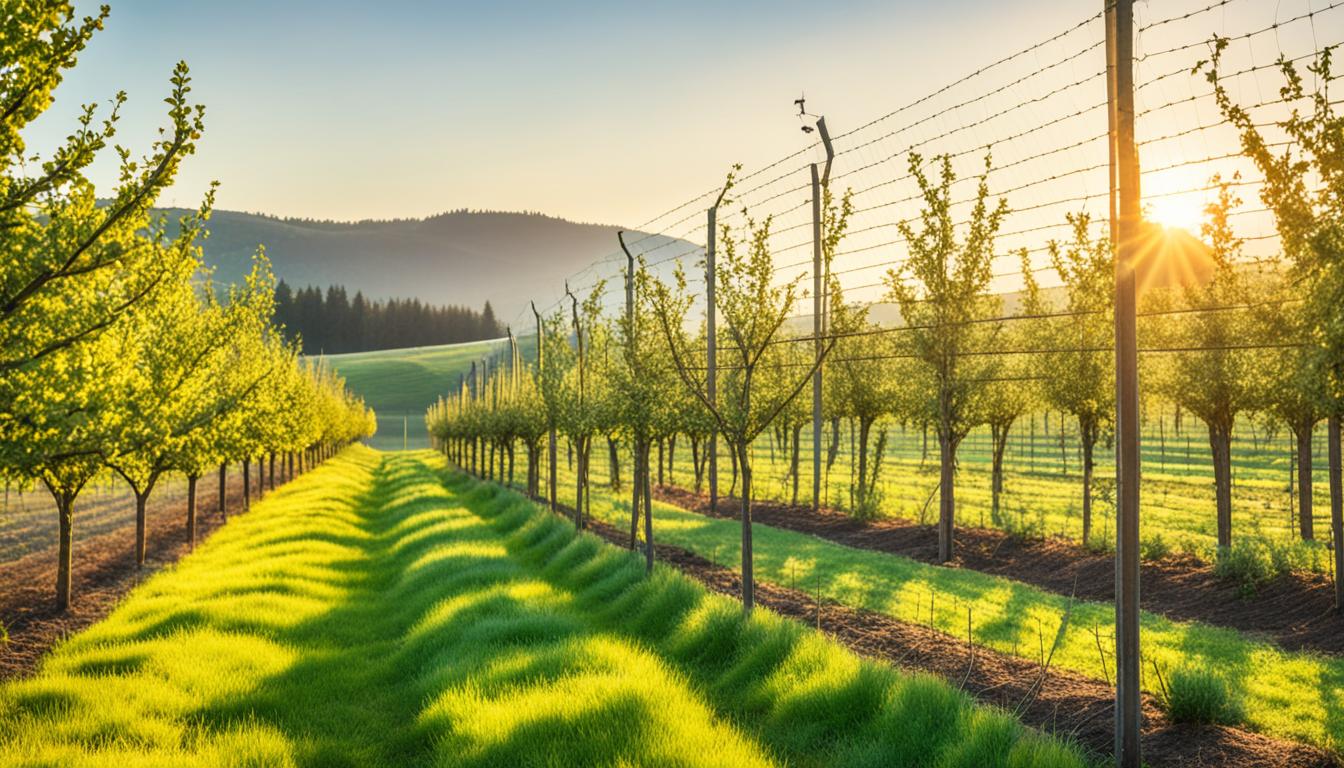
If deer are a big problem and damage is severe, fencing is a top choice. An 8-foot woven-wire fence is best because deer can’t easily get over or under it.
Electric fences can also keep deer away, but they need to be set up and kept working right. The fence should be tall enough (at least 5 feet) and the wires close together (no more than 12 inches) to stop deer from jumping or pushing through.
No matter what kind of fence you pick, it’s important to keep it in good shape. This makes sure it keeps deer away from your young fruit trees.
Conclusion
Knowing how to protect young fruit trees from deer damage needs a full plan. This plan should include managing deer populations, using physical barriers, and keeping an eye on things. By knowing deer behavior, you can use different strategies to protect your young fruit trees. This helps them grow healthy and produce well.
Options like hunting programs, deer management help, repellents, and fences are key. The goal is to use a mix of methods that fit your orchard’s needs. By using these summary of deer protection strategies, you can create a strong and lasting long-term orchard protection plan. This plan can handle the challenges deer bring.
Integrated deer management is crucial for protecting your orchard and the future of your fruit trees. With the right mix of controlling deer numbers, using barriers, and staying alert, you now know how to protect young fruit trees from deer. Enjoy a good harvest for many years.
]]>This guide will cover the grasses deer eat, how to grow those species, and how to make the best deer habitat. Let’s dive in and learn more about grasses deer eat.
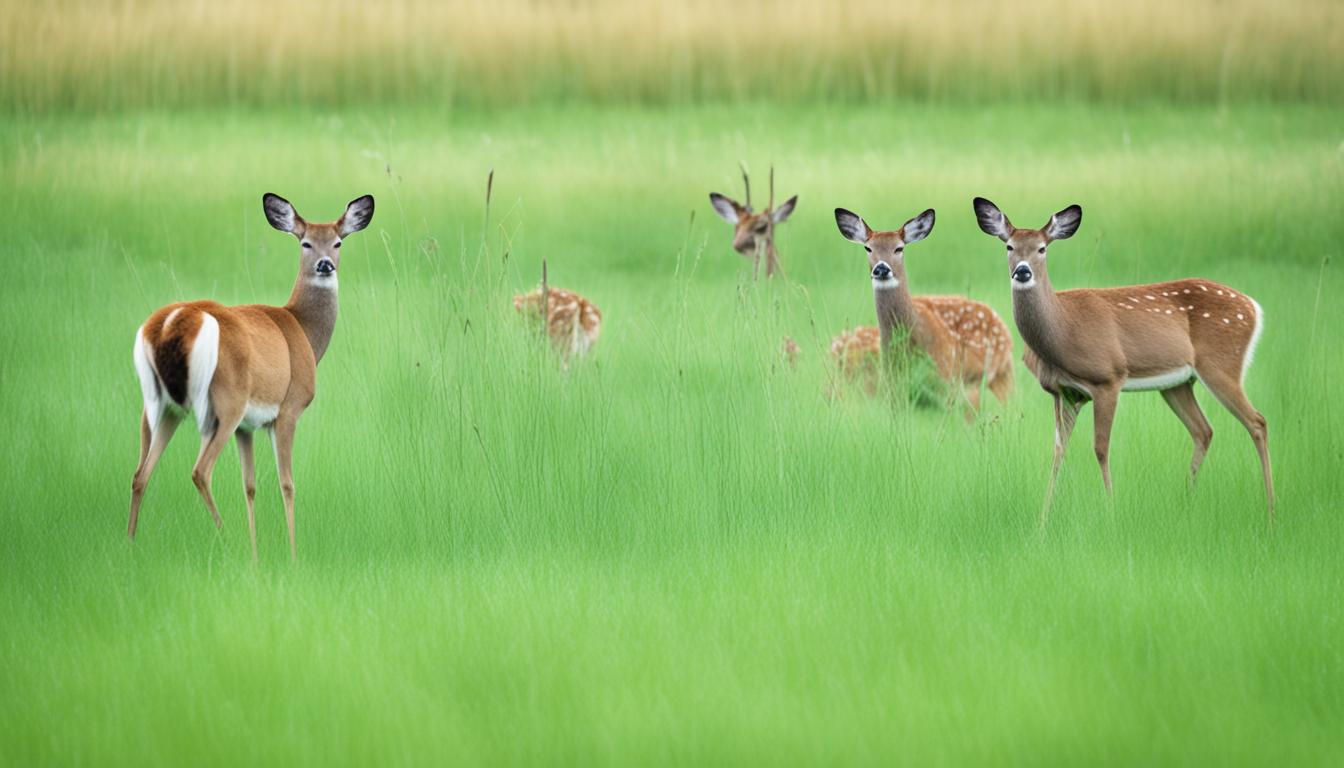
Why Deer Prefer Certain Grasses
Deer prefer certain grasses due to their nutritional needs and various influencing factors. Key nutritional requirements for deer include proteins, carbohydrates, fats, vitamins, and minerals, which support growth, energy, and overall health.
Factors such as protein content, palatability, availability, nutrient density, seasonal changes, and digestibility determine grass preference. High-protein grasses like orchardgrass and clover are favored, while soft, tender, and easily digestible grasses are more palatable.
Seasonal variations and the availability of nutritious grasses also play significant roles in deer dietary choices. Understanding these preferences allows for better habitat management to support healthy deer populations.
The Importance Of Native Warm-Season Grasses For Deer
Native warm-season grasses (NWSGs) like big bluestem, little bluestem, indiangrass, and switchgrass are types of grasses deer eat. They offer better food, shelter, and cover than non-native cool-season grasses. These grasses are essential for deer in the winter
.
Nutritional Value Of Native Grasses
Deer need to eat five times a day, often in their bedding areas. Switchgrass is a top choice for deer habitat because it provides food and shelter. A pure switchgrass field is ideal for turning fields into deer habitat or keeping old CRP fields deer-friendly.
Providing Fawning And Winter Cover
Early Successional Growth (ESG) takes 12-15 years to hide deer well. But, a frost-seeded switchgrass field can do it in 18 months. Adding diversity to a switchgrass field makes it 4-5′ tall in the first season, helping deer hide during hunting.
Warm-season grasses grow tall, need little care, and attract mature bucks. Bucks find these grasses perfect for resting and finding mates. It’s good to set aside 2 to 10 acres for these grasses on your property.
These grasses produce 4 to 7 tons of hay per acre. Cutting them after July helps protect pheasants and quail. They support deer, turkeys, pheasants, and quail and can survive without rain for over a month. Planting a mix of species like switchgrass and others is best.
Managing Old Fields For Optimal Deer Habitat
Many old fields are filled with non-native grasses that don’t help deer much. To make these fields better for deer, start by getting rid of the “grass carpet” with herbicides. This lets native plants grow, which deer love for food and shelter.
Removing Non-Native Grass Carpets
Grasses like fescue, orchardgrass, and Kentucky bluegrass make fields too uniform for deer. Using selective herbicides can clear these out. This lets native plants take over. You might need to do this a few times to get rid of all the unwanted plants.
Promoting Forb And Bramble Growth
After getting rid of the non-native grasses, native plants can start to grow. This means more food and shelter for deer. Keeping the field healthy with burns or mows helps keep it perfect for deer.
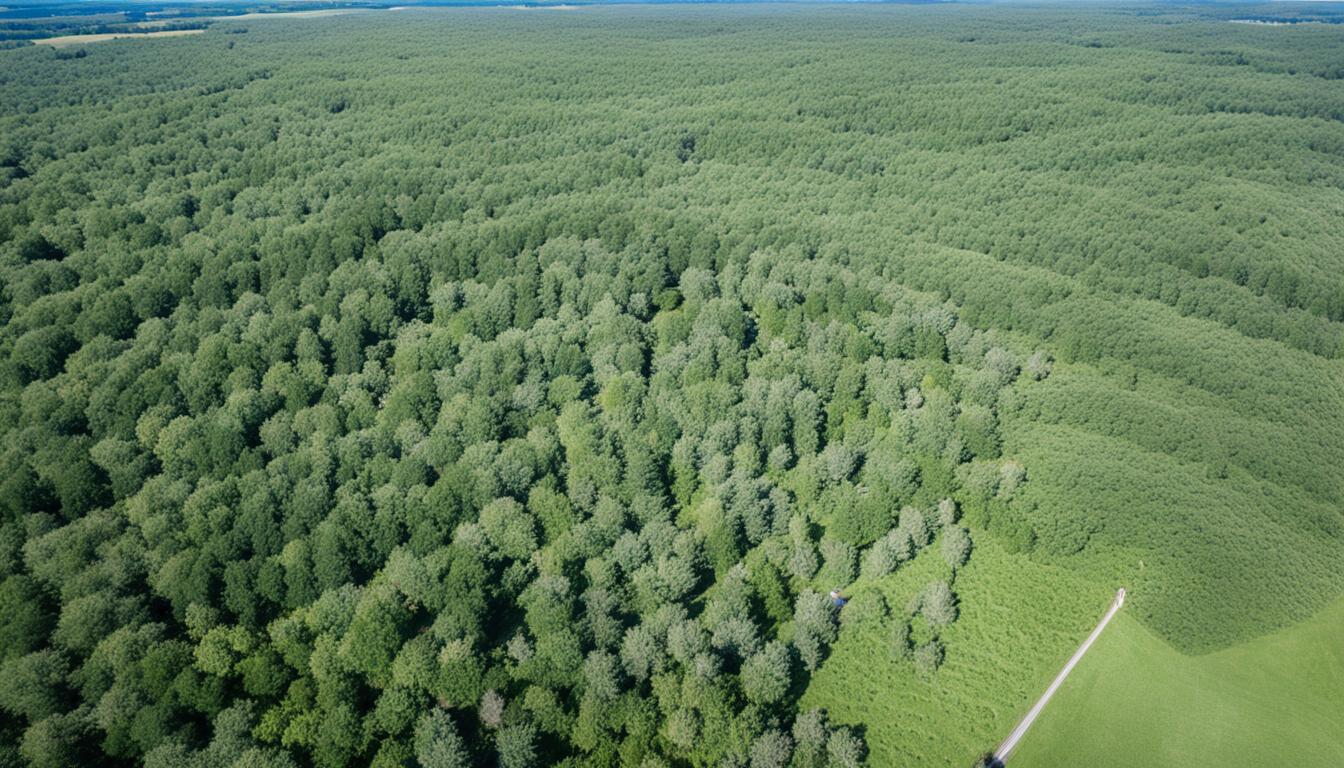
Turning old fields into great places for deer means making them diverse. By removing unwanted grasses and helping native plants grow, or by growing grasses deer eat. You can make an old field a great home for deer.
Grasses Deer Eat
Deer don’t just eat grasses. They prefer a variety of plants, like forbs, browse, mast, and mushrooms. These plants are more nutritious than grasses, which are often lower in quality.
Dr. Dave Hewitt from Texas A&M-Kingsville says deer eat mostly browse, forbs, mast, and crops. Grasses are a small part of their diet, mainly eaten in late winter and early spring.
About one-third of the plants deer eat make up most of their diet. Grasses like winter grass and panic grass are part of this. But deer can’t live only on grass. They need a mix of plants to stay healthy.
Deer like to eat browse and forbs because they’re easy to digest and give them quick energy. A mix of plants is key for deer health. In the Southeast, deer eat over 400 plant species, mostly browse, forbs, and mast.
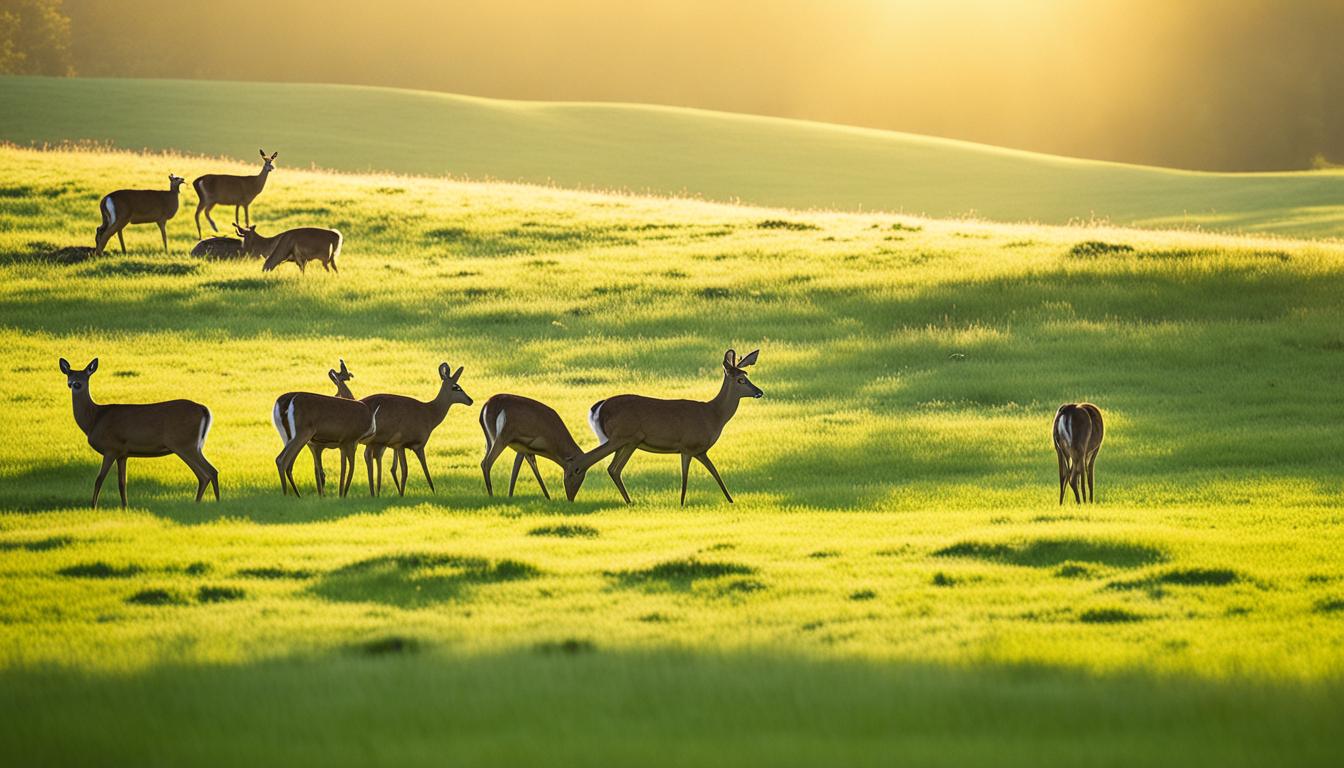
In conclusion, deer eat more than just grass. They prefer a variety of plants, including woody plants, forbs, and mast. Knowing what deer eat helps with habitat management and keeping deer healthy.
Identifying And Encouraging Deer-Preferred Grass Species
Some native warm-season grasses are key for deer. Big bluestem, little bluestem, indiangrass, and switchgrass offer great winter cover. They also help forbs grow. Deer don’t eat these grasses much, but they’re vital for a diverse plant community. This community supports deer’s needs all year.
Big Bluestem And Little Bluestem
Big bluestem and little bluestem are crucial for deer. They grow tall and have a blue-green color. In winter, they provide dense cover. The dead plant material is perfect for deer forages like legumes.
Indiangrass And Switchgrass
Indiangrass and switchgrass are also great for deer. Indiangrass has golden-yellow seed heads, offering great nesting and fawning cover. Switchgrass creates dense stands that protect deer from winter. Both support deer-preferred forbs and browse plants.
By promoting these grasses, landowners and wildlife managers can create top-notch deer habitat. These grasses meet deer’s needs all year. Proper management helps them grow, boosting deer health and population.
Conclusion
Managing old fields and grasslands for deer habitat management is more than just planting food plots. It’s about letting native grasses, forbs, and shrubs grow. This makes a wildlife-friendly landscaping that gives deer good food and shelter all year. It also helps many other animals and supports sustainable agriculture.
Restoring native plants helps create a healthy ecosystem for white-tailed deer. By growing native grasses, forbs, and shrubs, deer get the food they need. They also find shelter and protection for their young and in winter.
To manage deer habitats well, focus on creating a diverse and strong grassland. This approach supports deer’s needs and helps your local ecosystem stay healthy and full of life.
]]>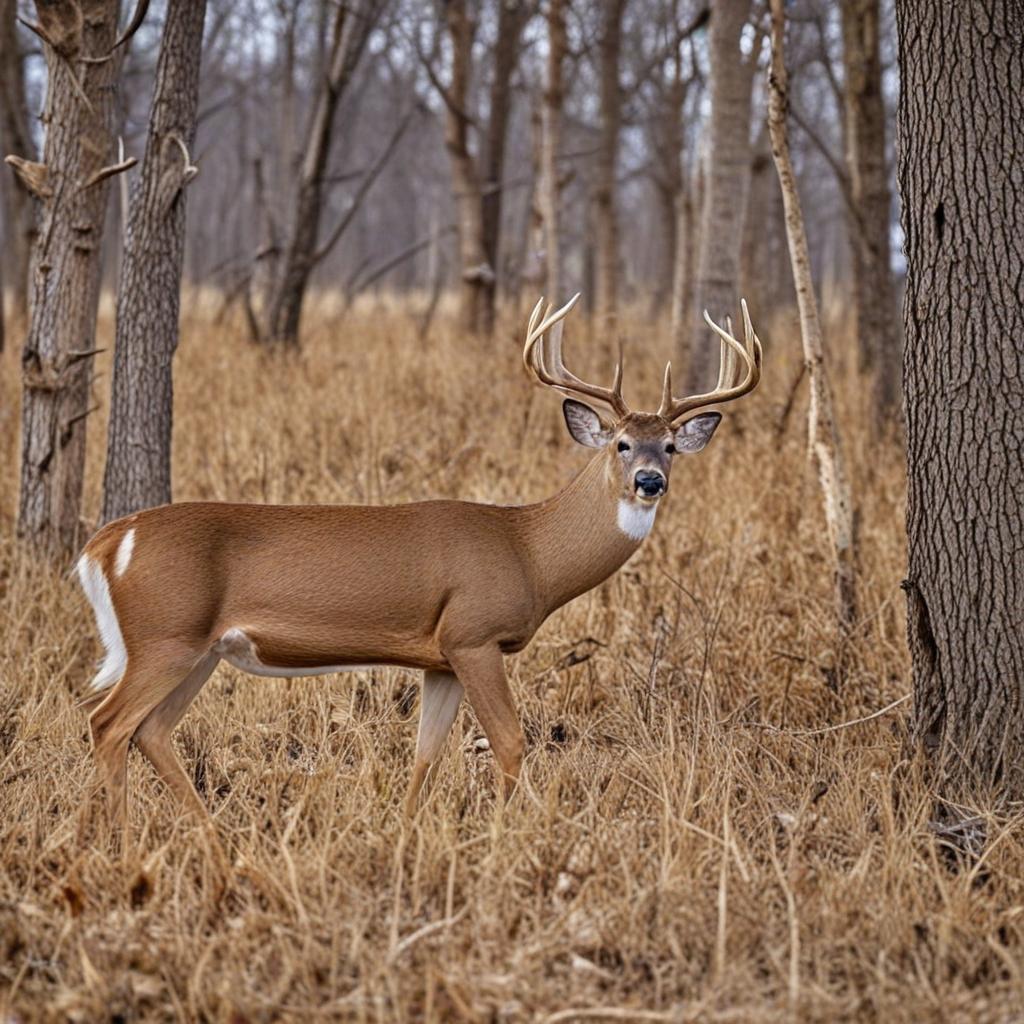
Watching all these documentaries, I learnt that Hunting isn’t just about the thrill of the chase, it’s about the deep connection to nature and the responsibility of sourcing food in a respectful and sustainable manner. Ethical hunting practices ensure that we honor the lives of the animals we pursue and maintain the delicate balance of our ecosystems.
This discovery got me to look into ethical ways humans can hunt for animals, specifically ethical deer hunting that can be sustainable for years to come and that is what I want to talk about in this article.
Ethical Deer Hunting Practices
Definition And Principles Of Ethical Hunting
Ethical deer hunting is when a hunter knows and respects the game hunted, follows the law and behaves in a way that will satisfy what society expects of a hunter. Ethical hunters are familiar with the places they hunt, the wildlife that live there and the way they should behave when hunting.
Ethical deer hunting encompasses more than just following laws and regulations, it’s a mindset that prioritizes respect for wildlife, the environment, and the tradition of hunting. Ethical hunters are committed to fair chase principles, ensuring that the animal has a fair chance to escape and that the hunt is conducted in a humane manner.

Key Principles Of Ethical Hunting Include:
- Fair Chase: Ethical hunters adhere to the concept of fair chase, where animals are pursued under conditions that give them a reasonable chance to evade capture or avoid harm.
This principle ensures that hunting remains a challenge, honoring the natural instincts and abilities of the prey. Avoiding unsportsmanlike methods such as using vehicles to chase game or taking shots beyond one’s skill level.
- Humane Harvest: Hunters strive for quick and humane kills, using appropriate weapons and techniques that minimize suffering. This principle underscores the ethical responsibility to end the animal’s life swiftly and with minimal pain.
- Legal Compliance: Ethical hunters strictly adhere to hunting regulations and laws established to conserve wildlife populations and protect habitats. Compliance ensures sustainable management of game species and maintains the integrity of ecosystems.
- Conservation: Supporting wildlife management and habitat conservation efforts to ensure healthy populations and ecosystems.
Importance Of Sustainable Hunting Practices
Sustainable ethical deer hunting is vital for preserving deer populations and their habitats for future generations. It involves hunting in a manner that does not deplete the population faster than it can reproduce and preserve biodiversity.
By hunting responsibly, hunters contribute to:
- Population Management: Hunting helps regulate animal populations, preventing overpopulation that can lead to habitat degradation and increased competition for resources. Managed hunting programs ensure that wildlife populations remain in balance with their environments.
- Conservation Funding: Hunting license fees and taxes on hunting equipment often fund wildlife conservation efforts, habitat restoration, and research. These financial contributions are crucial for protecting endangered species and preserving natural habitats.
- Ecosystem Health: Ethical hunting supports biodiversity by controlling the population of certain species, which can have effects on plant communities and other wildlife. Well-managed hunting can help maintain the balance of ecosystems and promote overall ecological health.
Respect For Wildlife And Environment
Central to ethical deer hunting is a deep respect for wildlife and the natural environment. This respect is demonstrated through:
- Minimization of Waste: Ethical hunters utilize as much of the harvested animal as possible, minimizing waste and ensuring that the animal’s life is honored by utilizing its meat, hide, and other parts.
- Leave No Trace: Hunters practice leave-no-trace principles, minimizing their impact on the environment by avoiding littering, respecting private property rights, and leaving natural habitats undisturbed.
- Education and Outreach: Ethical hunters advocate for conservation and educate others about the importance of ethical hunting practices, wildlife management, and habitat preservation.
With hunters practicing all these ethical deer hunting ways, we are sure of hunting being sustainable for many generations to come. Now let’s look at some common deer hunting techniques that are ethical
Common Deer Hunting Techniques
Stand-Hunting
Description and Benefits: Stand-hunting, also known as stand or blind hunting, involves hunters positioning themselves in a stationary location, often elevated in a tree stand or ground blind. This technique relies on patience and strategic placement to intercept deer as they move through their natural habitats.
The primary benefits of stand-hunting include:
- Stealth and Concealment: Elevated stands or blinds provide hunters with a vantage point that minimizes their visibility and scent dispersal, increasing the likelihood of deer approaching within range.
- Strategic Positioning: Hunters can choose stand locations based on known deer trails, feeding areas, or rutting zones, maximizing their chances of encountering deer during peak activity times.
- Safety and Comfort: Elevated stands offer a safer vantage point above ground level, reducing the risk of accidental encounters and providing a more comfortable hunting experience during long hours in the field.
Ideal Locations and Conditions: Effective stand-hunting requires careful consideration of location and environmental factors:
- Deer Sign and Activity: Choose stand locations near fresh deer sign such as tracks, rubs, or scrapes, indicating recent deer activity.
- Natural Funnels and Bottlenecks: Position stands along natural travel corridors, such as ridgelines, creek crossings, or transitions between bedding and feeding areas, where deer are likely to pass through.
- Wind and Scent Management: Place stands downwind of expected deer approaches to minimize scent detection, ensuring that prevailing winds carry human odors away from deer pathways.
Still-Hunting
Description and Benefits: Still-hunting, or stalk hunting, involves hunters moving slowly and quietly through deer habitat to locate and approach animals on foot. This technique requires heightened awareness, patience, and a keen eye for detecting subtle signs of deer presence. Key benefits of still-hunting include:
- Active Engagement: Still-hunting challenges hunters to actively participate in the pursuit, using stalking skills and knowledge of deer behavior to close the distance stealthily.
- Adaptability: Hunters can adjust their pace and direction based on changing environmental conditions, such as wind shifts or sudden deer movements, maximizing their chances of encountering deer.
- Opportunity for Observation: Still-hunting allows hunters to observe natural deer behavior and habitat interactions up close, enhancing their understanding of deer movements and preferences.
Techniques for Successful Still-Hunting:
- Slow and Steady Approach: Move quietly and deliberately, taking frequent pauses to scan the surroundings for deer or signs of movement.
- Use of Cover: Utilize natural cover such as trees, brush, and terrain features to conceal movement and break up your silhouette against the backdrop.
- Focus on Wind Direction: Constantly monitor wind direction and adjust your approach to maintain a downwind position relative to deer locations, reducing the risk of scent detection.
- Patience and Observation: Be patient and observant, paying attention to subtle cues like fresh tracks, bedding areas, or browsing patterns that indicate recent deer activity.
Do you think it is appropriate to hunt at all times? Now that we know the ethical techniques for deer hunting lets now delve into the best time for hunting.
Best Times To Hunt
Typically, the best times to hunt are early in the morning and late afternoon, since deer usually move when it’s closer to dark. Be aware of legal shooting hours where you hunt and plan accordingly.
Optimal Hunting Times During The Day
Early Morning Hunts: Early morning is widely regarded as one of the best times to hunt deer due to several factors:
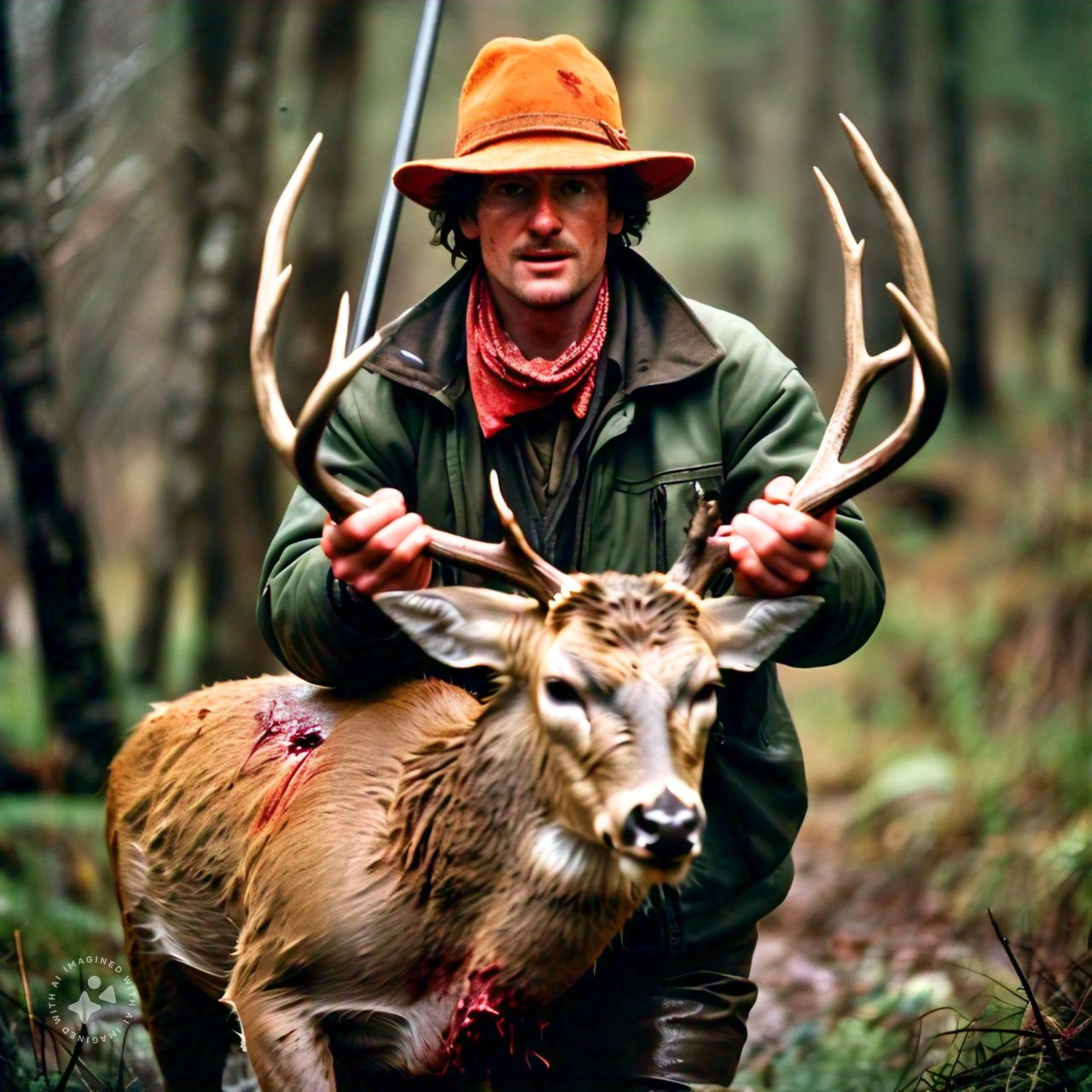
- Movement Patterns: Deer are typically more active during the early morning hours, returning from feeding areas to bedding sites after dawn. This period, often referred to as the “morning movement,” offers hunters opportunities to intercept deer as they travel.
- Cool Temperatures: Cooler morning temperatures encourage deer to move to regulate their body temperature, making them more predictable in their movements.
- Less Human Activity: The early morning hours are quieter and less disturbed by human activity, reducing the likelihood of spooking deer with noise or scent.
Late Afternoon Hunts: Late afternoon, particularly approaching sunset, is another prime time for deer hunting:
- Feeding Patterns: Deer typically feed heavily during the late afternoon to replenish energy expended during the day. Hunters can capitalize on deer movements towards feeding areas as they prepare for the night.
- Decreasing Light: As daylight fades, deer become more active in search of food, water, and suitable bedding sites for the night. This period is often referred to as the “evening movement.”
- Thermals and Winds: As temperatures cool again towards evening, thermals and winds can stabilize, making it easier for hunters to approach undetected and set up for successful hunts.
Best Hunting Periods During The Season
The Rut Period and Its Significance: The rut, or mating season, is a critical phase in a deer’s annual cycle and offers unique opportunities for hunters:
- Increased Activity: During the rut, deer activity peaks as bucks pursue in estrus. This heightened activity makes deer more visible and predictable in their movements.
- Vocalizations and Sign: Bucks are vocal and leave more signs such as rubs (marking trees with antlers) and scrapes (ground markings) to communicate and attract mates, providing visual cues for hunters.
- Strategic Timing: Understanding the rut’s timing in your region allows hunters to plan hunts during peak rut phases, maximizing chances of encountering actively moving deer.
- Hunting Strategies: During the rut, strategies often focus on using calls (like grunting or rattling) to attract bucks or positioning near known travel corridors and doe bedding areas where bucks are likely to patrol.
By timing hunts to coincide with early mornings and late afternoons, and aligning with the rut period’s peak activity, hunters can significantly increase their chances of success while respecting deer behavior and natural rhythms in their hunting endeavors.
Ending
So, whether you’re a newcomer or a seasoned hunter, prioritize safety and sustainability in every aspect of your hunting journey. From safety to minimizing environmental impact and supporting conservation efforts, every action counts towards preserving our hunting heritage.
In essence, by embodying these principles and techniques, hunters can foster a deeper connection with nature and contribute positively to the rich ethical deer hunting ways and hunting traditions. Let’s ensure that our pursuit of deer in the wild remains not only a thrilling adventure but a testament to our commitment to ethical deer hunting stewardship and respect for the natural world. Happy hunting!
]]>