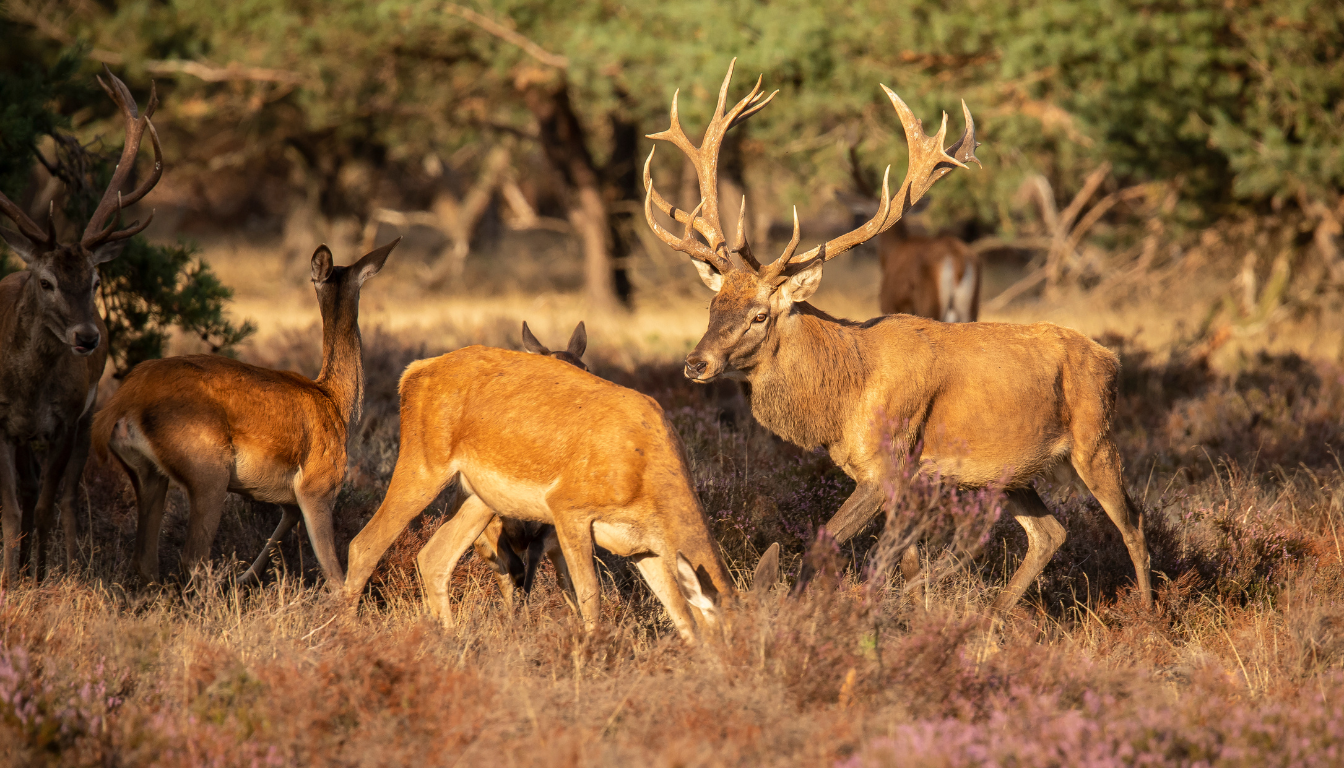
Red deer are some of the most impressive and sought-after game animals in the world. Known for their majestic antlers, powerful presence, and adaptability, they have fascinated hunters, conservationists, and nature lovers for centuries.
From the misty highlands of Scotland to the dense forests of Eastern Europe, red deer roam in herds that command both respect and admiration.
But how much do you really know about red deer? Many hunters are familiar with their size or the iconic image of a stag in rut, roaring across a valley. Yet behind the scenes, red deer have survival strategies, behaviors, and cultural importance that go far beyond the hunt.
In this post, we’ll uncover five amazing facts about red deer, hunters should know. These insights will not only deepen your understanding of these magnificent creatures but also sharpen your hunting skills. Whether you’re preparing for your first stalk or have years of experience in the field, knowing more about red deer can give you the edge.
Let’s get started.
Fact 1: Red Deer Are Among the Largest Deer Species
When it comes to size and stature, red deer are giants. They are one of the largest species in the deer family, second only to elk and moose.
- Stags (males): Can weigh between 350–530 pounds (160–240 kg) and stand up to 4 feet (1.2 meters) at the shoulder.
- Hinds (females): Smaller, usually weighing between 260–370 pounds (120 – 170 kg).
- Antlers: Mature stags grow spectacular branching antlers that can stretch over 1 meter wide and weigh up to 15 kg.
These antlers aren’t just for show. Each year, red deer stags shed and regrow them, with antlers getting bigger and more elaborate as the stag ages. During the rut, stags use these antlers to battle rivals, a dramatic contest of strength and dominance that determines breeding rights.
For hunters, this size matters. Tracking a red deer requires patience and skill, as these powerful animals can move surprisingly quickly through rough terrain. Field dressing and transporting such a large animal is also a challenge, demanding preparation and the right equipment.
Imagine standing on a hillside and watching a mature stag emerge from the mist, antlers catching the light. It’s a sight that commands respect and one that every hunter treasures.
Fact 2: Seasonal Behavior and the Rut
One of the most thrilling aspects of hunting red deer is experiencing the rutting season. This dramatic event happens once a year, usually in late September through October, depending on the region.
During the rut:
- Stags roar loudly to attract hinds and to warn off rivals. This “roaring” is one of the most distinctive sounds in nature.
- Antler battles take place, sometimes lasting minutes as two stags lock horns in displays of strength.
- Stags often go without eating for days, losing weight as they focus entirely on breeding.
For hunters, the rut is both an opportunity and a challenge. On one hand, stags are more vocal and visible, making them easier to locate. On the other hand, they become highly aggressive and unpredictable. A roaring stag in the wild is thrilling to witness but demands caution and respect.
The timing of the rut can vary slightly depending on geography and climate. In Scotland, for example, the highland hills echo with stag roars in October, while in parts of Eastern Europe, the rut may start earlier.
Hunters often describe the rut as an unforgettable experience. Hearing the deep, guttural roar of a stag at dawn is enough to raise the hair on your neck and remind you why red deer are so legendary.
Fact 3: Adaptability Across Habitats
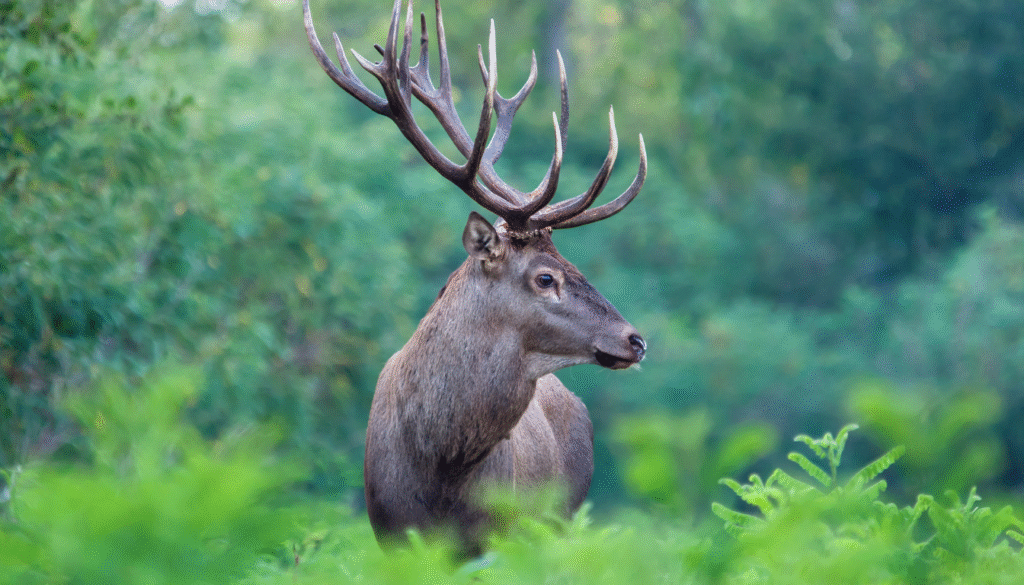
Another amazing fact about red deer is their ability to thrive in a wide range of habitats. Unlike some deer species that are limited to certain environments, red deer adapt remarkably well.
- Forests: Dense woodland provides cover, food, and security for hinds and calves.
- Moorlands & Grasslands: Stags are often spotted grazing in open country where visibility is greater.
- Highlands & Mountains: In Scotland, red deer are icons of the highlands, navigating rugged terrain with ease.
- Agricultural Land: In some areas, red deer adapt to farmland, feeding on crops and causing conflicts with farmers.
Their adaptability also extends to their diet. Red deer eat grasses, herbs, leaves, bark, and even heather in harsher climates. This ability to shift feeding habits with the seasons ensures survival in challenging conditions.
For hunters, understanding habitat is crucial. Stalking techniques differ in open landscapes compared to thick forests. In wide, open moorlands, long-range glassing and careful stalking are key. In woodland, moving quietly and reading deer signs becomes more important.
This adaptability is one reason red deer are found across Europe, Asia, and even New Zealand (where they were introduced for hunting). Wherever they live, they find a way to survive and flourish.
Fact 4: Social Structure and Herd Dynamics
Red deer live in herds, and their social structure is both fascinating and important for hunters to understand.
- Hinds and calves: These typically live in herds led by an older hind. These groups provide safety in numbers.
- Stags: Outside the rut, stags form bachelor groups. They only join the hind herds during the breeding season.
- During the rut: Stags fight for control of harems of hinds, sometimes guarding 10–20 females at a time.
Communication within herds is subtle but effective. A hind spotting danger may raise her head sharply, stomp a foot, or bolt suddenly, sending the entire herd running. For hunters, this means a single mistake: one snapped twig or careless movement can alert dozens of deer at once.
Understanding group behavior can make or break a hunt. If you can anticipate how a herd will move or react, you can position yourself more effectively. But if you misjudge, hours of careful stalking can unravel in seconds.
Hunters often describe the tension of watching a herd of red deer. Every movement feels magnified, every sound critical. When a hind locks eyes with you, heart pounding, you know the outcome could go either way.
Fact 5: Conservation and Hunting Heritage
The last amazing fact about red deer goes beyond biology, it’s about culture, history, and conservation. Red deer have been central to human hunting traditions for thousands of years.
Cave paintings in Europe show that red deer were hunted in prehistoric times. In medieval Europe, stag hunting was considered a sport of kings.
Today, red deer remain deeply embedded in hunting heritage, especially in countries like Scotland, Hungary, and Germany. The sight of a roaring stag or a stag’s head mounted as a trophy carries centuries of symbolism.
But with this heritage comes responsibility. Conservation plays a vital role in ensuring healthy red deer populations. In some areas, populations are carefully managed to prevent overgrazing and to maintain balance with other wildlife.
In other places, red deer numbers have expanded so much they threaten ecosystems, requiring regulated culling.
For hunters, this means participating in a tradition that’s as much about stewardship as it is about sport. Respect for the animal and the land is at the core of ethical hunting. Pursuing red deer isn’t just about the harvest, it’s about preserving a heritage for future generations.
Conclusion
The red deer is a creature of majesty, strength, and resilience. From their commanding size and awe-inspiring antlers to their unforgettable rutting season, adaptability across habitats, complex herd dynamics, and deep cultural heritage, these animals embody the spirit of wild hunting traditions.
For hunters, each of these five amazing facts about red deer offers not just knowledge, but practical insight. Understanding their size prepares you for the physical demands of the hunt. Learning their seasonal behavior sharpens your timing.
Recognizing their adaptability improves your scouting. Reading herd dynamics keeps you one step ahead. And appreciating their heritage reminds you of the responsibility that comes with the chase.
When you step into the woods, hills, or highlands, remember you’re not simply pursuing game. You’re engaging with a species that has survived for millennia and inspired countless generations of hunters. That’s why hunting red deer is more than sport, it’s a privilege.
If this guide has deepened your respect for red deer, share it with your hunting friends and drop a comment about your own red deer experiences.. The more we learn about red deer, the more meaningful every trip into the wild becomes.
]]>Food plot and feeding deer are two of the most powerful tools hunters can use to attract, sustain, and pattern whitetails. Ask any seasoned hunter, and they’ll tell you success doesn’t come down to chance alone.
While patience, skill, and timing play huge roles, having a well-planned food plot and feeding system is often the real difference between watching deer from afar and having them within range.
Food plots and deer feeding strategies aren’t just about pulling deer closer during hunting season. They improve herd health, support antler growth, and make deer movements more predictable throughout the year. By creating an environment where deer find consistent food sources, you’re not only increasing your odds of success but also building healthier herds on your land.
This guide will walk you through everything from choosing the right crops and planting techniques to seasonal feeding approaches and ethical considerations.
Whether you’re planting your very first plot or fine-tuning a property you’ve managed for years, this resource will help you master food plots and feeding deer strategies that truly work.
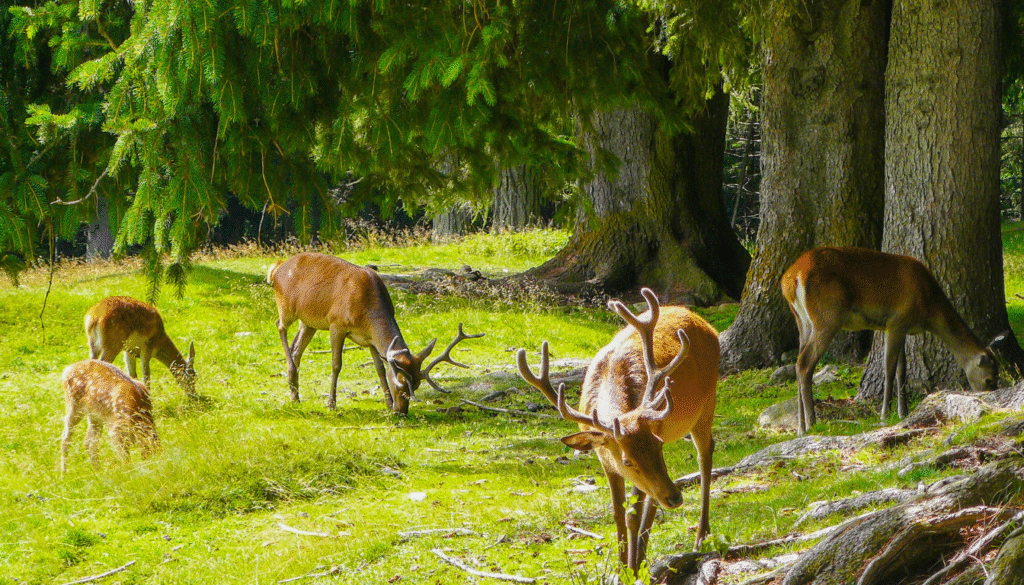
1. Food Plots and Their Role in Deer Hunting
A food plot is simply a section of land prepared and planted to provide deer with supplemental nutrition. But for hunters, a food plot and feeding strategy is more than just a patch of greenery, it’s a way of shaping deer behavior.
Hunters typically use two styles of plots. Larger nutrition plots are meant to sustain deer year-round, while smaller hunting plots are designed to draw them close to a stand or blind during hunting season.
When paired with smart feeding practices, these plots make deer more predictable, giving hunters a clear edge while also ensuring the animals remain well-fed and healthy.
2. Types of Food Plots Every Hunter Should Consider
Choosing the right food plot and feeding deer plan depends on your goals and land. Perennial plots such as clover and chicory are excellent for long-term nutrition, often lasting several years with proper care. They’re reliable, especially in spring and summer, and require less replanting once established.
Annual plots, on the other hand, are seasonal but highly effective. Corn, soybeans, and brassicas grow quickly and provide attraction when it matters most in fall and winter. Many hunters plant both perennials and annuals to strike a balance between long-term nutrition and seasonal attraction.
You’ll also want to think about timing. Warm-season crops like soybeans thrive in spring and summer, while cool-season options such as oats and turnips shine in fall and winter. A food plot and feeding system that rotates crops through the year keeps deer coming back month after month.
3. Choosing the Right Food Plot for Your Land
No two hunting properties are the same, which is why tailoring your food plot and feeding deer strategy to your land is so important. Start by testing your soil so you know what nutrients it needs. From there, consider your property size, local climate, and what natural food sources already exist nearby.
If your area is surrounded by cornfields, plant something different to diversify. If you have a smaller property, focus on one or two well-placed hunting plots near cover, where deer will feel secure feeding.
Every decision you make about where and what to plant should work toward your ultimate goal: keeping deer on your property and within range.
4. Planting and Maintaining Food Plots
Planting a food plot and feeding deer may sound simple, but success comes down to preparation. Healthy soil is the foundation, so never skip a soil test.
Once you’ve corrected pH and added necessary fertilizer, prepare a clean seedbed by removing weeds and brush. Plant your chosen seeds at the right depth and spacing, then monitor growth closely.
Maintenance is just as important. Clover plots benefit from mowing to reduce weeds, while annual plots may need reseeding each year.
Crop rotation also keeps the soil fertile and prevents pests from building up. Many new hunters make the mistake of skipping these steps, but the truth is, food plots only perform well when they’re maintained with care.
5. Feeding Deer Beyond Food Plots
While food plots are the foundation, they’re not the whole story. A complete food plot and feeding deer plan often includes supplemental strategies.
Mineral sites, for example, are invaluable in spring and summer when bucks are growing antlers and does are nursing fawns. Feeders can also play a role, providing consistent access to grains where legal.
Beyond manufactured options, you can enhance natural browse by encouraging native plants, improving timber stands, or even using controlled burns. These habitat improvements often complement food plots, ensuring deer always have something to eat regardless of the season.
6. Seasonal Food Plot and Feeding Strategies
Deer diets change throughout the year, and your food plot and feeding strategy should adapt as well. In spring and summer, deer need protein-rich nutrition to grow strong and healthy. Soybeans, clover, and alfalfa are excellent choices during these months.
As fall approaches, the focus shifts to attraction. Brassicas, turnips, and oats provide irresistible feeding opportunities during hunting season, drawing deer into predictable patterns.
Once winter arrives, energy-rich food like corn and winter wheat help deer survive cold, scarce months. By rotating your plantings and feeding strategies with the seasons, you create a year-round buffet that keeps deer close.
7. Overcoming Common Challenges
Even the best-laid food plot and feeding deer plans come with obstacles. The weather is one of the biggest. Drought can ruin young crops, while flooding can wash away seeds. Choosing the right crop for your soil and climate reduces these risks.
Another challenge is heavy browsing, especially on small plots. If deer wipe out a crop before it establishes, protective fencing or larger planting areas may be necessary.
Weeds, pests, and limited budgets also present hurdles, but creative hunters often find solutions from spot spraying weeds to planting cost-effective crops like clover that deliver great results without breaking the bank.
8. Ethical and Legal Considerations
Every food plot and feeding deer plan should follow local hunting laws. In many areas, placing corn or feed during hunting season is considered baiting and may be illegal.
Beyond regulations, there’s also the question of ethics. Over-reliance on feeding can reduce the principle of fair chase. A balanced approach that combines food plots, habitat management, and supplemental feeding ensures a sustainable, ethical strategy that benefits both hunters and deer.
Conclusion
At the end of the day, hunting success isn’t luck — it’s preparation. A well-thought-out food plot and feeding deer strategy gives you a clear advantage while supporting healthier herds on your property. From spring nutrition plots to fall attraction crops, from mineral sites to habitat improvements, every decision adds up to stronger deer, more predictable movement, and better opportunities when you’re in the stand.
Remember, planting a seed today could mean harvesting the buck of a lifetime tomorrow. The more effort you put into your land, the greater the rewards both for you and for the deer you pursue.
If you haven’t started your food plot and feeding deer plan yet, this season is the perfect time. Test your soil, pick the right crops, and take that first step toward transforming your property into a whitetail paradise. Share your food plot and feeding deer experiences.
]]>