You probably keep asking yourself, is milkweed deer resistant? How can I keep my plants untouched by the local deer population? One of the persistent challenges that gardeners face is the ability to deal with deer.
Milkweed, with its vibrant and aesthetic charm, contains some secret that offers unique advantages with its natural deer resistant properties.
In this post, we shall explore Milkweed deer resistant plants, powerful guides, and solutions to help preserve your garden and enjoy its blossomness.
Is Milkweed Deer Resistant?
Yes, Milkweed is widely known as a deer resistant plant.
Milkweeds are classic American flowers that can make lovely additions to a garden. The plant has a compelling fragrance that makes it easy to attract different species of butterflies.
Milkweed has milky sap that contains bitter and mildly toxic compounds which can deter deer. It has a bitter taste and tough or hairy texture, which also deter deer from consuming them.
Types Of Milkweed That Are Deer Resistant.
Milkweed has many varieties and each one has its own unique traits. This plant is generally not good for foraging animals, here are 3 types that easily deter deer.
1.Common Milkweed.
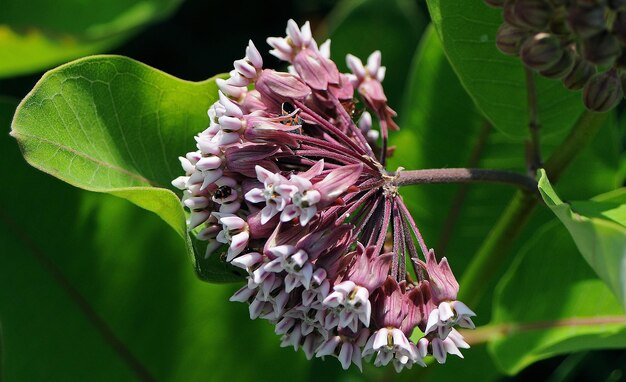
This plant is known as (Asclepias syriaca). Common milkweed is a gorgeous plant that produces purple/pink flower clusters loved by wildflower gardeners and it spreads so quickly.
It is a perennial flower that provides a primary food source for the Monarch butterfly, large leaves for caterpillars and big pink globe-like flowers that provide nectar for the adult butterflies.
Common milkweed has bitter taste and milky sap, and is very rich in toxic compounds which makes it unappealing to deer and able to keep deer away.
It easily attracts monarch butterflies and therefore a good choice for gardeners seeking pollinator support.
2. Swamp Milkweed
Swamp Milkweeds are also known (Asclepias incarnata). They have milky sap and slightly bitter taste which are basically not deer’s first choice.
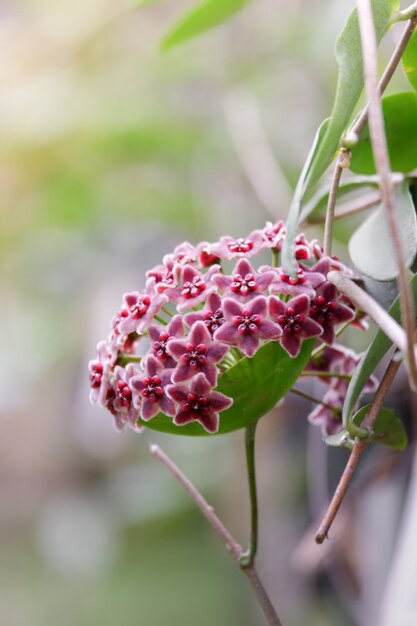
Swamp milkweed excels in moist or wet soils, which makes it a good choice for rain gardens and areas with poor drainage.
These plants are beloved by many for their striking pink flowers and their role in supporting pollinators like butterflies
3. Butterfly weed.
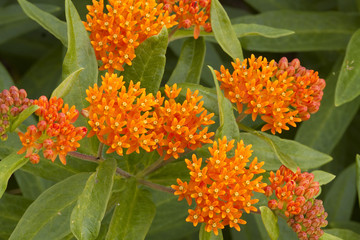
Also known as (Asclepias tuberosa). It is mostly distinguished for its fiery orange blossoms and compact growth habit, it has large, flat-topped clusters of bright-orange flowers
This Milkweed variety lacks milky sap, but then it has tough leaves that deter deer. It is able to grow and excel in dry and sandy soil and its brilliant flowers attract butterflies.
Although, all milkweed varieties have some uniqueness that deter deer due to their toxic compounds. These three above are notable for their effectiveness, especially common milkweed and butterfly weed.
How To Enhance Your Garden Success With Milkweed
Aside from its ability to beautify your garden, milkweed deer resistant plants are not only for deterring deer. It is a powerhouse that supports pollinators and creates a thriving and balanced ecosystem.
If the plant is well integrated, it can improve your gardens’ health and prevent deer intrusion into your garden.
Key Tips For Growing And Keeping Milkweed To Enhance Your Garden Success
- Choose the Right Milkweed Variety
Research milkweed species native to your region, such as Asclepias tuberosa (Butterfly Weed) or Asclepias incarnata (Swamp Milkweed). Native varieties are easier to maintain and attract local wildlife.
- Where to plant your milkweeds
Most milkweeds require good sunlight to thrive well, thus at least 6 to 8 hours of sunlight a day will keep your plants healthy.
Milkweeds are self-seed readily, it is recommended therefore to locate such plants in a part of the garden where you can control their rampant seed spread better.
- Soil
The different varieties of milkweed have different preferences, but then the best soil type for milkweed often depends on its native habitat.
This plant generally will grow well in well-drained and in average garden soil. Swamp Milkweed however, requires moist, humus-rich soil.
- When to plant Milkweed
Always try to plant your milkweed seed outdoors in the fall to give them a period of stratification. This season also allows milkweed pods to open and disperse seeds naturally to support future growth.
However, If you purchase starter plants, plant them in the spring after the danger of frost has passed.
- Spacing
Plant milkweed with adequate spacing to prevent overcrowding and ensure good air circulation, which helps reduce disease risk.
You can plant milkweed in groups of six or more to attract multitudes of monarchs to your garden. Space plants are about 6 to 24 inches apart, depending on the species.
- Watering the Milkweed
These plants normally require some consistent water especially in its early stages to be able to develop and establish roots.
Varieties such as butterfly weed and common milkweed, are drought-tolerant and require minimal watering.
- Milkweed Integration
You don’t just plant only milkweed and expect your garden to be protected. Create a diverse landscape with complementary deer-resistant plants to further enhance your garden’s resilience and beauty. You can review some deer resistant plants and add as many as you want.
Is Milkweed deer resistant now? Find additional information on Plants Addict.
How Milkweed Support Pollinators
There are several ways that milkweed support Pollinators, some are listed below
- Nectar
This plant produces nectar-rich flowers that makes it attractive to bees, moths and butterflies.
- Host plant
Aside from attracting Pollinators, Milkweed is the host plant the monarch butterflies use to lay their eggs.
- Seed Pods
Mostly, Milkweed flowers turn into seed pods that birds can eat, birds like American tree sparrows and finches are likely to eat these seed pods.
Other ways through which milkweed supports pollinators are Pollen and Bumble bees.
Additional Tips for Garden Success
- Companion Planting: Surround milkweed with herbs like sage or rosemary, which emit strong scents that repel deer.
- Encourage Natural Defences: Let milkweed self-seed to create a robust, natural-looking garden that’s less attractive to deer.
- Pollinator-Friendly Practices: Avoid using pesticides that can harm bees and butterflies; instead, opt for organic pest control solutions.
To sum up
Milkweed deer resistant plants are an additional beauty to your garden. It’s a natural ally in keeping deer away from your garden.
By prioritising milkweed and following these best practices, you can cultivate a great, low-maintenance garden that resists deer and fosters a rich habitat for pollinators. The result? A lush, vibrant outdoor space that’s as functional as it is beautiful.
Explore more about the deer lifestyle at Deer Hunting Gateway.
]]>
Have you ever wondered why some hunters always seem to bag the biggest bucks, while others come back empty-handed?
The difference often lies in understanding the basics of deer behavior, particularly during the most exciting time of the year, the deer breeding season, also known as the rut.
For any hunter, this is the gateway to the ultimate hunting experience. If you’re serious about improving your chances this season, mastering the basics of hunting during the rut is crucial.
In this article, we’ll break down everything you need to know about hunting during deer breeding season.
If you’re a seasoned hunter looking for a refresher or a newbie hoping for some hunting tips, you’ll find valuable insights to guide you through your next adventure.
Keep reading, because what’s coming next could change your entire approach to deer hunting.
The Basics of the Rut: The Key to Deer Hunting Success
Before we dive into the hunting tips and tricks, let’s start with the basics.
The rut is the period when deer, especially bucks, are most active because they’re searching for does to breed with.
This makes them far less cautious than usual, offering hunters a unique window of opportunity. Deer that are normally elusive become more visible and approachable, making this the perfect time to plan your next hunt.
What is the Rut?
In simple terms, the rut is the deer mating season.
During this time, bucks are primarily focused on finding and mating with does.
This behavior shift makes them less concerned about human activity, which means they’re more likely to venture out into open areas, travel longer distances, and make more mistake mistakes that experienced hunters use an opportunity to capitalize on.
Understanding how deer behave during the rut can be the ultimate guide difference between a successful hunt and an empty freezer.
Why the Rut is the Best Time to Hunt Deer
Last weekend, I decided to head out to the national forest for some epic Montana hunting.
I met up with my buddy Bob at the camp, and we were pumped to hunt big game like elk and mule deer.
The plan was to explore the backcountry and find ourselves a good buck. We packed our tent and all the finest gear, including our archery equipment, and hit the road early in the morning.
The mountain views were stunning, and there was a good chance we’d spot some whitetail deer or even a black bear if we were lucky.
After setting up our accommodation, we trekked to an open meadow and watched as a herd of moose grazed in the distance. It felt so rewarding to be out in the wilderness, away from the hustle.
We were fortunate to have a guided hunting trip with Lewis, who has been doing this for over 30 years.
He knew all the prime spots for the best shots and taught us how to combine patience with skill.
By the end of the day, we were both pretty excited about the prospect of recording our success in the record book of exceptional hunts.
Hey there, nature lovers! If you’ve ever wandered through the woods in the fall, you might’ve noticed some unusual deer behavior.
That’s right, it’s deer breeding season, and things are about to get wild! Picture this: majestic bucks strutting their stuff, flaunting those impressive antlers, all in a quest to win over the ladies.
It’s like a reality show out in the wild, complete with fierce competition and some serious drama.
As the days get shorter and the air turns crisp, these critters kick their dating game into high gear.
You might see them sparring for dominance or even hear the unmistakable sounds of their calls echoing through the trees. So, grab your binoculars and get ready for a front-row seat to one of nature’s most fascinating spectacles.
Let’s delve into what goes down during this exciting time of year! Ah, deer breeding season, when the woods come alive with a whole lot of antlered drama
If you’ve ever wandered through a forest during this time, you might’ve noticed the air buzzing with excitement (and a bit of chaos).
This is the time of year when bucks are strutting their stuff, showcasing those impressive racks in hopes of winning over the ladies. It’s like a wild animal version of “The Bachelor,” complete with rivalries, sparring matches, and some pretty intense courtship rituals.
From October through December, the deer are all about love, and you can bet there’s plenty of action happening under the cover of the trees.
So, grab your binoculars and get ready to witness nature’s own soap opera—because when it comes to deer breeding, things are about to get wild!
What is the deer breeding season and why is it important for hunters?
The deer breeding season, often referred to as the rut, is that magical time of year when deer are most active and vocal, looking to mate. This usually happens from late October to early December, depending on the region.
For hunters, understanding this season is crucial because it significantly increases your chances of spotting a buck on the move.
During the rut, bucks are more likely to wander outside their usual haunts, making them easier targets for a successful hunt. Plus, the excitement of the chase makes for an unforgettable adventure!
When is the best time to hunt during the deer breeding season?
The best time to hunt during the deer breeding season is typically early in the morning or late in the afternoon when deer are most active.
During these times, bucks are out searching for does, and you might spot them moving through the wilderness or near feeding areas.
It’s also a good idea to keep an eye on the moon phases; many hunters swear by the “moon theory,” suggesting that deer are more active during certain lunar phases. So, plan your hunting trips accordingly for the best opportunity!
What equipment do I need for a successful deer hunt during the rut?
Having the right equipment can make all the difference when it comes to deer hunting.
A reliable rifle or bow is essential, depending on your hunting style. Don’t forget to pack a good set of binoculars for spotting deer from a distance, and a comfortable pair of boots to tackle different terrains.
Scent control products can help you stay undetected, and if you’re serious about it, consider using calls to mimic deer sounds during the rut.
A quality hunting outfitter can also provide you with some top-notch gear if you’re looking for a guided experience!
How can I locate deer during the breeding season?
Locating deer during the breeding season involves understanding their behavior and habits. Look for signs like fresh tracks, droppings, and rubs on trees.
Setting up near food sources, like meadows or timber areas, can also increase your
What is deer breeding season and when does it happen?
The deer breeding season, often referred to as the rut, is that magical time of year when bucks are on the prowl, and the chase is on.
Typically, it varies by region, but in many areas, it happens from late October to early December. During this time, whitetail deer and mule deer become super active and are more likely to be spotted during the day as they’re chasing after does.
This is prime time for deer hunting enthusiasts to gear up and get in on the action!
How does the rut affect deer behavior?
bucks become more aggressive and territorial. They’re trying to establish dominance to attract does.
You’ll notice more scraping and rubbing of trees as they mark their territory. This behavior can lead to some pretty thrilling moments for a hunter.
It’s essential to understand that deer will be moving more than usual, especially at dawn and dusk, so that’s when you want to be out there in the wilderness.
What are the best tactics for hunting during deer breeding season?
When it comes to tactics, you’ll want to consider a few things. First, scouting is key. Know your terrain and find where the deer are likely to gather.
Use scents or calls to lure in bucks. A good strategy is to set up nearby trails or food sources.
Also, consider using a tree stand or ground blind to stay hidden while you wait for that perfect shot.
Remember, patience is your best friend during this hunting adventure!
What type of equipment do I need for a successful hunt?
Your equipment can make or break your deer hunting experience. A reliable rifle or bow is crucial, depending on your preference.
Make sure you have a good scope if you’re using a rifle. Don’t forget about your camouflage clothing to blend in with the environment.
A comfortable camp setup is also essential for long days in the field. Bring along binoculars to spot deer from a distance and a good backpack to carry your gear. Lastly, always check local regulations for what’s allowed!
Do I need a
So, if you’re looking to escape to the national forest and dive into some serious backcountry adventures, you’ve got to check out the premier spots for big game.
Imagine waking up in your cozy tent, ready to grab that license and hit the slopes for some epic archery sessions.
You could be on the lookout for whitetail deer, moose, or even antelope. And let’s not forget about those bear hunts that everyone raves about.
It’s all about that feeling of being in the wilderness area, surrounded by nature’s beauty, while you harvest your dream catch.
Picture this: you’re out there in the open country, spotting big bucks and mature sheep while the sun rises.
It’s one of the best sports out there, trust me! Plus, after a long day of climbing and tracking, nothing beats returning to the lodge for some of the best food.
You can load up on those filling meals, ready to tackle another day in the Rocky Mountain terrain. And if you’re like my buddy Joe
Man, if you’ve ever been out in the national forest land, you know the thrill of it all! Picture this: a crisp morning, the sun just peeking over the mountain, and you’re ready to hit the outdoors with your buddies.
We’re talking about a day full of guided hunting, trying to snag that record-breaking black bear.
You have to have your gear sorted, so make sure to equip yourself with everything you need. It’s a sport that demands patience, but when you’re out there, every moment is enjoyable.
Now, if you’re lucky enough to get your tag and fill your quota, you’ll be hauling back some serious weight.
The adrenaline rush when you spot that majestic creature, it’s like nothing else. You might even want to grab a fork to chow down after a long day of climbing and tracking.
And don’t forget about your trusty horse, they’ll help you cover more ground, especially when you’re covering those rugged acre patches of wilderness.
Imagine sitting on a bench after a long day in the daylight, sharing stories with your crew. It’s a memory you won’t soon forget!
Fortunately, you’ll be booking that trip in no time to experience all this!
During the rut, bucks are more active throughout the day, giving you more chances to spot one.
The key to successful deer hunting is to know when and where to strike. Bucks are constantly on the move, chasing after does and marking their territory, which means they’re likely to make daytime appearances, which rarely happens outside of the rut.
This is why many outfitters and experts consider the rut the ultimate hunting season for deer.
But just knowing when the rut occurs isn’t enough. You need to prepare, understand the terrain, and most importantly, get familiar with how deer behave during this time.
Hunting Tips: Preparing for the Ultimate Adventure
Now that we’ve covered the basics of the rut, it’s time to focus on how you can prepare for your hunt.
Every successful hunt begins long before you step into the woods. From scouting to gear preparation, the basics of hunting during the rut require careful planning and strategy.
Many outfitters stress that preparation is just as important as being in the right place at the right time.
1. Scouting: Know Your Hunting Area
One of the most basic yet critical tips for a successful hunt is scouting your hunting area well before the season begins.
During the rut, deer move outside their usual home range, and bucks are often found in new, unfamiliar areas.
To take advantage of this, it’s important to spend time scouting beforehand.
Look for signs of using trail cameras is a great way to track deer movement. Outfitters recommend placing cameras in strategic locations to monitor when and where bucks are moving.
This will help you pinpoint the best spots to set up your stand when the hunting season begins. Deer activities like rubs, scrapes, and trails lead to feeding or bedding areas.
2. Gear Up: The Basics Every Hunter Needs
You might think that any gear will do during the rut, but the basics of successful hunting gear go beyond just having a rifle or bow.
During the rut, deer rely heavily on their sense of smell, so it’s important to use scent-control products to mask your presence.
Outfitters suggest using scent eliminators on both your gear and your clothing to avoid alerting deer to your presence.
Camouflage is another critical aspect of gearing up. The right camo helps you blend into your surroundings and remain unnoticed by deer.
Outfitters recommend choosing a camo that matches the specific terrain of your hunting area, whether it’s wooded, grassy, or rocky.
3. Timing is Everything: The Best Time to Hunt
If there’s one piece of advice every hunter and outfitter will agree on, it’s this: timing is crucial. While deer are more active throughout the day during the rut, the best times to hunt are early morning and late afternoon.
Bucks tend to be on the move during these hours, chasing does or marking their territory.
Weather conditions also play a role. Overcast days or just after a cold front are ideal times to hunt because deer are more likely to be on the move.
Pay close attention to the weather forecast leading up to your hunt, and adjust your plans accordingly.
The Adventure of the Hunt: What You Might Encounter
Hunting trips during the rut aren’t just about deer, you never know what other wildlife you might encounter.
Depending on where you’re hunting, there’s always the possibility of coming across other animals, including bears.
Though bear encounters are rare during hunting trips, it’s always wise to be prepared, especially if your hunting outfitter operates in areas known for bear activity.
This unpredictability is part of what makes hunting such an exciting adventure.
Outfitters often stress the importance of being ready for anything, so don’t forget your bear spray if you’re in bear country.
And of course, even if you don’t encounter any bears, the thrill of tracking deer during the rut is enough to make any hunting trip a memorable adventure.
The Basics of Patience: The Key to the Ultimate Hunting Success
One of the most overlooked basics of hunting is patience. Deer hunting, especially during the rut, requires a lot of waiting.
Bucks may be more active, but that doesn’t mean they’ll walk right in front of your stand as soon as you get set up. Many hunters make the mistake of becoming impatient and moving around too much, which can spook deer in the area.
Outfitters often advise staying in your stand or blind for extended periods and remaining as quiet as possible.
The basics of a successful hunt come down to timing and patience factors that are easy to overlook but can significantly improve your chances of success.
Scent Control: One of the Basics You Can’t Ignore
During the rut, bucks are highly aware of scents. They use their sense of smell to track does and detect danger.
One of the basics of successful hunting is controlling your scent so that you don’t scare off nearby deer.
Outfitters recommend using scent-control products, including sprays, soaps, and laundry detergents specifically designed to eliminate human odors.
In addition to using scent eliminators, consider paying attention to the wind direction when choosing where to set up your stand.
If the wind is blowing your scent toward where deer are likely to appear, you may never see them.
Understanding wind direction and how it affects your scent is a fundamental part of the basics of deer hunting.
Conclusion:
Deer breeding season, or the rut, is a golden opportunity for hunters. But to truly take advantage of this season, you need to master the basics of deer behavior, gear preparation, and patience.
Outfitters can provide you with access to the best hunting areas and the right equipment, but success ultimately comes down to your knowledge and strategy.
By following these basics and staying patient, you’ll increase your chances of bagging that trophy buck.
Remember, the gateway to a successful hunt isn’t just about showing up, it’s about preparation, understanding deer behavior, and using these hunting tips to your advantage.
So gear up, be patient, and get ready for the ultimate hunting adventure.
The rut only comes around once a year, make the most of it.
Ready to put your skills to the test? Share your plans and hunting experiences with us in the comments below.
]]>But it is not enough to just know these laws, we must also be better stewards of nature by following them.
This guide will cover the essential parts of hunting laws. We’ll talk about bag limits, permits, and ethical hunting. I promise this will be a good one to get you started on your journey of protecting nature while enhancing your hunting.
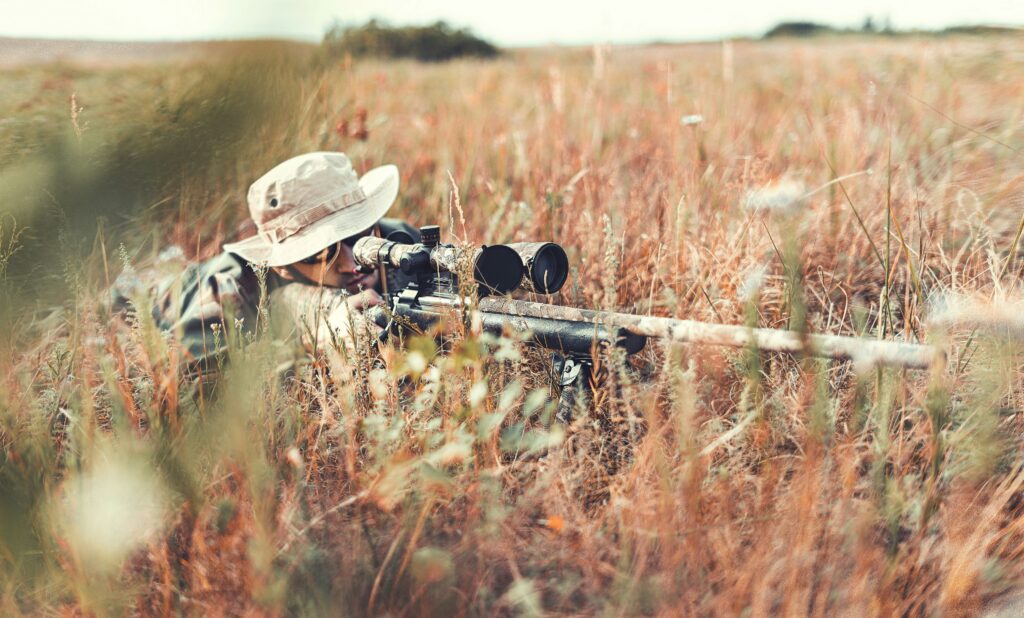
Understanding Bag Limits and Legal Requirements
As a responsible hunter, it is important for you to know about bag limits and legal requirements because knowing them will ensure hunting is done right.
For example, knowing that Archery Antlerless Permits are good during the archery deer season in any county and Firearms Antlerless Permits work during all parts of the firearms deer season helps in your hunting preparations.
As a hunter, you can take advantage by buying and filling as many Archery Antlerless Deer Hunting Permits as you want during the archery season.
However, depending on your location there are set limits on how many permits you can fill with firearms during the firearms season.
Equipping for a Successful and Safe Hunt
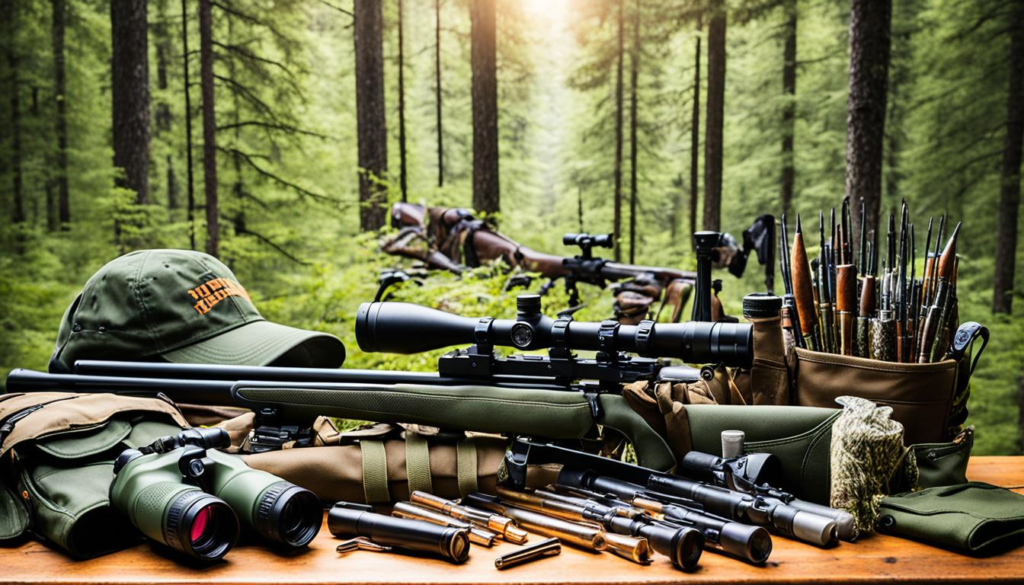
After successfully identifying the types of permits for different seasons in your country/location, you need to also identify the hunting equipment rules before you set out to choose your hunting gear. For starters, you should get a set of Firearm Safety and Archery Gear that fits the game you’re after.
Ensure that your guns are working well and you know how to use them. As a hunter, you should be prepared for any weather changes therefore, adding the right clothes and gear is necessary.
As part of your preparation, you should learn as much as you can about the Terrain you are going to hunt in. Foreknowledge of the what challenges you might face, will help you brace yourself accordingly.
To effectively do this, keep up with the weather forecast and be open to unexpected weather changes, as well. Be prepared, at all times!
Ethical Hunting
Ethical hunting are hunting practices that respect animal welfare and the environment. The aim of ethical hunters is to minimize suffering and operate within legal and fair regulations.
To ensure compliance with ethical hunting principles, we will examine a few things:
- On-Site Safety Protocols
First things first, don’t be a loner. In situations where you should be a loner, be sure to always tell a trusted friend your hunting plans, including when you’ll be back. This information could come in handy should anything unexpected happen.
While you may have informed a trusted person, it is still important to carry a phone or radio with you. These can be your link to help if an emergency comes up.
- Wildlife Preservation and Ethical Tenets
The actions (whether positive or negative) of hunters greatly affect wildlife conservation. If bag limits and hunting seasons are followed closesly, overhunting will be prevented and animal populations will be in a healthy balance.
- Respecting the Chronology of Hunting Seasons and Bag Limits
One of the most important things to do to protect biodiversity, is to learn about the the animals you hunt. This will prevent you from harming them by mistake.
Below are 3 key ethical hunting practices you can try:
Ethical Hunting Practices
- Seek humane and effective kills. This reduces suffering and waste.
- Focus on a specific quarry. This helps keep the ecological balance.
- Do not target one species too much. This helps protect the natural food chain, helping all wildlife thrive.
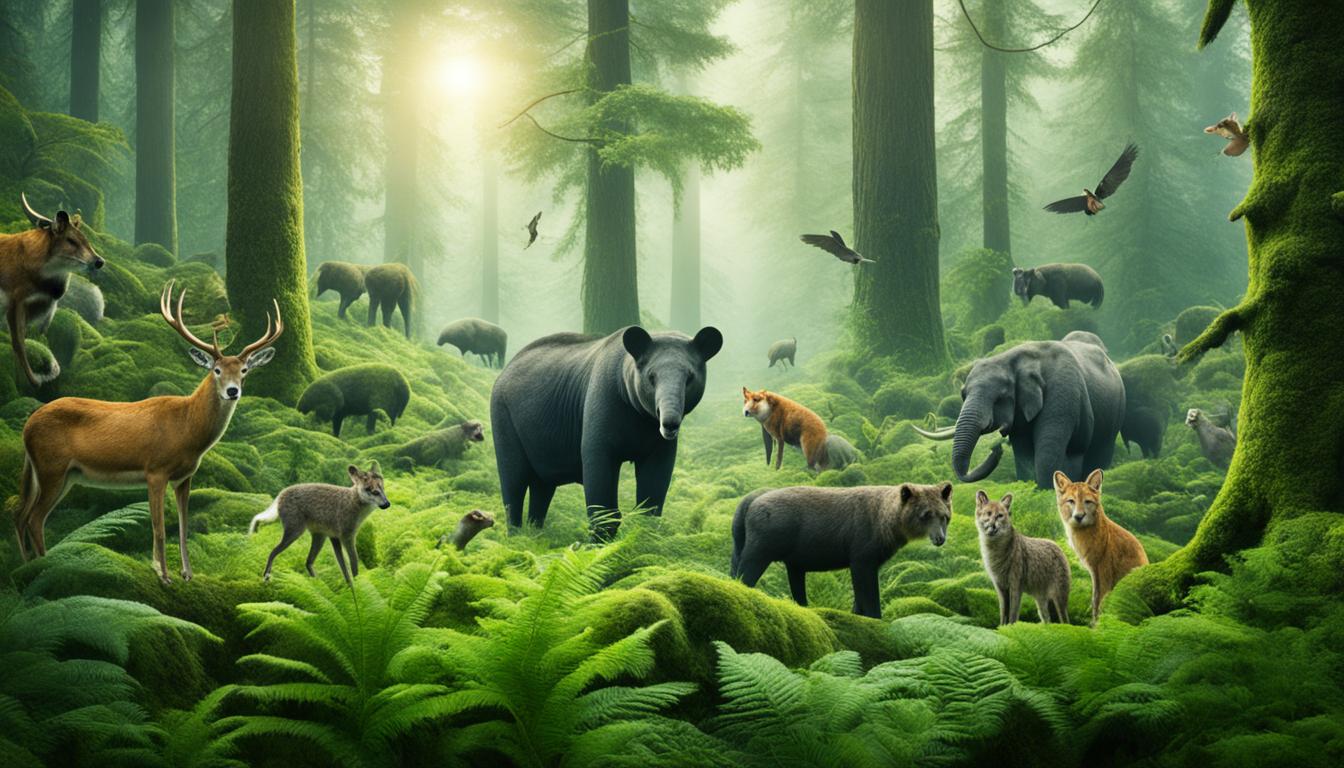
Now you are all equipped to effectively hunt but what happens when something goes wrong during a hunt? How do you deal with unforeseen circumstances that could affect either you or the animals you are hunting?
This is what we are about to learn:
Preparing for Emergencies
To effectively tackle emergencies while hunting, you need to have the right first aid skills. As a hunter, you should always have a good first aid kit, this is vital for treating minor injuries or helping until help arrives.
You should also learn some basic navigation tools like GPS or maps, this will help you find your way if you get lost. For easy reference, keep the 5 points below as a checklist to prepare for emergencies before going on a hunt.
- Learn basic first aid for minor injuries or emergencies that might happen while hunting.
- Know how to handle wildlife, like snake bites or aggressive animals.
- Learn about hypothermia, heat exhaustion, and other weather dangers. Know how to treat them.
- Make a clear plan with your hunting group, including how to communicate and who to call in an emergency.
- Get and learn to use basic navigation tools, like a compass, GPS, or map, to avoid getting lost.
When you are adequately prepared, you can have a safe and fun hunting trip without worrying about what to do in case of an emergency.
In this article, we have provided you with everything you need to do to ensure you are hunting ethically.
On your next hunt, remembe to use what you have learnt to ensure you make the right choices that will keep both you and the animals you hunt, safe for generations.
]]>You’ve most likely also thought about what makes hunting tools different or how you can pick the best one for you?If so, this guide is for you. In a few paragraphs, we’ll look at how your hunting goals, physical abilities, and local laws matter.
You’ll also get to learn about rifle calibers and traditional bows. This will help you make a smart choice for your hunting gear. By the time we are done, this will be your go-to resource for making the best choice for your next hunt.
Choosing The Right Rifle Calibers
Rifle calibers are measures of the internal diameter of the rifle barrel, which corresponds to the size of ammunition that can be fired through it. There are many options, each with its own benefits. But the top choices for deer hunting are the 30-30 Winchester, 30-06, and 308 Winchester.
These rifles are known for their reliable performance, easy handling, and wide ammo selection. Other rifles such as the 300 Winchester Magnum are great for long shots but have a stronger recoil.
Recently though, rifle calibers like the 6.5 Creedmoor and 6.5 Grendel are becoming increasingly popular for their accuracy and gentle recoil. The 7mm-08 Remington is also popular for its mix of power, precision, and easy handling.
In summary, to hunt effectively, you can choose from this list of rifle calibers:
- 30-30 Winchester: Perfect for close-range shots.
- 30-06: For various hunting scenarios.
- 308 Winchester: Perfect for long-range shots.
- 300 Winchester Magnum: Good for long-range performance (Nb: it has a more pronounced recoil).
- 6.5 Creedmoor and 6.5 Grendel: Newer rifles, praised for their accuracy, long-range potential, and light recoil.
- 7mm-08 Remington: Good to gain precise shots with manageable recoil.
While these are guidelines, you should know that choosing the right rifle caliber is a personal decision. Weigh your shooting skills, the terrain, and your preferences.
Choosing The Right Bow
Before you hunt, you have to think about arrow and broadhead types, bow weight, and how it fits you. There are different kind of bows, each with its’s own advantages. Consider these two:
- Recurve bows: These are good for hunting big game because of their power and accuracy.
- Longbows: These are known to be beautiful and work very well with arrows.
For both experienced and new archers, recurve and longbows have a special appeal. Your joy for hunting may be affected by your success in a hunt or otherwise.
We have outlined some factors to consider if you want to decide which equipment is best for your hunting expedition.
Choose Your Hunting Equipment: Rifle Or Bow?
We are just going to look at a few differences which will help you decide which equipment is best for you.
- The recoil factor: Rifles have more recoil which can affect your aim and control. Bows, on the other hand, are smoother and more comfortable for some hunters.
- The range factor: Rifles can shoot farther than bows.
- Accuracy factor: Both rifles and bows can be very accurate. But, the skill and practice needed can differ. Rifles might be easier for beginners.
While your preferance plays a key role in the hunting equipment you can use, legal rules are also important.
You should learn about hunting laws in your country or vicinity and ensure you are using the right hunting equipment and hunting.
That leads us to the next important thing when deciding to choose your hunting equipment.
Understanding Hunting Regulations
As a responsible hunter, knowing hunting rules in your country is key. Following these rules makes hunting safe, ethical, and legal.
Depending on your location, getting the right licenses, when you can hunt and how much you can hunt may vary. But it’s important to learn these rules to be a respected hunter.
As a general rule, ensure you have the following in order:
Licensing and Legal Requirements
Before you go hunting, make sure you have the right licenses and permits. You might need a basic hunting license.
Also be sure to know the hunting regulations, like when you can hunt, how much you can take, and how to hunt in your area/country. These rules change a lot by countries, states or even areas, so be sure to check the specific rules for where you’re hunting.
Verify the checklist:
- Get the needed hunting licenses and permits
- Learn about season dates, bag limits, and allowed hunting methods
- Keep up with any changes to hunting regulations in your area
Hunt responsibly and within the law for a safe and ethical experience.
Mastering Your Weapon
A key to succeeding as a hunter is to practice at the shooting range often. Whether you’re into rifles or archery, regular practice helps you get better at using your gear.
It’s the way to gain the skills needed for hunting well and ethically. Here are a few tips for improving your shooting skillset.
Shooting Positions and Stability
- Prone positions: These are the most stable for long-range shots.
- Standing position: This is quite tough and not the best for stable long-range shots.
- Sitting with support: Support like bipods or tripods, makes you more stable, helping with your precision.
- Kneeling position: With the right setup, kneeling can help you gain more accurate shots.
As a hunting enthusiast, you will have no problem spending time to improve your skills. Choosing the right rifle or bow will lead to more successful and rewarding hunting experiences.
So, get ready for your next hunting trip with the knowledge from this guide. Choose the best rifle or bow, improve your shooting skills, and follow ethical hunting practices.
Happy hunting!
]]>Here’s your ultimate guide to attracting whitetail deer without bait.
Understanding Whitetail Deer Behavior
Whitetail deer are creatures of habit, often following the same trails and feeding patterns. They are also highly sensitive to their environment, relying on their keen senses of smell, sight, and hearing to stay safe.
Seasonal Patterns
- Spring and Summer: Whitetail deer focus on feeding to build up their energy reserves. They are often found in areas with abundant vegetation.
- Fall: This is the breeding season (rut), and bucks become more active and less cautious as they search for does.
- Winter: Deer seek out areas with good cover and food sources to survive the colder months.
How To Attract Whitetail Deer Without Bait
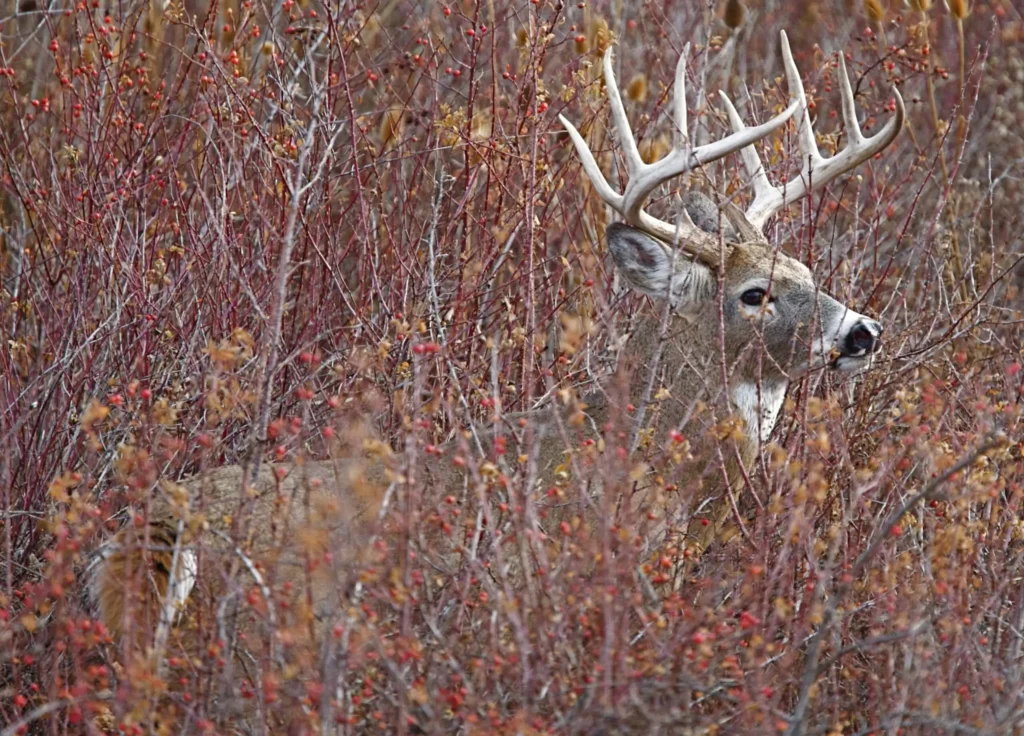
Natural Food Sources
One of the best ways to attract whitetail deer without bait is to provide natural food sources. This can be achieved by enhancing the habitat around your hunting area.
To do this, you can plant native or deer attracting vegetation such as Plant apple, persimmon, or oak trees. These produce acorns, a favorite food of deer. You may also plant shrubs like blackberry, raspberry which provide excellent forage.
Consider building food plots using plants like clover or alfalfa, which are highly attractive to deer. These can be planted in small clearings within the forest.
Maintenance Of Habitat
This can be done through several ways, which include:
- Timber Management: Thinning out certain areas can promote the growth of new vegetation, providing more food and cover for deer.
- Create Edges: Deer love edge habitats where forest meets field. Creating these transitions can make your land more attractive to them.
Cover and Shelter
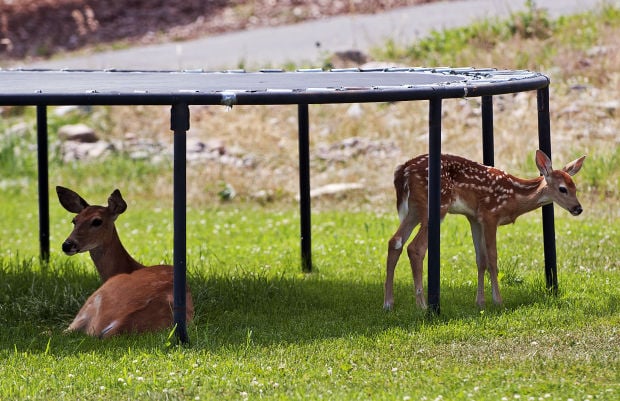
Deer need cover for bedding and protection from predators. Providing ample cover will make them feel safe and increase their likelihood of staying in your area, giving you easy access to them.
Consider making bedding in areas with thick underbrush, fallen trees, and dense shrubs. In colder climates, evergreen trees provide essential thermal cover during winter.
If these natural areas do not exist, you can create brush piles from fallen trees and branches. These can serve as alternate cover. You can also use the hinge cutting technique in creating low cover and promoting new growth.
Scent And Sound
Using scent and sound to your advantage can help lure deer into your hunting area without the use of bait.
You can use natural cover scents, such as earth or pine, to mask your human scent so deer do not smell you and run away.
When it comes to sound, learn to use deer calls effectively. Grunts, bleats, and rattling antlers can simulate the sounds of deer, all these can attract them to your location.
Sometimes, the best approach is to remain as silent as possible, allowing the natural sounds of the environment to take over and make deer feel safe, then you can make your move.
Strategic Hunting Locations
Choosing the right location for your hunt is critical. If you understanding deer movement patterns, you can position yourself in prime spots and make a good hunt!
Let’s examine the number prime spot:
Deer Trails and Travel Corridors
Look for well-worn paths through the woods, often marked by tracks, droppings, and rubs or natural funnels, such as narrow strips of woods between fields.
Mostly natural funnels force deer to move through certain areas, making those areas excellent hunting spots.
Patience and Persistence
Because attracting deer without bait is a more natural approach, it requires patience and persistence.
You will need to spend time scouting your hunting area to observe deer patterns and adjust your strategies accordingly.
While these strategies are good, you should be prepared to change your approach based on what you observe. Deer behavior can change due to various factors, including weather, pressure from other hunters, and changes in food availability.
Conclusion
Attracting whitetail deer without bait is all about working with nature. Doing this rightly pays. When you do find the deer, be sure to make ethical shots and aim for quick, humane kills.
Respect private property, follow local regulations, and ensure that you leave the environment better than you found it.
This ensures that the deer population remains healthy and sustainable and you get to enjoy more hunting seasons.
]]>