
In recent years, the growing presence of deer in urban and suburban areas has become a topic of increasing concern for wildlife managers, ecologists, and even local residents. While urban deer populations may seem like a distant issue for hunters who primarily focus on rural or wilderness areas, the reality is that this phenomenon has significant implications for hunting traditions, wildlife management, and conservation efforts. Hunters, as stewards of the land and key players in wildlife population control, should pay close attention to the rise of urban deer and the challenges it presents.
The Rise of Urban Deer Populations
Deer are highly adaptable creatures, and their ability to thrive in urban environments is a testament to their resilience. As cities and suburbs expand into previously rural areas, deer have found new habitats that provide ample food, shelter, and protection from predators. Landscaped gardens, ornamental plants, and the absence of natural predators make urban areas an ideal refuge for deer. This has led to a surge in deer populations in places where they were once uncommon.
While this might seem like a positive development for wildlife enthusiasts, the overpopulation of deer in urban areas has created a host of problems. From increased vehicle collisions to the destruction of gardens and ecosystems, urban deer are becoming a nuisance for many communities. However, the implications for hunters are equally significant.
Challenges for Hunters
- Limited Access to Hunting Opportunities
Urban deer populations are often located in areas where hunting is either restricted or entirely prohibited due to safety concerns and local ordinances. This means that hunters have limited opportunities to participate in managing these populations, even though they are often the most qualified to do so. As a result, deer in urban areas continue to grow unchecked, leading to overpopulation and its associated problems. - Public Perception of Hunting
The presence of urban deer has sparked debates about how to manage these populations. While hunting is one of the most effective and sustainable methods of controlling deer numbers, it is often met with resistance in urban areas. Many residents who are unfamiliar with hunting view it as inhumane or unnecessary, preferring alternative methods such as sterilization or relocation. However, these methods are often costly, less effective, and impractical for large-scale population control. This disconnect between hunters and urban residents can further erode public support for hunting as a legitimate wildlife management tool. - Ecological Imbalance
Overpopulated deer herds can have devastating effects on local ecosystems. In urban areas, deer often overgraze on native plants, leading to a loss of biodiversity and the degradation of habitats for other wildlife species. This ecological imbalance can extend beyond urban boundaries, affecting rural areas where hunters traditionally operate. For example, if urban deer populations are left unmanaged, they may eventually migrate to nearby rural areas, putting additional pressure on already strained ecosystems. - Disease Transmission
High deer densities in urban areas increase the risk of disease transmission, such as chronic wasting disease (CWD) and Lyme disease. These diseases threaten deer populations and pose risks to humans and other animals. Hunters, often on the front lines of monitoring and managing wildlife health, may deal with the consequences of unchecked urban deer populations.
Opportunities for Collaboration
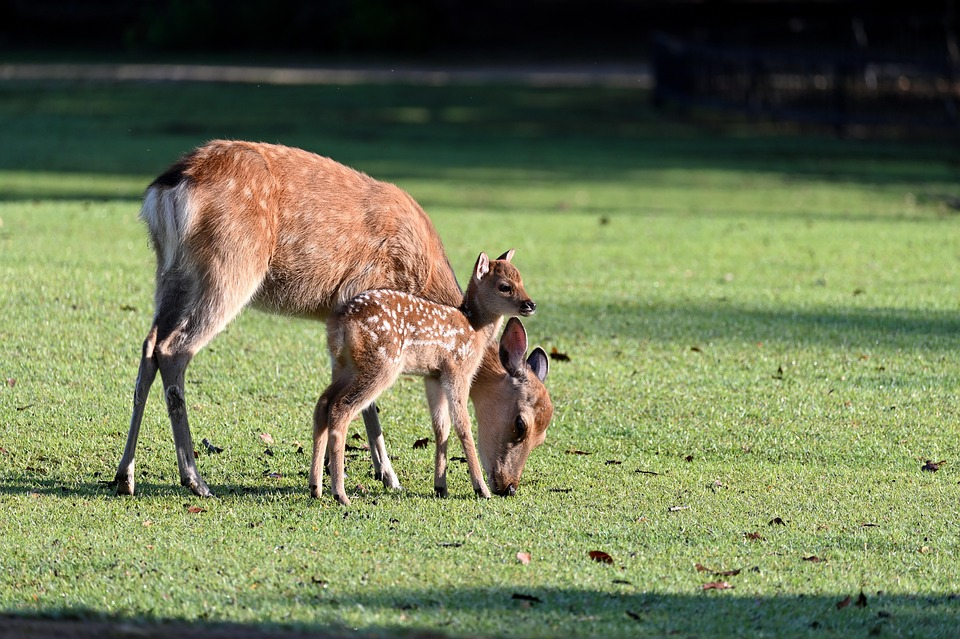
Despite these challenges, the rise of deer also presents an opportunity for hunters to engage with their communities and advocate for responsible wildlife management. By working with local governments, wildlife agencies, and urban residents, hunters can help bridge the gap between rural traditions and urban realities.
- Education and Outreach
Hunters can play a crucial role in educating the public about the importance of hunting as a tool for wildlife management. By sharing their knowledge and experiences, hunters can help dispel misconceptions and build support for sustainable hunting practices in urban areas. - Advocating for Controlled Hunts
In some urban areas, controlled hunts or culls have been implemented as a way to manage deer populations. Hunters can advocate for these programs, emphasizing their effectiveness and safety when conducted by trained professionals. By participating in or supporting controlled hunts, hunters can demonstrate their commitment to responsible wildlife management. - Promoting Conservation Efforts
Hunters have long been champions of conservation, funding many wildlife management programs through licenses and fees. By highlighting the role of hunting in conservation, hunters can strengthen their position as key stakeholders in addressing urban deer issues.
Conclusion
The rise of urban deer populations is a complex issue that requires careful consideration and collaboration. For hunters, it represents both a challenge and an opportunity to reaffirm their role as stewards of the land. By engaging with urban communities, advocating for responsible management practices, and promoting the benefits of hunting, hunters can help address the problems associated with urban deer while ensuring the sustainability of their traditions. The future of hunting depends on our ability to adapt to changing landscapes, both literally and figuratively, and urban deer are a reminder of the importance of this ongoing effort.
As hunters, we must recognize that the boundaries between urban and rural are becoming increasingly blurred. By taking an active role in addressing deer populations, we can protect our hunting heritage, support conservation efforts, and foster a greater understanding of the vital role hunters play in maintaining healthy ecosystems
]]>Usually deer would visit your yard for three main reasons: they like certain plants, need water or are looking for lawn fungi.
So whether you want to make your yard less inviting or more inviting to deer, this article is for you.

Plants That Attract Deer to Your Yard
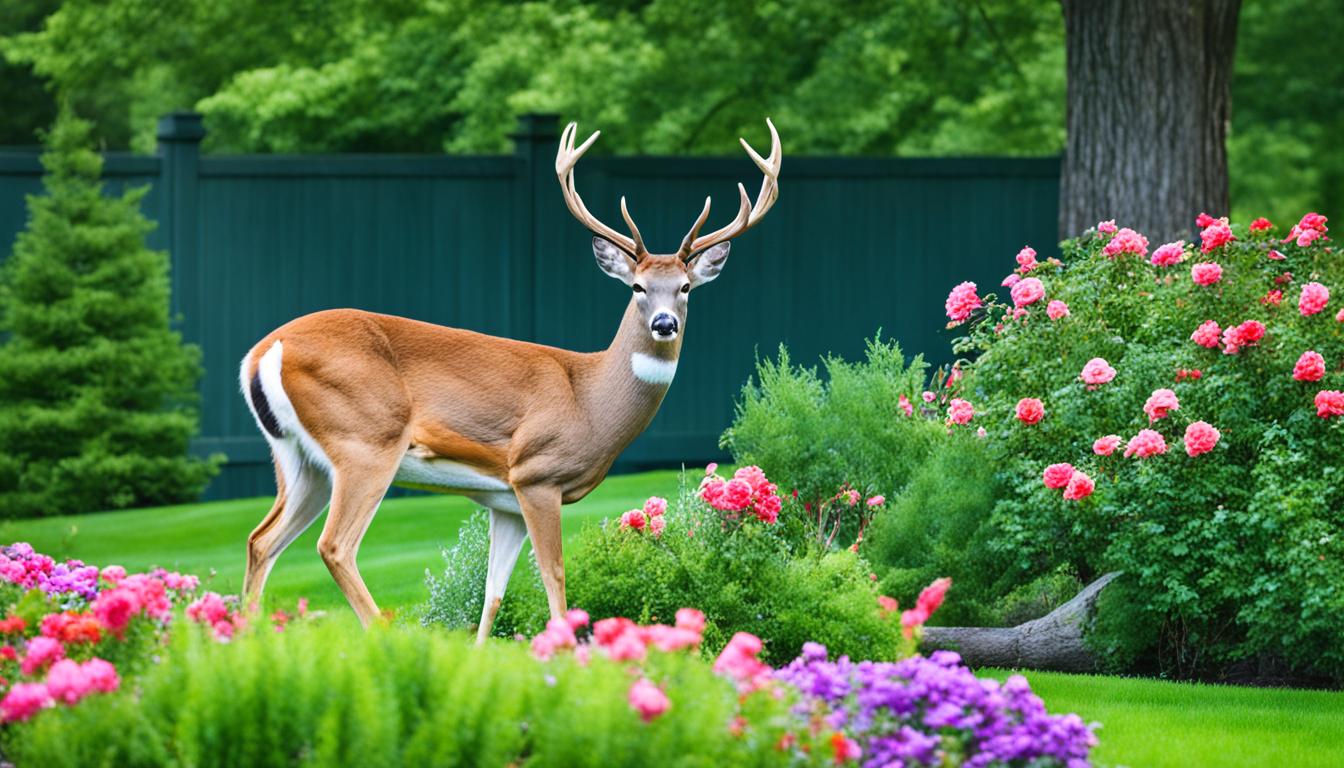
Most times deer are attracted to yards because of the plants they love. Everyday plants such as twigs, berries, fruits, and flowers serve as deer food. Since these plants are perfect for deer to eat, having them in your yard makes it a tempting spot for them.
Deer are drawn by the greenery and food in yards.
Twigs
Twigs are a good source of nutrients for deer, especially during seasons when other food sources may be scarce.
In the winter, when fresh green vegetation is not as readily available, deer will turn to browsing on twigs and branches to meet their nutritional needs.
Additionally, twigs help deer wear down their teeth, which continue to grow throughout their lives.
Blackberry
Deer are opportunistic feeders therefore will forage on a variety of plant materials depending on what is available in their environment. So when blackberry bushes are in season, you can be sure they will attract deer.
Blackberries are also rich in essential nutrients such as vitamins, minerals, and antioxidants, which can help deer maintain their health. Their high water content can also help keep deer hydrated, especially during dry periods.
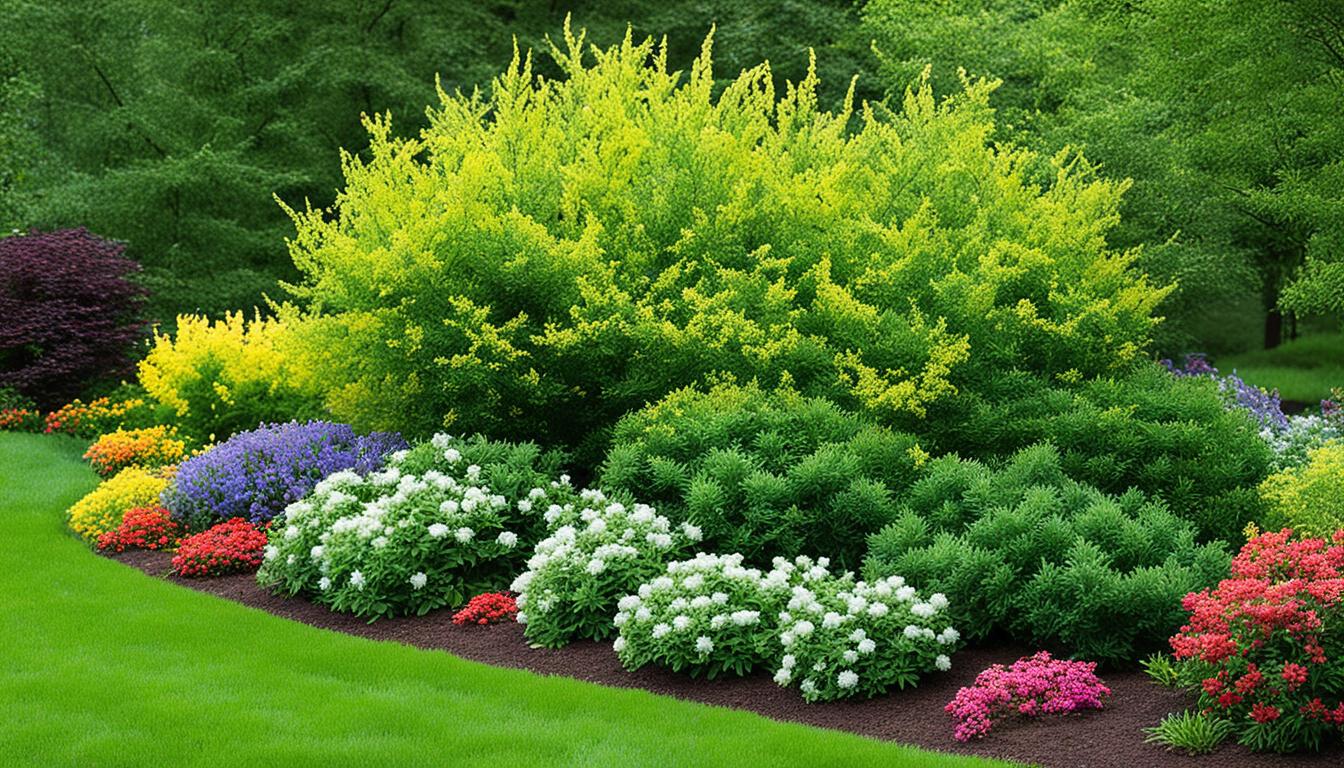
Spicebush
Spicebush produces aromatic leaves and berries, which can be appealing to deer due to their taste and scent.In some cases, deer may also consume spicebush as a natural medicine.
Spicebush contains compounds that have been traditionally used for their medicinal properties, such as anti-inflammatory and anti-parasitic effects.
Like many other animals, deer have been observed to exhibit a form of self-medication by seeking out specific plants that can help with their health.
Flowers
While flowers are not typically a staple in a deer’s diet, they may consume them opportunistically, especially if other food sources are limited.
Some flowers contain sugars that can be appealing to deer due to their sweet taste. Deer may be attracted to flowers with bright colors and strong scents, as these characteristics can signal the presence of nectar or other food sources.
Additionally, flowers are often high in water content, which can help keep deer hydrated, especially during dry periods.
Rhododendrons
Deer are known to have a preference for eating rhododendrons because of their taste, toxin tolerance and availability.
- Taste: Rhododendrons have large, lush leaves that are flavorful and nutritious, making them a tasty treat for deer.
- Toxin tolerance: Deer have a higher tolerance for certain toxins found in rhododendron leaves compared to other animals. While rhododendrons contain toxic compounds called grayanotoxins, deer are able to consume them in small amounts without adverse effects.
- Availability: Rhododendrons are commonly found in landscaping and garden settings, making them easily accessible food sources for deer, especially when other preferred food sources are scarce.
These are a few tasty plants that are easy to plant in many yards. If you have these in your yard and stay close to deer, you are bound to find them there.
Aside from these plants, deer also need a lot of water, so they look for ponds, birdbaths, or even half-filled kiddie pools. These spots are perfect for them to drink and cool off, especially when it’s dry.
Plants That Deter Deer From Your Yard
Just as there are plants that attract deer, there are many plants that can keep them away. These plants are less appealing to deer because of their strong smells, rough textures, or poisonous parts.
Studies show deer prefer plants that have been fed more than those that haven’t. They also avoid plants with strong smells and prickly leaves. Some great plants that deer don’t like include:
Brunnera
The natural chemical composition, texture, taste, and aroma of Brunnera plants likely contributes to why deer do not typically eat or like these plants.
Let’s look at these in more detail:
- Toxicity: Brunnera plants contain compounds that are unpalatable or even toxic to deer. Certain tannins in the leaves or flowers of Brunnera plants may cause digestive issues or discomfort if consumed by deer.
- Texture and taste: The texture and taste of Brunnera leaves may not be appealing to deer. They have fuzzy or hairy leaves, which can deter deer from feeding on them.
These reasons make Brunnera a good choice for landscaping in areas where deer browsing is a concern.
Lily-of-the-valley
The combination of toxicity and bitter taste contributes to why deer do not like or eat Lily of the Valley plants.
Lily of the Valley (Convallaria majalis) is highly toxic to animals, including deer, if consumed in significant quantities. The plant contains cardiac glycosides, which can have serious effects on the heart and other organs if ingested.
Deer can instinctively avoid plants that are known to be toxic, and the presence of these compounds likely deters them from feeding on Lily of the Valley.
Aside from that, lily of the valley leaves also have a bitter taste, likely due to the presence of the toxic compounds. Deer, like many animals, have a sense of taste that helps them distinguish between safe and potentially harmful foods.
Deer will therefore avoid the Lily of the Valley plant because it is bitter.
Lungwort
The main reason deer will not eat Lungwort plants is because they contain alkaloids or saponins which can cause digestive issues, neurological effects, or other adverse reactions in deer.
Lungwort leaves may also leave a bitter taste when consumed. This makes them a plant that is avoided by deer.
Juniper
Deer tend to avoid eating Juniper plants for a few reasons, these include:
- Aromatic Resin: Juniper plants contain an aromatic resin that gives them their characteristic scent. This resin has a strong, pungent aroma that can be unappealing to deer. Deer rely on their sense of smell to detect potential food sources and may instinctively avoid plants with strong or overpowering scents like Juniper.
- Bitter Taste: Juniper foliage has a bitter taste that may deter deer from feeding on it. Like many animals, deer have taste preferences that help them avoid bitter or unpalatable foods.
- Prickly Texture: Juniper plants have needle-like leaves that can be prickly and difficult for deer to consume. The sharp needles of Juniper foliage can make it unappealing for deer to browse on, as they may cause discomfort or irritation to the deer’s mouth and digestive tract.
- Toxicity: Some species of Juniper, such as the Eastern Red Cedar (Juniperus virginiana), can be toxic to deer if consumed in large quantities.
Bee Balm
The major reason deer are less likely to feed on this plant is because Bee Balm plants have a distinctive and strong aroma that acts as a natural deterrent to deer.
Their leaves and flowers give off a pungent and spicy flavor that deer may find unpalatable.
You should know: No plant is completely safe from deer, but choosing deer-resistant plants helps a lot. By picking tough plants, you can have a beautiful garden without worrying about deer damage.
Conclusion
Depending on your preference, deer can either be big problems or lovely companions.
If you want to keep your yard deer-full, you now know what attracts them. If you want to keep your yard deer-free, you know what repels them.
Whichever way you choose, these plants can be helpful in making your outdoor space look appealing.
]]>Deer are known for their incredible agility. They can leap over obstacles with ease. But how high can they really jump over a fence?
In this article, we will explore what makes their jumping abilities so impressive.
Exploring Their Astonishing Leaping Abilities
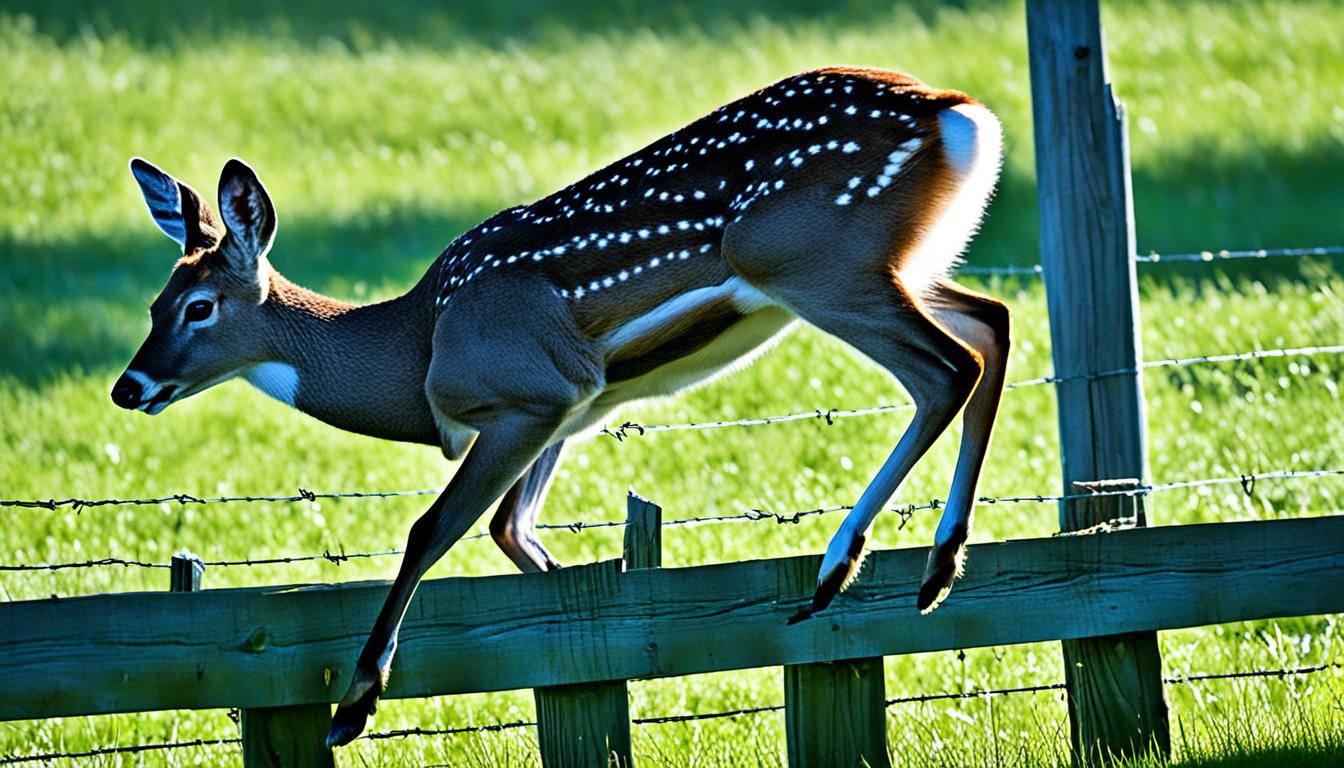
Deer have special traits that help them move through their world with ease. These include their strong back legs, flexible joints, and powerful haunches that allow them to jump high. It is not surprising to see deer jumping over a fence that is about 8 feet tall, this goes to show just how agile they are.
They can jump over fences and cross tough terrain with ease. But what makes their jumping so impressive, let’s look into that:
Factors Influencing Deer Jumping Over A Fence
Understanding the different deer types and their unique physical traits sheds light on how these creatures navigate obstacles in their environment.
Interesting though, is how the variations in physical traits (type), their age or health directly impact the capabilities of deer jumping over a fence.
Let’s talk more about this:
Deer Jumping Capabilities: Mule Deer Vs White-Tailed Deer
The capacity of a deer jumping over a fence depends a lot on the type of deer it is. Deer come in various types, each with distinct physical characteristics that influence their ability to jump over fences.
The two main types of deer are mule deer and white-tailed deer. Mule deer can jump higher and farther than whitetail deer. They are known for their larger size and longer legs, which provide them with powerful jumping abilities.
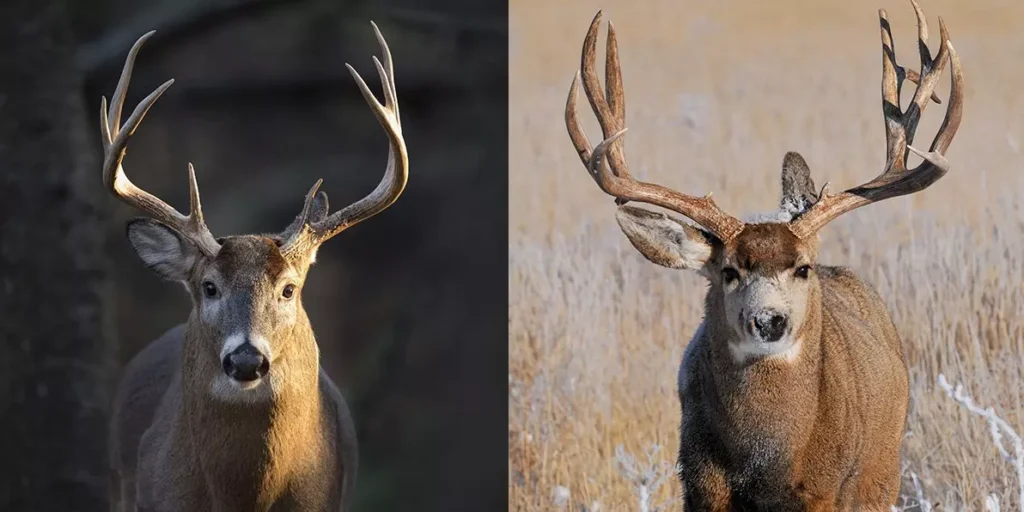
Their robust build enables them to jump higher over fences that would pose a challenge to other species. Mule deer can jump 8-10 feet high and 35 feet across.
Whitetail deer on the other hand are smaller in size than mule deer. They are well-known for their quick movements which enables them to maneuver through tight spaces and make rapid, precise jumps over fences.
Due to their smaller nature, they have increased agility and speed which allows them to navigate various terrains with ease. White-tailed deer can jump up to 6-8 feet high and 30 feet across.
Deer Jumping Capabilities: Age And Health
As deer age and their health condition changes, so does their physical strength, agility, and overall jumping capabilities. Younger deer, such as fawns and younger adults, typically have more energy, allowing them to leap over fences with much ease.
However, as time goes on, the capabilities of deer jumping over a fence reduces. The jumping abilities may be affected by factors such as muscle strength, joint health, and overall physical condition.
Older deer, for instance, may experience decreased muscle tone and flexibility, which can hinder their ability to make powerful jumps over fences.
Evidently, in terms of health, a healthy deer with a well-balanced diet and good physical condition is more likely to have the strength and stamina to successfully jump over a fence than a malnourished or deer suffering from health problems.
Comparison with Other Leaping Animals
Deer exhibit impressive agility just like other animals in the world. Some of them include:
- Kangaroos: Which can jump 3-4 feet high and 40 feet across.
- Red foxes: Which can jump 3-4 feet high and 20 feet across.
Deer are great jumpers and are typically known for their vertical jumping ability but some animals can leap even higher.
Nonetheless, their ability to jump over fences and through tough terrain is fascinating!
Anatomy of a Deer’s Jump
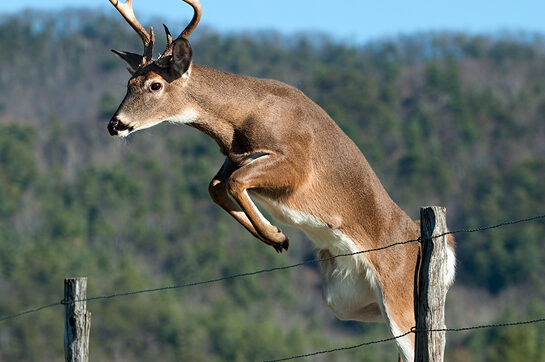
The muscles and bones in a deer’s legs give them the ability to jump over a fence. Deer have long legs and strong muscles in their back legs which lets them jump high and far. These leg muscles, known as quadriceps and hamstrings, are key to their jumping.
Deer also have a flexible spine and bones that are both light and strong. These help them jump with great agility and grace.
Deer Leap Mechanics: Leg Muscles
A deer’s jump has several stages. First, it gets ready by crouching and coiling its muscles. Then, it pushes off the ground with its back legs to start moving fast.
While in the air, the deer pulls its legs in to cut down on wind resistance. When it lands, it stretches its legs to soften the impact and keep its balance.
Deer can jump from stillness, but they can go even higher and farther if they run first. This speed helps them jump higher and farther.
Behavioral Context of Jumping
Deer have an amazing ability to jump, which is crucial for their survival. They are always on the lookout for predators like wolves, coyotes, mountain lions, and bears.
When danger comes, deer know to run fast, and their jumping skills help them get away.
Running from Predators and Danger
When deer are being pursued by predators, they rely on their inherent speed, agility, and instincts to try and escape. Deer reactions to danger are in 5 ways;
- Alertness: When they sense danger, their initial response is to freeze and assess the situation to determine the best course of action
- Flight Response: deer determines that it is being pursued by a predator, its natural instinct is to run. Deer are known for their swift and graceful running ability, reaching speeds of up to 30-40 miles per hour in short bursts.
- Zig-Zag Running: To evade predators, deer may employ a zig-zag running pattern, making quick changes in direction to throw off their pursuer.
- Jumping over obstacles: Deer are skilled jumpers and will leap over obstacles such as fallen trees, bushes, or streams to create distance between themselves and the predator.
- Seeking Cover: If possible, deer may seek refuge in dense vegetation or wooded areas to hide from predators. Their natural camouflage helps them blend into their surroundings, making it harder for predators to spot them.
In cases like this, a deer jumping over a fence that is up to 8 feet high is a regular occurrence.
Jumping as Part of Mating Rituals
Jumping is also key in deer mating. During mating season, male deer (bucks) jump high and twist in mid-air.
They do this to show off their strength as a way of attracting females and to prove they’re a good mate.
Deer Interactions with Human
The abilities of deer jumping over a fence makes it hard for gardeners and landscapers to keep their plants and gardens safe from deer.
Deer are very good at finding food and because they can jump over many fences, gardeners may find themselves struggling to keep deer out of their gardens.
Deer Jumping over A Fence: Strategies To Keep Them Out
To keep deer away, gardeners use a mix of strategies. Just one type of fence or barrier isn’t enough because deer can find ways around them. The best way is to use different fences like woven wire, electric fences, and two low fences with a gap. Adding repellents and scare tactics also helps.
It’s important to keep these barriers in good shape because hungry deer will keep trying to get through.
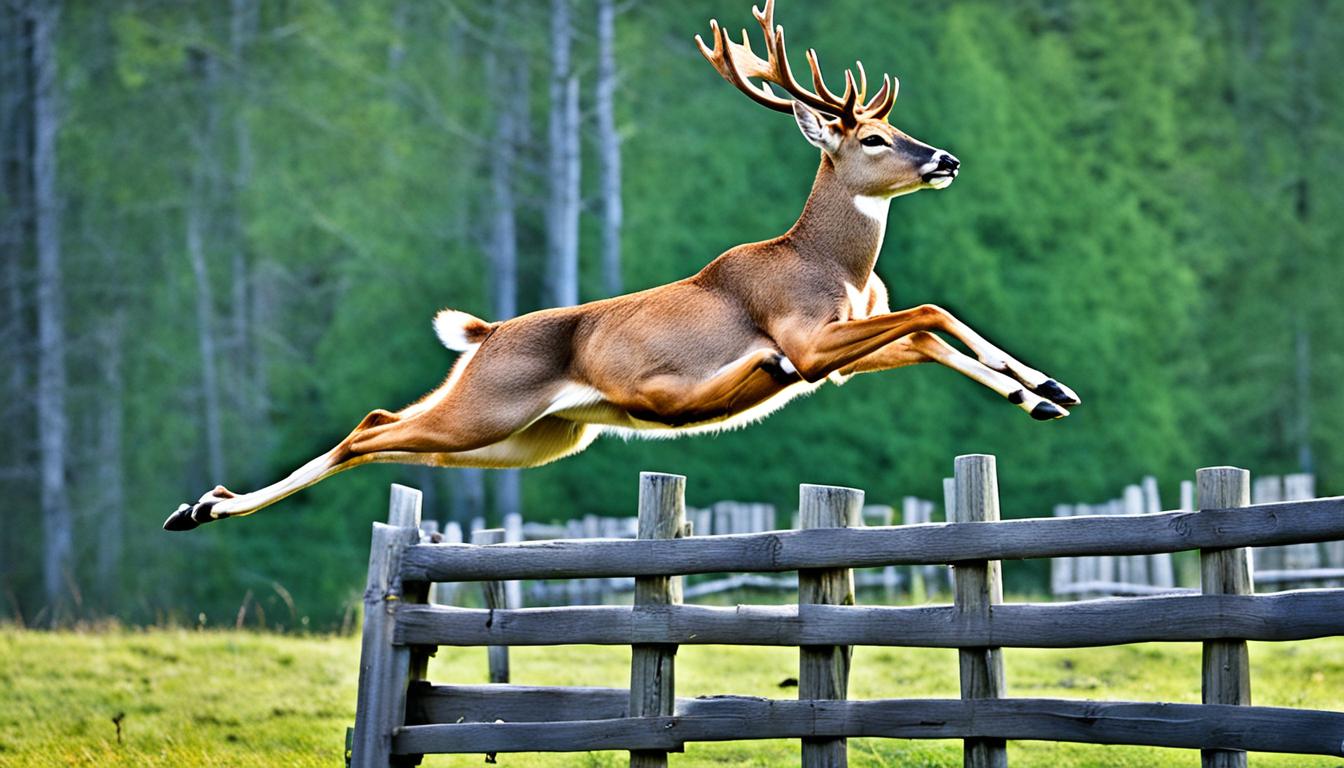
Design and Effectiveness of Deer Fences
Deer fences are key for those who want to keep their land and crops safe from deer. Each type, that is, wire, electric fences or poly tape has its own unique way of keeping deer away.
Materials and Heights: What’s Effective?
Woven wire fences that are 7-8 feet tall work best against deer. They can stop deer from jumping over because of their strong build. Electric fences and poly tape fences that are 3-4 feet tall can also keep deer away but need more upkeep.
Regardless of the fence you are using, it is important to make sure the fence fits tightly at the bottom. This will prevent stubborn deer who can squeeze through small gaps.
For electric fences, the total height should be at least 60 inches. Keeping the wire tight, about 250 pounds, is also key for the fence to work well.
Erecting a 7- to 8-foot fence will discourage all but the most determined deer from attempting to jump over. Deer typically seek the path of least resistance and are likely to avoid a 7- to 8-foot fence if other food sources are available.
To make deer fences even better, you can add some extra features. For example:
- Barbed wire: Adding at least one strand of barbed wire on top can help keep deer away.
- Electric shock: A multi-strand electric fence angled at 45 degrees can act as a “pain barrier” for deer.
- Peanut butter fences: Putting peanut butter on the fence can be a good way to keep deer out of small areas or gardens.
- Using PlotSaver: This is an egg-smelling liquid concoction that can be applied to a fence which is under 4 feet high. It can be effective at deterring deer.
In summary, while deer are capable of impressive jumping feats, with the right fence design and deterrents, it is possible to effectively keep them at bay and prevent them from accessing areas where their presence may be unwanted.
Conclusion
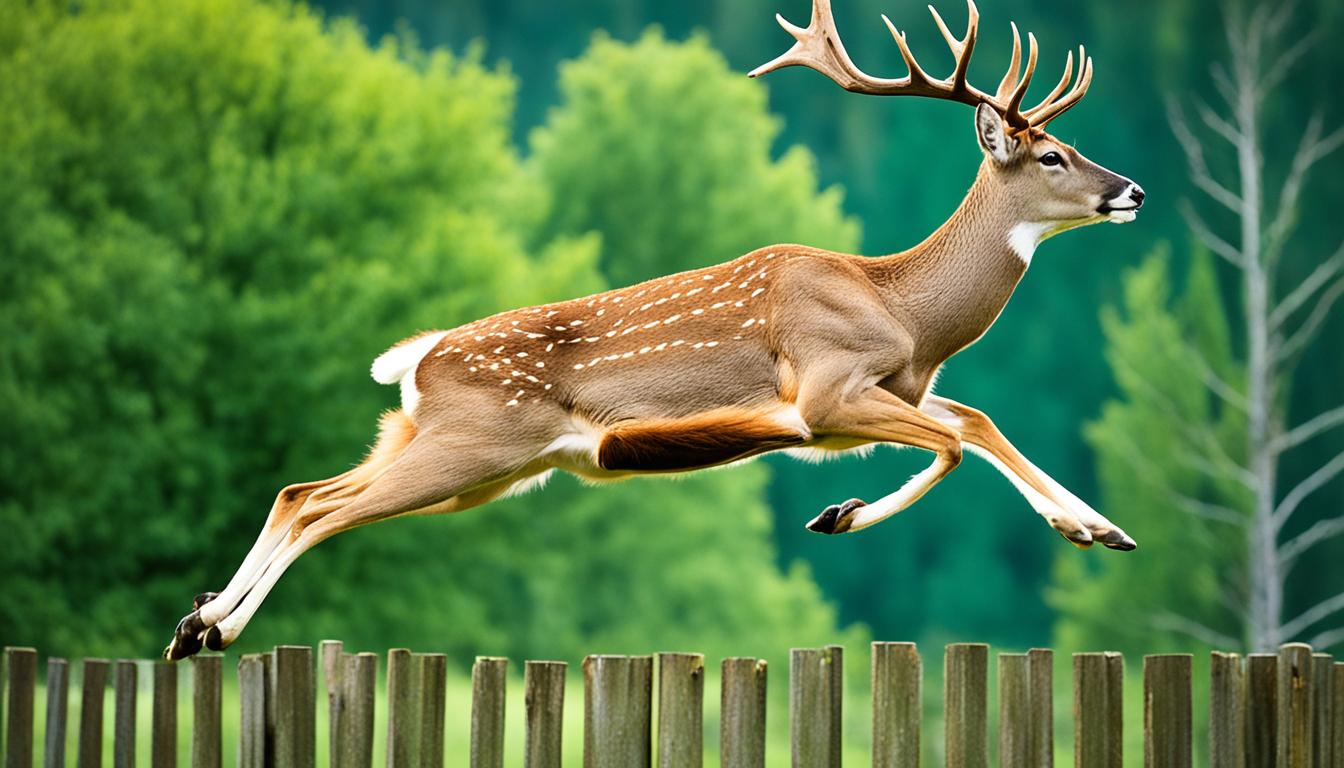
Deer are remarkable athletes! Understanding and appreciating their jumping capabilities adds to the awe of observing these graceful creatures in the wild.
Though they may pose some challenges, with the strategies given in this article, you can tackle these challenges and live peaceably with these amazing animals.
Protect your land and respect where deer live. Everybody wins!
]]>