Venison, the lean and flavorful meat from deer, has been a prized protein for centuries. Unlike commercial meats, wild venison offers a unique taste and exceptional nutritional benefits—but it requires special handling to bring out its best qualities. This guide offers you just what you need.
Whether you’re a hunter processing your own harvest or a home cook exploring new ingredients, this comprehensive guide will walk you through selecting, preparing, and cooking venison to perfection.
Why Choose Venison?
Before diving into preparation methods, let’s examine why venison deserves a spot in your kitchen:
- Lean & Nutritious: With 50% less fat than beef but higher protein and iron content, venison is a powerhouse of nutrition.
- Sustainable Choice: Wild deer are free-range, grass-fed, and free from antibiotics or hormones.
- Rich, Earthy Flavor: When handled properly, venison offers a deep, robust taste that stands out in any dish.
Now, let’s explore how to make the most of this exceptional meat.
1. Selecting High-Quality Venison
The journey to perfect venison starts at the source.
Field Dressing & Aging
Proper field dressing is crucial. Gut the deer as soon as possible to prevent bacterial growth and spoilage. Many hunters swear by hanging the carcass for 3–7 days in a cool environment (34–40°F / 1–4°C) to enhance tenderness and flavor.
Evaluating the Meat
- Color: Fresh venison should be deep red, not brown or gray.
- Smell: It should have a clean, slightly sweet aroma—avoid any sour or off odors.
- Texture: Younger deer (fawns or yearlings) yield more tender meat than older bucks.
Pro Tip: If purchasing from a butcher, ask about the deer’s age and how it was processed.
2. Proper Storage & Handling
Venison’s low fat content makes it prone to drying out, so proper storage is key.
Refrigeration & Freezing
- Short-Term Storage: Keep fresh cuts refrigerated below 40°F (4°C) and use within 2–3 days.
- Freezing: For long-term storage, vacuum-seal portions to prevent freezer burn. If using freezer paper, wrap tightly and label with dates.
- Thawing: Always thaw slowly in the refrigerator—never at room temperature.
Avoid Refreezing: Once thawed, cook venison immediately for the best texture.
3. Preparing Venison for Cooking
Trimming & Cleaning
- Remove Silver Skin: The thin, silvery membrane on cuts like backstrap can be tough if left on.
- Trim Excess Fat: Unlike beef, deer fat doesn’t render well and can taste gamey.
Tenderizing Techniques
- Marinating: Acidic ingredients like red wine, vinegar, or citrus juices help break down muscle fibers.
- Brining: A saltwater soak (or buttermilk bath) can reduce gaminess and improve moisture retention.
- Mechanical Tenderizing: For tougher cuts, use a meat mallet or Jaccard tenderizer.
4. Best Cooking Methods for Venison
Because venison is so lean, the wrong cooking method can leave it dry and tough. Here’s how to cook it perfectly.
Grilling & Searing (Best for Tender Cuts)
- Ideal Cuts: Backstrap, tenderloin, or rib chops.
- Method: Sear over high heat to medium-rare (130–140°F / 54–60°C).
- Pro Tip: Baste with butter or olive oil to prevent drying.
Slow Cooking & Braising (Best for Tough Cuts)
- Ideal Cuts: Shanks, shoulder, or neck.
- Method: Cook low and slow in broth, wine, or beer until fork-tender.
- Recipe Idea: Try a classic venison stew with root vegetables and herbs.
Ground Venison (Versatile & Easy)
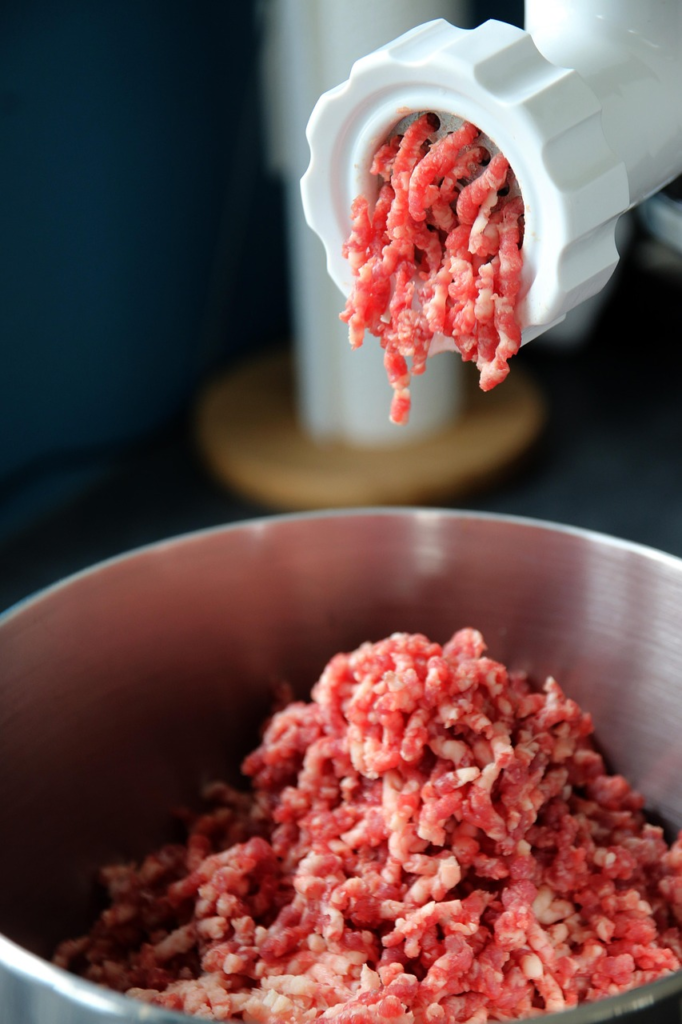
- Mix with Fat: Blend with 10–20% pork or beef fat for juicy burgers or meatloaf.
- Recipe Ideas: Tacos, chili, or Bolognese sauce.
5. Flavor Pairings & Serving Suggestions
Venison’s rich flavor pairs beautifully with bold, earthy, and aromatic ingredients.
Best Herbs & Spices
- Rosemary, thyme, sage
- Juniper berries, black pepper, garlic
- Red wine, mustard, balsamic glaze
Side Dishes to Complement Venison
- Creamy mashed potatoes
- Roasted Brussels sprouts
- Wild rice pilaf
- Cranberry sauce
Final Thoughts
Venison is a rewarding meat to work with—once you master the basics. By selecting high-quality cuts, storing them properly, and cooking with care, you’ll unlock its full potential.
Want to take it further? Experiment with smoking venison, making jerky, or trying global recipes like venison curry or stir-fry.
Have a favorite venison dish? Share your tips in the comments below!
]]>
Deer hunting is a time-honored tradition for many, providing not only a rewarding outdoor experience but also a sustainable source of lean, protein-rich meat. Once you’ve harvested your deer, preserving the meat is essential to ensure it stays fresh and flavorful for months to come. While freezing is a popular option, canning deer meat is an excellent alternative that saves freezer space and provides ready-to-eat meals with a long shelf life. In this guide, we’ll walk you through a safe and simple method for canning deer meat at home.
Why Can Deer Meat?
Canning deer meat offers several advantages:
- Long-Term Storage: Properly canned meat can last for up to a year or more, making it a great option for stocking your pantry.
- Convenience: Canned deer meat is fully cooked and ready to use in soups, stews, casseroles, or even as a standalone dish.
- Space-Saving: Unlike freezing, canning doesn’t require valuable freezer space.
- Flavor Retention: Canning preserves the natural flavor and tenderness of the meat, often enhancing it with the addition of broths or seasonings.
Safety First: The Importance of Proper Canning Techniques
Canning meat requires careful attention to safety to prevent the growth of harmful bacteria, such as Clostridium botulinum, which can cause botulism. To ensure safety, always use a pressure canner when canning meat. Unlike water bath canning, which is suitable for high-acid foods like fruits and pickles, pressure canning reaches the high temperatures necessary to safely preserve low-acid foods like meat.
What You’ll Need
Before you begin, gather the following supplies:
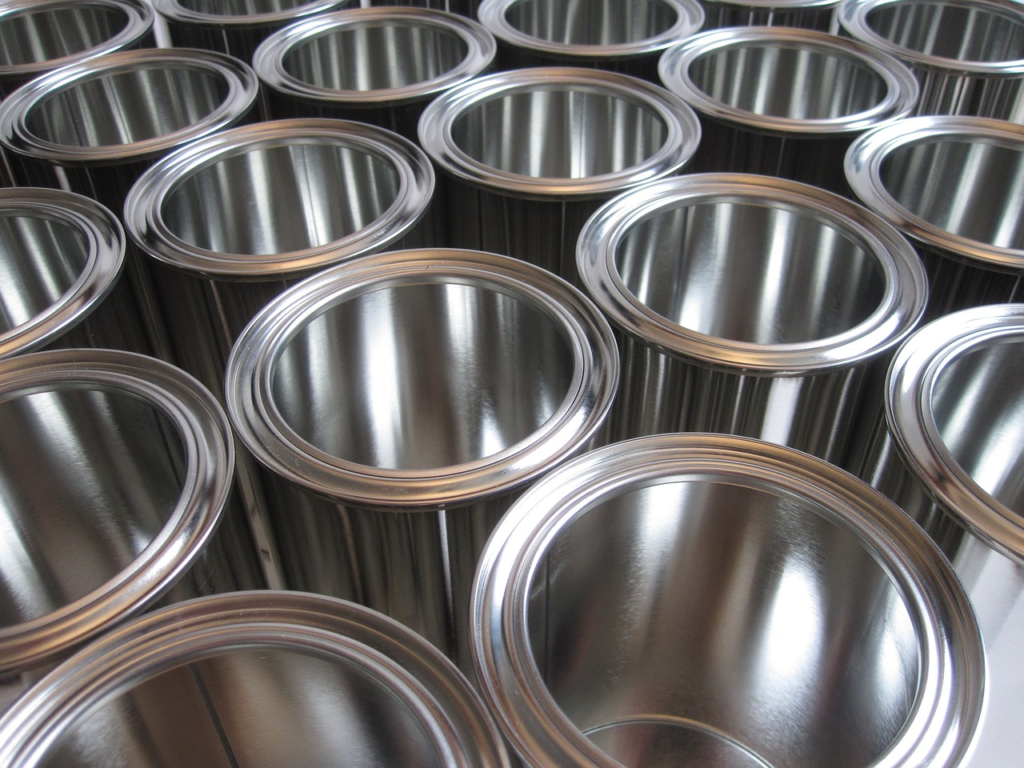
- A pressure canner
- Canning jars (quart or pint-sized) with lids and bands
- A jar lifter and canning funnel
- A sharp knife and cutting board
- Deer meat (trimmed of fat and connective tissue)
- Salt (optional, for flavor)
- Broth or water (for packing the jars)
- A clean workspace and clean towels
Step-by-Step Guide to Canning Deer Meat
Step 1: Prepare the Meat
Start by trimming the deer meat of any excess fat, sinew, or connective tissue. Fat can become rancid over time, so it’s important to remove as much as possible. Cut the meat into chunks, strips, or cubes, depending on your preference. Some people prefer to brown the meat lightly in a skillet before canning, but this is optional.
Step 2: Sterilize the Jars and Lids
Wash your canning jars, lids, and bands in hot, soapy water, then rinse thoroughly. Place the jars in a pot of boiling water or run them through a dishwasher cycle to sterilize them. Keep the jars hot until you’re ready to fill them.
Step 3: Pack the Jars
Using a canning funnel, pack the prepared deer meat into the sterilized jars. Leave about 1 inch of headspace at the top of each jar to allow for expansion during processing. You can add a pinch of salt to each jar for flavor, if desired. Then, fill the jars with boiling water, broth, or tomato juice, maintaining the 1-inch headspace.
Step 4: Remove Air Bubbles
After filling the jars, use a non-metallic utensil (like a plastic spatula) to remove any air bubbles by gently pressing along the sides of the jar. Wipe the rims of the jars with a clean, damp cloth to ensure a proper seal.
Step 5: Secure the Lids
Place the sterilized lids on the jars and screw on the bands until they are fingertip-tight. Avoid over-tightening, as this can prevent air from escaping during processing.
Step 6: Process in the Pressure Canner
Place the filled jars in the pressure canner, following the manufacturer’s instructions for your specific model. Add the recommended amount of water to the canner, then lock the lid in place. Process the jars at the appropriate pressure for your altitude:
- 10 pounds of pressure for altitudes of 0–1,000 feet.
- 15 pounds of pressure for altitudes above 1,000 feet.
Process pint jars for 75 minutes and quart jars for 90 minutes. Adjust the processing time if you’re using a weighted-gauge canner.
Step 7: Cool and Store
Once the processing time is complete, turn off the heat and allow the pressure canner to cool naturally. Do not force-cool the canner, as this can cause the jars to break. When the pressure has fully released, carefully remove the jars using a jar lifter and place them on a towel-lined surface to cool. As the jars cool, you’ll hear the satisfying “ping” of the lids sealing.
After 12–24 hours, check the seals by pressing down on the center of each lid. If the lid doesn’t flex, the jar is sealed. Store any unsealed jars in the refrigerator and consume them within a few days. Label the sealed jars with the date and contents, then store them in a cool, dark place.
Tips for Success
- Use Fresh Meat: Always can fresh, high-quality deer meat for the best results.
- Follow Guidelines: Stick to tested recipes and processing times to ensure safety.
- Rotate Your Stock: Use the oldest jars first to maintain freshness.
- Experiment with Flavors: Add herbs, spices, or vegetables to the jars for variety.
Enjoying Your Canned Deer Meat
Canned deer meat is incredibly versatile. Use it in hearty stews, savory pies, or even as a quick protein boost for salads. The meat’s tender texture and rich flavor make it a favorite for campfire meals or emergency food supplies.
Final Thoughts
Canning deer meat at home is a practical and rewarding way to preserve your harvest. By following these simple steps and prioritizing safety, you can enjoy the fruits of your hunting efforts all year round. Whether you’re a seasoned canner or a beginner, this method is a great way to make the most of your deer meat and reduce food waste. Happy canning!
]]>
If you’re a hunter or just a home cook looking for new flavors, this guide is for you. It covers how to cook tender venison stew, what sides to serve, and drinks to pair it with. You’ll learn everything from prep tips to slow cooker hacks, making every bite feel like a gourmet meal.
Introduction to Cooking with Venison
Venison, or deer meat, is a bold and nutritious choice. It’s perfect for hearty dishes like stew, blending rich flavors with health benefits. Let’s see why it’s a great addition to your kitchen.
The Unique Benefits of Deer Meat
Deer meat has less fat than beef, with 50% less. It’s also wild-raised, so it doesn’t have added hormones. This makes it a clean protein option. Its strong flavor works well with bold herbs, adding depth without too much sodium.
What Makes Deer Stew Special
Venison cooking shines in slow-cooked stews. The long simmer makes the meat tender. Herbs and vegetables in the stew enhance its taste, softening any gamey notes. This method makes a dish that’s both comforting and complex.
Nutritional Profile of Venison
Venison has fewer calories than beef per serving, with 30% less. It’s high in iron and B vitamins, which fuel energy and muscle recovery. A 3-ounce serving has 5 grams of protein and only 3 grams of fat, making it a smart choice for health-focused meals.
Essential Ingredients for the Perfect Deer Stew
Creating a great venison stew starts with the right mix of proteins, veggies, and seasonings. Use fresh venison shoulder or stew cuts as the base. These cuts get tender in slow cooking. Add classic veggies like carrots, onions, and celery for depth.
Aromatic herbs like thyme and rosemary bring earthy flavors. Red wine or beef broth make the broth richer.
Seasonings are key in deer stew. Bay leaves and black pepper add warmth. Juniper berries or smoked paprika add complexity.
For a citrus touch, try orange zest or brandy.A good venison marinade tenderizes the meat. Use acidic ingredients like vinegar or citrus juice. Oil keeps the meat moist. Try a marinade of olive oil, red wine vinegar, garlic, and rosemary. Marinate for 4–6 hours before cooking.
Preparing Your Venison for Stew
Learning how to prepare venison is key to a delicious stew. Choose cuts like shoulder or shank for slow-cooked dishes. Make sure to remove excess fat and silverskin to avoid tough textures.
Cut the meat into 1-inch cubes for even cooking. This step is crucial for a tender stew.
Properly Cleaning and Cutting Deer Meat
Use sharp knives to separate muscle from connective tissue. Freezing the meat briefly helps in trimming fat. Store the cut pieces in airtight containers for easy access later.
Marinating Techniques to Remove Gamey Flavor
Acidic marinades can get rid of the gamey taste. Try these marinade combinations:
- Buttermilk + garlic: Soak 8–12 hours
- Red wine + rosemary: Marinate 6 hours
- Yogurt + lemon zest: 4 hours minimum
Always refrigerate and discard leftover marinade before cooking. This helps remove gamey flavor.
Tenderizing Methods for Tough Cuts
For really tough cuts, try these steps:
- Mechanical: Pound with a meat mallet to break fibers
- Enzymatic: Coat in pineapple or papaya puree for 2 hours
Combine these methods with slow cooking for tender results. A pro tip: Prepare cuts a few days ahead and freeze for convenience.
Classic Deer Stew Recipes That Never Disappoint
Hunters and home cooks have made venison stew recipes for generations. These dishes celebrate the season’s bounty. Let’s look at three timeless classics from American cooking.

Traditional American Venison Stew
This traditional venison stew mixes tender venison with root vegetables. Simmer cubed meat with carrots, celery, and onions in a savory broth. Add thyme and bay leaves for extra warmth. Serve with crusty bread for a satisfying meal.
Hearty Midwestern Deer Stew
This American deer stew uses beer to tenderize the venison. Marinate the meat in amber beer, then sauté with diced potatoes, bell peppers, and celery. Simmer until the meat is tender. Finish with fresh parsley.
International Twists on Deer Stew Recipes
Take your cooking to new heights with international venison recipes. These dishes mix global tastes with venison’s deep flavor. You’ll find everything from European classics to North African twists.
- French Venison Bourguignon: Deer cubes are braised in red wine with onions and mushrooms. Enjoy with crusty bread for a true ethnic venison dishes favorite.
- Italian Venison Ragù: This stew is slow-cooked with tomatoes, rosemary, and red wine. It’s best with creamy polenta or pappardelle pasta.
- Hungarian Goulash: A stew with paprika, caraway seeds, onions, and potatoes. It brings the flavors of Budapest right to your table.
- Moroccan-Style Tagine: Venison is cooked with prunes, cinnamon, and cumin. It’s topped with cilantro for a sweet and spicy touch.
These international venison recipes show how global flavors can elevate deer meat. From European stews to North African tagines, venison adapts well. Try these global deer stew ideas to make unique dishes without complex techniques. Start with spices, then add more flavors. Even with limited ingredients, your pantry can help fill in the gaps.
Slow Cooker and Instant Pot Venison Stew Methods
Busy kitchens need easy venison stew options. You can choose from slow cooking, pressure cooking, or Dutch oven methods. Each offers a unique way to enjoy a delicious meal.

“Patience and pressure both turn venison into melt-in-your-mouth perfection.” — Chef Maria Rivera
Overnight Slow Cooker Deer Stew
Great for those who love to set it and forget it. Marinate the venison in broth and spices overnight. In the morning, add veggies and potatoes, then cook on low for 8 hours.
Tip: Add root vegetables last to prevent mushiness.
- Marinate venison 8+ hours before slow cooking
- Add carrots, celery, and thyme at start
- Check tenderness after 6 hours; add greens last 30 mins
Quick and Easy Instant Pot Deer Stew
Instant Pot deer stew makes tough cuts tender in 45 minutes. Sear the meat first, then cook with veggies under pressure. Use natural pressure release for tender results.
Pressure cook on high for 35 mins, quick release for veggies, natural release for meat
One-Pot Dutch Oven Recipe
Dutch ovens are great for building deep flavors. Brown the meat in the pot, then simmer uncovered to concentrate the flavors. Use cast iron for even heat.
Serve with crusty bread to soak up the rich broth.
Pair with garlic bread and a side salad for a complete meal.
Seasonal Variations to Enhance Your Deer Stew
Make deer stew a year-round treat with seasonal venison recipes. Each season brings new flavors to enjoy. This turns every stew into a celebration of the harvest.
Winter Comfort Deer Stew
Beat the cold with winter venison stew. It has barley and wild mushrooms. Simmer it for rich flavors. Keep root veggies cool for winter.
Spring Herb-Infused Recipe
Spring brings freshness to deer stew. Add chives, parsley, and snap peas. Lighten the broth with citrus for a refreshing touch.
Best Side Dishes to Serve with Deer Stew
Make every bite of your venison stew special with sides that match its flavors and textures. Whether you’re serving big portions or having a small dinner, these sides make the meal a feast for the taste buds.
Classic choices like crusty bread, creamy mashed potatoes, or buttered rice are great with deer stew. These staples absorb the stew’s rich flavors, letting the venison’s taste shine.
- Crusty artisan bread – Dampen with stew juices for a rustic touch.
- Roasted root vegetables – Carrots, parsnips, and onions add earthy sweetness.
- Polenta or grits – Creamy bases for drizzling extra broth.
For something different, try sides like sweet potato mash with cinnamon or quinoa pilaf. A tangy green salad with citrus vinaigrette adds a refreshing touch. Spätzle pairs well with German stews, while cornbread is perfect for Southern-style stews.
Try a quick garlic bread recipe: Mix minced garlic, olive oil, and rosemary. Brush it on baguette slices, then bake at 375°F for 10 minutes. Serve warm for a delicious finish.
Wine and Beer Pairings for Venison Stew
Finding the perfect drink for venison stew can make every bite better. Let’s look at some great options that match its bold taste.
Red Wine Recommendations
Rich red wines complement venison’s earthy flavor. Choose medium to full-bodied wines:
- 2020 Paso Robles Syrah – It has bold berry notes that match the stew’s herbs.
- Argentinian Malbec from Mendoza – It has smooth tannins that won’t fight with spices.
- California Zinfandel blends – Affordable choices like Bogle Vineyards cost $15-$20.
Craft Beer Selections
Beer lovers will enjoy malty or roasted styles:
- Belgian Rochefort 6 – It has dark fruit flavors that pair well with savory meat.
- Founders Breakfast Stout – It has coffee and chocolate notes that contrast with gamey flavors.
- Left Hand Milk Stout – Its creamy texture goes well with hearty stews.
Non-Alcoholic Options
Try these flavorful drinks:
- Unsweetened cranberry juice – Its tartness cuts through the stew’s richness.
- Juniper berry iced tea – It’s a refreshing twist with herbal notes.
- Boylan’s Root Beer – Its spiced sweetness mimics the stew’s herbs.
Experiment with these drinks to find your favorite. Whether you prefer wine or beer, the right drink makes the meal unforgettable.
Troubleshooting Common Deer Stew Problems
Even the most skilled cooks can face challenges when making deer stew. Here are some easy fixes for common issues:
- Fix Tough Venison Stew: If the meat is chewy, it might be overcooked or not tender enough. Try simmering tougher cuts in a slow cooker or Dutch oven for longer. If the meat is already cooked, blend some broth into it to make it softer.
- Deer Stew Too Gamey: Venison can be too strong if not balanced right. Adding a bit of apple cider vinegar or diced apple can help. A little soy sauce or smoked paprika can also enhance other flavors.
- Thin Broth: To thicken the broth, simmer it uncovered to reduce the liquid. Or, mix a cornstarch slurry (1 Tbsp cornstarch + 2 Tbsp water) to thicken it instantly.
- Greasy Surface: Remove excess fat by skimming it off with a ladle or paper towel. Strain the broth through a fine-mesh sieve before serving to get rid of any remaining fat.
- Overcooked Vegetables: To prevent veggies from getting mushy, cut them into larger pieces. This way, they cook slower than the meat. Add quick-cooking greens like spinach towards the end.
Still having trouble? Don’t worry, you can still make something delicious out of imperfect stew. Turn dry stew into a casserole with mashed potatoes or tortillas. Or, blend the meat into a hearty soup. With a little creativity, you can turn any mishap into a tasty meal!
Conclusion
Exploring the best deer stew recipes opens a world of hearty, nutritious meals. You can start with traditional American or Southern-style dishes. Or, you can try international flavors. The tips shared here will help you succeed.
Proper preparation, like marinating and tenderizing, keeps the meat tender. Slow cookers or Instant Pots make it easy to cook at home.
Seasonal twists let you enjoy homemade venison stew all year. Try fall harvest versions or spring herb-infused batches. Pair stews with sides, wines, or craft beers for a perfect match.
For leftovers, store them in airtight containers for up to three days. Or freeze for later. If you need a quick fix, refer to the troubleshooting tips to avoid common mistakes.
Which recipe will you try first? Start with the guides and adjust spices to your liking. Share your family’s venison traditions or tag us in photos of your creations. Every pot of venison stew has a story to tell. Now it’s your turn to cook one worth sharing.
]]>Outdoor cooking and camping life blend two great pleasures: enjoying the beauty of nature and savoring delicious meals cooked over a fire or portable stove.
They offer more than just sustenance; they allow you to connect with nature while enjoying hearty meals that fuel your adventures.
There is that unique experience you get from the combination of the smell of fresh air, the sound of a crackling campfire, and the satisfaction of a meal cooked over an open flame.
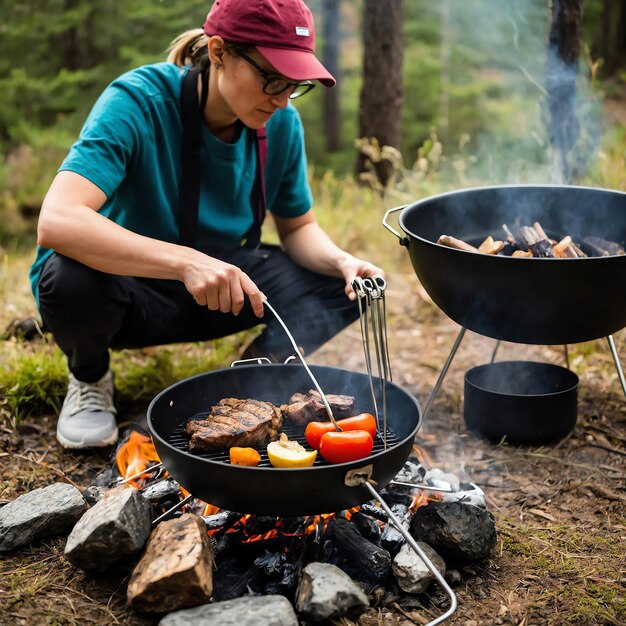
As a hunter or a camper, having practical, easy-to-make recipes that cater to your needs can make all the difference if you find yourself deep in the backcountry or at a comfortable camp.
This article introduces 8 essential recipes designed to keep hunters and campers energized and satisfied to embrace the outdoors.
These meals require minimal gear, making them perfect for hunters on multi-day adventures or those relaxing after a successful day in the field.
8 Recipes For Outdoor Cooking And Camping Life
1. Campfire Breakfast Burritos
This is a protein-packed meal that’s easy to cook. It’s quick, portable, and packed with energy, making it a perfect breakfast for the adventurous camper.
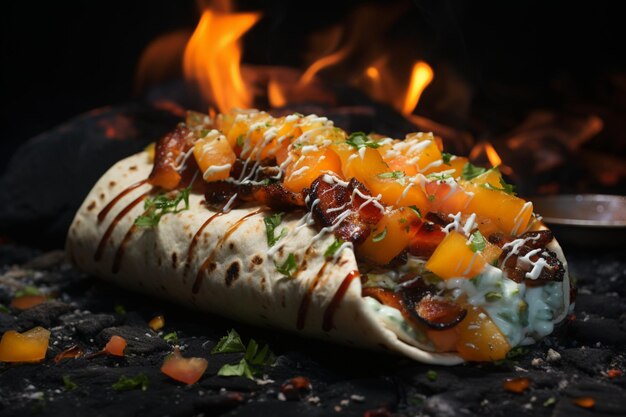
- Ingredients: Eggs, sausage, potatoes, cheese, tortillas.
- Directions: Cook the sausage and potatoes in a skillet over the fire, then scramble the eggs. Wrap the mix in tortillas with cheese and heat briefly over the campfire for a melted finish.
- Helpful Hint: Prepare the ingredients the night before, so the morning cook time is quick, leaving you more time to hunt and cap.
2. Venison Skewers
This quick meal makes use of fresh wild game meat, allowing you to grill delicious, flavorful meals right at your camp.
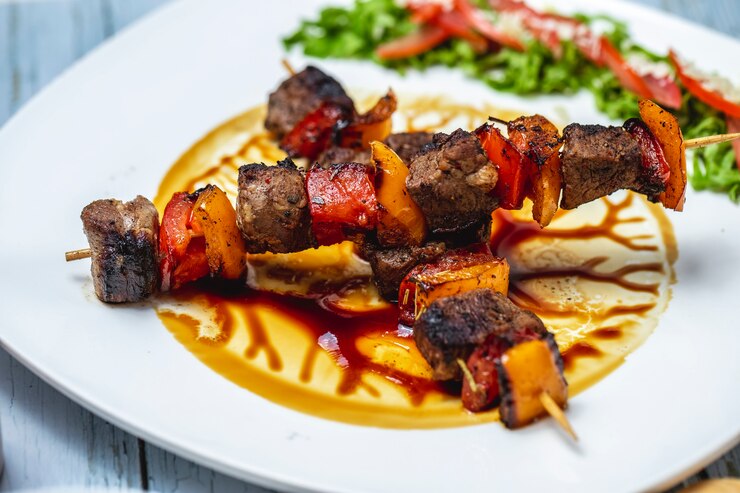
- Ingredients: Venison chunks, bell peppers, onions, olive oil, spices.
- Cooking Directions: Marinate venison chunks in olive oil and spices, then skewer them with vegetables like onions and bell peppers. Grill over the fire for a smoky flavor.
- Helpful Hint: Marinating the venison for at least an hour before cooking, this will enhance the tenderness and flavor of the meat.
This meal is a favorite in camps across the US and Canada.
3. Foil-Wrapped Salmon With Veggies
A Lightweight and nutritious meal that is ideal for campsites near rivers where you might fish for fresh salmon.
- Ingredients: Fresh salmon, zucchini, carrots, lemon, garlic, herbs.
- Cooking Directions: Place the salmon and veggies in foil with a splash of lemon and garlic. Wrap it tightly and cook it over the campfire coals for 10-15 minutes.
- Helpful Hint: Pre-cut veggies and store them in your cooler for an easy meal. This recipe is widely appreciated among hunters who enjoy the simplicity of foil packet meals.
4. Dutch Oven Stew
This is a warm, hearty stew and the ultimate comfort food for a long day of hunting,
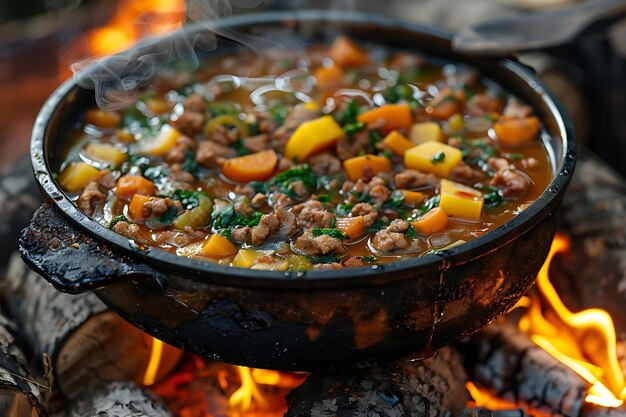
- Ingredients: Venison or beef, potatoes, carrots, onions, broth.
- Cooking Method: Combine ingredients in a Dutch oven and let it slow-cook over the fire for a rich and hearty meal.
- Helpful tip: Let the stew simmer while you unwind at camp—it requires minimal attention and delivers maximum satisfaction.
5. Grilled Kebabs with Wild Game
A simple, customizable meal, hunters can use any wild game meat they’ve caught to prepare it, it is one essential outdoor cooking and camping life recipe you should try.
- Ingredients: Choice of wild game (deer, rabbit), bell peppers, mushrooms, onions.
- Cooking Directions: Skewer and grill over the fire or use a portable stove for ease.
- Helpful Hint: Add rosemary and thyme to enhance the natural gamey flavors of the meat. Kebabs are a favorite among backcountry campers, offering a rustic yet satisfying meal.
6. Campfire Chili
This chili is a crowd-pleaser that’s easy to cook for large groups of hunters after a long day outdoors. It’s hearty, filling, and perfect for cold evenings.
- Ingredients: Ground venison, beans, tomatoes, chili powder, garlic.
- Cooking Directions: Cook the ingredients in a large pot or Dutch oven over the campfire.
- Helpful Hint: Pre-make the seasoning mix at home to save time at camp. This chilli recipe is popular in outdoor camps across North America, from Alaska to Colorado.
7. Campfire Beans
This is an excellent recipe for outdoor cooking and camping life. It’s a hearty, easy-to-prepare dish that fits perfectly with the camping lifestyle of hunters.
Beans are nutrient-dense, making them ideal for maintaining energy during extended hunting trips.
They’re simple but flavorful, making them an essential part of any hunter’s outdoor cooking and camping life.
- Ingredients:Canned beans (pinto, black, or mixed), Bacon (optional), Onions,Garlic,Tomatoes, Brown sugar or molasses, Chili powder, salt, pepper, Water or broth (optional for thinning)
- Cooking Directions: Campfire Beans, cook bacon until crispy, then sauté onions and garlic in the same pot.
Add beans, tomatoes, and seasonings, simmer for 20–30 minutes, and stir occasionally. Add the crispy bacon back before serving. Simple and ideal for campfire cooking.
- Helpful Hint: Bring pre-cooked or canned beans to save time. For a smoky flavor, cook the beans over the fire and let them simmer while you’re enjoying other camp activities.
8. Pan-Seared Trout
This Outdoor and Camping Life Recipe is great for hunters or campers who enjoy fishing as part of their outdoor adventure, this trout recipe is simple and delicious.
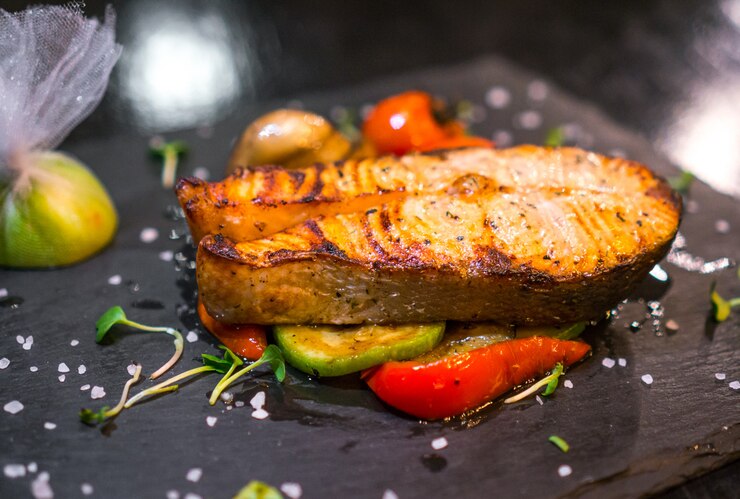
- Ingredients: Fresh-caught trout, butter, garlic, lemon, herbs.
- Cooking Directions: Pan-sear the trout in a cast-iron skillet with butter, garlic, and lemon over the fire.
- Helpful Hint: Pair with a side of fire-roasted potatoes or veggies for a complete camp dinner.
Interested in this meal, you can watch this youtube video for more insights
Table 1: Other Outdoor and Camping Life Recipes to Consider.
| Outdoor Cooking and Camping Life Recipe | Key Ingredient | Cooking method |
| Grilled Burgers and Salad | Ground beef or venison, cheese, lettuce, tomatoes, buns | Grill over the campfire or on a Coleman stove |
| Chicken and Waffles | Sourdough,baking soda,salt,sugar, eggs,butter, chicken breasts,garlic powder | Fry or Grill |
| Creamy Campfire Clam Pasta with Tomatoes | Pasta, olive oil,clams,Parmesan cheese,fresh parsley, garlic, soices | Simmer and sauté |
| Camping Baked Potatoes with Herbed Sour Cream | Baking potatoes, Olive oil, Salt, Aluminum foil, Sour cream, Fresh herbs, salt and peper | Baking |
| Snacks |
Find more additional recipes on food network and outdoor life
Final Words
There’s something really special about outdoor cooking and camping life, it’s not only about the food, but the whole experience. Yet still, having easy-to-prepare and hearty meals will make hunting/ camping more fun.
I have clearly provided 8 essential recipes to choose from, these include; Campfire Breakfast Burritos,Venison Skewers, Foil-Wrapped Salmon With Veggies, Dutch Oven Stew, Grilled Kebabs with Wild Game, Campfire Chili, Campfire Beans,Pan-Seared Trout.
There is no need to stress yourself about complicated meals when packing for your next trip. These easy, delicious recipes will make your time in the wild more memorable.
If you have your own campfire meals, share them with your fellow campers, remember outdoor cooking is enjoying it together.
Share your favorite recipes and tips with the Deer Hunting Gateway community. Happy hunting, happy cooking!
]]>Whether you’re preparing it for a special occasion or incorporating it into your regular meal rotation. Professional chefs have mastered the art of cooking venison, and with these tips and recipes, you can be one.
This guide will cover everything you need to know about cooking venison, from marinating techniques to classic recipes like pan-fried venison, venison pot roast, and venison steaks.
Ready to bring this delicious meat to your table with confidence? Let’s go!
Marinating Deer Meat Recipe
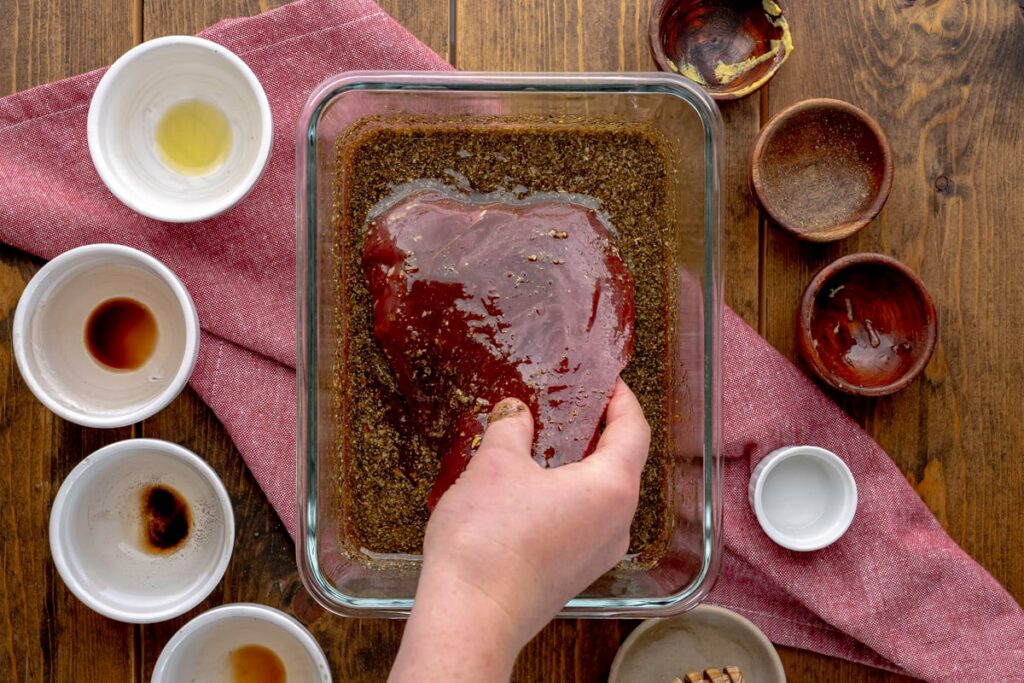
Venison is naturally leaner than most other meats, which can make it tough. Marinating it is therefore a key step in preparing it.
There are several benefits to marinating venison which include;
- Tenderization: Marinating venison helps break down its muscle fibers, making the meat more tender.
- Flavor Enhancement: Marinating venison helps infuse it with a variety of flavors. The longer the venison marinades, the deeper and more complex the flavors become.
- Moisture Retention: Marinating helps retain moisture during cooking, preventing the meat from drying out and ensuring a more succulent final product.
Now you know why it is important to marinate venison. Next, let us examine some tips that will help you marinate venison like an expert;
1. Use Acidic Ingredients
Ingredients like vinegar, citrus juice, or wine help break down the muscle fibers, making the meat more tender. A basic marinade typically consists of an acid (like citrus or vinegar), aromatics (onions, garlic, herbs, spices), and salt.
Depending on your location, some basic marinade for all kinds of deer meat recipes include olive oil, red/white wine, vinegar, garlic, lime, lemon, orange and herbs like rosemary or thyme.
2. Add Flavor Enhancers
Flavor enhancers are compounds that are added to enhance a food’s own natural flavor. In venison, they add depth to the marinade.
For a tasty venison, you should consider experimenting with flavor enhancers like Soy sauce, Worcestershire sauce, mustard, garlic, fresh and dried herbs, and for added flavor you can try spices like black pepper, juniper berries, and paprika.
3. Marinating Process
You have gathered the right ingredients and flavor enhancers and it is time to start marinating your meat! This process involves soaking the venison in a mixture of your chosen acidic components and flavor enhancers.
By marinating your deer meat properly, you can enhance its natural taste, ensure it remains moist during cooking, remove all potentially harmful parasites and achieve a more enjoyable dining experience regardless of the deer meat recipes you are trying.
To ensure you use your ingredients and flavors in the right proportions, consider the following techniques.
- Prepare the Marinade: Combine all the marinade ingredients in a bowl or a resealable plastic bag. Mix well to ensure the flavors are evenly distributed.
- Marinate the Meat: Place the venison in the marinade, ensuring it is fully submerged. If using a plastic bag, seal it and gently massage the meat to work the marinade into it.
- Refrigerate: Marinate the venison in the refrigerator. For the best results, let it marinate for at least 4-6 hours. For a stronger flavor, marinate overnight.
- Cook the Venison: Remove the venison from the marinade, allowing any excess to drip off. You are ready all set! Cook meat using your preferred method, such as grilling, pan-frying, or roasting.
Whether you’re preparing a quick weeknight meal or a special dinner, carefully selecting your marinade ingredients and allowing adequate time for the flavors to penetrate can ensure that your venison dishes are tender, juicy, and full of rich, delicious flavors.
Now it is time to explore some popular deer meat recipes.
Classic Pan-Fried Venison
Pan-fried deer meat recipe is a quick and delicious way to enjoy deer meat. To get you started, here is how it’s done:
Ingredients:
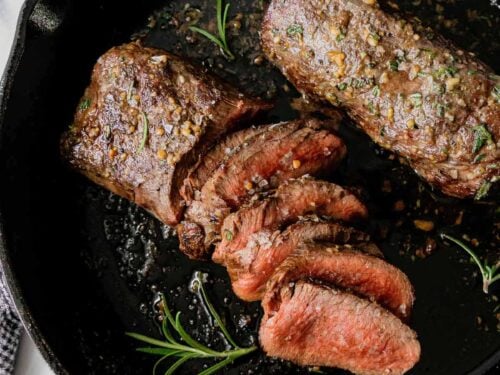
- Venison steaks
- Salt and pepper
- Olive oil or butter
- Garlic (optional)
- Fresh herbs (optional)
Instructions:
- Season the Meat: Season your venison with salt and pepper on both sides. For added flavor, you can rub the steaks with crushed garlic and fresh herbs.
- Heat the Pan: Heat a frying pan over medium-high heat and add a bit of oil or butter.
- Cook the Venison: Place the venison in the hot pan and cook for 2-3 minutes per side, depending on the thickness of the meat and your preference.
- Rest and Serve: Let the meat rest for a few minutes before serving to allow the juices to redistribute.
Venison is best served medium-rare to medium to avoid drying out.
Unknown
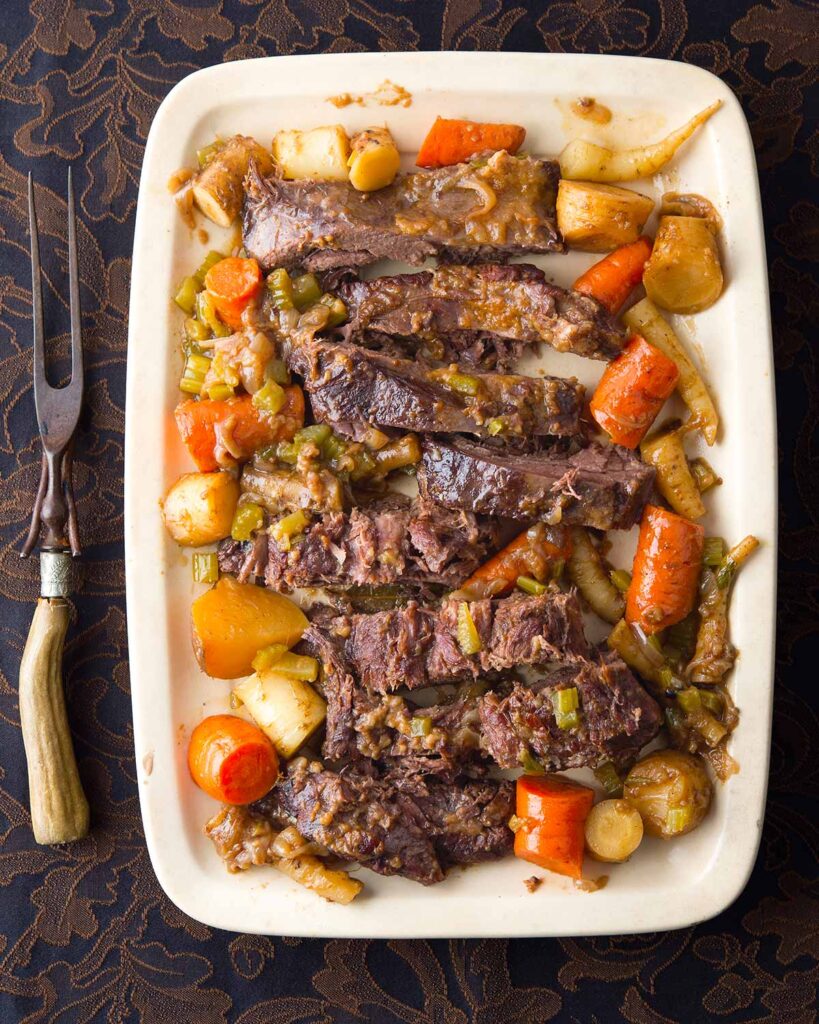
Venison Pot Roast
A venison pot roast is a comforting dish perfect for colder months. This slow-cooked recipe ensures tender, flavorful meat. Let’s learn how it is made;
Ingredients:
- Venison
- Salt and pepper
- Olive oil
- Onions, carrots, and potatoes
- Garlic
- Beef broth or red wine
- Bay leaves, thyme, and rosemary
Instructions:
- Season and Sear: Season the venison with salt and pepper. In a large pot, heat olive oil over medium-high heat and sear the venison on all sides until browned.
- Add Vegetables and Liquid: Add chopped onions, carrots, and potatoes around the roast. Add garlic, beef broth or red wine, and herbs.
- Slow Cook: Cover the pot and cook on low heat for 6-8 hours, or until the venison is tender.
- Serve: Remove the venison from the pot and slice it. Serve with the cooked vegetables and the broth.
Venison Steaks
Venison steaks are a delicious and elegant option for a special meal. Here’s a simple yet flavorful recipe:
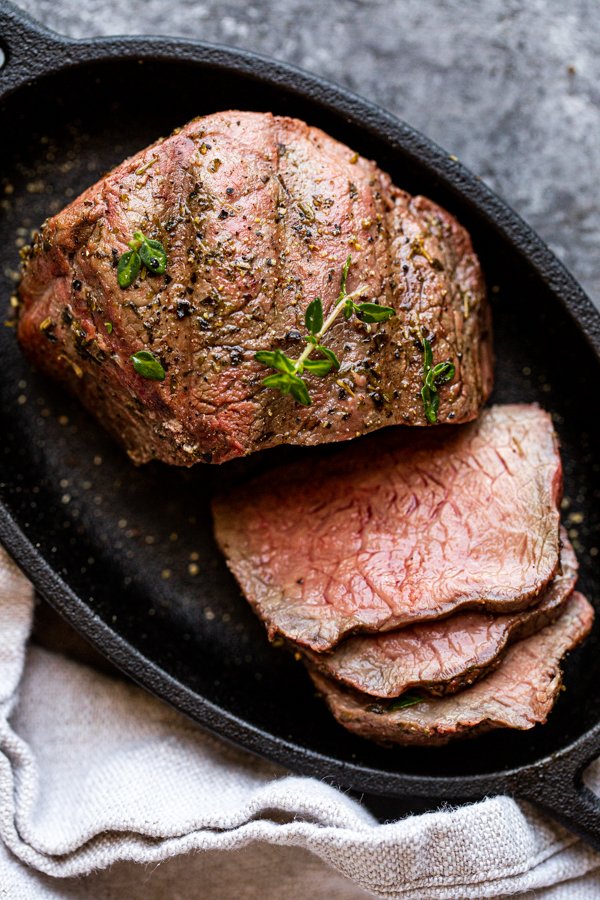
Ingredients:
- Venison
- Salt and pepper
- Olive oil
- Butter
- Garlic
- Fresh herbs (e.g., thyme, rosemary)
Instructions:
- Season and Heat: Season the venison with salt and pepper. Heat oil in a pan over medium-high heat.
- Cook the Venison: Add the venison to the skillet and cook for 3-4 minutes per side, depending on thickness. For added flavor, add a knob of butter, crushed garlic, and fresh herbs to the pan while cooking.
- Serve: Allow the steaks to rest for a few minutes before serving.
Venison Vegetable Soup
This deer meat recipe combines tender chunks of venison with vegetables, all simmered together in a savory broth.
It’s perfect for a cold day or when you need a satisfying meal that’s rich in flavor and nutrients.
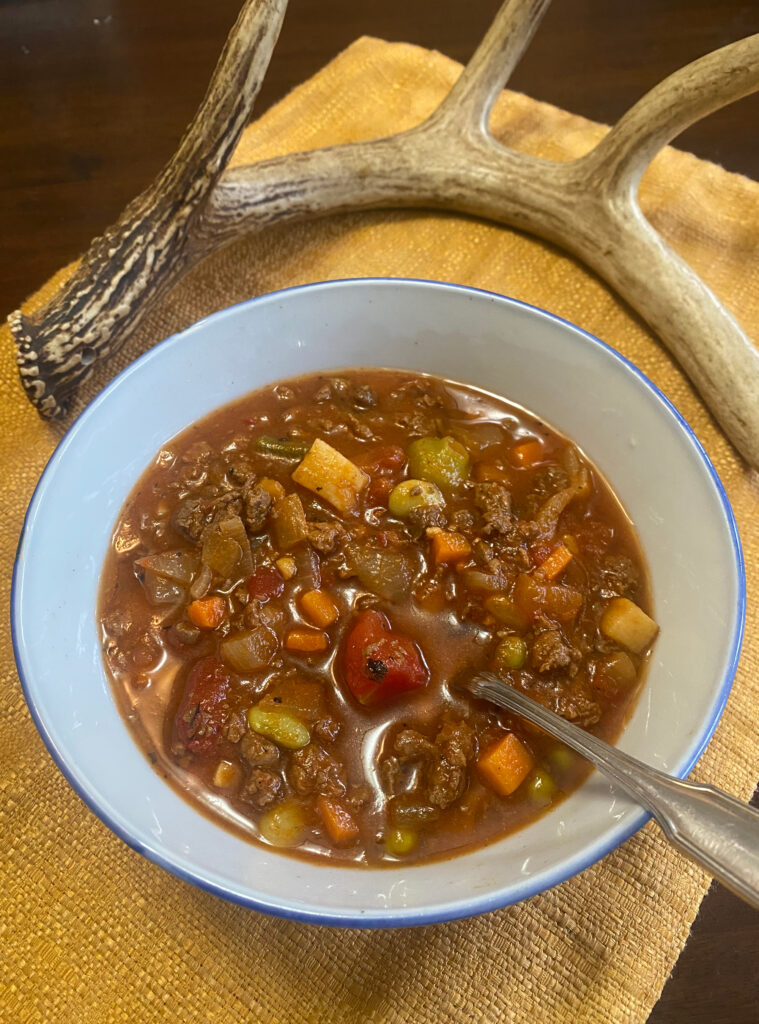
Ingredients:
- 1 lb ground venison
- 1 large onion, chopped
- 2 cloves garlic, minced
- 2 carrots, sliced
- 1 can (14.5 oz) diced tomatoes
- 4 cups beef broth
- 2 cups water
- 1 cup green beans, chopped (optional)
- 1 cup corn kernels (optional)
- 1 cup potatoes, diced
- 1 tsp dried thyme
- Salt and pepper to taste
- Olive oil
Instructions:
- Brown the Venison: In a large pot, heat a bit of oil over medium heat. Add venison and cook until browned. Remove the venison and set aside.
- Cook the Vegetables: In the same pot, add a bit more olive oil (if needed). Add the chopped onion, garlic and carrots. Cook until the vegetables are softened.
- Combine Ingredients: Add the browned venison back to the pot. Pour in the beef broth, water, and diced tomatoes. Stir to combine.
- Simmer: Add the green beans, corn, and potatoes and leave to simmer. (Optional step)
- Seasoning: Season with thyme, salt, and pepper. Bring the soup to a boil, then reduce the heat and let it cook for about 30-40 minutes, or until the vegetables are tender.
- Serve: Taste and adjust seasoning as needed before serving.
Venison Stew
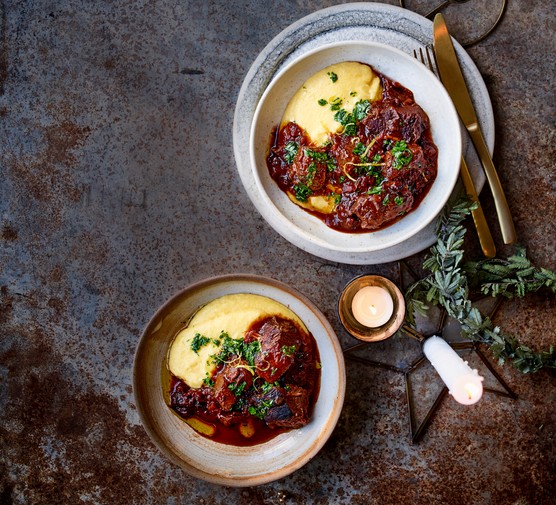
Ingredients:
- 2 lbs venison, cut into cubes
- 2 tbsp flour
- Salt and pepper to taste
- 2 tbsp oil
- 1 large onion, chopped
- 2 cloves garlic, minced
- 4 cups beef broth
- 4 large carrots, sliced
- 2 tbsp tomato paste
- 2 bay leaves
- 1 tsp dried thyme
- 1 tsp dried rosemary
Instructions:
- Prepare the Meat: In a large bowl, toss the venison cubes with flour, salt, and pepper until well coated.
- Brown the Meat: Heat the olive oil in a large pot over medium-high heat. Add the venison and cook until browned on all sides. Remove the meat and set aside.
- Cook the Vegetables: In the same pot, add the chopped onion and garlic. Cook until softened. Add the tomato paste and cook for another minute.
- Combine Ingredients: Add the browned venison back to the pot. Pour in the beef broth and red wine (optional). Stir to combine.
- Add Vegetables and Herbs: Add the carrots. Season with bay leaves, thyme, and rosemary. Bring to a boil, then reduce the heat and let it simmer for about 1.5 to 2 hours, or until the meat and vegetables are tender.
- Serve: Taste and adjust seasoning as needed before serving.
Venison Meatballs
The deer meat recipe for meatballs are just what you need, anytime of the year. You can enjoy them as appetizers, main courses or even sandwiches. Let’s learn how it is made:
Ingredients:
- 1 lb ground venison
- 1/2 cup breadcrumbs
- 1/4 cup grated Parmesan cheese
- 1 egg
- 2 cloves garlic, minced
- 1 tsp dried oregano
- 1 tsp dried basil
- Salt and pepper to taste
- Olive oil
Instructions:
- Mix Ingredients: In a large bowl, combine the venison, breadcrumbs, Parmesan cheese, egg, garlic, basil, salt, and pepper. Mix until well combined.
- Form Meatballs: Shape the mixture into meatballs, about 1 inch in diameter.
- Cook the Meatballs: In a large pan, heat a bit of olive oil over medium heat. Add the meatballs and cook until browned on all sides and cooked through, about 10-12 minutes.
- Serve: Serve the meatballs with your favorite sauce (Don’t forget to add your favorite appetizer!)
Ground Venison Chili
Ingredients:
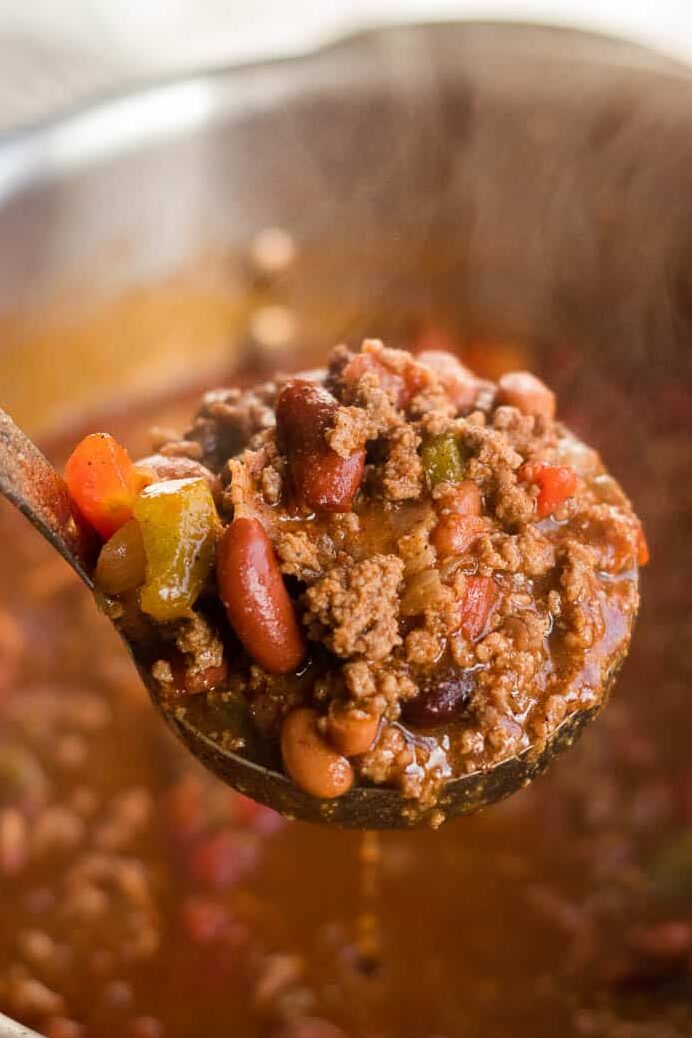
- Ground venison
- Onion, chopped
- Bell pepper, chopped
- Garlic cloves, minced
- Chili powder
- Cumin
- Diced tomatoes
- Tomato sauce
- Kidney beans, drained
- Salt and pepper
Instructions:
- Cook the Venison: In a large pot, cook the ground venison over medium heat until browned. Drain any excess fat.
- Add Vegetables: Add the chopped onion, bell pepper, and garlic to the pot. Cook until the vegetables are softened.
- Season and Simmer: Stir in the chili powder and cumin. Add the diced tomatoes, tomato sauce, and kidney beans. Season with salt and pepper. Bring to a boil, then reduce the heat and let it simmer for 30-45 minutes.
- Serve: Ladle the chili into bowls and serve with your favorite toppings, such as shredded cheese, sour cream, and chopped green onions.
Tips from the Pros
- Don’t Overcook: Venison is lean and can dry out quickly. Aim for medium-rare to medium doneness to keep the meat juicy.
- Rest the Meat: After cooking, let the venison rest for a few minutes. This allows the juices to redistribute, resulting in more flavorful and tender meat.
- Use Complementary Flavors: Venison pairs well with robust flavors like juniper berries, red wine, garlic, and rosemary. Don’t be afraid to experiment with different herbs and spices.
Your Journey to Cooking Venison Like A Pro Begins!
Cooking venison offers a delicious and healthy alternative to traditional meats. It can also be a rewarding experience when done right.
With these deer meat recipes, you can enjoy the rich taste and health benefits of venison while impressing your family and friends with your culinary skills.
Experiment with these different deer meat recipes and in time, you will discover your favorite ways to cook venison. Now, you are well on your way to becoming a professional chef!
]]>