A well-constructed hunting camp is fundamental to ensure a comfortable and successful hunt during every hunting season.
When hunting season arrives, A well-planned and constructed hunting camp provides comfort, safety, and a communal space for hunters to bond and strategize. This allows them to focus on the thrill of the hunt and create lifetime memories.
A hunting camp serves as a base of operation for hunters, offering a place to rest, prepare, and share stories.
Unlike a simple hunting cabin, which may be more permanent, a hunting camp can be more flexible and tailored to your specific needs.
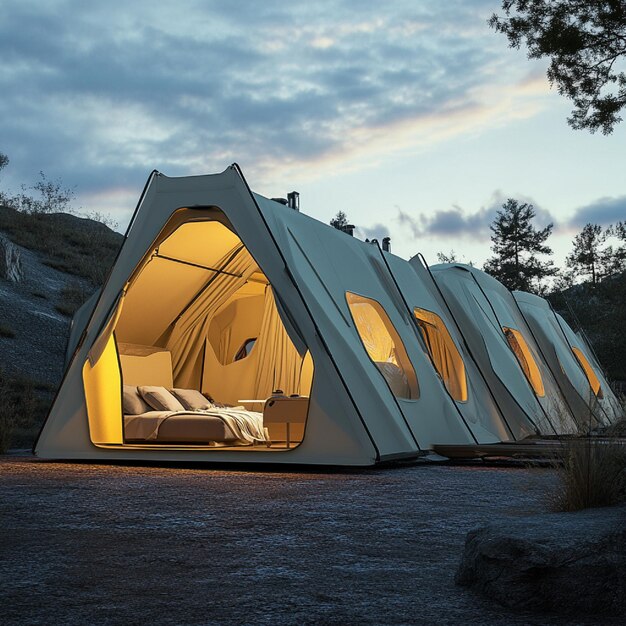
In this guide, you’ll learn everything you need to build a hunting camp like a pro, from planning, to setting up, and maintaining a professional-grade hunting camp.
Section 1: Pre-Planning Your Hunting Camp
Choosing the Right Location when Building a Hunting Camp
Selecting the right spot for your hunting camp is important, consider these factors
- Proximity to Hunting Areas Look for a location that’s close to your prime hunting areas but not too close that your presence scares off game.
Ensure accessibility, especially if you’re bringing along a buddy, as getting gear and supplies into remote areas can be challenging.
- Access to a reliable water source and tree cover: which can offer natural shelter and help break the wind. Nearby water sources are vital for cooking and cleaning
- Additionally, ensure the area is elevated to avoid flood-prone zones during heavy rains.
Scouting the area before making your choice ensures you understand the terrain and wildlife patterns.
Additionally, check for any necessary permits or land access rights to avoid legal issues later on, especially when hunting on public property or private lands.
Planning for Different Seasons When Building a hunting camp
Pay attention to seasons when building a hunting camp, your camp setup will vary significantly depending on the season.
- Winter (colder months). You’ll need to weatherproof your camp, paying close attention to insulation, roof design, and access to warmth. Ensure your camp is insulated properly, with windbreaks provided by logs or siding,
- Summer (warmer months), make sure your camp offers good ventilation to manage heat and stay comfortable.
Consider building your camp in a shaded area, perhaps under the canopy of tall trees, to stay cool.
Weatherproofing Tips. Invest in durable materials that can withstand rain, snow, and extreme heat.
Rain can soak equipment and food, so ensuring your storage setup is off the ground and sealed is essential.
Understanding game movement patterns during different seasons can also influence where you set up your camp.
Setting a Budget
Building a hunting camp or cabin can range in cost depending on the level of comfort you’re aiming for.
As much as we perceive building a hunting camp to be more cost-effective than building a hunting cabin, it has to be planned properly.
Decide where you want to splurge— Balance cost with quality by investing more in durable shelters and essential gear like stoves, while saving on items you can easily replace or upgrade later.
Get more ideas for building an inexpensive camp here.
Section 2: Essential Equipment and Materials for Building a Hunting Camp
Shelter Options: Tents, Cabins, and DIY Structures
Your shelter choice should depend on how long you plan to stay. When it comes to shelter, you have a variety of options.
For a more permanent setup, a hunting cabin provides insulation and protection but requires more upfront investment and maintenance. For a more flexible solution, tents or DIY shelters using natural materials are ideal.
- Cabins: Solid structures with weatherproof siding, interior storage for gear, and windows for ventilation.
- Tents: Lightweight and portable, perfect for shorter stays or hunters who move around frequently.
If you’re on a budget, a DIY approach—using local materials to build a temporary shelter—can also be effective.
Whether it’s a tent or cabin, focus on insulation to maintain warmth during the cold months and ventilation for the heat.
Proper interior setup, such as designated sleeping and eating areas, enhances both comfort and safety.
Campfire and Cooking Setup
Cooking and warmth are central to any hunting camp. Set up a stove or portable grill near your camp’s center but at a safe distance from your shelter. A well-built fire pit serves dual purposes: warmth and meal preparation.
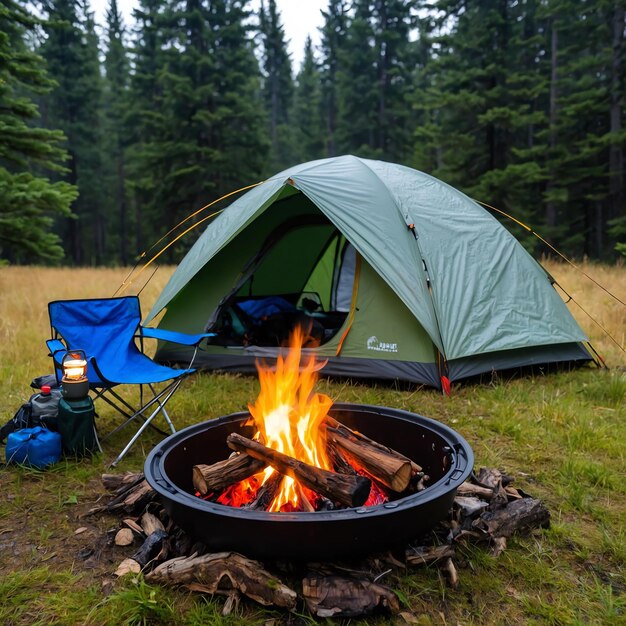
Cooking outdoors is part of the charm, but make sure your setup is practical, easy to manage, and animal-proof—especially in bear territory.
Sleeping Arrangements
For a good night’s rest, you can’t overlook your sleeping setup. Depending on the weather and your preference, options include sleeping bags, hammocks, or a camp bed.
To stay comfortable, ensure the sleeping area is elevated and insulated against the cold when building a hunting camp. Setting up camp under a tree or adding a temporary roof over your sleeping spot will help keep the area dry
Power and Lighting Solutions
In today’s hunting camps, having some form of power is essential, even in the backcountry.
Solar-powered lighting, portable generators, and battery-powered lanterns are lightweight options that can keep your camp well-lit without relying on heavy fuel sources.
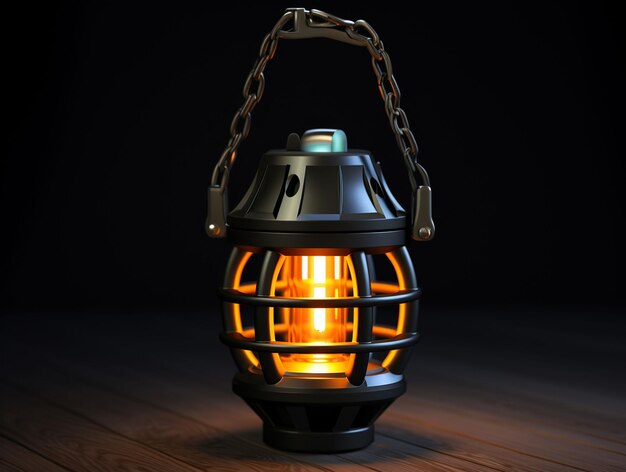
Bring a solar charger or small generator to keep essential devices like GPS units or radios powered during your stay.
Section 3: Camp Setup and Layout
Organizing the Layout for Functionality and Safety
When building a Hunting camp, your layout should prioritize safety and functionality. The cabin or shelter should be placed upwind from the kitchen and fire pit to avoid smoke and smells drifting into your sleeping area.
Storage for food and equipment should be secure and placed away from the shelter to avoid attracting animals. Keeping the camp clean is not just about comfort—it’s essential for safety.
Sanitation and Waste Management
Proper waste management ensures a sustainable camp. Set up a toilet away from your water source and follow Leave No Trace principles by packing out what you pack in.
For extended stays, portable sanitation systems are ideal, or you can build a simple outhouse or composting toilet.
Section 4: Maintaining and Managing Your Camp
Maintenance Tips for a Long-Lasting Hunting Camp
Regular upkeep is key to a long-lasting hunting camp, to ensure your camp lasts for multiple seasons, make sure to frequently inspect your camp’s shelter, cooking equipment, and sleeping area.
Secure your gear in weatherproof storage containers when not in use, and check the condition of your tents or cabins at the end of each season.
Staying Safe in the Wilderness
Safety should always be a top priority. Make sure you pack an emergency shed or storage area with first aid kits, survival gear, a shower solution for hygiene, and emergency communication devices like satellite phones or radios. Knowing how to handle encounters with wildlife, especially bears, is crucial for any hunter in the wild.
You can select from these essential hunting accessories and the best hunting gear list for deer hunters.
To wrap up
Building a hunting camp is a rewarding endeavor that can elevate your overall hunting experience. It involves thoughtful planning, essential gear, and effective maintenance.
A well-prepared hunter is a successful one, and a well-built hunting camp will not only provide comfort but also help you make the most of every hunting season.
By following this guide, you can create a camp that offers comfort, safety, and functionality, as well as ensures a successful hunting season.
If you are setting up a hunting cabin or a temporary shelter, being well-prepared will elevate your hunting experience.
If you’re ready to get started, check out our recommended products and share your hunting camp tips with the community at Deer Hunting Gateway.
]]>In such cases, the recovery and responsibility of tracking wounded game rest on the hunter. What do they do, and not just that, but what are the right ways to do it as well?
This guide will explore the techniques and best practices for tracking and recovering wounded animals, ensuring your efforts at hunting responsibly are not thwarted.
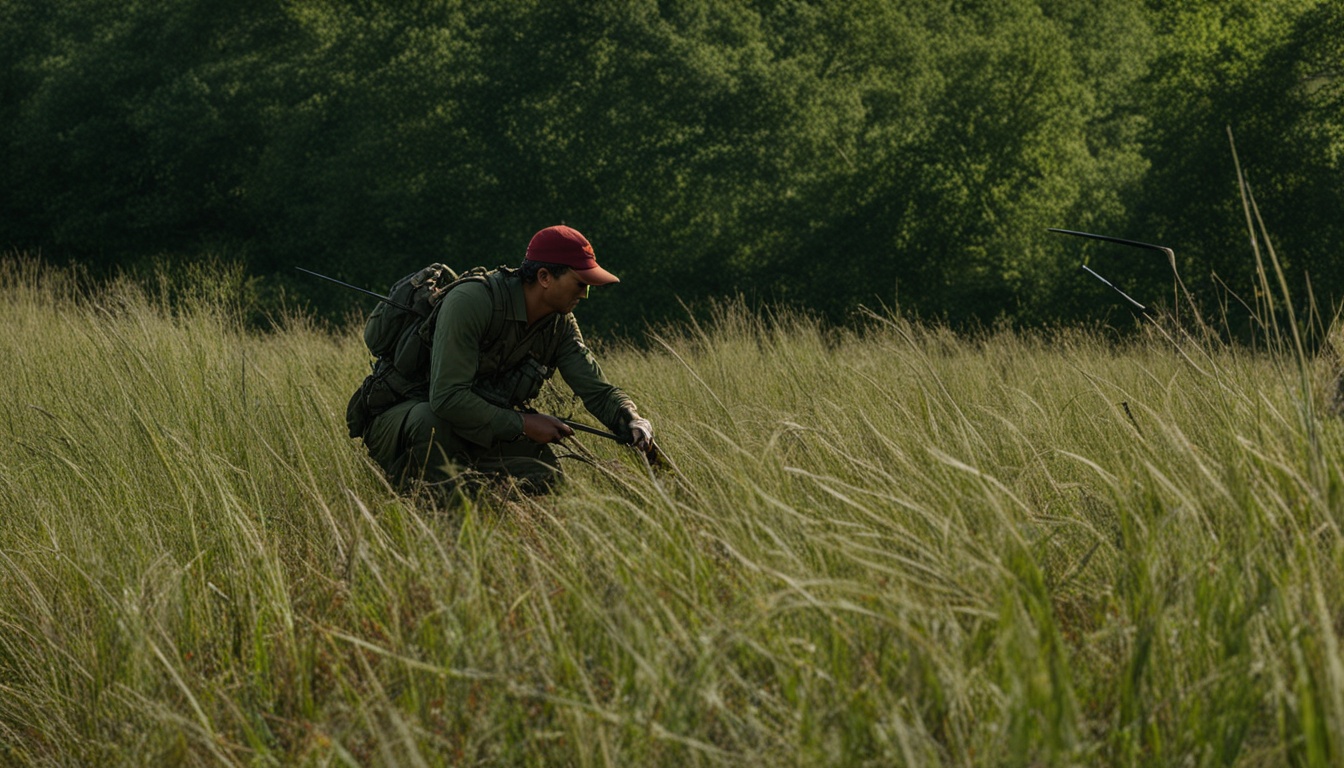
Ethical Responsibility and Initial Steps
Responsible hunting or hunting ethically is about respecting the life of the animal and ensuring its suffering is minimized. Your first priority as a responsible hunter should be to track and recover any wounded game no matter how difficult it is or the time required.
Even if the animal flees at the sound of your shot, assume it was hit and take the necessary steps to go get it.
Although sometimes difficult, it can be easier to track wounded animals if you follow a systematic approach and understand the signs left by the animal.
The following are a few things you can do:
Tracking Wounded Game
- Observe The Animal Behavior After the Shot
Watch how the animal reacts to see where you hit it and how badly it’s hurt. Look for signs like how it moves, the direction it goes, and any injuries or blood. These clues help guide your tracking.
- Mark the Location and Waiting Period
Mark where the animal disappeared with a landmark, compass, or GPS. This spot is where you start tracking. Wait 30 minutes to an hour before searching. Don’t be in a hurry because waiting lets the animal weaken and the blood trail get clearer.
- Identifying Blood Signs and Patterns
Start by checking the spot where the animal was shot. Look for blood signs to understand the wound and the animal’s condition. This is where you should know the difference between lung, gut, and grazing wounds because this will help you gauge the severity of the would and track how difficult or easy it will be to track the animal.
- Using Tracking Tools and Trail Markers
Having the right tools helps in tracking wounded game. Toilet papers are good for marking blood spots. A compass is also useful for keeping track of the animal especially when the blood signs fade.
In cases where the blood trail is hard to see, you can move slowly and use your senses. Listen for sounds be patient and observant. To really track a wounded animal you will need to be persistent and pay strong attention to detail.
Remember you goal is to track and recover the animal humanely so you have to be committed to doing just that
Now you have an idea how you can track your wounded game, but sometimes how would you know to track the right game? What if there are previous blood trails in the area?
How can you avoid wasting time only to find out the game you tracked was not the one you shot? Let’s look at that next.
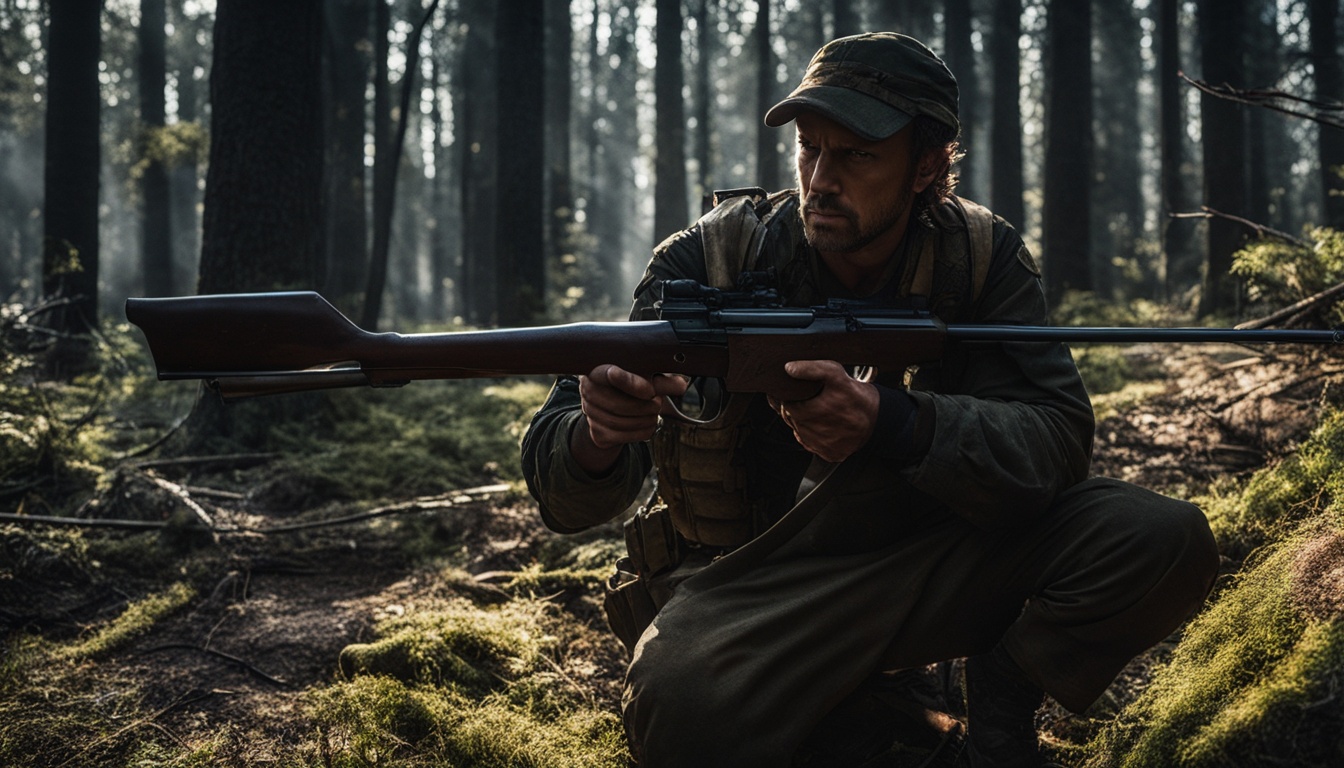
Blood Trail Clues
Where your shot hits and the blood spilled can tell you how badly an animal is hurt. This can help guide your search to find it.
The color of the blood trail tells you a lot about the shot. For example:
- Bright red or pink blood with bubbles means a hit to the lungs or heart. This shot is usually fatal, happening within 5-10 seconds.
- Darker, crimson blood means a hit to the muscles or liver. The animal might take up to an hour to die.
- Greenish blood with food bits means a gut shot. This is the toughest to recover, as the deer may travel far before dying, taking 5 hours or more.
Deer may also exhibit different reactions depending on the intensity of the shot. A deer hit badly will usually lie down within 200-300 yards and die soon, unless scared away.
If scared, it may run a 1/2 mile or more, leaving blood drops if the shot was not good. This could make tracking hard.
Now, after you have used blood trail clues to catch your game, you need to learn how to kill them responsibly if they are not fully dead, what’s more, you should also be able to tell if the meat is safe for consumption too.
Tracking Wounded Game: Prioritizing Humane Recovery
In responsible hunting, timing is everything when tracking a wounded game. Waiting too long lets the animal suffer. But acting too soon can also make it hard or impossible to find.
The humane thing to do is to:
- Watch how the animal acts after the shot to see how bad the wound is.
- Wait at least 30 minutes before tracking to let the animal weaken from its injury.
- Look for blood signs and patterns to follow the animal, telling apart bright red arterial blood from darker, clotted blood.
- When you find the animal, come up from behind to avoid a dangerous fight.
Preserving Meat Quality
While considering humane techniques, to really keep deer meat good, you need to get to it fast. Waiting too long makes the meat taste bad.
It’s important to handle and store the meat right to keep it fresh and tasty.
Here are some ways you can preserve the quality of your meat.
- Know the animal’s body and how it reacts to the shot to check if it was a good hit.
- Follow the rules for tagging and moving the carcass to keep it safe and sound.
- Use Responsible Hunting methods to reduce the animal’s pain and keep the meat quality high.
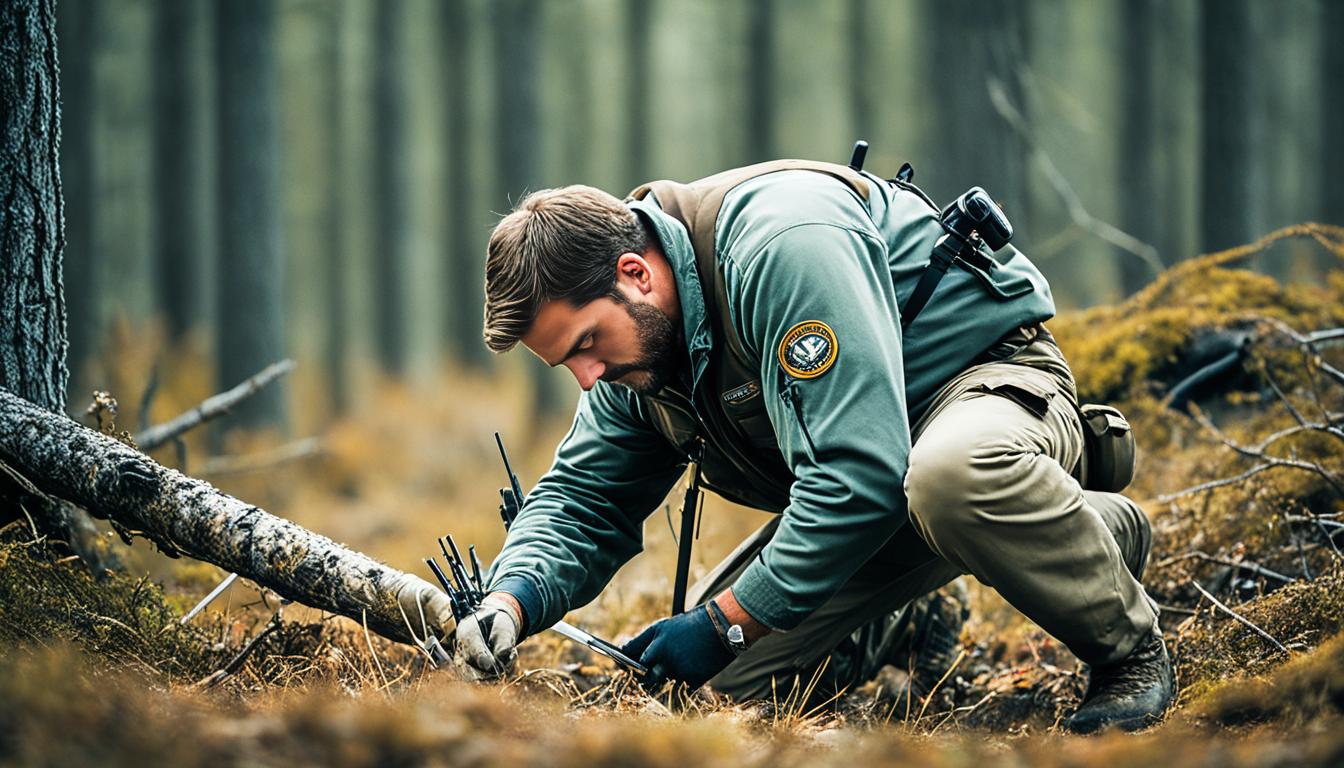
Go Get Your Game!
Tracking wounded deer or bear takes patience and knowledge of animal behavior. It’s a tough task, but the reward of a successful recovery is huge.
If you follow ethical hunting principles, you’ll become a better tracker. This helps keep your sport sustainable for the future.
Remember to focus on humane recovery and keeping the meat quality up!
]]>In this comprehensive guide, we will take an in-depth look into how to call like a pro, with a focus on three specific animals: turkeys, coyotes, and mallard ducks.
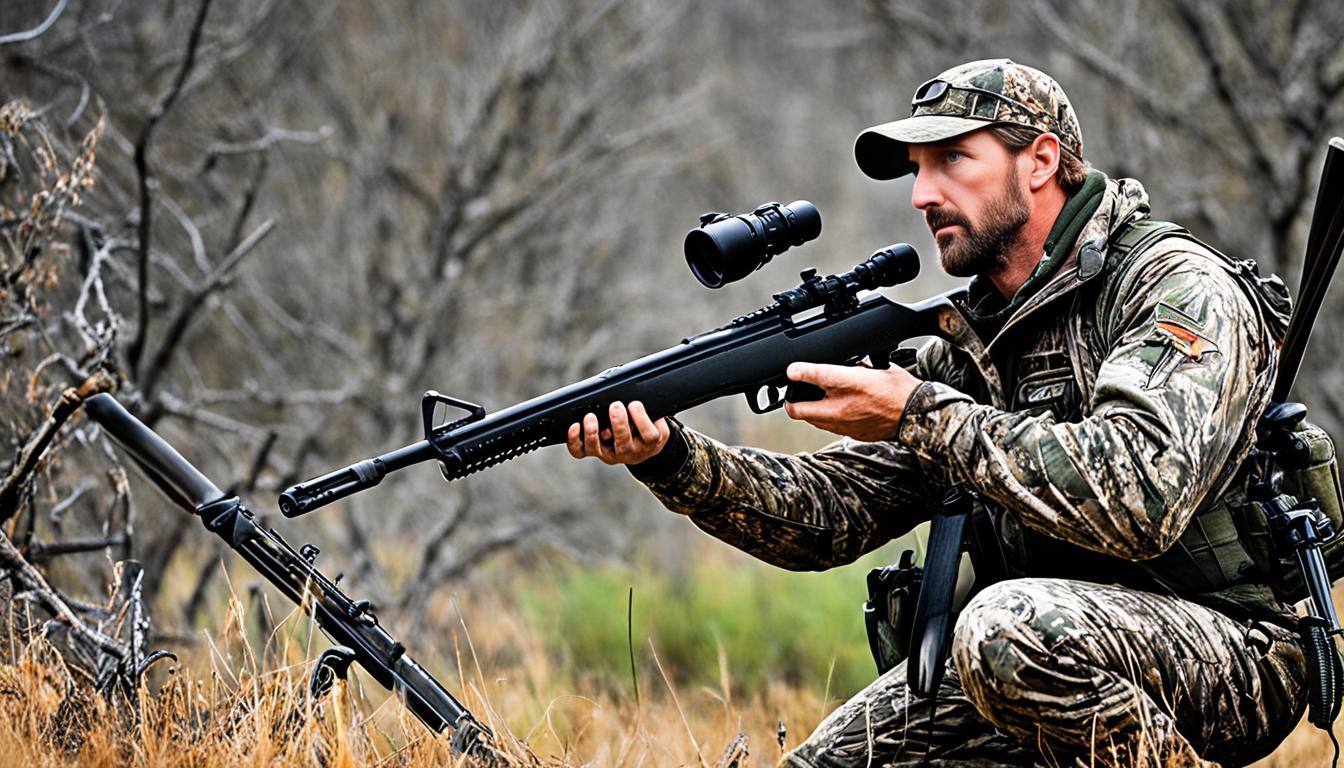
Understanding Turkey Vocalizations
Birds have many sounds, each with their own purpose. As a hunter, you should know these sounds so you can either identify or hunt turkeys more effectively.
Let us examine a few:
Cluck
The cluck is a sharp sound turkeys use to stay in touch. Hunters can use the cluck to keep turkeys interested. This can help in a successful hunt.
Purr
The purr is a soft sound turkeys make when they’re happy or socializing. Hunters can use the purr to make turkeys feel safe and come closer.
Gobble
The gobble is a loud call only males make. It shows they’re availability and mostly is used to attract hens. Hunters can use the gobble to bring in other turkeys, either out of curiosity or to challenge them.
Kee-kee run
The kee-kee run is a high-pitched whistle young turkeys make when they’re lost. Hunters can use this call to show they care and bring in turkeys of all ages.
Choosing the Most Effective calling technique
There are many types of ways you can call a turkey. Depending on your hunting style, you can use any of the calls to attract turkey.
Let us look at the different types, and then you get to choose what works best for you depending on your style and hunting conditions:
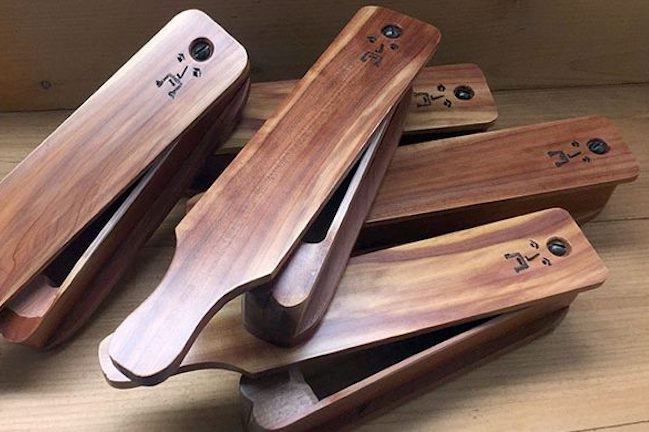
Box Calls
Box calls are easy to use and great for making realistic turkey sounds. They have a chamber and a stick, or paddle. Rubbing them together makes the sounds turkeys make. Even beginners can learn to use them quickly.
Pot Calls
Pot Calls are mostly used by hunters because of their range of sounds. They have a circular pot with a striking surface. When the striker is hit on the pot, hunters can make different turkey sounds.
This type of call also allows hunters to control the sounds well, attracting turkeys.
Diaphragm Calls
Diaphragm Calls are hands-free and versatile but to use them, you will need practice. They usually have a frame with a latex reed in the mouth.
Blowing air across the reed makes different turkey sounds. Diaphragm calls are very useful because they let hunters call without losing their shooting position. But, they take skill to use well.
Push-Pull Calls
Push-Pull Calls are very simple. They usually come with a box and a spring and a peg. Moving the peg makes different turkey sounds.
This kind of call is great for beginner hunters or those who want a reliable call.
Locator Calls
Locator Calls help find turkeys by mimicking sounds like a crow or coyote. They don’t sound like turkeys, so they won’t scare them away.
Using them right can help hunters locate turkeys from afar. The best time for using these calls are early in the morning or late afternoon.
Turkey Calls Summary: Effective Calling Techniques
When learning turkey calls, you should start with the basics like clucks. Later, you can move to more complex calls. To really replicate these sounds, you should listen to real turkeys or recordings to learn their sounds.
When implementing these calls, you should take not of how loud you call. Ensure that your calls are moderate such that they attract turkeys far way without scaring those close by.
Also learn to adjust your calls based on how the turkey reacts to increase your chances of success.
In summary:
- Develop a strong foundation in turkey vocalizations by mastering easy calls such as clucks before moving to more advanced calls.
- Observe and learn from real turkeys or recordings to gain a deeper understanding of their calls.
- Adjust your calling volume to attract distant turkeys without distracting nearby ones.
- Time your calls carefully to engage a turkey’s curiosity without scaring it away.
- Adapt your calling strategy based on the turkey’s response to increase your chances of success.
Mastering Effective Calling Techniques For Coyote
Previously hunters used rodent and rabbit calls to hunt coyotes. However, they are are getting smarter and harder to hunt with just rodent or rabbit calls.
Now, hunters need to use different Coyote Vocalizations to catch them. This includes non-aggressive male howls and female yodels or pup sounds.
Using Coyote Vocalizations
Coyotes make over two dozen sounds to talk to each other. Interesting right?! Usually from January to March, these sounds work better than calls for prey.
In some instances, a special Coyote Call Sequence may be appropriate. It starts with electronic male howls, then a female yodel, a calm howl, a distress call, and finally, sounds of pup distress and death.
This mix makes coyotes curious and think there are more of them. Handmade coyote equipment have big benefits over store-bought ones because they are made just for you and will sound better and coyotes won’t recognize them.
Effective Calling Techniques for Mallard Ducks
Mallard ducks are a top choice for Waterfowl Hunting. If you are looking to hunt these birds, learning their calling techniques is a good way to go.
Mallards use different calls for various situations, like decrescendo calls for females, chuckles for feeding and flying together, and common quacks for other needs.
Mallard Call Vocalizations
Using the right calls is important because when you use them right, you can help attract these birds.
Calls like quacks, feeding calls, comeback calls, and hail calls can be used to get better results.
To get the most out of your waterfowl hunting expedition, you need to have the right hunting gear and really master these duck calling techniques.
Effective calling techniques for ducks is about precise mouth movements and controlled air. To get better, you should learn to mimic mallards’ sounds, including the basic quack and chuckle sequence and practice often.
Now let’s take examine the differences between some two duck calls.
Effective Calling Techniques: Single Vs Double Reed Call
First, you should know that the type of duck call you pick depends on the situation and the sound you want.
Single-reed calls on the other hand are versatile, letting you make many mallard sounds, from basic quacks to complex ones.
Double-reed calls are also easier for beginners, needing less air pressure and making a raspier sound.
Next, let us examine some advanced duck call strategies.
Advanced Duck Call Strategies
Before you get to this stage of mastering advanced duck call strategies, you should understand that duck hunting goes beyond just basic calling.
One tactic you can learn is mimicking a “lonesome hen” to attract other ducks looking for a mate or a group. This works best during breeding season when ducks answer calls from a lone female.
Another trick is using “hail” or “highball” calls to get ducks’ attention from above or far away.
When you become an expert in Duck Calling Techniques, you will learn how to mix different duck sounds. Mixing these calls will make it sound like a lively flock, which will catch ducks’ attention and bring them closer.
But to get there, you need to keep working on your skills and adjust to changing hunting conditions. This will improve your Duck Hunting Strategies and Waterfowl Hunting Tactics a lot.
Go Ahead And Learn!
A serious hunter knows that to attract the game you want, you need to put in some extra effort. This includes learning some of these calls.
Mastering calling takes time and effort but these skills can determine if your hunt turns into a success or a miss.
All the best on your journey to learning the wild’s secrets and becoming a true calling expert.
]]>