For hunters, the thrill of the game forms part of their reasons for engaging in the sport. Useful for hunting, sports, and even military tasks. Long-range shooting is a skill that tests your mind and body.
If you are not sure how to start, this guide will show you how to improve your long-range shooting skills. You’ll learn about body position, trigger control, and how to pick the right gear.
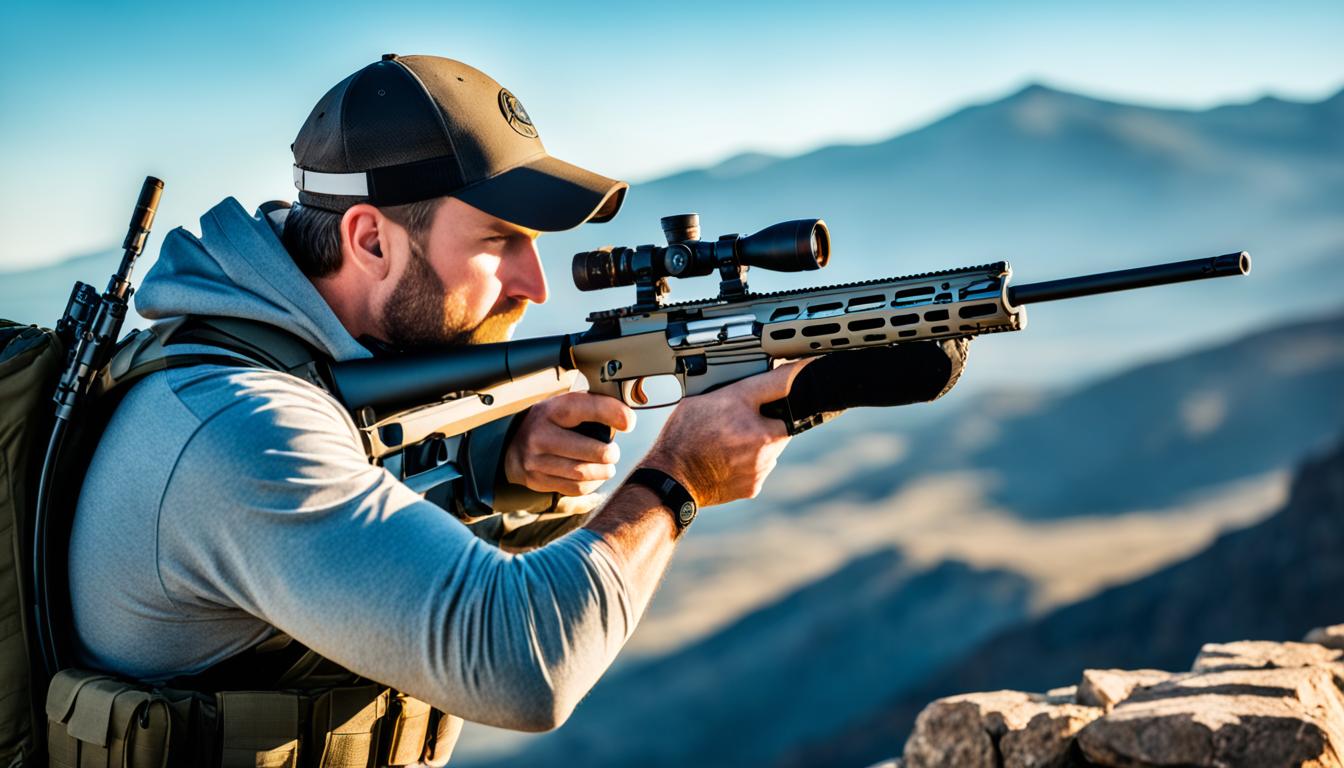
Fundamentals of Long-Range Shooting
Long-range shooting requires mastering basic shooting skills. How your body is positioned, trigger pulls among others.
Let us examine these in detail:
- Right Body Positioning
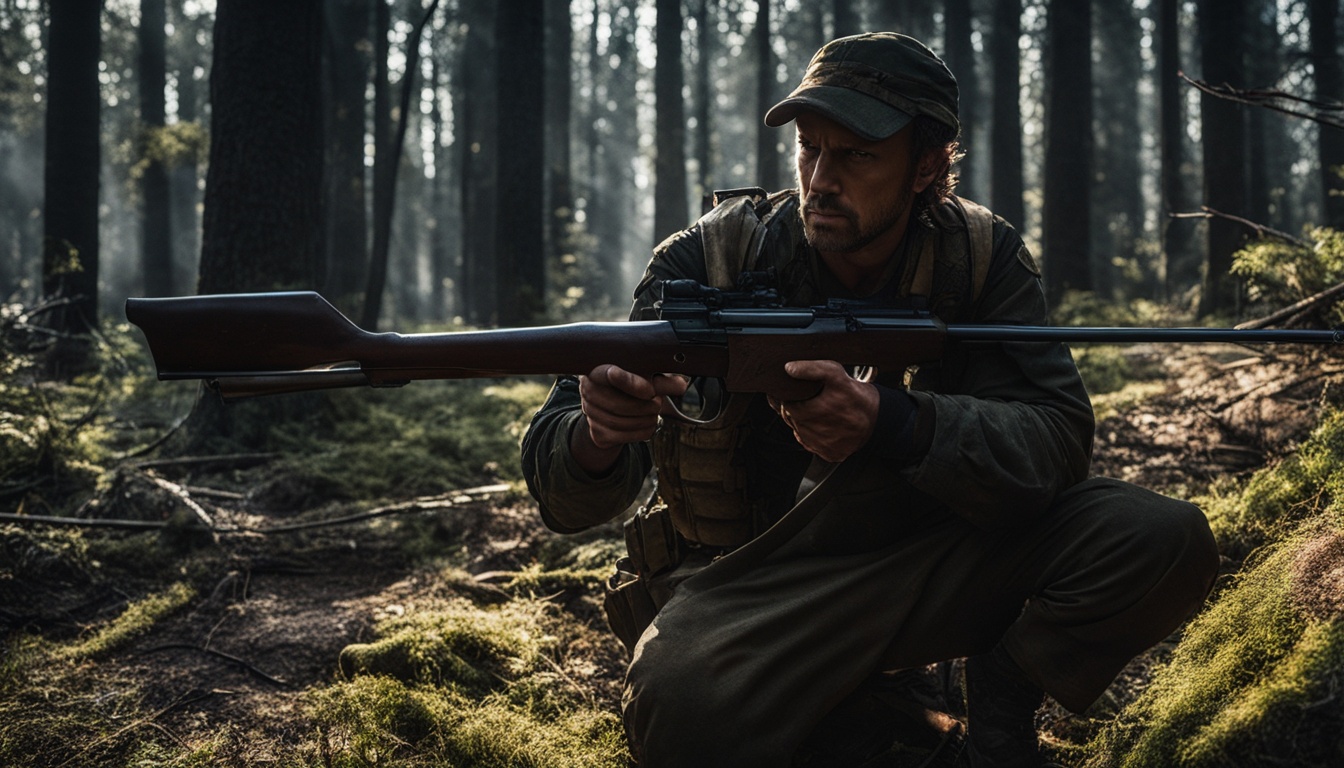
Stand directly behind the rifle with your eyes on the scope. This setup helps keep your aim steady and true.
- Proper Grip and Stance
Hold the rifle firmly but not too tightly. Place your thumb on the stock’s side, not around it, to prevent movement. When shooting prone (time for you to shoot), use your non-dominant hand for support, not your dominant one.
- Breathing and Trigger Control
Slow, steady breathing and a smooth trigger pull are vital. Take your time to breathe fully before shooting. This helps you stay calm and hit your mark consistently.
Choosing the Right Equipment For Long-Range Shooting
Choosing the right gear is key for long-range shooting is about picking the best Rifle and high-quality Optics that suit this type of shooting. Each piece you select is vital for accuracy and precision.
The Ideal Rifle and Caliber
For long-range, a rifle with a heavy barrel, quality trigger, and a stable chassis is ideal for the job. An example of this will be The Savage 110 Precision rifle which is a top pick with a low budget, (under $1,500).
For calibers, ensure you go for calibers with high Ballistic Coefficients (BCs) to fight wind and keep accuracy.
Invest in Quality Optics
Scope Features are key for long-range. Find a scope with adjustable zoom and a big objective lens for better light. A typical example of this is The Vortex Strike Eagle 5–25×56 FFP. This scope is a great choice for beginners, priced around $800.
Other optics such as the reticle system, eye relief, and Ballistic Calculators when picking optics. These help you adjust your scope for your setup and the environment.
Quality accessories like a Kestrel 5700 Elite wind meter ($749) and a Vortex Razor HD 4000 GB rangefinder ($499.99) can boost your shooting skills.
Long-Range Shooting: Techniques and Tips for Precision
The way a bullet moves, its speed, and how it fights against the air can change where it hits. This makes learning the basics of long-range shooting very important. When you understand the wind speed, you can change the wind drift and get more accurate shots.
Mastering Proper Shooting Positions
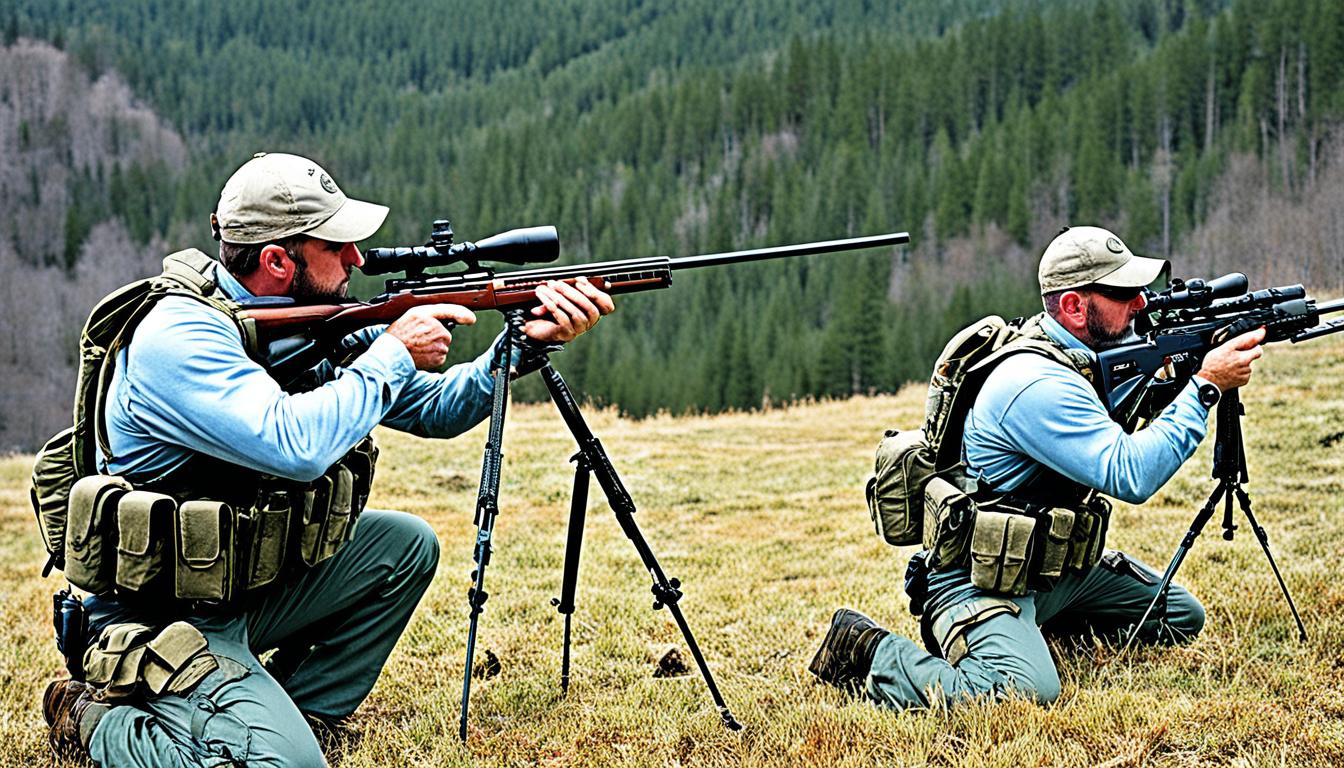
To accurately hit your mark from a distance, you should get into the right Shooting Positions. The prone position, where you lie flat on the ground, is often used because it’s stable.
You can also consider adding things like bipods or sandbags which will keep you still, giving you more accurate shots.
You should also consider the environment when shooting far away. Things like the ground and the weather can affect your aim. There’s no shortcut, to be a good shooter, learn to adjust your skills using a mix of knowledge. Sometimes too, trust your instinct!
Consistent Routines and Practice
Practicing regularly is key to getting better at long-range shooting. Try Dry-fire training, (where you practice without live ammo), this can help improve your skills.
Make sure to set aside time for shooting and stick to a schedule, even when it’s hard.This way, you can slowly get better at hitting your targets. Focus on the basics and keep practicing. Over time, you’ll see your accuracy and consistency grow.
Before hunting season, check your rifle’s aim and pick the right ammo. Using the same gear for practice as you will for hunting makes you more efficient. This helps you get ready for real shots.
Master Long-Range Shooting
Regular practice and focusing on the basics are key to getting better at long-range shooting. To be a pro, get the basics right and keep practicing.
You can also try connecting with long-range shooting communities near you. Having a community will boost your hunting and competition game.
The path to long-range shooting mastery is ongoing, so be patient with yourself. You will be a pro at it, sooner than you think.
]]>In such cases, the recovery and responsibility of tracking wounded game rest on the hunter. What do they do, and not just that, but what are the right ways to do it as well?
This guide will explore the techniques and best practices for tracking and recovering wounded animals, ensuring your efforts at hunting responsibly are not thwarted.
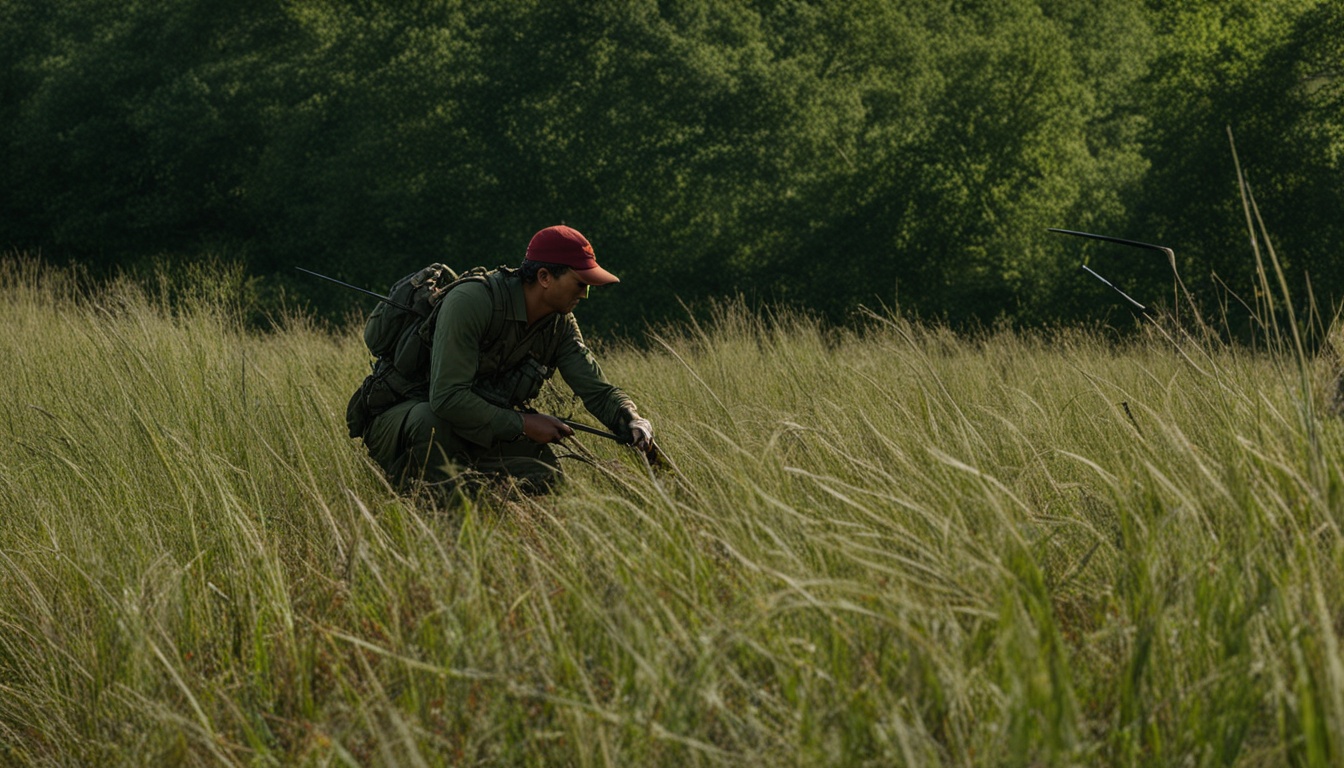
Ethical Responsibility and Initial Steps
Responsible hunting or hunting ethically is about respecting the life of the animal and ensuring its suffering is minimized. Your first priority as a responsible hunter should be to track and recover any wounded game no matter how difficult it is or the time required.
Even if the animal flees at the sound of your shot, assume it was hit and take the necessary steps to go get it.
Although sometimes difficult, it can be easier to track wounded animals if you follow a systematic approach and understand the signs left by the animal.
The following are a few things you can do:
Tracking Wounded Game
- Observe The Animal Behavior After the Shot
Watch how the animal reacts to see where you hit it and how badly it’s hurt. Look for signs like how it moves, the direction it goes, and any injuries or blood. These clues help guide your tracking.
- Mark the Location and Waiting Period
Mark where the animal disappeared with a landmark, compass, or GPS. This spot is where you start tracking. Wait 30 minutes to an hour before searching. Don’t be in a hurry because waiting lets the animal weaken and the blood trail get clearer.
- Identifying Blood Signs and Patterns
Start by checking the spot where the animal was shot. Look for blood signs to understand the wound and the animal’s condition. This is where you should know the difference between lung, gut, and grazing wounds because this will help you gauge the severity of the would and track how difficult or easy it will be to track the animal.
- Using Tracking Tools and Trail Markers
Having the right tools helps in tracking wounded game. Toilet papers are good for marking blood spots. A compass is also useful for keeping track of the animal especially when the blood signs fade.
In cases where the blood trail is hard to see, you can move slowly and use your senses. Listen for sounds be patient and observant. To really track a wounded animal you will need to be persistent and pay strong attention to detail.
Remember you goal is to track and recover the animal humanely so you have to be committed to doing just that
Now you have an idea how you can track your wounded game, but sometimes how would you know to track the right game? What if there are previous blood trails in the area?
How can you avoid wasting time only to find out the game you tracked was not the one you shot? Let’s look at that next.
Blood Trail Clues
Where your shot hits and the blood spilled can tell you how badly an animal is hurt. This can help guide your search to find it.
The color of the blood trail tells you a lot about the shot. For example:
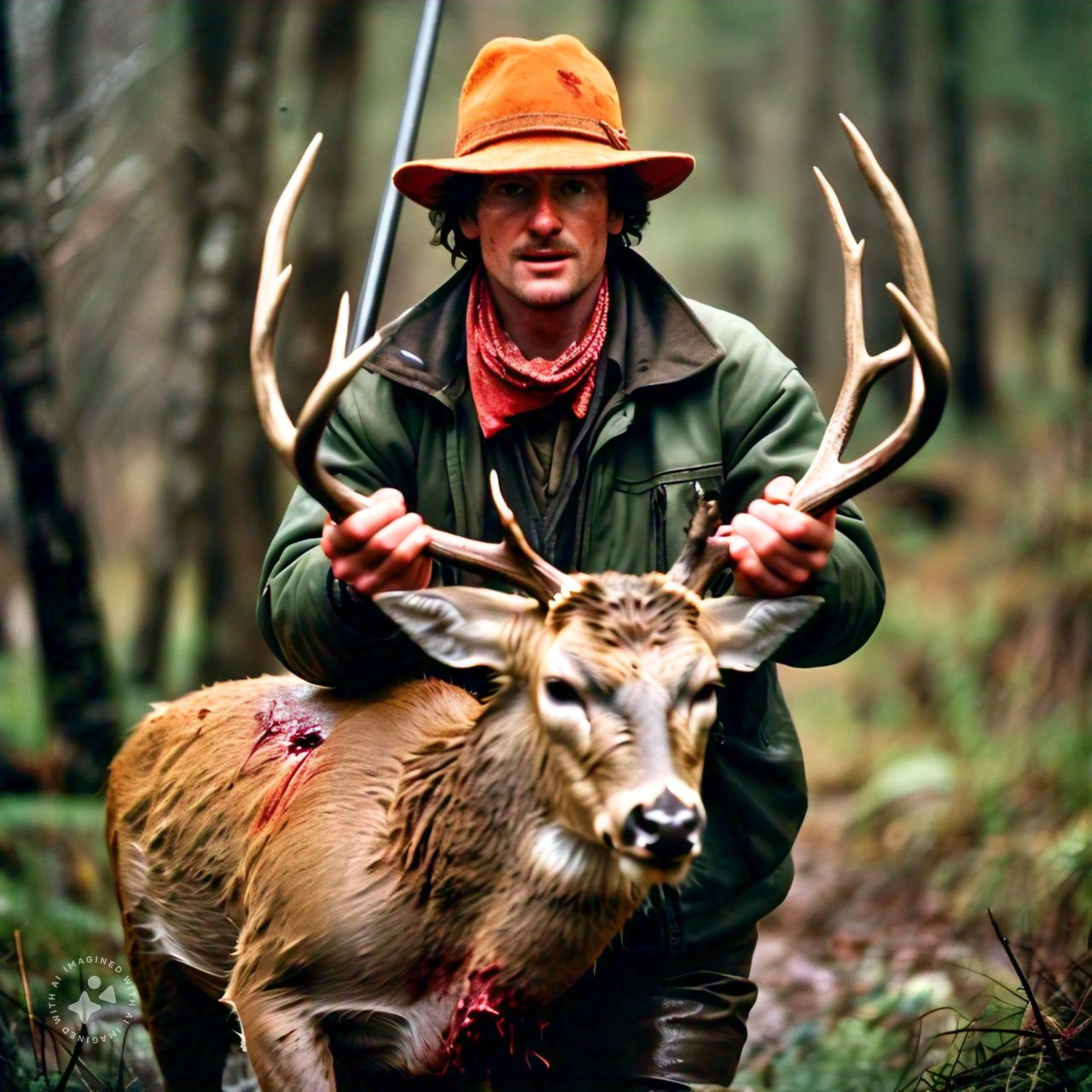
- Bright red or pink blood with bubbles means a hit to the lungs or heart. This shot is usually fatal, happening within 5-10 seconds.
- Darker, crimson blood means a hit to the muscles or liver. The animal might take up to an hour to die.
- Greenish blood with food bits means a gut shot. This is the toughest to recover, as the deer may travel far before dying, taking 5 hours or more.
Deer may also exhibit different reactions depending on the intensity of the shot. A deer hit badly will usually lie down within 200-300 yards and die soon, unless scared away.
If scared, it may run a 1/2 mile or more, leaving blood drops if the shot was not good. This could make tracking hard.
Now, after you have used blood trail clues to catch your game, you need to learn how to kill them responsibly if they are not fully dead, what’s more, you should also be able to tell if the meat is safe for consumption too.
Tracking Wounded Game: Prioritizing Humane Recovery
In responsible hunting, timing is everything when tracking a wounded game. Waiting too long lets the animal suffer. But acting too soon can also make it hard or impossible to find.
The humane thing to do is to:
- Watch how the animal acts after the shot to see how bad the wound is.
- Wait at least 30 minutes before tracking to let the animal weaken from its injury.
- Look for blood signs and patterns to follow the animal, telling apart bright red arterial blood from darker, clotted blood.
- When you find the animal, come up from behind to avoid a dangerous fight.
Preserving Meat Quality
While considering humane techniques, to really keep deer meat good, you need to get to it fast. Waiting too long makes the meat taste bad.
It’s important to handle and store the meat right to keep it fresh and tasty.
Here are some ways you can preserve the quality of your meat.
- Know the animal’s body and how it reacts to the shot to check if it was a good hit.
- Follow the rules for tagging and moving the carcass to keep it safe and sound.
- Use Responsible Hunting methods to reduce the animal’s pain and keep the meat quality high.
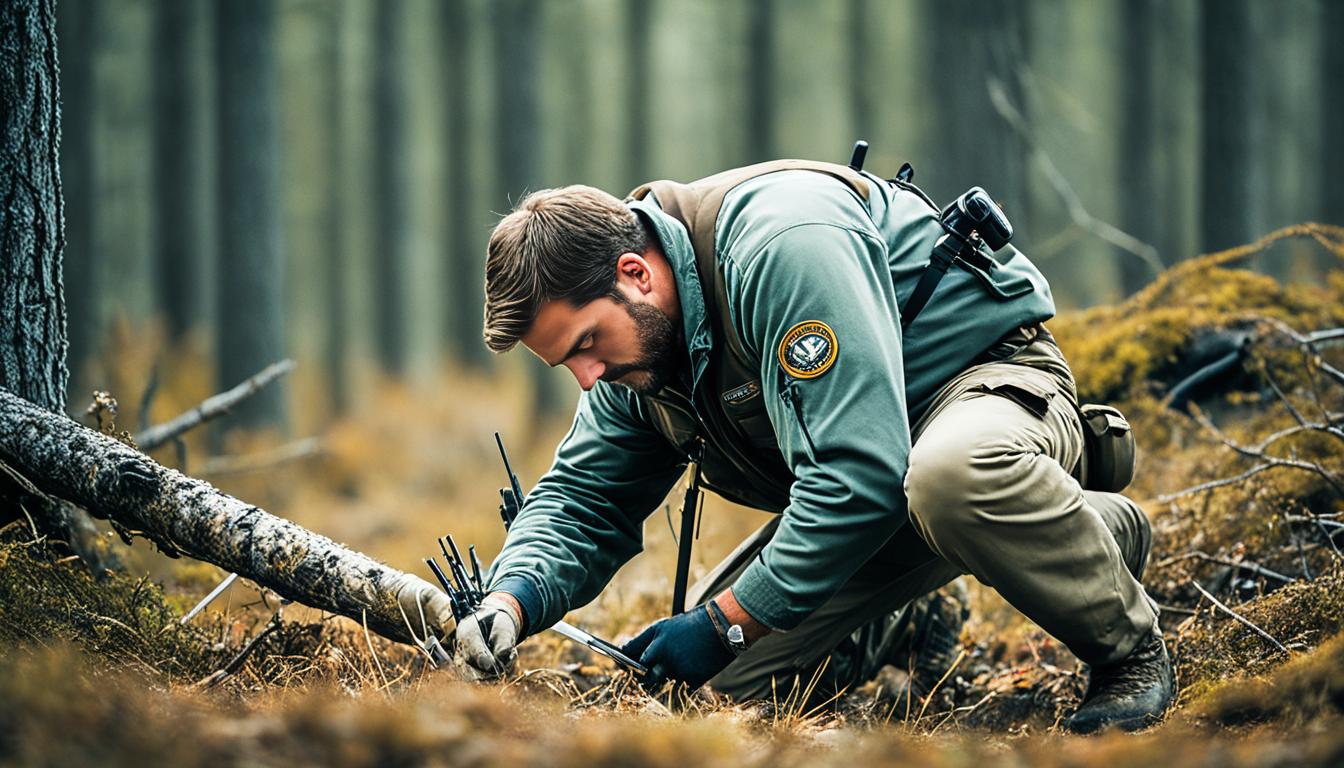
Go Get Your Game!
Tracking wounded deer or bear takes patience and knowledge of animal behavior. It’s a tough task, but the reward of a successful recovery is huge.
If you follow ethical hunting principles, you’ll become a better tracker. This helps keep your sport sustainable for the future.
Remember to focus on humane recovery and keeping the meat quality up!
]]>
Watching all these documentaries, I learnt that Hunting isn’t just about the thrill of the chase, it’s about the deep connection to nature and the responsibility of sourcing food in a respectful and sustainable manner. Ethical hunting practices ensure that we honor the lives of the animals we pursue and maintain the delicate balance of our ecosystems.
This discovery got me to look into ethical ways humans can hunt for animals, specifically ethical deer hunting that can be sustainable for years to come and that is what I want to talk about in this article.
Ethical Deer Hunting Practices
Definition And Principles Of Ethical Hunting
Ethical deer hunting is when a hunter knows and respects the game hunted, follows the law and behaves in a way that will satisfy what society expects of a hunter. Ethical hunters are familiar with the places they hunt, the wildlife that live there and the way they should behave when hunting.
Ethical deer hunting encompasses more than just following laws and regulations, it’s a mindset that prioritizes respect for wildlife, the environment, and the tradition of hunting. Ethical hunters are committed to fair chase principles, ensuring that the animal has a fair chance to escape and that the hunt is conducted in a humane manner.

Key Principles Of Ethical Hunting Include:
- Fair Chase: Ethical hunters adhere to the concept of fair chase, where animals are pursued under conditions that give them a reasonable chance to evade capture or avoid harm.
This principle ensures that hunting remains a challenge, honoring the natural instincts and abilities of the prey. Avoiding unsportsmanlike methods such as using vehicles to chase game or taking shots beyond one’s skill level.
- Humane Harvest: Hunters strive for quick and humane kills, using appropriate weapons and techniques that minimize suffering. This principle underscores the ethical responsibility to end the animal’s life swiftly and with minimal pain.
- Legal Compliance: Ethical hunters strictly adhere to hunting regulations and laws established to conserve wildlife populations and protect habitats. Compliance ensures sustainable management of game species and maintains the integrity of ecosystems.
- Conservation: Supporting wildlife management and habitat conservation efforts to ensure healthy populations and ecosystems.
Importance Of Sustainable Hunting Practices
Sustainable ethical deer hunting is vital for preserving deer populations and their habitats for future generations. It involves hunting in a manner that does not deplete the population faster than it can reproduce and preserve biodiversity.
By hunting responsibly, hunters contribute to:
- Population Management: Hunting helps regulate animal populations, preventing overpopulation that can lead to habitat degradation and increased competition for resources. Managed hunting programs ensure that wildlife populations remain in balance with their environments.
- Conservation Funding: Hunting license fees and taxes on hunting equipment often fund wildlife conservation efforts, habitat restoration, and research. These financial contributions are crucial for protecting endangered species and preserving natural habitats.
- Ecosystem Health: Ethical hunting supports biodiversity by controlling the population of certain species, which can have effects on plant communities and other wildlife. Well-managed hunting can help maintain the balance of ecosystems and promote overall ecological health.
Respect For Wildlife And Environment
Central to ethical deer hunting is a deep respect for wildlife and the natural environment. This respect is demonstrated through:
- Minimization of Waste: Ethical hunters utilize as much of the harvested animal as possible, minimizing waste and ensuring that the animal’s life is honored by utilizing its meat, hide, and other parts.
- Leave No Trace: Hunters practice leave-no-trace principles, minimizing their impact on the environment by avoiding littering, respecting private property rights, and leaving natural habitats undisturbed.
- Education and Outreach: Ethical hunters advocate for conservation and educate others about the importance of ethical hunting practices, wildlife management, and habitat preservation.
With hunters practicing all these ethical deer hunting ways, we are sure of hunting being sustainable for many generations to come. Now let’s look at some common deer hunting techniques that are ethical
Common Deer Hunting Techniques
Stand-Hunting
Description and Benefits: Stand-hunting, also known as stand or blind hunting, involves hunters positioning themselves in a stationary location, often elevated in a tree stand or ground blind. This technique relies on patience and strategic placement to intercept deer as they move through their natural habitats.
The primary benefits of stand-hunting include:
- Stealth and Concealment: Elevated stands or blinds provide hunters with a vantage point that minimizes their visibility and scent dispersal, increasing the likelihood of deer approaching within range.
- Strategic Positioning: Hunters can choose stand locations based on known deer trails, feeding areas, or rutting zones, maximizing their chances of encountering deer during peak activity times.
- Safety and Comfort: Elevated stands offer a safer vantage point above ground level, reducing the risk of accidental encounters and providing a more comfortable hunting experience during long hours in the field.
Ideal Locations and Conditions: Effective stand-hunting requires careful consideration of location and environmental factors:
- Deer Sign and Activity: Choose stand locations near fresh deer sign such as tracks, rubs, or scrapes, indicating recent deer activity.
- Natural Funnels and Bottlenecks: Position stands along natural travel corridors, such as ridgelines, creek crossings, or transitions between bedding and feeding areas, where deer are likely to pass through.
- Wind and Scent Management: Place stands downwind of expected deer approaches to minimize scent detection, ensuring that prevailing winds carry human odors away from deer pathways.
Still-Hunting
Description and Benefits: Still-hunting, or stalk hunting, involves hunters moving slowly and quietly through deer habitat to locate and approach animals on foot. This technique requires heightened awareness, patience, and a keen eye for detecting subtle signs of deer presence. Key benefits of still-hunting include:
- Active Engagement: Still-hunting challenges hunters to actively participate in the pursuit, using stalking skills and knowledge of deer behavior to close the distance stealthily.
- Adaptability: Hunters can adjust their pace and direction based on changing environmental conditions, such as wind shifts or sudden deer movements, maximizing their chances of encountering deer.
- Opportunity for Observation: Still-hunting allows hunters to observe natural deer behavior and habitat interactions up close, enhancing their understanding of deer movements and preferences.
Techniques for Successful Still-Hunting:
- Slow and Steady Approach: Move quietly and deliberately, taking frequent pauses to scan the surroundings for deer or signs of movement.
- Use of Cover: Utilize natural cover such as trees, brush, and terrain features to conceal movement and break up your silhouette against the backdrop.
- Focus on Wind Direction: Constantly monitor wind direction and adjust your approach to maintain a downwind position relative to deer locations, reducing the risk of scent detection.
- Patience and Observation: Be patient and observant, paying attention to subtle cues like fresh tracks, bedding areas, or browsing patterns that indicate recent deer activity.
Do you think it is appropriate to hunt at all times? Now that we know the ethical techniques for deer hunting lets now delve into the best time for hunting.
Best Times To Hunt
Typically, the best times to hunt are early in the morning and late afternoon, since deer usually move when it’s closer to dark. Be aware of legal shooting hours where you hunt and plan accordingly.
Optimal Hunting Times During The Day
Early Morning Hunts: Early morning is widely regarded as one of the best times to hunt deer due to several factors:
- Movement Patterns: Deer are typically more active during the early morning hours, returning from feeding areas to bedding sites after dawn. This period, often referred to as the “morning movement,” offers hunters opportunities to intercept deer as they travel.
- Cool Temperatures: Cooler morning temperatures encourage deer to move to regulate their body temperature, making them more predictable in their movements.
- Less Human Activity: The early morning hours are quieter and less disturbed by human activity, reducing the likelihood of spooking deer with noise or scent.
Late Afternoon Hunts: Late afternoon, particularly approaching sunset, is another prime time for deer hunting:
- Feeding Patterns: Deer typically feed heavily during the late afternoon to replenish energy expended during the day. Hunters can capitalize on deer movements towards feeding areas as they prepare for the night.
- Decreasing Light: As daylight fades, deer become more active in search of food, water, and suitable bedding sites for the night. This period is often referred to as the “evening movement.”
- Thermals and Winds: As temperatures cool again towards evening, thermals and winds can stabilize, making it easier for hunters to approach undetected and set up for successful hunts.
Best Hunting Periods During The Season
The Rut Period and Its Significance: The rut, or mating season, is a critical phase in a deer’s annual cycle and offers unique opportunities for hunters:
- Increased Activity: During the rut, deer activity peaks as bucks pursue in estrus. This heightened activity makes deer more visible and predictable in their movements.
- Vocalizations and Sign: Bucks are vocal and leave more signs such as rubs (marking trees with antlers) and scrapes (ground markings) to communicate and attract mates, providing visual cues for hunters.
- Strategic Timing: Understanding the rut’s timing in your region allows hunters to plan hunts during peak rut phases, maximizing chances of encountering actively moving deer.
- Hunting Strategies: During the rut, strategies often focus on using calls (like grunting or rattling) to attract bucks or positioning near known travel corridors and doe bedding areas where bucks are likely to patrol.
By timing hunts to coincide with early mornings and late afternoons, and aligning with the rut period’s peak activity, hunters can significantly increase their chances of success while respecting deer behavior and natural rhythms in their hunting endeavors.
Ending
So, whether you’re a newcomer or a seasoned hunter, prioritize safety and sustainability in every aspect of your hunting journey. From safety to minimizing environmental impact and supporting conservation efforts, every action counts towards preserving our hunting heritage.
In essence, by embodying these principles and techniques, hunters can foster a deeper connection with nature and contribute positively to the rich ethical deer hunting ways and hunting traditions. Let’s ensure that our pursuit of deer in the wild remains not only a thrilling adventure but a testament to our commitment to ethical deer hunting stewardship and respect for the natural world. Happy hunting!
]]>