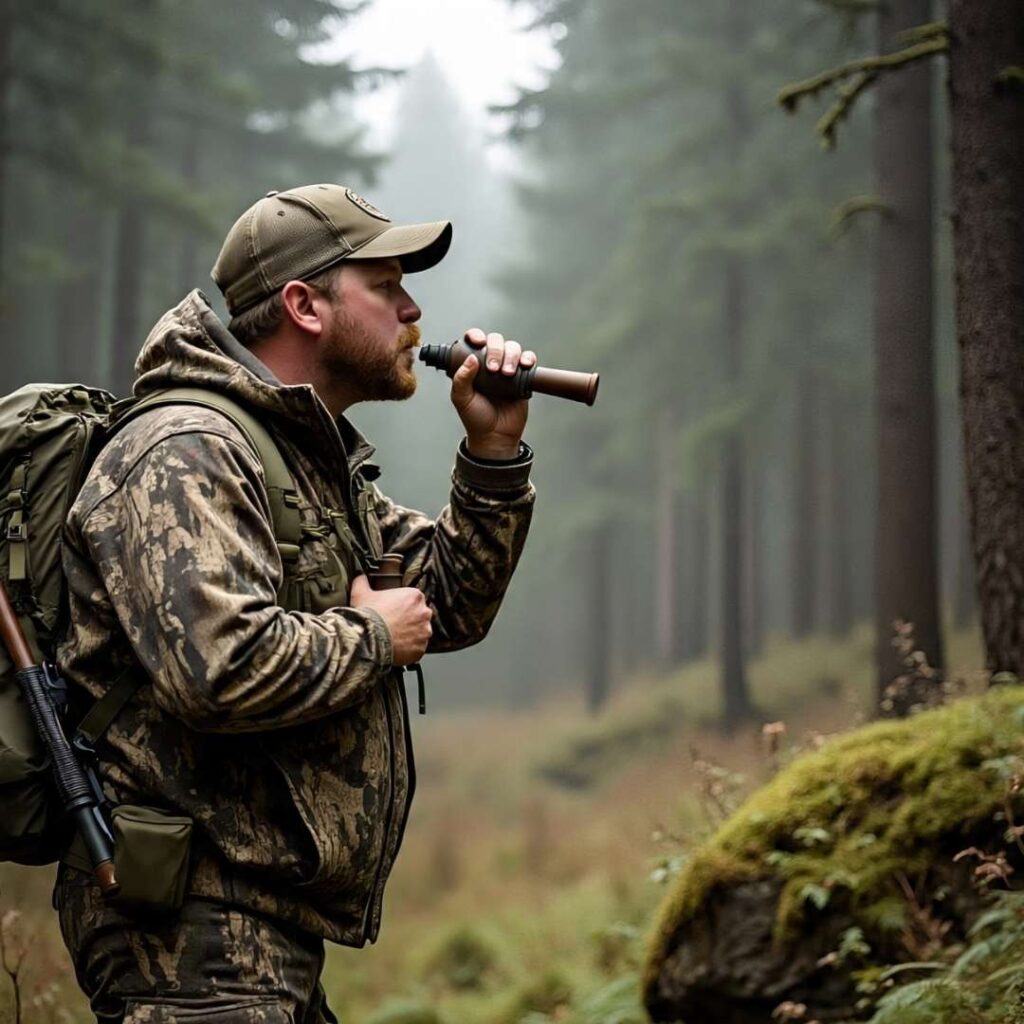
The woods are silent. A mature buck steps into the clearing, broadside, unaware of your presence. You reach for your grunt call—one sound later, he locks eyes, stomps, and vanishes. Just like that, your chance is gone.
Many hunters replay this exact scenario in their heads, wondering what went wrong. The truth? It often comes down to simple grunt call mistakes that can be easily avoided. In this post, we’ll break down **five common grunt call mistakes—and how to fix them—**so your next hunt ends in success, not frustration.
Mistake 1: Using Grunt Calls Too Often
One of the most common errors hunters make with grunt calls is simply overusing them. While it’s tempting to reach for your call every few minutes, too much noise quickly tips deer off that something isn’t right. Instead of drawing them in, excessive calling can send them bolting out of range.
Deer are highly sensitive to their surroundings, and they recognize natural calling patterns. In the wild, bucks don’t grunt nonstop. They vocalize occasionally to communicate dominance, maintain contact, or signal breeding interest. When hunters overcall, it creates an unnatural rhythm that deer immediately pick up on.
The problem is that many hunting enthusiasts believe frequent grunt calls equal stronger attraction. In reality, constant calling has the opposite effect. Just as you might ignore a phone that won’t stop buzzing, a buck will ignore—or even avoid—what seems like an overly aggressive or unnatural sound.
To fix this mistake, think of grunt calls as a tool for subtle influence rather than constant control. Your goal is to mimic natural deer behavior, not to dominate the woods with artificial sound. A few well-timed calls will always be more effective than a barrage of noise.
Here are some simple ways to keep your grunt calls realistic and effective:
- Short, spaced-out grunts = realism. One or two soft calls followed by silence feels authentic.
- Constant calling = unnatural. Continuous grunting sounds forced and alarms deer.
- Think of grunt calls like texting. Too many messages get ignored or blocked; the same applies in the woods.
By calling sparingly, you allow curiosity to work in your favor. A buck that hears a single, subtle grunt is more likely to investigate than one overwhelmed by nonstop noise. Remember, in deer communication, less almost always means more.
This balance sets the stage for the next mistake many hunters make—using grunt calls at the wrong time. Understanding not just how much to call but when to call can make or break your hunt.
Mistake 2: Wrong Timing with Grunt Calls
Even when hunters use grunt calls sparingly, many still make the mistake of calling at the wrong time. Timing is everything in the woods, and a poorly timed grunt can completely ruin an otherwise perfect setup. Understanding when to call—and when to stay quiet—separates successful hunts from missed opportunities.
One of the biggest timing errors happens when a deer is already on high alert. If a buck is staring your way, stamping his hoof, or showing signs of unease, hitting your grunt call is the worst move you can make. Instead of calming him, the sound confirms his suspicion and drives him off.
Another common mistake occurs when hunters call while deer are too close. At close range, grunt calls can sound unnaturally loud and aggressive, breaking the illusion of authenticity. Deer may spook immediately, leaving you no chance to recover. At such moments, silence is your best strategy.
The ideal time to use grunt calls is when a buck is moving calmly, distracted by feeding, or walking out of range. A subtle grunt in these situations mimics natural communication and can trigger curiosity or dominance without raising suspicion. This timing gives you control over the encounter without pressuring the animal.
Here are a few practical tips for mastering timing with grunt calls:
- Call when deer are calm. Relaxed behavior creates the best opportunity for a natural response.
- Wait for a deer to pass slightly out of range. A soft grunt can stop him or turn him back.
- Never call when a buck is locked on you. Any sound will increase his alertness.
By using grunt calls with patience and purpose, you let the moment dictate your action instead of forcing it. Deer react more favorably when timing feels natural and deliberate.
Getting timing right is crucial, but it’s only half the equation. The next mistake hunters often make is using the wrong tone or volume, which can be just as damaging to your success in the field.
Mistake 3: Using the Wrong Tone or Volume
Grunt calls are not a one-size-fits-all tool. Just as deer change their vocalizations based on mood and season, hunters need to adjust tone and volume to match the situation. Using the wrong sound at the wrong level is one of the quickest ways to alarm deer and end your hunt early.
Too much volume is the most frequent mistake. A loud grunt may carry farther, but it often comes across as unnatural or aggressive, especially outside of the rut. Bucks that aren’t in a dominant mood will shy away from what they perceive as a challenge. Instead of investigating, they’ll slip out quietly.
On the other hand, calls that are too soft fail to make an impression. If a buck can’t hear the grunt, it serves no purpose. Worse still, an inconsistent tone that rises and falls unnaturally can make the call sound artificial, tipping off wary deer before they commit to approaching.
The key to success is matching your grunt calls to both the deer’s behavior and the hunting season. During the rut, a slightly louder, more aggressive grunt may spark dominance. In early or late season, subtle and soft calls are more effective, reflecting natural deer communication at those times.
Here are some quick guidelines to keep your tone and volume in check:
- Soft tending grunts work best at close range or in early season setups.
- Moderate contact grunts help reach deer that are nearby but out of sight.
- Aggressive grunts should be reserved for rutting bucks ready to challenge rivals.
Think of grunt calls as a conversation. If you shout when a whisper will do, you risk breaking the mood. If you mumble when boldness is needed, your message never gets through. Balance ensures your calls sound natural and believable.
Mastering tone and volume builds authenticity, but hunters often overlook another critical factor—matching grunt calls to the season. Knowing when and how to adjust your calling strategy by time of year is the next step to consistent success.
Mistake 4: Not Matching Grunt Calls to the Season
Another major mistake hunters make with grunt calls is using the same strategy all season long. Deer behavior shifts dramatically throughout the year, and if your calling doesn’t adjust to match, you risk sounding unnatural. What works in November during peak rut will not have the same effect in September or January.
In the early season, deer are cautious and less vocal. Overly aggressive grunt calls at this time feel out of place and often spook bucks instead of attracting them. The right approach is to keep calls soft and minimal, mimicking light communication between deer rather than dominance displays.
During the rut, everything changes. Bucks are charged with testosterone and far more responsive to grunt calls. This is the time for slightly louder and more assertive grunts, often combined with rattling sequences to mimic a challenge. The right tone can trigger a dominant buck’s natural instinct to defend his territory.
Late season calls for restraint again. After the rut, bucks are weary from breeding activity and highly alert to danger. Loud or frequent grunt calls will send them running. Instead, a few quiet, subtle grunts can encourage cautious deer to investigate without raising alarm.
Here’s a quick seasonal guide for using grunt calls effectively:
- Early season: use light, sparing grunts to avoid spooking deer.
- Rut: mix in aggressive grunts with rattling for maximum attraction.
- Late season: keep calls soft and subtle to avoid pressuring wary bucks.
By tailoring your grunt calls to the season, you mirror the natural communication patterns of deer at different times of year. This seasonal awareness not only improves realism but also increases your odds of coaxing a buck into range.
Even with the right seasonal strategy, hunters often fail to notice how deer react in real time. Ignoring a buck’s body language after a grunt call can undo all your careful planning, which brings us to the next mistake.
Mistake 5: Ignoring Body Language After a Grunt Call
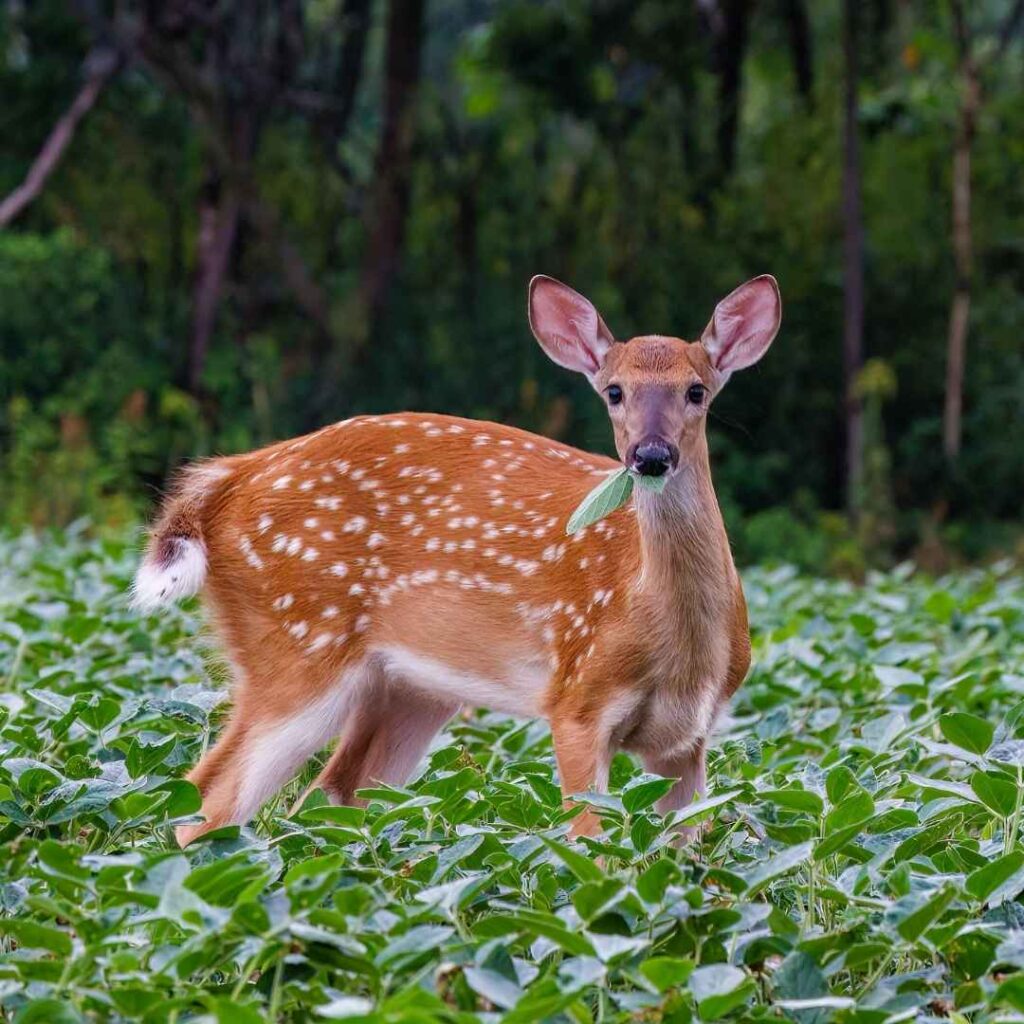
Even when hunters use grunt calls correctly, many still make the mistake of ignoring what comes next—the deer’s reaction. Body language provides instant feedback, and failing to read it often leads to blown opportunities. A call without observation is like speaking without listening.
When a buck hears a grunt call and freezes, his posture tells you everything. If he raises his head, perks his ears, and scans the woods, he is alert but undecided. Calling again too soon in this moment can break the illusion and send him bounding away. Patience becomes the smarter move.
Another reaction is cautious investigation. If the buck takes a few steps in your direction but stops frequently to look around, he is curious but suspicious. A second, soft grunt after a pause may encourage him to close the distance, but pushing too hard risks ruining the setup.
Sometimes, deer respond positively and commit right away. If a buck turns directly toward the sound, there’s no need for additional grunt calls. Many hunters lose deer by getting overexcited and calling again, which makes the encounter feel staged. Silence in this scenario is the strongest strategy.
Here are quick tips for interpreting deer body language after a grunt call:
- Staring or stomping: stay quiet; another call confirms his suspicion.
- Slow approach with caution: wait, then add a soft call if needed.
- Immediate commitment: remain silent and prepare for the shot.
Learning to read and respond to deer behavior ensures grunt calls feel authentic. Every movement, ear flick, or step is a clue that guides your next decision. By paying attention, you avoid overcalling and keep the illusion alive.
Mastering body language completes the picture. With the right frequency, timing, tone, seasonality, and observation, grunt calls become a true hunting advantage instead of a liability. Used wisely, they can transform an ordinary sit in the woods into the hunt of a lifetime.
Conclusion: Mastering Grunt Calls for Hunting Success
Grunt calls can either make or break your hunt. As you’ve seen, overcalling, poor timing, the wrong tone, ignoring the season, and overlooking deer body language are mistakes that cost hunters countless opportunities. The good news? Each one is easy to fix when you hunt with patience, awareness, and strategy.
The next time you step into the woods, treat your grunt call as a tool of precision, not pressure. Subtlety and timing win more deer than force ever will. By avoiding these five pitfalls, you’ll not only improve your success rate but also build more memorable, rewarding hunts.
Now it’s your turn—have you ever made one of these grunt call mistakes, or do you have a tip that works for you? Drop a comment below and share your experience with fellow hunters.
And if you want more proven deer hunting strategies, gear breakdowns, and expert tips, follow Deer Hunting Gateway on Facebook, Instagram, and TikTok. Every hunt can teach you something new—don’t miss the next lesson.
]]>Will you be surprised to know that a well-designed and deer-friendly yard can increase your chances of attracting them by up to 80%?
Attracting these animals to your yard is a great way to connect with nature. If you’re a wildlife enthusiast who loves to watch animals or a hunter preparing for the hunting season.
Knowing what attracts deer to your yard can create a space that is attractive to them.

In this guide, I’ll walk you through 9 expert secrets that will help you design a deer-friendly yard, and make it a haven for these majestic creatures.
1. Food Attracts Deer
One secret to attracting deer is by providing food. Deer are constantly on the lookout for reliable food sources, especially during the colder months or when natural food becomes scarce.
- What Deer Eat: Common foods they enjoy include acorns, apples, clover, and even corn. By planting trees that produce nuts or fruit and grasses that grow naturally in your area, you can create a steady food source for them.
- Planting Deer-Friendly Plants: Like Oaks (for acorns), apple trees, and clover plots will keep deer coming back to your yard. You can create bedding areas with tall grasses or thick vegetation if you are interested in natural feeding.
- Food Plots: Planting a dedicated food plot. It’s like a buffet for them! consisting of crops like soybean or clove. This can further boost your chances of attracting deer.
- Be mindful of local regulations, especially when planting food plots, to ensure you’re acting responsibly. Just make sure to check your local regulations on food plots and feeding wildlife.
2.Shelter and Safe Spaces
Aside from the food, deer need safe spaces to rest and hide. By creating natural shelters in your yard, you will provide them with the security they need and attract them to your yard..
- Natural Cover/Habitat: Planting dense shrubs, trees, and tall grasses can offer the protection deer seek.
They prefer areas where they can quickly hide from predators, so incorporating thick vegetation will make your yard feel safer to them.
- Artificial Shelter Options: You can create portable shelters and a small brush pile if you don’t have a lot of natural cover, this will provide deer with a cozy spot to rest.
- Landscaping for Privacy: Deer are naturally shy and will avoid areas with too much human activity. You can create privacy for them by using hedge rows, shrubs, or even a simple fence to block out the hustle and bustle of daily life.
3. Water Sources to Attract Deer
Water is another key element in attracting deer and perfectly answers the question, of what attracts deer to your yard. Just like any other animal, deer need consistent access to fresh water, and providing it can significantly increase your chances of seeing them regularly.
It can be a pond, stream, or even a simple water trough can do the trick.
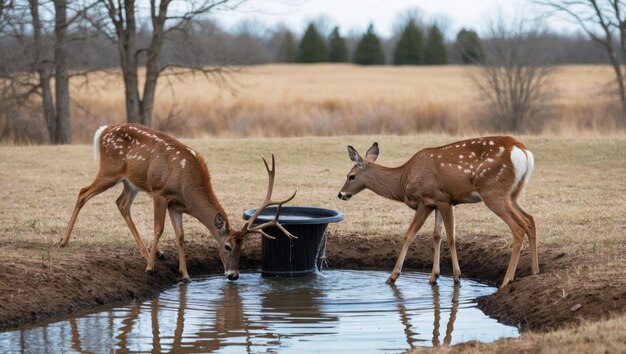
- Water Features: Deer are more attracted to natural water sources like a pond, you can add a small artificial pond or a water feeder to your yard.
- Seasonal Water Needs: Remember, deer’s water needs vary by season. In the summer, they need more to stay hydrated, while in winter, they will seek out ice-free water sources.
- Placement Tips: Position your water source near your food plot or in a quiet part of your yard to make it more accessible and appealing to deer.
4. Keep Your Yard Quiet and Calm
Deer are very sensitive to noise and human activity. If you want to attract them, you have to create an environment where they feel safe and undisturbed.
- Deer and Human Scent: Deer have a remarkable sense of smell, and too much human scent in the area will scare them off. Limit your movements around the spots where you want to attract deer.
- Noise Sensitivity: Loud noises such as barking dogs, heavy machinery, or frequent human presence can deter deer. The quieter your yard, the more comfortable deer will feel.
- Creating a Calm Environment: Deer are attracted to a serene environment that makes them feel at home.
5. Use Deer Lures and Scents
When it comes to what attracts deer to your yard, using deer attractants like doe estrus or salt licks is a proven way to draw deer closer to your property. These natural scents can entice deer to investigate your yard, especially during mating seasons.
- Best Times to Use: Use attractants during the rutting season or when natural food sources are scarce. This is when deer are most likely to seek out new feeding grounds.
The best times to use these attractants are early morning or late afternoon when deer are most active.
- DIY Lure Options: You can create your own lures using things like corn or molasses to attract deer to your yard.
6. Minerals and Salt Licks
Deer need a variety of nutrients, and minerals are key for their health, especially when it comes to antler growth. Providing a mineral block or salt lick will make your yard attractive to bucks.
- Best Salt Lick Placement: Position your salt lick in a quiet, shady spot where they feel safe enough to linger. This attracts them easily to your yard.
- DIY Mineral Sites: You can also create DIY mineral sites by mixing salt with other minerals such as calcium and phosphorus to improve their health. This will give them a reason to return again and again.
7. Forest Edge
One response often given by experienced deer hunters when asked, ”What attracts deer to your yard” is Forest Edge. Deer are attracted to forest edges because they provide food, shelter, and easy access to open areas.

- Deer prefer to travel along the edges of forests where they can quickly dart into cover.
- To mimic this in your yard, create a forest-like edge with tiered vegetation. Hedges, rows of trees, or small clearings can make your yard feel like an extension of the natural habitat, encouraging deer to visit.
8. Manage Yard Design for Deer Attraction
Yard design is one key answer to the question, of what attracts deer to your yard.
Choose a layout that combines food, shelter, and water sources. Strategically plant trees and shrubs to provide cover, and leave pathways open for deer to move through easily.
You can even fence off certain parts of your yard to prevent over-browsing and still allow deer to access their favorite spots.
Creating natural trails and clearings can guide deer directly into your yard, offering a more reliable experience for observing or hunting.
9. Seasonal Adjustments
- Understanding Deer Behavior by Season: During the summer, deer are more likely to roam widely, while in winter, they stick close to reliable food and shelter. Adapt your yard to these seasonal needs.
- Winter Strategies: In colder months, consider providing extra food, like corn, and additional shelter to help deer weather the harsh conditions.
Responsible Deer Attraction and Conservation
As you get answers to your question, what attracts deer to your yard, remember It’s essential to attract these animalsresponsibly.
Check local laws regarding feeding and interacting with wildlife to avoid any legal issues. Attracting deer can also contribute to wildlife conservation by supporting local ecosystems and ensuring they have safe habitats to live in. Read about ethical wildlife management practices.
In Summary
Finally, you just learned 9 expert secrets on what attracts deer to your yard. Attracting these animals to your yard is a brilliant way to engage with wildlife, and it does not have to be complicated.
With these 9 guides, you can create a haven that’s perfect for deer while enjoying the beauty of nature right in your backyard.
Start small, be patient, and enjoy the rewards of a deer-friendly yard that both you and the wildlife can appreciate.
If you’re ready to take the next step, check out more tips on wildlife management and ethical ways to create your own deer sanctuary at Deer Hunting Gateway.
Remember to share your tips in the comments section.
]]>In this comprehensive guide, we will take an in-depth look into how to call like a pro, with a focus on three specific animals: turkeys, coyotes, and mallard ducks.
Understanding Turkey Vocalizations
Birds have many sounds, each with their own purpose. As a hunter, you should know these sounds so you can either identify or hunt turkeys more effectively.
Let us examine a few:
Cluck
The cluck is a sharp sound turkeys use to stay in touch. Hunters can use the cluck to keep turkeys interested. This can help in a successful hunt.
Purr
The purr is a soft sound turkeys make when they’re happy or socializing. Hunters can use the purr to make turkeys feel safe and come closer.
Gobble
The gobble is a loud call only males make. It shows they’re availability and mostly is used to attract hens. Hunters can use the gobble to bring in other turkeys, either out of curiosity or to challenge them.
Kee-kee run
The kee-kee run is a high-pitched whistle young turkeys make when they’re lost. Hunters can use this call to show they care and bring in turkeys of all ages.
Choosing the Most Effective calling technique
There are many types of ways you can call a turkey. Depending on your hunting style, you can use any of the calls to attract turkey.
Let us look at the different types, and then you get to choose what works best for you depending on your style and hunting conditions:
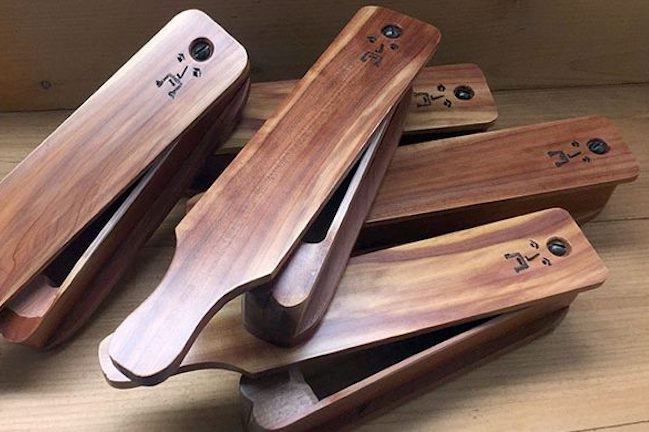
Box Calls
Box calls are easy to use and great for making realistic turkey sounds. They have a chamber and a stick, or paddle. Rubbing them together makes the sounds turkeys make. Even beginners can learn to use them quickly.
Pot Calls
Pot Calls are mostly used by hunters because of their range of sounds. They have a circular pot with a striking surface. When the striker is hit on the pot, hunters can make different turkey sounds.
This type of call also allows hunters to control the sounds well, attracting turkeys.
Diaphragm Calls
Diaphragm Calls are hands-free and versatile but to use them, you will need practice. They usually have a frame with a latex reed in the mouth.
Blowing air across the reed makes different turkey sounds. Diaphragm calls are very useful because they let hunters call without losing their shooting position. But, they take skill to use well.
Push-Pull Calls
Push-Pull Calls are very simple. They usually come with a box and a spring and a peg. Moving the peg makes different turkey sounds.
This kind of call is great for beginner hunters or those who want a reliable call.
Locator Calls
Locator Calls help find turkeys by mimicking sounds like a crow or coyote. They don’t sound like turkeys, so they won’t scare them away.
Using them right can help hunters locate turkeys from afar. The best time for using these calls are early in the morning or late afternoon.
Turkey Calls Summary: Effective Calling Techniques
When learning turkey calls, you should start with the basics like clucks. Later, you can move to more complex calls. To really replicate these sounds, you should listen to real turkeys or recordings to learn their sounds.
When implementing these calls, you should take not of how loud you call. Ensure that your calls are moderate such that they attract turkeys far way without scaring those close by.
Also learn to adjust your calls based on how the turkey reacts to increase your chances of success.
In summary:
- Develop a strong foundation in turkey vocalizations by mastering easy calls such as clucks before moving to more advanced calls.
- Observe and learn from real turkeys or recordings to gain a deeper understanding of their calls.
- Adjust your calling volume to attract distant turkeys without distracting nearby ones.
- Time your calls carefully to engage a turkey’s curiosity without scaring it away.
- Adapt your calling strategy based on the turkey’s response to increase your chances of success.
Mastering Effective Calling Techniques For Coyote
Previously hunters used rodent and rabbit calls to hunt coyotes. However, they are are getting smarter and harder to hunt with just rodent or rabbit calls.
Now, hunters need to use different Coyote Vocalizations to catch them. This includes non-aggressive male howls and female yodels or pup sounds.
Using Coyote Vocalizations
Coyotes make over two dozen sounds to talk to each other. Interesting right?! Usually from January to March, these sounds work better than calls for prey.
In some instances, a special Coyote Call Sequence may be appropriate. It starts with electronic male howls, then a female yodel, a calm howl, a distress call, and finally, sounds of pup distress and death.
This mix makes coyotes curious and think there are more of them. Handmade coyote equipment have big benefits over store-bought ones because they are made just for you and will sound better and coyotes won’t recognize them.
Effective Calling Techniques for Mallard Ducks
Mallard ducks are a top choice for Waterfowl Hunting. If you are looking to hunt these birds, learning their calling techniques is a good way to go.
Mallards use different calls for various situations, like decrescendo calls for females, chuckles for feeding and flying together, and common quacks for other needs.
Mallard Call Vocalizations
Using the right calls is important because when you use them right, you can help attract these birds.
Calls like quacks, feeding calls, comeback calls, and hail calls can be used to get better results.
To get the most out of your waterfowl hunting expedition, you need to have the right hunting gear and really master these duck calling techniques.
Effective calling techniques for ducks is about precise mouth movements and controlled air. To get better, you should learn to mimic mallards’ sounds, including the basic quack and chuckle sequence and practice often.
Now let’s take examine the differences between some two duck calls.
Effective Calling Techniques: Single Vs Double Reed Call
First, you should know that the type of duck call you pick depends on the situation and the sound you want.
Single-reed calls on the other hand are versatile, letting you make many mallard sounds, from basic quacks to complex ones.
Double-reed calls are also easier for beginners, needing less air pressure and making a raspier sound.
Next, let us examine some advanced duck call strategies.
Advanced Duck Call Strategies
Before you get to this stage of mastering advanced duck call strategies, you should understand that duck hunting goes beyond just basic calling.
One tactic you can learn is mimicking a “lonesome hen” to attract other ducks looking for a mate or a group. This works best during breeding season when ducks answer calls from a lone female.
Another trick is using “hail” or “highball” calls to get ducks’ attention from above or far away.
When you become an expert in Duck Calling Techniques, you will learn how to mix different duck sounds. Mixing these calls will make it sound like a lively flock, which will catch ducks’ attention and bring them closer.
But to get there, you need to keep working on your skills and adjust to changing hunting conditions. This will improve your Duck Hunting Strategies and Waterfowl Hunting Tactics a lot.
Go Ahead And Learn!
A serious hunter knows that to attract the game you want, you need to put in some extra effort. This includes learning some of these calls.
Mastering calling takes time and effort but these skills can determine if your hunt turns into a success or a miss.
All the best on your journey to learning the wild’s secrets and becoming a true calling expert.
]]>