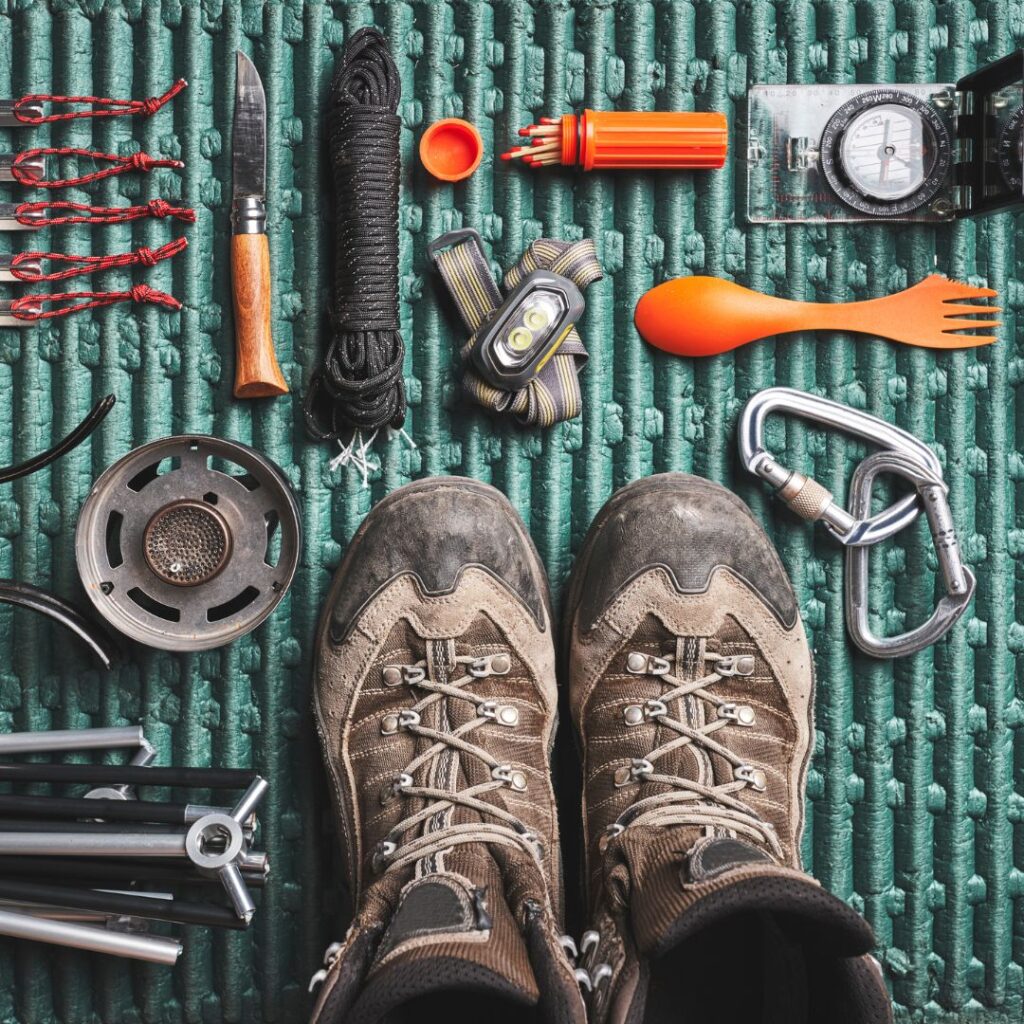
Have you ever hiked deep into the woods, only to realize you left behind one of the hunting accessories that could make or break your hunt? Every hunter knows that one forgotten tool can turn a promising day into a frustrating setback, often making the difference between success and going home empty-handed.
The truth is, skill alone won’t guarantee results—having the right hunting accessories in your pack can mean safer trips, better game visibility, and a more rewarding experience overall. Whether you’re new to the sport or a seasoned pro, these five essentials will keep you prepared and confident in the field.
1. Reliable GPS & Compass Hunting Accessories
When you’re deep in the woods, far from marked trails or familiar landmarks, navigation becomes one of the most critical skills a hunter can have. Even the most experienced outdoorsmen can get turned around in thick cover or low-visibility conditions. This is where navigation-focused hunting accessories play a vital role—not only for success but also for safety.
Why Navigation Tools Matter in the Field
Losing your sense of direction in the wilderness isn’t just frustrating; it can also be dangerous. Hunters often cover miles of rugged terrain while tracking game, and without reliable navigation tools, finding your way back can become a serious challenge. The right hunting accessories ensure you always know where you are, where you’re going, and how to return safely.
Modern GPS vs. Traditional Compass and Maps
Today’s hunters have the benefit of advanced GPS devices that provide real-time location tracking, topographic maps, and even waypoints for marking game trails or tree stands. A good GPS unit is compact, rugged, and designed with long battery life, making it an essential tool for modern hunting.
However, traditional tools like a compass and waterproof map still hold tremendous value. Unlike GPS devices, a compass doesn’t rely on batteries or satellites. In the event of dead batteries or a device malfunction, a compass paired with a detailed map becomes your most dependable backup. Smart hunters carry both—using the GPS for convenience and the compass as a fail-safe.
Must-Have Navigation Hunting Accessories
When packing for your next hunt, consider adding these essential navigation accessories to your gear list:
- GPS device with long battery life – Ideal for marking game trails, tracking routes, and navigating unfamiliar areas.
- Backup compass + waterproof map case – A lightweight, reliable tool that works in any condition.
- Headlamp or flashlight for low-light navigation – Crucial when traveling before dawn or after dusk.
Investing in these navigation hunting accessories doesn’t just make your trip easier—it ensures you return home safely and with confidence, ready to focus on spotting and scouting game.
2. Optics: Binoculars & Rangefinder Hunting Accessories

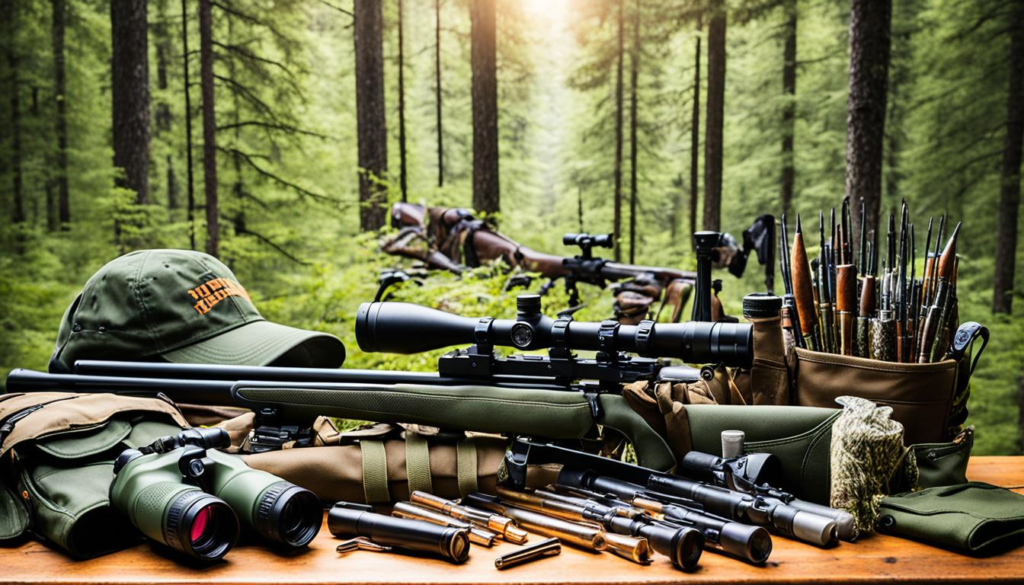
Spotting game at the right moment can determine whether your hunt ends in success or disappointment. Good optics are among the most valuable hunting accessories because they allow you to locate, identify, and assess animals from a distance without giving away your position. For hunters who spend hours scanning fields, ridgelines, or dense woodlands, reliable binoculars and a rangefinder are indispensable.
Why Optics Are Critical in Hunting
Wild game animals like deer, elk, or turkey are naturally alert and quick to detect movement. Approaching too closely without proper gear increases your chances of being spotted. With the right optics, you can scan large areas efficiently and pick out subtle details—like antler tips in tall grass or movement at the edge of a treeline. This not only improves your accuracy but also helps conserve energy during long hunts.
Binoculars vs. Rangefinders: What’s the Difference?
Binoculars are essential for scanning wide landscapes. A high-quality pair with good magnification and clarity lets you observe game at long distances and evaluate whether it’s worth pursuing. Look for lightweight, fog-proof, and waterproof binoculars that can withstand changing weather conditions.
On the other hand, a rangefinder provides precision. It measures the exact distance between you and your target, accounting for terrain and angles. This is especially useful for bowhunters and rifle hunters who need accurate range data to make ethical, effective shots. While binoculars are for finding game, rangefinders are for closing the deal.
Must-Have Optics Hunting Accessories
Every hunter should consider adding these optics to their gear bag:
- Lightweight, fog-proof binoculars – Perfect for long hours of scanning in various weather conditions.
- Rangefinder with angle compensation – Delivers accurate distance readings for better shot placement.
- Lens cloth + protective case – Keeps your optics clean and ensures long-term durability.
Together, binoculars and rangefinders make up a powerful combination of hunting accessories, giving you the advantage of both scouting game from afar and making precise, ethical shots in the field.
3. Survival & First Aid Hunting Accessories
When you’re miles from civilization, small problems can quickly become big emergencies. That’s why survival and first aid gear are among the most important hunting accessories you can carry. Whether it’s a twisted ankle, unexpected weather, or a minor cut while field dressing, being prepared can keep a simple hunt from turning into a dangerous situation.
Why Survival Gear Matters for Hunters
Hunting often takes you deep into remote terrain where help isn’t readily available. A slip on wet rocks, sudden storms, or even fatigue can put you at risk. Having the right survival-focused hunting accessories means you’re equipped to handle the unexpected. It’s about protecting yourself so you can enjoy the hunt with peace of mind.
Essential First Aid & Survival Tools
A compact first-aid kit is non-negotiable. Stock it with bandages, antiseptic wipes, blister pads, and pain relievers—items that address common field injuries. Pair this with a sturdy hunting knife or multi-tool, which doubles for emergency repairs and survival tasks. Fire-starting tools like a ferro rod or waterproof matches are also vital, ensuring you can build a fire for warmth or signaling if you’re stranded.
Another often-overlooked accessory is an emergency blanket. Lightweight yet incredibly effective, it retains body heat and can even serve as temporary shelter. These essentials weigh very little but can be lifesavers in the field.
Must-Have Survival Hunting Accessories
To stay safe and prepared, make sure your pack includes:
- Compact first-aid kit – For cuts, scrapes, blisters, and basic medical needs.
- Firestarter (ferro rod or waterproof matches) – A reliable way to build warmth or signal for help.
- Multi-tool or hunting knife – Versatile gear for cutting, repairs, or emergencies.
- Emergency blanket – Lightweight protection against hypothermia and sudden weather changes.
Carrying these survival-focused hunting accessories ensures you’re not just hunting smart, but also hunting safe—ready for whatever the wilderness throws at you.
4. Clothing & Scent Control Hunting Accessories
When it comes to staying undetected in the field, your clothing and scent management can be just as important as your weapon. Animals like deer have extremely sharp senses—keen eyesight and an even sharper nose. Without the right hunting accessories for concealment, you risk spooking game before you ever get a clear shot.
Why Concealment Matters in Hunting
Wild game are experts at detecting predators. A flash of unnatural color or the faintest trace of human scent can send them running. Proper camo clothing and scent control hunting accessories help you blend into your surroundings and mask your presence. This allows you to get closer, remain undetected, and ultimately increase your chances of a successful hunt.
Clothing for Comfort and Stealth
Your hunting apparel should serve two purposes: protect you from the elements and make you invisible to game. Choose camouflage patterns that match the terrain—woodlands, fields, or snowy environments. Insulated layers are essential in cold conditions, while lightweight, breathable fabrics are best for early-season hunts. And don’t overlook durable, waterproof boots—these keep you comfortable and quiet while covering long distances.
Scent Control for Staying Undetected
Even with the perfect camo, your scent can give you away. That’s why scent-control hunting accessories are vital. Scent-eliminating sprays, carbon-layered clothing, and scent-blocking bags for gear storage all reduce the chances of deer catching your smell. The less detectable you are, the closer you can get without alerting your target.
Must-Have Concealment Hunting Accessories
Add these essentials to your gear bag for better concealment:
- Insulated camo gear – Weather-appropriate clothing that blends with the environment.
- Scent-control sprays or scent-blocking clothing – Reduces human odor in the field.
- Waterproof, durable hunting boots – Keeps you dry, quiet, and mobile in any terrain.
By combining the right clothing with scent control hunting accessories, you’ll stack the odds in your favor—staying hidden, comfortable, and prepared for long hours in the wild.
5. Game Processing & Call Hunting Accessories
A successful hunt doesn’t end when you spot your target—it continues through calling, harvesting, and properly processing your game. That’s why game processing tools and calling devices are must-have hunting accessories for every serious hunter. They not only improve your chances of drawing game closer but also ensure you handle your harvest efficiently and respectfully.
Why Calls and Processing Tools Matter
Wild animals don’t always wander into shooting range on their own. Calls mimic natural sounds like grunt calls, doe bleats, or rattling antlers to spark curiosity or trigger dominance responses. Using the right hunting calls at the right time can make the difference between an empty day and a filled tag.
Once the hunt is successful, game processing becomes just as important. Field dressing ensures the meat stays clean and fresh, while proper storage and transport preserve your hard-earned harvest. Having the right tools keeps the process safe, fast, and effective.
Calls for Luring Game
Different calls serve different purposes depending on the season and the species you’re targeting. Grunt calls work well during the rut to attract bucks, while doe bleats appeal to curiosity or maternal instincts. Rattling antlers can trigger aggressive responses from dominant males. Adding these hunting accessories to your kit gives you more control over your hunt.
Processing Tools for the Field
Field dressing requires precision and care. A sharp hunting knife or complete field dressing kit allows you to process the animal quickly and safely. Game bags are also essential, keeping the meat clean and cool during transport. For hunters planning future trips, trail cameras are excellent scouting accessories, helping track movement patterns before you even set foot in the field.
Must-Have Game Processing & Call Hunting Accessories
Keep these items in your hunting pack:
- Deer calls (grunt calls, doe bleats, rattling antlers) – Attract and lure game effectively.
- Field dressing kit (gloves, knives, bone saw) – Safe and efficient game processing.
- Game bags – Protect harvested meat during transport.
- Trail camera – Scout game movement for future hunts.
With the right combination of calls and processing hunting accessories, you’ll not only increase your success in the field but also ensure your harvest is handled with skill and care.
Conclusion
Success in the field doesn’t happen by chance—it’s the result of preparation, skill, and the right gear. From navigation tools that keep you safe, to optics that sharpen your vision, to clothing, scent control, and game processing essentials, these hunting accessories give you every advantage nature allows.
Now it’s your turn: What’s the one hunting accessory you never head into the field without? Drop your answer in the comments—we’d love to hear from fellow hunters. And if you found these tips useful, don’t keep them to yourself. Share this post with a hunting buddy who could use a gear upgrade, and follow us on social media for more field-tested advice, expert tips, and gear recommendations to make your next hunt your best one yet.
]]>
As the hunting community continues to grow and diversify, women hunters are hitting the woods, and are increasingly seeking gear that meets their specific needs and preferences.
It’s not just about looking good; it’s about being safe, comfortable, and effective. In 2025, the market is filled with innovative products designed to enhance the hunting experience for women. Here are the top 5 hunting gear essentials that every female hunter should consider:
Essential Hunting Apparel for Women Hunters
Finding the right clothing is crucial for comfort and performance during long hunting trips. Women-specific hunting apparel is designed to fit better, providing flexibility and mobility.
Moisture-wicking fabrics are your friend, keeping you dry and at ease.These garments are often designed with input from women hunters, ensuring they meet the unique needs of women in the field. Gear that fits well moves well with you.
Insulating Layers
When it gets cold, insulation is your best friend. Fleece or down jackets and pants trap heat. Packability is a plus, so your layers don’t hog space. Consider the warmth-to-weight ratio. A lightweight, super warm jacket is worth its weight in gold. Staying warm prevents you from getting distracted by the cold.
Outerwear: Jackets and Pants
Outerwear needs to block wind and rain, plain and simple. Look for waterproof and windproof features. Breathability stops you from getting soggy inside. Durable materials hold up to tough terrain. Camo patterns should match your hunting area. Women-specific cuts offer better fit and movement.

Firearms and Accessories Tailored for Women Hunters
Choosing the right firearm and a lightweight rifle can make a significant difference in handling and accuracy for women in hunting. Think about the perfect accessories for better comfort and accuracy.
Choosing the Right Firearm
Caliber matters depending on the game. Think about if you want a rifle or shotgun. Adjustable stocks let you customize the fit. Recoil pads cushion the blow. Weight matters; a lighter firearm is easier to handle. A firearm with manageable recoil allows you to be accurate.
Firearm Accessories
Scopes magnify your target. Slings free up your hands. Bipods steady your aim. Cheek risers give you a better view through your scope. Seek out those designed for female hunters; they’re out there! These things improve accuracy.
Footwear: Boots Built for the Women Hunters
Good boots are non-negotiable. Look for boots built for the terrain you’ll be hiking in. Fit, support, and waterproofing will help.
Selecting Hunting Boots
Ankle support prevents twists and sprains. Insulation keeps your toes from freezing. Waterproof membranes, like Gore-Tex, keep out water. Tread patterns should match the ground (rocky, muddy, etc). Try boots on with hunting socks to make sure they fit correctly. Proper footwear can really prevent injury and keep you out there longer.
Socks
Socks are the unsung heroes of hunting footwear. Moisture-wicking socks are key to avoid blisters. Wool and synthetic blends work well. Thickness depends on your boots and the weather. Proper socks can really prevent blisters.
GPS Devices and Tracking Apps
GPS devices and tracking apps are indispensable for navigating the wilderness and tracking game. Devices like the Garmin GPSMAP 66i offer advanced features such as satellite messaging and weather forecasts to help identify your exact location. Maps provide detailed topographic maps and property boundaries, helping women hunters stay informed and safe in the field.
Conclusion
Hunting is a rewarding experience that requires the right gear to ensure success and enjoyment. By focusing on these essential items, women hunters can enhance their time in the field, if they’re seasoned veterans or just starting out.
Whether it’s custom-fit apparel, lightweight rifles, or advanced GPS technology, each piece of gear plays a crucial role in making the hunting experience more accessible and enjoyable for women.
]]>Having a gear list for deer hunting that’s both reliable and efficient can make all the difference between a productive day in the field and a frustrating one.
It does not just boost your chances of bagging that trophy deer; it ensures your safety, comfort, and overall enjoyment throughout the hunt.
In this post, we are presenting the top gear list for deer hunting, a must-have selection of essential items trusted by experienced hunters.
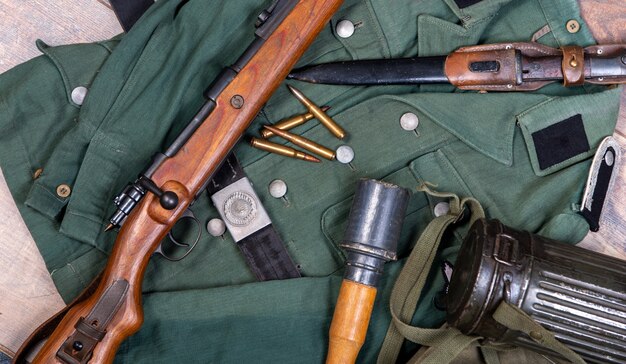
Whether you’re new to hunting or a seasoned pro, these must-have items will enhance your performance and keep you prepared for anything the wilderness throws at you.
2 Key Importance Of Having The Proper Gear List
- Preparation and Organization
A comprehensive gear list ensures that you have all necessary equipment before heading out, preventing the frustration of forgetting crucial items during your hunt. This maximises your hunting success.
- Safety and Efficiency
Proper gear enhances safety and increases your chances of a successful hunt by ensuring you’re equipped for various conditions and scenarios in the field.
Gear List for Deer Hunting- Essential Items and Tips
1.Clothing and Footwear
The right clothing and footwear are crucial for any hunting trip. Here’s what you need to include in your gear list for deer hunting
- Camouflage Gear
For a successful hunt, consider clothing that blends with your environment. Choose camouflage patterns that match the terrain you’ll be hunting in, whether it’s woodland, snow, or desert.
- Layered Clothing for Temperature Control
Weather conditions can change rapidly in the wild, a proper layering system keeps you comfortable in varying weather conditions. A three-layer system (base, mid, and outer layers) allows you to adapt to temperature fluctuations.
- Hunting Boots
Invest in quality waterproof and insulated boots to keep your feet warm and dry. Look for boots that provide good traction for navigating various terrains.
- Socks and Gaiters
Quality Socks and Giaters are as important as Hunting boots, do not overlook quality socks in your list. Merino wool socks are great for insulation, gaiters help keep debris out of your boots.
Table 1: Recommended Clothing and Footwear for Deer Hunting
| Item | Features to Look For | Top Recommended Brands |
| Camouflage Jacket | Breathable, lightweight, matching terrain | Sitka |
| Layered Clothing | Moisture-wicking base, warm mid-layer | Under Armour, Merino |
| Weather-Resistant Boots | Waterproof, insulated, durable sole | Danner, Irish Setter |
| Socks and Gaiters | Merino wool socks, waterproof gaiters | Smartwool |
Read more about essential clothing for hunters here.
2. Weaponry and Ammunition
Your choice of weapon can significantly impact your success in the field.
Include these essentials in your gear list for deer hunting.
- Rifles or Bows
Deciding between a rifle or bow depends on your hunting style and experience. Each has its pros and cons, but both can be effective if used correctly.
- Ammunition or Arrows
Choose the right caliber or arrow type based on your weapon and the size of the deer you’re targeting. Properly matched ammunition will improve your accuracy.
- Sights and Scopes
High-quality scopes or sights can make a substantial difference, especially for long-distance shots. Invest in reliable optics to improve your precision in the field.
Table 2: Top Weaponry and Ammunition for Deer Hunting
| Weapon Type | Key Features | Top Picks |
| Rifle | Lightweight, accurate, good range | Remington 700, Browning X-Bolt |
| Bow | Smooth draw, good power, accurate aiming | Mathews V3, Hoyt RX-7 |
| Ammunition | Proper caliber for deer size, high velocity | Federal Premium, Hornady |
| Arrows | Durable, sharp broadheads | Easton Full Metal Jacket, Carbon Express |
3. Optics and Rangefinding
Clear vision is critical when you’re out hunting, these items enhance accuracy and improve situational awareness.
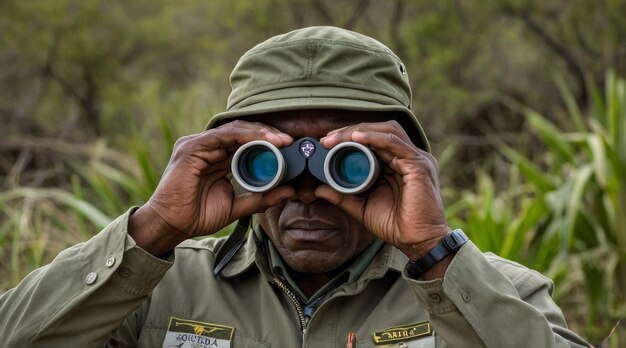
Here are the optics you should include in your gear list for deer hunting:
- Binoculars
High-quality binoculars will allow you to scout deer from a distance and identify any potential threats in your surroundings.
Look for models with good magnification and a wide field of view (8×32 or 10×42 magnification).
- Rangefinder
A rangefinder will help you gauge the distance between you and your target, enabling more accurate shots. This is particularly important for hunters using rifles or bows.
4. Safety and Survival Gear
As a season hunter or a novice, your safety should always be a top priority while deer hunting.
What you should pack in your gear list for deer hunting:
- Hunting Knife
A reliable hunting knife is an essential hunting tool used for field dressing and other tasks during your hunt. Choose one that is sturdy and easy to handle.
- First Aid Kit
Accidents can happen, so a well-stocked first aid kit is a must. Include basic supplies for treating cuts, scrapes, and more serious injuries.
- Fire Starters and Emergency Blanket
Fire starters are necessary for warmth or signalling for help in case of an emergency. An emergency blanket is lightweight and can help retain body heat.
- Compass and GPS Device
A compass and GPS device are important tools, especially in unfamiliar areas, as they help you avoid getting lost in the wilderness.
5. Game Processing and Field Dressing Equipment
You should always prepare for a successful hunt, and proper processing is crucial. Here’s what you’ll need:
- Game Bags
Look for breathable game bags that allow the meat to cool, this is key for transporting deer meat clean and free from contaminants.
- Gloves for Field Dressing
Gloves protect your hands from sharp objects and potential contaminants, when dressing your game.
- Field Dressing Kit
A field dressing kit with essential tools makes processing your game easier and more efficient. Look for kits that include a knife, bone saw, and other useful tools.
6. Backpack and Storage
A good backpack is key to carrying all your gear efficiently. Here are some essentials to include in your gear list for deer hunting:
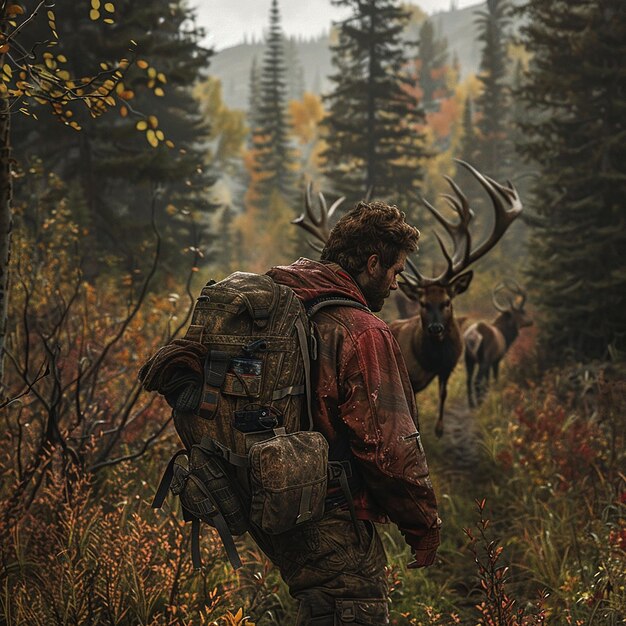
- Hunting Backpack
Choose a backpack designed for hunting. It should be durable, water-resistant, and have enough compartments to store your gear organized.
- Waterproof Storage Bags
Waterproof storage bags are vital for keeping your gear dry, in unpredictable weather. This can prevent damage to essential items during your hunting trip.
7. Scent Control and Calls
Managing scent is vital in deer hunting. Here’s what you need:
- Scent Control Products
Using scent control products can prevent deer from detecting human odors. Look for sprays and other items designed to neutralize scents.
- Deer Calls
Different types of calls, like grunt calls and rattling antlers, can attract deer by mimicking their sounds. Incorporate these into your gear for added effectiveness.
8. Food, Water, and Hydration Systems
Staying hydrated and energized during your hunt is essential. Consider the following a part of your gear list for deer hunting;
- Water Bottle or Hydration Bladder
Staying hydrated is critical, carry a water bottle or hydration bladder that’s easy to access during your hunt.
- Energy Bars or Snacks
High-energy snacks like energy bars are excellent for maintaining stamina. Opt for lightweight, nutrient-dense options.
- Water Purification Tools (Optional)
If you’re hunting in remote areas, consider bringing water purification tools to ensure you have safe drinking water.
9. Hunting Licenses and Documentation
Don’t forget the importance of having your hunting licenses, tags, and necessary permits. Always double-check that you’re compliant with local regulations before heading out.
10. Miscellaneous Must-Haves
Lastly, ensure not to overlook the below items:
- Headlamp or Flashlight
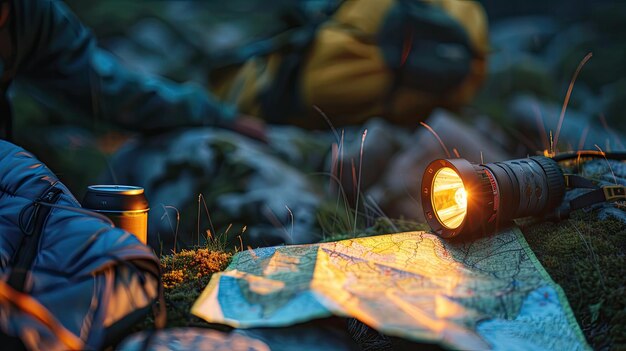
Moving in low-light conditions is key. A headlamp or flashlight will help you see clearly, especially during early morning or late evening hunts.
- Multitool
A multitool can be useful for various tasks during the hunt. It provides several functions in a compact form, making it easy to carry.
Final Thoughts
Having a well-prepared gear list for deer hunting is crucial for enhancing your deer hunting success and safe experience in the wilderness.
Each item listed plays a significant role in improving your performance and keeping you comfortable throughout your trip.
Whether you are a seasoned hunter or just starting, this top gear list for deer hunting covers all the essentials you need to be prepared for whatever the wild throws at you.
So gear up and get ready for a remarkable hunting adventure!
For more resources and tips, visit Deer Hunting Gateway and check out our other guides on deer hunting strategies and equipment.
Enjoy your hunting!
]]>You’ll learn about the Hunting Knives, Optics and Scopes, Hunting Packs and Bags, Game Calls, Hunting Safety Equipment, Hunting Maps and Navigation Tools, and Field Dressing Kits you need.
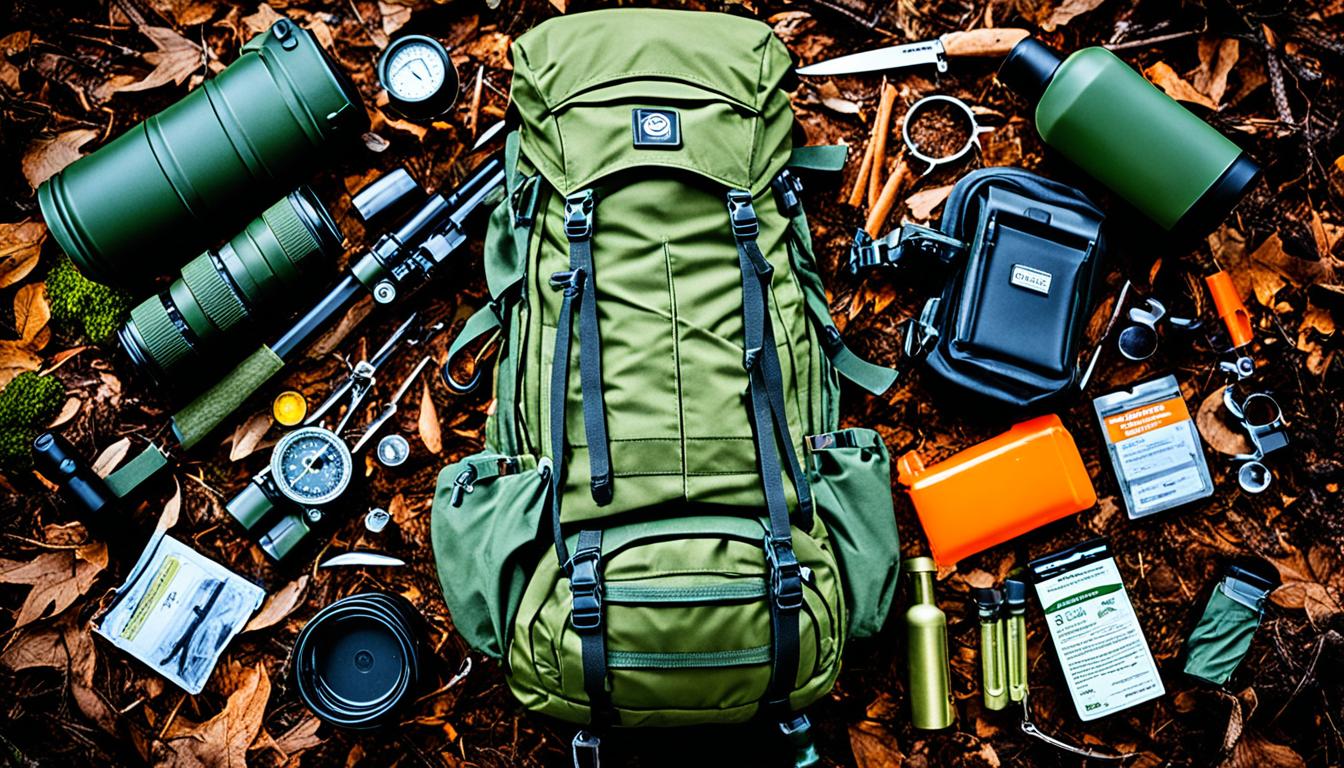
Every hunt is different, and so should your gear and preparation. But, there are some essential items every hunter should carry. This article will show you the must-have Essential Hunting Accessories for most hunts. These items can help make sure your hunt is successful, no matter the species or location.
Essential Clothing For Hunters
Choosing the right clothes is crucial for a successful hunt. Layering is essential. Begin with a base layer of moisture-wicking materials like merino wool or synthetic polyester. These keep you dry and comfy in different weather.
For insulating layers, use what you already own, such as sweatshirts and fleece jackets. It’s important to have many layers you can adjust. Merino wool or synthetic materials are great for keeping warm and dry.
Outer Shell Layers
Your outer shell layers should protect against water and wind. They should also be quiet to avoid scaring game. Depending on where you hunt, you might need camouflage or blaze orange. Make sure your clothes fit well but aren’t too tight.
Hunting Boots
Hunting boots are vital. They need to be well-insulated, especially for cold weather. Choose boots a size bigger than your regular shoes for extra room. This lets your toes move and stay warm. Good boots are key to a successful hunt, as cold feet mean heading back early.
Essential Hunting Tools
When it comes to essential hunting tools, two key items stand out: Hunting Knives and Multi-Tools. These tools are crucial for any hunter. They help with everything from field dressing to completing various tasks during your hunt.
Hunting Knives
A quality hunting knife is a must-have for any hunter. These knives are made to handle the tough tasks of field dressing and processing game. Fixed-blade knives are tough and easy to keep up, while folding knives are more compact. They also come with tools like screwdrivers and saws.
Multi-Tools
Multi-tools are great for hunters because they offer many tools in one small package. You can find screwdrivers, pliers, saws, and more in these tools. They’re perfect for fixing things or dressing game in the field. Having all these tools in one spot is super handy for hunters.
Having a good hunting knife and a dependable multi-tool is key for a successful hunt. They make your hunting tasks easier and more efficient.
Essential Navigation For Hunting
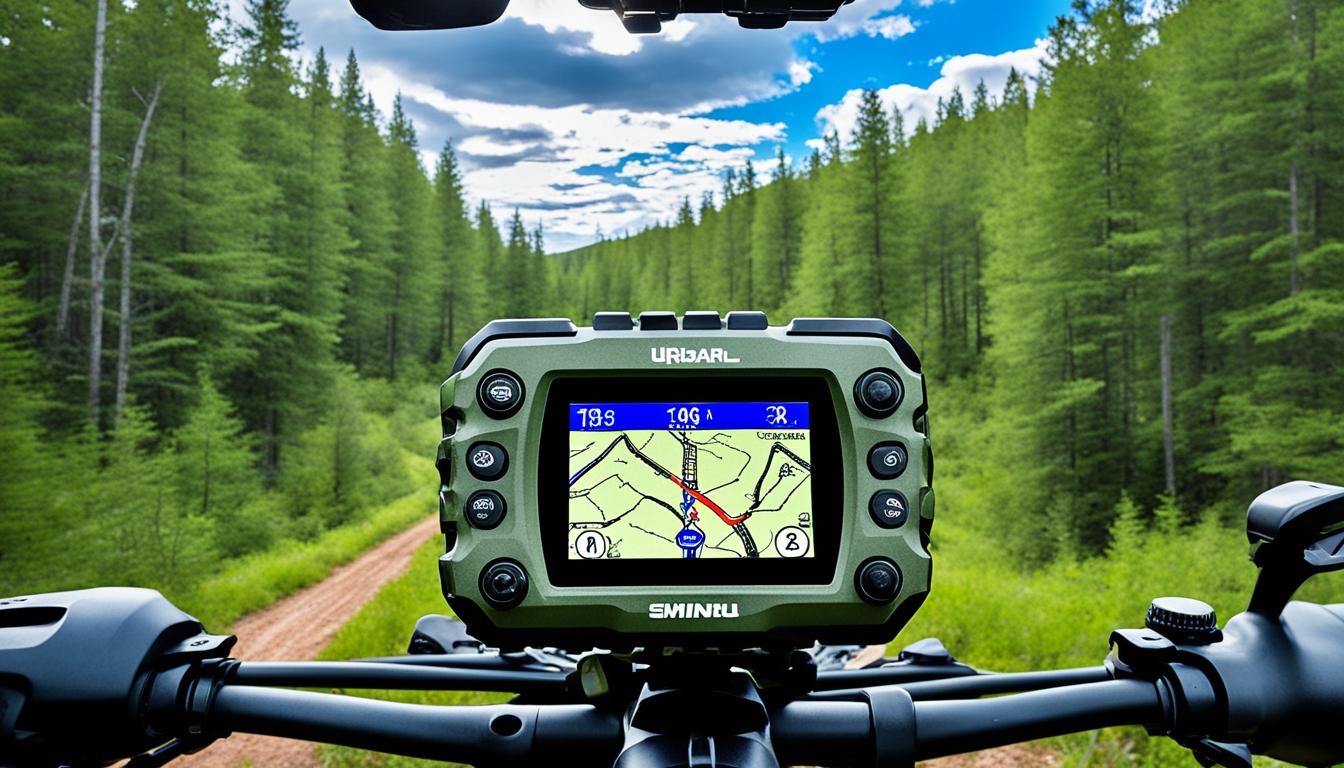
Knowing where you are and the land’s layout is key for a good hunt. Traditional map and compass skills are still vital. But, GPS units are now a top choice for many hunters. They make finding your spot easy, let you mark important places, and often have offline maps.
Gps Units
GPS devices have many benefits for hunters. They show your exact spot, helping you stay on track in new places. You can also mark key spots like your camp or where you find an animal. Some GPS units work offline, so you don’t need cell service to navigate.
Hunting Maps And Apps
Maps and apps are also great for hunting navigation. Topographic maps, paper or digital, help you understand the land and plan your path. The onX Hunt app is especially useful with its offline maps, waypoint tracking, and land info. These tools keep you on track and help you find your way in new areas.
Essential Hunting Visual Aids
Successful hunting depends on spotting and identifying potential game. Quality optics are key tools that greatly improve your hunting. Let’s look at the must-have visual aids for your gear.
Binoculars
A good pair of binoculars is a must for hunters. They let you check out your target and the area before shooting. You’ll find binoculars in various magnifications. It’s important to balance power with weight. Using bino harnesses and tripods can also make your Hunting Binoculars more useful.
Rangefinders
Hunting Rangefinders are vital for hunters, especially bow hunters. They help you measure the distance to your target accurately. For bowhunting, choose a rangefinder that works well at close ranges, marked in yards.
Spotting Scopes
A top-notch Hunting Spotting Scope is great for looking at distant areas. It lets you see potential game or their movements up close. It’s not needed for every hunt but can be a big help in open areas or for glassing from afar before stalking.
Choosing the right visual aids can greatly improve your hunting. Whether you like binoculars, rangefinders, or spotting scopes, these tools can make you a better and more responsible hunter.
Emergency Supplies For Hunting
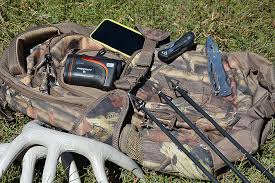
No hunting trip should be without essential gear. Hunters should pack water, food, shelter, a first aid kit, fire-starting tools, and light. A Sawyer water filter, high-calorie foods, emergency blankets, and a first aid kit are key for safety.
Ben Dillon, a seasoned hunter and physical therapist, credits a well-stocked first aid kit for helping him during injuries. His experiences highlight the need for practical knowledge and being prepared.
Here are some must-haves for a Hunting First Aid Kit:
- Band-Aids
- Steri-Strips
- Moleskin
- Tweezers
- PPE/nitrile gloves
- SAM splint
- Duct tape
- Burn cream
- After Bite
- Antibiotic cream
- Prep pads
- Medical tape
- Survival blanket
- Trauma shears
- Multi-tool
For a Hunting First Aid Kit, include Aspirin, Ibuprofen, Iodine tablets, and Electrolyte Tabs. These help with pain, inflammation, purifying water, and keeping electrolytes balanced. For wounds, pack QuikClot + Gauze, Chest Seal, CAT Tourniquet, and more to treat injuries and prevent infections.
Most states need a hunter safety course for a hunting license. Having the right gear ensures a safe and successful hunt.
Essential Hunting Accessories
Hunting is more than just having the basics. It’s about having the right gear for comfort and efficiency. Hunting packs, apparel, and key equipment are important. But, some versatile accessories can make your hunting better.
A trash bag is one such accessory. It protects your gear and can also be used for storing game meat. Paracord is another must-have. It’s useful for setting up shelters and securing your gear.
- Trash bags: Protect your gear and store game meat
- Paracord: Versatile for shelter, gear, and more
- Pen and paper: Take notes on your surroundings and sightings
A pen and paper might seem basic, but they’re very useful. You can write down observations, draw maps, or record important hunt details. These small items help you stay organized and focused.
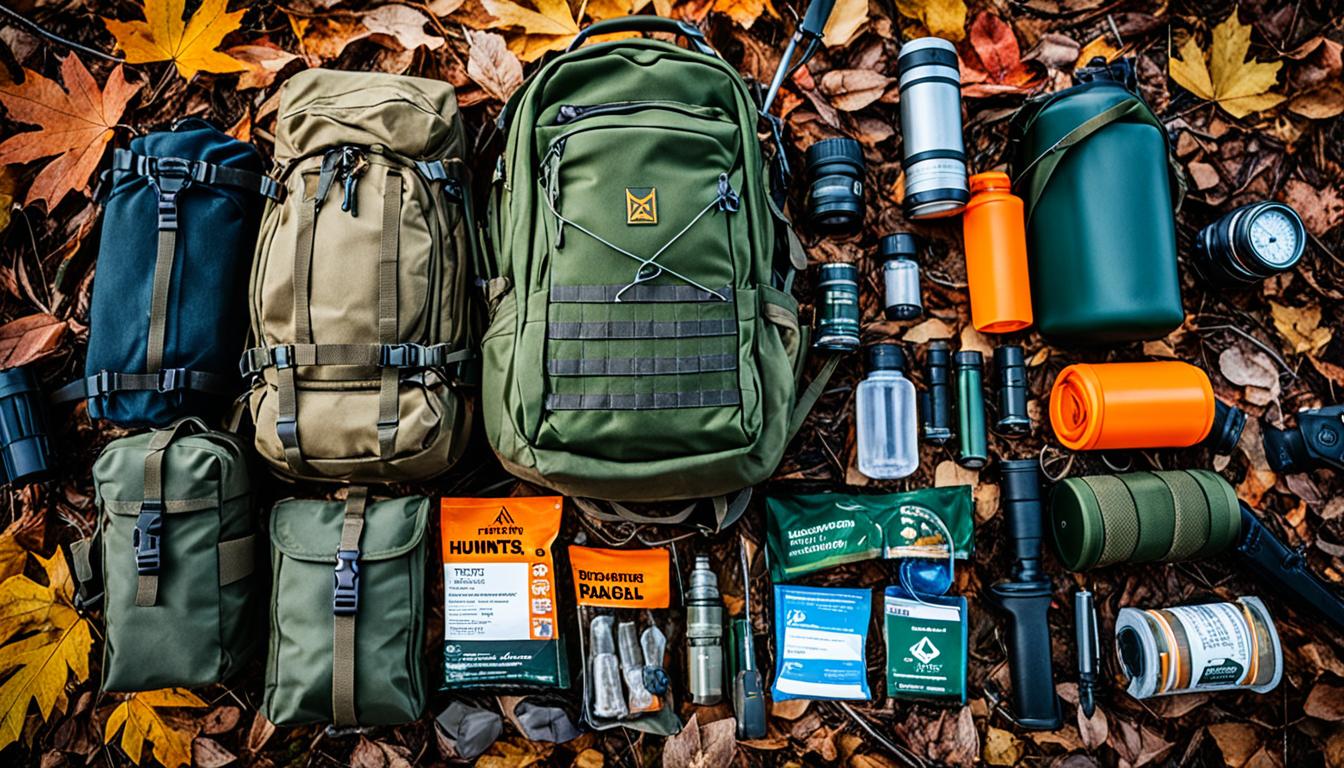
The hunting industry is growing, with more people taking up the sport. This means there’s a big demand for new and useful hunting accessories. From budget-friendly options to high-end gear, there’s something for everyone to improve their hunting.
Essential Elk Hunting Gear
Heading out to hunt elk in the rugged western terrain requires the right gear for success and comfort. Make sure to pack quality game bags and supportive hunting boots.
Game Bags
Keeping the meat safe and cool after you’ve dressed your elk is key. That’s where quality game bags come in. They keep flies away and let the meat cool properly. A good pair of game bags means your elk meat stays in top shape.
Hunting Boots
Sturdy, supportive hunting boots are a must for elk hunting. You’ll be walking a lot and carrying a heavy pack. So, boots with great ankle support and waterproof liners are essential. The mountains can be unpredictable, so boots that handle tough conditions are key for your comfort and safety.
With the right Elk Hunting Gear, like game bags and quality boots, you’re ready for the challenges of elk hunting in the western wilderness.
Essential Deer Hunting Gear
When hunting whitetail deer, having the right gear is key. This includes everything from scent control products to specialized equipment. The right gear can make your hunt better and help you bring home the deer.
Scent Control Products
Deer have a strong sense of smell. So, controlling your scent is very important. Using scent-blocking clothing and sprays can help you stay hidden. High-quality scent control gear can really help you out when hunting whitetail deer.
Rangefinders
A good rangefinder is a must for deer hunters, especially archers. It’s important to know how far away your target is for a good shot. Rangefinders that work well up close are best for bowhunters.
Deer Drags
After you’ve made a successful hunt, a strong deer drag or rope is very useful. They let you easily move the deer to your vehicle. This saves your back and shoulders from carrying a heavy load. Having the right gear makes recovering your deer easier and less tiring.
Choosing the right deer hunting gear can really improve your hunting. Focus on scent control, a good rangefinder, and a reliable deer drag. This will help you have a better and more successful deer hunting season.
Conclusion
Getting ready for a hunt with the right gear is crucial for success and fun. You need the best clothing, tools, navigation aids, optics, and emergency supplies. This way, you can enjoy the hunt without worrying about your equipment. Whether you’re after elk or whitetail deer, the right gear makes a big difference.
Essential items like insulating layers, durable boots, and reliable knives are key. This article has covered the must-have accessories for various hunting situations. By choosing quality gear and preparing well, you’ll get the most out of your outdoor adventures and increase your chances of success.
The success of a hunt also depends on the gear you pick. With the right accessories, you can fully enjoy the hunt and make unforgettable memories. So, make sure you have the best gear with you to support your hunting journey.
]]>For hunters, the thrill of the game forms part of their reasons for engaging in the sport. Useful for hunting, sports, and even military tasks. Long-range shooting is a skill that tests your mind and body.
If you are not sure how to start, this guide will show you how to improve your long-range shooting skills. You’ll learn about body position, trigger control, and how to pick the right gear.
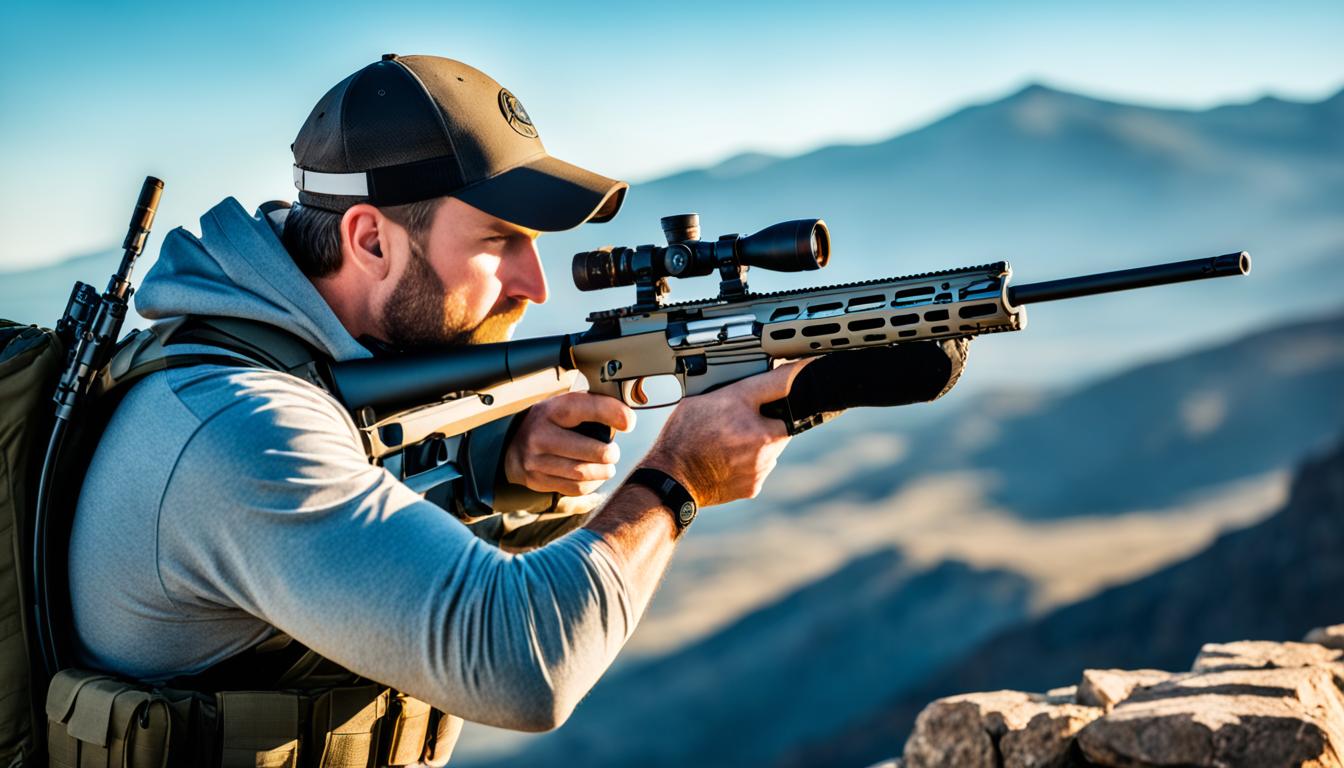
Fundamentals of Long-Range Shooting
Long-range shooting requires mastering basic shooting skills. How your body is positioned, trigger pulls among others.
Let us examine these in detail:
- Right Body Positioning
Stand directly behind the rifle with your eyes on the scope. This setup helps keep your aim steady and true.
- Proper Grip and Stance
Hold the rifle firmly but not too tightly. Place your thumb on the stock’s side, not around it, to prevent movement. When shooting prone (time for you to shoot), use your non-dominant hand for support, not your dominant one.
- Breathing and Trigger Control
Slow, steady breathing and a smooth trigger pull are vital. Take your time to breathe fully before shooting. This helps you stay calm and hit your mark consistently.
Choosing the Right Equipment For Long-Range Shooting
Choosing the right gear is key for long-range shooting is about picking the best Rifle and high-quality Optics that suit this type of shooting. Each piece you select is vital for accuracy and precision.
The Ideal Rifle and Caliber
For long-range, a rifle with a heavy barrel, quality trigger, and a stable chassis is ideal for the job. An example of this will be The Savage 110 Precision rifle which is a top pick with a low budget, (under $1,500).
For calibers, ensure you go for calibers with high Ballistic Coefficients (BCs) to fight wind and keep accuracy.
Invest in Quality Optics
Scope Features are key for long-range. Find a scope with adjustable zoom and a big objective lens for better light. A typical example of this is The Vortex Strike Eagle 5–25×56 FFP. This scope is a great choice for beginners, priced around $800.
Other optics such as the reticle system, eye relief, and Ballistic Calculators when picking optics. These help you adjust your scope for your setup and the environment.
Quality accessories like a Kestrel 5700 Elite wind meter ($749) and a Vortex Razor HD 4000 GB rangefinder ($499.99) can boost your shooting skills.
Long-Range Shooting: Techniques and Tips for Precision
The way a bullet moves, its speed, and how it fights against the air can change where it hits. This makes learning the basics of long-range shooting very important. When you understand the wind speed, you can change the wind drift and get more accurate shots.
Mastering Proper Shooting Positions
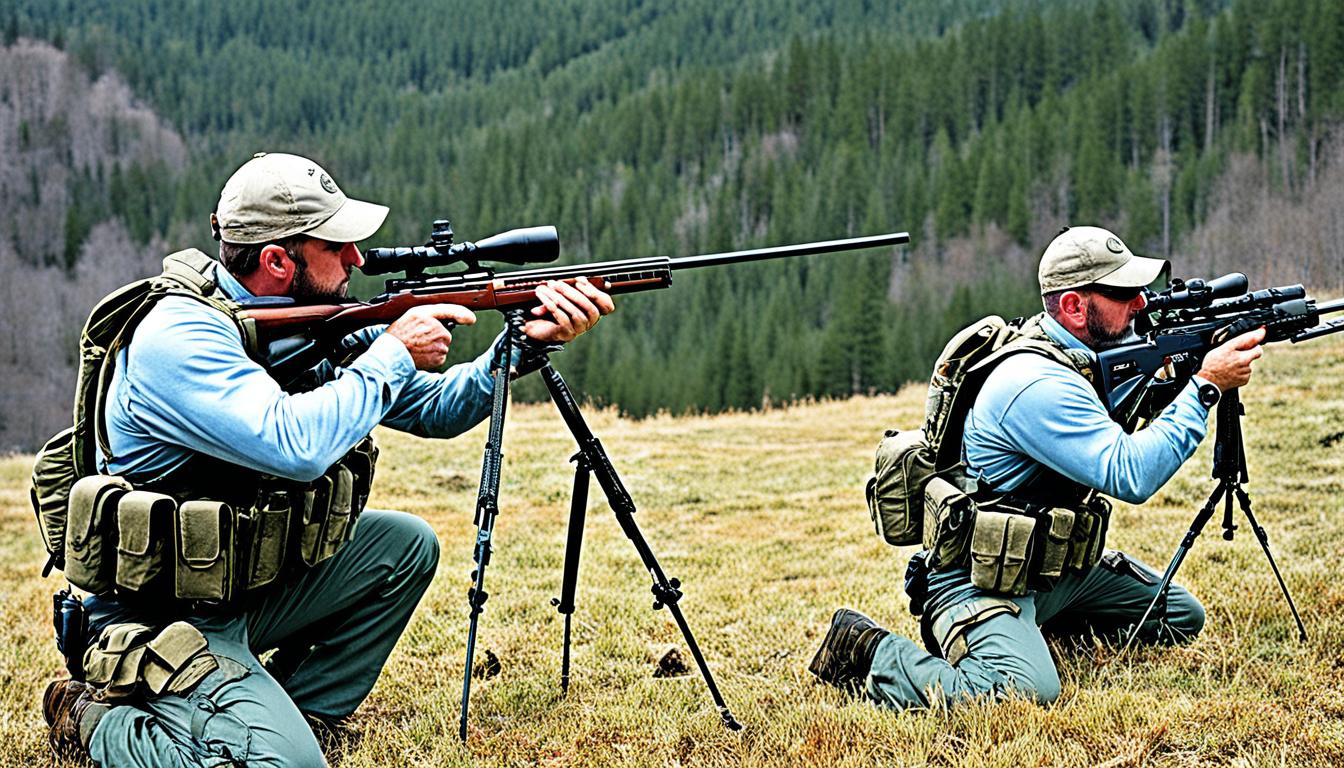
To accurately hit your mark from a distance, you should get into the right Shooting Positions. The prone position, where you lie flat on the ground, is often used because it’s stable.
You can also consider adding things like bipods or sandbags which will keep you still, giving you more accurate shots.
You should also consider the environment when shooting far away. Things like the ground and the weather can affect your aim. There’s no shortcut, to be a good shooter, learn to adjust your skills using a mix of knowledge. Sometimes too, trust your instinct!
Consistent Routines and Practice
Practicing regularly is key to getting better at long-range shooting. Try Dry-fire training, (where you practice without live ammo), this can help improve your skills.
Make sure to set aside time for shooting and stick to a schedule, even when it’s hard.This way, you can slowly get better at hitting your targets. Focus on the basics and keep practicing. Over time, you’ll see your accuracy and consistency grow.
Before hunting season, check your rifle’s aim and pick the right ammo. Using the same gear for practice as you will for hunting makes you more efficient. This helps you get ready for real shots.
Master Long-Range Shooting
Regular practice and focusing on the basics are key to getting better at long-range shooting. To be a pro, get the basics right and keep practicing.
You can also try connecting with long-range shooting communities near you. Having a community will boost your hunting and competition game.
The path to long-range shooting mastery is ongoing, so be patient with yourself. You will be a pro at it, sooner than you think.
]]>But it is not enough to just know these laws, we must also be better stewards of nature by following them.
This guide will cover the essential parts of hunting laws. We’ll talk about bag limits, permits, and ethical hunting. I promise this will be a good one to get you started on your journey of protecting nature while enhancing your hunting.
Understanding Bag Limits and Legal Requirements
As a responsible hunter, it is important for you to know about bag limits and legal requirements because knowing them will ensure hunting is done right.
For example, knowing that Archery Antlerless Permits are good during the archery deer season in any county and Firearms Antlerless Permits work during all parts of the firearms deer season helps in your hunting preparations.
As a hunter, you can take advantage by buying and filling as many Archery Antlerless Deer Hunting Permits as you want during the archery season.
However, depending on your location there are set limits on how many permits you can fill with firearms during the firearms season.
Equipping for a Successful and Safe Hunt
After successfully identifying the types of permits for different seasons in your country/location, you need to also identify the hunting equipment rules before you set out to choose your hunting gear. For starters, you should get a set of Firearm Safety and Archery Gear that fits the game you’re after.
Ensure that your guns are working well and you know how to use them. As a hunter, you should be prepared for any weather changes therefore, adding the right clothes and gear is necessary.
As part of your preparation, you should learn as much as you can about the Terrain you are going to hunt in. Foreknowledge of the what challenges you might face, will help you brace yourself accordingly.
To effectively do this, keep up with the weather forecast and be open to unexpected weather changes, as well. Be prepared, at all times!
Ethical Hunting
Ethical hunting are hunting practices that respect animal welfare and the environment. The aim of ethical hunters is to minimize suffering and operate within legal and fair regulations.
To ensure compliance with ethical hunting principles, we will examine a few things:
- On-Site Safety Protocols
First things first, don’t be a loner. In situations where you should be a loner, be sure to always tell a trusted friend your hunting plans, including when you’ll be back. This information could come in handy should anything unexpected happen.
While you may have informed a trusted person, it is still important to carry a phone or radio with you. These can be your link to help if an emergency comes up.
- Wildlife Preservation and Ethical Tenets
The actions (whether positive or negative) of hunters greatly affect wildlife conservation. If bag limits and hunting seasons are followed closesly, overhunting will be prevented and animal populations will be in a healthy balance.
- Respecting the Chronology of Hunting Seasons and Bag Limits
One of the most important things to do to protect biodiversity, is to learn about the the animals you hunt. This will prevent you from harming them by mistake.
Below are 3 key ethical hunting practices you can try:
Ethical Hunting Practices
- Seek humane and effective kills. This reduces suffering and waste.
- Focus on a specific quarry. This helps keep the ecological balance.
- Do not target one species too much. This helps protect the natural food chain, helping all wildlife thrive.

Now you are all equipped to effectively hunt but what happens when something goes wrong during a hunt? How do you deal with unforeseen circumstances that could affect either you or the animals you are hunting?
This is what we are about to learn:
Preparing for Emergencies
To effectively tackle emergencies while hunting, you need to have the right first aid skills. As a hunter, you should always have a good first aid kit, this is vital for treating minor injuries or helping until help arrives.
You should also learn some basic navigation tools like GPS or maps, this will help you find your way if you get lost. For easy reference, keep the 5 points below as a checklist to prepare for emergencies before going on a hunt.
- Learn basic first aid for minor injuries or emergencies that might happen while hunting.
- Know how to handle wildlife, like snake bites or aggressive animals.
- Learn about hypothermia, heat exhaustion, and other weather dangers. Know how to treat them.
- Make a clear plan with your hunting group, including how to communicate and who to call in an emergency.
- Get and learn to use basic navigation tools, like a compass, GPS, or map, to avoid getting lost.
When you are adequately prepared, you can have a safe and fun hunting trip without worrying about what to do in case of an emergency.
In this article, we have provided you with everything you need to do to ensure you are hunting ethically.
On your next hunt, remembe to use what you have learnt to ensure you make the right choices that will keep both you and the animals you hunt, safe for generations.
]]>You’ve most likely also thought about what makes hunting tools different or how you can pick the best one for you?If so, this guide is for you. In a few paragraphs, we’ll look at how your hunting goals, physical abilities, and local laws matter.
You’ll also get to learn about rifle calibers and traditional bows. This will help you make a smart choice for your hunting gear. By the time we are done, this will be your go-to resource for making the best choice for your next hunt.
Choosing The Right Rifle Calibers
Rifle calibers are measures of the internal diameter of the rifle barrel, which corresponds to the size of ammunition that can be fired through it. There are many options, each with its own benefits. But the top choices for deer hunting are the 30-30 Winchester, 30-06, and 308 Winchester.
These rifles are known for their reliable performance, easy handling, and wide ammo selection. Other rifles such as the 300 Winchester Magnum are great for long shots but have a stronger recoil.
Recently though, rifle calibers like the 6.5 Creedmoor and 6.5 Grendel are becoming increasingly popular for their accuracy and gentle recoil. The 7mm-08 Remington is also popular for its mix of power, precision, and easy handling.
In summary, to hunt effectively, you can choose from this list of rifle calibers:
- 30-30 Winchester: Perfect for close-range shots.
- 30-06: For various hunting scenarios.
- 308 Winchester: Perfect for long-range shots.
- 300 Winchester Magnum: Good for long-range performance (Nb: it has a more pronounced recoil).
- 6.5 Creedmoor and 6.5 Grendel: Newer rifles, praised for their accuracy, long-range potential, and light recoil.
- 7mm-08 Remington: Good to gain precise shots with manageable recoil.
While these are guidelines, you should know that choosing the right rifle caliber is a personal decision. Weigh your shooting skills, the terrain, and your preferences.
Choosing The Right Bow
Before you hunt, you have to think about arrow and broadhead types, bow weight, and how it fits you. There are different kind of bows, each with its’s own advantages. Consider these two:
- Recurve bows: These are good for hunting big game because of their power and accuracy.
- Longbows: These are known to be beautiful and work very well with arrows.
For both experienced and new archers, recurve and longbows have a special appeal. Your joy for hunting may be affected by your success in a hunt or otherwise.
We have outlined some factors to consider if you want to decide which equipment is best for your hunting expedition.
Choose Your Hunting Equipment: Rifle Or Bow?
We are just going to look at a few differences which will help you decide which equipment is best for you.
- The recoil factor: Rifles have more recoil which can affect your aim and control. Bows, on the other hand, are smoother and more comfortable for some hunters.
- The range factor: Rifles can shoot farther than bows.
- Accuracy factor: Both rifles and bows can be very accurate. But, the skill and practice needed can differ. Rifles might be easier for beginners.
While your preferance plays a key role in the hunting equipment you can use, legal rules are also important.
You should learn about hunting laws in your country or vicinity and ensure you are using the right hunting equipment and hunting.
That leads us to the next important thing when deciding to choose your hunting equipment.
Understanding Hunting Regulations
As a responsible hunter, knowing hunting rules in your country is key. Following these rules makes hunting safe, ethical, and legal.
Depending on your location, getting the right licenses, when you can hunt and how much you can hunt may vary. But it’s important to learn these rules to be a respected hunter.
As a general rule, ensure you have the following in order:
Licensing and Legal Requirements
Before you go hunting, make sure you have the right licenses and permits. You might need a basic hunting license.
Also be sure to know the hunting regulations, like when you can hunt, how much you can take, and how to hunt in your area/country. These rules change a lot by countries, states or even areas, so be sure to check the specific rules for where you’re hunting.
Verify the checklist:
- Get the needed hunting licenses and permits
- Learn about season dates, bag limits, and allowed hunting methods
- Keep up with any changes to hunting regulations in your area
Hunt responsibly and within the law for a safe and ethical experience.
Mastering Your Weapon
A key to succeeding as a hunter is to practice at the shooting range often. Whether you’re into rifles or archery, regular practice helps you get better at using your gear.
It’s the way to gain the skills needed for hunting well and ethically. Here are a few tips for improving your shooting skillset.
Shooting Positions and Stability
- Prone positions: These are the most stable for long-range shots.
- Standing position: This is quite tough and not the best for stable long-range shots.
- Sitting with support: Support like bipods or tripods, makes you more stable, helping with your precision.
- Kneeling position: With the right setup, kneeling can help you gain more accurate shots.
As a hunting enthusiast, you will have no problem spending time to improve your skills. Choosing the right rifle or bow will lead to more successful and rewarding hunting experiences.
So, get ready for your next hunting trip with the knowledge from this guide. Choose the best rifle or bow, improve your shooting skills, and follow ethical hunting practices.
Happy hunting!
]]>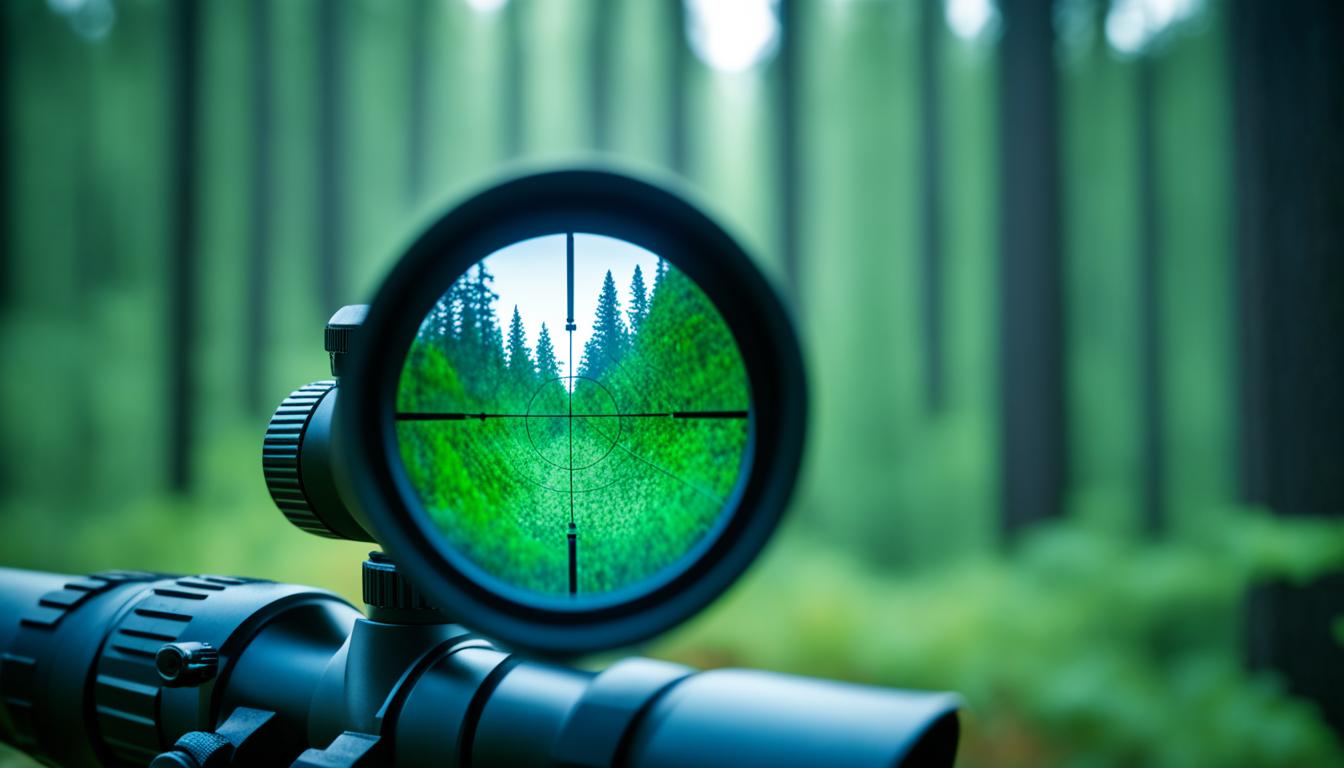
What’s important when picking the best optics and scopes for hunting? You’ll need to think about magnification levels, eye relief, lens coatings, and reticle patterns. Also, have you heard about the latest in mounting systems and spotting scopes?
These can improve your accuracy and flexibility in the field. Get ready to learn how to pick the best gear for your hunting adventures.
Understanding The Importance Of Rifle Scopes
Rifle scopes are key for modern hunters. They offer unmatched accuracy and versatility. A good scope can change a miss into a hit, as the author learned during a snowstorm.
The Evolution Of Rifle Scopes: From Simple To Sophisticated
Rifle scopes have changed a lot over time. They went from simple to complex, with features like illuminated reticles and ballistic compensation. Now, hunters can pick a scope that fits their needs and hunting style.
Scopes now have glass-etched reticles for better precision and durability. They also have BDC and Mil reticles for accurate aiming at specific distances. The Impact Ballistic program matches cartridges with reticles for better long-range shots.
The right scope can really change the game for hunters. It gives them the tools to make precise shots and improve their hunting. By knowing about magnification, reticle patterns, and ballistics, hunters can choose wisely and increase their success in the field.
Key Factors To Consider When Choosing A Hunting Scope
Choosing the right hunting scope is often about your budget. High-end scopes can be expensive but are worth it for their quality. They offer better light transmission, clarity, and durability for tough hunting conditions.
But, you don’t have to spend a lot to get a good scope. It’s about finding the right balance between cost and what you need for hunting. Knowing your budget can help you find the best value.
Magnification Levels: Choosing The Right Power For Your Hunt
Choosing the right magnification is also key. Fixed-Power Scopes are great for close-range shots in dense cover. They give a wide view and help you quickly spot targets. Variable-Power Scopes are versatile, letting you change the magnification for different distances.
- For bush hunting or stalking small game up to 100 yards, a low magnification of 1-4x is best.
- A 3-9x scope is good for stalking game up to about 200 yards.
- For hunting in wide areas over 200 yards, scopes with 4-16x or 3-12x magnification are ideal.
Knowing the differences between Fixed-Power and Variable-Power Scopes helps you choose the right one. This ensures you’re prepared for hunting in any terrain.
Optics And Scopes Selection: Exploring Essential Features
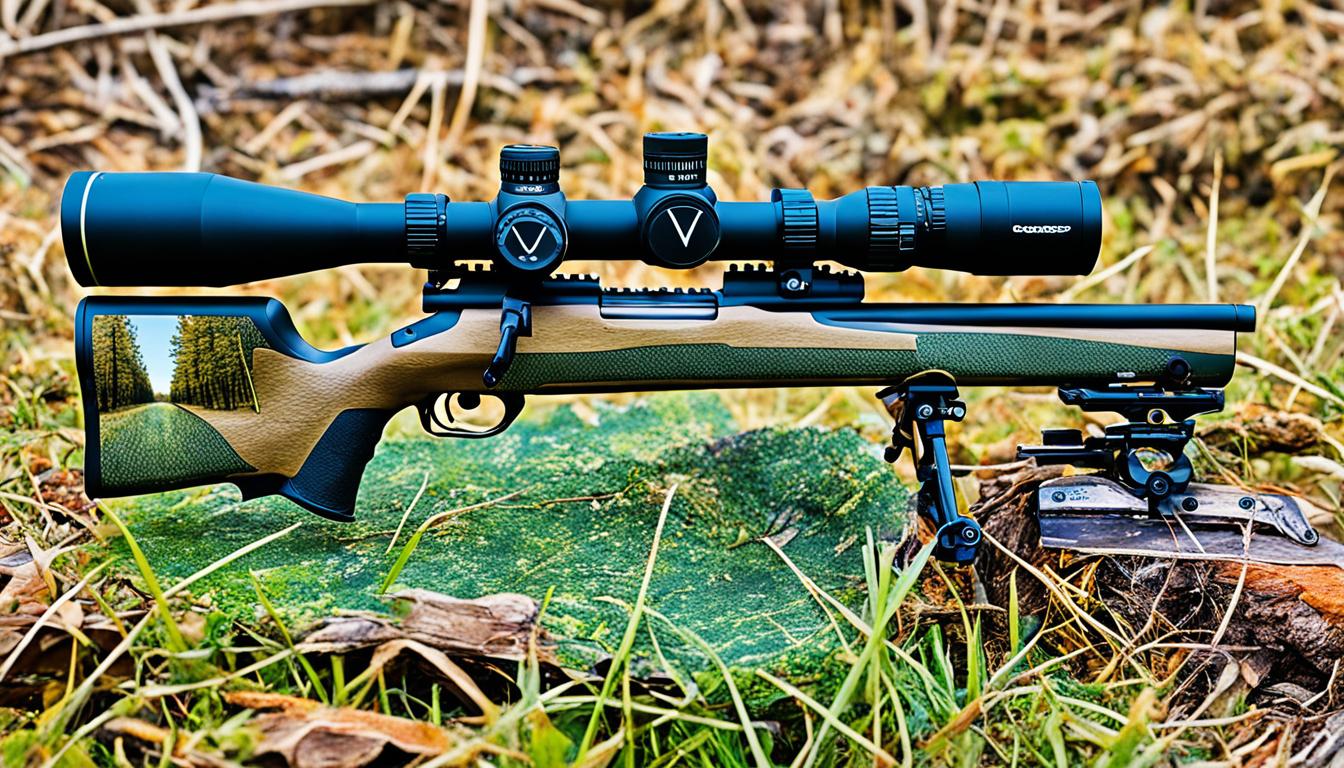
When picking a hunting scope, think about magnification, budget, and more. The objective lens size and reticle pattern are key. They affect how much light gets in, your view, and accuracy at a distance.
Objective Lens Size: Balancing Light Transmission And Portability
The objective lens at the rifle’s end gathers and sends light. Bigger lenses bring in more light and a wider view. But, they make the scope heavier and less easy to carry.
It’s important to find a balance. For low-recoil guns, aim for lenses under 28mm. For high-recoil guns, 30-44mm is best. And for long-range or low-light, go for lenses 50mm or bigger.
Reticle Patterns: From Simple Crosshairs To Ballistic Compensation
Reticles are the aiming points in scopes. They come in many designs for different needs. You can pick from simple crosshairs to complex ones like BDC and MOA.
These advanced reticles help with bullet drop and wind at long ranges. They make your shots more accurate and precise.
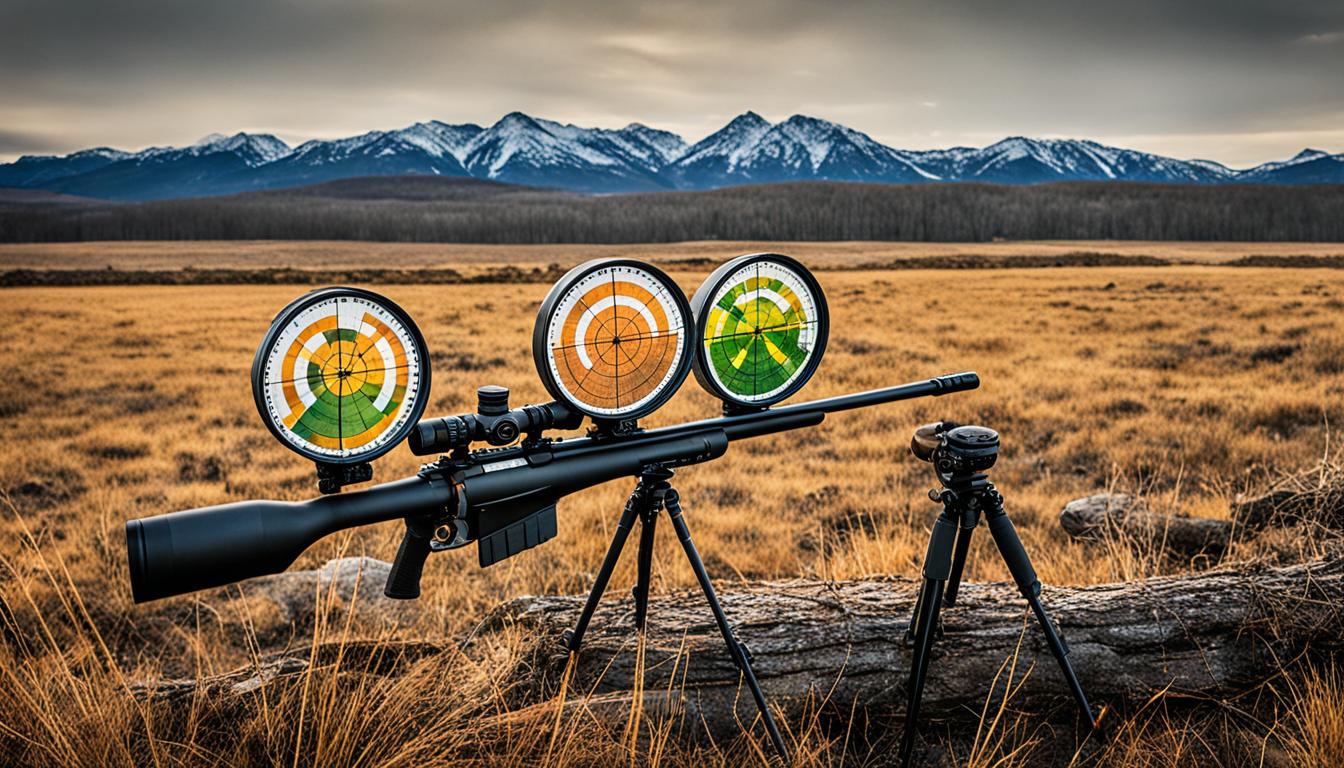
Whether you’re new or experienced, knowing about objective lens size and reticle patterns is key. They help you choose the right scope for your hunt. By matching these features with your needs, you’ll increase your chances of a successful hunt.
Advanced Scope Capabilities: Enhancing Your Hunting Experience
Exploring the world of hunting shows us how modern rifle scopes have advanced features. These features include turrets and dialing for precision, and high-quality lens coatings for clear images.
Turrets And Dialing: Precision Shooting At Long Ranges
When hunting at long ranges, making precise adjustments is key. Today’s top scopes have turrets for this purpose. They let you dial in the right corrections for long shots. With custom ballistic turrets, you can be sure of your aim even from far away.
Lens Coatings And Clarity: Maximizing Image Quality
The quality of lens coatings and glass in a scope greatly affects how clear the image is, especially in the dark. HD and ED glass give better color and contrast. This makes it easier to see your targets clearly.
Understanding how modern rifle scopes work can improve your hunting skills. Whether you need accuracy at a distance or clear images, the right scope makes a big difference.
Conclusion
Choosing the right optics and scopes for your hunting rifle is key to your success. It’s important to know about magnification, objective lens size, reticle patterns, and advanced features. This knowledge helps you pick the best gear for your needs and hunting conditions.
Do you like a simple fixed-power scope or a complex variable-power one with special turrets? The right optics and scopes can make your rifle accuracy better, help in low light, and let you hit targets at different distances. Quality hunting gear increases your shot success and brings home the game you want.
Choosing optics and scopes is a personal choice. Think about the features and what you need for your hunting style and environment. With the right gear, you’ll become a more confident and successful hunter.
]]>