Food was the first thing to come to mind. Now, not just any food. Ones that possess the quality of attracting and nourishing the deer at the same time. That’s a tricky one.
If you want to be able to enjoy the summer deer scenery for a longer time and interact with the deer without scaring them away, this blog is just for you. We will look at the 5 best foods that will attract and nourish a deer in your garden.
Let’s get right into it
The 5 Best Foods for Deer Attraction and Nourishment
The secret to attracting and nourishing deer is variety. You’ll want to focus on a delicious mix of nuts and fruits, those awesome herbaceous plants (forbs), and a good selection of shrubs and trees, as they are what deer love to eat. The ideal deer diet is low in protein and high in fiber.
Giving them a combination of energy-packed and nutrient-rich foods is how you keep them living and coming back for more all year long.
Clover and Alfalfa
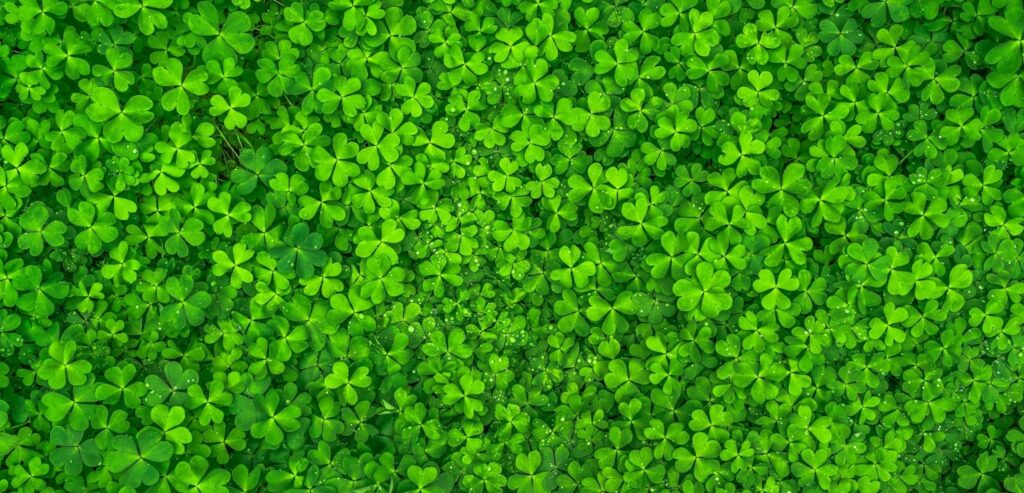
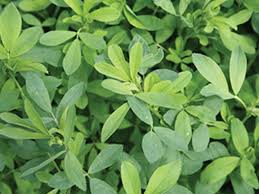
They are legumes rich in protein and highly digestible. They taste fantastic, which is why deer find them quite edible.
The deer, particularly, will crawl through snow to consume alfalfa, which is a year-round favorite. The clover is also a great low-maintenance choice for feeding plots that can attract deer for years.
This protein is important for bucks growing their antlers and for does who are either pregnant or nursing fawns. It helps with optimal fawn health, growth, and development
Corn and Soybeans
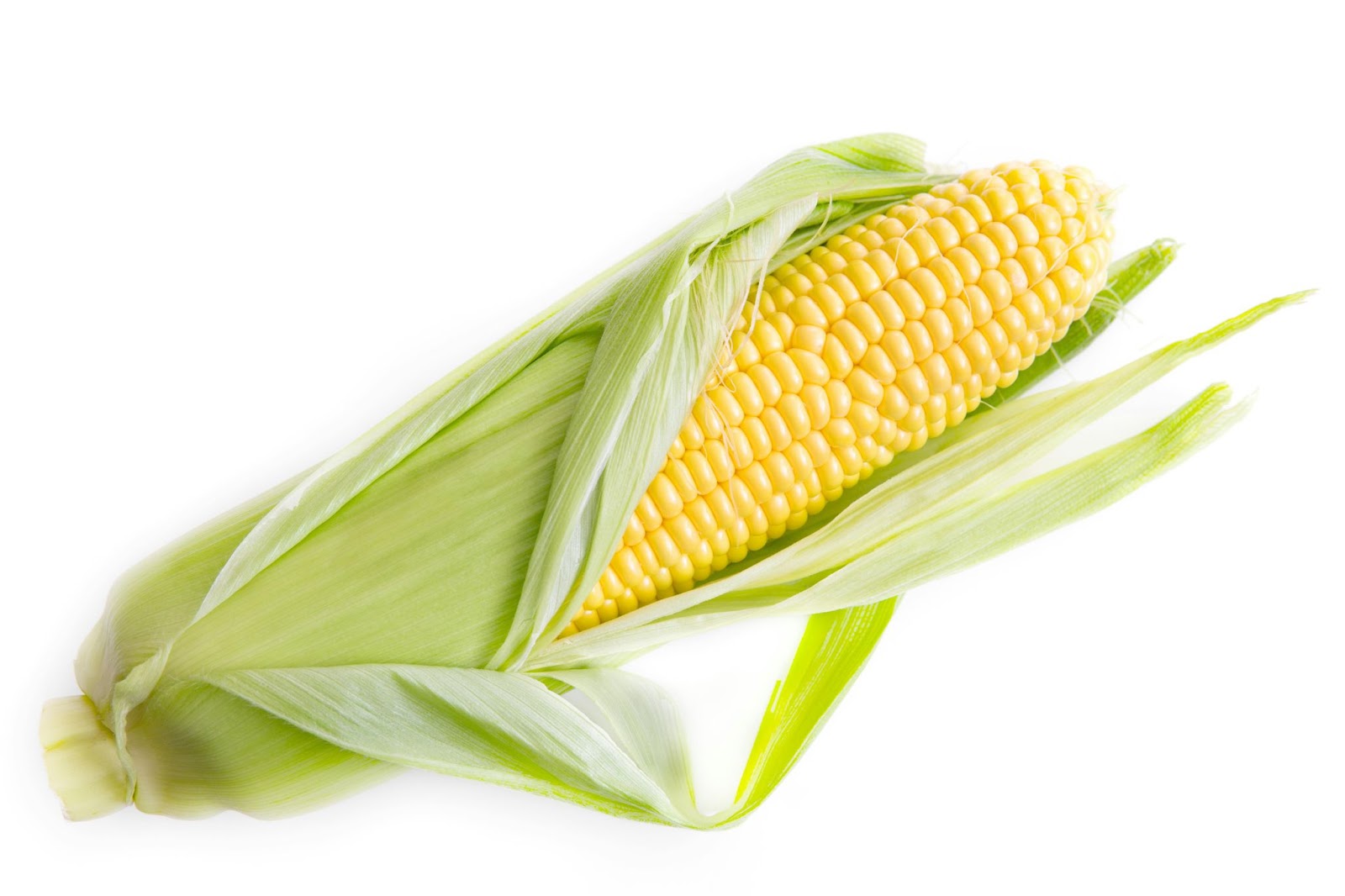
Summertime is a great time to eat soybeans! Deer love those soft green leaves from the time they sprout. Throughout the late spring and summer, they provide a significant source of energy and protein. The firm beans in the pods also develop into a very high-energy food source as they become older, which is particularly useful when summer turns into autumn and even winter.
Corn should be used with caution because of its high content of readily available energy (carbohydrates). It is undoubtedly a deer magnet.
It’s crucial to understand, though, that deer may suffer if they are fed an excessive amount of maize, particularly if it is their only food source.
Because they are ruminants, their digestive systems may struggle to process excessive amounts of starch, which can lead to significant health issues, including bloat, acidosis, and even foot problems.
Grasses and Forbs
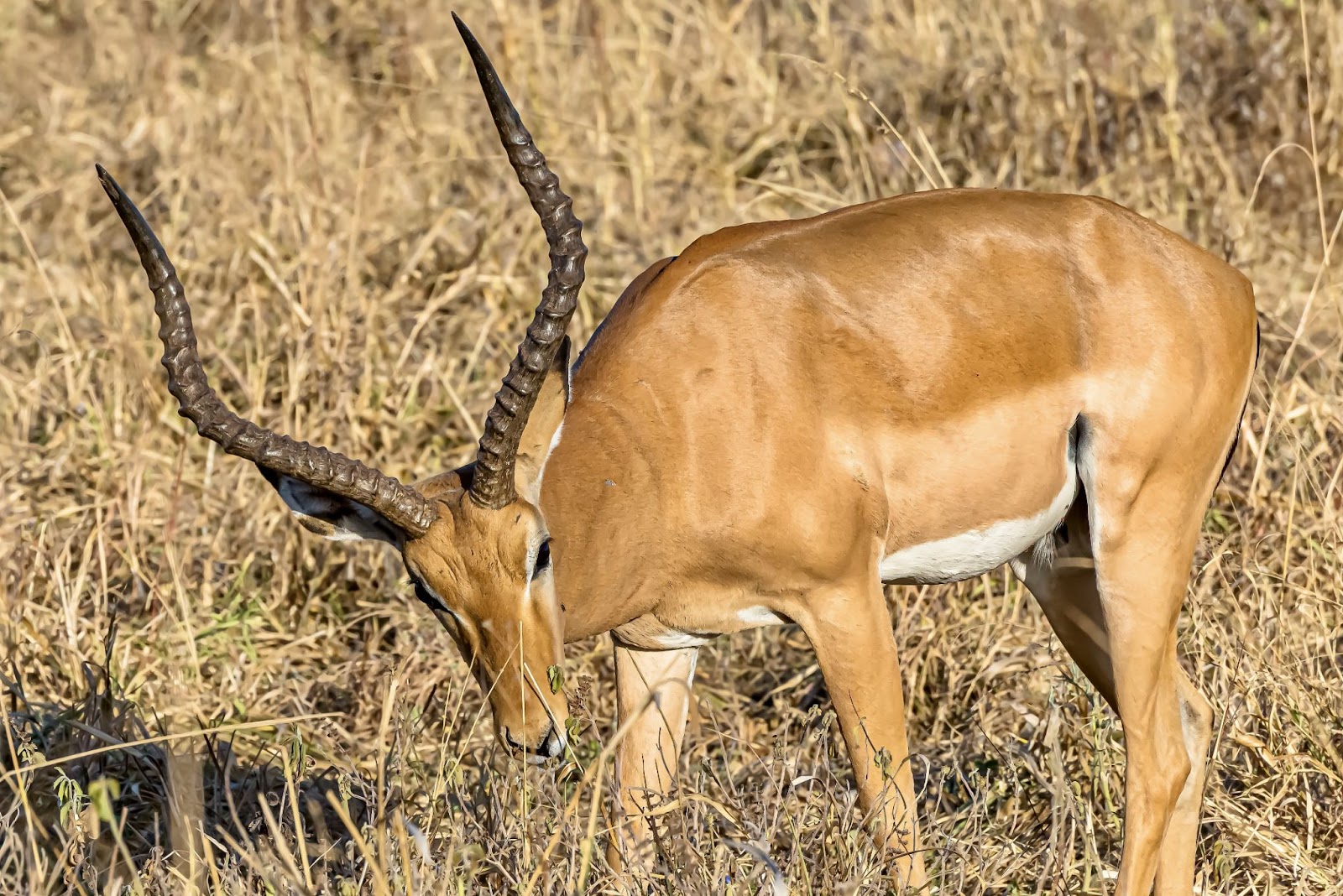
This is a deer’s daily meal. Deer consume grasses, particularly the fragile, new shoots. They provide steady energy and are a rich source of fiber and carbs.
Forbs are your broad-leaved, non-woody plants. Because they are frequently very digestible and nutrient-dense, notably high in protein, forbs are crucial in the summer. A deer will seek out these nutrient-dense forbs to maximize their yield.
Blackberry and Other Berries
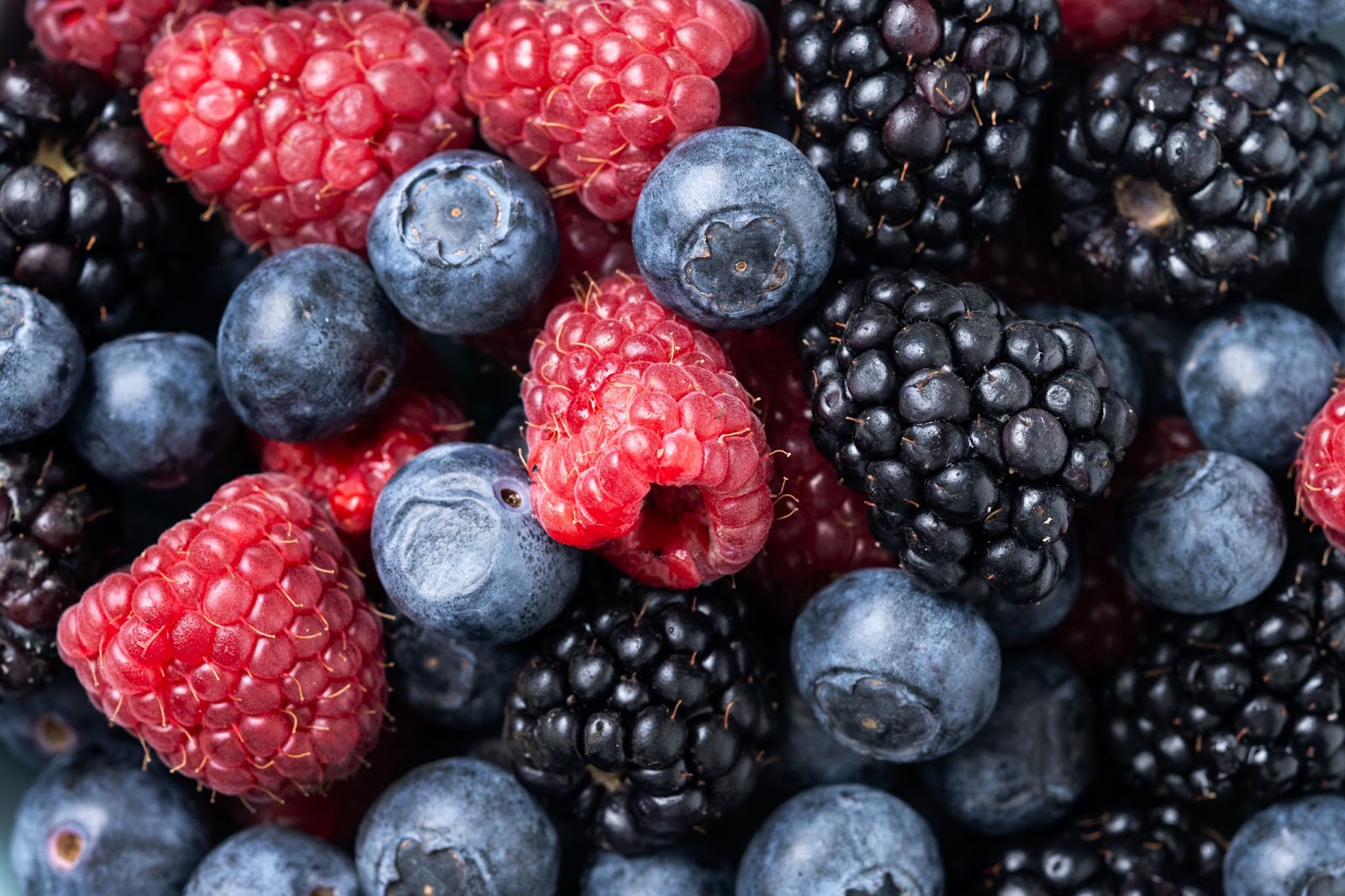
Berries are a deer’s favorite. They eat mulberries, blackberries, raspberries, and wild grapes. They offer some moisture and vitamins, and they’re a great source of natural carbohydrates for energy.
Deer may readily access berry bushes throughout the summer months since they are frequently at the ideal height for browsing. If any berries fall to the ground, they will gladly devour them.
Nuts and Acorns
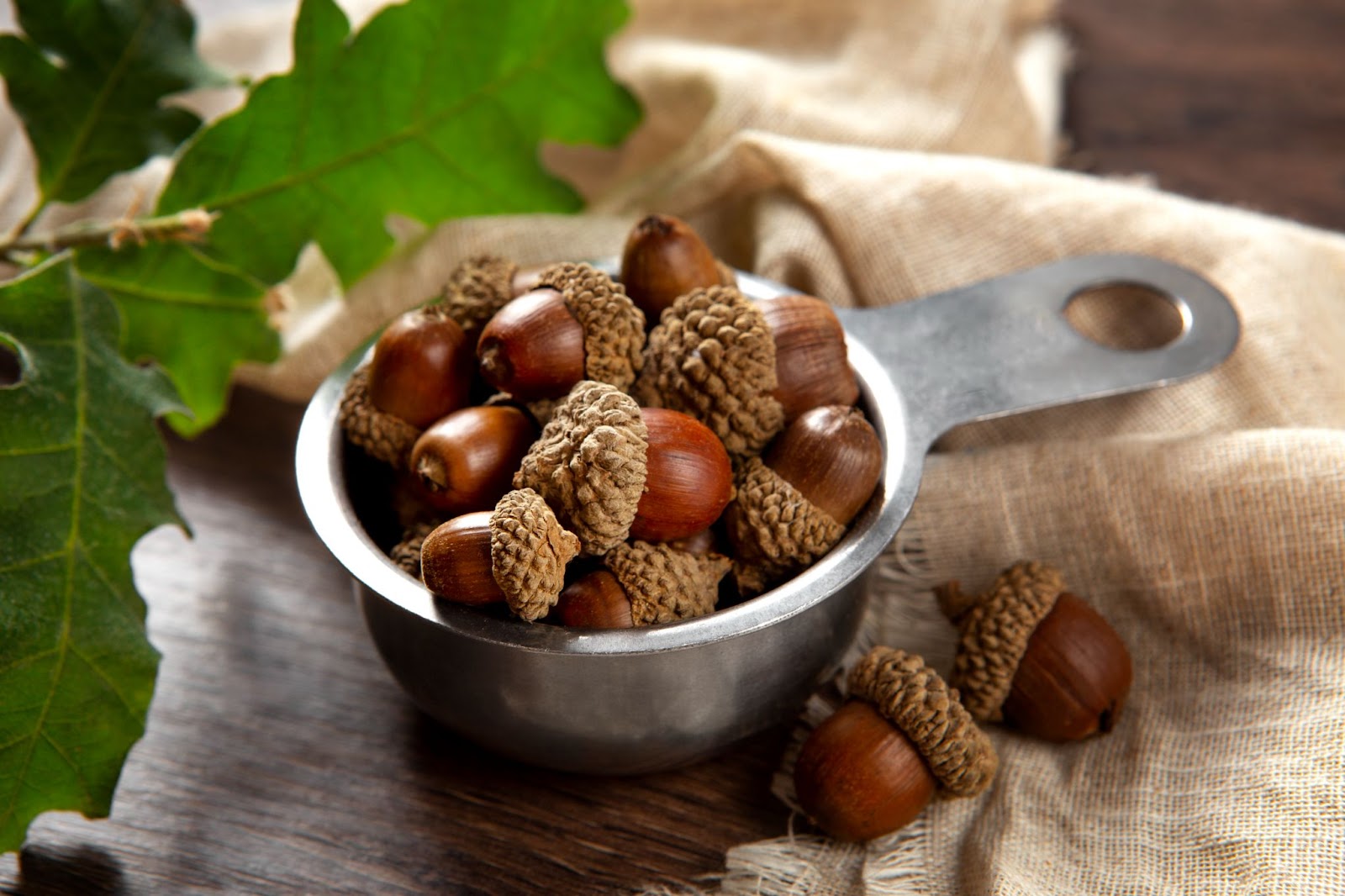
Acorns are rich in good nutrition and a go-to food source for deer. They represent an important food source for not only deer but also squirrels, turkeys, pigs, and dozens of other animals.
Deer will definitely consume acorns if they fall early, even though they are typically considered an autumn/winter nutrition source (plenty of carbohydrates and lipids). You may occasionally discover early acorns because different kinds drop at various dates.
Conclusion
Summer deer nutrition isn’t just about attracting deer; it’s about investing in the health and vitality of your local herd.
Understanding and providing a varied mix of energy-rich alternatives, such as berries and well-managed maize, as well as high-protein forage like clover, alfalfa, and soybeans, can directly support the overall health of deer, fawn development, and antler growth.
Your efforts will not only draw deer in but also ensure they thrive for seasons to come. With these 5 foods, you are ready to make your property a haven for healthy deer this summer
What do you think about these food choices? Got any other food choices you’d want to share? Comment below; let’s discuss and learn from each other.
]]>
Spending time outdoors is great for physical and mental well-being, but it also comes with certain risks especially when it comes to tick-borne illnesses.
In many areas, the presence of deer plays a significant role in sustaining and spreading tick populations, increasing the risk of diseases like Lyme disease, anaplasmosis, and babesiosis.
Understanding how these diseases spread and how to protect yourself is essential for staying safe while enjoying nature.
Understanding Deer’s Role in Disease Transmission
Deer are not the direct cause of tick-borne diseases, but they serve as crucial hosts in the tick life cycle. By supporting tick populations, deer indirectly contribute to the spread of diseases to humans and other animals.
Deer as Hosts for Ticks

Ticks go through multiple life stages, larva, nymph, and adult requiring blood meals at each stage to mature and reproduce. While they feed on various animals throughout their life cycle, adult ticks frequently use deer as hosts.
After feeding and mating on deer, female ticks drop off and lay thousands of eggs, significantly increasing the local tick population. Without deer, tick numbers would be much lower, reducing the chances of human infection.
The Connection Between Deer Population and Tick Abundance
The relationship between deer populations and tick abundance is clear: more deer lead to more ticks. As deer populations grow, so does the risk of encountering infected ticks. Areas with high deer densities tend to have greater incidences of Lyme disease and other tick-borne illnesses.
Effective deer population management strategies, such as controlled hunting and habitat modification, can help keep tick populations in check and reduce the spread of disease.
Geographical Distribution of Deer and Disease Risk
Regions with large deer populations and suitable tick habitats tend to have higher rates of tick-borne diseases.
The northeastern and upper midwestern United States, including states like Pennsylvania, Wisconsin, and Minnesota, are among the most affected areas. People living in or traveling to these high-risk zones should take extra precautions to prevent tick bites.
Major Deer-Borne Diseases: Identification and Symptoms
Ticks transmit several dangerous diseases, with Lyme disease being the most well-known. Others, such as anaplasmosis and babesiosis, also pose serious health risks. Recognizing their symptoms early can lead to faster treatment and better outcomes.
Lyme Disease: Symptoms, Diagnosis, and Treatment
Lyme disease often begins with a characteristic bull’s-eye rash around the bite site. Early symptoms can resemble the flu, including fever, fatigue, and muscle aches. If untreated, Lyme disease can cause severe complications such as joint pain, neurological issues, and heart problems.
Diagnosis is typically confirmed through blood tests, and treatment with antibiotics is most effective when started early.

Anaplasmosis and Ehrlichiosis: Similar but Distinct
Both anaplasmosis and ehrlichiosis present with fever, chills, headache, and muscle aches. Because their symptoms overlap, they can be difficult to distinguish.
These bacterial infections are treated with antibiotics, and early treatment is crucial to prevent severe complications.
Babesiosis: A Parasitic Threat
Unlike bacterial infections, babesiosis is caused by parasites that infect red blood cells. Symptoms include fever, chills, fatigue, and anemia.
While some cases are mild, people with weakened immune systems can experience severe illness. Treatment involves specific medications to target the parasites.
Identifying and Removing Ticks Safely
Preventing disease starts with recognizing and properly removing ticks. Learning to identify different types of ticks and their life stages can help you take action before they have a chance to transmit infections.
Tick Identification: Different Types and Stages
The black-legged tick (also called the deer tick) is the primary carrier of Lyme disease. Other ticks, like the American dog tick, are larger and less likely to spread Lyme but can transmit other diseases.
Ticks progress through larval, nymph, and adult stages, with nymphs being the most dangerous due to their small size and tendency to go unnoticed.
Prevention Strategies: Protecting Yourself and Your Family
Preventing tick bites is the best defense against tick-borne diseases. Simple precautions can significantly reduce your risk.
Personal Protective Measures: Clothing, Repellents, and Gear
- Wear long sleeves and pants in wooded or grassy areas.
- Tuck pants into socks to create a barrier against ticks.
- Use insect repellent containing DEET or picaridin.
- Treat clothing and gear with permethrin to kill ticks on contact.
- Conduct thorough tick checks after spending time outdoors.
Yard and Home Protection: Reducing Tick Habitats
Creating a tick-free environment around your home can lower the risk of tick encounters.
- Keep lawns mowed and remove leaf litter and brush.
- Place wood chips or gravel between your yard and wooded areas to deter ticks.
- Consider using tick control treatments in your yard during peak seasons.
Protecting Pets from Ticks and Deer-Borne Diseases
Pets can bring ticks indoors, increasing your exposure to tick-borne diseases. Use veterinarian-approved tick prevention products, including topical treatments, oral medications, and tick collars. Check pets for ticks regularly, especially after outdoor activities.
Long-Term Effects and Chronic Lyme Disease: Separating Fact from Fiction
Some individuals report persistent symptoms after Lyme disease treatment, sometimes referred to as “chronic Lyme disease.” The medical community debates this condition, with limited evidence supporting long-term antibiotic use. If you experience lingering symptoms, consult a doctor about symptom management.
The Role of Vaccines in Preventing Deer-Borne Diseases
A Lyme disease vaccine was once available but was discontinued due to low demand. However, new vaccines are currently in development, offering hope for more effective protection against Lyme and other tick-borne diseases in the future.
Conclusion
Deer contribute to the spread of tick-borne diseases by supporting large tick populations. Understanding the risks and taking preventive measures such as wearing protective clothing, using insect repellents, and conducting regular tick checks can help keep you and your family safe.
Early detection and prompt treatment are essential for preventing serious health complications. Stay informed, take precautions, and enjoy the outdoors safely.
]]>
Chronic Wasting Disease (CWD) is a growing concern for hunters and wildlife enthusiasts alike. As this fatal neurological disease continues to spread among deer, elk, and moose populations, it’s crucial for hunters to understand its risks, how it spreads, and what precautions they should take. This blog post will cover everything hunters need to know about CWD, from identifying infected animals to responsible hunting practices that help prevent its spread.
What is Chronic Wasting Disease (CWD)?
CWD is a prion disease that affects cervids, including deer, elk, and moose. It belongs to the same family of diseases as mad cow disease (Bovine Spongiform Encephalopathy) and Creutzfeldt-Jakob disease in humans. Prions are misfolded proteins that cause fatal neurodegenerative conditions by accumulating in the brain and other tissues, leading to severe deterioration and death. CWD is always fatal, and there is currently no known cure or vaccine.
How is CWD Transmitted?
CWD spreads through direct animal-to-animal contact and through environmental contamination. Infected animals shed prions in saliva, urine, feces, and carcasses, which can persist in soil and vegetation for years. Healthy animals can contract the disease by grazing in contaminated areas or coming into contact with infected individuals. This makes controlling the disease especially challenging.
Identifying CWD in Deer and Other Cervids
Hunters should be aware of the common symptoms of CWD, though infected animals can appear healthy for months or even years before showing signs. Symptoms include:
- Dramatic weight loss (wasting)
- Lethargy and listlessness
- Excessive drooling and thirst
- Difficulty swallowing
- Unusual behaviors such as lack of fear of humans
- Poor coordination and stumbling
Since symptoms can take years to appear, an infected deer may look completely healthy. This makes surveillance and testing essential.
The Risk to Humans
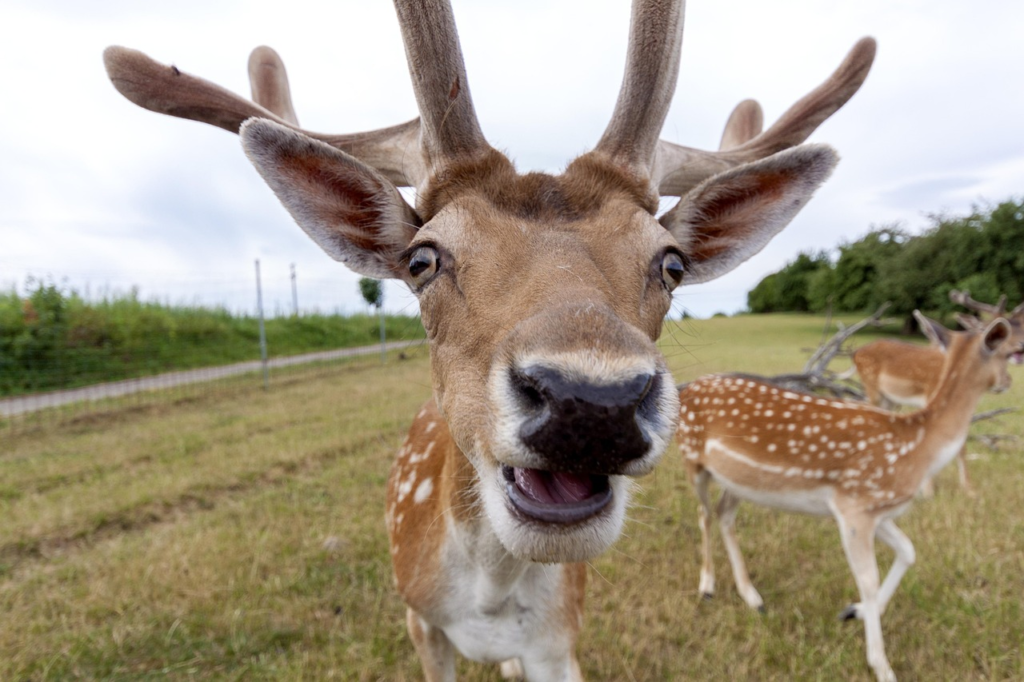
Currently, there is no direct evidence that CWD can infect humans. However, the Centers for Disease Control and Prevention (CDC) and other health organizations strongly advise against consuming meat from CWD-positive animals. Laboratory studies suggest that CWD prions could potentially pose a risk to humans, similar to mad cow disease, which is why caution is recommended.
What Hunters Can Do to Prevent the Spread of CWD
Hunters play a crucial role in monitoring and controlling CWD. Here’s how you can help:
- Follow Testing Guidelines – Many states and provinces require or encourage hunters to submit harvested deer for CWD testing, especially in high-risk areas. Always check local regulations before hunting.
- Avoid High-Risk Areas – If hunting in an area with confirmed CWD cases, take extra precautions, such as testing your harvest and properly disposing of carcasses.
- Use Caution When Handling Game – Wear gloves when field-dressing and avoid cutting through the brain, spinal cord, or lymph nodes. Thoroughly clean and disinfect knives and equipment after use.
- Dispose of Carcasses Properly – Do not leave animal remains in the field, as this contributes to environmental contamination. Follow local guidelines for carcass disposal.
- Limit Movement of Carcasses – Transporting infected animals to new areas can accelerate the spread of CWD. Only move processed meat, cleaned skulls, or taxidermy mounts.
Final Thoughts
CWD is a serious threat to wildlife populations and hunting traditions. While there is no cure, informed hunters can help slow its spread by practicing responsible hunting and following state and provincial guidelines. Staying educated, testing harvested animals, and avoiding consumption of infected meat are crucial steps to protect both wildlife and human health.
By taking these precautions, hunters can continue to enjoy their sport while ensuring the long-term health of deer populations for future generations. Additionally, hunters should work closely with wildlife management authorities and conservation groups to stay updated on new research and best practices. Spreading awareness about CWD among fellow hunters and outdoor enthusiasts can also contribute to better disease control. Responsible hunting not only safeguards wildlife but also preserves the integrity of hunting traditions for years to come. Working together, hunters can make a meaningful impact in the fight against CWD and help maintain the balance of natural ecosystems.
]]>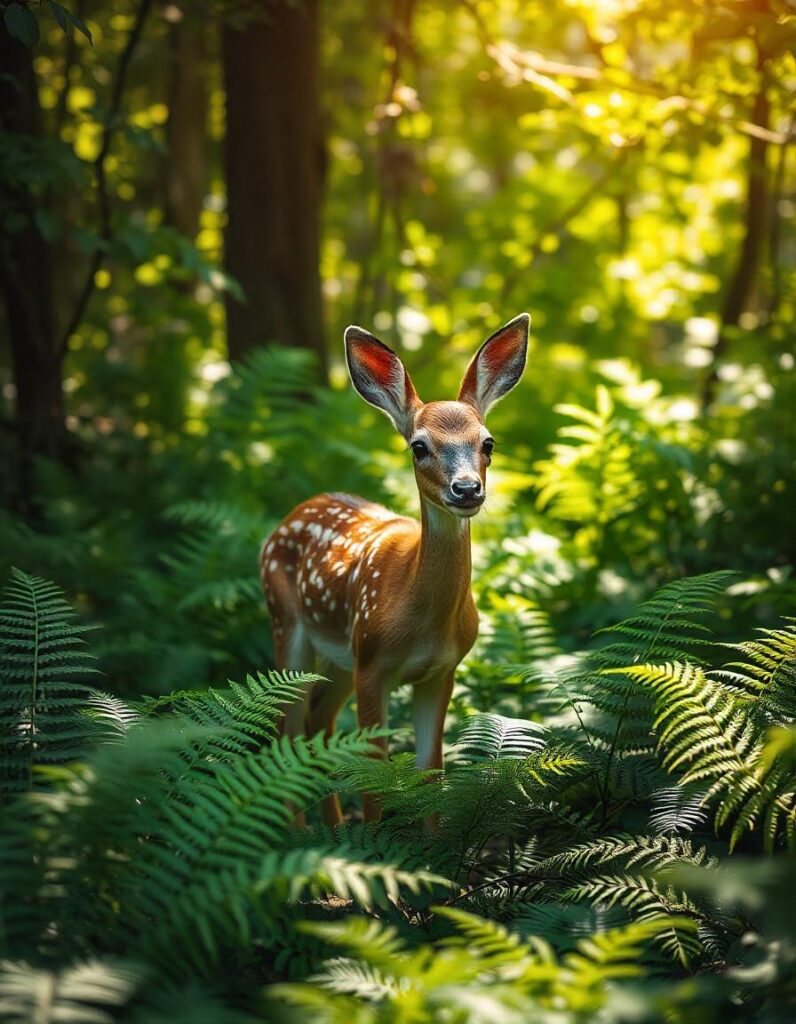
Are ferns deer resistant? Did you know there are certain natural plants deer tend to avoid and ferns are one of those plants?
With their bitter taste and unappealing texture, deer often leave ferns untouched.
Every detail matters when you’re out hunting. So If you’re a hunter looking to improve your hunting strategy, understanding deer behavior around plants like ferns can help you do that.
Here are 7 powerful ferns deer avoid and how using this knowledge can help you in your hunt.
Top 7 Ferns Deer Avoid
1. Bracken Fern (Pteridium aquilinum): Are Ferns Deer Resistant?
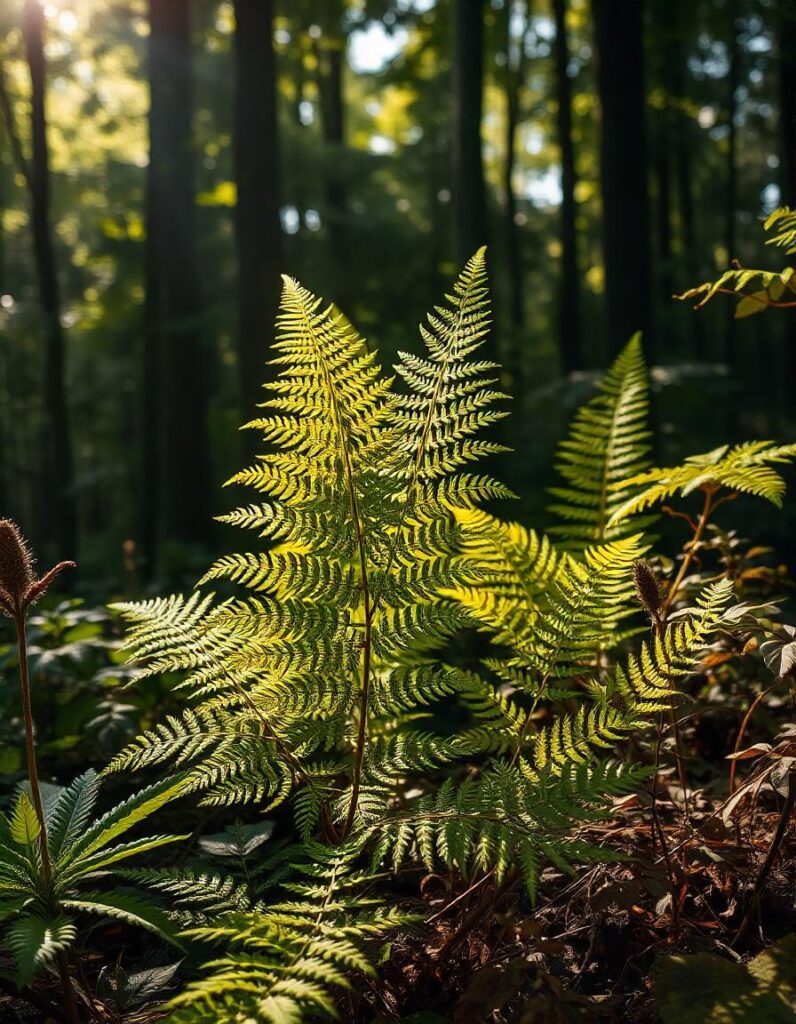
Bracken is a hardy, widespread fern known for its tall, triangular fronds and rapid spread through underground rhizomes. It contains toxins like ptaquiloside, making it harmful to animals and humans. Due to its bitterness and toxicity, deer tend to avoid it. This fern is a great indicator of low deer activity.
2. Lady Fern (Athyrium filix-femina)
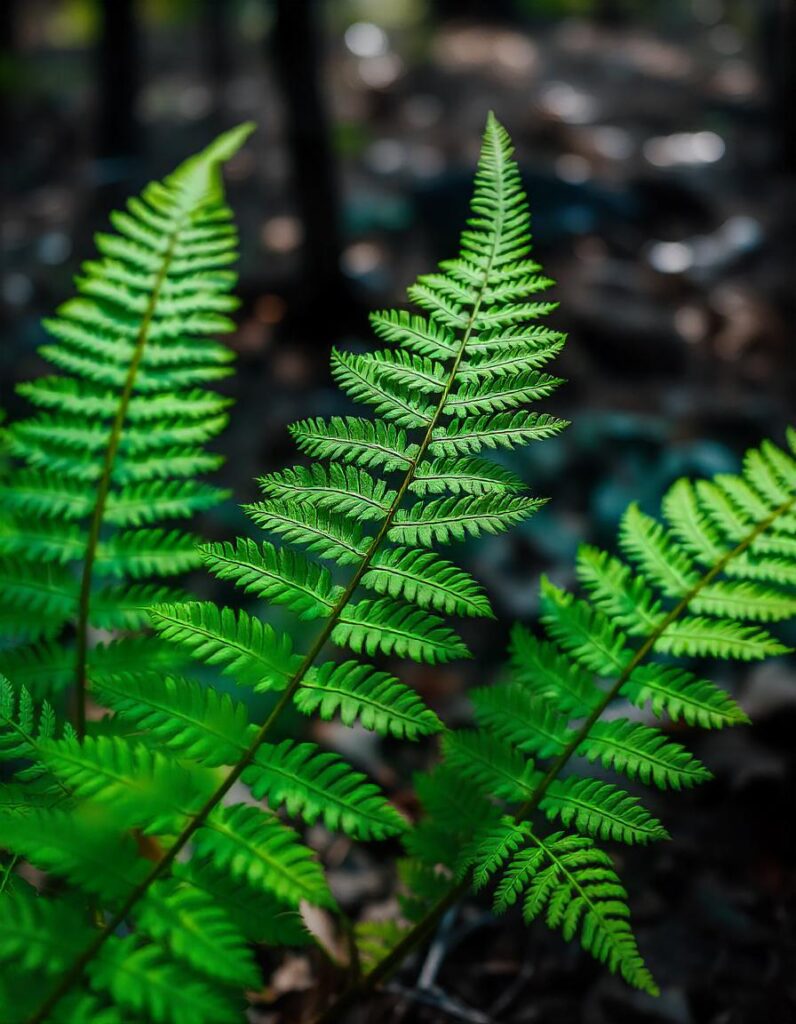
Lady fern is a delicate, lacy fern that grows 2-3 feet tall in shady, moist areas. Its bitter taste and toxicity make it unappealing to deer. It is easy to cultivate and maintain and adds a graceful touch to shaded landscapes without becoming invasive.
While its graceful appearance might seem inviting, deer typically avoid Lady Fern due to its bitter taste.
3. Cinnamon Fern (Osmundastrum cinnamomeum)
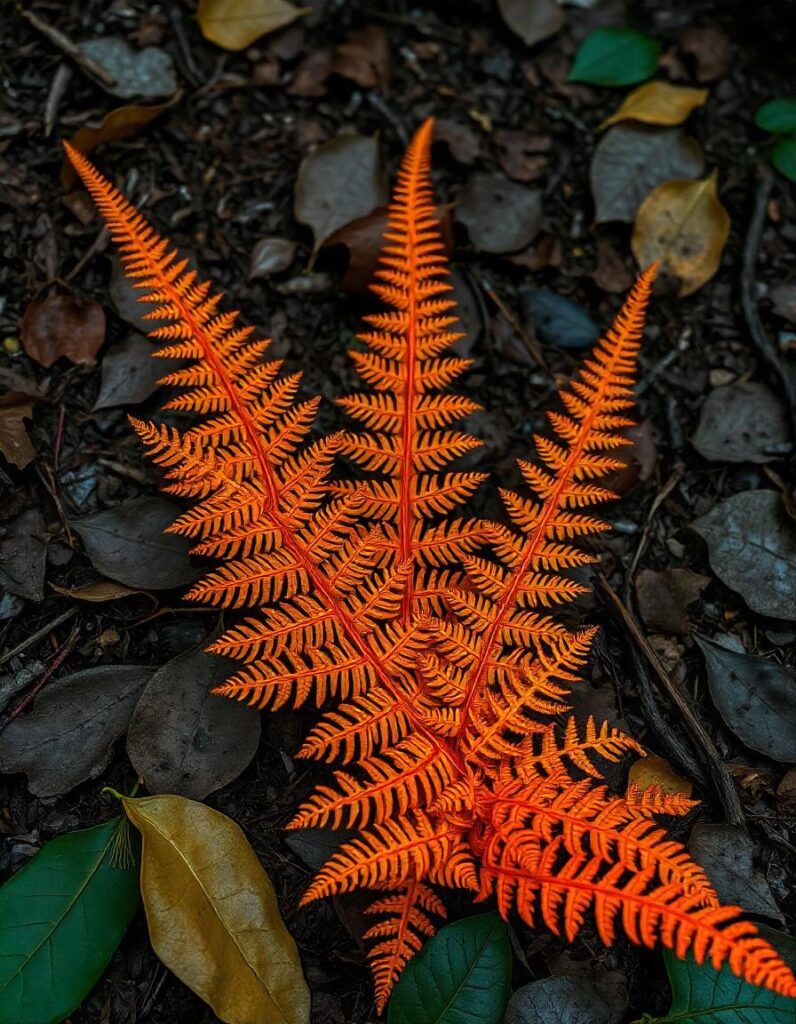
The Cinnamon Fern is a tall, striking fern known for its cinnamon-colored fertile fronds, which rise from the center of the plant. It thrives in moist, shaded areas like wetlands and woodlands, growing up to 4 feet tall. Deer generally avoids this fern due to its coarse texture. If you find cinnamon fern in one setting, it’s likely you’ll need to move to a different setting to notice deer.
4. Ostrich Fern (Matteuccia struthiopteris)

The ostrich fern is a large, elegant fern with tall, arching fronds resembling ostrich feathers, growing up to 5-6 feet tall. It thrives in moist, shaded areas, particularly along streams and woodlands. With its bold, arching fronds, Ostrich Fern is striking, but deer don’t find it palatable. The ostrich fern is another great plant to watch for to rule out areas of high deer activity.
5. Christmas Fern (Polystichum acrostichoides)

Christmas fern is a hardy, evergreen fern known for its glossy, dark green fronds that remain vibrant even in winter. It grows up to 2 feet tall and thrives in shaded, well-drained areas. It is often used to prevent soil erosion. Deer typically avoid this fern due to its tough, leathery texture.
6. Wood Fern (Dryopteris species)

The wood fern is a robust, short-lived fern that typically grows 1 to 3 feet tall and features broad, feathery fronds. It thrives in shaded, moist environments in woodlands and along forest edges. Deer generally avoids this fern due to its tough texture and bitter taste. Deer don’t bother with them, so if you spot these, you’re probably not in a deer hotspot. Deer don’t bother with them, so if you spot these, you’re probably not in a deer hotspot.
7. Japanese Painted Fern (Athyrium niponicum)
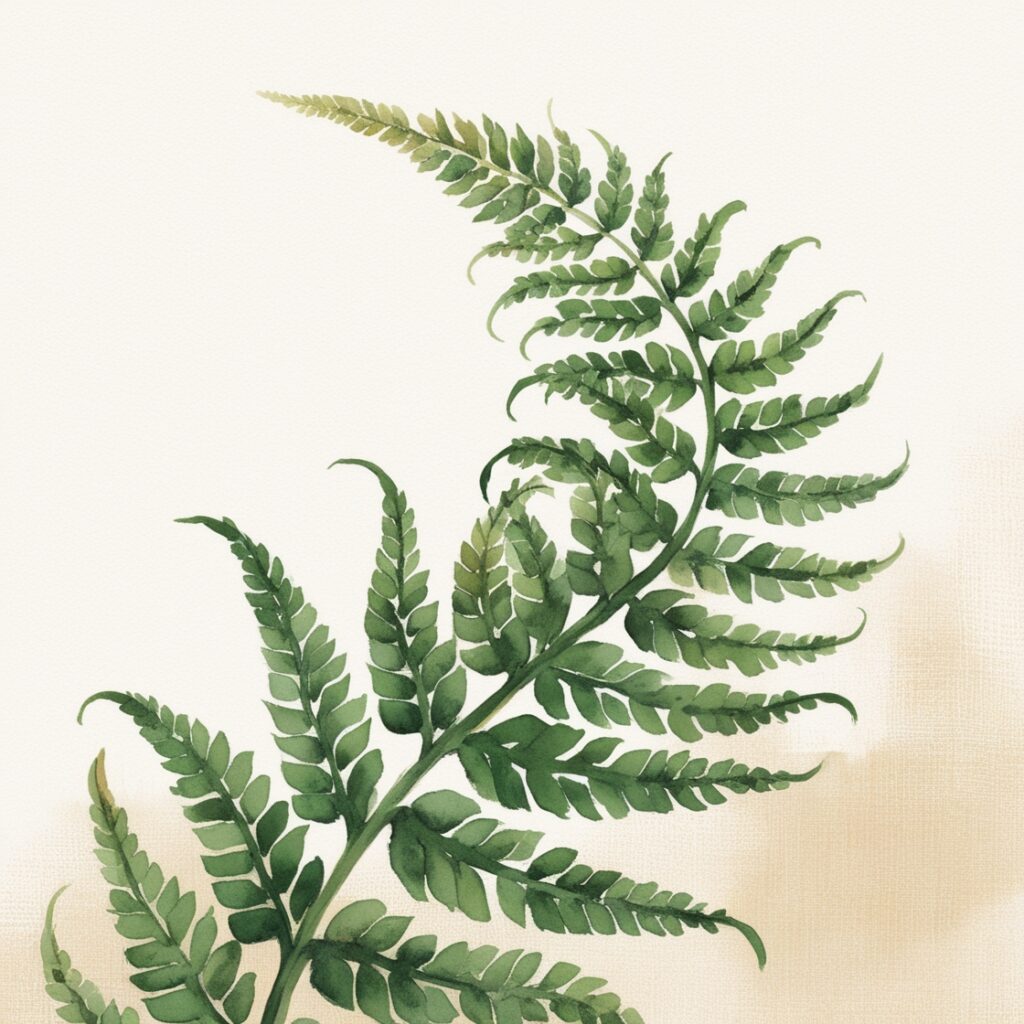
The Japanese-painted fern is a striking deciduous fern known for its unique silvery-gray and purple-tinted fronds that can grow up to 18 inches tall. It thrives in shaded, moist areas and is often used in ornamental gardens for its vibrant coloration. Deer typically avoid this fern due to its mildly toxic nature and unpalatable taste.
Will Deer Ever Eat Ferns?
While deer typically avoid ferns, no plant is truly deer-proof. If food is scarce, deer will eat whatever is available, including ferns. However, this happens only in rare cases when there’s intense competition for food or in overpopulated areas where food sources are depleted.
The good news is that ferns are hardy. Even if deer take a nibble at them, ferns often bounce back quickly. They grow from the center, so light grazing on the outer fronds won’t kill the plant.
How to Use This Knowledge in the Field
Using plant knowledge to your advantage as a hunter can help you track deer more effectively. Ferns that deer avoid can signal areas where deer aren’t actively feeding, allowing you to cross them off your list.
When setting up for your hunt, take note of the plant life around you. If the area is filled with ferns, you might be better off relocating to spots where deer-friendly food sources are more abundant. Similarly, untouched ferns inform you that deer activity is minimal in that part of the forest.
Conclusion:
Ferns are an important part of understanding deer behavior in the wild. By recognizing the plants deer tend to avoid, like ferns, you can narrow down areas of high deer activity and optimize your hunting strategy. Remember, ferns are deer-resistant, and knowing that will help guide your decisions in your next hunt.
Ready to improve your hunting strategy? Visit our website today for tips and resources.
]]>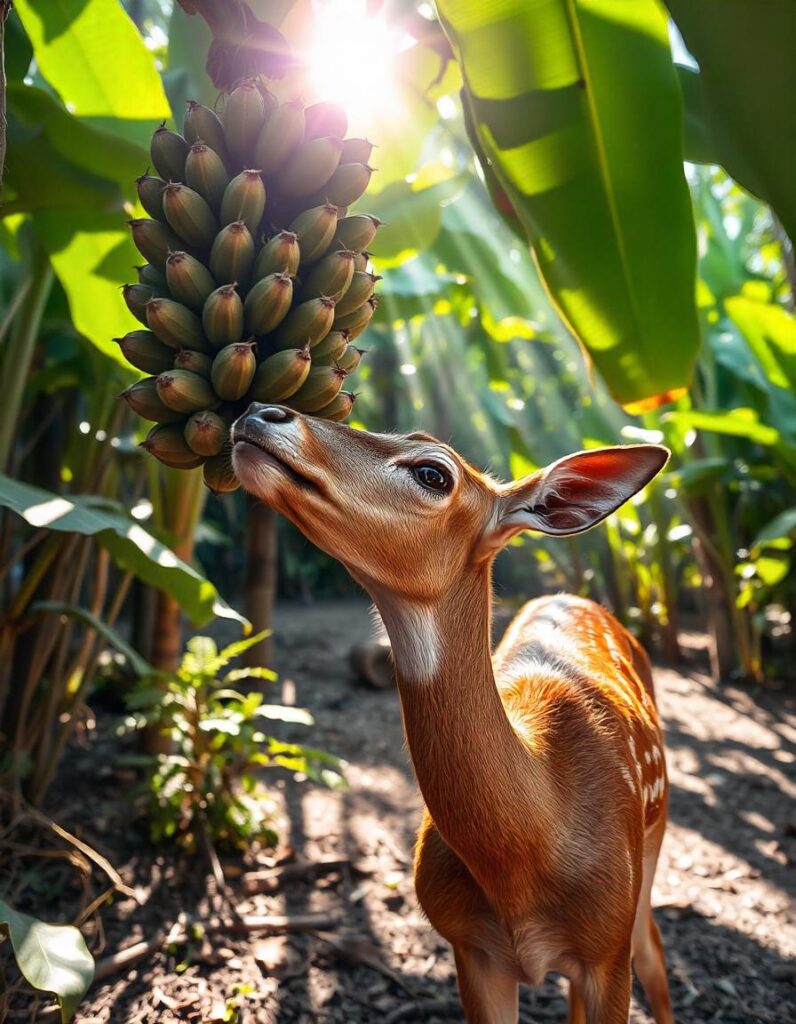
Do deer eat bananas? Imagine being out on a hunt, surrounded by nature, watching the majestic movement of deer as they graze peacefully. For many hunters, observing wildlife isn’t just about the hunt itself, it’s about gaining a deep understanding of the animals and the environments in which they thrive.
This passion for wildlife fuels many hunters, especially those who believe in responsible hunting. So when you spot a deer tasting an unusual snack, like a banana, you might wonder, can deer eat bananas?
Although it may seem unusual, the answer is yes, deer can eat bananas. However, like any food that isn’t part of their usual diet, there are some important considerations when feeding bananas to deer.
Here are five reasons why bananas could be a healthy and safe snack for deer.
1. Rich in Nutrients
Bananas are often touted as one of nature’s healthiest fruits, and it’s no different for deer. Packed with vital nutrients, bananas can provide deer with essential vitamins and minerals that they don’t always get from their natural forage.
- Potassium is a key component of bananas, and it plays an important role in balancing fluids and regulating nerve functions.
An average banana contains about 450 mg of potassium, which could benefit deer, especially during stressful periods when they may need more support for their nervous systems.
- Vitamin C is another nutrient found in bananas that boosts a deer’s immune system. In the wild, deer are constantly exposed to the elements and potential diseases, so a little extra help from antioxidants like vitamin C can go a long way.
- Vitamin B6 in bananas aids in breaking down proteins and carbohydrates, giving deer the fuel they need to stay active and healthy.
This is especially beneficial during the colder months or during times when food sources might be scarce.
For hunters who are keen on observing wildlife up close, understanding these nutritional benefits can provide new insights into the diets of the animals they hunt. After all, a memorable hunt often involves appreciating the balance between nature and wildlife health.
2. Energy Boost
When it comes to survival, energy is everything for deer. Whether they’re foraging, migrating, or simply evading predators, deer need steady sources of energy to stay active. This is where the carbohydrates in bananas come into play.
While wild deer typically rely on grasses, leaves, and other natural feed for their energy, the easy-to-digest carbs in bananas offer a quick energy boost.
Understanding how deer obtain and use energy in their day-to-day lives can help improve the hunting strategies of deer hunters. If you know that deer are drawn to high-energy foods during the colder months or in times of stress, you may be better able to predict their movements.
Even though bananas aren’t typically included in their diet, offering this fruit in small quantities during a hunt can allow a hunter to gain better insights into deer behavior and movements.
3. Supports Digestive Health
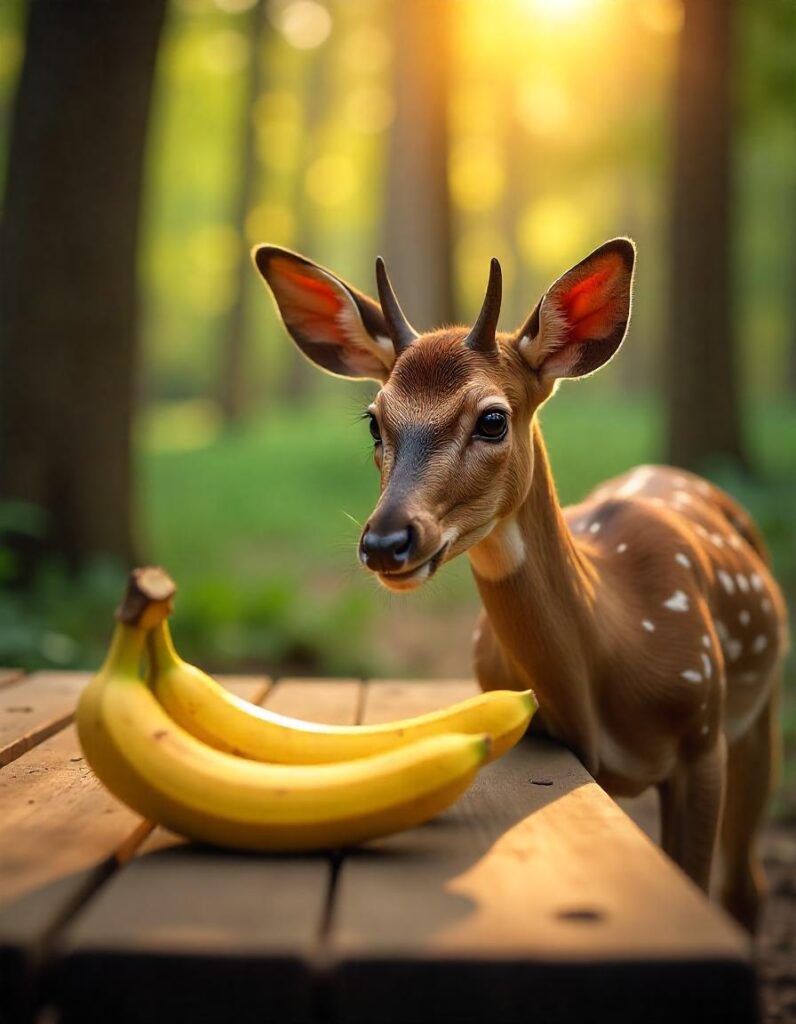
Good digestion is the cornerstone of health for both humans and wildlife. The fiber in bananas can help regulate a deer’s digestion, particularly during times when their diet may be inconsistent.
In the wild, there can be fluctuations in the availability of food for deer, especially when seasons change. If their digestion is out of balance, it can affect everything from their energy levels to their ability to absorb nutrients.
As a responsible hunter, understanding this relationship between diet and digestion is key to maintaining a healthy deer population.
By occasionally supplementing their diet with foods rich in fiber, like bananas, you could help encourage healthier digestive processes, which ultimately ensures that deer remain active and alert throughout the day.
However, there are limits to everything and deer food is no exception. Too much banana can lead to digestive issues like bloating or diarrhea.
This is why it’s important to only offer bananas sparingly, 1/4 to 1/2 cup per adult deer, and less for younger deer. Keeping portions small ensures that their digestive system isn’t overwhelmed
4. Antioxidant Benefits
Bananas are a natural source of antioxidants like vitamin C which are essential for deer well-being. Deer need strong immune systems to fight off disease and recover from injuries.
Offering bananas to deer can help fortify their immune systems, allowing them to resist illness and maintain good health.
For hunters passionate about wildlife conservation and responsible hunting, this is a critical point to consider. Helping to maintain the health of the deer population ensures future generations of hunters can enjoy the experience of a healthy, thriving ecosystem.
By offering nutritious foods like bananas in moderation, you’re contributing to this effort in a small but meaningful way.
Deer that are in good health are not only better able to survive in the wild, but they also contribute to the overall balance of the ecosystem. Stronger deer mean healthier herds and healthier herds lead to more sustainable hunting practices.
5. Encourages Food Variety
Lastly, one surprising benefit of feeding bananas to deer is that it encourages diversification in their diet. While deer typically stick to what’s available in their natural environment, introducing new foods can help expand their appetite and offer additional nutritional benefits.
Bananas are a sweet treat that many deer enjoy, and by encouraging them to try this new food, you’re helping to broaden their diet.
For hunters, this variety in a deer’s diet can be beneficial. A well-nourished deer is likely to be more active and exhibit more natural behaviors.
Additionally, offering different foods can provide hunters with a unique opportunity to observe how deer respond to something new that could enhance the accommodation of future hunting strategies.
However, it’s important to remember that while bananas can be a fun and nutritious snack, they should only be offered in moderation.
Feeding too many bananas or any other foreign food can disrupt a deer’s natural diet, so be sure to stick to small portions and only offer them occasionally.
Risks and Precautions
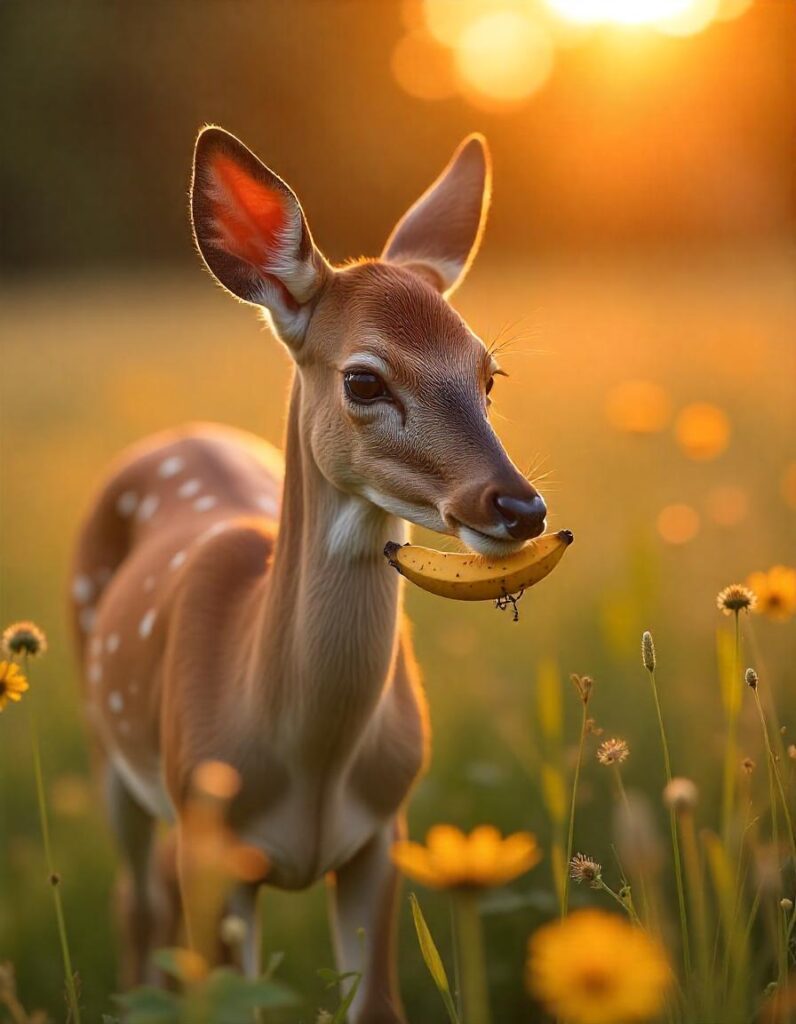
While bananas can be nutritious for deer, there are risks if not fed in moderation:
- Digestive Issues: Excess bananas can cause diarrhea or bloating.
- High Sugar Content: Overripe bananas may disrupt digestion.
- Potassium Overdose: Too many bananas could lead to an imbalance.
- Bacteria Exposure: Bananas may introduce foreign bacteria into the digestive system.
To minimize risks, offer 1-2 servings per deer weekly. Always wash the peels and introduce bananas gradually with their natural forage. Monitor their reactions to prevent overconsumption.
Conclusion
So, can deer eat bananas? Yes, they can, but only in moderation. Bananas offer a range of benefits, from providing essential vitamins and minerals to supporting digestive health and boosting energy.
For hunters passionate about wildlife, knowing how bananas fit into a deer’s diet can enhance your appreciation for the animals you hunt.
By practicing responsible hunting, which includes understanding a deer’s dietary needs, you’re contributing to the preservation of a healthy, balanced ecosystem.
If you’re out on a hunt or simply observing deer in their natural habitat, remember that a little knowledge about their diet can go a long way. And who knows? The next time you see a deer munching on a banana, you’ll be able to appreciate just how much that snack is doing for its health.
Happy hunting, and always aim for a memorable and ethical experience in the great outdoors.
For more guides and tips on deer diet, check out our other articles on our website.
]]>Now pause for a minute, have you ever had sick fawns and wondered what you could have done differently to avoid them falling sick. Or perhaps thought “What should I feed my fawn for its health and growth?”
That is what this blog post is about. We’ll look into what makes up a fawn’s diet. Helping you keep your fawns healthy and strong.
Introduction to Deer Fawn Nutrition
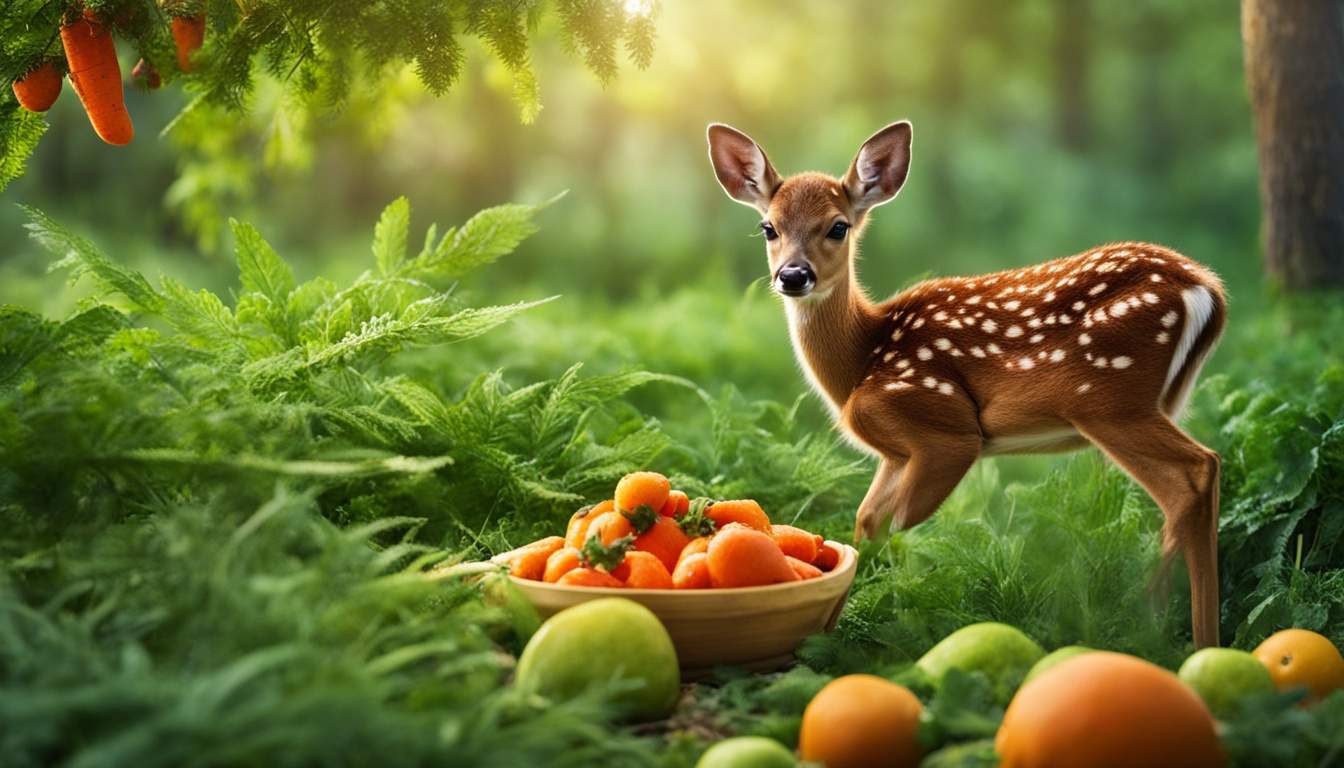
Deer fawns are very fragile when they’re young therefore giving them the right food is key to their survival and growth. To achieve optimal fawn health, you’ll need to know the role colostrum, solid food and supplements play in the fawn’s diet.
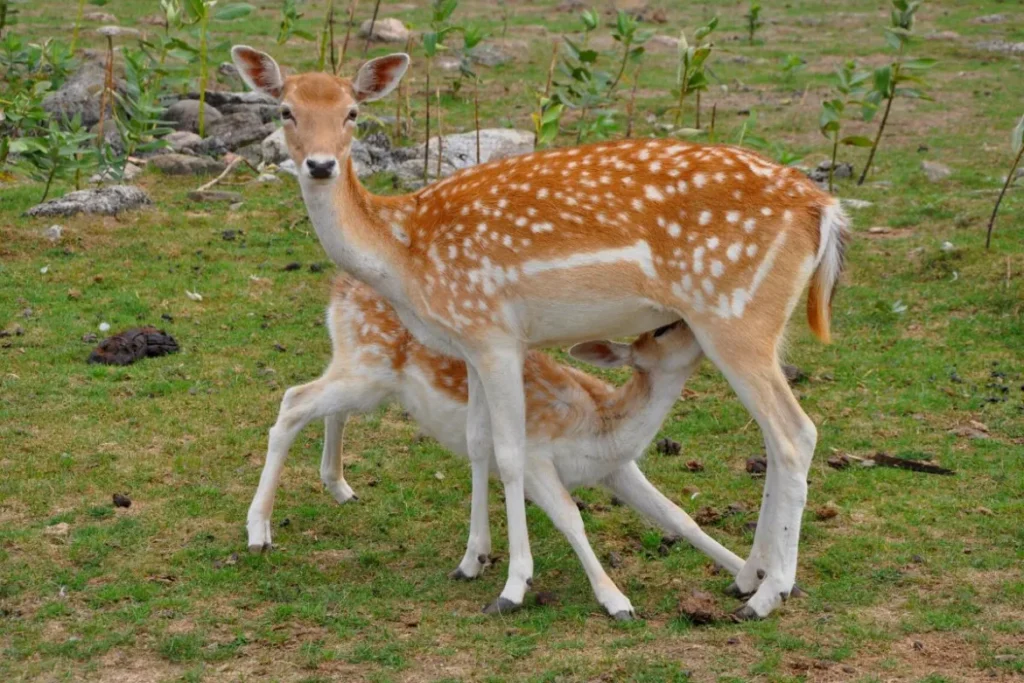
The milk of a doe is called colostrum. Newborn deer fawns depend a lot on this milk,in the first days. Colostrum is full of antibodies and nutrients that help the fawn fight off diseases and grow strong. If fawns don’t get enough colostrum, they could get sick and may die.
As deer fawns get older, they start eating solid foods instead of just milk. This usually happens around two weeks old. You must ensure that you introduce solid foods at the right time to help them grow well.
Supplements can also be important for deer fawns, especially when food is hard to find or not good enough. The right mix of protein, energy, and other nutrients can help fawns grow strong and survive better.
Optimal Fawn Health: Foods Fawn Eat
Colostrum: A Vital Necessity
Colostrum is key for a deer fawn’s survival and health. It’s the first milk from the mother deer, full of antibodies, nutrients, and laxatives which are extremely vital in the first days of a fawn’s life.
People call colostrum “liquid gold” because it’s loaded with immunoglobulins that help build the fawn’s immune system. This protects it from diseases and infections.
Colostrum also gives the fawn the nutrients it needs for fast growth and development. Its laxative effects help with waste elimination, preventing constipation in newborns.
For fawns without mothers, getting colostrum is still crucial. In such instances, frozen colostrum from ewes or goats can be kept for later use. You can use these to feed vulnerable fawns in their first hours of life.
Looking after a fawn’s colostrum needs can be the difference between life and death early on. By knowing how vital colostrum is and acting on it, those who care for deer fawns can help them start strong and healthy.
Solid Foods
Fawns typically start to eat solid food around 2-3 weeks of age, as they transition from relying solely on their mother’s milk. They nibble on grasses, leaves, and other vegetation in their environment.
Because of their specialized stomachs they can digest both milk and solid foods, which helps them adapt to their changing diet as they grow. Deer are selective browsers, so they will often try different types of plants to see what they like best.
The transition to solid food is a crucial step in a fawn’s development because it provides them with the nutrients they need to thrive in the wild.
It is interesting to note that fawns will continue to nurse from their mothers while supplementing their diet with solid food until they are weaned, which typically occurs around 2-4 months of age.
Supplements For Fawn Optimal Health
Supplements can be beneficial for deer to support their overall health and well-being, especially in cases where their natural diet may lack certain nutrients.
However, it’s important to be cautious and consult with a wildlife expert or veterinarian to ensure that the supplements are appropriate and safe for the specific needs of the fawns.
For a fawn supplement to be effective and ensure your fawns are healthy, they must contain a variety of minerals such as calcium, phosphorus, magnesium, Vitamin E, Vitamin D and protein.
You may consider these examples in certain situations:
- Milk Replacers: In cases where a fawn is orphaned or abandoned and cannot nurse from its mother, a milk replacer contains a balanced combination of proteins, fats, vitamins and minerals to mimic the composition of deer milk.
- Deer Pellets: Pellets are supplements designed to provide a balanced diet and may contain a mix of grains, protein sources, vitamins, and minerals.
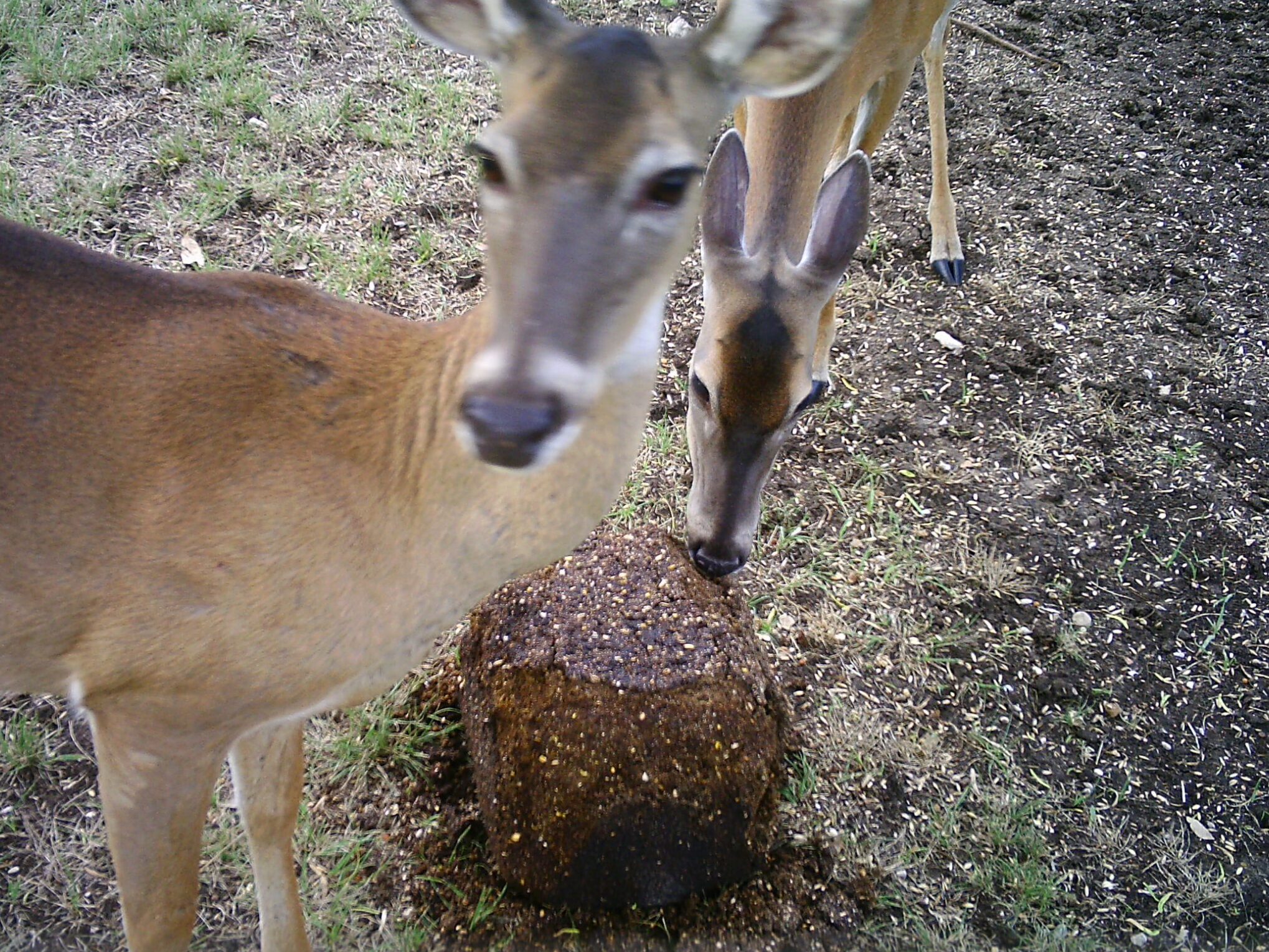
- Mineral Blocks: Mineral blocks are typically made of a mix of minerals like calcium, phosphorus, and salt. To ensure fawn optimal health, they are necessary because they contain essential minerals that may be lacking in their natural diet.
Fawn Foods: Understanding Nutrient Measurement
Deer Milk: Deer milk is special, with about 8.9% fat and 8.2% protein. In cases where you have to match deer milk, you should ensure fawn milk replacers have 30-35% protein and 30-35% fat. These levels are vital for fawns’ fast growth and development.
Generally, fawns are weaned at 10 to 12 weeks old when they eat starter feed well. In some cases, orphaned fawns are weaned between three to six months old. For any of these two classes, ensure they eat 2% or more of their body weight in starter feed at weaning.
Pellets: Feeding fawns pellets, especially high-protein pellets or a mix of corn and protein helps them grow and survive. They should eat 0.25 to 0.50 lbs daily. This plays a crucial role in the optimal fawn health.
When done rightly, fawns can grow into bigger, more productive deer, evidenced by their antler size, fawn production, or body size. Over time, fawns grow to produce healthier, stronger deer populations.
Planting Food Plots
Strategically planted food plots are great for deer fawns. They offer a mix of nutrients important for their growth and health.
For optimal fawn health, you need to consider making food plots with plants that have high protein, vitamins, and minerals.
Good choices include:
- Clover: It’s full of protein and calcium, helping with bone and muscle growth.
- Chicory: This plant is tasty and gives deer fawns vitamins A, C, and K.
- Brassicas: Like turnips, kale, and radishes, they’re full of nutrients and easy to digest.
- Grains: Corn and soybeans give fawns carbs and energy.
These plants are not only nutritious for deer fawns but tend to thrive in the same environments as deer, such as open areas with good drainage. This makes planning and keeping up with these food plots effective since deer easily have access to them.
Seasonal Nutritional Requirements To Obtain Optimal Fawn Health
Deer fawns have different nutritional needs throughout the year. These needs change based on growth, weather, and what resources are available.
To provide them with the right nutrients for each season, it’s important to know what they need. Let’s take a look at four different seasons.
Spring
In spring, fawns need a diet rich in protein. This helps them grow and supports their antlers. They look for plants that are full of protein, like fresh green leaves. It’s key to make sure they have access to these plants.
Summer
As summer comes, fawns still need a lot of protein to keep their energy up and stay healthy. They also need calcium and phosphorus for their bones. A balanced diet with different plants can help them get what they need.
Fall
In fall, fawns need more fats and carbs to get ready for the rut and winter. Foods like soybeans, corn, nuts, and acorns are good for them at this time.
Winter
During winter, fawns need carbs and fats to keep warm and healthy. They use their fat reserves and look for grains in fields. Adding the right foods to their diet can help them make it through the cold months.
Conclusion
Proper nutrition is key for deer fawns’ health and growth. While giving them the right mix of colostrum, milk replacer, and solid foods is important, you can also work with local wildlife experts and vets.
They can help you tailor your deer fawn nutrition, care, and feeding to your herd’s needs. Keep an eye on the seasons, check the body condition of your fawns regularly and adjust their feed as needed.
This way, you can be assured of optimal fawn health for a long time!
]]>While there’s no sure way to keep deer away from your plants, knowing what is poisonous to deer can help. But do you know which common plants and substances deer find toxic or unpalatable?
Deer eat leaves, stems, and even the bark of trees, as well as forbs and grasses. But they often skip certain plants because they are toxic, smell bad, or feel bad. By choosing the right deer-resistant plants, you can protect your garden and enjoy a beautiful, deer-free space.
Introduction to Deer-Resistant Gardening
Deer-resistant gardening means learning about deer’s eating habits. They like to eat leaves, stems, and buds of plants and shrubs. They eat a mix of plants, some of which are toxic or have natural defenses.
Deer can handle some poisonous compounds if they eat just a little. This helps them survive in different environments.
Deer Foraging Habits and the Need for Deer-Proof Plants
Deer eating habits vary by region. Knowing what is poisonous to deer in a particular place might be their favorite elsewhere. It’s important to know these differences when planning a garden that deer won’t like.
Some plants, like holly bushes and lilacs, keep deer away. This is because they have thorns, sharp points, or strong smells.
Regional Variations in Deer Palates
Deer populations have grown after being nearly wiped out in the 20th century. In places like Vermont and Illinois, they were almost gone but were brought back. But now, with fewer big predators, deer are becoming a problem again for gardeners.
To keep deer out of your garden, know what is poisonous to deer and pick the right plants they don’t like in your area. Using deer-proof plants can help you have a beautiful garden, even with lots of deer around.
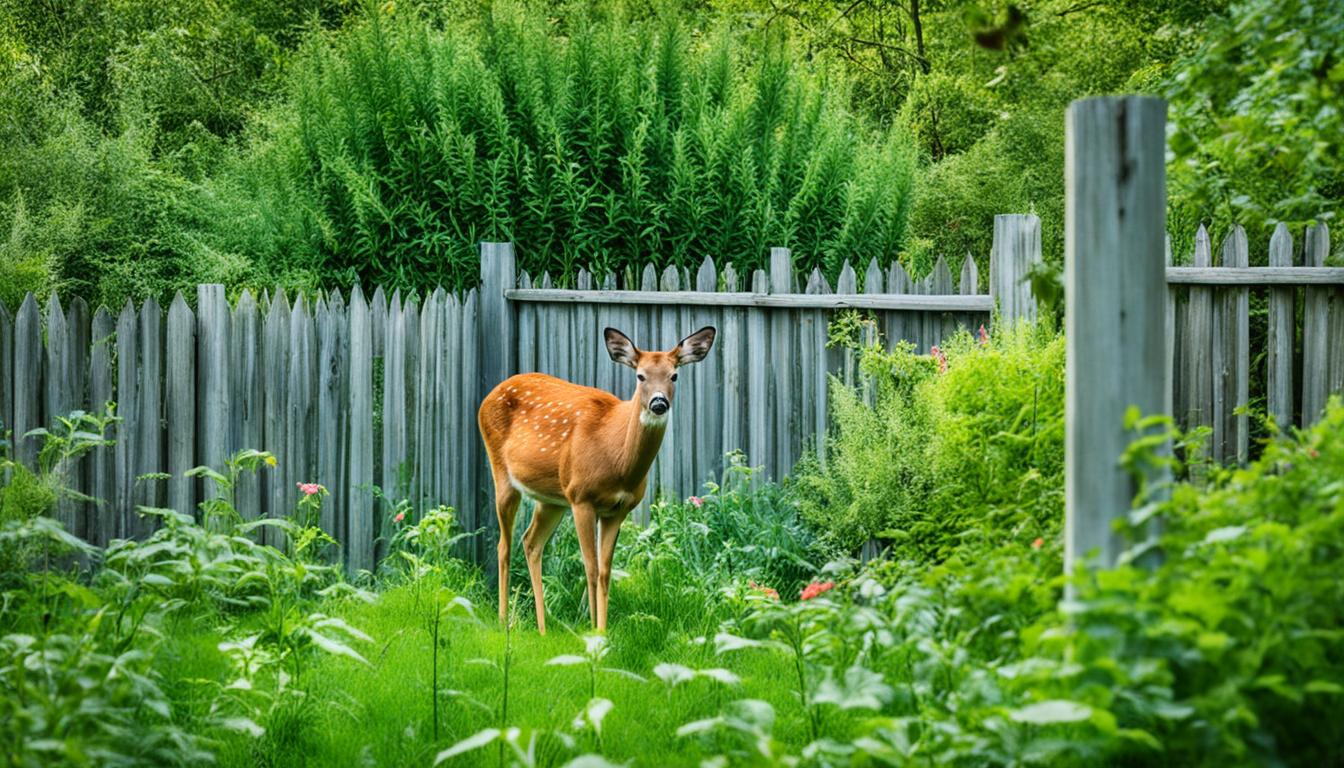
What Is Poisonous To Deer: Herbal And Fuzzy Plants
Creating a garden that deer won’t bother is easier if you know what they dislike. Many plants are safe or unattractive to deer because of their special traits.
Plants With An Herbal Scent That Deter Deer
Herbs and plants with a strong smell, like catmint, bee balm, lavender, sage, thyme, and yarrow, are safe for gardens. These plants keep deer away because of their strong smells. Research shows up to 73% of these fragrant plants are deer-resistant.
Plants With Fuzzy Foliage That Deer Tend To Avoid
Deer also dislike plants with fuzzy or scratchy foliage. Examples include heartleaf brunnera, lungwort, lamb’s ear, and wormwood. While they might eat these if they have to, they usually prefer tastier plants.
Adding deer-resistant plants with herbal scents and fuzzy foliage to your garden helps protect it from deer. This way, you can enjoy a beautiful, safe garden.
Poisonous Plants And Deer Diet
Deer eat a wide variety of plants, even those toxic to humans. They can handle small amounts of toxins in their food. Deer know which plants are safe and which ones to avoid.
But, they might eat poisonous plants if they’re very hungry or if their usual food is hard to find. For example, they avoid vinca (periwinkle) and lily-of-the-valley because they can make deer sick. Deer also don’t like pokeweed, poison ivy, bittersweet, and daffodils.
Some plants, like tomatoes and nightshades, are poisonous to many animals but not to deer. This shows deer know which plants are safe for them.
What deer prefer can change by region. In the South Fork area, they don’t like some wildflowers like asters and goldenrods. But in other places, these flowers might be more appealing to them.
Gardeners and landowners can use this knowledge to pick plants deer won’t eat. This helps make gardens more deer-resistant and protects valuable plants from damage.
Plants With Fine Texture Overlooked By Deer
Creating a deer-resistant garden can be easy with plants that have fine-textured foliage or wispy blooms. Deer usually ignore these delicate plants, choosing bigger, tastier plants instead.
Finely Textured Plants That Deer Ignore
Plants like blue star (Amsonia), pinks (Dianthus), tickseed (Coreopsis), clematis, ferns, and boxwood are often ignored by deer. They don’t offer enough food for deer, so they prefer other plants.
Adding these fine-textured plants to your garden makes it deer-resistant. Their delicate look adds beauty and keeps deer away. By placing them smartly, you can have a garden deer don’t like.
- Ornamental grasses, such as little bluestem and purple fountain grass
- Lace-leaf Japanese maples
- Carex sedges
- Threadleaf coreopsis
- Lavender
By adding these deer-resistant plants to your garden, you can have a beautiful, safe space. You won’t worry about deer damaging your garden.
Conclusion
Keeping your garden safe from deer can be tough, but knowing what they like to eat helps. Planting certain types of plants can keep deer away. These include plants with strong smells, soft leaves, fine texture, or that are a bit poisonous.
But remember, deer tastes can change by where you live. So, it’s smart to talk to local experts to find the best plants that deer won’t eat in your area.
This article shows how deer and other animals adapt to eat plants that are toxic. They are careful about what they eat and have ways to make those plants safe for them. By learning about deer-resistant gardening, you can make a garden that keeps your plants safe and still lets deer live nearby.
To make your garden deer-resistant, you need to think about what plants grow well in your area and how deer and plants interact. Being informed and flexible will help you create a garden that looks great and keeps deer away. This way, you can enjoy your garden and live in harmony with wildlife.
]]>In this article, we will explore the world of parasites in white-tailed deer. We’ll look at their prevalence, life cycles, and how they affect the deer and the meat we eat.
The big question is, whenever you’re about to enjoy your next venison meal, will you think about the parasites that might be in your deer?
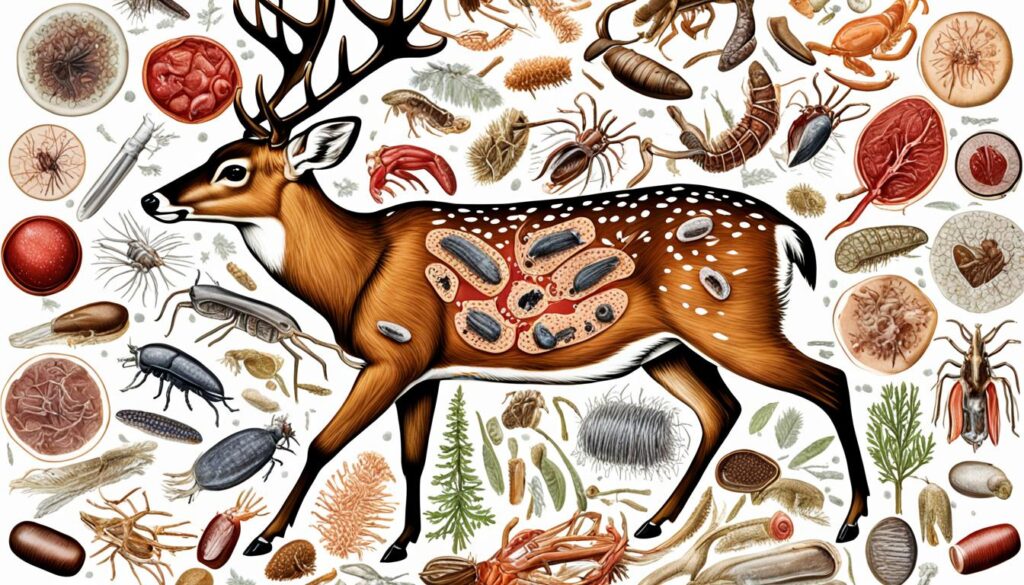
Parasite Diversity and Abundance
Generally, deer can have a variety of parasites like ticks, keds, mites, lice, and more. These include nasal bots, lungworms, and over 32 types of worms in their stomachs. Although most deer have some parasites, they usually do not have too many.
Some parasites however, can make deer sick. For example, Haemonchus contortus and Strongyloides papillosus. Haemonchus contortus larvae thrive in warm, moist places and can infect deer easily in such areas.
Other parasites like Moniezia spp., Taenia hydatigena, and Taenia omissa are found in deer too. They act as final hosts for Moniezia spp. and intermediate hosts for other tapeworms.
Deer and livestock can spread parasites to each other therefore deer near sheep farms will often have more parasites than those far away. Let’s examine the following 5 important things you need to know about parasites in white-tailed deer.
1. Prevalent Parasites in White-Tailed Deer
There are many internal and external parasites in White-tailed deer. On average, each deer has almost 4,000 different parasites. This is because deer play a key role in the life cycles of these parasites.
White-tailed deer host a variety of parasites like liver flukes, lungworms, meningeal worms, and abdominal worms. These parasites have complex life cycles, involving multiple hosts, and can harm the deer’s health.
They cause issues from neurological problems to wasting away. Don’t be scared! Cooking deer meat properly can remove any health risks to humans.
2. Role Of Parasite In White-Tailed Deer
Parasites make up 40 to 50 percent of all animal species. There are up to 300,000 types of worms that live on vertebrates. These parasites come from 15 different groups, including humans, insects, and jellyfish.
Parasites are key in the food web, making up 75 percent of food web links. They help control pests, saving billions of dollars. But, they face threats like climate change and habitat loss, with many specialist parasites at risk.
Every endangered species has parasites that depend on it. If the host species disappears, they could too. Sadly, less than 10 percent of parasite species are well-studied.
Parasites in white-tailed deer form a complex network of interactions which are crucial in the ecosystem. They act as both predators and prey. Deer serve as the main hosts for many parasites, most of which have evolved to use deer and other hosts to survive.
This relationship between parasites and deer affects deer health and the environment. There however, still exists a big gap in knowledge about wildlife parasites and how their populations change.
It is therefore important to understand parasites to keep deer healthy and stop disease spread.
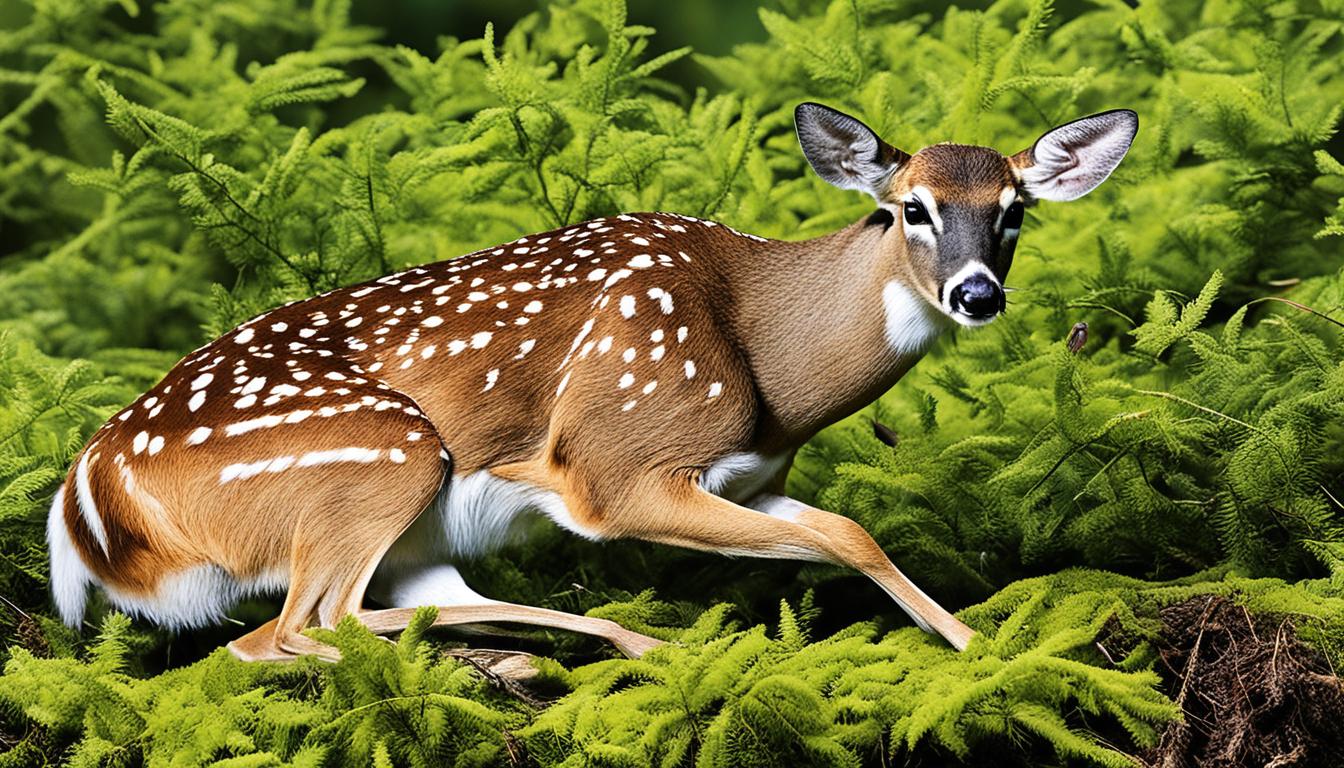
External Parasites in White-Tailed Deer: Ticks and Keds
White-tailed deer have many external parasites, but ticks are the biggest worry. These tiny pests can spread serious diseases like Lyme disease and Rocky Mountain spotted fever to people. Ticks can stay alive on the ground for a long time without eating.
This means you need to treat areas often to stop them from coming back. Tick infestations don’t usually kill adult deer. But, they can cause a lot of death in fawns in some places.
There are also deer keds, a fly that sucks the blood of deer. Deer keds can live up to six months and multiply quickly, making them hard to control.
In extreme cases, these parasites in white-tailed deer can make them lose hair and get anemia. But if not properly handled, they can be a bigger threat to humans. It’s important to check for ticks and avoid touching deer to prevent getting sick.
Knowing how to spot and understand these parasites is key for hunters and general wildlife enthusiasts. By being careful, you can lower the risk of getting diseases from ticks and deer keds.
Internal Parasites In White-tailed Deer: A Grotesque World
Internal parasites in white-tailed deer can look scary but are mostly harmless to humans. They might look bad, but they don’t harm individuals who eat the meat. Just make sure it’s cooked well.
Let’s examine the following internal parasites;
Nasal Bots and Lungworms
Nasal bot larvae are one of the most shocking parasites in deer. They look like maggots and come out of the deer’s nose. Lungworms on the other hand are also common but live in the deer’s lungs and make breathing difficult.
These parasites may look and feel bad for deer but do not really threaten humans who eat venison. Once you cook the meat well, it kills the parasites, making it safe to eat.
For your part, you will need to check the meat for parasites when butchering. But don’t throw away the whole deer because of a few parasites. Internal parasites in white-tailed deer might seem scary, but they’re mostly safe for humans.
By cooking the meat well, you can enjoy venison safely. This way, you avoid any risks from these parasites.
With the right handling and cooking, your meat is safe to eat!
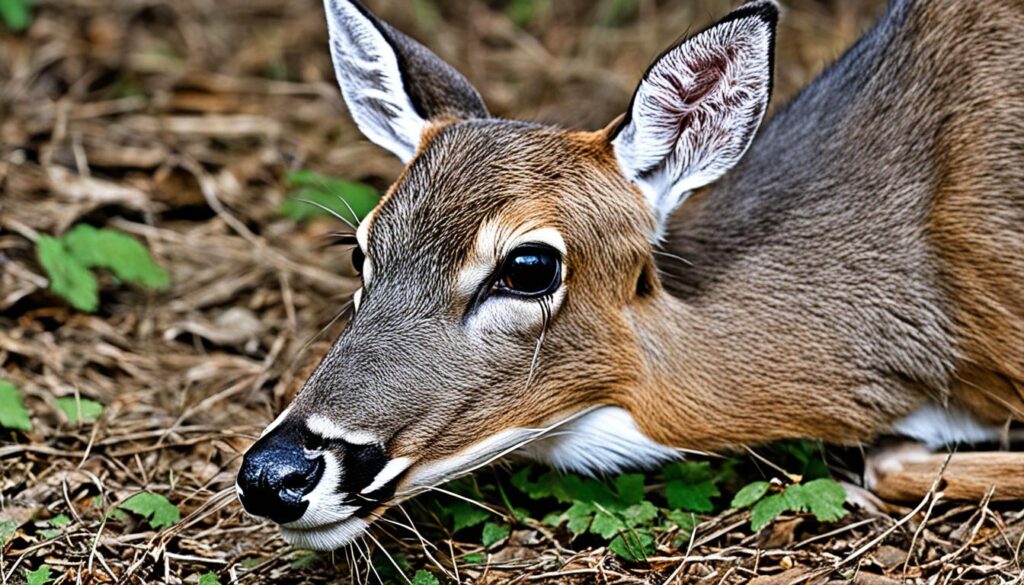
3. Parasite Transmission and Life Cycles
White-tailed deer serve as a host for many parasites with complex life cycles. Knowing about parasite life cycles helps stop the spread of diseases. This is key when moving deer between areas.
Many parasites need parasite intermediate hosts like snails, slugs, and insects. For example, the meningeal worm uses snails and slugs before infecting deer. Liver flukes use aquatic snails, and arterial worms use horseflies.
Deer play a big role in these complex systems because they help these parasites survive. For humans to reduce the risk of parasite transmission, it’s important to properly dispose of deer remains.
Knowing how parasite life cycles work with deer is key to preventing disease spread. By understanding the different hosts and how they transmit, we can protect deer and human health from zoonotic parasites and also help limit the introduction of potential intermediate hosts.
4. Impact on Deer Health and Meat Quality
Most parasites in white-tailed deer don’t hurt them. But, heavy infestations can cause health issues. For example, Arterial worms can block blood flow to the jaw muscles, leading to food impaction and starvation.
Severe lungworm or liver fluke infestations can also weaken deer, making them more likely to get other infections from the environment. This may reduce the quality of deer meat if not properly managed.
5. Effects of Parasites in White-tailed Deer
Parasites can cause organ damage and emaciation, making deer look sick. Once you see a deer that looks sick or thin, you should not eat it. This is because the meat quality and safety may be compromised.
The Michigan DNR reported record mortality in summer 2012 due to epizootic hemorrhagic disease. This disease usually kills less than 15 percent of deer in the South. But, deer from the North are 2-3 times more likely to get it, according to a study by the MSU Deer Lab.
Although there are over 100 species of internal or external parasites in white-tailed deer, heavier parasite loads are often seen in deer that don’t have good nutrition, due to poor habitat or too much browsing.
Common across the southeastern United States are the large stomach worm and the large lungworm. These are the most harmful parasites in those areas.
Conclusion
White-tailed deer carry many parasites, both inside and out, which can be alarming for hunters. But, most of these parasites don’t threaten human health if the venison is cooked well.
The knowledge contained in this article about parasites in white-tailed deer will help you make smart choices about handling and eating their deer.
In the end, the fact that white-tailed deer have parasites doesn’t mean you can’t enjoy venison. Even though these parasites might look scary, they don’t take away from the good taste and health benefits of deer meat.
Just cook your meat well, stay updated on safe ways to make your venison tasty and you can enjoy this natural and green food safely.
]]>