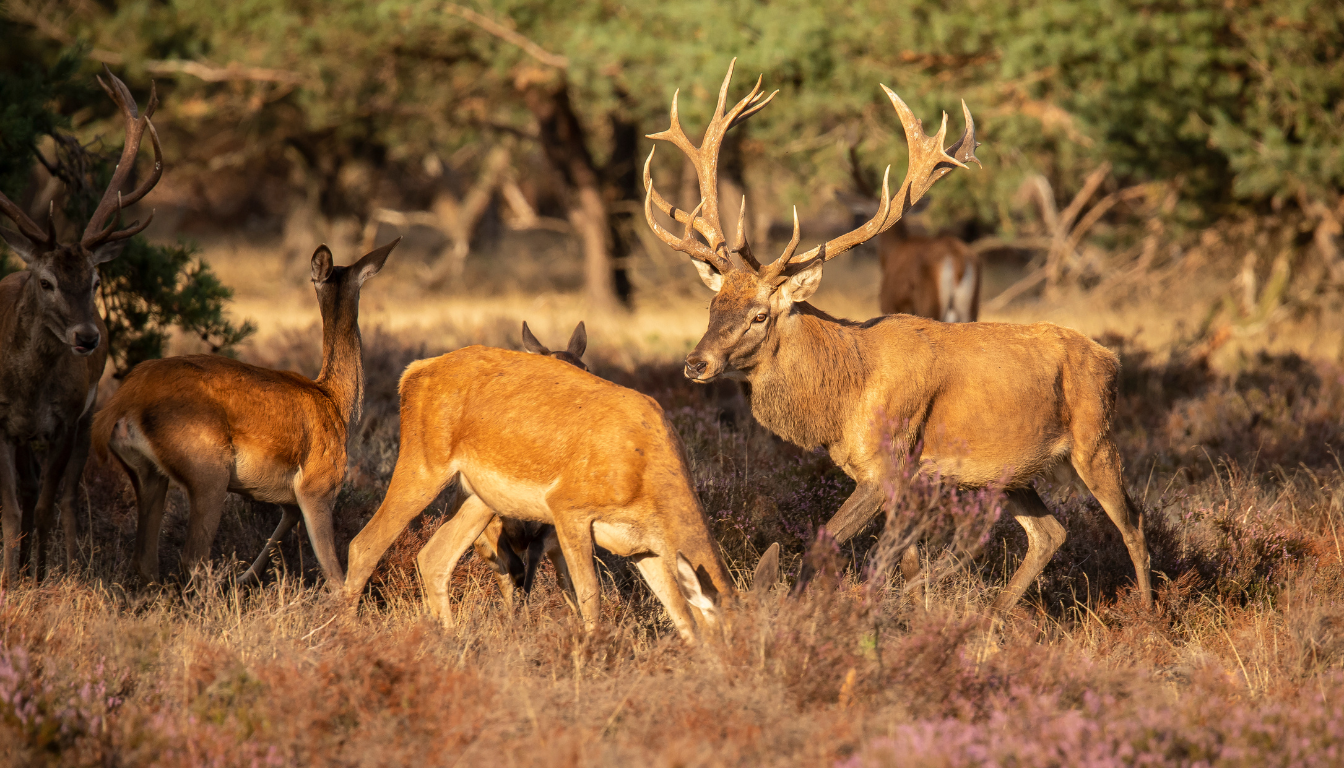
Red deer are some of the most impressive and sought-after game animals in the world. Known for their majestic antlers, powerful presence, and adaptability, they have fascinated hunters, conservationists, and nature lovers for centuries.
From the misty highlands of Scotland to the dense forests of Eastern Europe, red deer roam in herds that command both respect and admiration.
But how much do you really know about red deer? Many hunters are familiar with their size or the iconic image of a stag in rut, roaring across a valley. Yet behind the scenes, red deer have survival strategies, behaviors, and cultural importance that go far beyond the hunt.
In this post, we’ll uncover five amazing facts about red deer, hunters should know. These insights will not only deepen your understanding of these magnificent creatures but also sharpen your hunting skills. Whether you’re preparing for your first stalk or have years of experience in the field, knowing more about red deer can give you the edge.
Let’s get started.
Fact 1: Red Deer Are Among the Largest Deer Species
When it comes to size and stature, red deer are giants. They are one of the largest species in the deer family, second only to elk and moose.
- Stags (males): Can weigh between 350–530 pounds (160–240 kg) and stand up to 4 feet (1.2 meters) at the shoulder.
- Hinds (females): Smaller, usually weighing between 260–370 pounds (120 – 170 kg).
- Antlers: Mature stags grow spectacular branching antlers that can stretch over 1 meter wide and weigh up to 15 kg.
These antlers aren’t just for show. Each year, red deer stags shed and regrow them, with antlers getting bigger and more elaborate as the stag ages. During the rut, stags use these antlers to battle rivals, a dramatic contest of strength and dominance that determines breeding rights.
For hunters, this size matters. Tracking a red deer requires patience and skill, as these powerful animals can move surprisingly quickly through rough terrain. Field dressing and transporting such a large animal is also a challenge, demanding preparation and the right equipment.
Imagine standing on a hillside and watching a mature stag emerge from the mist, antlers catching the light. It’s a sight that commands respect and one that every hunter treasures.
Fact 2: Seasonal Behavior and the Rut
One of the most thrilling aspects of hunting red deer is experiencing the rutting season. This dramatic event happens once a year, usually in late September through October, depending on the region.
During the rut:
- Stags roar loudly to attract hinds and to warn off rivals. This “roaring” is one of the most distinctive sounds in nature.
- Antler battles take place, sometimes lasting minutes as two stags lock horns in displays of strength.
- Stags often go without eating for days, losing weight as they focus entirely on breeding.
For hunters, the rut is both an opportunity and a challenge. On one hand, stags are more vocal and visible, making them easier to locate. On the other hand, they become highly aggressive and unpredictable. A roaring stag in the wild is thrilling to witness but demands caution and respect.
The timing of the rut can vary slightly depending on geography and climate. In Scotland, for example, the highland hills echo with stag roars in October, while in parts of Eastern Europe, the rut may start earlier.
Hunters often describe the rut as an unforgettable experience. Hearing the deep, guttural roar of a stag at dawn is enough to raise the hair on your neck and remind you why red deer are so legendary.
Fact 3: Adaptability Across Habitats
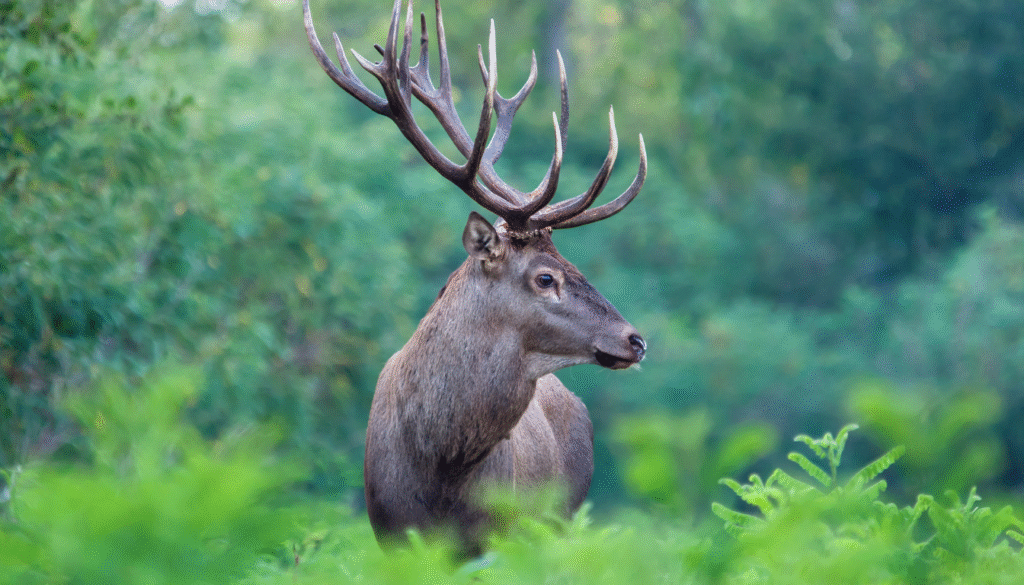
Another amazing fact about red deer is their ability to thrive in a wide range of habitats. Unlike some deer species that are limited to certain environments, red deer adapt remarkably well.
- Forests: Dense woodland provides cover, food, and security for hinds and calves.
- Moorlands & Grasslands: Stags are often spotted grazing in open country where visibility is greater.
- Highlands & Mountains: In Scotland, red deer are icons of the highlands, navigating rugged terrain with ease.
- Agricultural Land: In some areas, red deer adapt to farmland, feeding on crops and causing conflicts with farmers.
Their adaptability also extends to their diet. Red deer eat grasses, herbs, leaves, bark, and even heather in harsher climates. This ability to shift feeding habits with the seasons ensures survival in challenging conditions.
For hunters, understanding habitat is crucial. Stalking techniques differ in open landscapes compared to thick forests. In wide, open moorlands, long-range glassing and careful stalking are key. In woodland, moving quietly and reading deer signs becomes more important.
This adaptability is one reason red deer are found across Europe, Asia, and even New Zealand (where they were introduced for hunting). Wherever they live, they find a way to survive and flourish.
Fact 4: Social Structure and Herd Dynamics
Red deer live in herds, and their social structure is both fascinating and important for hunters to understand.
- Hinds and calves: These typically live in herds led by an older hind. These groups provide safety in numbers.
- Stags: Outside the rut, stags form bachelor groups. They only join the hind herds during the breeding season.
- During the rut: Stags fight for control of harems of hinds, sometimes guarding 10–20 females at a time.
Communication within herds is subtle but effective. A hind spotting danger may raise her head sharply, stomp a foot, or bolt suddenly, sending the entire herd running. For hunters, this means a single mistake: one snapped twig or careless movement can alert dozens of deer at once.
Understanding group behavior can make or break a hunt. If you can anticipate how a herd will move or react, you can position yourself more effectively. But if you misjudge, hours of careful stalking can unravel in seconds.
Hunters often describe the tension of watching a herd of red deer. Every movement feels magnified, every sound critical. When a hind locks eyes with you, heart pounding, you know the outcome could go either way.
Fact 5: Conservation and Hunting Heritage
The last amazing fact about red deer goes beyond biology, it’s about culture, history, and conservation. Red deer have been central to human hunting traditions for thousands of years.
Cave paintings in Europe show that red deer were hunted in prehistoric times. In medieval Europe, stag hunting was considered a sport of kings.
Today, red deer remain deeply embedded in hunting heritage, especially in countries like Scotland, Hungary, and Germany. The sight of a roaring stag or a stag’s head mounted as a trophy carries centuries of symbolism.
But with this heritage comes responsibility. Conservation plays a vital role in ensuring healthy red deer populations. In some areas, populations are carefully managed to prevent overgrazing and to maintain balance with other wildlife.
In other places, red deer numbers have expanded so much they threaten ecosystems, requiring regulated culling.
For hunters, this means participating in a tradition that’s as much about stewardship as it is about sport. Respect for the animal and the land is at the core of ethical hunting. Pursuing red deer isn’t just about the harvest, it’s about preserving a heritage for future generations.
Conclusion
The red deer is a creature of majesty, strength, and resilience. From their commanding size and awe-inspiring antlers to their unforgettable rutting season, adaptability across habitats, complex herd dynamics, and deep cultural heritage, these animals embody the spirit of wild hunting traditions.
For hunters, each of these five amazing facts about red deer offers not just knowledge, but practical insight. Understanding their size prepares you for the physical demands of the hunt. Learning their seasonal behavior sharpens your timing.
Recognizing their adaptability improves your scouting. Reading herd dynamics keeps you one step ahead. And appreciating their heritage reminds you of the responsibility that comes with the chase.
When you step into the woods, hills, or highlands, remember you’re not simply pursuing game. You’re engaging with a species that has survived for millennia and inspired countless generations of hunters. That’s why hunting red deer is more than sport, it’s a privilege.
If this guide has deepened your respect for red deer, share it with your hunting friends and drop a comment about your own red deer experiences.. The more we learn about red deer, the more meaningful every trip into the wild becomes.
]]>Food plot and feeding deer are two of the most powerful tools hunters can use to attract, sustain, and pattern whitetails. Ask any seasoned hunter, and they’ll tell you success doesn’t come down to chance alone.
While patience, skill, and timing play huge roles, having a well-planned food plot and feeding system is often the real difference between watching deer from afar and having them within range.
Food plots and deer feeding strategies aren’t just about pulling deer closer during hunting season. They improve herd health, support antler growth, and make deer movements more predictable throughout the year. By creating an environment where deer find consistent food sources, you’re not only increasing your odds of success but also building healthier herds on your land.
This guide will walk you through everything from choosing the right crops and planting techniques to seasonal feeding approaches and ethical considerations.
Whether you’re planting your very first plot or fine-tuning a property you’ve managed for years, this resource will help you master food plots and feeding deer strategies that truly work.
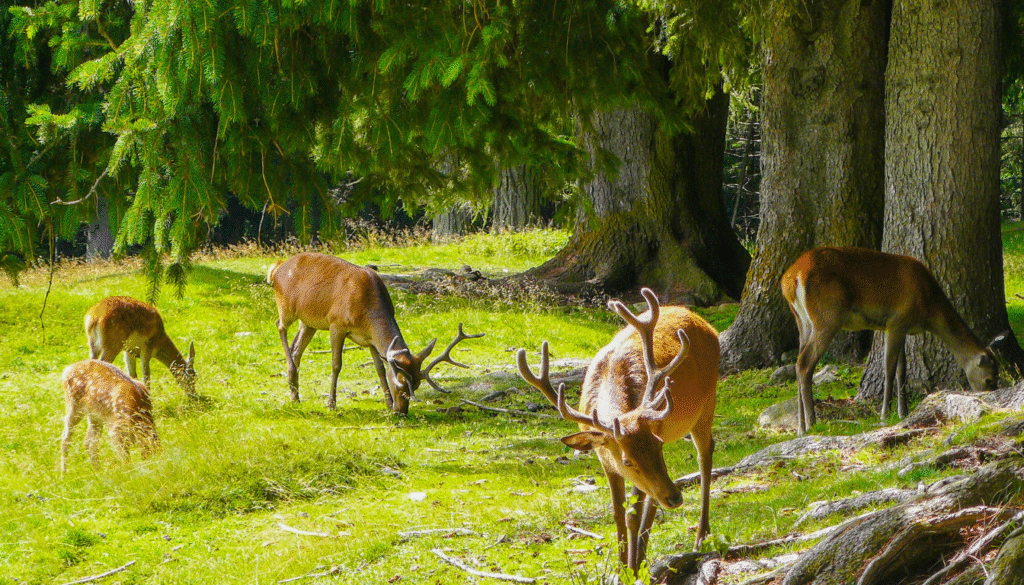
1. Food Plots and Their Role in Deer Hunting
A food plot is simply a section of land prepared and planted to provide deer with supplemental nutrition. But for hunters, a food plot and feeding strategy is more than just a patch of greenery, it’s a way of shaping deer behavior.
Hunters typically use two styles of plots. Larger nutrition plots are meant to sustain deer year-round, while smaller hunting plots are designed to draw them close to a stand or blind during hunting season.
When paired with smart feeding practices, these plots make deer more predictable, giving hunters a clear edge while also ensuring the animals remain well-fed and healthy.
2. Types of Food Plots Every Hunter Should Consider
Choosing the right food plot and feeding deer plan depends on your goals and land. Perennial plots such as clover and chicory are excellent for long-term nutrition, often lasting several years with proper care. They’re reliable, especially in spring and summer, and require less replanting once established.
Annual plots, on the other hand, are seasonal but highly effective. Corn, soybeans, and brassicas grow quickly and provide attraction when it matters most in fall and winter. Many hunters plant both perennials and annuals to strike a balance between long-term nutrition and seasonal attraction.
You’ll also want to think about timing. Warm-season crops like soybeans thrive in spring and summer, while cool-season options such as oats and turnips shine in fall and winter. A food plot and feeding system that rotates crops through the year keeps deer coming back month after month.
3. Choosing the Right Food Plot for Your Land
No two hunting properties are the same, which is why tailoring your food plot and feeding deer strategy to your land is so important. Start by testing your soil so you know what nutrients it needs. From there, consider your property size, local climate, and what natural food sources already exist nearby.
If your area is surrounded by cornfields, plant something different to diversify. If you have a smaller property, focus on one or two well-placed hunting plots near cover, where deer will feel secure feeding.
Every decision you make about where and what to plant should work toward your ultimate goal: keeping deer on your property and within range.
4. Planting and Maintaining Food Plots
Planting a food plot and feeding deer may sound simple, but success comes down to preparation. Healthy soil is the foundation, so never skip a soil test.
Once you’ve corrected pH and added necessary fertilizer, prepare a clean seedbed by removing weeds and brush. Plant your chosen seeds at the right depth and spacing, then monitor growth closely.
Maintenance is just as important. Clover plots benefit from mowing to reduce weeds, while annual plots may need reseeding each year.
Crop rotation also keeps the soil fertile and prevents pests from building up. Many new hunters make the mistake of skipping these steps, but the truth is, food plots only perform well when they’re maintained with care.
5. Feeding Deer Beyond Food Plots
While food plots are the foundation, they’re not the whole story. A complete food plot and feeding deer plan often includes supplemental strategies.
Mineral sites, for example, are invaluable in spring and summer when bucks are growing antlers and does are nursing fawns. Feeders can also play a role, providing consistent access to grains where legal.
Beyond manufactured options, you can enhance natural browse by encouraging native plants, improving timber stands, or even using controlled burns. These habitat improvements often complement food plots, ensuring deer always have something to eat regardless of the season.
6. Seasonal Food Plot and Feeding Strategies
Deer diets change throughout the year, and your food plot and feeding strategy should adapt as well. In spring and summer, deer need protein-rich nutrition to grow strong and healthy. Soybeans, clover, and alfalfa are excellent choices during these months.
As fall approaches, the focus shifts to attraction. Brassicas, turnips, and oats provide irresistible feeding opportunities during hunting season, drawing deer into predictable patterns.
Once winter arrives, energy-rich food like corn and winter wheat help deer survive cold, scarce months. By rotating your plantings and feeding strategies with the seasons, you create a year-round buffet that keeps deer close.
7. Overcoming Common Challenges
Even the best-laid food plot and feeding deer plans come with obstacles. The weather is one of the biggest. Drought can ruin young crops, while flooding can wash away seeds. Choosing the right crop for your soil and climate reduces these risks.
Another challenge is heavy browsing, especially on small plots. If deer wipe out a crop before it establishes, protective fencing or larger planting areas may be necessary.
Weeds, pests, and limited budgets also present hurdles, but creative hunters often find solutions from spot spraying weeds to planting cost-effective crops like clover that deliver great results without breaking the bank.
8. Ethical and Legal Considerations
Every food plot and feeding deer plan should follow local hunting laws. In many areas, placing corn or feed during hunting season is considered baiting and may be illegal.
Beyond regulations, there’s also the question of ethics. Over-reliance on feeding can reduce the principle of fair chase. A balanced approach that combines food plots, habitat management, and supplemental feeding ensures a sustainable, ethical strategy that benefits both hunters and deer.
Conclusion
At the end of the day, hunting success isn’t luck — it’s preparation. A well-thought-out food plot and feeding deer strategy gives you a clear advantage while supporting healthier herds on your property. From spring nutrition plots to fall attraction crops, from mineral sites to habitat improvements, every decision adds up to stronger deer, more predictable movement, and better opportunities when you’re in the stand.
Remember, planting a seed today could mean harvesting the buck of a lifetime tomorrow. The more effort you put into your land, the greater the rewards both for you and for the deer you pursue.
If you haven’t started your food plot and feeding deer plan yet, this season is the perfect time. Test your soil, pick the right crops, and take that first step toward transforming your property into a whitetail paradise. Share your food plot and feeding deer experiences.
]]>Food was the first thing to come to mind. Now, not just any food. Ones that possess the quality of attracting and nourishing the deer at the same time. That’s a tricky one.
If you want to be able to enjoy the summer deer scenery for a longer time and interact with the deer without scaring them away, this blog is just for you. We will look at the 5 best foods that will attract and nourish a deer in your garden.
Let’s get right into it
The 5 Best Foods for Deer Attraction and Nourishment
The secret to attracting and nourishing deer is variety. You’ll want to focus on a delicious mix of nuts and fruits, those awesome herbaceous plants (forbs), and a good selection of shrubs and trees, as they are what deer love to eat. The ideal deer diet is low in protein and high in fiber.
Giving them a combination of energy-packed and nutrient-rich foods is how you keep them living and coming back for more all year long.
Clover and Alfalfa

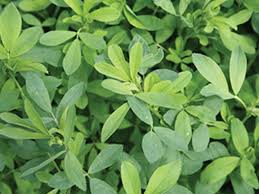
They are legumes rich in protein and highly digestible. They taste fantastic, which is why deer find them quite edible.
The deer, particularly, will crawl through snow to consume alfalfa, which is a year-round favorite. The clover is also a great low-maintenance choice for feeding plots that can attract deer for years.
This protein is important for bucks growing their antlers and for does who are either pregnant or nursing fawns. It helps with optimal fawn health, growth, and development
Corn and Soybeans
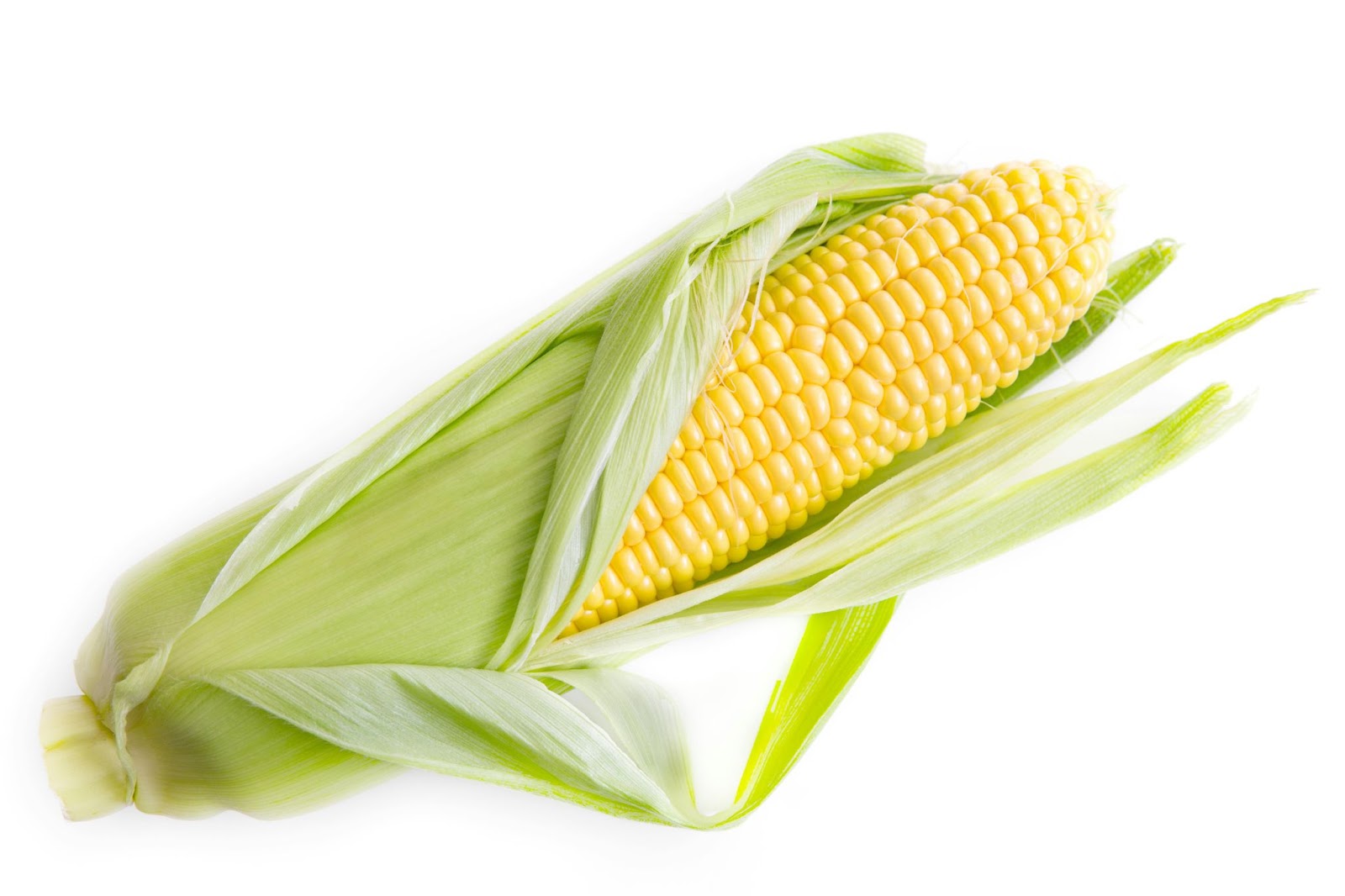
Summertime is a great time to eat soybeans! Deer love those soft green leaves from the time they sprout. Throughout the late spring and summer, they provide a significant source of energy and protein. The firm beans in the pods also develop into a very high-energy food source as they become older, which is particularly useful when summer turns into autumn and even winter.
Corn should be used with caution because of its high content of readily available energy (carbohydrates). It is undoubtedly a deer magnet.
It’s crucial to understand, though, that deer may suffer if they are fed an excessive amount of maize, particularly if it is their only food source.
Because they are ruminants, their digestive systems may struggle to process excessive amounts of starch, which can lead to significant health issues, including bloat, acidosis, and even foot problems.
Grasses and Forbs
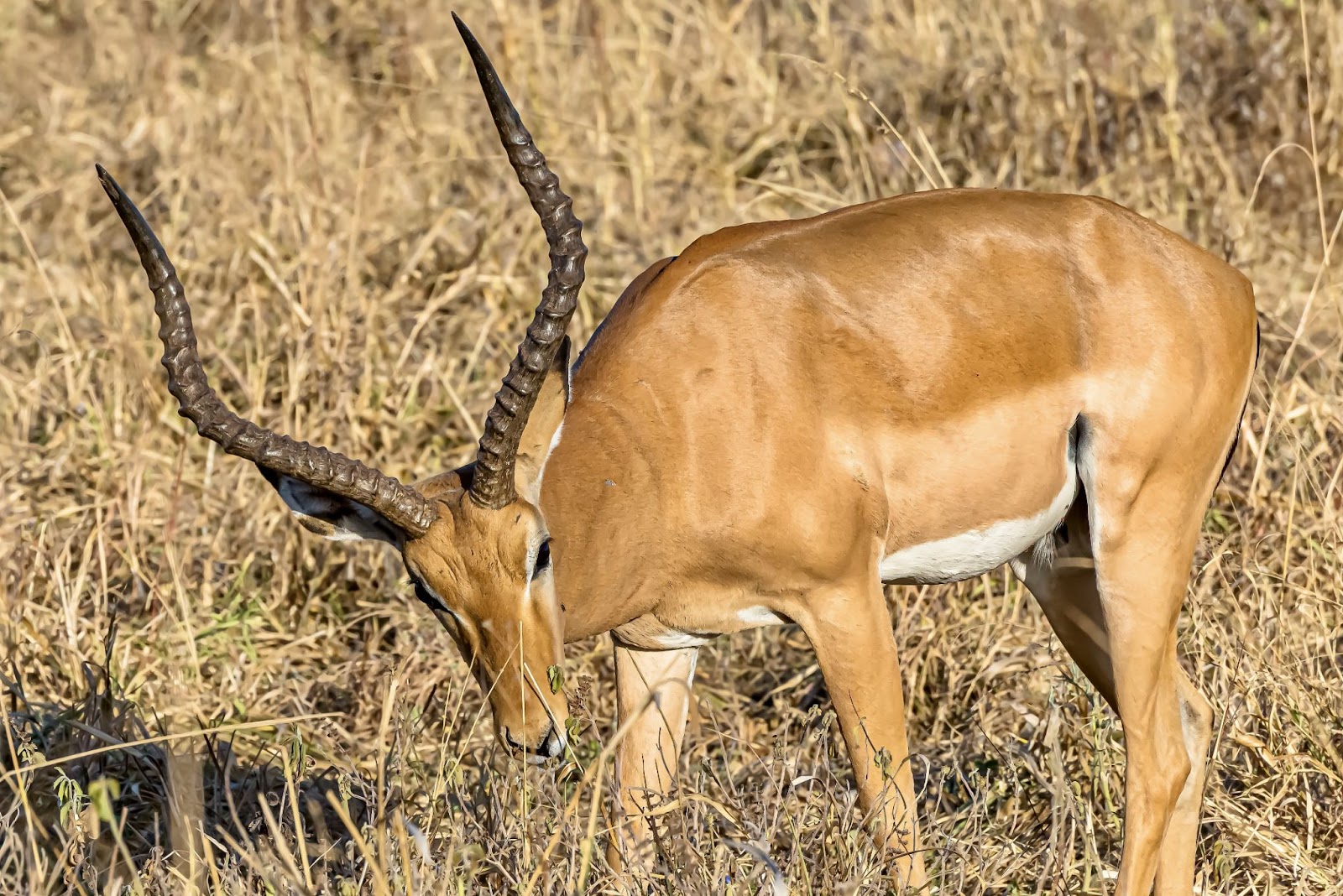
This is a deer’s daily meal. Deer consume grasses, particularly the fragile, new shoots. They provide steady energy and are a rich source of fiber and carbs.
Forbs are your broad-leaved, non-woody plants. Because they are frequently very digestible and nutrient-dense, notably high in protein, forbs are crucial in the summer. A deer will seek out these nutrient-dense forbs to maximize their yield.
Blackberry and Other Berries
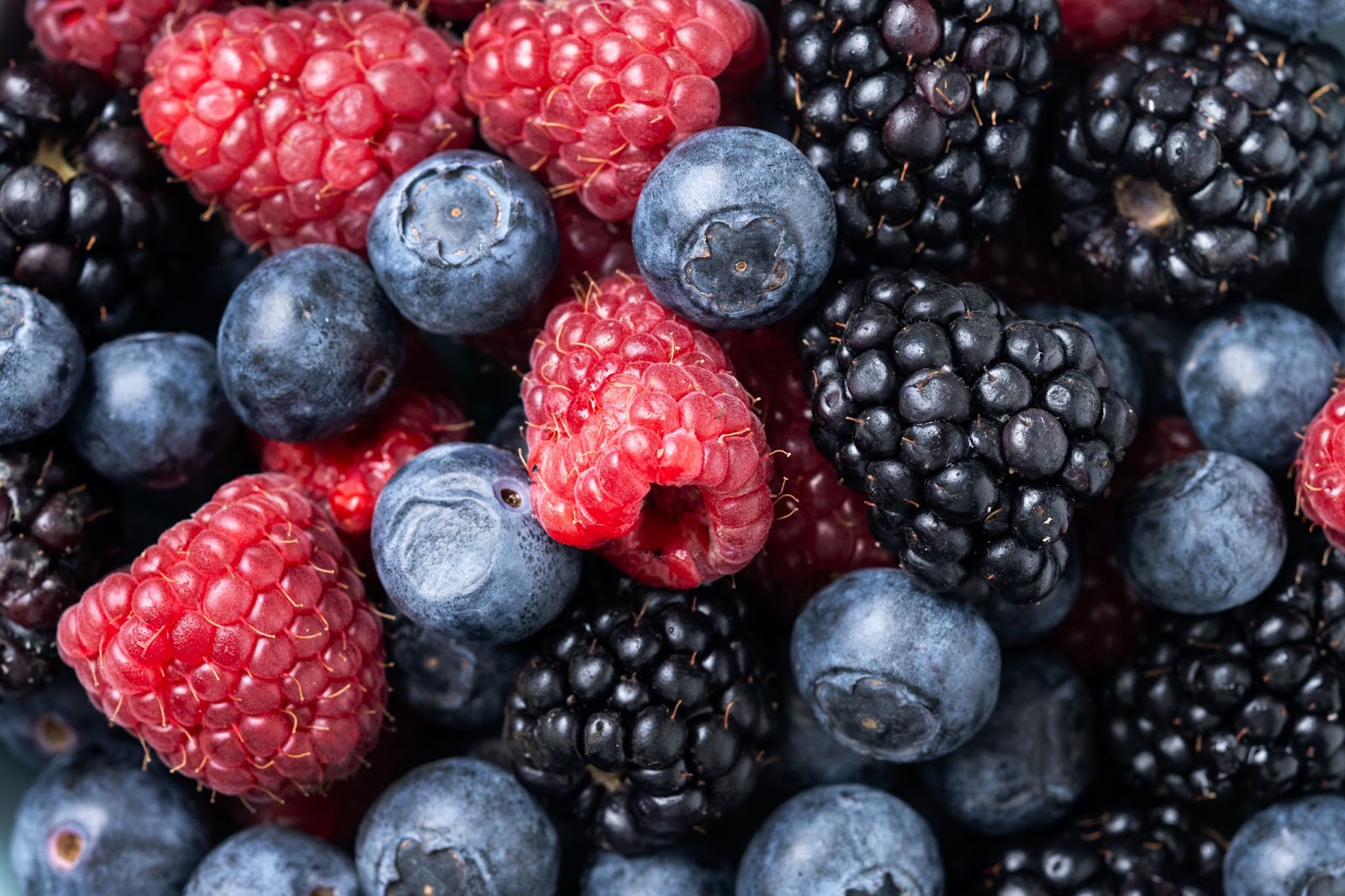
Berries are a deer’s favorite. They eat mulberries, blackberries, raspberries, and wild grapes. They offer some moisture and vitamins, and they’re a great source of natural carbohydrates for energy.
Deer may readily access berry bushes throughout the summer months since they are frequently at the ideal height for browsing. If any berries fall to the ground, they will gladly devour them.
Nuts and Acorns
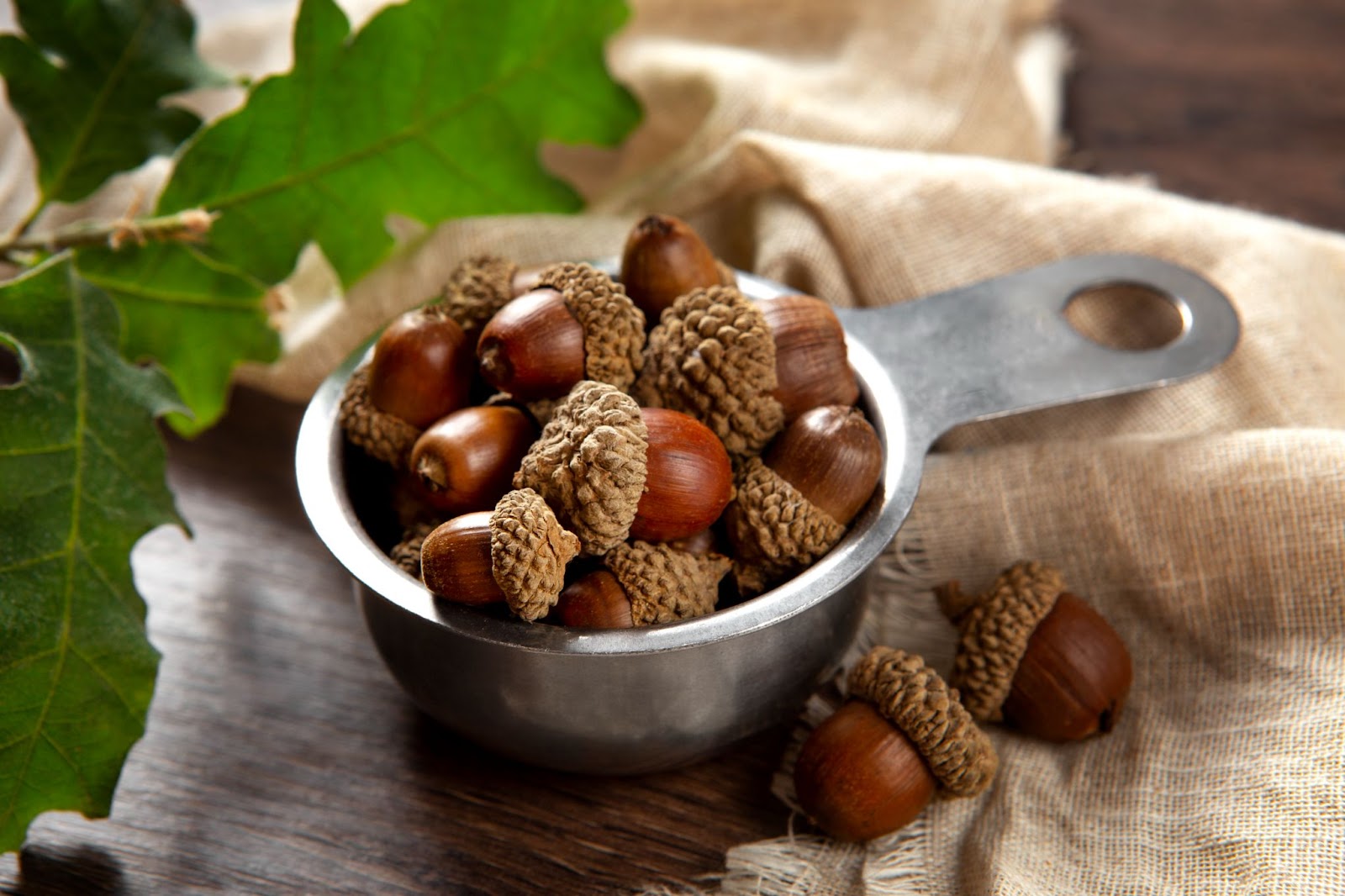
Acorns are rich in good nutrition and a go-to food source for deer. They represent an important food source for not only deer but also squirrels, turkeys, pigs, and dozens of other animals.
Deer will definitely consume acorns if they fall early, even though they are typically considered an autumn/winter nutrition source (plenty of carbohydrates and lipids). You may occasionally discover early acorns because different kinds drop at various dates.
Conclusion
Summer deer nutrition isn’t just about attracting deer; it’s about investing in the health and vitality of your local herd.
Understanding and providing a varied mix of energy-rich alternatives, such as berries and well-managed maize, as well as high-protein forage like clover, alfalfa, and soybeans, can directly support the overall health of deer, fawn development, and antler growth.
Your efforts will not only draw deer in but also ensure they thrive for seasons to come. With these 5 foods, you are ready to make your property a haven for healthy deer this summer
What do you think about these food choices? Got any other food choices you’d want to share? Comment below; let’s discuss and learn from each other.
]]>The expensive commercial repellents that smell like a chemical factory? Not really an intriguing choice. You can decide to plant deer-resistant plant varieties in your garden which is also effective but requires time.There are different types of deer repellents but homemade deer repellent essential oils offer a natural, cost-effective solution that actually works.
How about a lesser-known and easy-to-make deer repellent using ingredients that are probably already in your medicine cabinet or spice rack? These three effective essential oils will send deer packing without breaking your bank, and as a bonus, they’ll keep your garden smelling like a spa.
Effective Essential Oils for Deer Repellent
Peppermint
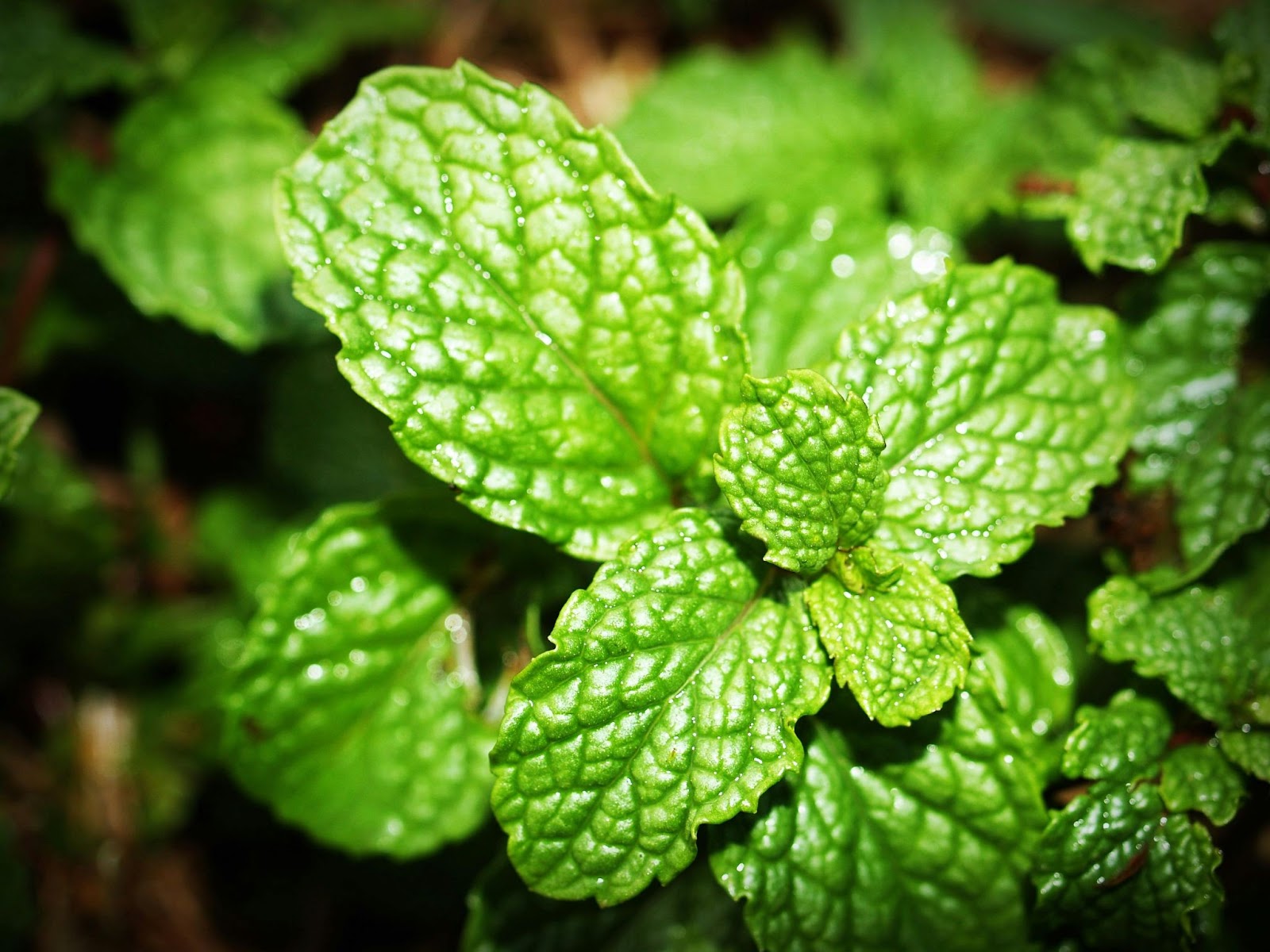
The strong minty smell of peppermint really bothers the deer, and this makes it a very good deer repellent. The good news is that peppermint also keeps mice, rats, and ants away, which is a bonus.
Note that it can be too much for us humans too, so don’t go overboard.
Recipe
What you need:
- 15-20 drops peppermint essential oil
- 1 cup water
- 1 teaspoon vegetable oil (canola, sunflower, or olive oil also works) or liquid soap
- 1/2 teaspoon cayenne pepper (optional but effective)
Procedure:
Method 1 (Vegetable Oil):
- Add the teaspoon of vegetable oil first to the water and whisk vigorously for about 30 seconds until the water gets slightly cloudy.
- Add the peppermint oil one drop at a time while continuing to whisk.
- If you’re adding cayenne, sprinkle it in last and whisk again.
Method 2 (Using Liquid Soap):
- Mix the soap with water until completely dissolved.
- Add peppermint oil drop by drop while stirring gently with a spoon.
- Gently shake before use, not the aggressive shaking the oil version requires.
Application:
- Don’t spray directly on edible plants if you’re adding cayenne.
- Create a scent barrier around your garden beds about 2-3 feet from plants.
- Spray on stakes, rocks, or non-edible border plants.
- Apply weekly or after heavy rain.
Storage:
- Keep your mixture in a cool, dark place and use it within 2 weeks.
- The oils can go rancid after 2 weeks and lose potency.
- Label your bottle with the date you made it.
Lavender

Lavender is pretty decent at keeping deer away, as they’re not fans of that strong floral smell we humans love.
The nice thing about lavender is that your garden will smell amazing, but just a heads-up. It might attract more bees and butterflies to the area, which could be good or bad depending on what you’re going for.
Recipe
What you need:
- 10-15 drops of lavender essential oil
- 1 cup of warm water
- 1 Teaspoon of dish soap (emulsifier)
- Spray Bottle
Procedure:
- Mix the dish soap with warm water first until it’s well dissolved
- Add the lavender oil drops and stir
- Pour into a spray bottle and shake well before each use
Application:
- Spray directly on plants in the evening when it’s cooler. This prevents the oils from evaporating too quickly in the hot sun.
- Focus on new growth since that’s what deer love most.
- Apply every 3-5 days or immediately after rain.
Storage:
- Store in a cool, dark place for about 2-3 weeks.
- Make small batches to keep it fresh.
- Use a dark glass spray bottle if you have one.
Eucalyptus
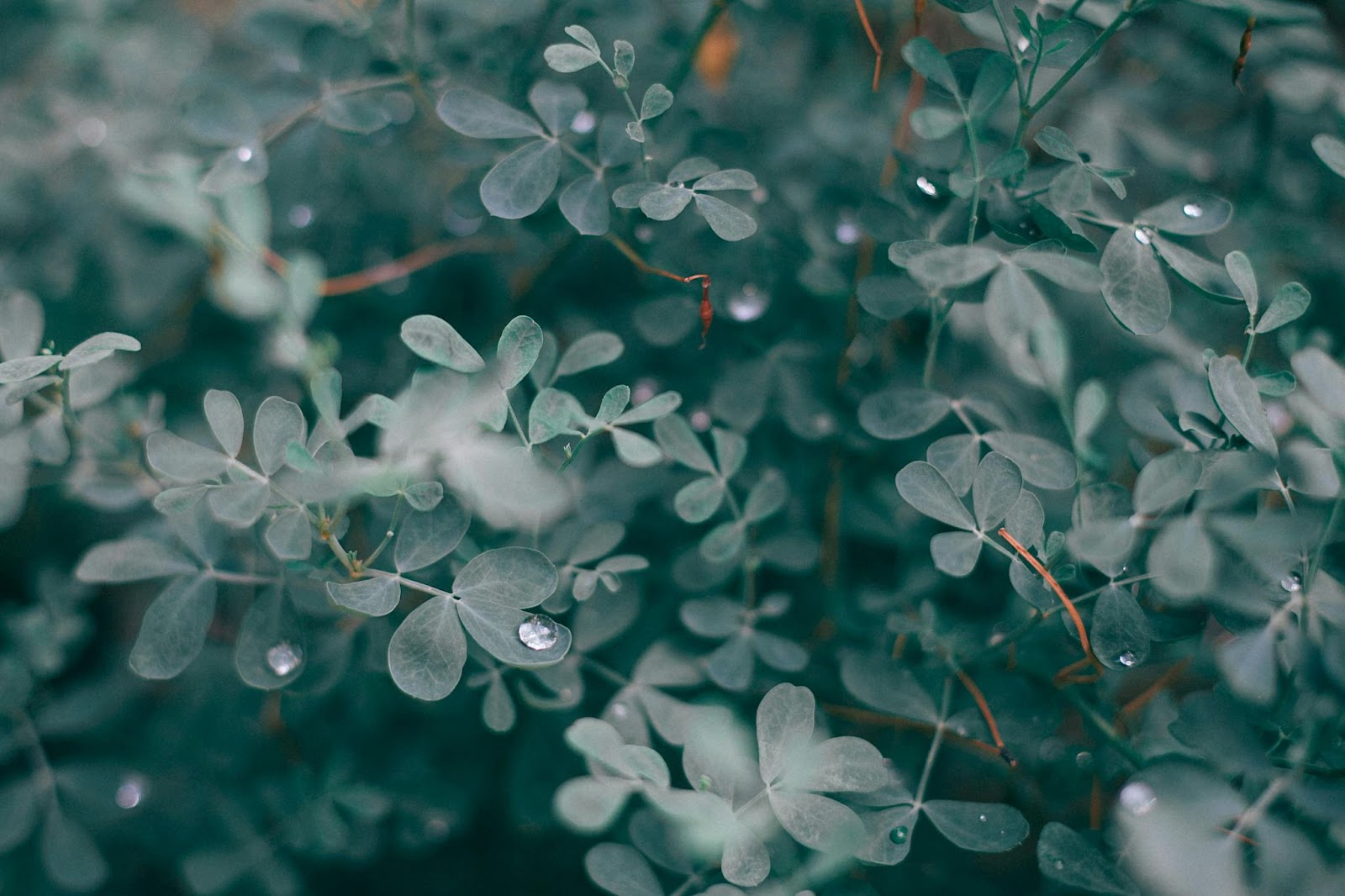
Eucalyptus is probably your best bet overall. That sharp, medicinal smell really messes with deer’s ability to smell properly, which makes them uncomfortable and likely to move on. It lasts longer than the other oils and bugs hate it too.
But you should be careful about its use around pets. Eucalyptus can be toxic if they decide to lick the treated plants.
Recipe
What you need:
- 12-18 drops of eucalyptus essential oil
- 1 cup of water
- 1 teaspoon of vegetable oil or olive oil
- 1/2 teaspoon of liquid soap (emulsifier)
- 1 tablespoon of rubbing alcohol (helps preserve and disperse oils)
Procedure:
- Add the alcohol and soap to the water first.
- Slowly add in the vegetable oil or olive oil while stirring constantly.
- Add eucalyptus oil drop by drop to create a more stable emulsion that won’t separate quickly.
Application:
Eucalyptus is strong enough that you can apply it in two ways:
- Soaking: Soak cotton balls or old rags in the mixture and hang them around your garden. Replace every 2 weeks.
- Spraying: Focus on the perimeter of your garden and the paths they use to enter your yard.
Storage:
- Store in a cool, dark place for about 2 weeks.
- Make small batches to keep it fresh.
Free Picks: Other Homemade Deer Repellent Essential Oils that work
Deer-repelling essential oils can be found in abundance in your herb garden and spice cabinet in the kitchen. When concentrated into essential oils, these well-known herbs and spices have a potent effect.

Rosemary
Deer interpret this woodsy, piney aroma as a “danger” signal. They link predatory areas with potent herbal scents.
Recipe: Use 12-15 drops rosemary essential oil to 1 cup water to 1 tsp liquid soap.
You can spray directly on edible plants because it’s safe for the majority of vegetables and herbs. Additionally, deer will naturally avoid that entire area if you’re growing real rosemary.
Thyme
Thyme’s sharp, pungent, and medicinal smell confuses deer scent receptors. It is potent and greatly undermined.
Recipe: Use 10-12 drops thyme essential oil to 1 cup water and 1 tsp dish soap.
Thyme oil is one of the longest-lasting options. You might get away with applying only twice a week instead of every few days.
Citronella
It is a lemony citrus scent with subtle wood tones and is used as a fragrance in perfumes, flavoring in food, and as a mosquito repellent. Deer hate it just as much as mosquitoes do. It’s especially effective in humid climates where the scent hangs in the air longer.
Recipe: Use 15-20 drops citronella essential oil to 1 cup water and 1 tsp vegetable oil.
Keeps deer away and reduces mosquitoes in your garden area, which is a win-win for evening gardening sessions.
Clove
Cloves possess a very intense and spicy, almost numbing scent that deer find overwhelming, which repels them.
Recipe: Use 8-10 drops clove essential oil to 1 cup water and 1 tsp soap
Note that it can be harsh on sensitive plants, so test first. Also, don’t use it if you have cats around, as it can be toxic to them.
Cinnamon
Cinnamon is sweet for us but alarming for deer. The warm spice scent triggers their “unfamiliar territory” instincts.
Recipe: Use 12-15 drops cinnamon essential oil to 1 cup water and 1 tsp dish soap
You can sprinkle ground cinnamon directly around plants, too, though essential oil lasts longer and won’t wash away as easily.
Tea Tree (Melaleuca)
Tea tree has a sharp and antiseptic smell, which is a major deer deterrent. However, it is so strong it can burn plant leaves in direct sunlight.
Recipe: Use 10-12 drops tea tree oil to 1 cup water and 1 tsp vegetable oil
Apply in the evening or on cloudy days, and always dilute properly.
Oregano
Wild oregano essential oil has an almost gasoline-like intensity that deer absolutely cannot stand.
Recipe: Use 6-8 drops oregano oil to 1 cup water and 1 tsp soap
Little goes a very long way making it the most potent on this list.
Pine or Fir Needle
This mimics the scent of a dense forest where predators might lurk, and deer avoid this smell.
Recipe: Use 12-18 drops pine/fir needle oil to 1 cup water and 1 tsp dish soap.
It works exceptionally well in fall and winter when deer are already on high alert.
Conclusion & Your Next Steps
The reality is, you don’t need to spend a fortune on commercial deer repellents that smell like a science experiment gone wrong. With just a few essential oils from your local health store or maybe your medicine cabinet, you can create effective, natural deer repellents that actually smell pleasant to humans.
The key to success isn’t just picking the right oil but consistency. Deer are persistent, but they’re also creatures of habit. Keep up with regular applications, rotate your scents every few weeks, and focus on those high-traffic deer areas around your property.
Remember, every garden and deer population is different. What works amazingly for your neighbor might need tweaking for your specific situation. Start with one of the stronger options, such as eucalyptus or peppermint, then adjust based on what you’re seeing.
Ready to Reclaim Your Garden?
Start this weekend. Pick up one essential oil from the list above and make your first batch. Apply it to your most deer-damaged areas and see what happens over the next few days.
Track your results. Keep a simple log of what you used, where you applied it, and how the deer responded.
Share your success. Once you find a combo that works, share it with fellow gardeners. Leave a comment below about which oils worked best in your area. Other readers will appreciate the local insight.
Your plants have been playing defense long enough. Time to go on the offensive and show those deer that your garden is officially off the menu!
What’s your biggest deer damage problem right now? Let us know in the comments and get personalized advice for your specific situation.
]]>
Spending time outdoors is great for physical and mental well-being, but it also comes with certain risks especially when it comes to tick-borne illnesses.
In many areas, the presence of deer plays a significant role in sustaining and spreading tick populations, increasing the risk of diseases like Lyme disease, anaplasmosis, and babesiosis.
Understanding how these diseases spread and how to protect yourself is essential for staying safe while enjoying nature.
Understanding Deer’s Role in Disease Transmission
Deer are not the direct cause of tick-borne diseases, but they serve as crucial hosts in the tick life cycle. By supporting tick populations, deer indirectly contribute to the spread of diseases to humans and other animals.
Deer as Hosts for Ticks

Ticks go through multiple life stages, larva, nymph, and adult requiring blood meals at each stage to mature and reproduce. While they feed on various animals throughout their life cycle, adult ticks frequently use deer as hosts.
After feeding and mating on deer, female ticks drop off and lay thousands of eggs, significantly increasing the local tick population. Without deer, tick numbers would be much lower, reducing the chances of human infection.
The Connection Between Deer Population and Tick Abundance
The relationship between deer populations and tick abundance is clear: more deer lead to more ticks. As deer populations grow, so does the risk of encountering infected ticks. Areas with high deer densities tend to have greater incidences of Lyme disease and other tick-borne illnesses.
Effective deer population management strategies, such as controlled hunting and habitat modification, can help keep tick populations in check and reduce the spread of disease.
Geographical Distribution of Deer and Disease Risk
Regions with large deer populations and suitable tick habitats tend to have higher rates of tick-borne diseases.
The northeastern and upper midwestern United States, including states like Pennsylvania, Wisconsin, and Minnesota, are among the most affected areas. People living in or traveling to these high-risk zones should take extra precautions to prevent tick bites.
Major Deer-Borne Diseases: Identification and Symptoms
Ticks transmit several dangerous diseases, with Lyme disease being the most well-known. Others, such as anaplasmosis and babesiosis, also pose serious health risks. Recognizing their symptoms early can lead to faster treatment and better outcomes.
Lyme Disease: Symptoms, Diagnosis, and Treatment
Lyme disease often begins with a characteristic bull’s-eye rash around the bite site. Early symptoms can resemble the flu, including fever, fatigue, and muscle aches. If untreated, Lyme disease can cause severe complications such as joint pain, neurological issues, and heart problems.
Diagnosis is typically confirmed through blood tests, and treatment with antibiotics is most effective when started early.

Anaplasmosis and Ehrlichiosis: Similar but Distinct
Both anaplasmosis and ehrlichiosis present with fever, chills, headache, and muscle aches. Because their symptoms overlap, they can be difficult to distinguish.
These bacterial infections are treated with antibiotics, and early treatment is crucial to prevent severe complications.
Babesiosis: A Parasitic Threat
Unlike bacterial infections, babesiosis is caused by parasites that infect red blood cells. Symptoms include fever, chills, fatigue, and anemia.
While some cases are mild, people with weakened immune systems can experience severe illness. Treatment involves specific medications to target the parasites.
Identifying and Removing Ticks Safely
Preventing disease starts with recognizing and properly removing ticks. Learning to identify different types of ticks and their life stages can help you take action before they have a chance to transmit infections.
Tick Identification: Different Types and Stages
The black-legged tick (also called the deer tick) is the primary carrier of Lyme disease. Other ticks, like the American dog tick, are larger and less likely to spread Lyme but can transmit other diseases.
Ticks progress through larval, nymph, and adult stages, with nymphs being the most dangerous due to their small size and tendency to go unnoticed.
Prevention Strategies: Protecting Yourself and Your Family
Preventing tick bites is the best defense against tick-borne diseases. Simple precautions can significantly reduce your risk.
Personal Protective Measures: Clothing, Repellents, and Gear
- Wear long sleeves and pants in wooded or grassy areas.
- Tuck pants into socks to create a barrier against ticks.
- Use insect repellent containing DEET or picaridin.
- Treat clothing and gear with permethrin to kill ticks on contact.
- Conduct thorough tick checks after spending time outdoors.
Yard and Home Protection: Reducing Tick Habitats
Creating a tick-free environment around your home can lower the risk of tick encounters.
- Keep lawns mowed and remove leaf litter and brush.
- Place wood chips or gravel between your yard and wooded areas to deter ticks.
- Consider using tick control treatments in your yard during peak seasons.
Protecting Pets from Ticks and Deer-Borne Diseases
Pets can bring ticks indoors, increasing your exposure to tick-borne diseases. Use veterinarian-approved tick prevention products, including topical treatments, oral medications, and tick collars. Check pets for ticks regularly, especially after outdoor activities.
Long-Term Effects and Chronic Lyme Disease: Separating Fact from Fiction
Some individuals report persistent symptoms after Lyme disease treatment, sometimes referred to as “chronic Lyme disease.” The medical community debates this condition, with limited evidence supporting long-term antibiotic use. If you experience lingering symptoms, consult a doctor about symptom management.
The Role of Vaccines in Preventing Deer-Borne Diseases
A Lyme disease vaccine was once available but was discontinued due to low demand. However, new vaccines are currently in development, offering hope for more effective protection against Lyme and other tick-borne diseases in the future.
Conclusion
Deer contribute to the spread of tick-borne diseases by supporting large tick populations. Understanding the risks and taking preventive measures such as wearing protective clothing, using insect repellents, and conducting regular tick checks can help keep you and your family safe.
Early detection and prompt treatment are essential for preventing serious health complications. Stay informed, take precautions, and enjoy the outdoors safely.
]]>
Chronic Wasting Disease (CWD) is a growing concern for hunters and wildlife enthusiasts alike. As this fatal neurological disease continues to spread among deer, elk, and moose populations, it’s crucial for hunters to understand its risks, how it spreads, and what precautions they should take. This blog post will cover everything hunters need to know about CWD, from identifying infected animals to responsible hunting practices that help prevent its spread.
What is Chronic Wasting Disease (CWD)?
CWD is a prion disease that affects cervids, including deer, elk, and moose. It belongs to the same family of diseases as mad cow disease (Bovine Spongiform Encephalopathy) and Creutzfeldt-Jakob disease in humans. Prions are misfolded proteins that cause fatal neurodegenerative conditions by accumulating in the brain and other tissues, leading to severe deterioration and death. CWD is always fatal, and there is currently no known cure or vaccine.
How is CWD Transmitted?
CWD spreads through direct animal-to-animal contact and through environmental contamination. Infected animals shed prions in saliva, urine, feces, and carcasses, which can persist in soil and vegetation for years. Healthy animals can contract the disease by grazing in contaminated areas or coming into contact with infected individuals. This makes controlling the disease especially challenging.
Identifying CWD in Deer and Other Cervids
Hunters should be aware of the common symptoms of CWD, though infected animals can appear healthy for months or even years before showing signs. Symptoms include:
- Dramatic weight loss (wasting)
- Lethargy and listlessness
- Excessive drooling and thirst
- Difficulty swallowing
- Unusual behaviors such as lack of fear of humans
- Poor coordination and stumbling
Since symptoms can take years to appear, an infected deer may look completely healthy. This makes surveillance and testing essential.
The Risk to Humans
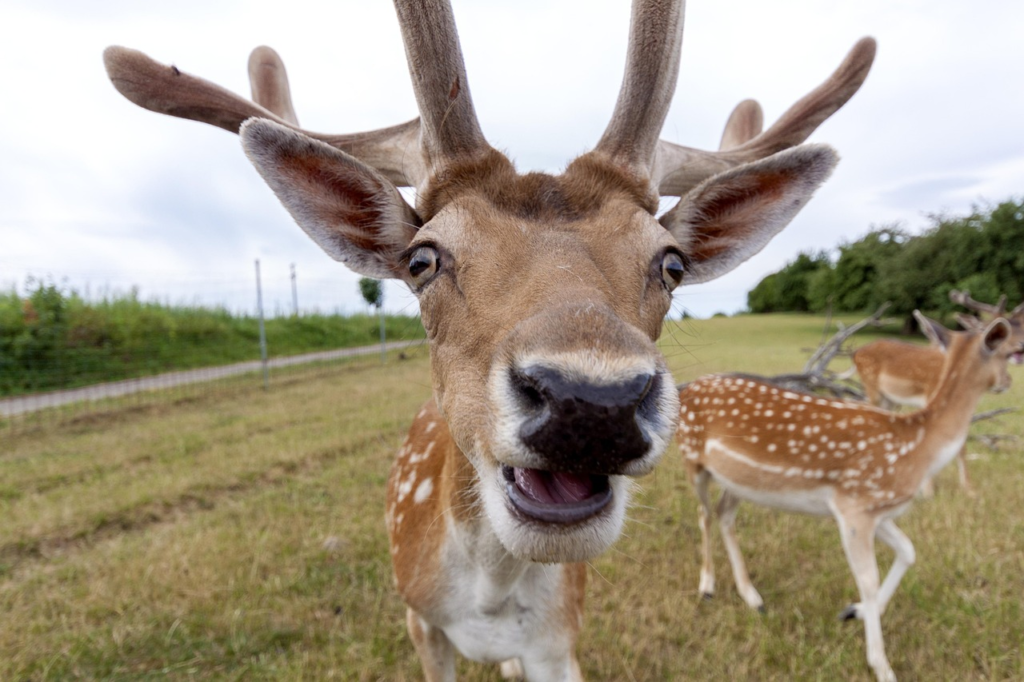
Currently, there is no direct evidence that CWD can infect humans. However, the Centers for Disease Control and Prevention (CDC) and other health organizations strongly advise against consuming meat from CWD-positive animals. Laboratory studies suggest that CWD prions could potentially pose a risk to humans, similar to mad cow disease, which is why caution is recommended.
What Hunters Can Do to Prevent the Spread of CWD
Hunters play a crucial role in monitoring and controlling CWD. Here’s how you can help:
- Follow Testing Guidelines – Many states and provinces require or encourage hunters to submit harvested deer for CWD testing, especially in high-risk areas. Always check local regulations before hunting.
- Avoid High-Risk Areas – If hunting in an area with confirmed CWD cases, take extra precautions, such as testing your harvest and properly disposing of carcasses.
- Use Caution When Handling Game – Wear gloves when field-dressing and avoid cutting through the brain, spinal cord, or lymph nodes. Thoroughly clean and disinfect knives and equipment after use.
- Dispose of Carcasses Properly – Do not leave animal remains in the field, as this contributes to environmental contamination. Follow local guidelines for carcass disposal.
- Limit Movement of Carcasses – Transporting infected animals to new areas can accelerate the spread of CWD. Only move processed meat, cleaned skulls, or taxidermy mounts.
Final Thoughts
CWD is a serious threat to wildlife populations and hunting traditions. While there is no cure, informed hunters can help slow its spread by practicing responsible hunting and following state and provincial guidelines. Staying educated, testing harvested animals, and avoiding consumption of infected meat are crucial steps to protect both wildlife and human health.
By taking these precautions, hunters can continue to enjoy their sport while ensuring the long-term health of deer populations for future generations. Additionally, hunters should work closely with wildlife management authorities and conservation groups to stay updated on new research and best practices. Spreading awareness about CWD among fellow hunters and outdoor enthusiasts can also contribute to better disease control. Responsible hunting not only safeguards wildlife but also preserves the integrity of hunting traditions for years to come. Working together, hunters can make a meaningful impact in the fight against CWD and help maintain the balance of natural ecosystems.
]]>This natural behavior can catch gardeners off guard as they see their newly planted lawns or fields disturbed by deer.
And for hunters, when you understand this grass seed preference, it can reveal useful clues about deer foraging patterns and habitat preferences.
In this post, we’ll answer the question, do deer eat grass seed, and explore why it matters.
`For gardeners, knowing deer’s interest in grass seed can help protect lawns and newly seeded areas, while hunters can use this knowledge to manage food plots and attract deer more effectively.
Do Deer Eat Grass Seed Actually?
Yes, they do, deer will consume grass seed when it’s available.
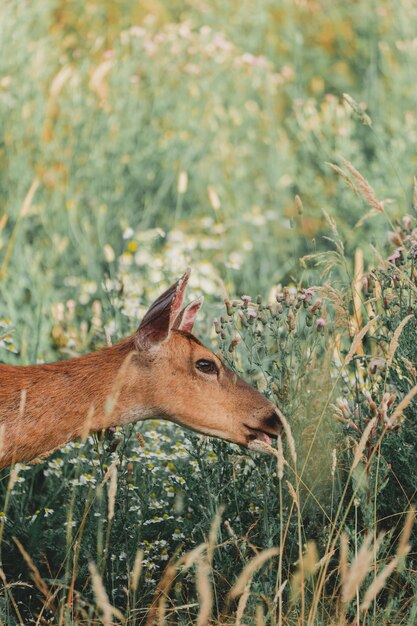
Typically, deer feed on a mix of leaves, tender plants, acorns, and berries, with grass seeds making up a lesser portion of their diet.
However, grass seeds provide essential nutrients, including fiber, protein, and energy, that are particularly valuable for deer health and available at specific times of the year.
Deer are also opportunistic eaters, which means they’ll eat what’s available, especially when other food sources are limited.
Seeds are often plentiful in the wild and freshly sown in gardens and fields in late summer and early fall.
For both gardeners and hunters, when you understand this seasonal behavior can be helpful for managing deer on their property.
Surprising Facts About Deer And Grass Seed
- Seasonal Eating Habits: The consumption of grass seed varies with the seasons. In spring, when new growth is available, deer will prefer tender shoots over seeds.
- Geographic Influence: Deer living in different regions exhibit varying eating habits. For example, deer in more forested areas tend to eat less grass and grass seed than those in open fields or grasslands where browse may be limited.
- Digestive Adaptation: Deer have a unique digestive system that is not designed to process large amounts of grass or its seeds. Overconsumption can lead to health problems, including digestive upset.
- Behavioral Patterns: When deer forage in gardens or lawns, they may appear to be eating grass when they are actually consuming clover or other plants mixed within the grass.
- Impact on Gardens: Gardeners should take precautions when planting grass seed as it can attract deer if left uncovered. Covering newly planted seeds can help deter them.
- Management Strategies: Understanding that deer will eat grass seed can inform strategies for managing gardens and hunting grounds effectively.
Do Deer Eat Grass Seed? Why It Matters For Gardeners
Deer eating grass seed frustrate most gardeners. New lawns or garden plantings are often most vulnerable, because freshly planted seeds are an easy snack for deer.
When deer consume grass seed, it can delay or even prevent the establishment of a new lawn or garden, forcing gardeners to reseed or take preventive measures to protect their hard work.
Explore what type of grass deer eat here.
Tips To Protect Grass Seed From Deer
After getting answers to the intriguing question; do deer eat grass seed? Here are some effective strategies for preventing deer from consuming grass seed in your garden or lawn:
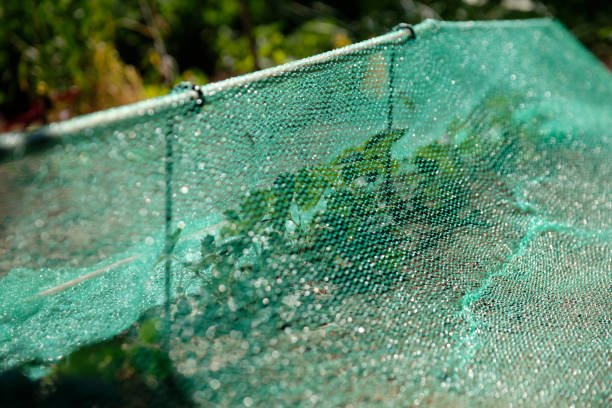
- Use Netting: Covering newly sown areas with light netting can keep deer from reaching the seeds without damaging the growing grass.
- Apply Deer Repellents: Deer repellents, whether commercial sprays or homemade mixtures like garlic and hot pepper, can deter deer from grazing on your newly planted seeds.
- Choose Less Attractive Varieties: Opt for grass seed types that deer are less likely to eat, such as fescue or perennial ryegrass, which are typically less palatable to them.
- Plant Companion Plants: Using deer-resistant plants around your lawn or garden area can act as a natural deterrent, helping to steer deer away from the area entirely.
Why Deer Eating Grass Seed Is Important For Hunters
You will encounter many wildlife enthusiasts, especially novices asking, do deer eat grass seed?
It is also important to know that for hunters, deer consuming grass seed offers valuable insight into their feeding patterns, helping identify areas that could attract deer for hunting purposes.
Deer often browse in areas where grass seed is abundant, making grass seed plots a practical addition to hunting grounds.
Tips On Using Grass Seed To Attract Deer
If you’re a hunter, planting grass seed plots with deer-preferred varieties can increase deer traffic on your property. Here are some tips for success:
- Opt for Nutrient-Rich Varieties: Clover and alfalfa, though not traditional grasses, are often included in grass seed mixes to boost protein and nutrients, making these mixes more attractive to deer.
- Plant in Accessible Areas: Create grass seed plots in open fields or at the edge of wooded areas, where deer feel safe foraging.
- Time Your Planting: Late summer or early fall is ideal for planting, as deer are more likely to consume grass seed during these seasons.
How Deer Foraging Habits Affect Grass Growth
Deer’s foraging habits, including grazing on grass and consuming seeds, can influence grass growth cycles.
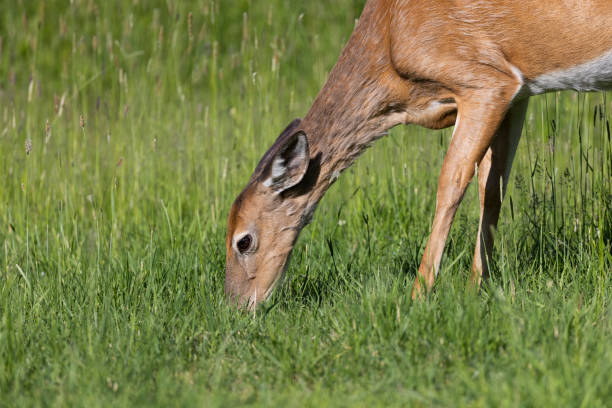
When deer consume grass seed before it has a chance to germinate, it impacts the establishment of new growth and may require reseeding.
On the other hand, deer’s grazing can encourage new growth by trimming the grass, which stimulates regrowth in certain species.
Additionally, deer unintentionally spread seeds while foraging, often transporting them to different areas via fur or droppings.
This can lead to natural reseeding and contribute to the growth of grass in new locations, benefiting some plant species by expanding their habitat.
Best Practices For Gardeners To Protect Grass Seed From Deer
For those aiming to maintain a lush lawn or garden, here are practical tips for keeping deer away from grass seed:
- Timing: Plant grass seed when deer are less active in the area, such as early spring or mid-fall.
- Physical Barriers: Temporary fencing around newly seeded areas can help deter deer from accessing your lawn or garden.
- Landscaping Choices: Consider integrating deer-resistant plants, like lavender or sage, to create a natural boundary around your property.
- Natural Deterrents: Sprinkling blood meal, eggshells, or scented soaps around newly seeded areas can act as mild deterrents, as deer tend to avoid these smells.
Best Practices For Hunters To Attract Deer With Grass Seed
For hunters seeking to attract deer using grass seed, establishing a reliable food source can draw deer into accessible areas:
- Seed Variety Selection: Clover, alfalfa, and ryegrass are excellent choices for food plots, as they are rich in nutrients and appealing to deer.
- Planting Timing: Plant seeds in late summer or early fall to align with deer’s natural foraging habits during this period.
- Plot Management: Once deer begin foraging on your grass seed plot, periodic mowing can encourage regrowth and sustain food availability throughout the season.
You can learn more on what grass seed to plant for deer
To wrap up,
So, do deer eat grass seed? Yes, they do, and understanding this behavior benefits both gardeners and hunters.
For gardeners, taking preventive steps such as using barriers or repellents can help protect lawns and plantings, while hunters can take advantage of deer’s preference for grass seed by planting seed plots to attract deer to their property.
When you’re trying to preserve your garden or enhance your hunting grounds, these insights can help you manage deer’s interaction with grass seed effectively.
Explore our website for more insights on our website.
]]>
If you are one of those people who think about having mouse deer as pets, I am here to tell you to think again. Deer mice with tiny bodies and big, innocent eyes, make it so easy for some people to want to keep them as pets. But here’s the truth: deer mice may look cute, but they can bring real dangers into your home.
Let’s delve into seven reasons deer mice are far from the ideal house guests and why you should think twice before considering them as pets.
1. Mouse Deer as Pets: Carriers of Hantavirus

One of the most alarming dangers of deer mice in your home is their ability to carry and transmit hantavirus, a potentially deadly human disease. The virus mainly spreads through the urine, droppings, and saliva of mice infected with the disease. When these particles become airborne, such as when sweeping or vacuuming, they can be inhaled, leading to severe respiratory issues and even death.
This alone is reason enough to consider never keeping deer mice as pets. Keeping them in your home increases the risk of exposure, especially for children and the elderly, who are more vulnerable to infections.
2. Rapid Breeders
Deer mice are prolific breeders. A single pair can multiply quickly, producing multiple litters throughout the year. Female deer mice can give birth to as many as 12 babies simultaneously. Before you know it, what started as a minor nuisance can change to a full-blown infestation.
Once deer mice find a cozy spot in your home, they’re unlikely to leave. This makes it critical to act quickly if you suspect even a single deer mouse. Their rapid reproduction rate makes them a major threat to your home and peace of mind.
3. Damage to Your Home’s Structure

While mouse deer as pets might not chew through walls as aggressively as some rodents, they still have a knack for causing damage. They are natural chewers, gnawing on wood, electrical wires, insulation, and more. Over time, this can lead to structures and potential fire hazards if they chew through wiring.
This behavior is another reason why deer mice should never be kept as pets. Their instinct to chew can damage cages, furniture, and anything else in their environment. In a home setting, their curiosity can be dangerous.
4. Contamination of Food Supplies
Deer mice are scavengers and will seek out any food source they find. These rodents will eat anything they can find, whether pet food, cereal, or pantry items. As they travel through your home, they leave behind urine and droppings, contaminating everything they make contact with.
This contamination can lead to foodborne illnesses and unsanitary conditions in your home. If you’re contemplating having a mouse deer as a pet, remember that even their food and bedding can be breeding grounds for harmful bacteria and diseases.
5. They’re Expert Hiders
Deer mice are excellent at finding hiding spots within your home. They often settle in kitchens, basements, or walls, making it difficult to detect an infestation until it’s too late. Their nocturnal nature also means they’re most active when you’re asleep, making it harder to catch them in the act.
This sneaky behavior of mouse deer as pets is another reason why they’re dangerous to have around. Before you notice them, they have already caused damage or spread harmful pathogens.
6. Difficulty in Trapping
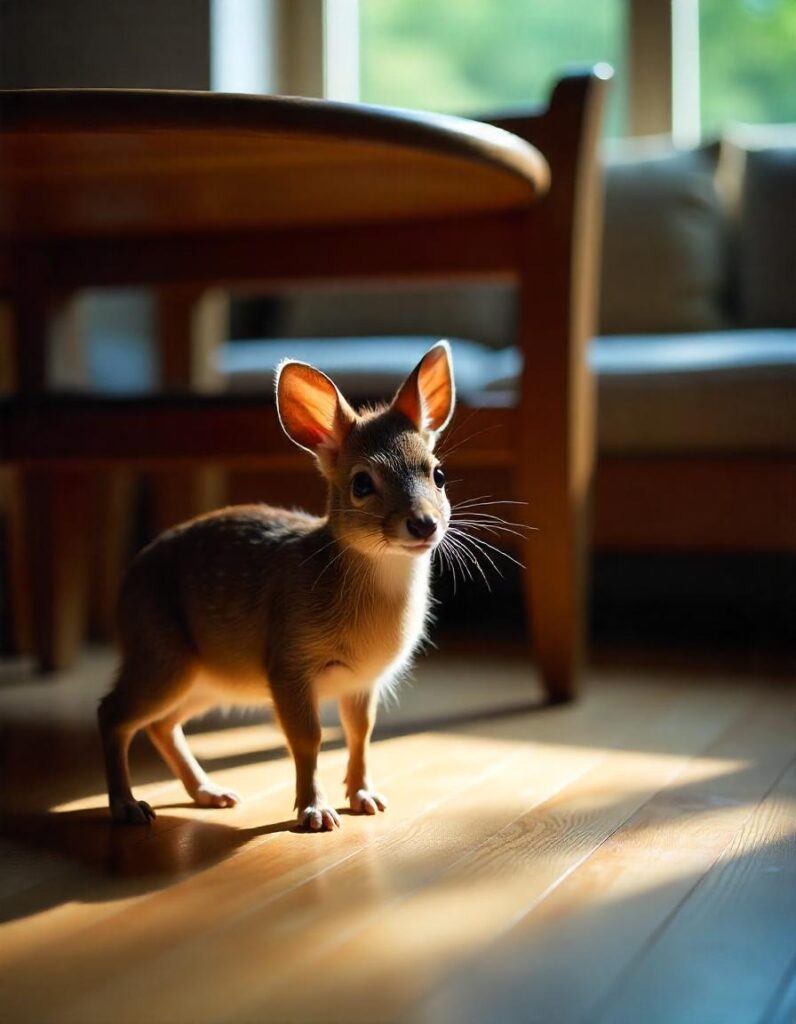
Even if you notice deer mice in your home, getting rid of them is a different story. These mice are fast, agile, and clever because of which traditional traps do not stand a chance in outsmarting them.
Many homeowners find it difficult to catch them, especially since they can quickly adapt to different situations.
It’s easy to get frustrated when traps don’t work, but that’s where professional pest control comes in. While traps may catch one or two, a larger infestation requires expert handling. Deer mice are not only hard to grab, they’re harder to keep out for good.
7. Risk of Secondary Infestations
Here’s something that might surprise you: where there are deer mice, other pests often follow. These rodents can bring fleas and ticks into your home, which leads to new problems. Deer mice can be the gateway to a much larger pest infestation.
Fleas and ticks pose health risks, including Lyme disease and other infections. If you thought the mice were bad, the pests they carry can make the situation even worse. One problem can spiral into multiple infestations before you even realize it.
Conclusion
While the idea of keeping deer mice as pets might seem fun, the reality is far more dangerous. These tiny creatures aren’t just innocent animals; they carry serious health risks, cause property damage, and can lead to further infestations. From their ability to transmit diseases like Hantavirus to the damage they can inflict on your home, deer mice are far more than just a cute face.
If you find deer mice in your home, act fast. Contact a professional pest control service to ensure your home stays safe and rodent-free. When it comes to deer mice, prevention and quick action are key. After all, no one wants their home to turn into a hazardous zone just because of a few small creatures.
Protect your home and health from the dangers of deer mice. Visit our website today for reliable pest control tips and solutions.
]]>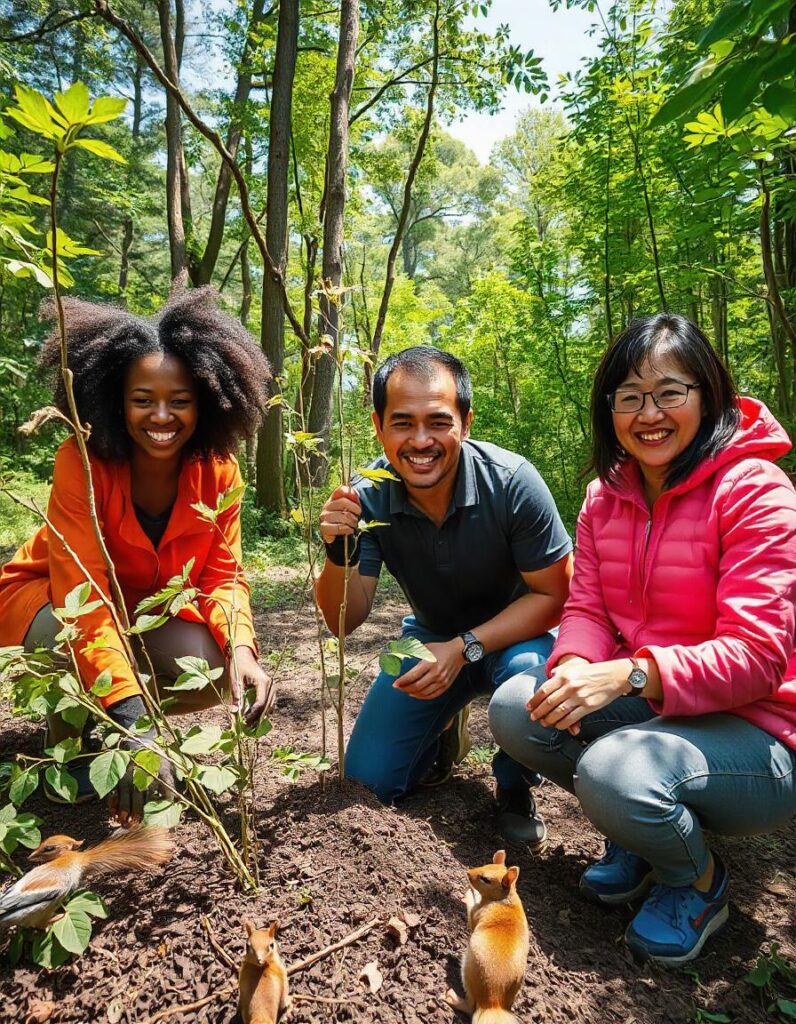
Have you ever thought about the impact you can make in the life of a wildlife animal like a deer, lion, or even a snake by giving back to wildlife?.
I’m sure at this point, you might be wondering how this applies to you.
But if you pause, reflect, and reminisce on the euphoria of watching wildlife documentaries as a child, you will understand what I am ranting about.
The harsh, unfavorable effects of wildlife destruction such as climate change and loss of habitat have led to the almost disappearance of wildlife documentaries on our television screens. It even threatens the very existence of wildlife animals.
Now that I have your attention, here are 9 simple and easy ways you can give back to wildlife in your backyard for absolutely zero cost.
1. Turn Off Your Outdoor Lights at Night
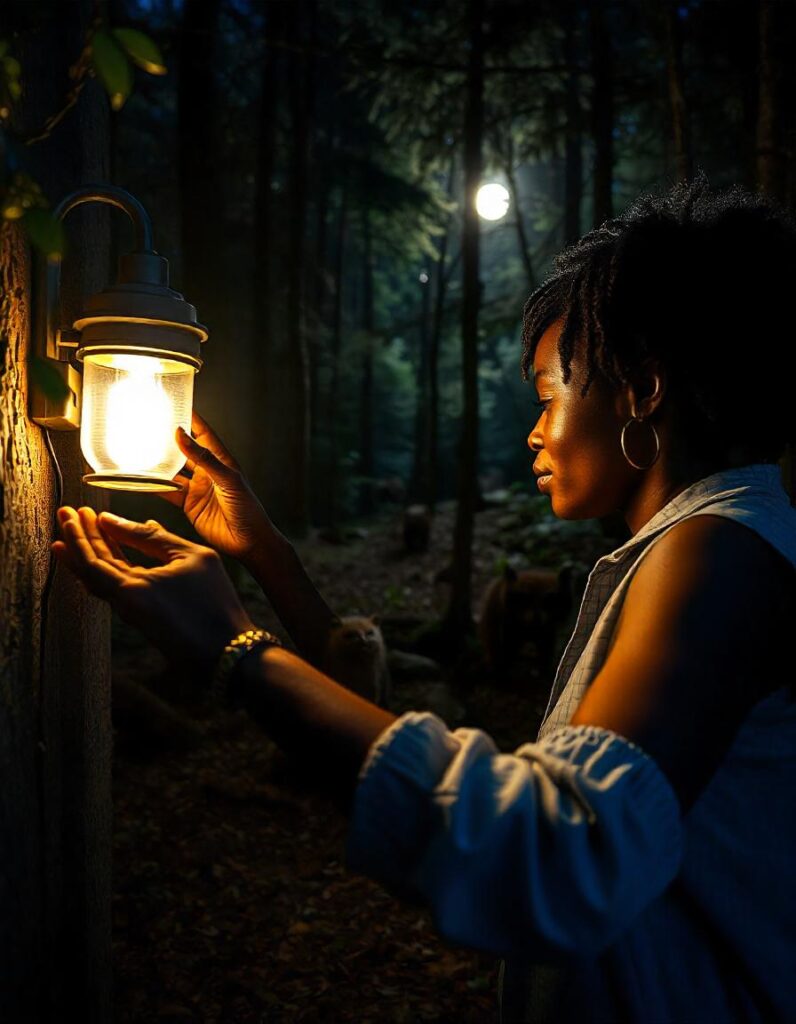
Turning off your outdoor lights after the day’s work is a simple yet effective way to give back to wildlife. Turning off your lights at night is a big deal for night-dwelling animals like bats, moths, and frogs, who rely on the gloomy darkness of night. Bright outdoor lights can confuse these animals, disrupt their behavior, and even make them feel exhausted.
Alternatively, you can use motion sensors if you care for some light for security reasons.
2. Provide a Water Source

The statement water is life transcends from humans to life in the wild. However, in many developed areas, natural water sources are scarce. Wildlife animals like birds, bees, and even small mammals struggle to find clean, safe water for that matter, providing a source of water can go a long way in making a difference in the lives of wildlife animals.
You don’t need a fancy pond or fountain to provide a source of water for wildlife animals. A simple basin or even a shallow pan full of water can make a big difference. Ensure cleaning it regularly and add a rock or two to give bees a safe landing spot.
3. Leave Brush Piles and Fallen Logs
Leaving brush piles and fallen logs is another simple yet effective way you can give back to wildlife. When you rake leaves and trim branches, think twice before burning them or hauling them away. Piles of leaves and logs provide shelter for small animals like chipmunks, lizards, and insects. Plus, as the material decomposes, it enriches the soil.
Consider designating a “wild zone” in your yard where you let nature do its thing. It’s a small effort that makes a big impact on local wildlife.
4. Let Leaves Fall Where They May
Many insects, including butterflies and fireflies, depend on leaf litter to complete their life cycles. When we bag up leaves or shred them, we’re disrupting their natural habitats.
Instead of raking everything up this fall, leave the leaves where they land. If you prefer a neater yard, you can rake them into garden beds or a designated corner. By so doing, you are contributing to making a difference in the lives of wildlife animals.
5. Avoid the Chemicals: Use Natural Pest Control

Pesticides, herbicides, and insecticides may keep your garden neat, but they can be deadly to wildlife. These chemicals don’t just kill pests, they harm birds, amphibians, and beneficial insects like bees and butterflies.
Instead of chemicals, try natural pest control methods. Companion planting, introducing ladybugs, or encouraging birds to visit your yard can help keep pests in check while protecting the ecosystem.
6. Leave Dead Trees Standing (If It’s Safe)
When you leave dead trees standing, you are easily giving back to wildlife. Dead trees, or snags, are incredibly important for wildlife. Birds like woodpeckers and owls use them for nesting, while small mammals and insects find shelter there too.
If you have a dead tree that’s far enough from your house or power lines, consider leaving it standing. If safety is a concern, trimming the top can allow wildlife to still use the tree without the risk of it falling.
7. Grow Native Plants
Native plants are perfectly suited for local wildlife. They provide the food and shelter that local animals especially pollinators like bees to birds need for pollination. Additionally, native plants require less water and maintenance because they’ve evolved to thrive in your climate.
Research native plants to grow in your area and start adding them to your garden. You’ll attract more wildlife and create a healthier ecosystem.
8. Create a Wildlife Corridor
Wildlife needs safe passage between habitats, and urban development often gets in the way. You can help give back to wildlife by creating a wildlife-friendly space that connects different areas.
Additionally, you can work with neighbors to create green corridors through your yards. Even something as simple as planting hedges or installing bird-friendly windows can help animals move safely through your neighborhood.
9. Spread the Word and Engage Your Community

Making a difference and giving back to wildlife doesn’t have to stop in your backyard. Talk to your neighbors about the changes you’re making and encourage them to do the same. You can even organize a neighborhood event, like a “plant a tree” day, to spread the word about giving back to wildlife.
Online communities are a great way to reach even more people. Share your tips on social media and join local conservation groups to keep the momentum going.
Conclusion: Start Giving Back to Wildlife Today
Small actions can lead to big changes when it comes to wildlife. By turning off your lights, providing water, and letting nature thrive in your backyard, you’re giving back to wildlife in more ways than one.
Together, we can all make a difference, one small step at a time.
Now it’s your turn. What will you do to give back to wildlife today?
Feel free to check out our website now for simple, easy tips on ways to give back to wildlife.
]]>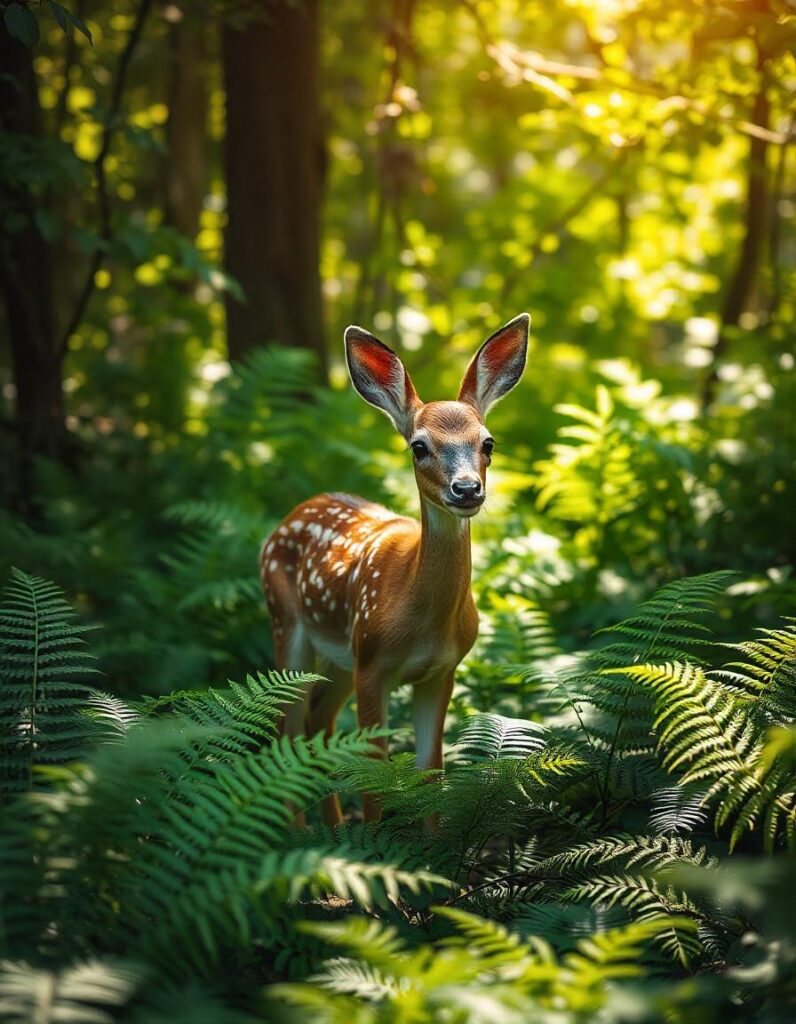
Are ferns deer resistant? Did you know there are certain natural plants deer tend to avoid and ferns are one of those plants?
With their bitter taste and unappealing texture, deer often leave ferns untouched.
Every detail matters when you’re out hunting. So If you’re a hunter looking to improve your hunting strategy, understanding deer behavior around plants like ferns can help you do that.
Here are 7 powerful ferns deer avoid and how using this knowledge can help you in your hunt.
Top 7 Ferns Deer Avoid
1. Bracken Fern (Pteridium aquilinum): Are Ferns Deer Resistant?
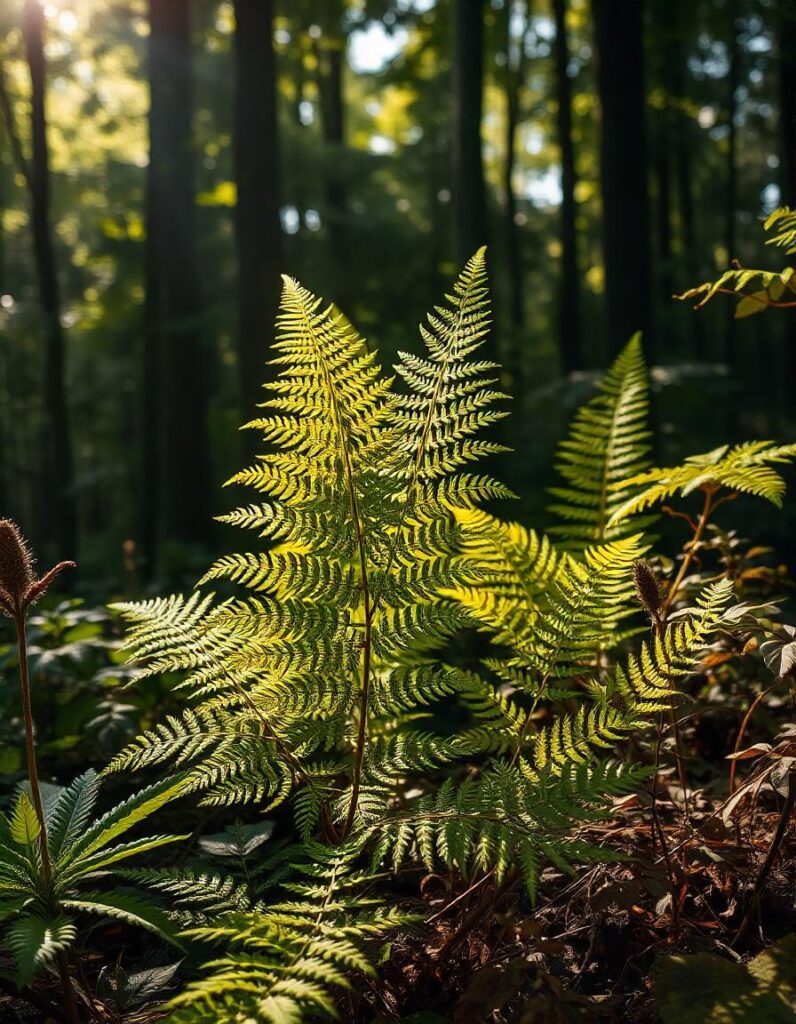
Bracken is a hardy, widespread fern known for its tall, triangular fronds and rapid spread through underground rhizomes. It contains toxins like ptaquiloside, making it harmful to animals and humans. Due to its bitterness and toxicity, deer tend to avoid it. This fern is a great indicator of low deer activity.
2. Lady Fern (Athyrium filix-femina)
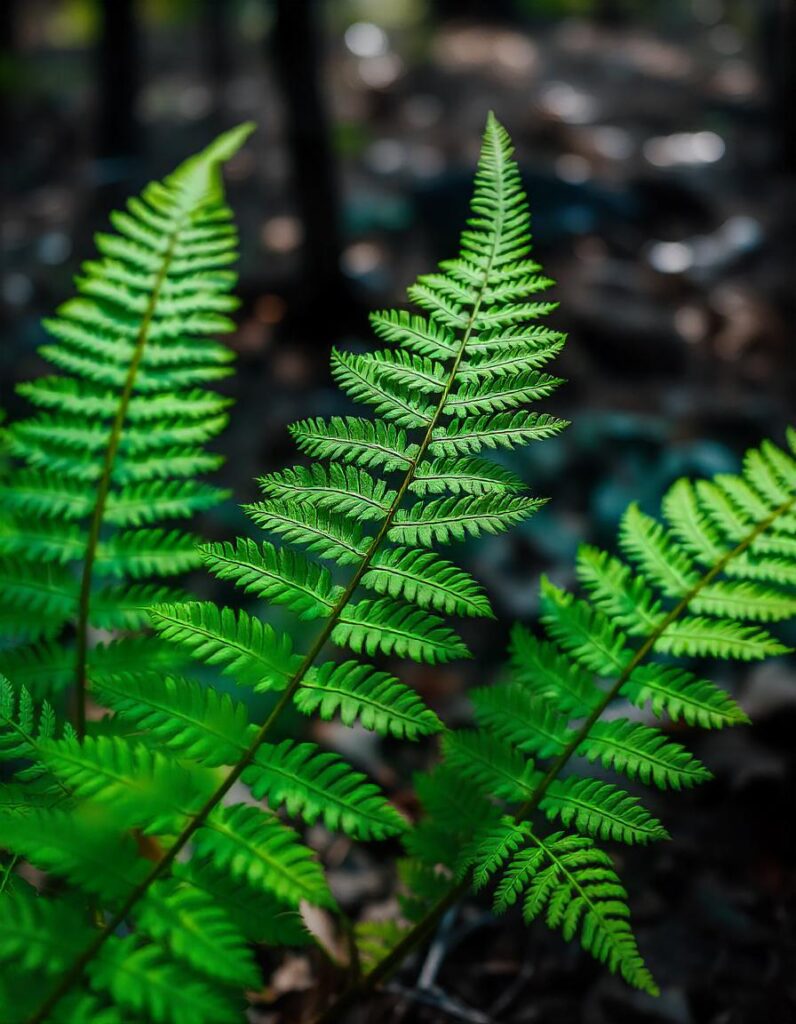
Lady fern is a delicate, lacy fern that grows 2-3 feet tall in shady, moist areas. Its bitter taste and toxicity make it unappealing to deer. It is easy to cultivate and maintain and adds a graceful touch to shaded landscapes without becoming invasive.
While its graceful appearance might seem inviting, deer typically avoid Lady Fern due to its bitter taste.
3. Cinnamon Fern (Osmundastrum cinnamomeum)
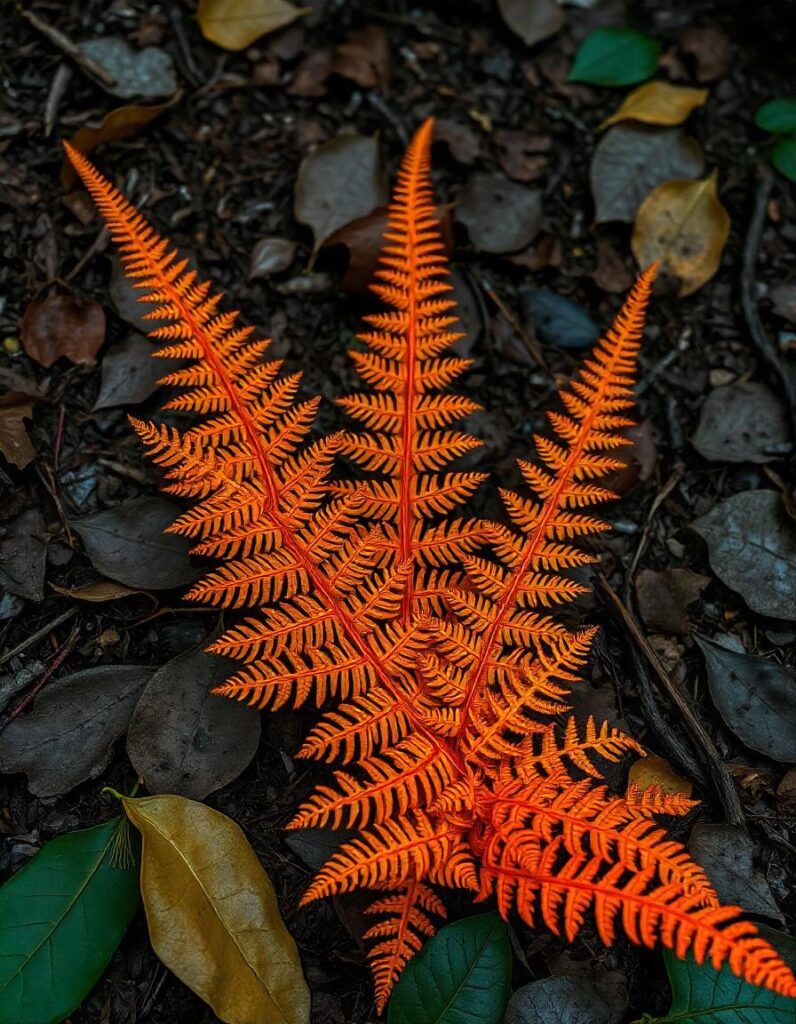
The Cinnamon Fern is a tall, striking fern known for its cinnamon-colored fertile fronds, which rise from the center of the plant. It thrives in moist, shaded areas like wetlands and woodlands, growing up to 4 feet tall. Deer generally avoids this fern due to its coarse texture. If you find cinnamon fern in one setting, it’s likely you’ll need to move to a different setting to notice deer.
4. Ostrich Fern (Matteuccia struthiopteris)

The ostrich fern is a large, elegant fern with tall, arching fronds resembling ostrich feathers, growing up to 5-6 feet tall. It thrives in moist, shaded areas, particularly along streams and woodlands. With its bold, arching fronds, Ostrich Fern is striking, but deer don’t find it palatable. The ostrich fern is another great plant to watch for to rule out areas of high deer activity.
5. Christmas Fern (Polystichum acrostichoides)

Christmas fern is a hardy, evergreen fern known for its glossy, dark green fronds that remain vibrant even in winter. It grows up to 2 feet tall and thrives in shaded, well-drained areas. It is often used to prevent soil erosion. Deer typically avoid this fern due to its tough, leathery texture.
6. Wood Fern (Dryopteris species)

The wood fern is a robust, short-lived fern that typically grows 1 to 3 feet tall and features broad, feathery fronds. It thrives in shaded, moist environments in woodlands and along forest edges. Deer generally avoids this fern due to its tough texture and bitter taste. Deer don’t bother with them, so if you spot these, you’re probably not in a deer hotspot. Deer don’t bother with them, so if you spot these, you’re probably not in a deer hotspot.
7. Japanese Painted Fern (Athyrium niponicum)
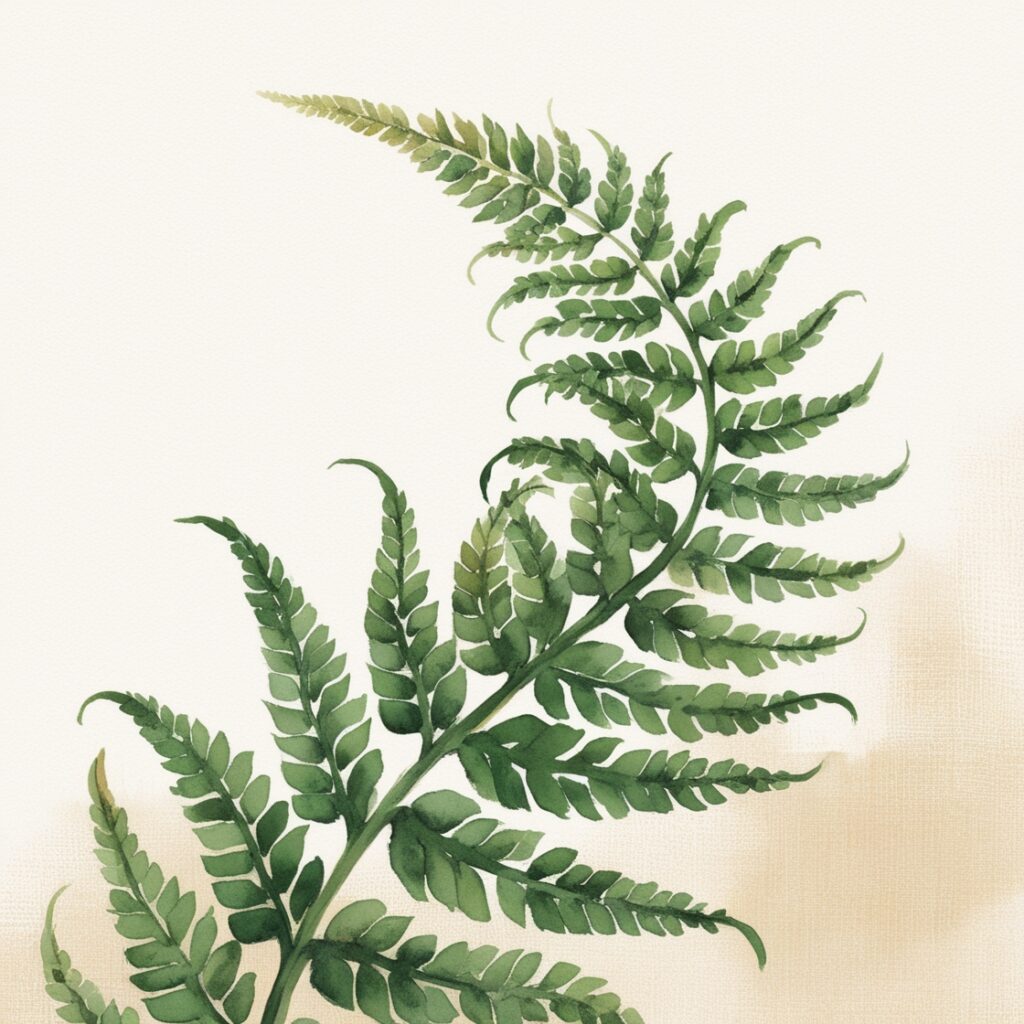
The Japanese-painted fern is a striking deciduous fern known for its unique silvery-gray and purple-tinted fronds that can grow up to 18 inches tall. It thrives in shaded, moist areas and is often used in ornamental gardens for its vibrant coloration. Deer typically avoid this fern due to its mildly toxic nature and unpalatable taste.
Will Deer Ever Eat Ferns?
While deer typically avoid ferns, no plant is truly deer-proof. If food is scarce, deer will eat whatever is available, including ferns. However, this happens only in rare cases when there’s intense competition for food or in overpopulated areas where food sources are depleted.
The good news is that ferns are hardy. Even if deer take a nibble at them, ferns often bounce back quickly. They grow from the center, so light grazing on the outer fronds won’t kill the plant.
How to Use This Knowledge in the Field
Using plant knowledge to your advantage as a hunter can help you track deer more effectively. Ferns that deer avoid can signal areas where deer aren’t actively feeding, allowing you to cross them off your list.
When setting up for your hunt, take note of the plant life around you. If the area is filled with ferns, you might be better off relocating to spots where deer-friendly food sources are more abundant. Similarly, untouched ferns inform you that deer activity is minimal in that part of the forest.
Conclusion:
Ferns are an important part of understanding deer behavior in the wild. By recognizing the plants deer tend to avoid, like ferns, you can narrow down areas of high deer activity and optimize your hunting strategy. Remember, ferns are deer-resistant, and knowing that will help guide your decisions in your next hunt.
Ready to improve your hunting strategy? Visit our website today for tips and resources.
]]>