The expensive commercial repellents that smell like a chemical factory? Not really an intriguing choice. You can decide to plant deer-resistant plant varieties in your garden which is also effective but requires time.There are different types of deer repellents but homemade deer repellent essential oils offer a natural, cost-effective solution that actually works.
How about a lesser-known and easy-to-make deer repellent using ingredients that are probably already in your medicine cabinet or spice rack? These three effective essential oils will send deer packing without breaking your bank, and as a bonus, they’ll keep your garden smelling like a spa.
Effective Essential Oils for Deer Repellent
Peppermint
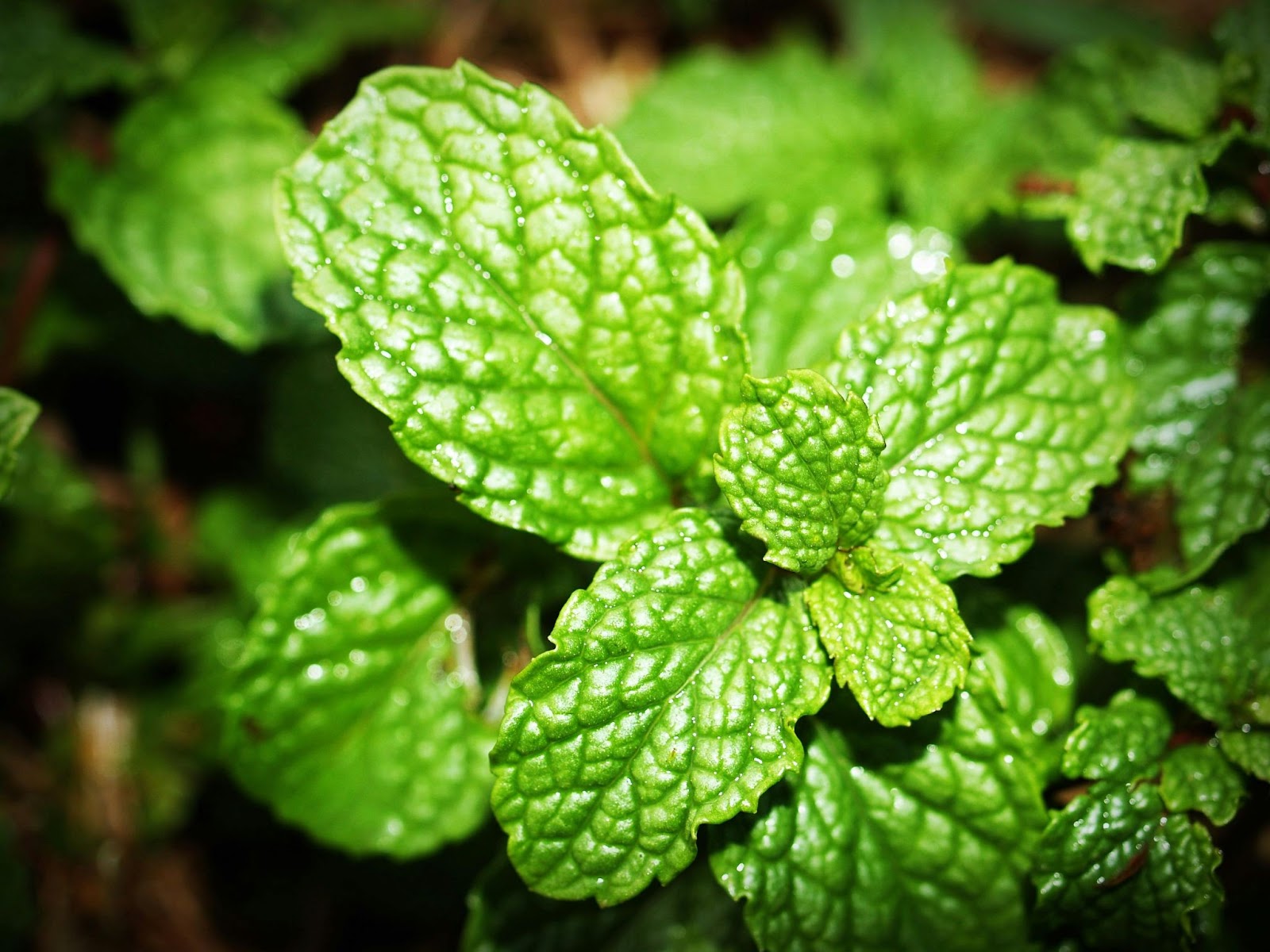
The strong minty smell of peppermint really bothers the deer, and this makes it a very good deer repellent. The good news is that peppermint also keeps mice, rats, and ants away, which is a bonus.
Note that it can be too much for us humans too, so don’t go overboard.
Recipe
What you need:
- 15-20 drops peppermint essential oil
- 1 cup water
- 1 teaspoon vegetable oil (canola, sunflower, or olive oil also works) or liquid soap
- 1/2 teaspoon cayenne pepper (optional but effective)
Procedure:
Method 1 (Vegetable Oil):
- Add the teaspoon of vegetable oil first to the water and whisk vigorously for about 30 seconds until the water gets slightly cloudy.
- Add the peppermint oil one drop at a time while continuing to whisk.
- If you’re adding cayenne, sprinkle it in last and whisk again.
Method 2 (Using Liquid Soap):
- Mix the soap with water until completely dissolved.
- Add peppermint oil drop by drop while stirring gently with a spoon.
- Gently shake before use, not the aggressive shaking the oil version requires.
Application:
- Don’t spray directly on edible plants if you’re adding cayenne.
- Create a scent barrier around your garden beds about 2-3 feet from plants.
- Spray on stakes, rocks, or non-edible border plants.
- Apply weekly or after heavy rain.
Storage:
- Keep your mixture in a cool, dark place and use it within 2 weeks.
- The oils can go rancid after 2 weeks and lose potency.
- Label your bottle with the date you made it.
Lavender

Lavender is pretty decent at keeping deer away, as they’re not fans of that strong floral smell we humans love.
The nice thing about lavender is that your garden will smell amazing, but just a heads-up. It might attract more bees and butterflies to the area, which could be good or bad depending on what you’re going for.
Recipe
What you need:
- 10-15 drops of lavender essential oil
- 1 cup of warm water
- 1 Teaspoon of dish soap (emulsifier)
- Spray Bottle
Procedure:
- Mix the dish soap with warm water first until it’s well dissolved
- Add the lavender oil drops and stir
- Pour into a spray bottle and shake well before each use
Application:
- Spray directly on plants in the evening when it’s cooler. This prevents the oils from evaporating too quickly in the hot sun.
- Focus on new growth since that’s what deer love most.
- Apply every 3-5 days or immediately after rain.
Storage:
- Store in a cool, dark place for about 2-3 weeks.
- Make small batches to keep it fresh.
- Use a dark glass spray bottle if you have one.
Eucalyptus

Eucalyptus is probably your best bet overall. That sharp, medicinal smell really messes with deer’s ability to smell properly, which makes them uncomfortable and likely to move on. It lasts longer than the other oils and bugs hate it too.
But you should be careful about its use around pets. Eucalyptus can be toxic if they decide to lick the treated plants.
Recipe
What you need:
- 12-18 drops of eucalyptus essential oil
- 1 cup of water
- 1 teaspoon of vegetable oil or olive oil
- 1/2 teaspoon of liquid soap (emulsifier)
- 1 tablespoon of rubbing alcohol (helps preserve and disperse oils)
Procedure:
- Add the alcohol and soap to the water first.
- Slowly add in the vegetable oil or olive oil while stirring constantly.
- Add eucalyptus oil drop by drop to create a more stable emulsion that won’t separate quickly.
Application:
Eucalyptus is strong enough that you can apply it in two ways:
- Soaking: Soak cotton balls or old rags in the mixture and hang them around your garden. Replace every 2 weeks.
- Spraying: Focus on the perimeter of your garden and the paths they use to enter your yard.
Storage:
- Store in a cool, dark place for about 2 weeks.
- Make small batches to keep it fresh.
Free Picks: Other Homemade Deer Repellent Essential Oils that work
Deer-repelling essential oils can be found in abundance in your herb garden and spice cabinet in the kitchen. When concentrated into essential oils, these well-known herbs and spices have a potent effect.

Rosemary
Deer interpret this woodsy, piney aroma as a “danger” signal. They link predatory areas with potent herbal scents.
Recipe: Use 12-15 drops rosemary essential oil to 1 cup water to 1 tsp liquid soap.
You can spray directly on edible plants because it’s safe for the majority of vegetables and herbs. Additionally, deer will naturally avoid that entire area if you’re growing real rosemary.
Thyme
Thyme’s sharp, pungent, and medicinal smell confuses deer scent receptors. It is potent and greatly undermined.
Recipe: Use 10-12 drops thyme essential oil to 1 cup water and 1 tsp dish soap.
Thyme oil is one of the longest-lasting options. You might get away with applying only twice a week instead of every few days.
Citronella
It is a lemony citrus scent with subtle wood tones and is used as a fragrance in perfumes, flavoring in food, and as a mosquito repellent. Deer hate it just as much as mosquitoes do. It’s especially effective in humid climates where the scent hangs in the air longer.
Recipe: Use 15-20 drops citronella essential oil to 1 cup water and 1 tsp vegetable oil.
Keeps deer away and reduces mosquitoes in your garden area, which is a win-win for evening gardening sessions.
Clove
Cloves possess a very intense and spicy, almost numbing scent that deer find overwhelming, which repels them.
Recipe: Use 8-10 drops clove essential oil to 1 cup water and 1 tsp soap
Note that it can be harsh on sensitive plants, so test first. Also, don’t use it if you have cats around, as it can be toxic to them.
Cinnamon
Cinnamon is sweet for us but alarming for deer. The warm spice scent triggers their “unfamiliar territory” instincts.
Recipe: Use 12-15 drops cinnamon essential oil to 1 cup water and 1 tsp dish soap
You can sprinkle ground cinnamon directly around plants, too, though essential oil lasts longer and won’t wash away as easily.
Tea Tree (Melaleuca)
Tea tree has a sharp and antiseptic smell, which is a major deer deterrent. However, it is so strong it can burn plant leaves in direct sunlight.
Recipe: Use 10-12 drops tea tree oil to 1 cup water and 1 tsp vegetable oil
Apply in the evening or on cloudy days, and always dilute properly.
Oregano
Wild oregano essential oil has an almost gasoline-like intensity that deer absolutely cannot stand.
Recipe: Use 6-8 drops oregano oil to 1 cup water and 1 tsp soap
Little goes a very long way making it the most potent on this list.
Pine or Fir Needle
This mimics the scent of a dense forest where predators might lurk, and deer avoid this smell.
Recipe: Use 12-18 drops pine/fir needle oil to 1 cup water and 1 tsp dish soap.
It works exceptionally well in fall and winter when deer are already on high alert.
Conclusion & Your Next Steps
The reality is, you don’t need to spend a fortune on commercial deer repellents that smell like a science experiment gone wrong. With just a few essential oils from your local health store or maybe your medicine cabinet, you can create effective, natural deer repellents that actually smell pleasant to humans.
The key to success isn’t just picking the right oil but consistency. Deer are persistent, but they’re also creatures of habit. Keep up with regular applications, rotate your scents every few weeks, and focus on those high-traffic deer areas around your property.
Remember, every garden and deer population is different. What works amazingly for your neighbor might need tweaking for your specific situation. Start with one of the stronger options, such as eucalyptus or peppermint, then adjust based on what you’re seeing.
Ready to Reclaim Your Garden?
Start this weekend. Pick up one essential oil from the list above and make your first batch. Apply it to your most deer-damaged areas and see what happens over the next few days.
Track your results. Keep a simple log of what you used, where you applied it, and how the deer responded.
Share your success. Once you find a combo that works, share it with fellow gardeners. Leave a comment below about which oils worked best in your area. Other readers will appreciate the local insight.
Your plants have been playing defense long enough. Time to go on the offensive and show those deer that your garden is officially off the menu!
What’s your biggest deer damage problem right now? Let us know in the comments and get personalized advice for your specific situation.
]]>This natural behavior can catch gardeners off guard as they see their newly planted lawns or fields disturbed by deer.
And for hunters, when you understand this grass seed preference, it can reveal useful clues about deer foraging patterns and habitat preferences.
In this post, we’ll answer the question, do deer eat grass seed, and explore why it matters.
`For gardeners, knowing deer’s interest in grass seed can help protect lawns and newly seeded areas, while hunters can use this knowledge to manage food plots and attract deer more effectively.
Do Deer Eat Grass Seed Actually?
Yes, they do, deer will consume grass seed when it’s available.
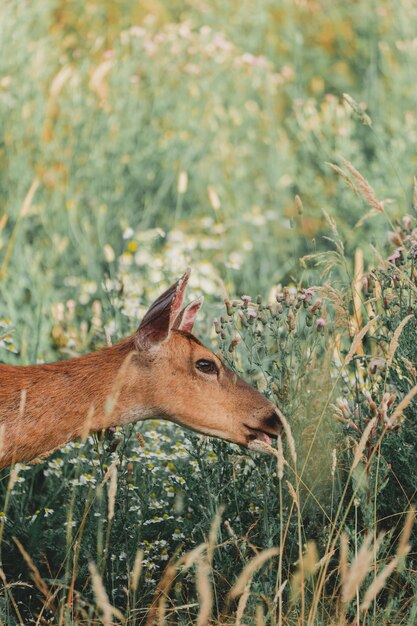
Typically, deer feed on a mix of leaves, tender plants, acorns, and berries, with grass seeds making up a lesser portion of their diet.
However, grass seeds provide essential nutrients, including fiber, protein, and energy, that are particularly valuable for deer health and available at specific times of the year.
Deer are also opportunistic eaters, which means they’ll eat what’s available, especially when other food sources are limited.
Seeds are often plentiful in the wild and freshly sown in gardens and fields in late summer and early fall.
For both gardeners and hunters, when you understand this seasonal behavior can be helpful for managing deer on their property.
Surprising Facts About Deer And Grass Seed
- Seasonal Eating Habits: The consumption of grass seed varies with the seasons. In spring, when new growth is available, deer will prefer tender shoots over seeds.
- Geographic Influence: Deer living in different regions exhibit varying eating habits. For example, deer in more forested areas tend to eat less grass and grass seed than those in open fields or grasslands where browse may be limited.
- Digestive Adaptation: Deer have a unique digestive system that is not designed to process large amounts of grass or its seeds. Overconsumption can lead to health problems, including digestive upset.
- Behavioral Patterns: When deer forage in gardens or lawns, they may appear to be eating grass when they are actually consuming clover or other plants mixed within the grass.
- Impact on Gardens: Gardeners should take precautions when planting grass seed as it can attract deer if left uncovered. Covering newly planted seeds can help deter them.
- Management Strategies: Understanding that deer will eat grass seed can inform strategies for managing gardens and hunting grounds effectively.
Do Deer Eat Grass Seed? Why It Matters For Gardeners
Deer eating grass seed frustrate most gardeners. New lawns or garden plantings are often most vulnerable, because freshly planted seeds are an easy snack for deer.
When deer consume grass seed, it can delay or even prevent the establishment of a new lawn or garden, forcing gardeners to reseed or take preventive measures to protect their hard work.
Explore what type of grass deer eat here.
Tips To Protect Grass Seed From Deer
After getting answers to the intriguing question; do deer eat grass seed? Here are some effective strategies for preventing deer from consuming grass seed in your garden or lawn:
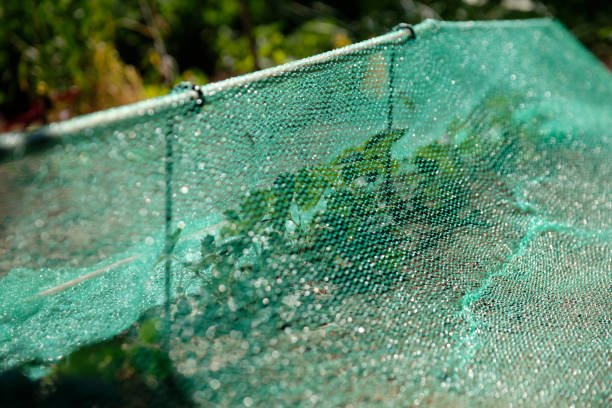
- Use Netting: Covering newly sown areas with light netting can keep deer from reaching the seeds without damaging the growing grass.
- Apply Deer Repellents: Deer repellents, whether commercial sprays or homemade mixtures like garlic and hot pepper, can deter deer from grazing on your newly planted seeds.
- Choose Less Attractive Varieties: Opt for grass seed types that deer are less likely to eat, such as fescue or perennial ryegrass, which are typically less palatable to them.
- Plant Companion Plants: Using deer-resistant plants around your lawn or garden area can act as a natural deterrent, helping to steer deer away from the area entirely.
Why Deer Eating Grass Seed Is Important For Hunters
You will encounter many wildlife enthusiasts, especially novices asking, do deer eat grass seed?
It is also important to know that for hunters, deer consuming grass seed offers valuable insight into their feeding patterns, helping identify areas that could attract deer for hunting purposes.
Deer often browse in areas where grass seed is abundant, making grass seed plots a practical addition to hunting grounds.
Tips On Using Grass Seed To Attract Deer
If you’re a hunter, planting grass seed plots with deer-preferred varieties can increase deer traffic on your property. Here are some tips for success:
- Opt for Nutrient-Rich Varieties: Clover and alfalfa, though not traditional grasses, are often included in grass seed mixes to boost protein and nutrients, making these mixes more attractive to deer.
- Plant in Accessible Areas: Create grass seed plots in open fields or at the edge of wooded areas, where deer feel safe foraging.
- Time Your Planting: Late summer or early fall is ideal for planting, as deer are more likely to consume grass seed during these seasons.
How Deer Foraging Habits Affect Grass Growth
Deer’s foraging habits, including grazing on grass and consuming seeds, can influence grass growth cycles.
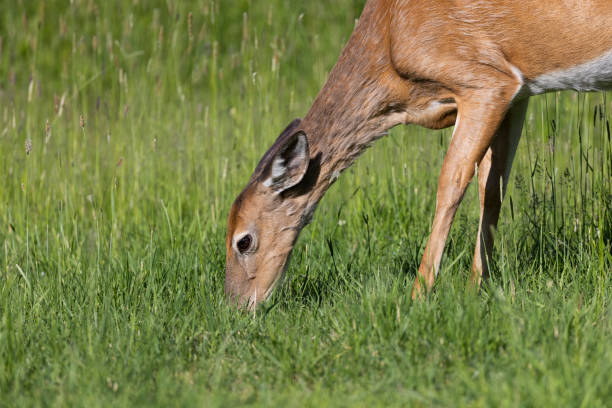
When deer consume grass seed before it has a chance to germinate, it impacts the establishment of new growth and may require reseeding.
On the other hand, deer’s grazing can encourage new growth by trimming the grass, which stimulates regrowth in certain species.
Additionally, deer unintentionally spread seeds while foraging, often transporting them to different areas via fur or droppings.
This can lead to natural reseeding and contribute to the growth of grass in new locations, benefiting some plant species by expanding their habitat.
Best Practices For Gardeners To Protect Grass Seed From Deer
For those aiming to maintain a lush lawn or garden, here are practical tips for keeping deer away from grass seed:
- Timing: Plant grass seed when deer are less active in the area, such as early spring or mid-fall.
- Physical Barriers: Temporary fencing around newly seeded areas can help deter deer from accessing your lawn or garden.
- Landscaping Choices: Consider integrating deer-resistant plants, like lavender or sage, to create a natural boundary around your property.
- Natural Deterrents: Sprinkling blood meal, eggshells, or scented soaps around newly seeded areas can act as mild deterrents, as deer tend to avoid these smells.
Best Practices For Hunters To Attract Deer With Grass Seed
For hunters seeking to attract deer using grass seed, establishing a reliable food source can draw deer into accessible areas:
- Seed Variety Selection: Clover, alfalfa, and ryegrass are excellent choices for food plots, as they are rich in nutrients and appealing to deer.
- Planting Timing: Plant seeds in late summer or early fall to align with deer’s natural foraging habits during this period.
- Plot Management: Once deer begin foraging on your grass seed plot, periodic mowing can encourage regrowth and sustain food availability throughout the season.
You can learn more on what grass seed to plant for deer
To wrap up,
So, do deer eat grass seed? Yes, they do, and understanding this behavior benefits both gardeners and hunters.
For gardeners, taking preventive steps such as using barriers or repellents can help protect lawns and plantings, while hunters can take advantage of deer’s preference for grass seed by planting seed plots to attract deer to their property.
When you’re trying to preserve your garden or enhance your hunting grounds, these insights can help you manage deer’s interaction with grass seed effectively.
Explore our website for more insights on our website.
]]>
Have you ever thought about the impact you can make in the life of a wildlife animal like a deer, lion, or even a snake by giving back to wildlife?.
I’m sure at this point, you might be wondering how this applies to you.
But if you pause, reflect, and reminisce on the euphoria of watching wildlife documentaries as a child, you will understand what I am ranting about.
The harsh, unfavorable effects of wildlife destruction such as climate change and loss of habitat have led to the almost disappearance of wildlife documentaries on our television screens. It even threatens the very existence of wildlife animals.
Now that I have your attention, here are 9 simple and easy ways you can give back to wildlife in your backyard for absolutely zero cost.
1. Turn Off Your Outdoor Lights at Night

Turning off your outdoor lights after the day’s work is a simple yet effective way to give back to wildlife. Turning off your lights at night is a big deal for night-dwelling animals like bats, moths, and frogs, who rely on the gloomy darkness of night. Bright outdoor lights can confuse these animals, disrupt their behavior, and even make them feel exhausted.
Alternatively, you can use motion sensors if you care for some light for security reasons.
2. Provide a Water Source

The statement water is life transcends from humans to life in the wild. However, in many developed areas, natural water sources are scarce. Wildlife animals like birds, bees, and even small mammals struggle to find clean, safe water for that matter, providing a source of water can go a long way in making a difference in the lives of wildlife animals.
You don’t need a fancy pond or fountain to provide a source of water for wildlife animals. A simple basin or even a shallow pan full of water can make a big difference. Ensure cleaning it regularly and add a rock or two to give bees a safe landing spot.
3. Leave Brush Piles and Fallen Logs
Leaving brush piles and fallen logs is another simple yet effective way you can give back to wildlife. When you rake leaves and trim branches, think twice before burning them or hauling them away. Piles of leaves and logs provide shelter for small animals like chipmunks, lizards, and insects. Plus, as the material decomposes, it enriches the soil.
Consider designating a “wild zone” in your yard where you let nature do its thing. It’s a small effort that makes a big impact on local wildlife.
4. Let Leaves Fall Where They May
Many insects, including butterflies and fireflies, depend on leaf litter to complete their life cycles. When we bag up leaves or shred them, we’re disrupting their natural habitats.
Instead of raking everything up this fall, leave the leaves where they land. If you prefer a neater yard, you can rake them into garden beds or a designated corner. By so doing, you are contributing to making a difference in the lives of wildlife animals.
5. Avoid the Chemicals: Use Natural Pest Control

Pesticides, herbicides, and insecticides may keep your garden neat, but they can be deadly to wildlife. These chemicals don’t just kill pests, they harm birds, amphibians, and beneficial insects like bees and butterflies.
Instead of chemicals, try natural pest control methods. Companion planting, introducing ladybugs, or encouraging birds to visit your yard can help keep pests in check while protecting the ecosystem.
6. Leave Dead Trees Standing (If It’s Safe)
When you leave dead trees standing, you are easily giving back to wildlife. Dead trees, or snags, are incredibly important for wildlife. Birds like woodpeckers and owls use them for nesting, while small mammals and insects find shelter there too.
If you have a dead tree that’s far enough from your house or power lines, consider leaving it standing. If safety is a concern, trimming the top can allow wildlife to still use the tree without the risk of it falling.
7. Grow Native Plants
Native plants are perfectly suited for local wildlife. They provide the food and shelter that local animals especially pollinators like bees to birds need for pollination. Additionally, native plants require less water and maintenance because they’ve evolved to thrive in your climate.
Research native plants to grow in your area and start adding them to your garden. You’ll attract more wildlife and create a healthier ecosystem.
8. Create a Wildlife Corridor
Wildlife needs safe passage between habitats, and urban development often gets in the way. You can help give back to wildlife by creating a wildlife-friendly space that connects different areas.
Additionally, you can work with neighbors to create green corridors through your yards. Even something as simple as planting hedges or installing bird-friendly windows can help animals move safely through your neighborhood.
9. Spread the Word and Engage Your Community

Making a difference and giving back to wildlife doesn’t have to stop in your backyard. Talk to your neighbors about the changes you’re making and encourage them to do the same. You can even organize a neighborhood event, like a “plant a tree” day, to spread the word about giving back to wildlife.
Online communities are a great way to reach even more people. Share your tips on social media and join local conservation groups to keep the momentum going.
Conclusion: Start Giving Back to Wildlife Today
Small actions can lead to big changes when it comes to wildlife. By turning off your lights, providing water, and letting nature thrive in your backyard, you’re giving back to wildlife in more ways than one.
Together, we can all make a difference, one small step at a time.
Now it’s your turn. What will you do to give back to wildlife today?
Feel free to check out our website now for simple, easy tips on ways to give back to wildlife.
]]>Cereal grains for deer provide the vital nutrients deer need to enhance their energy, improve body condition, and promote antler growth. These grains offer a consistent food source for deer, and also help with antler development.
Therefore, for deer lover, wildlife enthusiasts, and land managers, it is very crucial to understand the best cereal grains for deer diets and use them wisely

In this post, we will explore why these grains are key to maximizing the potential of the deer, and unveil 7 best cereal grains for deer that will change your deer population’s health.
The 7 Best Cereal Grains For Deer
1. Corn (Energy Booster for Active Deer)
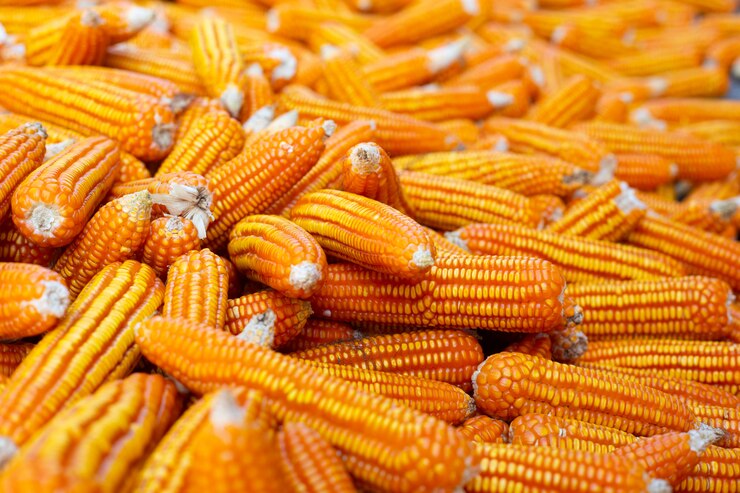
Corn is a popular cereal grain for deer. It is rich in carbohydrates and provides a significant energy boost for deer, especially during the winter months when natural forage is scarce and deer need extra fuel.
Corn helps deer maintain body weight and keep their energy levels high. Most especially in colder months when food sources are scarce, corn offers calories they need to maintain body heat and energy levels.
However, corn should be fed in moderation and avoid overfeeding. Overfeeding can lead to digestive issues such as acidosis, a condition where deer cannot properly digest high-starch foods, which causes discomfort or worse.
You can avoid this, by carefully introducing corn slowly and mixing it with other grains for a balanced diet..
2. Oats (A Balanced Source of Fiber and Energy)
Also, among the nutritious cereal grains for deer is Oats. Oats provide a balanced mix of fibre and protein, which makes them suitable for deer in all seasons as they provide energy as well.
This cereal is rich in fibre which helps to maintain a healthy digestive system and protein to support muscle development. This aids the deer to bulk up for winter or recover from harsh conditions.
Oats are versatile and can be incorporated into food plots or offered as supplemental feed. Their high fiber content aids digestion, ensuring deer absorb the maximum nutrients from their food.
According to Mossy oak gamekeeper, Oats are most attractive when they just emerge to a height of about 6 inches
3. Wheat (Nutrient-Rich and Antler-Boosting)
Wheat is among the nutritious cereal grains for deer, it is packed with protein and energy.
One of its unique benefits is its ability to promote antler growth,aside from its nutritious content, it has a palatable taste that deer enjoy.
It is highly recommended for hunters or landowners focused on improving the quality of bucks in their area.
Wheat can attract deer to feeding areas effectively, but it must be fed carefully. Because of its high energy content, if overfeed, it can lead to imbalances in the animal’s diet.
To feed wheat safely, introduce it gradually, and mix it with other lower-energy grains to avoid overwhelming their digestive systems.
4. Barley (Balanced Nutrient Profile for Harsh Conditions)
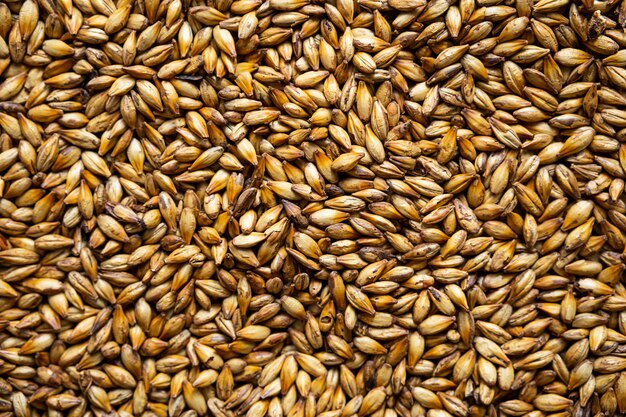
Barley supports deer’s overall health successfully with its combination of carbohydrates, protein, and fiber.
This makes it an ideal grain for maintaining deer weight and energy in colder climates or during the winter months when forage is less abundant.
Barley’s high carbohydrate content provides a slow-release energy source that helps deer maintain their strength and stamina.
Barley also supports overall health, providing essential nutrients that can help deer survive harsh weather conditions.
Incorporating barley into food plots or as supplemental feed will help keep deer populations strong through tough times.
5. Rye (Hardy Grain for Tough Conditions)
Rye is another cereal grain for deer, most useful in colder climates. It has high fiber content that aids in digestion, and carbohydrates that provide a quick energy boost to help deer stay active and healthy even in harsh weather.
“Rye is a cool-season annual bunchgrass that has an extensive range, covering almost every state with the only exception being a small section of the lower Southwest”; from a Whitetails Unlimited Magazine.
It is excellent for boosting deer metabolism, which helps it to stay warm. Consider using rye in food plots or as supplemental feed to ensure your deer get the nutrients they need to excel.
6. Sorghum (Versatile and Drought-Resistant)
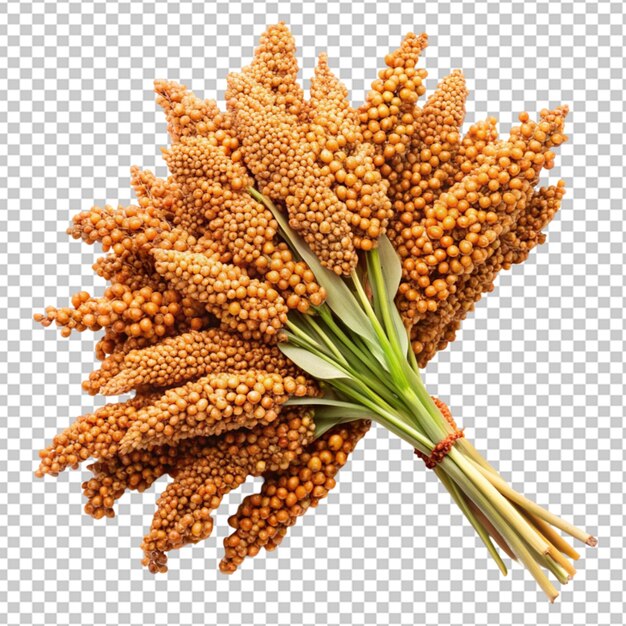
Sorghum is nutrient-rich grain, high in essential vitamins and minerals, fiber, antioxidants, and protein. It is among the best cereal grains for deer as it is rich in natural nutrients and can easily be added to a deer’s diet.
Sorghum is a reliable choice for deer food plots, especially in drier climates. It is most useful in the summer and fall when natural food sources start to dwindle.
Sorghum often remains available even in less-than-ideal growing conditions, due to its drought resistance which makes it a valuable addition to any deer management plan.
7. Triticale (Hybrid of Wheat and Rye)
Triticale is a hybrid grain that combines the benefits of wheat and rye. It’s packed with protein and fiber, which are essential in offering excellent nutritional support for deer.
This cereal grain is drought-resistant, making it ideal for areas with limited rainfall
It falls in the list of best cereal grains for deer as it contains the best qualities of both wheat and rye, which support antler growth and overall health.
Triticale is a great choice for deer food plots. Its hardiness enables it to function well in tough conditions, and is available to provide deer with the energy and nutrients they need year-round.
Best Practices for Feeding Cereal Grains to Deer
Aside from knowing the best cereal grains to deer, it’s necessary to ensure you offer a balanced diet. Consider these practical tips;
- Combine Grains: Mixing different cereal grains can create a balanced diet that meets various nutritional needs.
- Portion Control: Monitor portion sizes carefully to avoid overfeeding; smaller, more frequent feedings are recommended.
- Food Plot Setup: Establish well-prepared food plots or feeders that allow easy access for deer while minimizing waste.
To sum up,
Cereal grains offer numerous health benefits that enhances deer’s growth and overall well-being.
Incorporating these 7 cereal grains for deer (corn, oats, wheat, barley, rye, sorghum, and triticale into a deer’s diet can improve their health and growth.
Each grain provides unique benefits, such as energy boosts in the winter, and antler development.
You can ensure that deer populations remain healthy, strong, and resilient all year long, by selecting and combining these grains carefully.
To further maximize deer health, check out the 12 Best Protein feeds for deer.
Remember to share your thoughts in the comments section below.
]]>Unfortunately, these stunning plants are often attracted to and targeted by many creatures, they are vulnerable and easily devoured by some animals.
Fortunately, you can actually protect your plants, that is to identify what animals eat daylilies and take proactive steps that can help protect your daylilies from hungry animals.
In this post, we will learn which animals are most likely to eat daylilies and provide five practical tips to keep your plants safe, and ensure your garden remains a sanctuary for beautiful blooms.
What Animals Eat Daylilies?
Daylilies are hardy perennials, prized for their ability to thrive in various conditions. Unfortunately, their resilience and tender, juicy leaves and flowers make them an attractive target for various animals.
Here’s a breakdown of the main culprits:
Deer
Deer are part of the top animals that eat daylilies, particularly in suburban and rural areas. Their browsing habits can lead to significant damage, and leave behind just stubs of what were once flourishing plants in your garden.
Deer are mostly attracted to the tender flowers and leaves, especially during their dawn and dusk feeding times. Therefore, if your plants seem to disappear overnight, deer could be the reason.
When you are been asked about what animals eat daylilies, deer can be a best answer.
According to a report from The Fayetteville Observer, deer will eat the entire plant if given the chance, making them a primary concern for gardeners
Rabbits

Naturally, Rabbits love young and tender shoots, for daylilies rabbits are attracted to their tender shoots and leaves that emerge in early spring.
They typically feast on the lower parts of the plant, leaving small, jagged bite marks on leaves and stems.
These bite marks are a telltale sign of rabbit damage. Rabbits are particularly active in spring and early summer when new growth is most tender and vulnerable.
Squirrels
Another perfect answer to our question top what animals eat daylilies.
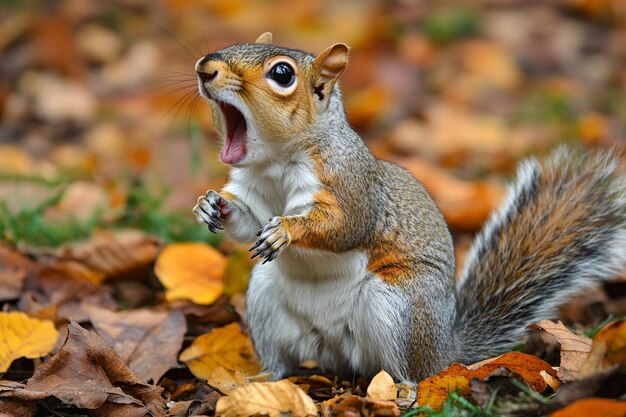
Squirrels might not target daylilies for their leaves or flowers, but they are known to dig up bulbs, sometimes out of curiosity and sometimes out of hunger.These rodents like to look for roots, especially fresh roots.
Daylilies have crunchy bulbs that attract squirrels to them. If you find your daylily bulbs disturbed or unearthed, squirrels may be the cause.
Their damage is less direct than that of deer or rabbits, but can still weaken your plants.
Groundhogs
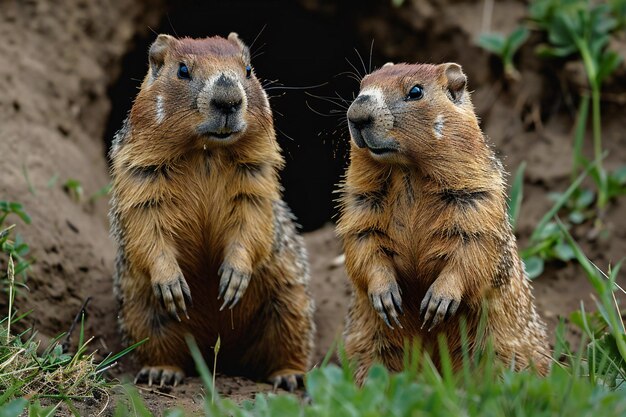
These animals are also known as woodchucks. They are voracious grazers that can quickly mow down entire plants if given the chance.
They tend to feast on daylilies when they’re available, particularly if the garden is near their burrows. Groundhogs can cause significant damage, because they often eat large portions of the plant.
Other Small Rodents (Voles and Chipmunks)
Voles and chipmunks are small, burrowing animals that also target the bulbs and roots of daylilies. Their feeding isn’t as immediately noticeable as deer or rabbits, and may go unnoticed until significant damage has occurred.
These rodents can cause the plants to weaken and die because they attack their root systems.
Signs of vole or chipmunk activity include collapsed soil around the base of the plants and disturbed roots.
Insects (Bonus)
When it comes to what animals eat daylilies, insects are often overlooked because animals are the primary focus.
That is fine, but it is worth mentioning that some insects, like aphids and slugs, can also damage daylilies.
Aphids may cluster on leaves, and slugs may create small holes in the foliage. Although insect damage is usually less severe, it can still weaken the plants.
5 Tips To Protect Your Daylilies
It is crucial to know what animals eat daylilies, but very critical to know how to protect your plants from being devoured by these animals.
Let’s learn these five tips
1. Fencing
Fencing is a reliable way to protect your daylilies from larger animals like deer and groundhogs.
Deer-proof fencing should be at least 8 feet tall, as deer can jump quite high. For instance, 8-foot or 10-foot black plastic deer fencing with a gate will be effective to protect your daylilies from deer, these are available across the web.
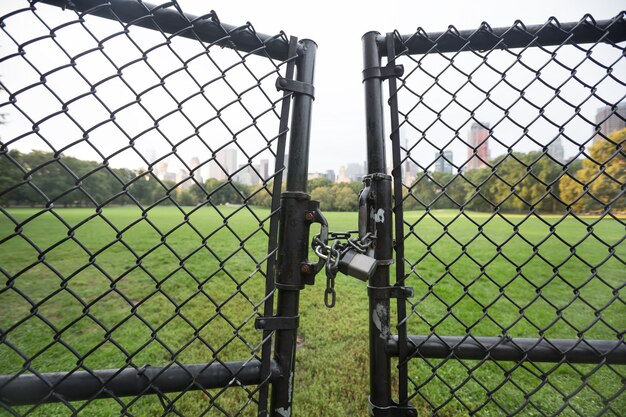
For smaller animals like rabbits and groundhogs, a 2- to 4-foot-high wire mesh fence can be effective.
Burying the bottom of the fence 6 inches below the ground will help keep burrowing animals from sneaking underneath.
2. Repellents
Both natural and commercial repellents can help keep animals away from your daylilies. Products containing ingredients like garlic, cayenne pepper, or predator urine work by creating scents that animals find unpleasant.
You can also create homemade repellents using ingredients like garlic or hot pepper mixed with water and soap. Just be sure to reapply after rain or every couple of weeks for the best results.
Commercial options like Liquid Fence or Plantskydd are also effective and safe for use around plants. These products can deter animals from grazing without harming the plants or the animals.
You should not be afraid after knowing what animals eat day lilies if you can not afford fencing
3. Companion Planting
A natural way to protect your daylilies is to plant them alongside plants that naturally repel animals.
Examples of such plants are; Marigolds, lavender, and certain herbs like rosemary and thyme. These animals can help keep animals like rabbits and deer away.
These plants have strong scents that animals dislike and contain natural chemicals that act as deterrents. Companion planting is a great way to protect your garden and maintain its beauty after knowing what animals eat daylilies in your garden.
4. Motion-Activated Deterrents
This is a high-tech solution that works effectively in protecting your plants, you should consider installing motion-activated sprinklers or lights.
These devices activate when an animal approaches, scaring them away without causing harm.
Motion-activated sprinklers, in particular, can be highly effective for deterring deer and rabbits, which dislike sudden bursts of water.
Devices like the Orbit Yard Enforcer or Hoont Animal Repeller are great options for this type of protection.
5. Mulching and Barriers
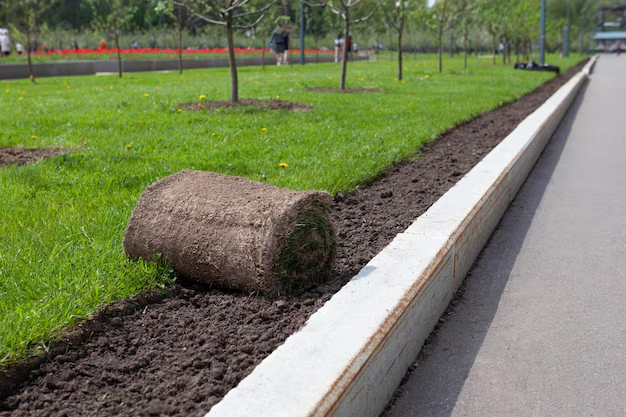
If you want an effective way to protect your daylily bulbs from burrowing rodents like voles and chipmunks, you should consider using mulch and underground barriers.
Apply a thick layer of mulch around your plants to deter smaller animals from digging. Additionally, placing a layer of hardware cloth or chicken wire beneath the soil can prevent rodents from accessing the bulbs and roots.
Ensure to use a material with small enough openings to keep even the smallest pests at bay.
In summary,
Your beautiful and resilient daylilies can be protected, understanding what animals eat daylilies is important for gardeners and plant lovers who want to protect their plants.
Deer, rabbits, squirrels, groundhogs, and other small rodents are the most common culprits, each of these animals can cause different types of damage to your plants.
Now that we have identified what animals eat daylilies, you can leverage on the five tips outlined above—fencing, repellents, companion planting, motion-activated deterrents, and mulching, to protect your plants and enjoy their beauty all season long.
Try different combinations of these tips based on the animals in your area and your specific garden setup. And if you’ve had success with any of these methods or have additional tips, share your experiences in the comments!
Have you dealt with animals eating your daylilies? Share your experiences and tips in the comments section below!
Aside from what animals eat daylilies, you can get more hunting tips at Deer Hunting Gateway to boost your hunting success.
]]>When it comes to supporting deer health and antler growth, the best deer protein feed plays a critical role.
Protein is a key foundation in deer health and antler growth. It ensures they are strong and healthy especially during key seasons.
You should be aware as a hunter or a wildlife enthusiast that the best deer protein feed plays a crucial role in the entire deer lifestyle.
Providing the right protein feed can significantly improve the size and health of your deer population.
That is why we will explore the essence of protein in deer health and antler development in this article.
We will provide you with the top 12 best deer protein feeds to ensure your deer are healthy, strong, and sporting impressive antlers.
Why Protein is Crucial for Deer Health and Antler Growth
The Role of Protein in Deer Development
Protein is essential for deer, particularly for bucks during their antler-growing season, which typically occurs from late winter to summer. Deer require 16%–20% protein intake for optimal health during this time.
Protein supports muscle development, tissue repair, and overall deer health. Bucks use protein to grow dense, durable antlers, which are crucial during the rut when they compete for mates.
Deer can struggle to maintain body condition, and bucks may grow smaller, weaker antler without adequate protein
Deer with sufficient protein levels have better immune function, reproductive success, and muscle mass retention. High-quality protein feeds can help deer recover from winter weight loss and prepare them for the rigors of the rut.
Aside from antler growth, protein basically supports the deer’s entire well-being
Top 12 Best Deer Protein Feeds For Deer Health And Antler Growth
Find below the top 12 protein feeds, with their unique benefits that can boost deer health and promote robust antler growth.
1. Soybean Meal
Soybean meal is one of the highest-protein feeds available, It contains around 48% protein, and an excellent nutrient for antler growth and muscle development.
Useful during pre-antler growth in late winter through early summer, that is when bucks begin to grow their antlers.
Soybean meal also provides energy, making it a highly effective feed for the rut.
2. Purina AntlerMax Deer 20
This high-protein feed (20%) is specifically formulated to support antler growth and overall health.
You can use it all year-round, particularly in spring and summer.
It also contains essential minerals and vitamins that promote reproductive health and immune function.
3. Alfalfa Pellets
One of the best deer protein feeds that is rich in both protein (around 16%) and fiber, alfalfa pellets are easily digestible for deer, and boost muscle mass.
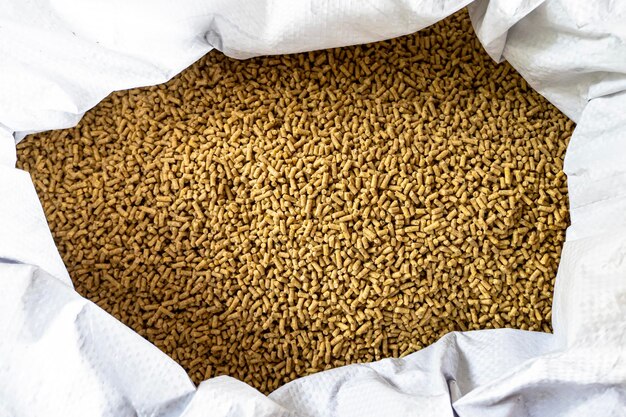
The best time to use it is spring and summer, when bucks need extra protein to maximize antler growth.
This feed is naturally attractive to deer and can be mixed with other grains for a balanced diet.
4. Cottonseed
This feed is one of the best and excellent options for deer overall body condition and antler growth. Cottonseed is high in both protein (23%) and fat.
It is best useful in early spring and pre-rut.
Caution: Cottonseed should be used in moderation due to its high fat content.
5. Record Rack Fawn Starter & Sportsman’s Choice Record Rack
Specifically designed to support fawn development, this feed also promotes muscle growth and antler development in adult bucks.
It is useful all year-round, especially during the growth period.
Additional benefits: High in vitamins and minerals that support immune function and reproductive health.
You can find other deer products on record rack
6. West Deer Feed
West Deer Feed is one of the best deer feeds that is specially designed for deer, it is a balanced feed with 18% protein. It highly supports antler growth and body condition.
Best use in spring through summer, preferably before rut and antler growth.
It also contains minerals essential for bone development and antler growth.
7. Big Tine 30-06 Protein Plus
This is one of the best deer protein feeds with 30% protein content. is packed with the nutrients bucks need and specially designed for superior antler growth.
Best use in spring and early summer.
Big Tine also contains a blend of grains, providing deer with both energy and nutrition.
8. Peas (Field or Austrian Winter)
Naturally, Peas are high in protein, and contain around 25% protein content, making them a well known best deer protein feed for antler growth and muscle development.
Often used around late winter through early spring for maximum results.
Additional Advantages: Peas are easy to plant and attractive to deer, making them a great addition to food plots.
9. Clovers and Legumes
These feeds are highly digestible and contain around 20% protein. Which promotes and contributes to the overall health and antler growth.
These feeds are mostly available in Spring through summer,and the best time to feed deer with these feeds.
These crops also improve soil health and attract deer to feeding areas.
10. Corn with Protein Supplement
Corn is one of deer’s favourite feed, but it is low in protein on its own. It gets a good percentage of protein content when combined with a protein supplement and provides a balanced feed that supports body condition and antler growth.
It is useful all year round, but particularly in winter when food is scarce.
Corn is highly attractive to deer naturally, this makes it an excellent medium to deliver protein supplements.
11. Rice Bran
Rice ban is a best deer protein feed that is good for muscle gain and antler development. It is high in fat and protein
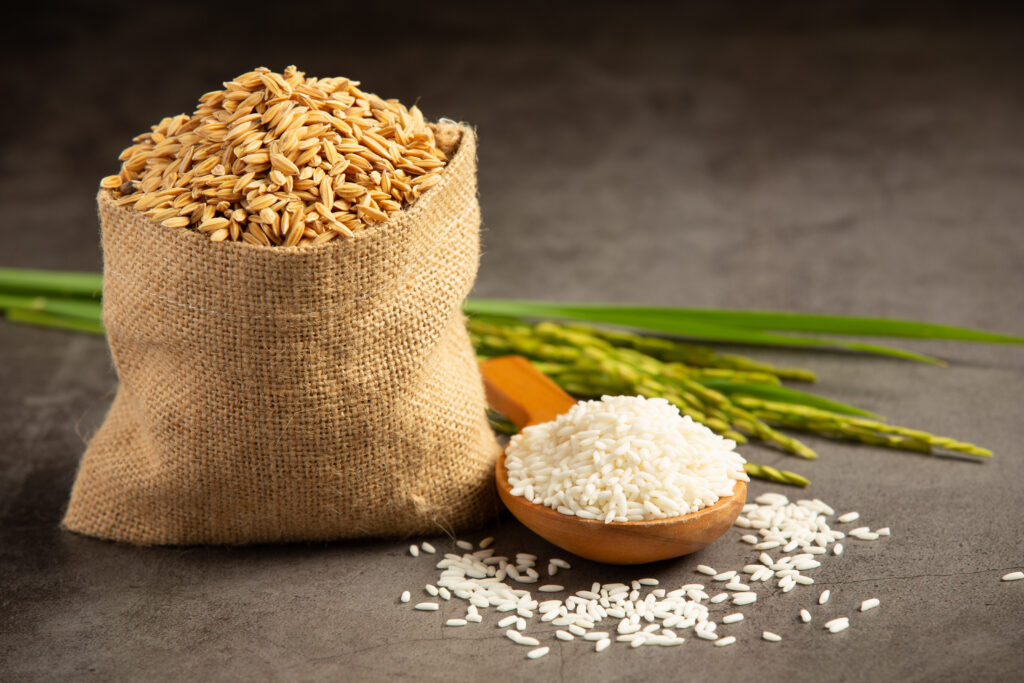
The best period to use this feed is when deer need an energy boost for antler growth in late winter through early spring.
It contains high energy content and helps deer maintain body condition during the leaner months.
12. Sportsman’s Choice Record Rack 20% Protein Pellets
As stated, this best deer protein feed contains 20% protein, and specifically designed to promote antler growth and deer overall health.
It is useful all year-round, with a focus on the antler-growing season.
Aside from the high protein content this best deer protein feed is easy to use and attractive to deer. It is a very popular choice among hunters and wildlife managers.
To sum up, as a deer hunter or animal lover, maximizing your deer health and antler growth should be your priority. Protein is very essential for deer, and investing in these best deer protein feeds can make a great difference.
These 12 best deer protein feeds; from soybean meal and Purina AntlerMax to rice bran and Big Tine are all proven feeds that provide essential nutrients for deer and improve deer health, body condition, and antler size.
Ensure to experiment with these protein feeds to find what works best for your specific deer population, based on the season and availability of food resources.
Always remember that the right feed can make a huge difference.
Let us hear from you; which of these protein feeds have you been using? Share your experiences in the comments!
Explore Deer Hunting Gateway for more deer tips
]]>
Deer, like the majestic mule deer and the resilient white-tailed deer, have learned to adapt. They move between areas to find the best food and avoid dangers. This migration is key to their survival, but how do they do it and what’s changing?
The Importance Of Migration For Deer
Deer and other animals move between habitats to get what they need all year. This Importance of Migration is key for their survival and the health of their numbers.
Benefits Of Migration
Deer that move between areas are usually in better shape than those stuck in one spot. Deer Migration Benefits include:
- Fatter and healthier females, more likely to make it through winter and have strong babies.
- They get to eat better food and find more resources, which helps their herd.
- They don’t fight as much over food, which helps the population stay strong over time.
Consequences Of Disrupted Migration
But, when Disrupted Migration happens because of people or other things, it’s bad news. Consequences of Blocked Migration are:
- Animal populations go down because they can’t find important places and things they need.
- They’re more likely to crash into cars on roads that go through their paths.
- They lose the knowledge about where to go, passed down from their parents, making it hard to adjust to new situations.
Keeping the Importance of Migration safe for deer and other animals is key. It helps keep their populations healthy and keeps the American West special.
Migration Habits: Typical And Atypical Behaviors
Deer migration habits show a wide range of behaviors, from common to unusual. Most studies focus on the main migration patterns. But, recent research shows a big difference in how each deer moves.
Categorizing Migration Patterns
Scientists have found different types of migration in deer. For example, 54.4% of adult female mule deer move between two areas each year. Another 23.6% visit several places during their migration.
Some deer are commuters, moving between home and work daily. Others are poly migrants, visiting many places. A few are gradual movers, while others stay put or move around a lot.
Individual Variation And Plasticity
About half of the deer changed their migration patterns over time. This shows how flexible deer can be in their movements. It’s important to study both common and unusual migration behaviors in deer.
Deer migration habits are similar to those of the Dark-eyed Junco bird. This bird changes its appearance, migration patterns, and life cycle over time. Studying these changes helps us understand how animals adapt to their environments.
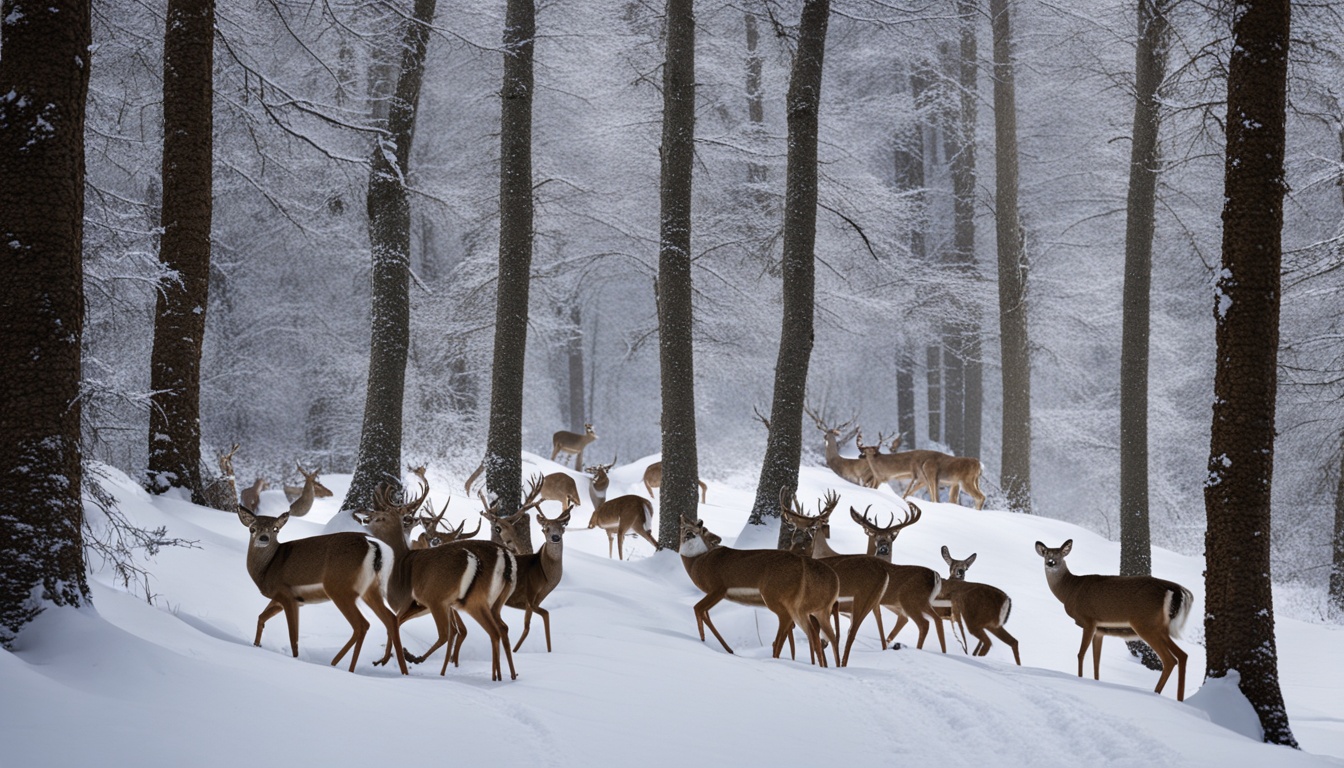
Timing Is Crucial: Surfing The Green Wave
Mule deer know exactly when to move to find the best food in spring. They follow the “green wave” of new plants. This way, they get to eat the tastiest plants first.
Studies show that the timing of their migration is linked to plant growth. For example, research by Van der Graaf et al. (2006) on Barnacle Geese found this connection. Bischof et al. (2012) and Merkle et al. (2016) also found that mule deer move with the green wave to get better food.
A study in Wyoming looked at 99 adult female mule deer. All of them moved with the green wave. Their age or health didn’t affect how well they timed their migration.
How well a deer does on the green wave depends on the “greenscape” along its path. Deer do better if they have more time to eat new plants. They also do better if plants grow quickly and continuously from winter to summer.
For mule deer, Timing of Migration is key. They move with the Green Wave Migration and Phenology of Migration to eat the best food in spring. This helps them survive.
Threats To Migration Habits
Migratory animals face many challenges on their seasonal journeys. Human activities and climate change are big threats to their migration patterns.
Human Activities Disrupting Migration
Human growth, like building fences and roads, can block animal migration paths. These barriers limit access to vital habitats and resources. Wildlife-vehicle collisions on roads also harm migrating animals, causing injuries and deaths.
Climate Change And Phenological Mismatch
Climate change changes the growth and food availability for migratory animals. This leads to a mismatch between plant and animal seasons. For example, animals may arrive too early or late to find food, disrupting their life cycles and threatening their survival.
Despite the challenges, conservation efforts can protect these important animal movements. Sustainable land management can help ensure these species’ survival.
Conclusion
Organizations like The Pew Charitable Trusts have made recommendations to protect wildlife migrations. They aim to help land and wildlife managers, conservationists, and others work together. Their goal is to Conserve Wildlife Migrations by mapping and researching, working with human stakeholders, and more.
They suggest removing or changing fences in important Migration Corridors. Building wildlife-crossing structures, offering incentives to landowners, and smart energy development on federal lands are also key steps. By doing these things, we can help protect the Migration Habitat and save species like deer.
Through teamwork and Migration Recommendations, we can ensure these amazing animals can keep migrating. This way, we can help them continue their journeys without interruption.
It’s important to balance human and wildlife needs. Preserving Conserve Wildlife Migrations protects our planet’s natural heritage. It also keeps the balance in nature that supports us all.
]]>This guide will cover the grasses deer eat, how to grow those species, and how to make the best deer habitat. Let’s dive in and learn more about grasses deer eat.
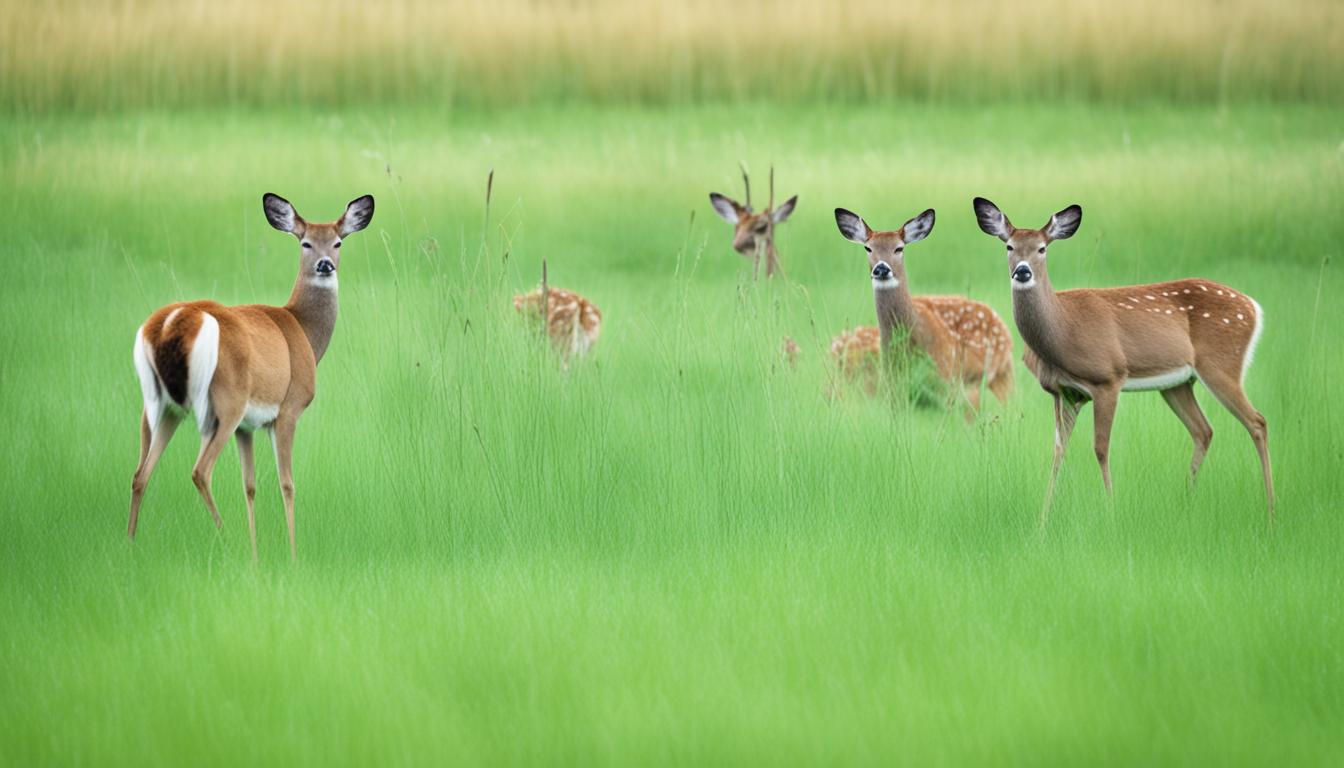
Why Deer Prefer Certain Grasses
Deer prefer certain grasses due to their nutritional needs and various influencing factors. Key nutritional requirements for deer include proteins, carbohydrates, fats, vitamins, and minerals, which support growth, energy, and overall health.
Factors such as protein content, palatability, availability, nutrient density, seasonal changes, and digestibility determine grass preference. High-protein grasses like orchardgrass and clover are favored, while soft, tender, and easily digestible grasses are more palatable.
Seasonal variations and the availability of nutritious grasses also play significant roles in deer dietary choices. Understanding these preferences allows for better habitat management to support healthy deer populations.
The Importance Of Native Warm-Season Grasses For Deer
Native warm-season grasses (NWSGs) like big bluestem, little bluestem, indiangrass, and switchgrass are types of grasses deer eat. They offer better food, shelter, and cover than non-native cool-season grasses. These grasses are essential for deer in the winter
.
Nutritional Value Of Native Grasses
Deer need to eat five times a day, often in their bedding areas. Switchgrass is a top choice for deer habitat because it provides food and shelter. A pure switchgrass field is ideal for turning fields into deer habitat or keeping old CRP fields deer-friendly.
Providing Fawning And Winter Cover
Early Successional Growth (ESG) takes 12-15 years to hide deer well. But, a frost-seeded switchgrass field can do it in 18 months. Adding diversity to a switchgrass field makes it 4-5′ tall in the first season, helping deer hide during hunting.
Warm-season grasses grow tall, need little care, and attract mature bucks. Bucks find these grasses perfect for resting and finding mates. It’s good to set aside 2 to 10 acres for these grasses on your property.
These grasses produce 4 to 7 tons of hay per acre. Cutting them after July helps protect pheasants and quail. They support deer, turkeys, pheasants, and quail and can survive without rain for over a month. Planting a mix of species like switchgrass and others is best.
Managing Old Fields For Optimal Deer Habitat
Many old fields are filled with non-native grasses that don’t help deer much. To make these fields better for deer, start by getting rid of the “grass carpet” with herbicides. This lets native plants grow, which deer love for food and shelter.
Removing Non-Native Grass Carpets
Grasses like fescue, orchardgrass, and Kentucky bluegrass make fields too uniform for deer. Using selective herbicides can clear these out. This lets native plants take over. You might need to do this a few times to get rid of all the unwanted plants.
Promoting Forb And Bramble Growth
After getting rid of the non-native grasses, native plants can start to grow. This means more food and shelter for deer. Keeping the field healthy with burns or mows helps keep it perfect for deer.
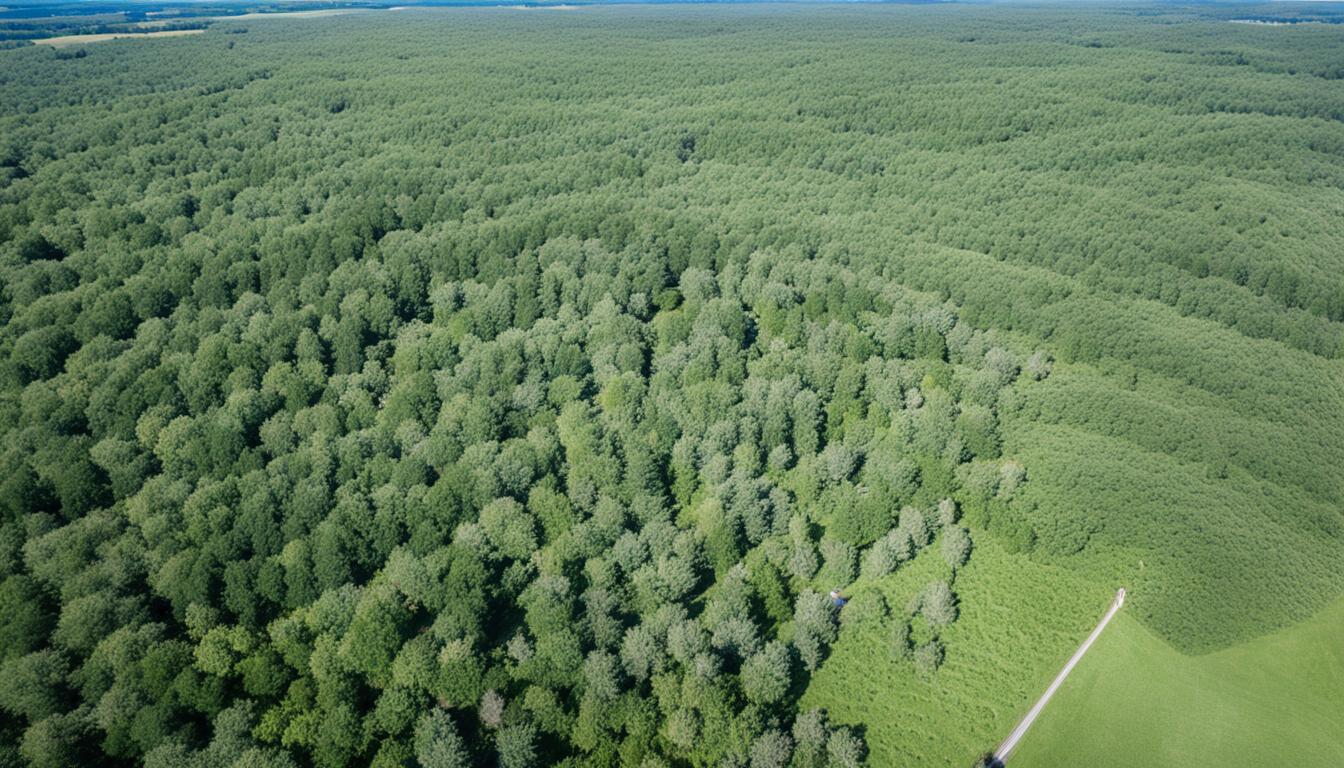
Turning old fields into great places for deer means making them diverse. By removing unwanted grasses and helping native plants grow, or by growing grasses deer eat. You can make an old field a great home for deer.
Grasses Deer Eat
Deer don’t just eat grasses. They prefer a variety of plants, like forbs, browse, mast, and mushrooms. These plants are more nutritious than grasses, which are often lower in quality.
Dr. Dave Hewitt from Texas A&M-Kingsville says deer eat mostly browse, forbs, mast, and crops. Grasses are a small part of their diet, mainly eaten in late winter and early spring.
About one-third of the plants deer eat make up most of their diet. Grasses like winter grass and panic grass are part of this. But deer can’t live only on grass. They need a mix of plants to stay healthy.
Deer like to eat browse and forbs because they’re easy to digest and give them quick energy. A mix of plants is key for deer health. In the Southeast, deer eat over 400 plant species, mostly browse, forbs, and mast.
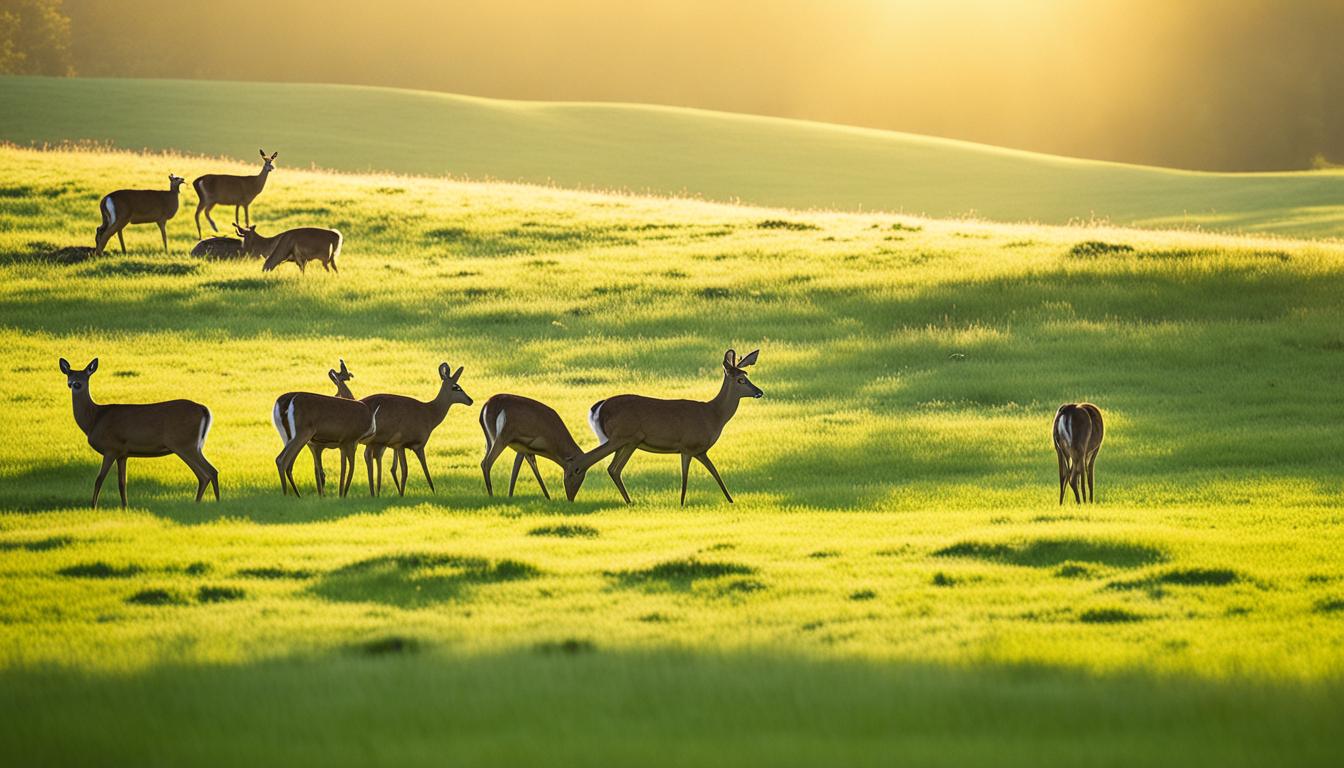
In conclusion, deer eat more than just grass. They prefer a variety of plants, including woody plants, forbs, and mast. Knowing what deer eat helps with habitat management and keeping deer healthy.
Identifying And Encouraging Deer-Preferred Grass Species
Some native warm-season grasses are key for deer. Big bluestem, little bluestem, indiangrass, and switchgrass offer great winter cover. They also help forbs grow. Deer don’t eat these grasses much, but they’re vital for a diverse plant community. This community supports deer’s needs all year.
Big Bluestem And Little Bluestem
Big bluestem and little bluestem are crucial for deer. They grow tall and have a blue-green color. In winter, they provide dense cover. The dead plant material is perfect for deer forages like legumes.
Indiangrass And Switchgrass
Indiangrass and switchgrass are also great for deer. Indiangrass has golden-yellow seed heads, offering great nesting and fawning cover. Switchgrass creates dense stands that protect deer from winter. Both support deer-preferred forbs and browse plants.
By promoting these grasses, landowners and wildlife managers can create top-notch deer habitat. These grasses meet deer’s needs all year. Proper management helps them grow, boosting deer health and population.
Conclusion
Managing old fields and grasslands for deer habitat management is more than just planting food plots. It’s about letting native grasses, forbs, and shrubs grow. This makes a wildlife-friendly landscaping that gives deer good food and shelter all year. It also helps many other animals and supports sustainable agriculture.
Restoring native plants helps create a healthy ecosystem for white-tailed deer. By growing native grasses, forbs, and shrubs, deer get the food they need. They also find shelter and protection for their young and in winter.
To manage deer habitats well, focus on creating a diverse and strong grassland. This approach supports deer’s needs and helps your local ecosystem stay healthy and full of life.
]]>The truth is, preventing deer damage to plants can be tough. These animals can jump high and fit through small spaces, causing damage to your plants.

Deer-proof gardening is more than just using fences and repellents. It’s about knowing deer behavior and making your garden less inviting. You can use deer-resistant plants and other strategies to keep your garden safe.
Did you know deer eat a lot of crops like corn and soybeans? In some places, these crops make up 78% of a deer’s diet. This shows how important it is to manage deer habitats well. With the right tips, you can enjoy a beautiful garden and live in harmony with wildlife.
Understanding Deer Behavior And Feeding Habits
To control deer damage to plants or prevent browsing, we must understand their behavior. Deer eat about 6 to 8 pounds of food every day.
They look for plants in forest edges and open areas. This often brings them to our gardens in search of food.
Seasonal Dietary Changes
Deer’s diets change with the seasons. In spring and summer, they eat fresh growth and herbaceous plants. Come fall, they prefer nuts and fruits. In winter, they eat any vegetation they can find, including evergreen shrubs.
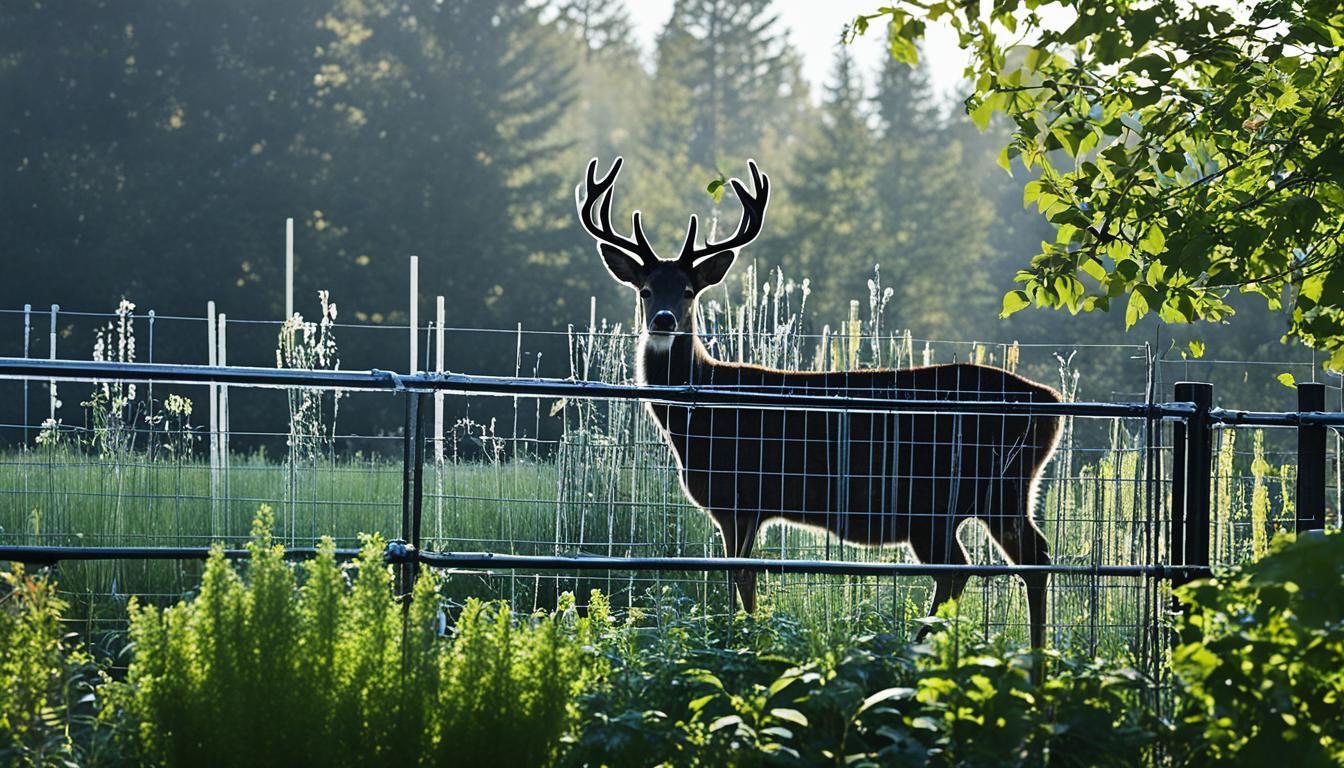
Deer Preferences And Foraging Patterns
Deer like herbaceous perennials, vegetables, and fruit trees. They tend to avoid plants with fuzzy, coarse leaves or strong scents.
They often feed at night but will eat during the day if they’re hungry. Using repellents and rotating them can help, as deer can change their preferences based on what’s available.
Impact Of Environmental Stress On Deer Feeding
Deer will eat more when the environment is stressed, like during drought or overpopulation. In harsh winters, they move to safe areas for food and shelter. Spring makes the amount of damage in gardens worse as they look for nutritious food after a long winter.
- Fencing (8+ feet tall)
- Electric fences
- Repellents (natural or commercial)
- Deer-resistant plants
- Scare tactics (noise makers, sprinklers)
To prevent deer damage to plants, there needs to be a mix of strategies. No plant is completely safe from deer, but knowing their habits can help protect your garden.
Identifying Deer Damage In Your Garden
Spotting deer damage early can help protect your deer resistant plants. Deer leave distinct signs that set them apart from other wildlife. By learning these clues, you can take swift action with effective Deer Deterrents.
Characteristics Of Deer Browsing
Deer damage to plants has a unique look. They tear leaves and twigs, leaving rough edges. Deer prefer branches under one inch thick.
In fall, male deer rub their antlers on trees, stripping bark. This can be worse than eating plants.

Distinguishing Deer Damage From Other Wildlife
Rabbits and rodents damage plants differently. They make clean, angled cuts. Rabbit bites are wider, while rodent marks are narrow. Deer leave ragged tears instead of clean cuts. This helps you pick the right deer deterrents that can help prevent deer damage to plants in your garden.
Signs Of Deer Presence In Your Landscape
Look for these clues that deer are visiting:
- Droppings: Deer leave distinct pellets
- Tracks: Hoof prints in soft soil or snow
- Bedding areas: Flattened grass where deer rest
- Bark damage: Rubbed or stripped bark on trees
Knowing these signs helps you protect your garden. You can choose the right way to prevent deer damage to plants by using targeted Deer Deterrents to keep your landscape safe.
Preventing Deer Damage to Plants
Deer-proof gardening starts with knowing deer behavior. The U.S. deer population has grown from 500,000 to 15 million since the early 1900s. This means more deer are now in our gardens. Let’s look at ways to keep your plants safe.
Start by choosing deer-resistant plants. Plants with prickly, fuzzy, or strong smells are less appealing to deer. Juniper, Bayberry, and Spirea are good choices. Herbs like Lavender, Sage, and Thyme also keep deer away.
Use deer repellents often for the best effect. Commercial repellents contain putrescent egg solids or dried blood. Or, make your own mix with bovine blood, eggs, garlic, and dish soap. Spray this on your plants to deter deer.
Physical barriers work well too. Put an 8-foot fence around your garden. For smaller areas, use welded-wire fences with top enclosures. Buried fencing can protect vegetable gardens from deer.
Deer can change their eating habits. They might start eating plants they used to ignore. Always be watchful and change your deer-proofing methods to keep your garden safe.
Deer-Resistant Landscaping Strategies
Creating a deer-resistant landscape means planning and picking the right plants. No plant is completely safe from deer, but some are less tempting. With smart landscaping, you can prevent deer damage to plants, keeping your garden safe and beautiful.
Selecting Deer-Resistant Plants
Pick plants that deer don’t like. Daffodils, boxwood, and lavender are good choices. Yarrow, Russian sage, and lamb’s ears also work well. Check with your local Agricultural Extension office for plants that work best in your area. Grouping similar plants helps hide any damage.
Creating Protective Borders and Bed Edges
To prevent deer damage to plants in your garden, you should use plants deer don’t like for borders.
Basil, garlic, and onions are good choices. Holly or roses can also help keep deer away. These plants aren’t perfect, but they can keep deer out of your garden.
Incorporating Aromatic and Textured Plants
Add plants with unpleasant smells and textures to your garden. Lavender, sage, and catmint are good for keeping deer away. These plants look nice and help protect other plants. Keep your garden diverse with different deer-resistant plants for the best results.
Conclusion
By incorporating expert tips such as using plants that repel deer, installing physical barriers, and employing various deterrents, gardeners can significantly reduce the risk of deer damage to their plants.
Implementing companion planting with strong-scented herbs, creating noise or scent deterrents, and staying vigilant with regular checks and adjustments ensures a proactive approach to protecting gardens from deer.
By following these strategies, gardeners can enjoy lush, thriving plants while keeping deer at bay.
]]>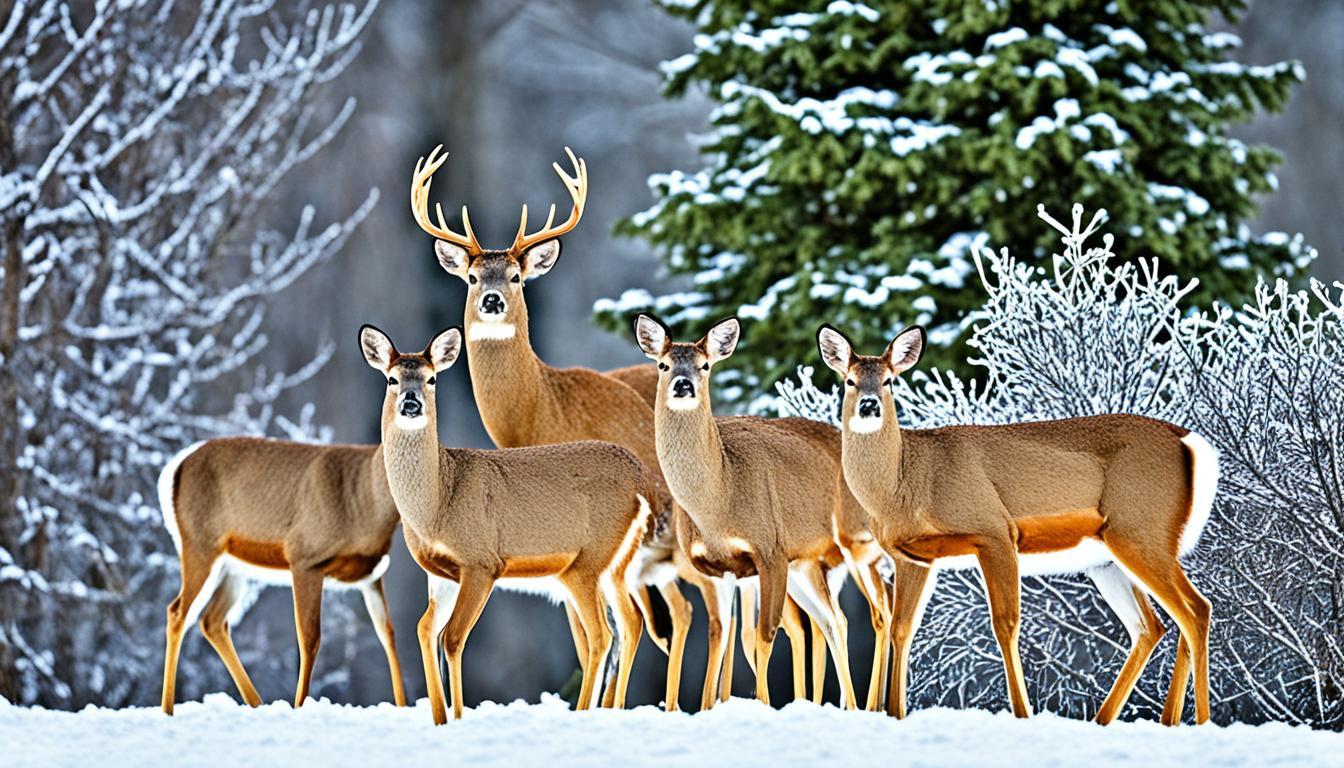
To help deer in winter, it’s not just about feeding them. You need to know their diet and what to plant for deer to eat in winter. With the right mix of plants, you can give them a diet that keeps them strong. Small grains, clovers, and food plots can be key to their survival.
Providing Woody Browse: The Ideal Winter Food for Deer
As winter comes, deer struggle to find enough food. Luckily, they can survive by eating the buds and twigs of woody plants, known as “deer browse.” By managing your land well, you can give deer a steady food source during winter.
Hinge-cutting Technique
The hinge-cutting method is a great way to make more browse available. It means cutting trees or shrubs partially, so they bend down but stay rooted. This lets deer get to the tasty buds and twigs they can’t reach otherwise. Trees like red maple and yellow birch work best for this.
Preferred Browse Species
Deer like some plants more than others in winter. White pine and red maple are top choices. Sumac, aspen, and oak trees with their rich acorns are also good. But spruce is only eaten when they really need to.
Using hinge-cutting and focusing on deer’s favorite plants helps create a good winter home. This way, you support the local deer and help them survive the cold.
The Importance of March: The Critical Month for Deer Survival
As winter ends, March becomes crucial for deer survival. A healthy deer starts winter with enough fat for 90 days, but this dwindles by March. Harsh weather in March, like extreme cold and heavy snow, threatens their survival and increases death rates.
During this time, knowing what to plant for deer to eat in winter and what winter browse deer are used to eating is vital. Deer need 6 to 10 pounds of food daily, but their metabolism slows in the winter. So, having plenty of nutritious food is key.
March is a critical month for deer survival. It’s the 30 most important days of winter, deciding many deer’s fate. By understanding their challenges and supporting their nutritional needs, we can help more deer survive the harsh winter and thrive in spring.
Deer migrate in states like Minnesota, Wisconsin, Michigan, Pennsylvania, and New York in late January and February. Research shows many deer migrate in North Dakota and South Dakota, even though they’re agricultural areas. The likelihood of adult does migrating drops with more forest in their winter range.
Severe winter in March can be deadly for deer if they run out of food by late March. Feeding them a lot of high energy foods like shelled corn is not good. Instead, giving them winter browse they’re used to eating can help more of them make it to April.
Supplemental Feeding: Risks and Best Practices
As winter comes, many people think about feeding deer to help them through the cold. But, this idea has risks and challenges. It’s important to know these risks and follow best practices to keep deer safe and healthy.
Introducing New Foods Gradually
One big worry with feeding deer in the winter is giving them new foods. Deer need a week or two to adjust to new diets, so knowing what to plant for deer to eat in winter makes it easy for deer to adapt to the new food planted.
Giving them too much new food can be bad for them. So, it’s key to add new foods slowly, in small amounts, and spread them out over the area.
Avoiding Concentration Points
Feeding deer can also create spots where they gather too much. This can spread diseases like bluetongue and chronic wasting disease. It also makes them easy targets for predators. To prevent this, don’t make feeding stations. Instead, spread the food out over a bigger area.
Feeding deer in winter might seem like a good idea, but it needs careful thought. By adding new foods slowly and spreading them out, you can help keep deer safe and healthy. This way, you support the deer without harming them.
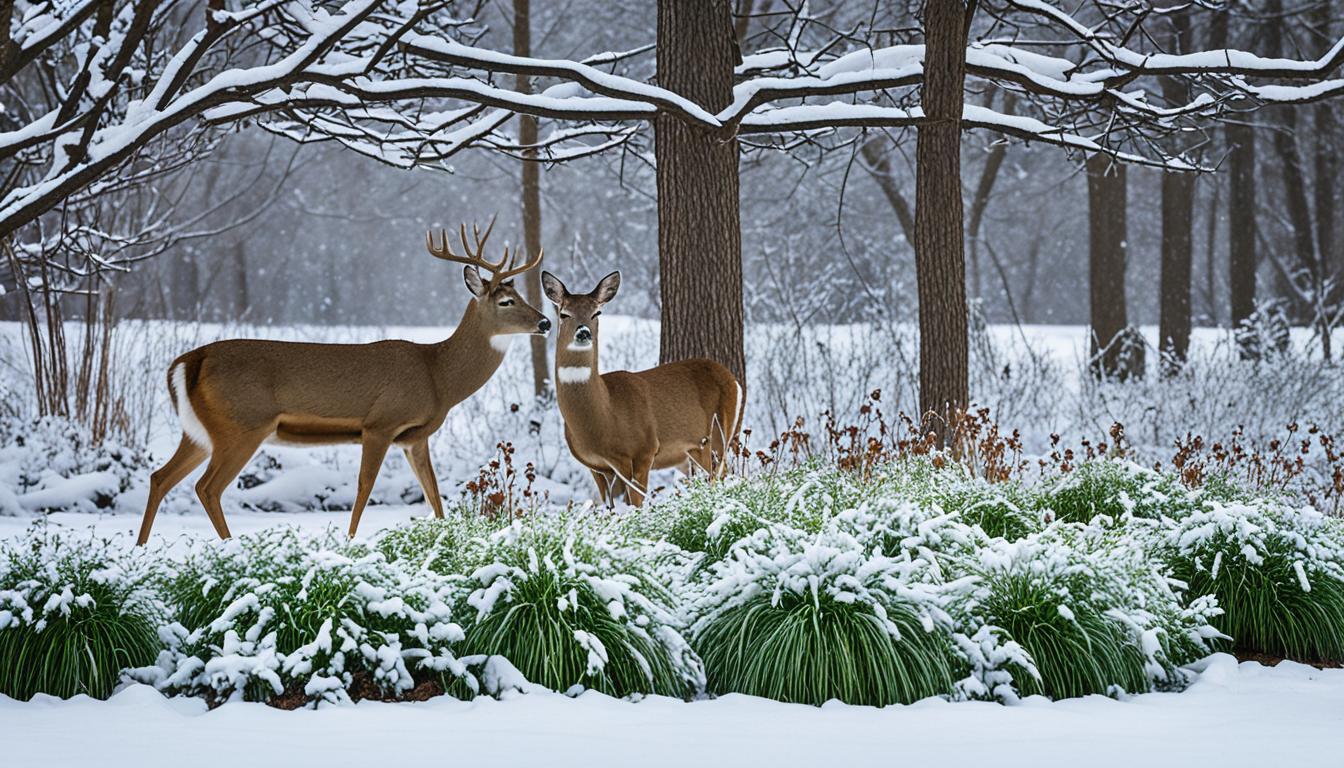
What To Plant For Deer To Eat In Winter: Specific Plants
During the cold winter, the right plants can greatly improve deer health. Cool-season grains and legumes are great because they stay green and nutritious. These plants are perfect for deer food.
Wheat, rye, and oats are top choices for winter deer food. They offer carbs and protein. Adding clovers to the mix provides more nutrients and spreads out the food supply.
It’s important to plant small grains and clovers separately for the best results. The best time to plant is late August to mid-September. You can still plant until Thanksgiving.
Getting the soil ready is key for successful winter deer food plots. Use lime and fertilizer as recommended by soil tests. This helps winter forage crops for deer grow well and feed your deer.
There are other deer-resistant plants for winter besides grains and legumes. Brassicas like kale, rape, and turnips add protein to deer diets. Forage soybeans, cowpeas, lablab, sunn hemp, and sunflowers offer cover and nutrition in warmer months.
Planting a mix of what to plant for deer to eat in winter ensures deer have nutritious forage all season. With good planning, you can make a winter wonderland for your deer. This will keep them healthy even in harsh conditions.
Conclusion
Managing deer in winter needs a mix of strategies. This includes using food plots and taking care of their natural habitat. Food plots help with nutrition, but they should not replace the plants deer use all year.
To help deer survive winter, know what to plant for deer to eat in winter and use different habitat methods. Techniques like hinge-cutting and adding woody browse are helpful. Also, regular soil tests and a mix of perennial and annual food plots, like those from Illusion Systems, can improve your efforts.
The secret to good winter deer management is finding the right balance. Focus on giving deer enough food and improving their habitat. By doing this, you can help create a strong and healthy
]]>