They are a beautiful breed that has caught the eye of many nature lovers and outdoor fans. But what do we really know about them?
In this article, we will explore their world, from where they live to how they reproduce and the efforts to save them.
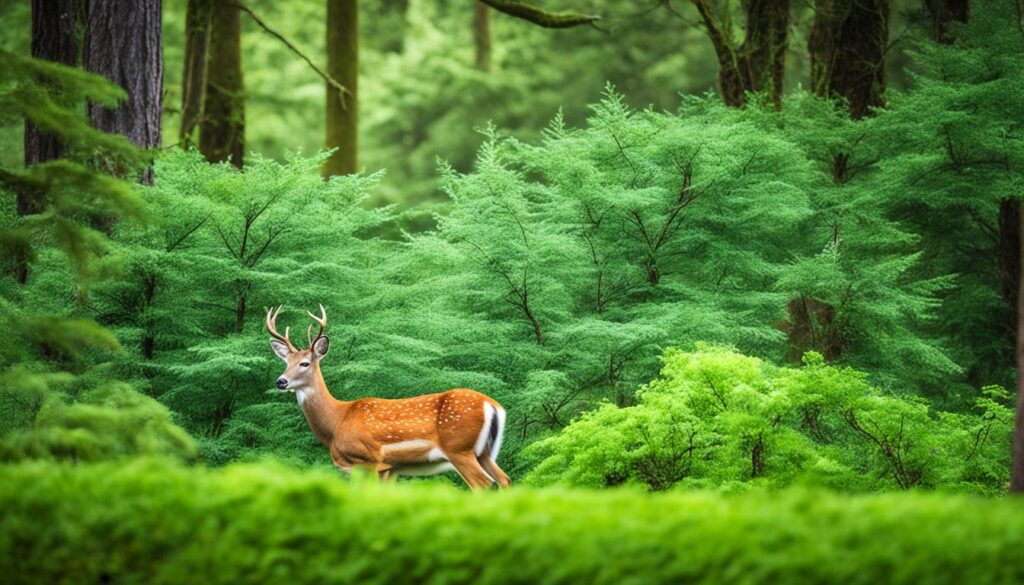
Introduction to Sika Deer
Sika deer are also known as spotted deer. They are small to medium-sized and belong to the cervid family. They have a head and body length of about 950–1,800 mm. Their tail is 75–130 mm long, and they stand 640–1090 mm tall at the shoulder.
Among the sika deer, there are clear differences between males and females. Males are, on average, 8.7% bigger than females.
Sika deer originally lived in East Asia. Their home includes the southern Ussuri district of eastern Siberia, China, Formosa, Japan, Korea, Manchuria, Taiwan, and parts of Vietnam. But, they have been introduced to many other places around the world.
Now, they live in countries like Australia, Austria, Denmark, England, France, Ireland, Jolo Island (south of the Philippines), New Zealand, Poland, Scotland, and some states in the United States. These places include Maryland, Oklahoma, Texas, Wisconsin, and Virginia.
Habitat Preferences
Sika deer tend to prefer specific habitats that meet their needs, that is why marshes and thickly forested wetlands are perfect for them.
To them, these areas offer the needed food and shelter to cater for their survival.
Sika deer also live at different heights, from sea level up to 1800 meters (5,900 feet). If there are mountains around where they live, they will move up and down the mountain.
This behavior also depends on the season. In winter, they would exhibit this behavior because of the snow their breeding cycles.
Let me leave you with these few pointers:
- Sika deer love living in marshes and thickly forested wetlands for food and shelter.
- They are largely grouped in southern Dorchester County, Maryland.
- Hinds stay in about 1 square mile, but stags have bigger areas, especially during mating season.
- They live from sea level to 1800 meters (5,900 feet) high.
- They move up and down mountains by up to 700 meters (2,300 feet) with the seasons.
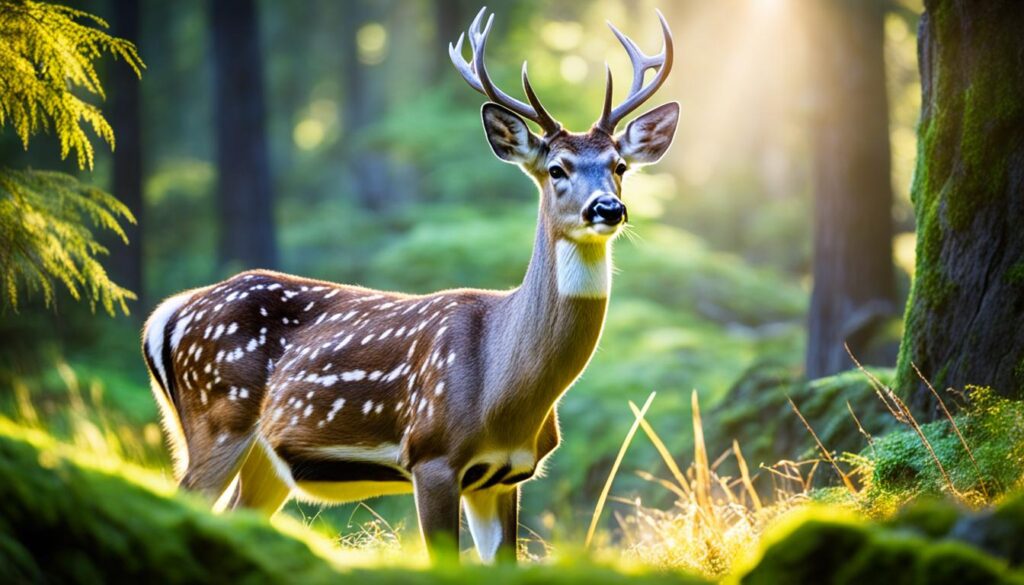
Sika Deer Diet
Sika deer mainly eat marsh plants, grasses, and crops like corn and soybeans. They also enjoy bayberry, catbrier, and poison ivy.
These deer primarily feed and are most active at dusk and dawn. They use the low light to eat in freshwater marshes, grasslands, and farmlands.
Let’s look at the different types of Sika deer diet in detail:
- Marsh vegetation
Marshes generally offer a diverse diet consisting of aquatic vegetation and grasses, which are important for their nutrition. Firstly, marshes provide abundant food resources such as marsh grasses and leafy vegetation, which are part of their herbivorous diet.
Also, marshes have dense vegetation, which can keep deer safe from predators. It seems like a win for them; they get to eat without being bothered about predators.
Marshes provide a relatively stable microclimate that protects sika deer from extreme weather conditions. The wet environment also helps to reduce parasites, and the water available in these areas is also essential for their survival.
- Grasses
Primarily, sika deer consume grasses because they are herbivores, and grasses form a significant portion of their diet.
That aside, however, grasses are key to the diet of Sika deer because they are rich in essential nutrients and support their overall health and energy needs.
Additionally, the structure and availability of grasses in their habitats, such as marshes and forested wetlands, align well with the sika deer’s grazing behavior.
- Agricultural crops
Agricultural crops are often rich in proteins and carbohydrates, which are essential for the growth, reproduction, and overall health of deer.
Crops like soybean and corn, in particular, provide high nutritional value. Corn provides around 365 calories per 100 grams, with significant amounts of carbohydrates (about 74 grams) and moderate protein (around 9 grams).
Soybeans, on the other hand, contain approximately 446 calories per 100 grams, with about 36 grams of protein and 20 grams of fat. This nutritional combination make these two rich crops a great source of nutrients for deer.
Additionally, in areas where agricultural fields are abundant, these crops may be more readily available and accessible compared to natural forage, which is good for deer.
- Special Diet Plants
Although sika deer have a varied diet, they prefer some plants above others. These include; bayberry, catbrier, and poison ivy.
If bayberry, catbrier, and poison ivy are abundant in their environment, they are likely to consume these plants more frequently.
Bayberry is highly rich in fatty acids, which can be beneficial for deer energy levels. Taste and Palatability: Deer are selective feeders, and they are likely to prefer plants that have a taste and texture they enjoy. The specific taste profiles of these plants may appeal to sika deer.
While some plants, such as poison ivy, may be considered undesirable by humans due to their irritating properties, sika deer find them palatable. Catbrier also often grows in thickets and can provide shelter as well as food; this, like marshes, makes it an attractive choice for sika deer.
Reproduction and Behavior
Sika deer have complex social lives and unique behaviors. These traits are key to their survival and reproduction. They usually become ready to breed at about 16 months old.
Their breeding season starts in late September and lasts for about 30 weeks. Most calves are born in May, weighing between 4.5 and 7.0 kg. During mating, male Sika deer, or stags, protect a group of females, or hinds, by using sounds such as bugling to defend them.
Vocalizations
Sika deer make many sounds, like bugling, bleats, and barks. These sounds are used when talking to each other. The male’s bugling call is especially striking during mating season.
Anatomy and Physical Adaptations
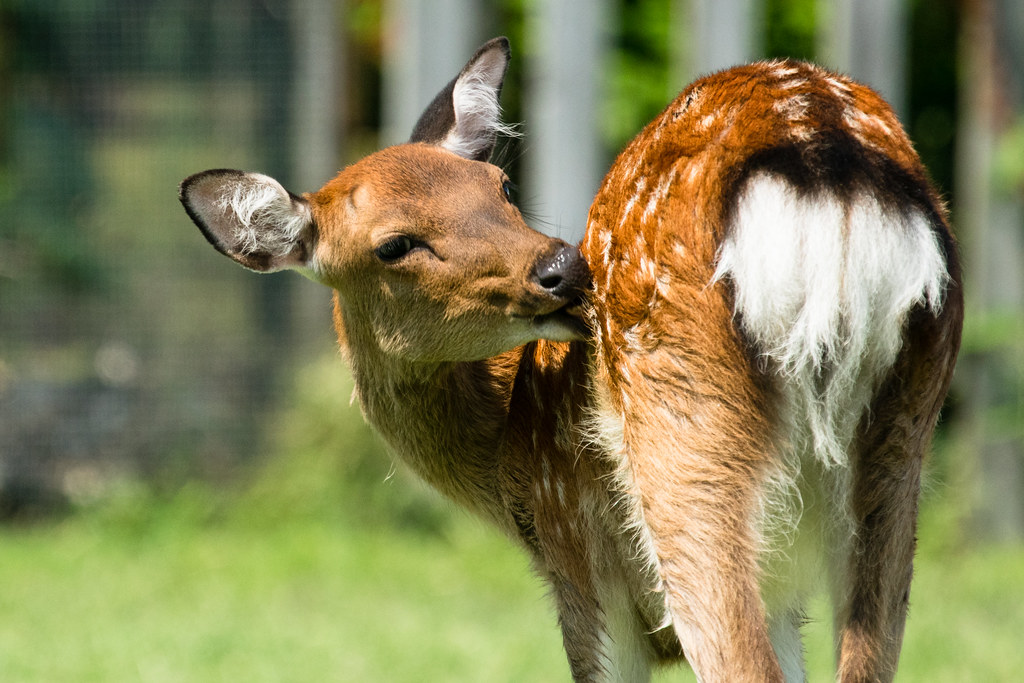
Having evolved to live well in their environments, Sika deer stand out with their unique look. They have a thick winter coat, up to 50–70 mm long, that keeps them warm during cold seasons. In summer, they have a finer, shorter coat to stay cool.
Their antlers are another key feature. Male Sika deer, or stags, have long, straight antlers. These can be 300–660 mm long with 2–5 tines. These antlers show their strength and help in fights during mating season.
In this species of deer, there’s a big difference between male and female Sika deer. Males are about 8.7% bigger than females. This size difference is common in many deer species.
In summary, the anatomy of Sika deer can be said to be:
- Sika deer have a dense, insulating winter coat with hairs up to 70 mm long.
- Their summer coat is much finer, straighter, and shorter (around 30 mm).
- Male Sika deer possess narrow, erect antlers that are 300–660 mm in length and have 2–5 tines.
- Sika deer exhibit significant sexual dimorphism, with males being 8.7% larger than females on average.
Conservation and Management
The Sika deer is a beloved game species on the Eastern Shore. For Hunters, especially those in the Eastern Shore, sika deer is a beloved game. China has the biggest native sika deer population,even this, is now less than a thousand.
This is why it is important to consider the conservation and management of Sika deer for the future. To keep the ecosystem balanced, hunting should be done in a controlled way.
The following management strategies may be useful in maintaining a safe ecological system for both deer and humans:
- Culling: This is the selective way of hunting deer (or wild animals), is employed as a tool in wildlife conservation to control population spread and diseases.
- Controlled hunting: This is the practice of hunting that is governed by specific rules and regulations to ensure ecological balanceand conservation of ecosystems.
The Sika deer are a captivating species found all over the world. Despite being found in many places, the Sika deer is considered “Least Concern” by the IUCN. This means their numbers are stable.
But, they face issues with genetic pollution and hybridization with other deer, like the red deer. These problems can threaten the Sika deer and their natural habitats.
It is important to support conservation measures for sika deer. By doing so, we can ensure that future generations continue to appreciate their role in our natural world.
]]>Whitetail deer are found all over the United States, offering hunting seasons in most states. Whether you like bowhunting or rifle hunting, understanding whitetail deer can improve your skills. This article will teach you about their rut behavior and deer habitat, helping you become a trophy buck hunter.
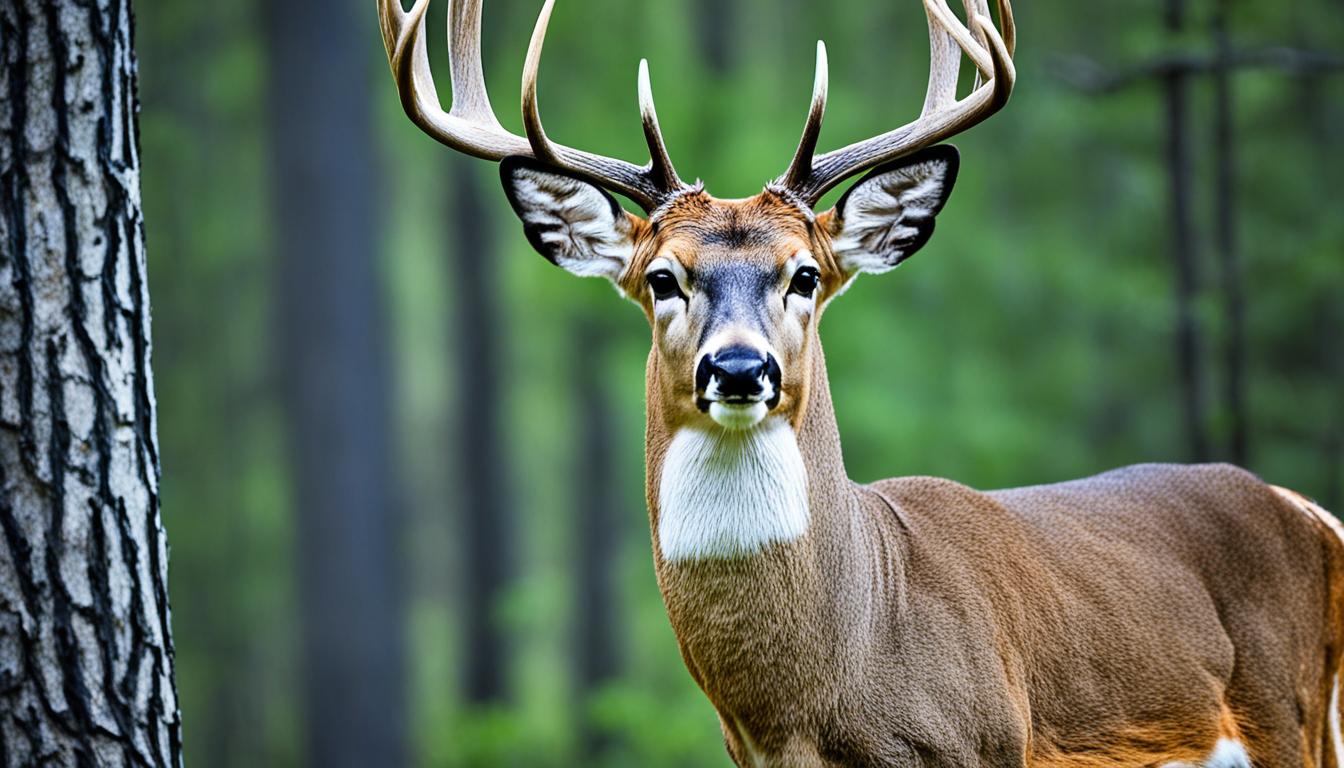
Exploring whitetail biology and their habits will help you hunt them better. You’ll learn how to use deer food plots and deer calling to improve your hunting. This journey will change how you hunt deer forever.
Ambush Hunting: The Most Common Whitetail Strategy
Ambush hunting is the top choice for whitetail hunters. Most hunters set up ambushes on or near farmland. They look for where deer like to eat, which changes often.
Scouting For Deer Feeding Areas
Deer eat many things like alfalfa, beechnuts, acorns, apples, and dogwood limbs. To hunt successfully, you need to know where they eat and move to find them.
Identifying Whitetail Bedding Areas
Deer sleep in places hard for predators to see, like marsh edges, briar patches, and creek bottoms. These spots are great for setting up an ambush.
Targeting Travel Corridors And Funnels
After finding where deer sleep and eat, look for their paths. Setting up ambushes along these paths can help you catch them off guard.
Learning Ambush Hunting can make you a better hunter, no matter your gear or where you hunt.
Still Hunting: The Art Of Stalking Whitetails
Stand hunting from high spots is common today, but still hunting, or stalking whitetails, is still a top choice. It’s a patient way to hunt that needs great woodsmanship skills. Hunters can get close to deer without them noticing.
Ideal Conditions For Still Hunting
Great days for still hunting are overcast and damp with little wind. These conditions help hide the hunter’s sounds and movements. Hunters use the land’s cover and shadows to move quietly through the deer’s home.
Essential Gear For Still Hunters
- Short-barreled firearm or compact bow for close-range shots
- Neutral-toned camouflage to blend into the surroundings
- Lightweight, quiet footwear that allows for a stealthy “fox walk”
Techniques For Successful Still Hunting
For successful still hunting, stay calm and focused. Use the “fox walk” to move quietly. Always be alert and use your senses to find deer before they see you. Patience and hard work are key, as you may walk a lot before seeing a deer.
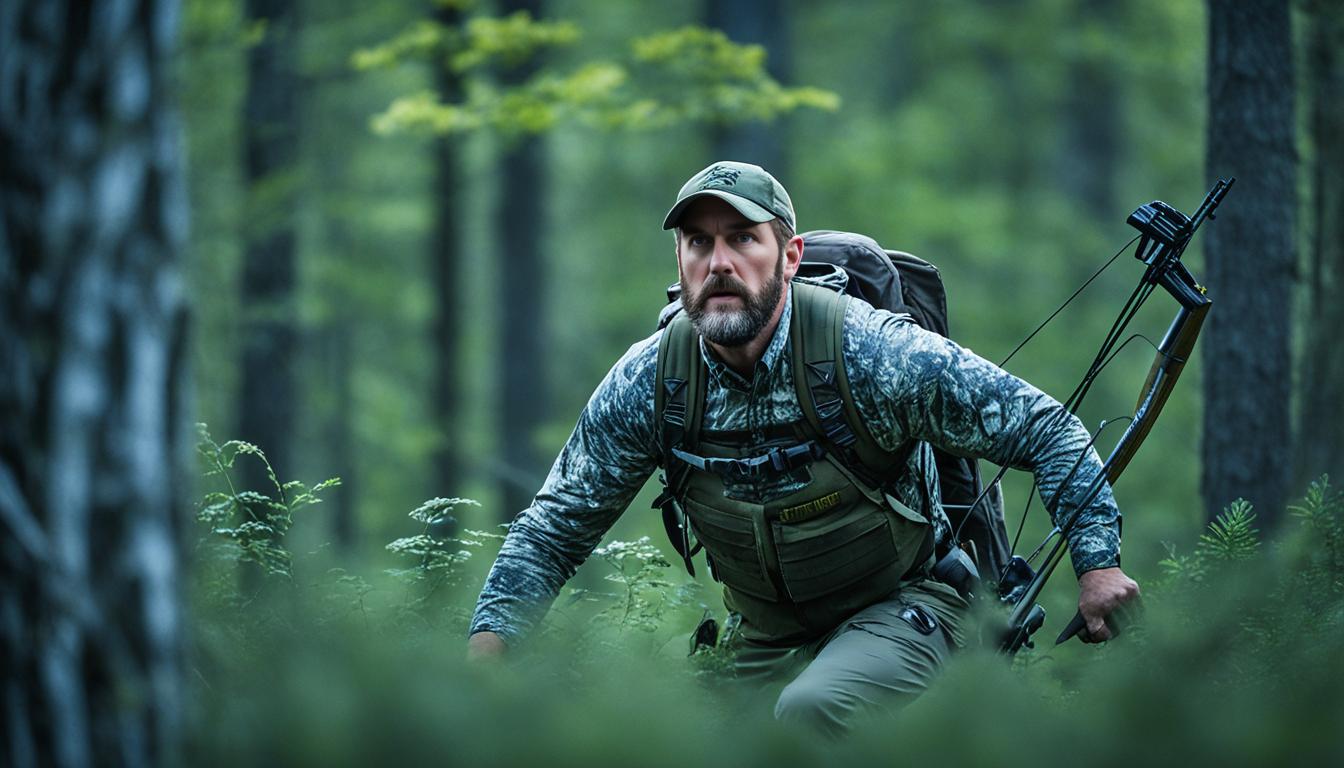
Stand hunting is popular, but still hunting is a special challenge. By knowing the best conditions, gear, and techniques, hunters can improve their chances of success in this traditional way of hunting deer.
Whitetail Deer: Behavior And Habitat
Whitetail deer are known for their amazing Whitetail Behavior. They have sharp senses that make them hard to spot. Hunters must be very careful to avoid them. These deer like to stay in thick, dense areas like marsh edges and creek bottoms.
Whitetails change what they eat all year. Hunters need to be flexible and watchful to find them. An adult whitetail deer eats about 5-7 lb of food daily. The amount they need changes with the seasons, especially for pregnant and nursing females, and males during the fall rut.
In spring, whitetail deer are most active at dawn and dusk, known as crepuscular. In summer, they move around more during the day. During the late autumn rut, they can be active at any time.
When it gets cold, deer leave their summer spots when snow is about 15 inches deep. They travel up to 12 miles to reach their winter spots, called “deer yards.” These places have lots of trees for protection from the cold.
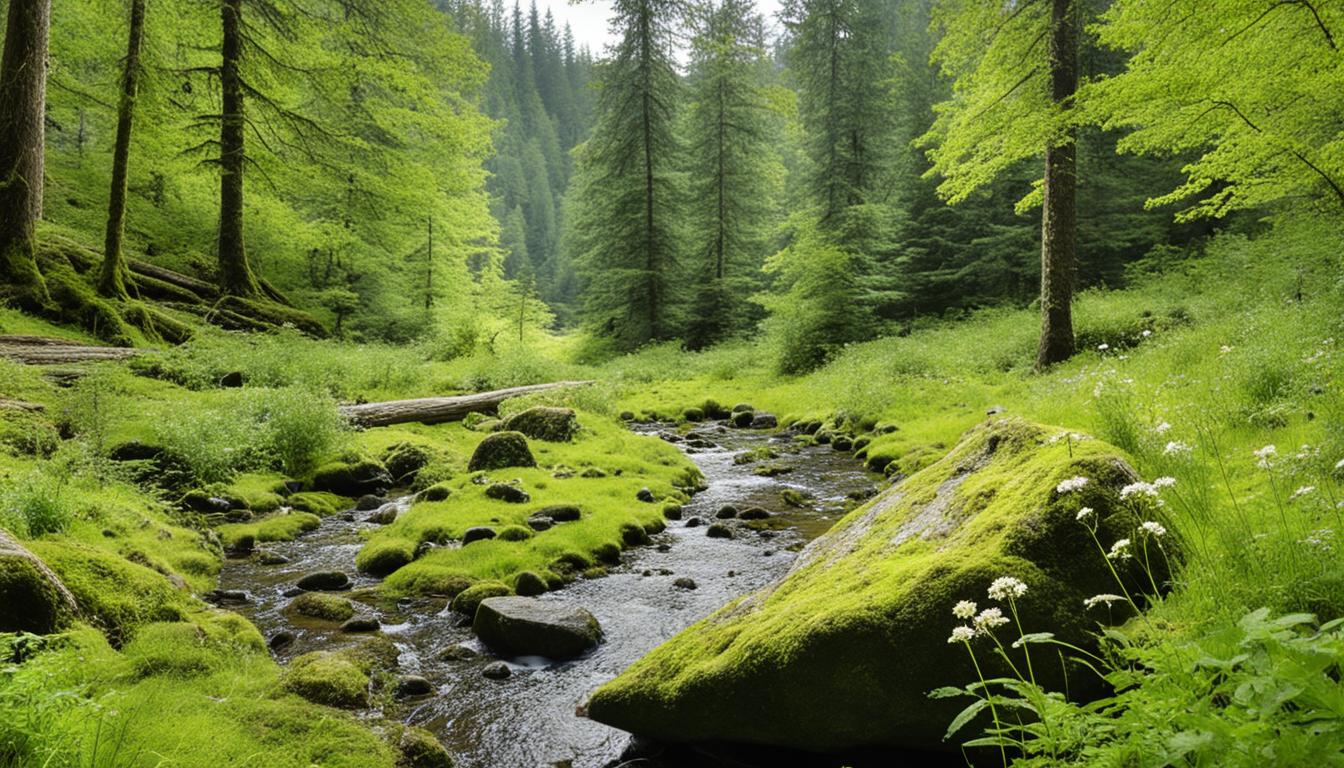
The breeding season, or rut, for white-tailed deer happens from late autumn to early winter, peaking around November 10th. Most fawns are born in late May or early June, weighing about 3-6 lb.
Morning Hunting: When And Where To Hunt Whitetails
Morning hunting is a great way to catch whitetail deer, especially during the rut. But, it’s important to know the best times and places to hunt. Understanding when and where to hunt in the morning can make a big difference in your success.
Optimal Morning Hunting Scenarios
The best times for morning hunting are when it’s cold and calm, with lots of open areas like hardwood forests. Make sure your stand is at least 200 yards away from where deer eat and sleep. This helps you get in and out without scaring them.
During the rut, hunting in the morning near where does and bucks sleep can be very successful. Bucks look for does in these spots, so you might catch them there.
When To Avoid Morning Hunts
Not all mornings are good for hunting. Hunting too much in the morning can make deer change their ways, making evening hunting less effective. Also, if you’re not careful getting in and out, you might scare away all the deer.
Knowing when and where to hunt in the morning can really help you succeed. The rut is a great time for morning hunting, so don’t miss out.
Stand Setup And Selection For Whitetail Hunting
Setting up your hunting stand correctly is key for whitetail hunting success. Whitetail deer have sharp senses, so using elevated stands is a must. These stands keep your scent and shape hidden from deer, making them less likely to notice you.
Look for stand spots in travel paths, funnels, and between feeding and resting areas. Think about wind direction, cover, and how well you can see when placing stands. Don’t skip a good spot just because the tree isn’t perfect. Use trees that are good enough, even if they’re not the best.
Don’t risk your safety when picking a tree for your stand. Using stands that fit different tree shapes helps you find the best spot. Remember, 93% of successful stand placement comes from understanding deer travel patterns and behavior. Watch for air currents, thermal patterns, and deer movement to guess where they’ll go and set up your stands.
Conclusion
In conclusion, understanding the behavior and habitat of whitetail deer is essential for any hunter looking to improve their skills and increase their success. By studying their biology, feeding habits, and movement patterns, hunters can better anticipate where and when to find deer.
Utilizing ambush hunting and still hunting techniques can offer unique challenges and rewards, with each method requiring specific gear and strategies to be effective.
Embark on your hunting journey with these insights, and you’ll find that the more you learn about whitetail deer, the more rewarding and fulfilling your hunts will become. Happy hunting!
]]>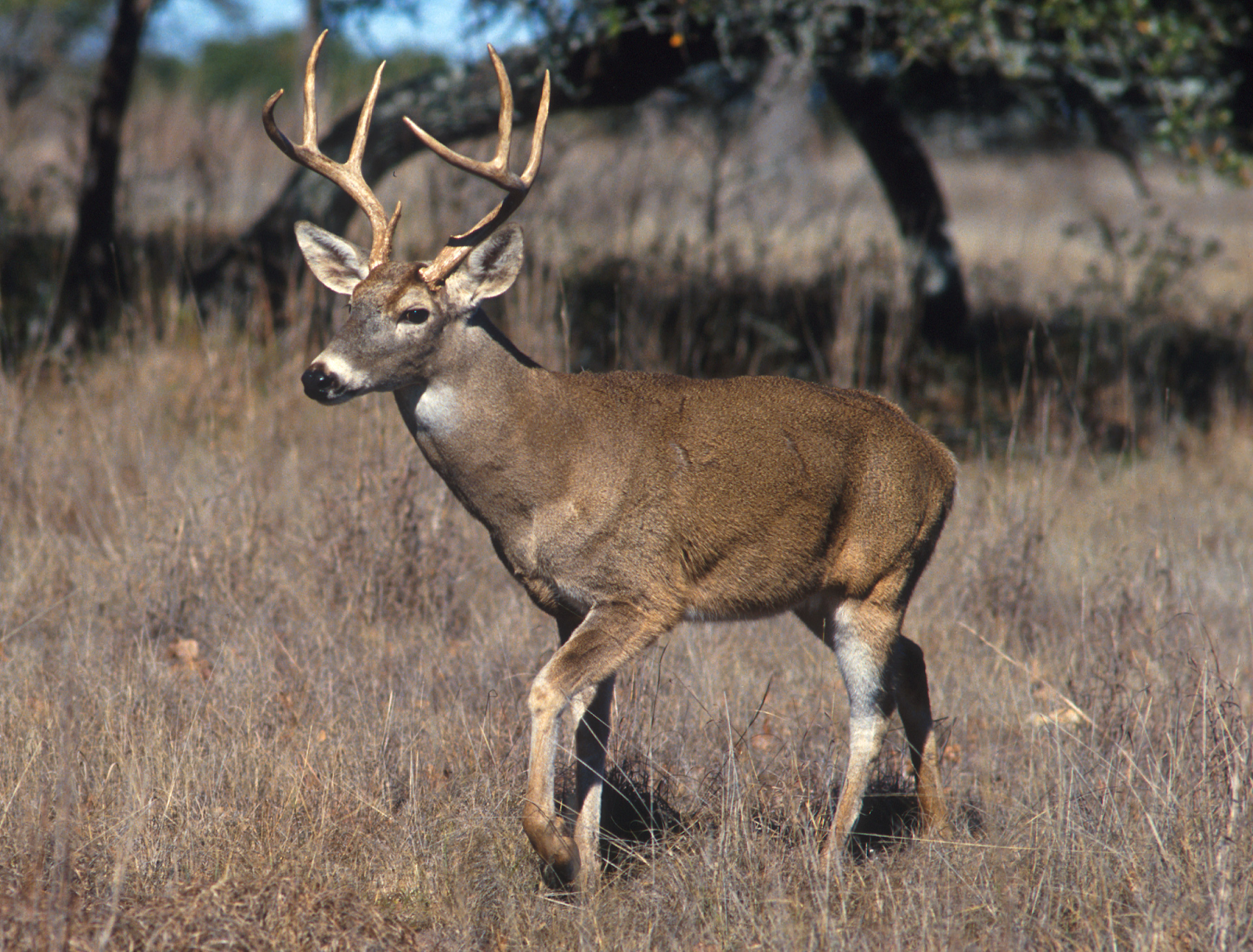
Deer
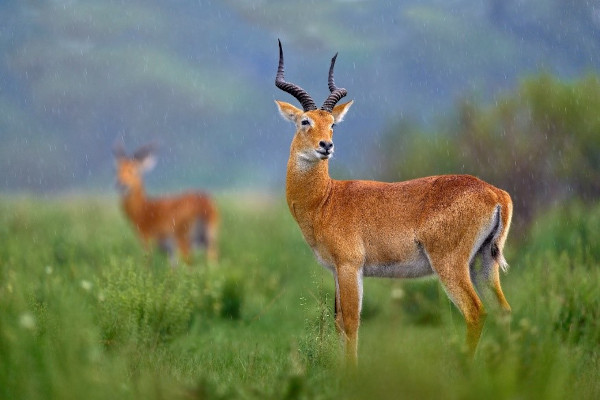
Antelope
Well let me enlighten you, Antelopes and deer are from different families. Antelopes belong to the Bovidae family, made up of sheep, goats and cattle; whereas deer are members of the Cervidae family, which includes muntjac, elk, red and fallow deer, reindeer, roe deer, and moose.
In this article, we are not going to talk about antelopes but we will be looking at some different species of deers, their taxonomy and classification and some endangered species.
Taxonomic Classification Of Deer
Family
Deer are in the family Cervidae, and in the family, there are two subfamilies.
Cervidae
The family Cervidae, commonly known as the deer family, encompasses a diverse group of hoofed ruminant mammals. Members of this family are characterized by their distinct features, including antlers (typically found only in males, with the exception of female reindeer) and a unique digestive system adapted for processing plant material. Deer are found in various habitats worldwide, from dense forests to open plains, showcasing their remarkable adaptability.
The Cervidae family is divided into two primary subfamilies Cervinae and Capreolinae, each comprising various species with unique traits and adaptations.
Subfamily Cervinae
- Cervinae, often referred to as the “Old World deer,” primarily inhabit Europe, Asia, and North Africa. This subfamily includes species such as:
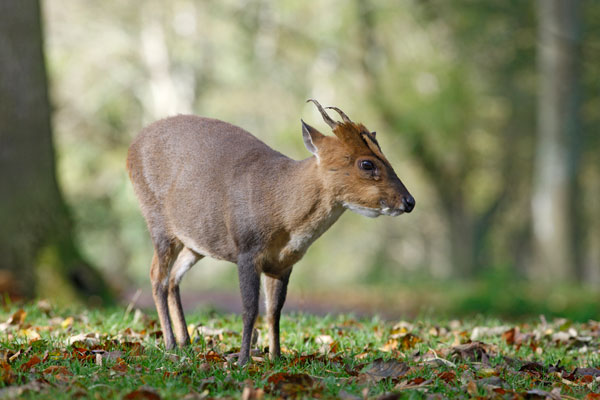
Muntjac: Small deer known for their barking calls and short, simple antlers.
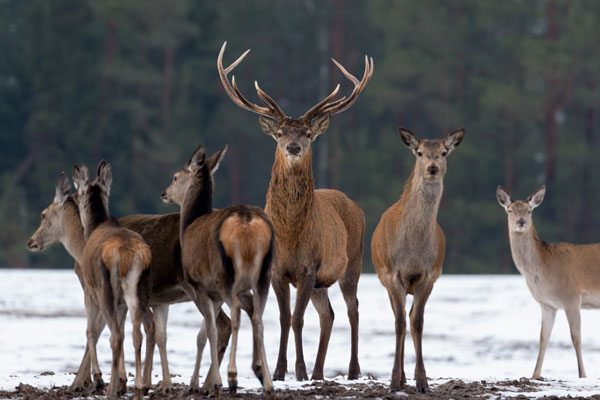
Elk (Red Deer): Large deer with impressive branching antlers, found in various regions including Europe and Asia.
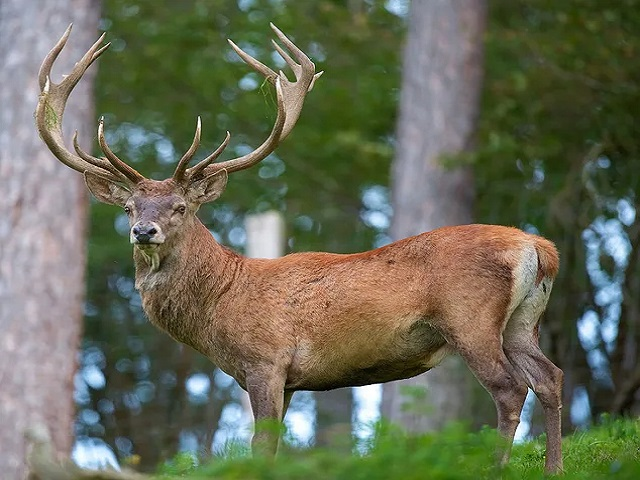
Red Deer: Known for their large size and reddish-brown coats, these deer are native to Europe, Asia, and parts of North Africa.
Fallow Deer: Recognizable by their palmate antlers and spotted coats, fallow deer are native to Europe and Asia Minor.

Subfamily Capreolinae
- Capreolinae, or the “New World deer,” primarily inhabit the Americas but also have species in Eurasia. This subfamily includes:
(Caribou): Known for their migratory behavior and both males and females having antlers, reindeer are found in Arctic and Subarctic regions.
White-tailed Deer: Common in North America, these deer are identified by the white underside of their tails, which they raise as a warning signal.
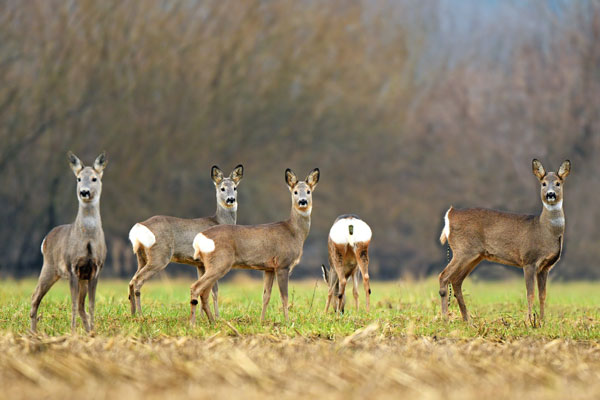
Roe Deer: Small and agile, roe deer are native to Europe and Asia, recognized by their short antlers and reddish gray-brown coats.
Moose: The largest members of the deer family, moose are known for their broad, palmate antlers and are found in the Northern Hemisphere.
Classification Criteria
Deer classification is based on a combination of morphological, genetic, and ecological factors. Key criteria used in the taxonomic classification of deer include:
Antler Structure and Growth Patterns
The presence, shape, and branching patterns of antlers are critical in distinguishing between species and subfamilies. For example, members of Cervinae typically have larger, more complex antlers compared to the simpler antlers of some Capreolinae species.
Geographical Distribution
The natural habitats and geographic ranges of deer species play a significant role in their classification. Cervinae species are generally found in the Old World regions (Europe, Asia, and North Africa), while Capreolinae species are more common in the New World (the Americas) and parts of Eurasia.
Behavioral and Ecological Adaptations
Differences in feeding behavior, migratory patterns, and habitat preferences also contribute to the classification of deer. For instance, reindeer are known for their extensive migrations, while species like the white-tailed deer have more localized home ranges.
Genetic Studies
Advances in genetic research have provided deeper insights into the evolutionary relationships between different deer species. Molecular phylogenetics helps in tracing lineage divergences and understanding the genetic diversity within the Cervidae family.
Detailed Species Information
A. Habitat
Deer are highly adaptable animals that inhabit a wide range of environments across the globe. Their habitats vary significantly depending on the species and their geographical distribution:
Forests: Many deer species, such as the red deer and roe deer, are commonly found in deciduous and coniferous forests. These environments provide ample cover from predators and a rich source of food, including leaves, twigs, and fruits.
Savannas and Grasslands: Species like the white-tailed deer often inhabit open grasslands and savannas where they can graze on a variety of grasses and herbs. The open landscape allows them to spot predators from a distance.
Tundra: Reindeer, also known as caribou, thrive in the harsh conditions of the Arctic tundra. These deer are well-adapted to cold climates, and their migratory behavior helps them find food across vast areas.
Mountains: Species such as the moose and sambar deer are found in mountainous regions. They are adapted to rugged terrain and often inhabit areas near water sources like rivers and lakes.
Tropical Rainforests: Muntjac deer are known to inhabit dense tropical rainforests in Asia. These forests provide a diverse diet and protection from predators.
B. Behavior
Deer exhibit a range of behaviors that help them survive and thrive in their respective environments:
Feeding: Most deer are herbivorous, feeding on a diet of leaves, grasses, fruits, and bark. Their feeding patterns can vary from grazing in open fields to browsing in forests.
Social Structure: Social behavior in deer varies by species. Some, like the white-tailed deer, are often solitary or live in small family groups, while others, like the reindeer, form large herds, especially during migration.
Migration: Reindeer are known for their long migratory journeys, traveling hundreds of miles between their summer and winter ranges. This migration is driven by the search for food and favorable breeding conditions.
Reproduction: The mating season, or rut, typically occurs in the fall. During this time, males engage in combat to win the right to mate with females. Gestation periods vary by species, with most deer giving birth in the spring.
Communication: Deer use a variety of vocalizations, body language, and scent markings to communicate. For example, fawns bleat to call their mothers, and bucks use grunts and roars during the rut to establish dominance.
C. Biology
The biological traits of deer are adapted to their lifestyles and environments:
Digestive System: Deer are ruminants, meaning they have a complex stomach with multiple chambers to help break down tough plant material. This adaptation allows them to extract maximum nutrients from their diet.
Antlers: One of the most distinctive features of deer, antlers are grown and shed annually by males (except for female reindeer). Antlers are used for combat during the rut and can also serve as a display to attract females.
Senses: Deer have keen senses that help them detect predators. They have excellent hearing and a wide field of vision. Their sense of smell is also highly developed, allowing them to detect danger from a distance.
Physical Adaptations: Deer have strong, agile bodies built for running and jumping. This agility helps them escape predators. Their hooves are adapted to various terrains, providing stability and traction.
D. Appearance
Deer exhibit a wide range of physical appearances that are adapted to their environments:
Size: Deer sizes vary significantly among species. The small muntjac may weigh as little as 15 kg (33 lbs), while the large moose can weigh up to 700 kg (1540 lbs).
Coloration: Coat color varies by species and season. Many deer have reddish-brown coats in summer that change to grayish or darker tones in winter. This seasonal change helps them blend into their environments.
Antlers: The shape and size of antlers differ among species. Elk have large, sweeping antlers, while roe deer have smaller, simpler ones. The size and complexity of antlers often indicate the health and age of the deer.
Markings: Some deer species have distinctive markings. For example, the white-tailed deer has a characteristic white underside to its tail, which it raises when alarmed. Fallow deer are known for their spotted coats.
Endangered Deer Species
Over the years, the activities of Humans such as migration, infrastructure development, overhunting for food and other things has led to the demise of some species of deers. Today we have some species of deers that are endangered and if care is not taken, they will go extinct in 5 years.
A. Overview Of Endangered Species
Several deer species around the world face significant threats that have led to their endangered status. These threats include habitat loss, poaching, climate change, and human-wildlife conflict. Some of the most notable endangered deer species include:
Père David’s Deer (Elaphurus davidianus): Once native to the subtropical marshlands of China, this species was nearly driven to extinction in the wild due to habitat destruction and overhunting. Today, it survives primarily in captivity and through reintroduction efforts.

Philippine Spotted Deer (Rusa alfredi): Found only in the Philippines, this deer is critically endangered due to habitat loss from deforestation and hunting. Its population continues to decline despite conservation efforts.

Bactrian Deer (Cervus elaphus bactrianus): Native to Central Asia, the Bactrian deer faces threats from habitat fragmentation and poaching. It is classified as vulnerable, with decreasing population numbers.

Bawean Deer (Axis kuhlii): Endemic to Bawean Island in Indonesia, this small deer species is critically endangered due to its limited range and ongoing habitat degradation.

Kashmir Stag (Cervus elaphus hanglu): Also known as the Hangul, this species is found in the dense riverine forests of Kashmir in India. It is critically endangered due to habitat loss, poaching, and competition with livestock.
With this I fear that the next generations to come will not get to know about some of these Graceful Wanderers walking the face of the earth, let us all make it our duty to protect these wonderful creatures. We will be looking at conservation in my next article so stay tuned.
The Bottom Line
In conclusion, deer are a diverse and captivating group of animals that play vital roles in their ecosystems and hold significant cultural value. By deepening our understanding of their classification, behavior, and habitats, we can better appreciate the complexity and beauty of these graceful wanderers.
]]>These herbivores have unique traits and behaviors. Learning about their differences therefore helps us understand nature and how to protect them.
Physical Differences Between Male and Female Deer
Size Disparity
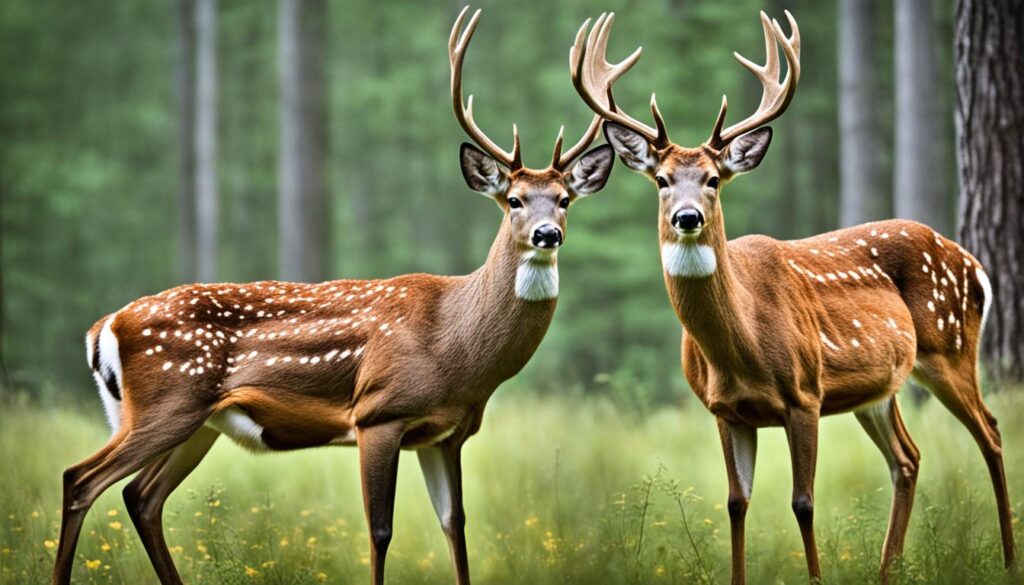
Male and female deer show clear size differences. White-tailed deer, for example, have distinct looks based on their sex. Generally, bucks are about 20% bigger than doe (s). They weigh between 100 and 300 pounds, while a doe can weigh between 85 and 130 pounds.
Adult white-tailed bucks weigh 120–160 pounds while their female counterparts weigh 80–120 pounds. It is interesting to note that newborn fawns weigh around 4–6 pounds and can walk right after birth!
Due to their size, bucks have a bigger home area than doe (s), ranging from 1–4 square miles. A single bed often belongs to a buck, while many beds mean doe (s) are present.
When it comes to tracks, bucks drag their feet, making less ordered tracks. Doe (s), however, lift their feet, leaving a pointed track.
The behavior of the female vs male deer also sets them apart. Bucks lead in finding food, scouting the area before grazing while doe (s) and young bucks follow them.
Unlike doe (s) bucks urinate while walking, leaving a scattered trail of signs as they move. Doe (s) squat to urinate, leaving clear signs.
Female Vs Male Deer: The Distinctive Antlers
Male and female deer are easily told apart by the presence of antlers. However, in some species like the reindeer, both males and females have antlers.
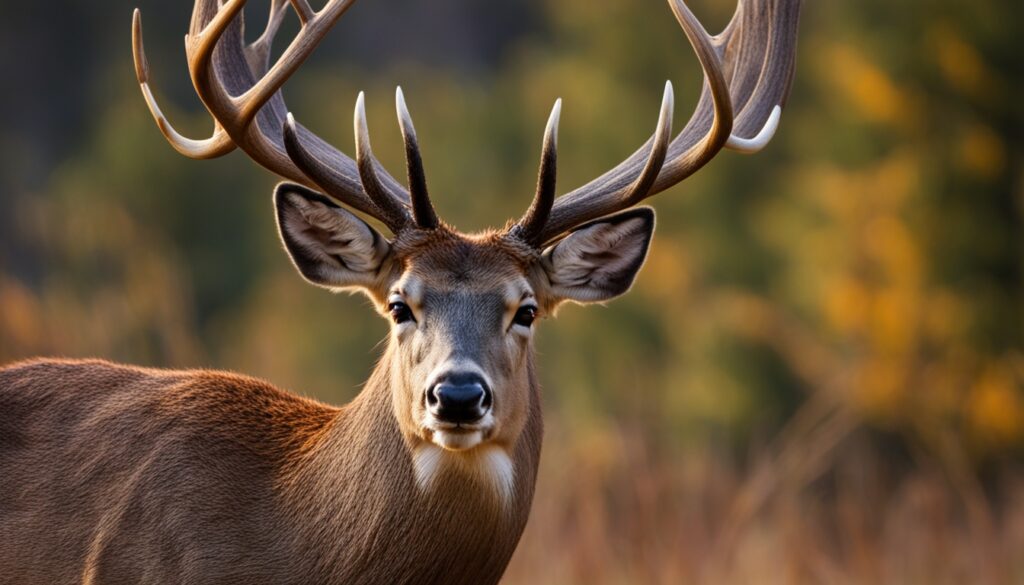
Male white-tailed deer grow big antlers in the warm months. These antlers usually start covered in soft, velvety skin, which peels off later.
Some female deer also have antlers, but they are smaller and not as strong as the males’. This is because males have more testosterone, which helps their antlers grow big.
Consider the following facts about deer antlers;
- Only male deer have fully developed antlers, showing a clear difference between the sexes.
- Antlers can show a deer’s age and strength, helping to set a pecking order among males.
- Antler size often matches the deer’s overall size, linking size to dominance in males.
- During mating season, males use their antlers to threaten and establish their place in the group.
Antlers are mainly used by bucks for fighting and attracting doe (s). Antler fights can be dangerous, sometimes causing serious injuries or death. However, for the doe, the size of the antler shows a buck’s quality which affects which buck it (a doe) will choose to mate with.
Mating Behaviors: Female vs Male deer
Female and male deer show different mating behaviors and have an annual rut season. During this season, which is mostly in the fall, bucks compete for dominance and mating rights therefore becoming more aggressive.
Doe (s) on the other hand, focus on teaching their young (fawns) important survival skills from around 4 weeks old. The rut season is key especially for the whitetail, mule, red, and fallow deer.
The Rut and Mating Behaviors
Male deer, or bucks, have special behaviors during the rut. These special behaviors are exhibited to show they’re the best and get mating chances.
Male deer behaviors include:
- Aggressive posturing and antler-to-antler combat with other males
- Marking their territory with scent from their forehead glands
- Emitting grunts, snorts, and other vocalizations to attract females
- Closely following and courting receptive does
Female deer, or does, act differently during the rut. They stay in their areas and wait for the top males (those who are successful in securing a harem of females) When a doe is ready, mating is fast, lasting just a few seconds.
After about 200 days of pregnancy, doe (s) give birth to one or two fawns in the spring. The fawns learn survival skills from their mothers which helps keep the deer population going.
Mothering Instincts; Female Deer
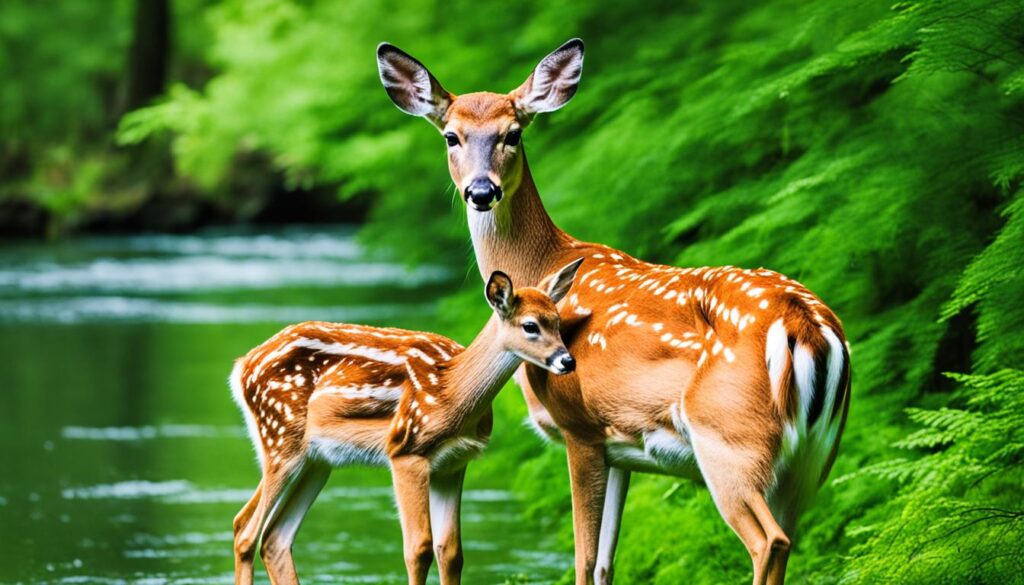
Female deer, or does, are known for their amazing mothering skills. When you see a deer with one or more fawns, it’s likely a doe taking care of her babies. She teaches them how to find food, which is key for their survival and growth.
The bond between a doe and her fawns is incredibly strong. She will protect her young with all her might, even risking her own safety. She shows them where to eat, helping them learn to find the food they need to grow strong.
Here are some interesting facts about the deer and the rut season;
- Most doe (s) breed in a single week
- Bucks can lose approximately a third of their weight after a month of mating.
- Deer penises have been used in traditional medicine since ancient Greek times to relieve men’s impotence.
- DNA tests on twins and triplets frequently confirm that one doe can mate with multiple males.
Taking Care of The Fawns
Fawns are born in the spring, often on stormy nights. Doe (s) keep their babies safe and feed them. Deer milk is special, with lots of fat and protein to help their babies grow strong.
The care that female deer give their fawns is vital for their survival. Threats like bears, bobcats, and coyotes are always there, and the does’ watchfulness and guidance help their young stay safe.
Deer Species Variations
The deer species around the world can be split into two main groups: Old World deer (Cervinae) and New World deer (Capreolinae). Old World deer, like the red deer and fallow deer, live mainly in Europe, Asia, and North Africa. New World deer, including the white-tailed deer and mule deer, are mostly in North and South America.
It is worth noting that each species has its own unique look and behavior, just like the differences between males and females in the same species.
For example, male red deer, or stags, are much bigger than females, called hinds. The same is true for Eurasian fallow deer, where males, or bucks, are much larger than females, or does. These size differences often lead to different mating behaviors and social structures within each deer species.
Deer have been important in human cultures for a long time. People have hunted and farmed deer for their antlers in many places. The diversity of deer species shows how adaptable and resilient they are.
On deer species variations, the following are worthy of note;
- Male deer of almost all species (except the water deer) and female reindeer grow and shed new antlers each year.
- Deer hunting has been popular since the Middle Ages and remains a resource for many families.
- Male red deer is a stag, while other large species may have a male called a bull and a female called a cow.
- The highest concentration of large deer species in temperate North America is in the Canadian Rocky Mountain and Columbia Mountain regions.
Conclusion
Understanding the differences between female and male deer is key to observing and identifying them in the wild. This knowledge will also help you appreciate deer more.
If you love wildlife, photography, or just being outdoors, knowing about deer can make your experiences better. When you’re out watching deer, look for clues that show if they’re male or female. Spotting these unique traits can help deepen your connection with nature.
]]>