Forest dwelling deer are some of the most fascinating and elusive creatures in the wild. They move with silent precision through thick woodlands, relying on instincts and adaptations that have kept them alive for centuries. To the untrained eye, these animals might seem predictable. But any hunter knows the moment you underestimate a forest dwelling deer, it vanishes like smoke into the trees.
Have you ever wondered how deer always seem to know you’re there even before you make a sound? That’s because forest dwelling deer are masters of survival. They blend in, sense danger before it arrives, and adapt to every season of the year.
In this post, we’ll uncover the 7 survival secrets of forest dwelling deer. These insights will not only help you appreciate the intelligence of these woodland survivors but also give hunters a valuable edge in the field.
Secret 1: Mastering Camouflage in Dense Forests
The first survival advantage of a forest dwelling deer is its natural camouflage. Their coats change with the seasons, allowing them to vanish into the forest background:
- Summer coats: Reddish-brown fur blends with leaves and undergrowth.
- Winter coats: Grayish hues match bare trees and snow.
A forest dwelling deer doesn’t just rely on color. It freezes and stays still, becoming part of the forest itself. Sometimes, a hunter may sit for hours within 30 yards of a deer without realizing it’s there. Their ability to merge into shadows makes them nearly invisible.
For hunters, success means spotting movement, not shapes. Train your eyes to detect small, subtle motions: the flick of an ear, the rise and fall of a chest, or the twitch of a tail.
Pro tip: Next time you’re glassing a woodlot, look for movement rather than silhouettes. In the forest, stillness is often the deer’s strongest weapon.
Secret 2: Acute Senses – Hearing, Smell, and Sight
The second survival secret of forest dwelling deer is their extraordinary senses. These animals are built to detect danger long before it arrives.
- Hearing: Their ears swivel like radar dishes, picking up faint rustles or the snap of a twig. Hunters often underestimate just how quiet they must be.
- Smell: A forest dwelling deer can detect human scent from hundreds of yards away, sometimes hours after you’ve passed through.
- Sight: While deer don’t see colors the way humans do, they excel at detecting movement, especially in low-light conditions at dawn and dusk.
For hunters, this creates both a challenge and an opportunity. Success depends on working with the deer’s senses rather than against them. Check the wind before you head out, wear scent-control gear, and minimize unnecessary noise.
Imagine this: you’ve scouted a prime feeding area. The wind is wrong, and your scent drifts straight toward it. Without ever seeing you, every forest dwelling deer in that patch will know you’re there. That’s the power of their senses.
Secret 3: Strategic Feeding Patterns
A forest dwelling deer doesn’t feed randomly, it eats with strategy and caution.
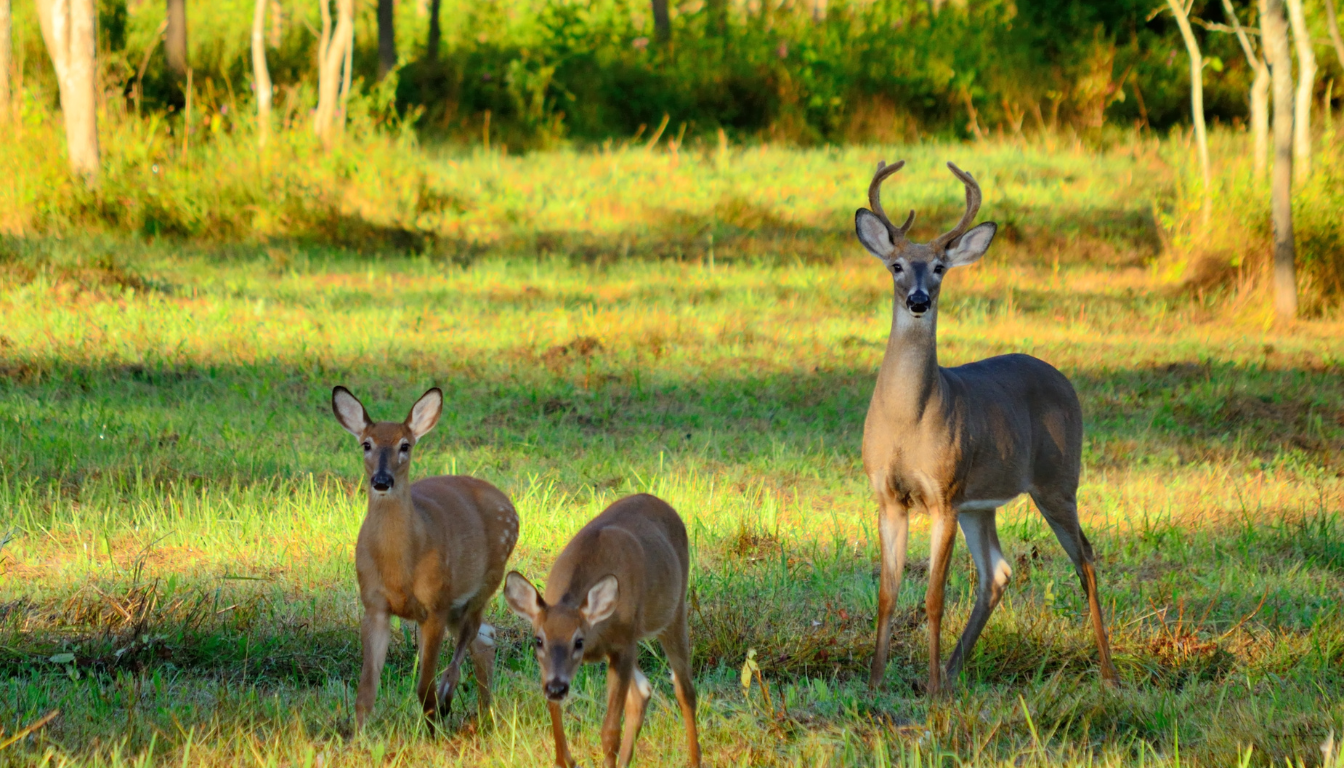
- Timing: Deer are crepuscular, meaning they feed most actively at dawn and dusk. These times reduce risk because predators are less effective in low light.
- Diet shifts: In summer, deer prefer fresh greens, while in autumn they gorge on acorns and crops to build fat reserves. Winter diets are leaner, woody browse, bark, and fungi sustain them when food is scarce.
- Location: Forest dwelling deer rarely feed in wide-open areas unless they feel safe. They stick to forest edges or areas close to cover for a quick escape.
Hunters who pay attention to seasonal food sources can predict movement. For instance, when acorns drop in early fall, deer abandon fields to feast in oak groves. Knowing this helps you position yourself where the deer will be, not just where they were.
Secret 4: Navigating with Memory and Mapping
A forest dwelling deer isn’t a wanderer, it’s a strategist with a mental map of the forest. This map includes:
- Safe bedding areas
- Water sources
- Feeding zones
- Trusted escape routes
Deer remember danger zones. If they survive an encounter in one spot, they may avoid it for weeks or shift to a safer route. This memory is why hunters often notice trails worn smooth in certain areas while others remain unused.
For hunters, understanding this “mental map” is critical. Rub lines, scrapes, and deer trails are clues to their preferred routes. Study these, and you’re essentially reading the diary of a forest dwelling deer.
Pro tip: If you spook a deer in one area, give it a week or two before returning. Their memory is sharp, and they won’t risk danger twice in quick succession.
Secret 5: Stealth and Silence in Movement
A forest dwelling deer moves with incredible stealth. Their hooves and muscles are designed for quiet movement, allowing them to slip through forests without breaking the silence.
They pause frequently, scanning and listening before moving again. This stop-and-go pattern makes it hard for predators or hunters to track them.
For hunters, the lesson is clear: mimic the deer. Move slowly, pause often, and always watch where you step. A snapped twig may seem minor, but to a deer, it’s an alarm bell.
Picture this: You’re easing through a thicket, taking one step every 20 seconds. You pause, listen, then move again. This rhythm mirrors the caution of a forest dwelling deer and drastically increases your chances of going undetected.
Secret 6: Group Dynamics and Alert Systems
A single forest dwelling deer is cautious, but a group is nearly impossible to fool. Deer especially does and fawns often move in small groups for safety.
They communicate with subtle signals:
- Tail flicks show alertness.
- Foot stomps warn of potential danger.
- Snorts trigger group flight.
One alert deer can ruin a hunt. If the lead stomps and snorts, the entire group may bolt, and even nearby deer could be alerted.
Hunters must watch carefully for body language. A raised tail or stomping hoof is your warning sign you’ve been noticed. Freeze, stay still, and you may avoid a full alarm.
Secret 7: Seasonal Adaptations and Survival Strategies
The final secret of the forest dwelling deer is how it adapts to the seasons. These strategies ensure survival year-round:
- Winter: Energy conservation is vital. Deer reduce movement, seek sheltered bedding areas, and rely on fat reserves.
- Antler cycles: Bucks grow antlers for dominance during the rut, then shed them afterward to conserve strength.
- Range shifts: In times of scarcity, deer may migrate short distances to find better cover and food.
For hunters, timing is everything. The rut offers the best opportunities to hunt mature bucks because their guard drops. In winter, focusing on food sources or thick bedding areas pays off.
Pro tip: Study your hunting grounds year-round. Each season tells a different story about where forest dwelling deer will be.
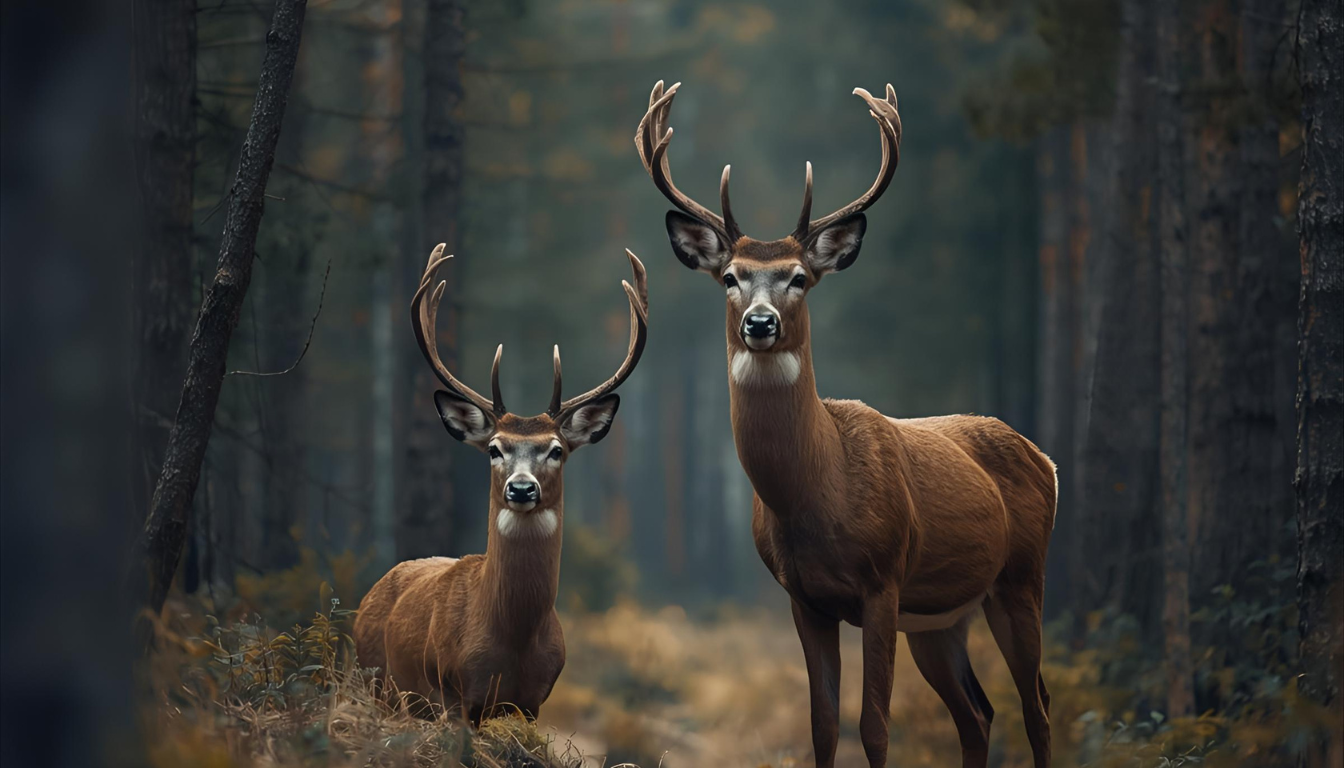
The forest dwelling deer is one of nature’s greatest survivalists. From camouflage and sharp senses to memory, stealth, group dynamics, and seasonal adaptability, these animals demonstrate intelligence and resilience that every hunter must respect.
Conclusion
For hunters, understanding these survival secrets is more than just strategy, it’s about entering the woods with knowledge, patience, and a deeper appreciation for the quarry you pursue. The forest dwelling deer is not only a challenge; it’s a teacher.
So the next time you step into the woods, remember you’re not just chasing a trophy. You’re entering the carefully balanced world of a master survivor. Approach it with respect, preparation, and skill, and your chances of success rise dramatically.
If you found these insights valuable, share them with your hunting buddies. The more we understand forest dwelling deer, the more rewarding every trip into the wild becomes.
Table of Contents
Table of Contents
Have you ever stepped into your garden, eager to admire tall, golden sunflowers, only to discover half-eaten leaves, snapped stems, and scattered petals on the ground?
It’s a sight that can leave any gardener discouraged, and you’re not alone. Across the world, deer are responsible for millions of dollars in crop and garden losses every year, and sunflowers remain one of their favorite treats.
But here’s the good news: you don’t have to lose the battle. Whether you grow sunflowers for beauty, joy, or income, there are proven, humane strategies that can protect them.to learn more about sunflower protection, read more here.
In this guide, we’ll explore exactly how to keep deer away from sunflowers from simple fencing solutions from fencing to natural repellents and smart garden design. By the end, you’ll be equipped with practical tools to safeguard your blooms and enjoy a thriving, deer-free garden.
Why Deer Love Sunflowers
Nutritional Attraction
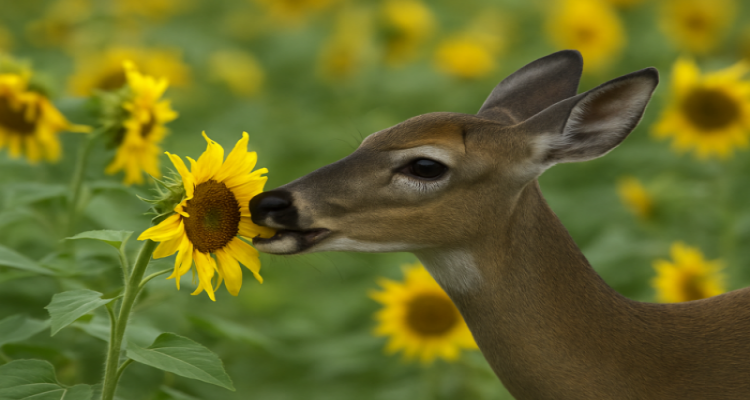
One of the main reasons gardeners and farmers search for how to keep deer away from sunflowers is because the plants are highly nutritious.
Deer find almost every part of the sunflower appealing. Young leaves are tender and packed with water, stems provide moisture and roughage, and the seeds are rich in protein and healthy fats. For deer, a sunflower patch is not just attractive, it is a complete meal.
Easy Access in Open Spaces
Beyond nutrition, sunflowers are often planted in open, sunny areas, which makes them easy targets. Deer prefer wide spaces where they can graze while keeping an eye out for predators.
The height and bright yellow heads of sunflowers act like a natural signal, guiding deer straight to them. Whether it’s a small backyard garden or a large field, sunflowers are difficult for deer to resist once discovered, which is why learning how to keep deer away from sunflowers is so important.
A Global Challenge
Understanding why deer love sunflowers also highlights the global nature of this challenge. In North America, white-tailed deer cause widespread crop damage. In Europe, roe deer frequently graze on ornamental sunflowers.
Across parts of Africa and Asia, related wildlife like antelope and chital often target these flowers in both home gardens and farms. For growers and gardeners worldwide, knowing the reasons behind this attraction is the first step toward prevention.
Physical Barriers That Actually Work
Fencing Solutions
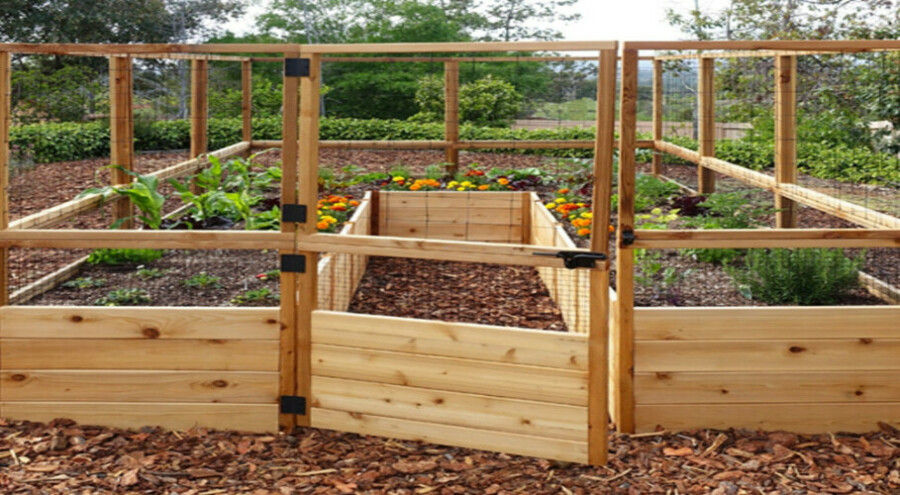
When it comes to how to keep deer away from sunflowers, fencing remains the most reliable method. Deer are excellent jumpers, so a fence should be at least 7–8 feet tall to be effective.
For professional growers managing larger plots, investing in durable fencing can prevent costly losses. Casual gardeners, however, can use affordable DIY options like wire mesh, bamboo poles, or wooden stakes to create protective barriers around smaller sunflower beds.
Netting and Cages
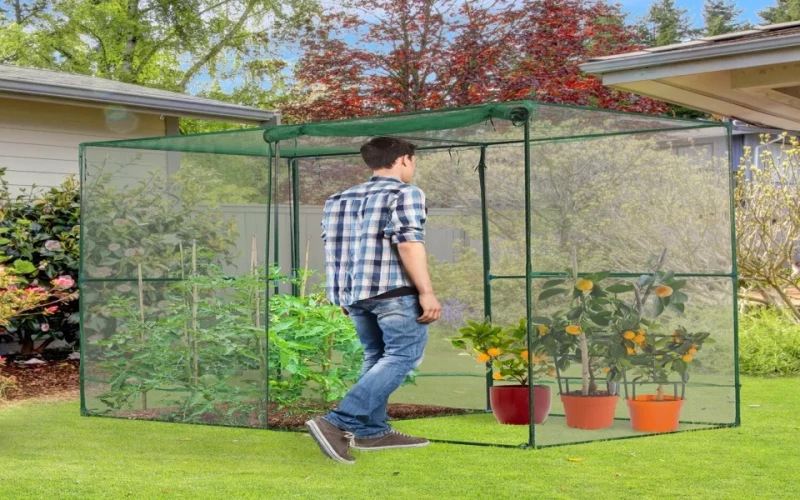
For home gardens and small-scale flower plots, netting and plant cages offer effective protection. Lightweight mesh or garden fabric are practical solutions for how to keep deer away from sunflowers during early growth to keeping deer from nibbling on tender leaves.
Individual cages around each plant are also practical, especially during the early growth stages when sunflowers are most vulnerable.
Motion-Activated Deterrents
Technology adds extra protection with motion-activated sprinklers and lights. The sudden burst of water or light startles deer, making them avoid the area. Though costly upfront, these systems offer effective, low-maintenance defense for larger gardens and farms.”
By combining tall fences, cost-effective DIY barriers, and innovative motion technology, both casual gardeners and professional flower growers can successfully reduce deer damage and protect their sunflower crops.
Repellents and Scents That Deter Deer
Commercial Repellents
One of the most practical ways to address how to keep deer away from sunflowers is by using commercial deer repellent sprays. Brands such as Liquid Fence or Plantskydd coat plants with smells and tastes that deer naturally dislike.
These products are safe for both plants and humans, making them suitable for casual gardeners and professional flower growers. For best results, apply regularly and reapply after rainfall.
DIY Natural Repellents
If store-bought options aren’t available, homemade solutions can be just as effective. A simple garlic and chili spray creates a strong odor and taste that discourages deer from feeding on sunflowers.
Shavings of soap hung on sticks around the garden or scattered human and pet hair can also act as natural deterrents. These methods are cost-effective and especially useful for home gardeners looking for quick fixes.
Rotating Scents for Effectiveness
Deer are intelligent animals that can adapt to consistent smells. Discover which smells deer like by visisting this link.
To maintain success, rotate between different repellents every few weeks. Alternating between commercial sprays, garlic solutions, and other strong scents prevents deer from becoming accustomed to one method.
By incorporating repellents — whether commercial or homemade — alongside physical barriers, growers and gardeners can greatly improve their chances of keeping sunflowers safe from browsing deer.
Companion Planting and Garden Design
Deer-Resistant Plants as Natural Protectors
A smart approach to how to keep deer away from sunflowers is by using companion planting. Certain flowers and herbs are naturally unappealing to deer due to their strong scents or bitter taste. Lavender, rosemary, marigolds, daffodils, and lantana are excellent choices.
By surrounding sunflower beds with these plants, both home gardeners and professional growers create a natural barrier that makes deer think twice before entering.
Creating Protective Borders
Strategic garden design also plays a key role. Planting a protective border of deer-resistant plants around sunflower plots reduces visibility and accessibility.
For small backyard gardens, planting sunflowers closer to the house or along pathways increases human activity, which further discourages deer. Farmers managing larger fields can implement hedgerows or mixed-plant borders that not only repel deer but also improve biodiversity.
Mixing Crops for Disguise
Deer often target fields that are easy to recognize. Mixing sunflowers with other crops or intercropping them with vegetables and herbs makes it harder for deer to single them out. This
method is especially useful for small-scale farmers who want to protect their yields without investing in expensive fencing or repellents.
Through thoughtful companion planting and strategic design, both casual gardeners and professional growers can significantly reduce deer pressure while maintaining a healthy, attractive sunflower garden.
Seasonal and Practical Strategies
Protecting Young Sunflower Seedlings
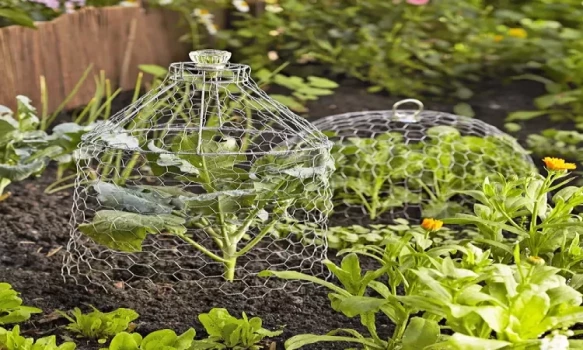
Seedlings are the most vulnerable stage when keeping deer away from sunflowers. Protect young, tender plants with cages, cloches, or netting until stems toughen. Gardeners can cover individual plants, while farmers may use row covers for efficiency.
Seasonal Planting Adjustments
Timing your planting can also reduce deer damage. In some regions, planting sunflowers earlier in the season allows them to establish strong stems before deer feeding peaks in late summer. In areas with high deer populations, staggering planting times spreads out the risk, ensuring not all sunflowers are exposed at once.
Location Matters
Deer are less likely to approach areas with frequent human activity. Planting sunflowers near homes, walkways, or farm structures can act as a natural deterrent. For professional growers managing larger plots, positioning sunflowers closer to other high-maintenance crops increases monitoring and reduces deer intrusion.
Community Solutions
For farmers in rural or semi-rural areas, community-based efforts such as shared fencing or coordinated planting schedules can greatly reduce losses. By working together, neighbors can discourage deer from targeting specific areas repeatedly.
Implementing these seasonal and practical adjustments helps both gardeners and professional flower growers create long-term strategies for protecting sunflowers from deer damage.
Conclusion
Deer may be clever, but your sunflowers can thrive when you stay one step ahead. You’ve learned proven strategies on how to keep deer away from sunflowers, but the real secret to lasting success is consistency and fresh knowledge each season.
By subscribing, you’ll get expert tips, timely reminders, and simple solutions delivered straight to your inbox so you never have to face garden threats unprepared. Don’t let all your hard work go to waste. Subscribe today and give your sunflowers the protection they deserve.
FAQs
1. Why do deer eat sunflowers?
Deer are attracted to sunflowers because of their tender leaves, nutrient-rich seeds, and the fact that sunflowers often grow in open, accessible spaces. This makes them an easy and tasty snack for wildlife.
2. What is the most effective way to keep deer away from sunflowers?
The most effective solution is combining methods — such as installing tall fences, using natural repellents, and planting deer-resistant companion plants. A multi-layered approach works better than relying on one method alone.
3. Can natural repellents really stop deer from eating sunflowers?
Yes. Scents like garlic, chili, and commercial deer repellents create an unpleasant smell or taste that discourages deer. However, they may need to be reapplied after rain or over time for continued effectiveness.
4. Are motion-activated devices worth it for protecting sunflowers?
Absolutely. Motion-activated sprinklers and lights can scare deer away effectively, especially in larger gardens or farms. They are a smart investment if deer pressure is high in your area.
5. Do these deer-control methods work globally or only in certain regions?
These strategies work worldwide, from North America to Africa, because deer and similar wildlife share the same feeding behaviors. The key is adapting the methods to local conditions and resources.


Deer hunting is both a skill and a challenge. Success comes from understanding the behavior of deer, including their feeding habits. What makes them tick?
What do they seek out for nourishment? Knowing the answers to these questions gives you a major advantage. Food sources play a key role in attracting deer, whether through natural foraging, food plots, or baiting.
By understanding what deer crave the most, you can effectively draw them in and increase your chances of harvesting a trophy buck.
Corn: The Classic Deer Food
Corn has long been a staple choice for deer hunters. It is widely available, easy to use, and highly attractive to deer. However, while corn is effective, it has its pros and cons.
Nutritional Value of Corn for Deer
Corn is an excellent source of carbohydrates, which provide deer with much-needed energy. This is especially critical during the colder months when deer burn more calories to stay warm.
However, corn lacks essential proteins, fats, and minerals needed for overall health. While it serves as a great supplemental food source, it should not be relied upon exclusively.
Best Ways to Use Corn for Deer Hunting
There are several effective ways to use corn to attract deer:
- Scattering: Spreading corn across the ground encourages deer to forage naturally, keeping them in the area longer.
- Feeders: Automatic or gravity feeders dispense corn at scheduled intervals, creating a consistent feeding pattern.
- Corn Piles: Simple yet effective, placing piles of corn in strategic locations can quickly draw in deer.
Before using corn as bait, always check your local hunting regulations to ensure compliance.

Acorns: Nature’s Deer Magnet
Acorns are a primary deer food , especially during the fall when they drop from oak trees. They are high in fats, proteins, and essential nutrients, making them an ideal natural attractant.
Types of Acorns and Deer Preference
Not all acorns are equal in a deer’s eyes. There are two main types:
- White Oak Acorns: These have lower tannin levels, making them sweeter and more palatable. Deer prefer these whenever available.
- Red Oak Acorns: Higher in tannins and slightly bitter, these acorns are still eaten by deer, especially when white oak acorns become scarce.
Finding Acorn Hotspots
To locate prime acorn feeding areas, scout for oak trees in the following spots:
- Near well-traveled deer trails
- In wooded clearings
- Along ridges and creek bottoms
If you find a tree dropping fresh acorns, you’ve likely found a prime hunting location.
Food Plots: Cultivating Deer Habitat
Food plots are an excellent long-term investment for deer management. These planted areas provide a steady deer food source throughout the year, ensuring that deer remain in the area and have access to proper nutrition.
Top Food Plot Seed Mixes
Choosing the right seeds for your food plot is crucial. Some of the best options include:
- Clover: High in protein and grows well in various soil types.
- Brassicas: Deer love turnips, radishes, and kale, especially in late fall and winter.
- Alfalfa: Provides excellent nutrition and is ideal for warm-weather growth.
Planting and Maintaining Food Plots
To ensure a successful food plot:
- Conduct a soil test to determine nutrient levels.
- Fertilize as needed to optimize growth.
- Control weeds to prevent competition for nutrients.
- Rotate crops to maintain soil health and keep deer interested.
A well-maintained food plot can provide deer with nutritious forage year-round.
Apples: A Sweet Treat for Deer
Apples are a highly attractive food source for deer, particularly in late autumn and winter when other food is scarce. Their sweet aroma and taste make them irresistible.
Variety Matters: Best Apples for Deer
Some apple varieties are more appealing to deer than others:
- Crabapples: Small but packed with flavor, these are a top choice.
- Sweeter Apple Varieties: Golden Delicious, Fuji, and Gala apples tend to attract deer more than tart varieties like Granny Smith.
Utilizing Apples Strategically
To maximize the effectiveness of apples:
- Scatter them near trails and bedding areas.
- Set up hunting stands near apple trees.
- Use apple piles to concentrate deer movement.
If you have the space, planting apple trees on your property can provide a renewable attractant for years to come.

Mineral Licks: Supplementing Deer Nutrition
Mineral licks are an excellent way to provide essential nutrients that deer need for overall health, antler growth, and reproductive success.
Key Minerals for Deer
Deer require a variety of minerals, including:
- Calcium & Phosphorus: Crucial for strong bone and antler development.
- Salt: Helps regulate bodily functions and increases water consumption.
- Magnesium & Zinc: Support overall health and immune function.
Creating and Maintaining Mineral Licks
To establish a successful mineral lick:
- Choose a shaded, well-used area near a water source.
- Mix commercial mineral supplements into the soil.
- Refresh the site periodically to ensure continued use.
Deer will return to a well-maintained mineral lick regularly, providing you with an excellent hunting opportunity.
Conclusion
Understanding what deer eat and how to use these deer food sources strategically can dramatically improve your hunting success. Whether using corn, acorns, food plots, apples, or mineral licks, the key is to provide a reliable, legal, and ethical attractant that benefits both the deer and the hunter. Always follow local regulations, and remember that sustainable deer management leads to better hunting experiences for years to come. Happy hunting!
]]>Visual hunting is all about recognizing the deer’s body shape and antler position. These signs show you where to aim, helping you hit your mark in real hunting situations.
Getting good at aiming starts with knowing deer anatomy.
By understanding what’s inside the deer, you can figure out the best angles and distances. This reduces the guesswork when it’s time to shoot.This guide will help you visualize key anatomical structures, improving your accuracy and overall hunting success.

Key Takeaways
- Deer anatomy study boosts hunting success through precise vital zone targeting.
- Visual hunting requires identifying external anatomy to plan effective shot angles.
- Shot placement accuracy relies on knowing deer anatomy’s internal and external landmarks.
- Vital zones location varies by deer size and posture, requiring anatomical awareness.
- Understanding deer anatomy aligns with ethical hunting by prioritizing humane outcomes.
Why Understanding Deer Anatomy Is Critical for Hunting Success
Knowing deer anatomy is key to your hunting success rate. Without knowing where deer vital organs are, even the best shooters can miss. Learning anatomy helps you aim better, leading to cleaner kills and following ethical hunting principles.

Field conditions like distance or angles require quick decisions. Knowing anatomy helps you spot and hit the right spots fast. Hunter education often covers this, showing it’s about respect for the animal and the sport.
“Aim without knowledge is guesswork. Education turns guesses into confident decisions.”
Hunters with hunter education do better because they aim better. Learning about deer vital organs isn’t just technical it’s about ethics. It helps you track less and hunt more ethically.
Every season, hunters face quick choices. Knowing anatomy makes those moments chances to succeed, not regrets. It’s the base of responsible, effective, and humane hunting.
External Deer Anatomy: Field Identification Guide
Learning to identify deer in the field begins with spotting key deer body parts and visual landmarks. The external anatomy shows important details like the shoulder blade, scapula, and brisket. These deer’s physical features help find internal organs.
The crease behind the front leg is a key aiming spot. It shows where the lungs are under the skin.

Look at the neck and leg angles. A deer with its head up has its chest lower, moving the heart. In cold weather, fur can hide muscle shapes, so remember to adjust for this.
The scapula’s slope helps guess where the liver is. When a deer bends or turns, these visual landmarks change. This means you need to quickly adjust your shot plan.
Observe the deer’s body shape to guess its age and health. A lean, strong body often means a mature buck. A round belly might be a doe. Antler size and pattern also hint at age. By remembering these external anatomy signs, you can quickly judge shot chances and aim accurately every time.
Anatomy of Deer: Understanding the Vitals for a Visual Hunting
Mastering the deer vital organs means knowing their internal anatomy and shot placement zones. The heart-lung area is key, about the size of a dinner plate. It’s behind the front shoulder, covering the chest where the heart and lungs are.
The heart is fist-sized, a bit left of center. The lungs go up toward the spine. This area is crucial for a clean kill.
Understanding vital organ size helps in aiming. Aim for the lower third of this zone for both organs. The spine is lethal but small, risky to miss. Organs like the stomach or liver are further back, smaller targets.
Use diagrams to see where these organs are on a deer. Look for the shoulder and rib cage to find the heart-lung area. Practice spotting these zones in the wild to get better. This knowledge leads to ethical, effective hunting.
Seasonal Changes in Deer Physiology and Their Impact on Hunting
Deer go through big seasonal deer anatomy changes that change how you hunt. In winter, their winter coat thickness grows, making them harder to hit. Look for deer fat deposits under their skin. Late-season deer have more fat, changing where their vital organs are.
A buck’s neck muscles swell during the rut physical changes. This makes broadside shots very important. It’s key to hit them right.
Change your hunting ways with seasonal hunting adjustments. Use wider broadheads in winter to get through thick fur and fat. Aim a bit higher in late seasons to hit the lungs right.
Summer deer are thinner, so practice for that. Know when bucks will be busy with breeding. This changes how they move.
Look for deer fat deposits near the brisket and spine. These fatty layers need precise shots. Never assume where vital organs are. Always think about the season when planning your hunt or choosing your gun.
Successful hunters adjust their plans to these changes. They use deer’s body changes to their advantage.
Shot Placement Fundamentals Based on Deer Anatomy
Successful hunting relies on broadside shot placement for safety and ethics. When deer are broadside, aim 4–5 inches above the chest’s bottom edge, behind the shoulder. This targets the heart and lungs, improving recovery chances. The ribs here allow easy bullet or arrow penetration.
For quartering shot angles, adjust your aim based on the deer’s position. On quartering-toward shots, aim forward of the shoulder to miss bone. When deer face away, aim lower to hit the lungs. Shot angle anatomy shows how shoulder blades and muscles change with position, affecting bullet path and organ contact.
Vital zone targeting requires precision. Frontal or rear shots can cause gut wounds or broken bones, leading to suffering. Avoid head/neck shots unless you’re very sure of your aim. Always choose ethical shot selection only take shots where you’re sure of a quick, clean kill.
Practice visualizing deer anatomy in the field. Imagine the heart and lungs under the fur. Study taxidermy photos or 3D targets to learn muscle and bone structure. Knowing shot angle anatomy helps you make quick, respectful decisions when hunting.
How Deer Anatomy Knowledge Translates to Different Hunting Methods
Knowing deer anatomy changes how you hunt with bows, rifles, or shotguns. Bowhunters must aim for direct paths to vital organs. Arrows hitting ribs can deflect, so use broadheads for deep penetration.
Rifles need the right terminal ballistics for good shot placement. Bullets that expand well transfer more energy. Always aim for the heart-lung area to avoid bone.
Choosing the right weapon depends on your hunting style. Muzzleloaders and shotguns need close shots. Slugs work best under 50 yards. Pick weapons that fit your strategy for humane kills.
Visual Indicators of Vital Zones on Live Deer
Learning to spot vital zone visualization starts with finding external anatomical landmarks. Look for the line between the front elbows and the crease behind the shoulder. This line shows where the heart is and the chest’s edge.
Deer posture reading helps know if you can hit the vital spots. A deer eating will have its heart closer to the ground. But a deer that’s alert will have its heart higher up.
Things like pregnancy or a full stomach can move organs. This changes where you should aim. Practice with photos to get better at vital zone visualization.
When a deer stops, check its angle and body language. This helps you decide if it’s a good time to shoot. Being ethical in live deer targeting means adapting to how the deer looks and the season.
Hunters need to quickly read the deer’s body language. This skill makes sure every shot is precise and respectful. It’s all about being true to the sport and the animal.
Tracking After the Shot: What Anatomy Tells You About Your Hit
Mastering blood trailing starts with knowing where you hit the deer. The color and pattern of the blood give away a lot. Bright red, frothy blood means you hit the lungs. Deer with lung hits usually run 150–200 yards before they die.
Dark red blood with big droplets might mean you hit the heart. This leads to a quicker recovery time. Greenish blood with plant matter means you hit the gut. You’ll need to wait a while for the deer to settle down.
Start analyzing the deer’s reaction right after you shoot. A deer hit in the heart might fall right away. Those hit in the lungs will run fast. Deer hit in the gut will walk slowly and then rest.
Tracking strategies should match these behaviors. Wait 30 minutes after a lung hit. But for gut shots, wait 8–12 hours for an ethical recovery.
Deer behavior after being hit often shows what’s wrong inside. If they limp or breathe hard, it’s likely a muscle or lung hit. Use what you know about the hit to guess where they’ll go next. Deer hit in the lungs will go straight, while gut shots might circle back.
Every drop of blood has a story. By studying each sign, you can turn tracking into a science. It’s all about understanding deer anatomy.
Training Resources to Master Deer Anatomical Knowledge
Improve your hunting skills with deer anatomy resources. Use pocket-sized field guides and waterproof charts to check vital zones in the field. Many states offer free hunter education materials through wildlife agencies. These cover anatomy basics and ethical shot ethics.
Try virtual tools like Deer Anatomy 3D apps on your smartphone. These apps let you rotate 3D deer targets. They simulate real-world hunting scenarios, helping you see organs from different angles.
For hands-on practice, use 3D deer targets with removable organs. These targets offer realistic shot placement practice. You can replace inserts to test your accuracy and adjust your strategy.
Hunting simulation tools, like the NRA’s virtual shooting labs, test your quick decision-making. Online courses from the Quality Deer Management Association mix anatomy lessons with shot placement practice. Combine these with state-led workshops for live feedback on your technique.
Make a study plan that includes digital apps and physical tools. Begin with free deer anatomy resources to learn the basics. Then, move to paid simulators for more advanced scenarios. Regular practice turns knowledge into instinct, making you ready for the hunt.
Conclusion: Applying Anatomical Knowledge for More Successful and Ethical Hunts
Learning deer anatomy is more than just getting better at hunting. It’s about being a responsible hunter. Every choice you make in the field shows your commitment to hunting right. This includes where you set up and what you shoot.
By aiming for the right spot and knowing how to track, you help protect wildlife. This is crucial for keeping North America’s ecosystems healthy.
Keep track of your hunting in a journal. Write down your shot angles, how deer behave, and how they recover. This helps you make better choices and supports conservation efforts.
By doing this, you help keep wildlife populations healthy. Hunting is not just about hunting; it’s about taking care of nature.
Teach new hunters about these practices. This helps keep the hunting community strong and focused on doing things right. Mentoring is key to passing on good hunting habits.
It’s important to keep learning. Look at anatomy diagrams, practice with 3D targets, and study how deer recover. Every hunting season is a chance to get better and do things right.
Your decisions in the field matter a lot. Aim for accuracy, respect wildlife, and keep learning. This way, you honor the tradition of hunting and help conservation.
]]>But can deer eat strawberries? Yes, Deer can be a significant nuisance, damaging your beloved plants and flowers, including your strawberries.
If you’re a gardener who wants to protect your strawberries, then deterring deer from your garden should be a topic of concern. To do that, understanding deer’s habits is key.
And so keep reading as we delve into the truth about deer and strawberries, we shall provide you with insightful tips to keep your garden thriving.
Can Deer Eat Strawberries? Why And Why Not.
Deer has a diverse diet where vegetables and fruits are included. Strawberries are a particular favorite due to their sweet flavor.
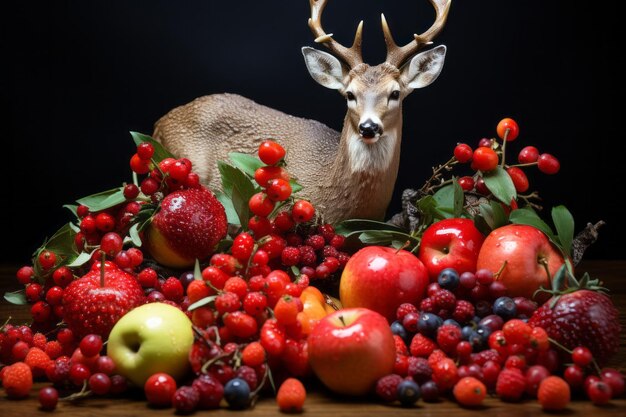
It can be argued that strawberries are not deer’s primary source of food and deer’s consumption of it depends on circumstances.
But then it is key to know as a gardener that these plants, with their sweet and juicy berries, can be a tempting treat for deer, especially during the growing season.
Deer are opportunistic feeders and will sample a wide variety of plants, especially in areas where their natural food sources are limited.
Why Will Deer Eat Strawberries
Deer can eat strawberries based on some nutritional and situational factors as below:
- Natural Sugars: Ripped strawberries are very sweet, and deer naturally are attracted to sweet flavours because sweet food provides deer with a quick energy boost.
- Vitamins and Minerals: Strawberries contain vitamin C, antioxidants, and small amounts of nutrients that are essential for deer, this can attract deer and make them eat them.
- Hydration: Strawberries have high water content. And with this content, strawberries can help quench deer’s thirst during dry seasons.
- Seasonal basis: When other vegetation is less abundant, most especially, during late fall or winter, deer can easily venture into gardens for food and strawberries can be a target.
- Easy Access: Strawberries grown in open gardens without barriers can tempt and lure deer to consume them.
- Ripe Fruit Availability: Ripe strawberries have a good scent and bright colour which can draw deer, especially if they’re in close proximity to deer trails or habitats.
- Habitat Overlap: Gardens near wooded areas or fields frequented by deer are prone to experience strawberry theft.
Why Will Deer Not Eat Strawberries?
Although we answered “YES” to our question, can deer eat strawberries?. The circumstances below can still prevent deer from eating strawberries
1. The availability of Preferred Food Sources
Deer being opportunistic feeders have preference for more readily available and palatable plants. They will prefer tender grasses, clovers, or other fruit over strawberries. If these food sources are readily available, they may bypass strawberries altogether.
2. Unripe or Poor-Quality Strawberries
Deer are mostly attracted to ripped strawberries for their sweetness and fragrance, unripe strawberries lack the sweetness and fragrance that might attract deer.
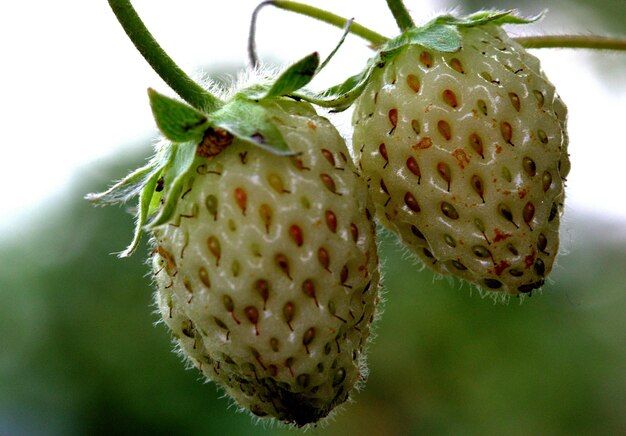
Similarly, damaged or spoiled fruit may not appeal to them. And deer will turn away from such strawberries.
5.. Human or Pet Presence
Naturally, deer are cautious animals. Frequent human activity or the presence of pets in and around your garden can deter them from venturing close to nibble on strawberries.
5. Fencing or Other Physical Barriers
Deer will hardly access strawberries in gardens equipped with deer-proof fencing or netting. This will discourage them from attempting to eat them.
6. Seasonal Factors
During times when alternative vegetation is plentiful (like in spring or early summer), deer might prioritize other more easily accessible plants over strawberries.
Signs To Show That Deer Is Eating Your Strawberries
Are you suspecting that deer is feasting on your strawberries, after getting an answer to the question can deer eat strawberries? Find out with these 3 telltale signs.
- Hoofprints and Trails
- Hoof Marks: Deer leave behind distinctive, cloven-shaped hoofprints in soft soil or muddy areas around your garden which are typically heart-shaped and about 2 to 4 inches long.
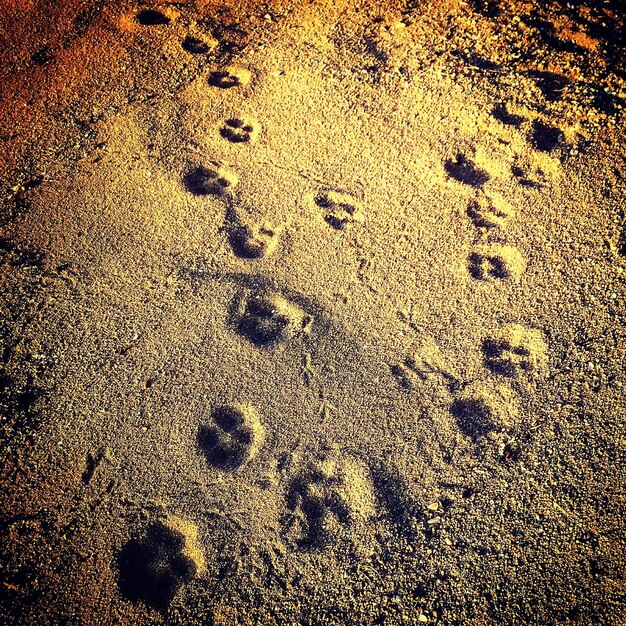
If you notice these prints in the soil or mulch near your strawberry beds, it’s a strong indication that deer have been in the area.
- Paths or Trails: Over time, deer create worn paths as they travel to and from feeding spots, this will often lead directly to your strawberry beds.
2. Nibbled or Damaged Plants
- Cleanly Nibbled Leaves or Fruit: Deer tend to bite off If you see parts of your plants bitten in a neat, angular fashion then it’s suspected to be deer. They do that due to their lack of upper front teeth.
- Missing Strawberries: If you notice ripe or unripe strawberries consistently disappearing overnight, deer may be the culprits.
- Broken Stems or Trampled Plants: Deer can knock over or crush surrounding plants in their effort to reach the strawberries
3. Droppings Near Strawberry Beds
Another telltale sign of deer presence is their droppings
- Pellet-Shaped Droppings: Deer droppings are small, round, and pellet-like, often found in clusters near areas they frequent.
- Fresh Droppings: The presence of fresh droppings can indicate recent deer activity in your garden.
How to protect your strawberries from being eaten up by deer.
After getting an answer to our question, can deer eat strawberries? Which is a yes. It might sound like a challenge g as to how you can protect your strawberries from being eaten up by deer.
Here are some effective strategies to do that.
- Netting
This can be a very effective way to protect your plants from birds and larger mammals like deer. Make sure the netting is secure so that animals cannot lift it or crawl underneath it.
- Fencing
A fence around your garden can deter deer. Surround your strawberry pitch with a fence that is at least 8 feet tall, this can help to effectively keep deer out.
You can as well consider using woven wire or stock fencing, as deer are excellent jumpers.
For effective fencing knowledge, explore article; “All you need to know about deer jumping over a fence”
- Natural repellents
You can also protect your strawberries from being consumed by deer by planting strong-scented companion plants around their patch. You can plant, Garlic and Marigolds. The pungent smell of garlic is unappealing to deer and can easily prevent it from coming to your garden.
Marigolds on the other hand also emit a scent that repels deer.
- Strategic Garden Layout
- Hedge Rows and Shrubs: Plant dense hedges or thorny bushes around your strawberry patch. This makes it harder for deer to access the plants, while adding extra protection.
- Elevate Strawberry Beds: Raised beds or containers can make it more challenging for deer to reach your strawberries, especially if you add a protective barrier around them.
To end it all,
Can deer eat strawberries? Yes, deer can eat and enjoy strawberries. They are opportunistic feeders fondly fond of strawberries due to their sweetness, hydration benefits, and nutritional value. As much as these creatures have diverse diets and can challenge your strawberries and other fruits and vegetables, you can still protect your plants from them. The strategies can help you, using natural deterrents, such as strong-scented companion plants, as well as physical barriers like netting or fencing.
This will help your garden to flourish even amidst the challenges of wildlife intrusions.
You can read more on what animals eat strawberries and how to protect them.
]]>In contrast, my friend said, “as enormous as the pumpkin they may look, it has been green through and through. Each day he looks at his fruits, he keeps asking himself, what are the pumpkin ripening stages? When will he see that bright orange colour in his garden?”.
To summarize our story, we studied the pumpkin ripening stages and got it right. And he yielded a bountiful and perfect harvest just in time for Halloween.
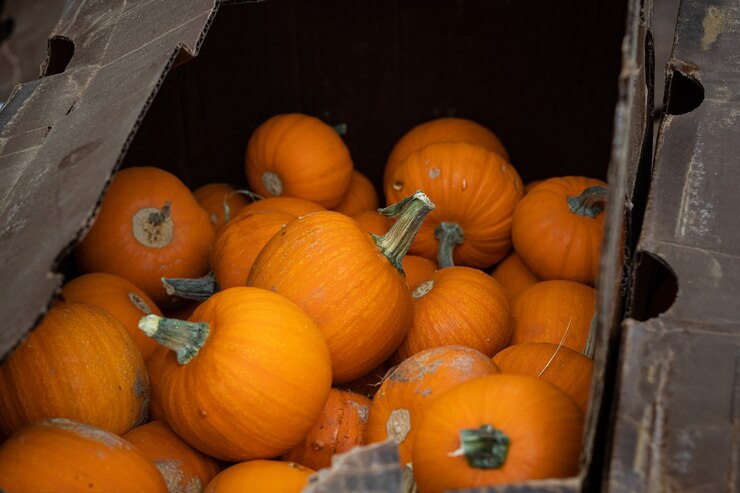
Understanding the pumpkin ripening stages can actually transform your harvest. Stay glued to this article as we explore the key pumpkin ripening stages for a bountiful harvest.
What Are Pumpkin Ripening Stages?
In simple words pumpkin ripening is the natural process that transforms a pumpkin from its initial growth stage to a matured pumpkin.
It has both physical and chemical impacts on the fruit, this process can affect the pumpkins taste, colour, texture, and longevity.
Key Pumpkin Ripening Stages
Pollination And Fruit Set
- What Happens: After flowering, pollination occurs when bees transfer pollen from male flowers to female flowers. Successful pollination leads to fruit sets.
- Appearance: Female flowers will begin to swell at the base, indicating that fruit is beginning to form. The fruit starts as a small green structure.
- Key Actions: Ensure that there are enough pollinators in the area. If necessary, hand-pollinate flowers by transferring pollen with a small brush or cotton swab.
2. Early Growth (Immature Stage)
- What Happens: The pumpkin begins to grow rapidly after pollination, absorbing nutrients and water from the plant.
- Appearance: The fruit remains green and is still relatively small compared to its final size. The vine continues to grow and spread.
- Key Actions: Maintain consistent watering and fertilisation to support healthy growth. Monitor for pests and diseases that may affect young plants.
3. Mid-Growth (Development Stage)
- What Happens: The pumpkin continues to grow in size, with the plant focusing on leaf and vine development.
- Appearance: The fruit may still be green but will start to show signs of increasing size. The vines will have numerous leaves for photosynthesis.
- Key Actions: Ensure adequate sunlight (at least 6 hours per day) and proper spacing between plants for air circulation. Regularly check for nutrient deficiencies or pest infestations.
4. Color Transition (Ripening Stage)
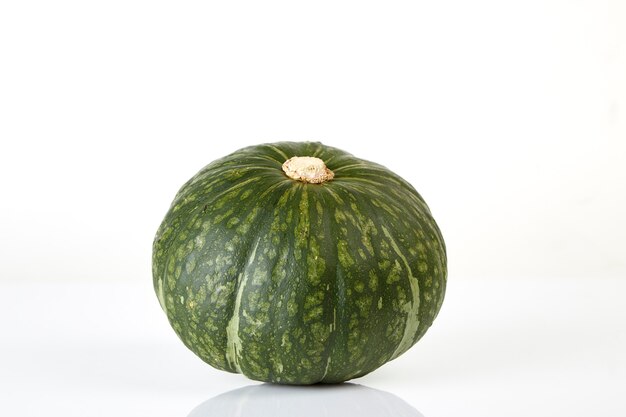
- What Happens: As the pumpkin matures, it begins transitioning in color from green to its mature hue (often orange).
- Appearance: The skin starts showing patches of orange, indicating that sugars are developing within the fruit.
- Key Actions: Remove any leaves that shade the pumpkins to allow full sun exposure. Rotate the pumpkins occasionally to promote even color development.
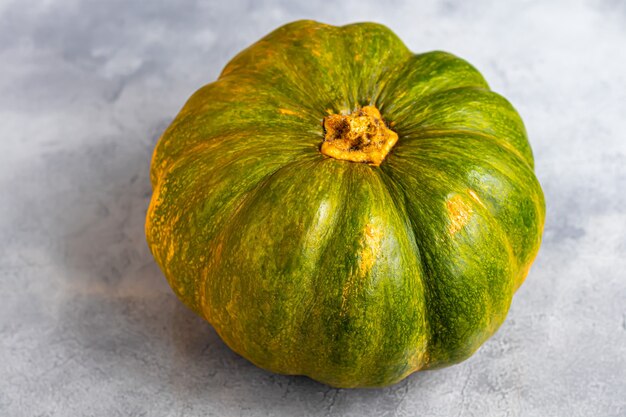
5. Mature Ripening (Full Ripeness)
- What Happens: The pumpkin reaches its maximum size and color, with sugars fully developed.
- Appearance: The skin is a deep, even color (usually orange), and the rind is hard to the touch.
- Key Actions: Check for firmness by pressing on the skin; it should feel solid. If conditions are right, consider starting the curing process by bringing pumpkins indoors.
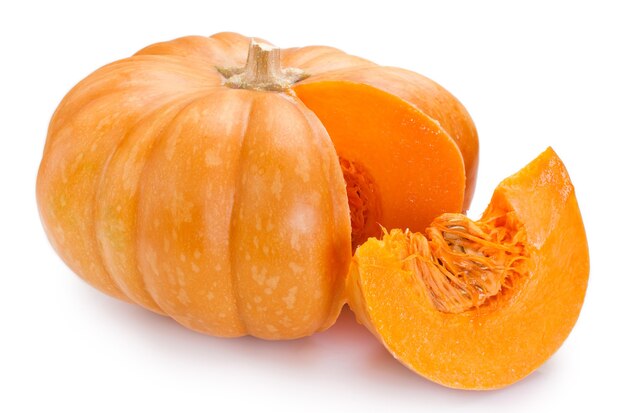
6. Harvest Ready
- What Happens: The pumpkin is ready for harvest when it has reached full ripeness and has been cured properly.
- Appearance: The stem turns brown and begins to dry out; a hollow sound is heard when thumped.
- Key Actions: Cut the pumpkin from the vine with a sharp knife, leaving a stem of at least 4 inches attached to prevent rot. Handle carefully to avoid bruising.
7. Overripe Stage (Optional)
- What Happens: If left too long on the vine or stored improperly, pumpkins can become overripe.
- Appearance: The skin may become soft or wrinkled, and there may be signs of decay or mould.
- Key Actions: Regularly inspect stored pumpkins for signs of overripeness or disease. Use any overripe pumpkins promptly in cooking or compost them if they are beyond use.
Key Factors To Consider In The Pumpkin Ripening Stages
Sunlight
Pumpkins require ample sunlight for proper ripening. Position your pumpkins in sunny areas and remove any leaves that shade them to enhance their exposure to sunlight, this can promote colour development and sugar accumulation.
Temperature
Also monitor the temperature of your pumpkin, the best temperatures for ripening pumpkins are between 80°F and 85°F during the day, with nighttime temperatures not dropping below 60°F.
Cooler temperatures can slow down the ripening process and may lead to chilling injury if they fall below 50°F.
Colour Development
A consistent and vibrant colour can be a good and reliable indicator that your pumpkin is ready for harvest. The skin colour of the pumpkin changes as it ripens, it changes from green to deep bright oranges and sometimes the mature hue specific to its variety.
Size And Shape
Pumpkins grow until it is mature or near maturity, a pumpkin that stops growing signals that it is nearing maturity.
When the pumpkin reaches its size, it takes the characteristics and shape of its variety. The size varies based on its variety, but the average size and weight of a pumpkin is between 1 kg to 7kg.
Skin Texture
Another key factor to note in the stages of pumpkin ripening is the hard and tough skin. As the fruit ripes, its skin hardens and becomes tough, making it difficult to pierce with a fingernail, this nature protects the pumpkin from pests and indicates ripeness.
Stem And Vine Condition
As the pumpkin ripens, the stem turns woody, brown, and begins to dry out. A drying stem signals that the fruit is no longer drawing nutrients from the vine and is ready for harvest.
And The vine attached to the pumpkin starts to wither and die back, such is a natural indicator that the pumpkin has fully matured.
Sound Test
Another factor to consider is the sound, tap the pumpkin lightly, a pumpkin ready for harvest will have a hollow sound when you thump on it lightly with your finger.
Timeframe
Understanding the typical timeline helps manage expectations and plan for harvest. Pumpkins typically ripen 90–120 days after planting, depending on the variety.
Understanding the typical timeline helps manage expectations and plan for harvest.
Weather Conditions
Cool nights and warm days encourage ripening. Frost can damage unripe pumpkin,
harvest before frost to avoid crop loss.
Considering these factors ensures that pumpkins are harvested at their peak quality for culinary use, decoration, or long-term storage.
In summary, with these pumpkin ripening stages; Pollination and fruit stage, immature, development and ripening stages to full ripening stages, and overripe stage are essential to anyone involved in pumpkin cultivation and other pumpkin activities such as, Deer antler pumpkin carving.
By monitoring these stages closely and taking appropriate actions, growers can ensure their pumpkins develop optimal flavor, texture, and storage potential. Proper management throughout these stages leads to a successful harvest and enjoyment of this versatile crop.
Leave your comments Deer Hunting Gateway
]]>You have probably just chanced on your beautiful and resilient yarrow plant in the backyard and wish it never disappeared?
Unfortunately, you live in a deer-populated area, and you often find yourself wondering, “Is yarrow deer resistant plant, or could my yarrow be on the menu for the neighborhood deer, how do I protect my blossoms and colorful plants from deer?”
It is clear that in areas where deer population is high, gardeners are so concerned about how they will protect their plants from these yard invaders.
To preserve your beautiful garden it is crucial to find attractive yet deer-resistant plants for your garden.
In this guide we shall explore the yarrow deer plant, and why deer may or may not consume these plants.
The Yarrow Plant; Surprising Facts
Yarrow is scientifically known as Achillea millefolium; it is a perennial herb that belongs to the Asteraceae family, commonly referred to as the daisy family. It comes in a bright yellow variety, but it can also be red or pink.
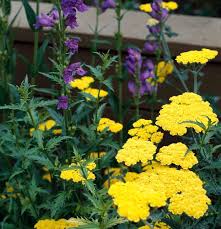
Historically, Yarrow is known to be used for a number of medicinal purposes. The plant has flat-topped or dome-shaped clusters of small white flowers that bloom from April to October.
It is an attractive, hardy perennial with features feathery and aromatic leaves that are deeply cut to give it fern-like appearance
The plant produces flat-topped clusters of small flowers that bloom from April to October, predominantly in white, but also in shades of pink, yellow, and red depending on the variety,
Yarrow has a beautiful nature which makes it very popular in many gardens.
Is Yarrow Deer Resistant?
Yes, Yarrow is deer resistant. Although, a hungry deer will eat just about anything, but yarrow plants repel because of some features, including aromatic foliage, strong fragrance, bitter taste, and potential toxicity.
These plants are widely considered deer resistant plants. But then deer can be unpredictable, especially a hungry deer, these animals can eat deer resistant plants when food is scarce, especially in harsh winters.
Seasonal Behaviours Of Deer Toward Yarrow Plant
Spring and Summer: These periods are mostly full of abundant food and deer have a number of options such as; tender grasses, shrubs and other flowering plants to feed on. But then, in Autumn and Winter, as the temperature drops and food becomes scarce, deer can sample plants they usually avoid and yarrow is no exemption.
Is Yarrow Deer Resistant Completely, Key Limitations To Take Note.
Food Shortage And Severe Hunger
Deer can barely withstand hunger, they become very vulnerable when there is a shortage of food and deer are prone to starvation. They will browse and consume Yarrow.
Individual Deer Preferences
Deer eating habits can vary based on individual deer preferences. While some deer may totally resist Yarrow plants, others may develop a taste for these plants over time, especially if they forage very often yards where Yarrow is present.
Young And Tender Growth Of Yarrow
Deer are naturally attracted to young, tender and softer plants. They are likely to graze on newly sprouted Yarrow.
What Makes A Plant Deer Resistant
Many plants are deer resistance because they have certain characteris that are not appealing to deer; such as
- Taste
Deer are mostly attracted to sweet taste and scented plants, they avoid plants that have bitter taste like Yarrow leaves. They tend to avoid plants with bitter and unpleasant taste.
- Smell
Deer dislike strong scents, yarrow is one of the plants that has a strong and distinct scent that deters deer naturally. Aside from Yarrow, deer disgust other smells such as mint, garlic, hot pepper.
- Texture
Deer will prefer softer and tender plants. They prefer plants whose leaves and stems are somewhat coarse and fibrous, because it makes them harder for deer to chew and digest.
These are the factors that make some plants resistant to deer.
Why Is Yarrow Deer Resistant
Yarrow is widely and generally seen as a deer resistant plant due to some key factors as listed above.
But then, as stated earlier deer may still consume Yarrow for a number of reasons. Below are some reasons why Yarrow may be deer resistant.
Scent
Yarrow has a strong pungent aroma that deer dislike. Deer rely heavily on their sense of smell to select food, and the intense scent of yarrow can deter deer from browsing them.
Potential Toxicity
Although Yarrow is not highly toxic, it contains compounds that can be toxic to deer. This deterrent can make deer avoid them.
Hardy Leaves
Yarrow have a fibrous, hard and hairy leaves that are in contrast to what deer prefer, soft and smooth.
Yarrow is also known to be less nutritious as compared to other deer preferred plants.
Other Deer Resistant Plants
Always remember, “Deer resistant and not deer proof”. Meaning these plants are not deer preferred food, but deer may still nibble and probably eat them.
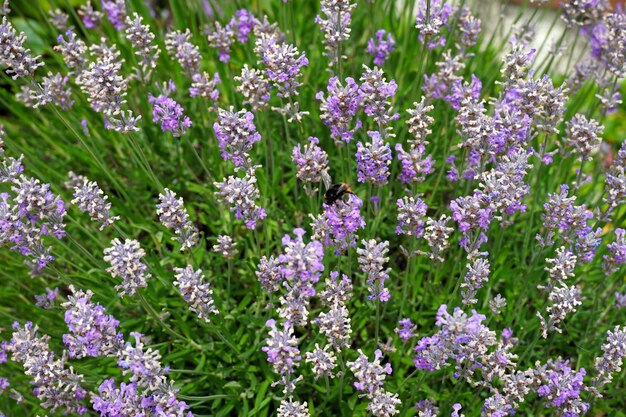
| Name of Plant | Plant Description | Why it is deer resistant |
| Lavender | Aromatic herb with silver-green leaves and purple flowers, loved for its scent. | It has a strong, soothing scent that appeals to humans and is overpowering to deer. This makes them an excellent choice for garden edges. The high essential oil content also adds a natural barrier. |
| Rosemary | Woody herb with needle-like leaves and small blue flowers. | The woody, needle-like foliage has a powerful aroma and tough texture that deer find unpleasant. Its slightly bitter taste further deters deer from munching on it. |
| Russian Sage | Tall perennial with silvery stems and purple-blue flowers | Russian sage has a robust fragrance that repels deer, and its leaves contain compounds that deer avoid. Its slightly bitter taste adds another layer of protection |
| Boxwood | Dense evergreen shrub with small, glossy leaves. | Tough leaves and a bitter taste make it unattractive to deer |
| Marigold | Bright orange and yellow flowers with a distinct, somewhat spicy scent. | The spicy, peppery scent of marigolds is unappealing to deer and masks the smell of nearby plants. Their leaves also have a strong, slightly bitter taste, making them a natural deterrent. |
| Foxglove | Biennial plant with tall spikes of tubular flowers in various colours.. | Toxic properties discourage deer from eating it; it may cause illness if ingested. |
| Bee Balm | Perennial with vibrant red, pink, or purple flowers that attract pollinators. | Pungent, mint-like scent and texture discourage deer. |
| Lamb’s Ear | Low-growing perennial with soft, fuzzy, silvery leaves | Fuzzy texture and mild astringency make it unappealing for deer to chew. |
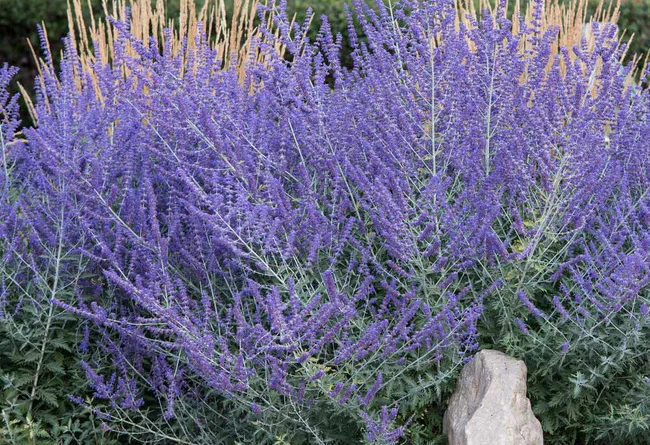
You can find more information on deer and Yarrow relationship.
To conclude,
Now let’s reflect on our question, Is Yarrow deer resistant? Yes, Yarrow is a deer resistant plant. It contains some factors that deter deer from consuming it.
But it is important to note that, though Yarrow is deer resistant but not deer proof. Which means deer can be tempted to consume Yarrow based on some certain factors.
In addressing our question we have provided information on what makes plants deer resistant, why is yarrow deer resistant and finally some deer resistant plants.
You still need to protect your Yarrow as some other animals may consume it, and even deer in hash times. Find more information about deer lifestyle on the deer hunting gateway.
]]>The answer to today’s question, what smells do deer like, lies in simple scents. One of the most critical and successful factors in deer hunting is managing smells and odours that can alarm and spook these elusive creatures.
Although deer hunting requires good skills and patiences, an excellent understanding of the game, especially with factors such as what smells do deer like, is a win for hunters and wildlife lovers.
In this post we shall explore the key smells that deer like and how these scents and be used to lure deer to your yard.
The Science Behind Deer Smelling Abilities
Deer have a good sense of smell which is exceptional and helps them detect and avoid danger. Deer have so many olfactory receptors in their noses that aid them in their sensing abilities.
Deer have an olfactory bulb that’s about four times larger than a human’s. This part of the brain processes scents, with 297 million olfactory receptors in their noses as compared to men with 5 million receptors.
These receptors are designed to help detect smell, the high density of these receptors enable deer to detect a range of odours from a distance.
Top Smells/Scents Deer Like
- Food Based Scent
Naturally, deer like food and are very curious about food sources. Food smell is an answer to our intriguing question, what smells do deer like?
Food related smells can draw deer attention, especially strong-smelling human foods like fast food, strong spices, and cooking odours.
Another alarming food smell is not from the food itself but from preparing it before hunting.
Common food with good scents that attract deer;
Corn: Corn has a sweet and earthy aroma which attracts deer from afar. Corn is a deer nutrient rich food and among the top cereals grains for deer.
Apples: Apples have a sweet and fruity aroma that can travel far and is associated with high energy and water content that allures deer.
Acorns: Acorns has nutty, earthy aroma that appeals so much to deer
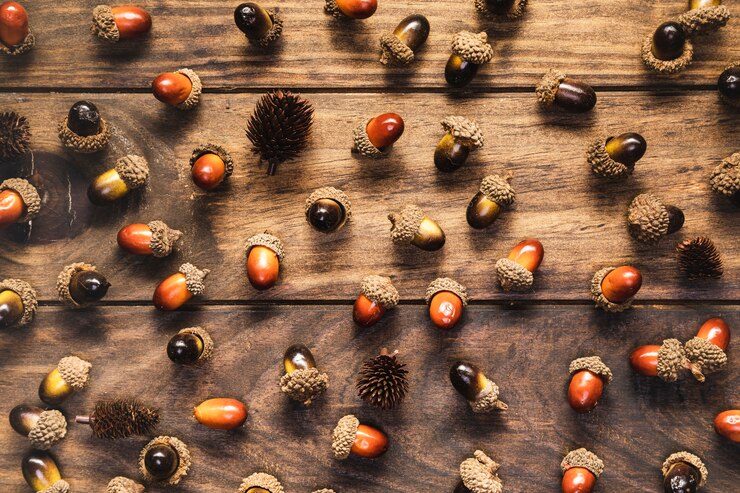
Peanut butter’s: Many deer find is difficult to resist Peanut butter’s rich and nutty aroma
Clover and Alfalfa: These two types of vegetation naturally draw deer. They produce a fresh and green smell which indicates the presence of nutritious foliage that deer enjoy grazing on.
- Flower Scents
Aside from food scents, deer prefer to smell some flowers more than they eat them. Deer are particularly curious about floral scents, although they may not consume these plants, the flower base scent can attract and lure them.
Top Deer Flowers That Best Answer The Question; What Smells Do Deer Like.
Roses
Roses have a classic sweet that can easily catch deer’s attention. Rose bushes can be tempting and deer may sometimes eat them. Rose fragrance is strong and deer are often more interested in the flower’s scent than the plant itself.
Honeysuckle
The sweet and sugary fragrance of honeysuckle makes it irresistible for deer. Honeysuckle grows in a natural environment and their scents can signal a safe, familiar area.
Lavender
Lavender’s calming and floral scent generally appeals to humans and to attract deer. Deer will slightly eat lavender due to its slightly bitter taste. Its soothing aroma makes it a strategic choice for attracting deer.
Daisies, Clover, and blossoms are other flowers that produce smells that deer like.
- Synthetic Scents
Unlike the other Scents discussed above, these are lab created fragrance designed to replicate the natural smells that attract deer. They are chemically produced scents that mimic food and other natural sources.
Types Of Synthetic Scents That Deer Like Their Smells.
Doe Estrus Scents for Deer
This is a chemically replicated scent that has been engineered to imitate the smell of a female deer in heat. The time when the female deer wants to mate, bucks are very responsive to the scent of estrus in response to mate with the doe.
Musk and Glands scents
Synthetic musks are chemically manufactured and designed to replicate the appeal of the original substance without using material from animals. They are commonly used now to replace historic deer musk in perfumery.
Synthetic musk imitate both doe and buck gland scents
Synthetic Food Based Scents
Just like the food based scents, these are chemically made fragrances that replicate the natural scents of food that deer like.they are available in different forms such as sprays and blogs. Always available for different hunting seasons and scenarios.
- Urine and Musk Scents
For many, Urine may be a surprising answer when they’re looking for answers to what smells do deer like. Urine and musk are key tools in hunting, specifically for attracting deer.
What Kind of urine best fits the question, what smells do deer like?
- Doe Urine: The smell of doe urine is strong and attractive especially during the rutting season. bucks are easily drawn to the scent of females in estrus.
- Buck: Deer, especially bucks, are attracted to buck urine as well. Buck urine is purposely used to indicate the presence of another male deer in the area, the smell will influence dominant bucks to investigate.
- Estrus Blends: Special estrus blends mix urine with estrus hormones, which increases attractiveness for bucks during the mating season.
You can explore this resource for additional deer attractants tips.
How To Attract Deer With These Smells
What smells do deer like, is an essential subject for hunters and deer lovers. It is also essential to know how to attract these creatures with these smells.
| Scent type | How to attract deer with the scent. |
| Food-Based Scent | You can apply food spray around areas where deer feed. Scents blocks or sprays can also be used on vegetation or tree trunks to keep deer coming back |
| Flower-Based Scent | These Scents can be sprayed near trails or on low branches in open areas |
| Urine and Musk Scent | It is effective to apply urine or musk scents to scent wicks, drag rags, or mock scrapes along deer trails |
| Synthetic Scent | These Scents can be used all year round. You can apply them near trails, feeding areas, or scent wicks. |
To wrap up , our question, what smells do deer like, has been answered. It is key to note that, In attracting deer, certain smells, both natural and synthetic are effective in doing that.
Success in attracting deer relies on strategy, patience, and respect for wildlife. By combining well-timed use of scents with thoughtful placement and ethical practices, enthusiasts can improve their chances of successful encounters and also ensure a balanced approach to wildlife interaction. Continue to explore Deer hunting gateway for more hunting tips.
]]>Understanding what grass do deer eat reveals other important aspects about their lives and habitats. When you know the types of grass deer love, it can give you a better chance to attract them to your yard or spot them in the wild.
In this post, we will break down seven types of grass deer eat and why each one plays a unique role in their diet.
Why Deer Eat Grass
It is necessary to understand why deer eat grass when addressing what grass do deer eat.
Deer often prefer high-energy foods like nuts, fruits, and shrubs, grass may not be deer’s first dietary choice.
However, grass can be an essential part of their diet, especially in particular seasons when other food sources become scarce.
Yet still, grass composes healthy nutrients that are essential for deer health. Grasses offer deer roughage that aids digestion, and fibre and protein that helps sustain deer when other foods are unavailable
Grass plays a complementary role in a deer’s diet. In spring and summer, fresh grasses are high in fiber and water, which support the deer’s hydration and digestion.
During autumn, grass availability wanes, and deer shift toward other forage types.
However, in winter, deer may return to grass if it’s one of the few food sources accessible beneath the snow, making it a critical seasonal staple in their diet.
What Grass Do Deer Eat- Top 7 Grasses Deer Love
1. Clover
Clovers should not be left out when it comes to what grass do deer eat.
It has high nutritional value, rich in protein and minerals, and attracts deer throughout the year. Clover is one of the top choices for deer and many wildlife food plots due to its high protein content and palatability.
It has varieties like white and red clover which are more attractive to deer, the protein needed for muscle development and antler growth.
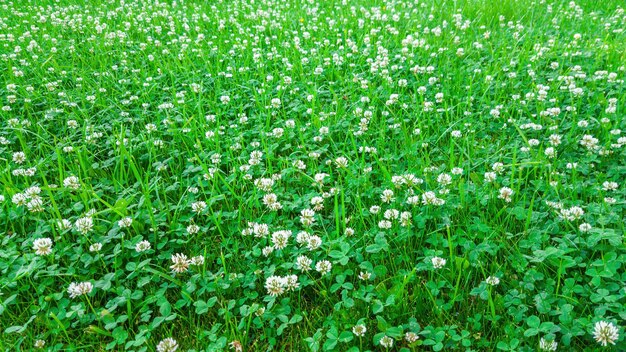
Clover grows well in various environments, such as meadows, open fields, and along the forest edge, which makes them widely accessible for deer across regions.
2. Fescue
Fescue is a resilient grass that is commonly found in landscapes, fields and pastures. It is another answer to what grass do deer eat.
It has high fiber content and broad availability, especially in early spring when tender fescue shoots emerge, which is what draws deer to it.
Although it is not as nutrient-dense as fescue, it provides good roughage and grows well in many climates, making it a consistent option for deer.
3. Orchard grass
This grass grows well in shaded areas and is often found in meadows. Its soft texture, lush growth, and high digestibility grass make it a favorite among deer, especially in habitats where other forage is limited.
Orchard grass grows primarily in open pastures and woodland edges, which are natural grazing spots for deer. It is an important answer to what grass do deer eat.
Orchard grass is moderately high in protein and very palatable, and an ideal grass for deer during the growing season.
4. Bluegrass
Bluegrass is a fine-textured, palatable grass that deer often consume in early spring when it’s most tender and nutritious.
It grows well in cooler climates and provides essential nutrients that help sustain deer through different seasons.
These grasses are commonly found in lawns and open fields, have a soft texture and mild taste that makes them popular with deer.
Kentucky bluegrass, in particular, is a favorite due to its widespread availability and palatability.
5. Alfalfa
Although technically a legume, alfalfa is often grouped with grasses in habitat management due to its high appeal for deer. Therefore, a perfect answer to what grass do deer eat.
Alfalfa offers an impressive protein content, it is one of the valuable food sources for antlered bucks and pregnant does in spring and summer.
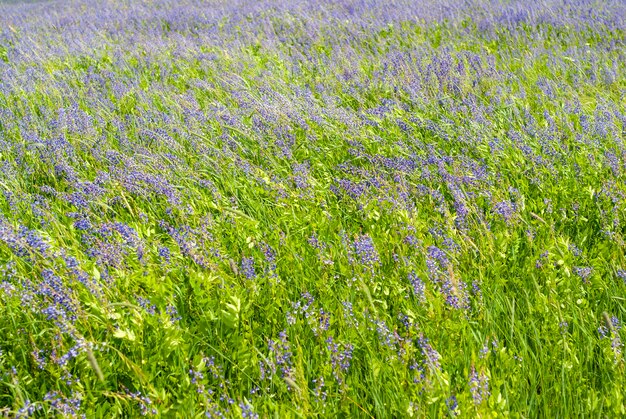
Its deep-rooted growth makes it flourish even during droughts, making it a sustainable option for supporting local deer populations.
6. Ryegrass
Ryegrass is easy to establish and grows quickly, making it a reliable food source for deer.Ryegrass is well-loved by deer and widely available in the wild, it is an easy food choice in regions with diverse grasses.
It has tender blades and moderate nutritional profile that makes it a solid option for deer, especially in early spring and late autumn.
Ryegrass grows quickly and is often used in food plots for attracting deer due to its reliable growth and appeal.
7. Timothy Grass
Timothy grass is an irresistible option for deer, especially when they’re looking for a fibrous, filling forage.
It is known for its tall, seed-bearing stalks and dense growth, timothy grass is very attractive in late summer when seed heads emerge and an answer to what grass deer eat.
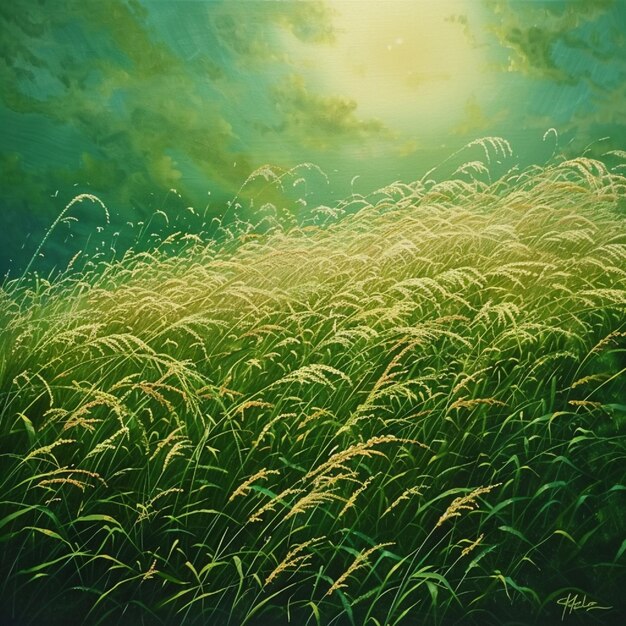
It also has high fiber content and helps with digestion, which makes it an ideal choice for deer who require additional roughage.
How To Identify These Grasses In The Wild
Here’s a quick guide on spotting these grasses for wildlife enthusiasts, and habitat managers looking to attract deer
- Clover: Look for small, round leaves in clusters of three; white or red flowers are common.
- Fescue: Fescue grows in dense clumps, often with a deep green or blue-green color. It is known for its fine blades,
- Orchard grass: It is a recognizable by its tall, tufted growth and blue-green color; often found in patches near woodland edges.
- Bluegrass: Has a soft, narrow blade and a distinctive bluish tint.
- Alfalfa: Look for tall, leafy plants with purplish flowers and a deep taproot.
- Ryegrass: Characterized by narrow, glossy blades; grows quickly and densely in open fields.
- Timothy Grass: This grass grows tall and produces long, cylindrical seed heads that sway in the wind.
How To Attract Deer With Grass: Best Practices
After knowing what grass do deer eat, it is important to know how to attract them.
For those interested in attracting deer to their property, establishing and maintaining grass plots is a simple and effective approach. Here are a few tips:
- Plant Diverse Grass Mixes: Combine clover, ryegrass, and orchard grass to create a nutritionally balanced food plot that deer will frequent.
- Choose Locations Carefully: Deer prefer areas with open visibility but some cover nearby for safety. Plant food plots in meadows, clearings, or forest edges.
- Timing Matters: Plant cool-season grasses like ryegrass and orchard grass in early spring or late summer for optimal growth.
- Soil Preparation: Test and amend your soil as needed to support strong grass growth, as healthy, nutritious grass will be more appealing to deer.
- Regular Maintenance: Mow occasionally to encourage tender regrowth, and fertilize periodically to keep your grasses nutrient-rich.
Read more on what attracts deer to your site for additional insights.
To wrap up,
Understanding “what grass do deer eat” is vital for anyone involved in wildlife observation, hunting, or habitat management.
When you learn deer’s grass preferences (clover, fescue, orchardgrass, bluegrass, alfalfa, ryegrass, and timothy grass), you can effectively attract deer to specific areas and support healthier wildlife populations.
Each grass type offers unique benefits that meet deer’s dietary needs, so consider planting a mix to increase the attractiveness and sustainability of your space for local deer populations.
For more information on deer diets and habitat management practices that benefit both wildlife and landowners alike, check out resources from organizations like Noble Research Institute 2 or Wildlife Illinois
]]>It is widely known and confirmed from many estimates that white-tailed deer can run and even cover up to 35 to 40 miles in an hour. Mind-blowing right?
There are many intriguing features about this graceful creature. How high can white-tailed deer jump is not just a question but another fantastic aspect of its behavior worth exploring.
In this article, we shall provide specific and perfect answers to address the concern and often-asked question; how high can white-tailed deer jump?
What Is White-Tailed Deer Jumping
Before exploring How high can White-tailed deer jump; It is important to know what white-tailed deer jumping is.
It is commonly known as stotting (a term for deer jumping), where deer jump in the air using all four legs. It is a common behavior among deer species usually for many reasons.
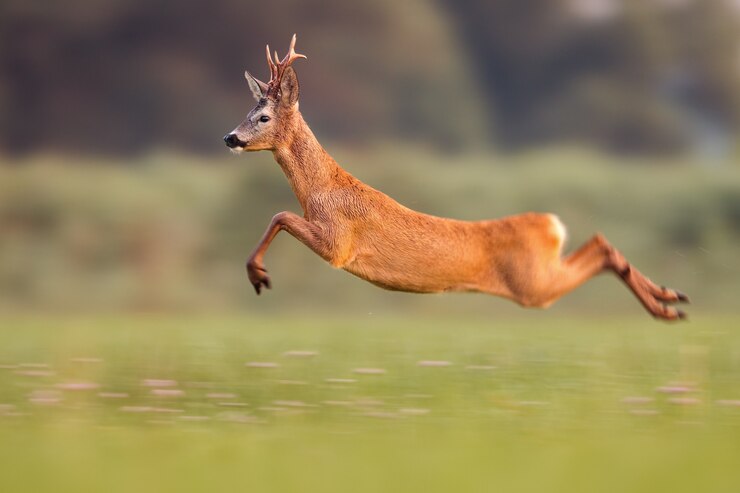
White-tailed deer can be very active throughout the day. Their behavior can change instantly when they perceive that a predator is approaching. The first action is to leap away, and they often do that with their tail lifted so high that the white underside is seen.
How High Can Whitetail Deer Jump
Most white-tailed deer can jump up to 8 feet from a standing start, but others can jump higher. Some can jump as high as 12 feet.
On average, whitetail deer can jump between 8 to 10 feet in height, which is very impressive and essential for their survival.
Though they are able to jump up to twelve feet high with a running start, they only do this when escaping a dangerous situation.
It is important to note that the higher a white-tailed deer can jump may depend on the motivation for that, for instance, danger.
Watch a white-tailed deer jumping over a 7-foot fence and and a 12-point Whitetail deer jumping
Factors That Influence The Height A Deer Can Jump.
When it comes to how high can white-tailed deer jump? Several factors can influence your response to this question. The exact height a deer can reach has a direct relation with the factors that influence the jumping.
- Terrain: How high can deer jump can depend on how much space a deer has to jump.
In open areas, deer often have the space and momentum to jump higher. In contrast, dense forests where obstacles may hinder their movement or uneven terrain can limit their jumping height.
The ground surface plays a crucial role because deer require stability for maximum leverage.
- Threats: White-tailed deer are vulnerable to many predators. When faced with predators or human threats, such as hunters, they are more likely to exert maximum effort, which can result in higher jumps.
The more immediate or intense the threat, the more likely they are to push their physical limits to escape.
In such cases the white-tailed deer can clear a 7-8-foot fence on the stand and up to 12 feet from a running start.
- Age and Health: Age and health also have a great influence on the height a deer can jump. Younger, healthier deer have greater agility and strength, which allows them to jump higher and farther.
- In contrast, older deer or those suffering from injuries or illnesses may not reach the same heights. A whitetail’s overall fitness plays a significant role in its jumping ability.
Understanding these factors is essential for anyone interacting with or hunting whitetail deer. By knowing what affects their jumping, hunters can anticipate and strategize accordingly.
Other factors
Hunger
Deer do not hesitate to go for anything that they think will make a delicious snack. A short fence in the way is no match for a hungry and curious deer.
To mate
White-tailed deer also jump to mate. According to expert hunters, a deer is willing to jump as high as possible when they see a potential mate, most especially with male deer during the mating season.
Practical Insights For Hunters
How high can white-tailed deer jump, can be asked by anyone. But for hunters and landowners, understanding how high whitetail deer can jump is not enough, but crucial for them in developing effective strategies and maintaining property boundaries.
Fence Height: What You Need to Know
One of the most common issues faced by landowners and hunters is deer clearing or jumping over fences meant to keep them out.
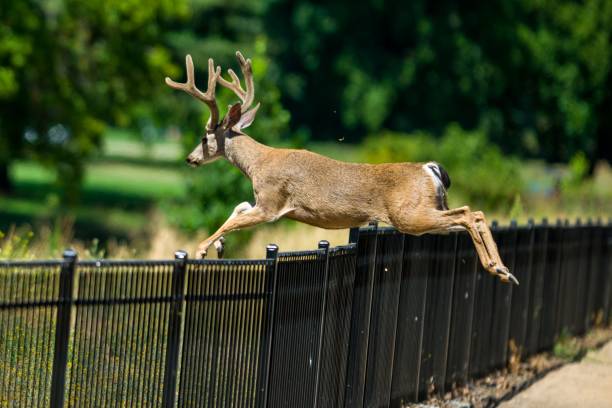
With the ability to jump as high as 10-12 feet, a standard farm fence may not be enough to deter them from entering fields or gardens.
An effective deer fence can be at least 8 feet high. Even though deer can jump an average of 8-10 feet, and even 12 feet depending on the circumstances, they will not risk jumping a fence they are uncertain about.
For hunters and wildlife managers, when you understand these limits, you can set up effective barriers.
Yet still a minimum fence height of 10 feet is recommended to prevent deer from jumping over. However, if the terrain offers a slope or an incline leading up to the fence, deer might find it easier to clear even a taller barrier.
Landowners might consider using angled or double fencing to further reduce the likelihood of deer jumping over.
Escape Tactics: How Deer Use Their Jumping Ability
When whitetail deer feel threatened, their first instinct is to flee. Their jumping ability plays a significant role in this escape process.
They are fast and can use obstacles like fallen trees, fences, or rocks to create distance between themselves and a predator.
For hunters, this means that a deer fleeing for safety is not limited by traditional barriers; they can and will jump over almost anything in their path if the threat is great enough.
Hunting Strategy: Using Deer Jumps to Your Advantage
As a hunter, knowing how high whitetail deer can jump can give you a great advantage. For instance, tree stand placement is crucial for maximizing your visibility and avoiding areas where deer might suddenly leap and disappear.
If you understand that a whitetail is capable of clearing a certain fence or obstacle, you can use that knowledge to anticipate their escape routes and plan ambush points more effectively.
Moreover, when tracking deer, pay attention to signs of jumps—scratched bark, disturbed leaves, or fence indentations—these clues can help you follow their trail, especially when hunting in dense or wooded areas where deer might leap to evade detection.
You can learn more about White-tailed deer at the Word deer Organisation.
Final remarks,
How high can white-tailed deer jump is not only a question but an opportunity to explore and understand its unique behavior.
Whitetail deer, with their remarkable ability to jump as high as 8 to 10 feet, will continue to amaze those who observe them in the wild.
For hunters, understanding this key makes you appreciate nature and enhance hunting strategies to be able to make more informed decisions.
Whether you’re setting up a tree stand, tracking deer, or building a fence, knowledge of how high deer can jump provides valuable insights into their behavior.
And staying aware of the factors that influence their jumping—terrain, threats, and health—you can make strategic choices that will improve your hunting experience and protect your property from deer intrusions.
If you found this information helpful, explore more on how to enhance your deer hunting skills on our website.
]]>