But can deer eat strawberries? Yes, Deer can be a significant nuisance, damaging your beloved plants and flowers, including your strawberries.
If you’re a gardener who wants to protect your strawberries, then deterring deer from your garden should be a topic of concern. To do that, understanding deer’s habits is key.
And so keep reading as we delve into the truth about deer and strawberries, we shall provide you with insightful tips to keep your garden thriving.
Can Deer Eat Strawberries? Why And Why Not.
Deer has a diverse diet where vegetables and fruits are included. Strawberries are a particular favorite due to their sweet flavor.
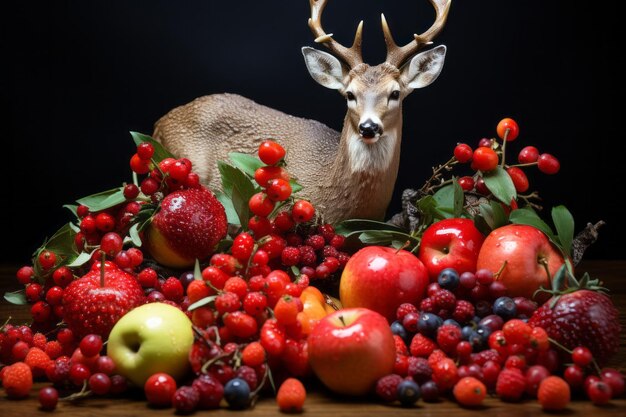
It can be argued that strawberries are not deer’s primary source of food and deer’s consumption of it depends on circumstances.
But then it is key to know as a gardener that these plants, with their sweet and juicy berries, can be a tempting treat for deer, especially during the growing season.
Deer are opportunistic feeders and will sample a wide variety of plants, especially in areas where their natural food sources are limited.
Why Will Deer Eat Strawberries
Deer can eat strawberries based on some nutritional and situational factors as below:
- Natural Sugars: Ripped strawberries are very sweet, and deer naturally are attracted to sweet flavours because sweet food provides deer with a quick energy boost.
- Vitamins and Minerals: Strawberries contain vitamin C, antioxidants, and small amounts of nutrients that are essential for deer, this can attract deer and make them eat them.
- Hydration: Strawberries have high water content. And with this content, strawberries can help quench deer’s thirst during dry seasons.
- Seasonal basis: When other vegetation is less abundant, most especially, during late fall or winter, deer can easily venture into gardens for food and strawberries can be a target.
- Easy Access: Strawberries grown in open gardens without barriers can tempt and lure deer to consume them.
- Ripe Fruit Availability: Ripe strawberries have a good scent and bright colour which can draw deer, especially if they’re in close proximity to deer trails or habitats.
- Habitat Overlap: Gardens near wooded areas or fields frequented by deer are prone to experience strawberry theft.
Why Will Deer Not Eat Strawberries?
Although we answered “YES” to our question, can deer eat strawberries?. The circumstances below can still prevent deer from eating strawberries
1. The availability of Preferred Food Sources
Deer being opportunistic feeders have preference for more readily available and palatable plants. They will prefer tender grasses, clovers, or other fruit over strawberries. If these food sources are readily available, they may bypass strawberries altogether.
2. Unripe or Poor-Quality Strawberries
Deer are mostly attracted to ripped strawberries for their sweetness and fragrance, unripe strawberries lack the sweetness and fragrance that might attract deer.
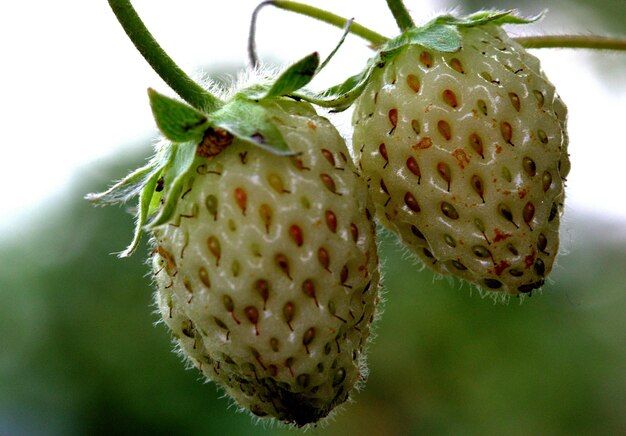
Similarly, damaged or spoiled fruit may not appeal to them. And deer will turn away from such strawberries.
5.. Human or Pet Presence
Naturally, deer are cautious animals. Frequent human activity or the presence of pets in and around your garden can deter them from venturing close to nibble on strawberries.
5. Fencing or Other Physical Barriers
Deer will hardly access strawberries in gardens equipped with deer-proof fencing or netting. This will discourage them from attempting to eat them.
6. Seasonal Factors
During times when alternative vegetation is plentiful (like in spring or early summer), deer might prioritize other more easily accessible plants over strawberries.
Signs To Show That Deer Is Eating Your Strawberries
Are you suspecting that deer is feasting on your strawberries, after getting an answer to the question can deer eat strawberries? Find out with these 3 telltale signs.
- Hoofprints and Trails
- Hoof Marks: Deer leave behind distinctive, cloven-shaped hoofprints in soft soil or muddy areas around your garden which are typically heart-shaped and about 2 to 4 inches long.
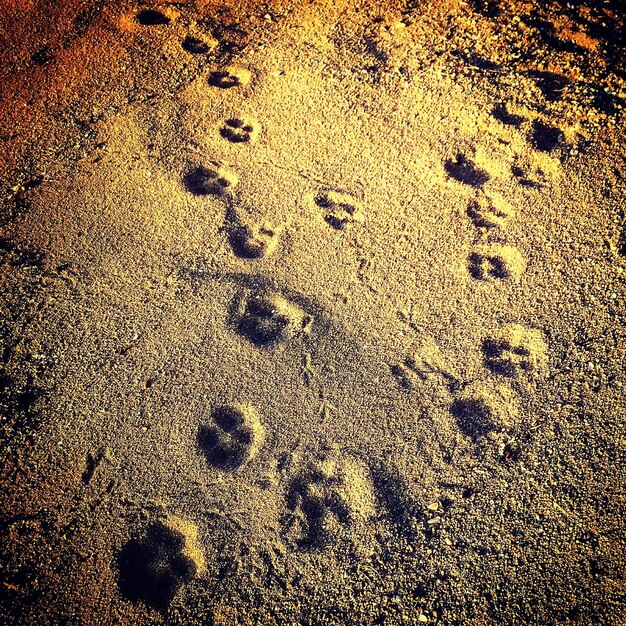
If you notice these prints in the soil or mulch near your strawberry beds, it’s a strong indication that deer have been in the area.
- Paths or Trails: Over time, deer create worn paths as they travel to and from feeding spots, this will often lead directly to your strawberry beds.
2. Nibbled or Damaged Plants
- Cleanly Nibbled Leaves or Fruit: Deer tend to bite off If you see parts of your plants bitten in a neat, angular fashion then it’s suspected to be deer. They do that due to their lack of upper front teeth.
- Missing Strawberries: If you notice ripe or unripe strawberries consistently disappearing overnight, deer may be the culprits.
- Broken Stems or Trampled Plants: Deer can knock over or crush surrounding plants in their effort to reach the strawberries
3. Droppings Near Strawberry Beds
Another telltale sign of deer presence is their droppings
- Pellet-Shaped Droppings: Deer droppings are small, round, and pellet-like, often found in clusters near areas they frequent.
- Fresh Droppings: The presence of fresh droppings can indicate recent deer activity in your garden.
How to protect your strawberries from being eaten up by deer.
After getting an answer to our question, can deer eat strawberries? Which is a yes. It might sound like a challenge g as to how you can protect your strawberries from being eaten up by deer.
Here are some effective strategies to do that.
- Netting
This can be a very effective way to protect your plants from birds and larger mammals like deer. Make sure the netting is secure so that animals cannot lift it or crawl underneath it.
- Fencing
A fence around your garden can deter deer. Surround your strawberry pitch with a fence that is at least 8 feet tall, this can help to effectively keep deer out.
You can as well consider using woven wire or stock fencing, as deer are excellent jumpers.
For effective fencing knowledge, explore article; “All you need to know about deer jumping over a fence”
- Natural repellents
You can also protect your strawberries from being consumed by deer by planting strong-scented companion plants around their patch. You can plant, Garlic and Marigolds. The pungent smell of garlic is unappealing to deer and can easily prevent it from coming to your garden.
Marigolds on the other hand also emit a scent that repels deer.
- Strategic Garden Layout
- Hedge Rows and Shrubs: Plant dense hedges or thorny bushes around your strawberry patch. This makes it harder for deer to access the plants, while adding extra protection.
- Elevate Strawberry Beds: Raised beds or containers can make it more challenging for deer to reach your strawberries, especially if you add a protective barrier around them.
To end it all,
Can deer eat strawberries? Yes, deer can eat and enjoy strawberries. They are opportunistic feeders fondly fond of strawberries due to their sweetness, hydration benefits, and nutritional value. As much as these creatures have diverse diets and can challenge your strawberries and other fruits and vegetables, you can still protect your plants from them. The strategies can help you, using natural deterrents, such as strong-scented companion plants, as well as physical barriers like netting or fencing.
This will help your garden to flourish even amidst the challenges of wildlife intrusions.
You can read more on what animals eat strawberries and how to protect them.
]]>In contrast, my friend said, “as enormous as the pumpkin they may look, it has been green through and through. Each day he looks at his fruits, he keeps asking himself, what are the pumpkin ripening stages? When will he see that bright orange colour in his garden?”.
To summarize our story, we studied the pumpkin ripening stages and got it right. And he yielded a bountiful and perfect harvest just in time for Halloween.
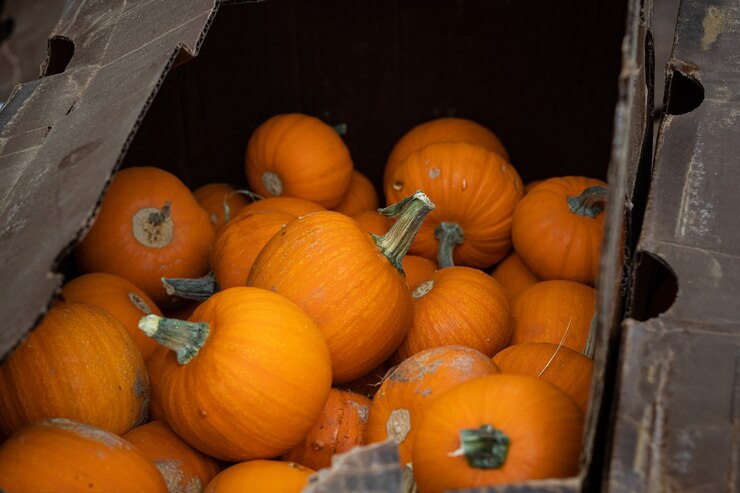
Understanding the pumpkin ripening stages can actually transform your harvest. Stay glued to this article as we explore the key pumpkin ripening stages for a bountiful harvest.
What Are Pumpkin Ripening Stages?
In simple words pumpkin ripening is the natural process that transforms a pumpkin from its initial growth stage to a matured pumpkin.
It has both physical and chemical impacts on the fruit, this process can affect the pumpkins taste, colour, texture, and longevity.
Key Pumpkin Ripening Stages
Pollination And Fruit Set
- What Happens: After flowering, pollination occurs when bees transfer pollen from male flowers to female flowers. Successful pollination leads to fruit sets.
- Appearance: Female flowers will begin to swell at the base, indicating that fruit is beginning to form. The fruit starts as a small green structure.
- Key Actions: Ensure that there are enough pollinators in the area. If necessary, hand-pollinate flowers by transferring pollen with a small brush or cotton swab.
2. Early Growth (Immature Stage)
- What Happens: The pumpkin begins to grow rapidly after pollination, absorbing nutrients and water from the plant.
- Appearance: The fruit remains green and is still relatively small compared to its final size. The vine continues to grow and spread.
- Key Actions: Maintain consistent watering and fertilisation to support healthy growth. Monitor for pests and diseases that may affect young plants.
3. Mid-Growth (Development Stage)
- What Happens: The pumpkin continues to grow in size, with the plant focusing on leaf and vine development.
- Appearance: The fruit may still be green but will start to show signs of increasing size. The vines will have numerous leaves for photosynthesis.
- Key Actions: Ensure adequate sunlight (at least 6 hours per day) and proper spacing between plants for air circulation. Regularly check for nutrient deficiencies or pest infestations.
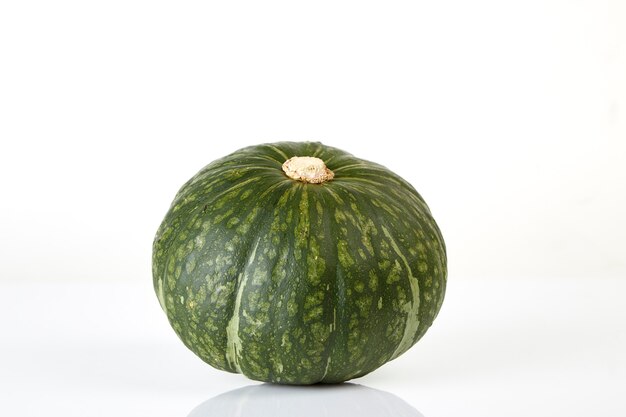
4. Color Transition (Ripening Stage)
- What Happens: As the pumpkin matures, it begins transitioning in color from green to its mature hue (often orange).
- Appearance: The skin starts showing patches of orange, indicating that sugars are developing within the fruit.
- Key Actions: Remove any leaves that shade the pumpkins to allow full sun exposure. Rotate the pumpkins occasionally to promote even color development.
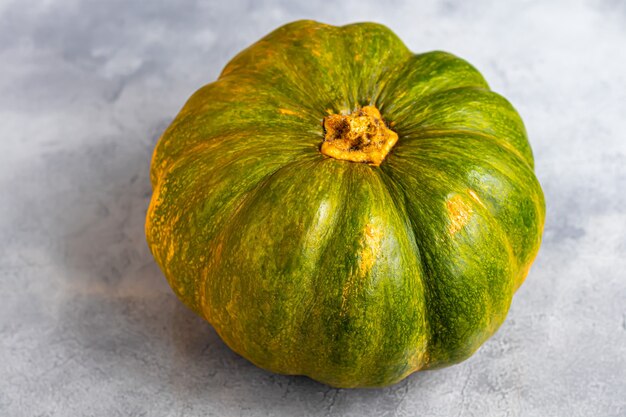
5. Mature Ripening (Full Ripeness)
- What Happens: The pumpkin reaches its maximum size and color, with sugars fully developed.
- Appearance: The skin is a deep, even color (usually orange), and the rind is hard to the touch.
- Key Actions: Check for firmness by pressing on the skin; it should feel solid. If conditions are right, consider starting the curing process by bringing pumpkins indoors.
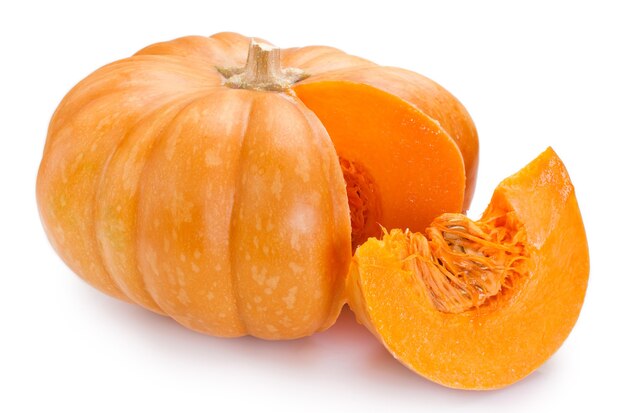
6. Harvest Ready
- What Happens: The pumpkin is ready for harvest when it has reached full ripeness and has been cured properly.
- Appearance: The stem turns brown and begins to dry out; a hollow sound is heard when thumped.
- Key Actions: Cut the pumpkin from the vine with a sharp knife, leaving a stem of at least 4 inches attached to prevent rot. Handle carefully to avoid bruising.
7. Overripe Stage (Optional)
- What Happens: If left too long on the vine or stored improperly, pumpkins can become overripe.
- Appearance: The skin may become soft or wrinkled, and there may be signs of decay or mould.
- Key Actions: Regularly inspect stored pumpkins for signs of overripeness or disease. Use any overripe pumpkins promptly in cooking or compost them if they are beyond use.
Key Factors To Consider In The Pumpkin Ripening Stages
Sunlight
Pumpkins require ample sunlight for proper ripening. Position your pumpkins in sunny areas and remove any leaves that shade them to enhance their exposure to sunlight, this can promote colour development and sugar accumulation.
Temperature
Also monitor the temperature of your pumpkin, the best temperatures for ripening pumpkins are between 80°F and 85°F during the day, with nighttime temperatures not dropping below 60°F.
Cooler temperatures can slow down the ripening process and may lead to chilling injury if they fall below 50°F.
Colour Development
A consistent and vibrant colour can be a good and reliable indicator that your pumpkin is ready for harvest. The skin colour of the pumpkin changes as it ripens, it changes from green to deep bright oranges and sometimes the mature hue specific to its variety.
Size And Shape
Pumpkins grow until it is mature or near maturity, a pumpkin that stops growing signals that it is nearing maturity.
When the pumpkin reaches its size, it takes the characteristics and shape of its variety. The size varies based on its variety, but the average size and weight of a pumpkin is between 1 kg to 7kg.
Skin Texture
Another key factor to note in the stages of pumpkin ripening is the hard and tough skin. As the fruit ripes, its skin hardens and becomes tough, making it difficult to pierce with a fingernail, this nature protects the pumpkin from pests and indicates ripeness.
Stem And Vine Condition
As the pumpkin ripens, the stem turns woody, brown, and begins to dry out. A drying stem signals that the fruit is no longer drawing nutrients from the vine and is ready for harvest.
And The vine attached to the pumpkin starts to wither and die back, such is a natural indicator that the pumpkin has fully matured.
Sound Test
Another factor to consider is the sound, tap the pumpkin lightly, a pumpkin ready for harvest will have a hollow sound when you thump on it lightly with your finger.
Timeframe
Understanding the typical timeline helps manage expectations and plan for harvest. Pumpkins typically ripen 90–120 days after planting, depending on the variety.
Understanding the typical timeline helps manage expectations and plan for harvest.
Weather Conditions
Cool nights and warm days encourage ripening. Frost can damage unripe pumpkin,
harvest before frost to avoid crop loss.
Considering these factors ensures that pumpkins are harvested at their peak quality for culinary use, decoration, or long-term storage.
In summary, with these pumpkin ripening stages; Pollination and fruit stage, immature, development and ripening stages to full ripening stages, and overripe stage are essential to anyone involved in pumpkin cultivation and other pumpkin activities such as, Deer antler pumpkin carving.
By monitoring these stages closely and taking appropriate actions, growers can ensure their pumpkins develop optimal flavor, texture, and storage potential. Proper management throughout these stages leads to a successful harvest and enjoyment of this versatile crop.
Leave your comments Deer Hunting Gateway
]]>Understanding what grass do deer eat reveals other important aspects about their lives and habitats. When you know the types of grass deer love, it can give you a better chance to attract them to your yard or spot them in the wild.
In this post, we will break down seven types of grass deer eat and why each one plays a unique role in their diet.
Why Deer Eat Grass
It is necessary to understand why deer eat grass when addressing what grass do deer eat.
Deer often prefer high-energy foods like nuts, fruits, and shrubs, grass may not be deer’s first dietary choice.
However, grass can be an essential part of their diet, especially in particular seasons when other food sources become scarce.
Yet still, grass composes healthy nutrients that are essential for deer health. Grasses offer deer roughage that aids digestion, and fibre and protein that helps sustain deer when other foods are unavailable
Grass plays a complementary role in a deer’s diet. In spring and summer, fresh grasses are high in fiber and water, which support the deer’s hydration and digestion.
During autumn, grass availability wanes, and deer shift toward other forage types.
However, in winter, deer may return to grass if it’s one of the few food sources accessible beneath the snow, making it a critical seasonal staple in their diet.
What Grass Do Deer Eat- Top 7 Grasses Deer Love
1. Clover
Clovers should not be left out when it comes to what grass do deer eat.
It has high nutritional value, rich in protein and minerals, and attracts deer throughout the year. Clover is one of the top choices for deer and many wildlife food plots due to its high protein content and palatability.
It has varieties like white and red clover which are more attractive to deer, the protein needed for muscle development and antler growth.
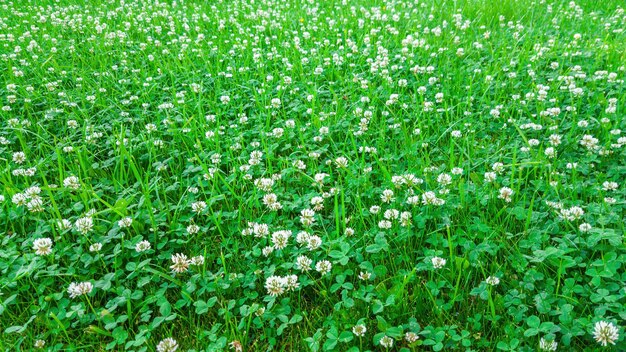
Clover grows well in various environments, such as meadows, open fields, and along the forest edge, which makes them widely accessible for deer across regions.
2. Fescue
Fescue is a resilient grass that is commonly found in landscapes, fields and pastures. It is another answer to what grass do deer eat.
It has high fiber content and broad availability, especially in early spring when tender fescue shoots emerge, which is what draws deer to it.
Although it is not as nutrient-dense as fescue, it provides good roughage and grows well in many climates, making it a consistent option for deer.
3. Orchard grass
This grass grows well in shaded areas and is often found in meadows. Its soft texture, lush growth, and high digestibility grass make it a favorite among deer, especially in habitats where other forage is limited.
Orchard grass grows primarily in open pastures and woodland edges, which are natural grazing spots for deer. It is an important answer to what grass do deer eat.
Orchard grass is moderately high in protein and very palatable, and an ideal grass for deer during the growing season.
4. Bluegrass
Bluegrass is a fine-textured, palatable grass that deer often consume in early spring when it’s most tender and nutritious.
It grows well in cooler climates and provides essential nutrients that help sustain deer through different seasons.
These grasses are commonly found in lawns and open fields, have a soft texture and mild taste that makes them popular with deer.
Kentucky bluegrass, in particular, is a favorite due to its widespread availability and palatability.
5. Alfalfa
Although technically a legume, alfalfa is often grouped with grasses in habitat management due to its high appeal for deer. Therefore, a perfect answer to what grass do deer eat.
Alfalfa offers an impressive protein content, it is one of the valuable food sources for antlered bucks and pregnant does in spring and summer.
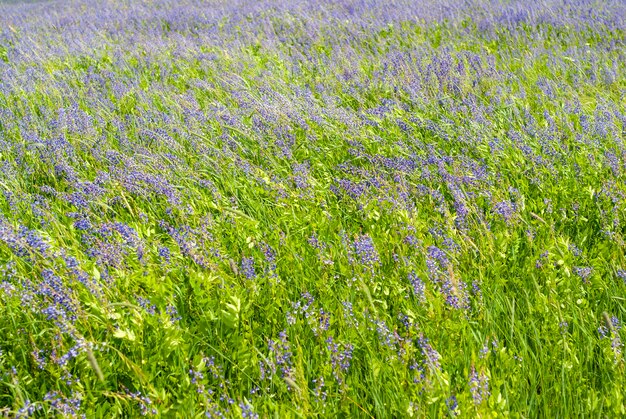
Its deep-rooted growth makes it flourish even during droughts, making it a sustainable option for supporting local deer populations.
6. Ryegrass
Ryegrass is easy to establish and grows quickly, making it a reliable food source for deer.Ryegrass is well-loved by deer and widely available in the wild, it is an easy food choice in regions with diverse grasses.
It has tender blades and moderate nutritional profile that makes it a solid option for deer, especially in early spring and late autumn.
Ryegrass grows quickly and is often used in food plots for attracting deer due to its reliable growth and appeal.
7. Timothy Grass
Timothy grass is an irresistible option for deer, especially when they’re looking for a fibrous, filling forage.
It is known for its tall, seed-bearing stalks and dense growth, timothy grass is very attractive in late summer when seed heads emerge and an answer to what grass deer eat.
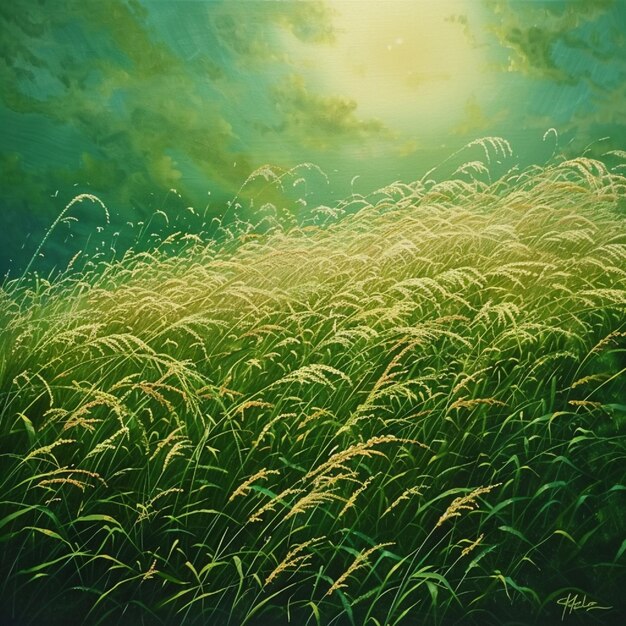
It also has high fiber content and helps with digestion, which makes it an ideal choice for deer who require additional roughage.
How To Identify These Grasses In The Wild
Here’s a quick guide on spotting these grasses for wildlife enthusiasts, and habitat managers looking to attract deer
- Clover: Look for small, round leaves in clusters of three; white or red flowers are common.
- Fescue: Fescue grows in dense clumps, often with a deep green or blue-green color. It is known for its fine blades,
- Orchard grass: It is a recognizable by its tall, tufted growth and blue-green color; often found in patches near woodland edges.
- Bluegrass: Has a soft, narrow blade and a distinctive bluish tint.
- Alfalfa: Look for tall, leafy plants with purplish flowers and a deep taproot.
- Ryegrass: Characterized by narrow, glossy blades; grows quickly and densely in open fields.
- Timothy Grass: This grass grows tall and produces long, cylindrical seed heads that sway in the wind.
How To Attract Deer With Grass: Best Practices
After knowing what grass do deer eat, it is important to know how to attract them.
For those interested in attracting deer to their property, establishing and maintaining grass plots is a simple and effective approach. Here are a few tips:
- Plant Diverse Grass Mixes: Combine clover, ryegrass, and orchard grass to create a nutritionally balanced food plot that deer will frequent.
- Choose Locations Carefully: Deer prefer areas with open visibility but some cover nearby for safety. Plant food plots in meadows, clearings, or forest edges.
- Timing Matters: Plant cool-season grasses like ryegrass and orchard grass in early spring or late summer for optimal growth.
- Soil Preparation: Test and amend your soil as needed to support strong grass growth, as healthy, nutritious grass will be more appealing to deer.
- Regular Maintenance: Mow occasionally to encourage tender regrowth, and fertilize periodically to keep your grasses nutrient-rich.
Read more on what attracts deer to your site for additional insights.
To wrap up,
Understanding “what grass do deer eat” is vital for anyone involved in wildlife observation, hunting, or habitat management.
When you learn deer’s grass preferences (clover, fescue, orchardgrass, bluegrass, alfalfa, ryegrass, and timothy grass), you can effectively attract deer to specific areas and support healthier wildlife populations.
Each grass type offers unique benefits that meet deer’s dietary needs, so consider planting a mix to increase the attractiveness and sustainability of your space for local deer populations.
For more information on deer diets and habitat management practices that benefit both wildlife and landowners alike, check out resources from organizations like Noble Research Institute 2 or Wildlife Illinois
]]>Grassland inhabiting deer, also known as antelope, are a diverse group of hoofed mammals. They live in open plains and savannas around the world. These adaptable ruminants have evolved unique traits to survive in their grassy habitats.
This article will explore the various grassland deer, their characteristics, preferred habitats, and interesting social behaviors.
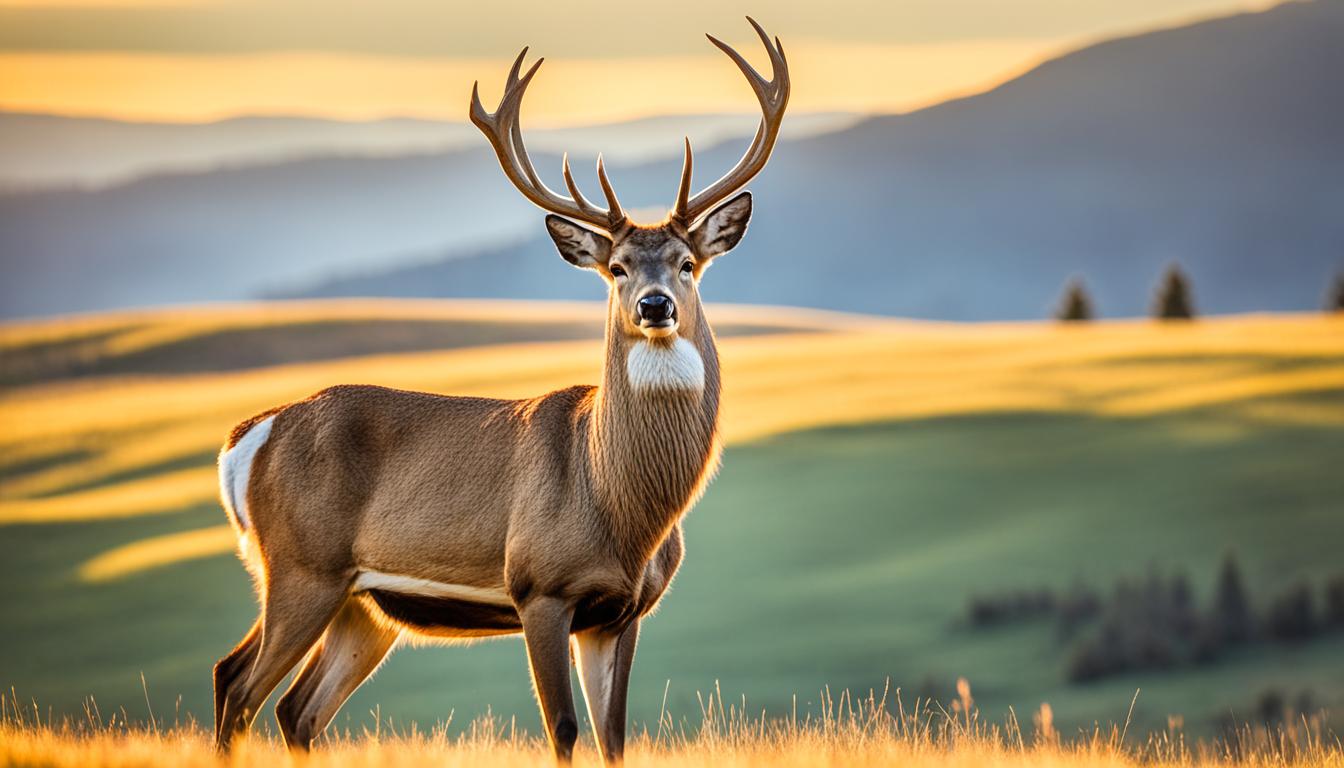
Are you fascinated by the lightning-fast pronghorn of North America, the graceful gazelle of the African savanna, or the elusive impala of the bush? The world of grassland-dwelling deer is full of captivating stories. Join us as we explore the remarkable adaptations and vibrant lives of these magnificent grassland antelope.
Introduction To Grassland Inhabiting Deer
The deer family, known as Cervidae, includes many hoofed, ruminant ungulates found worldwide. They are called “true deer” and are known for their iconic antlers. These antlers are grown and shed every year by most males. While many deer live in forests, a lot have adapted to live in grasslands, prairies, and savannas.
Grassland deer have unique physical traits, social behaviors, and preferences for their habitats. They share a common ancestry with forest deer but have special traits for living in open areas. This makes them stand out.
Deer like the pampas deer, marsh deer, and Andean deer live in grasslands. They are important to the cervidae family and play a key role in grassland ecology. These remarkable deer show how the deer family has adapted to different habitats, from forests to grasslands.
Pampas Deer: The Iconic Grassland Species
In central South America, the Pampas deer (Ozotoceros bezoarticus) is a standout among grassland deer. They are smaller than European deer but have a compact build and plain colors. This helps them blend into their grassy home.
Physical Characteristics
The Pampas deer has a unique 3-point antler structure, like many Asian deer. Their fur is reddish-brown to grayish-brown, perfect for hiding in the grasslands. They are about 3 feet tall and weigh 130-220 pounds, making them medium-sized deer.
Habitat And Diet
These deer live in the open grasslands and savannas of South America, especially in central Argentina’s Pampas. They eat various grasses, herbs, and sometimes woody plants. Their ability to move through the flat, treeless lands lets them thrive in this unique area.
Social Behavior And Reproduction
- Pampas deer live in small groups of up to 20, led by a dominant male.
- They breed in spring and summer, with females having one fawn after 7-8 months of pregnancy.
- Newborn fawns can stand and follow their mothers right away, a key survival skill in the open grasslands.
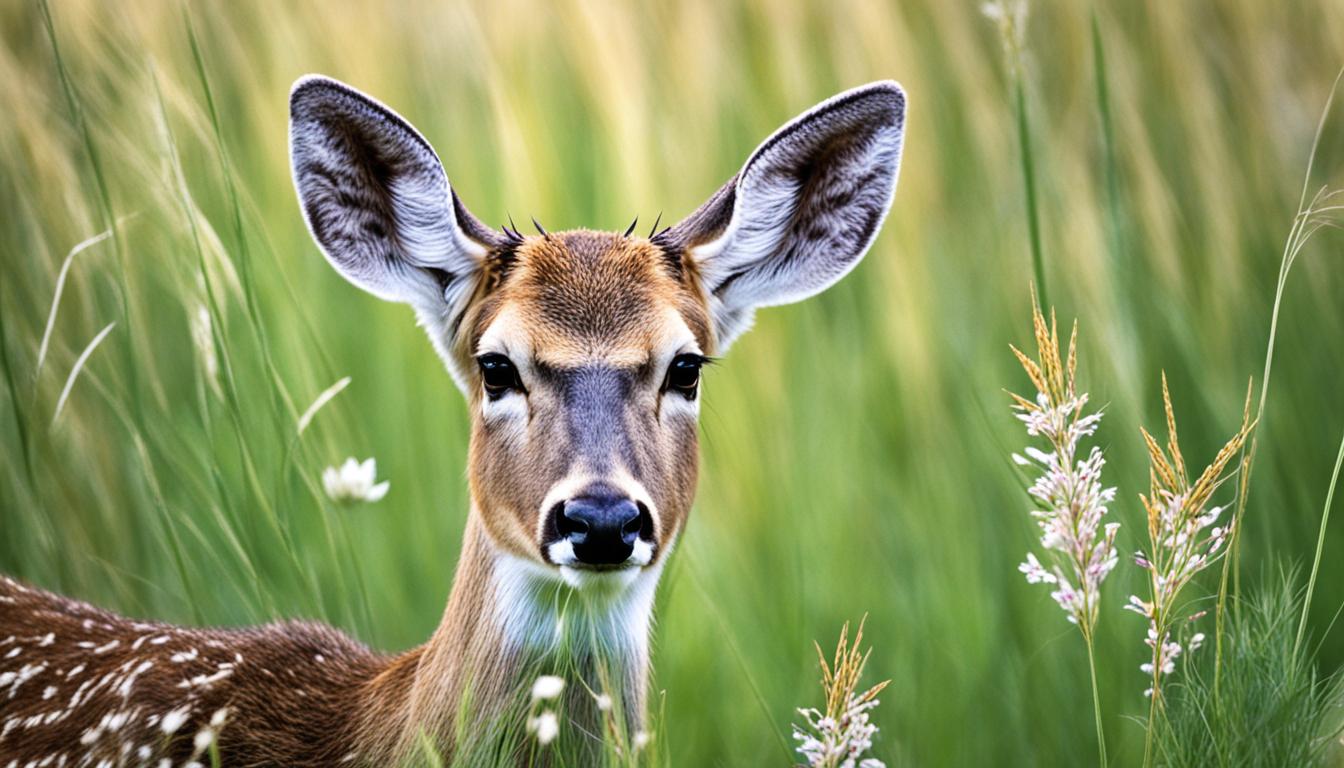
The Pampas deer is known for its unique look, special adaptations, and important role in the grasslands. It’s a symbol of South America’s natural beauty. Protecting this deer is key to keeping the Pampas ecosystem diverse and balanced.
Marsh Deer: Wetland Wonders
In the vast wetlands and tall grasses, a majestic creature roams – the marsh deer (Blastocerus dichotomus). It looks like a pampas deer but has long legs and black lower legs. These features make it stand out. Its antlers have four or five points with a unique design.
Distinguishing Features
The marsh deer is unique among wetland deer. Its long legs help it move through marshes easily. Its dark lower legs contrast with its light-colored body. The deer’s antlers have a special design with multiple points.
Habitat Preferences And Feeding Habits
The marsh deer loves wetland environments. It lives in places like the Pantanal in South America and lush river deltas. These deer eat many types of aquatic plants. They dive into the water to eat the plants that grow there.
Grassland Inhabiting Deer: Species, Behavior, And Habitat
Grassland deer, also known as antelope, live in open plains, prairies, and savannas worldwide. They include pampas deer, marsh deer, and many others like pronghorn, gazelle, and wildebeest. These deer have special traits to live in vast, grassy areas. They have unique ways of eating and living together in groups.
The pampas deer lives in small areas in central South America. Only about 1% of their old home is left today. They eat grass, shrubs, and herbs. They live in small groups and change their behavior with the seasons.
Marsh deer are bigger than pampas deer and love wetlands. They can swim well and eat plants in shallow water. But, their homes are being destroyed by people, making them harder to find.
There are many types of grassland deer, each with its own way of life. Learning about these deer helps us understand how they live in their vast, grassy homes.
Andean Deer: Mountain Marvels
Many deer live in open areas, but two species love the Andes’ mountains. These Andean deer are amazing. They live in tough places in the Andes.
Taruka: The Central Andes Dweller
The taruka lives in the central Andes, from Peru to northern Argentina. It’s an Andean deer that’s great at moving through steep places. It’s perfect for its home in the high mountains.
Huemul: The Endangered Patagonian Gem
In Chile and Argentina, the huemul lives in the southern Andes. It’s also known as the Patagonian deer. This deer is very special and has adapted well to the tough Patagonian land. Sadly, it’s endangered, and people are working to save it.
Conservation Challenges And Efforts
The grassland deer species, like the pampas deer, marsh deer, and Andean deer, face big challenges. Their homes are being destroyed and broken up by human activities. These include farming, building cities, and making roads.
For example, only about 1% of the original pampas deer home is left today. The marsh deer and the endangered huemul are also losing their homes. Their wetlands and mountain areas are being changed and used for other things.
People are working hard to save these deer and their homes. They use new methods like spatial modeling and remote sensing to track changes in the land. This helps them make plans to protect these areas.
The NRCS started a project to help grassland birds in the U.S. Northern Great Plains. Researchers like Niemuth et al. in 2017 made maps to help save grassland birds in the same area.
Conserving private land is getting harder because people use it for different things now. But, there are still efforts to restore habitats and protect deer populations.
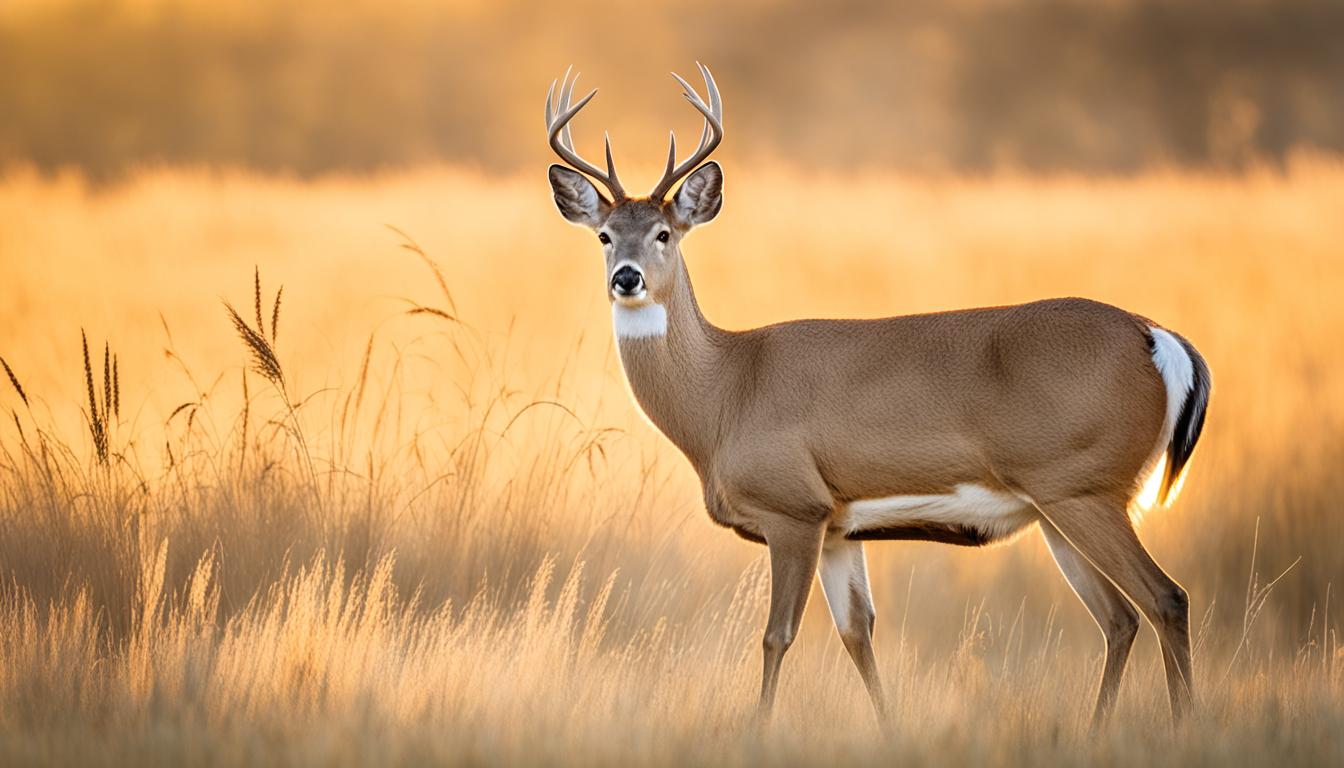
Even with big challenges, there’s hope for saving grassland deer. By stopping the main causes of habitat loss and using smart conservation plans, we can help these special deer live in their natural homes.
Conclusion
Grassland deer are a fascinating group that live in open, treeless areas. They include the well-known pampas deer and the endangered Andean species. These deer have unique traits and behaviors that help them live in their grassy homes.
It’s important to understand and protect these deer because they face many threats. Habitat loss and fragmentation are big problems for them. We need to keep studying and protecting these deer to save them.
By researching and raising awareness, we can help these deer survive. We can learn how deer affect the ecosystem by studying their eating habits and how they interact with plants. This knowledge helps us manage deer in places like farms and forests better.
Protecting grassland deer is important for nature and culture. They are tied to the culture and history of their lands. Keeping these deer helps keep their ecosystems diverse and balanced. By focusing on saving grassland deer, we protect these amazing animals and their homes for the future.
]]>Many homeowners share this frustration. But can you make your yard into a deer-friendly landscape that you and the deer will love?
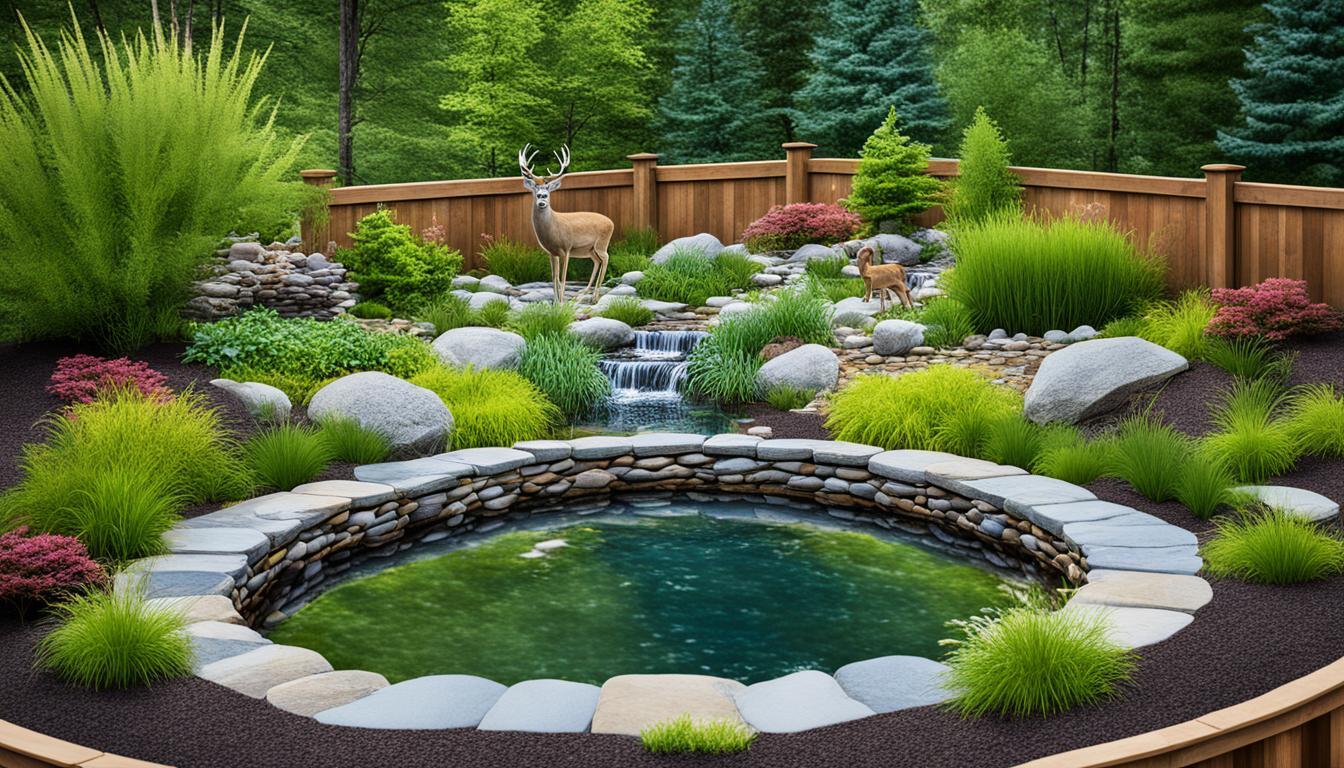
The answer is yes, with the right knowledge and plants. By choosing deer resistant plants and creating a deer-friendly landscape, you can make your yard beautiful and safe. There are many native plants and planting methods to try for a peaceful garden.
Let’s explore how to make your yard safe for your plants and welcoming for wildlife. You’ll learn to turn your yard into a place where plants and animals live together well.
- Understanding Deer Behavior and Habitat Needs
- Deer feeding patterns and preferences
- Natural deer habitats and how to mimic them
- The importance of edge zones in deer-friendly landscapes
- Designing Deer-Friendly Landscapes: Principles and Strategies
- Incorporating Hardscape Elements
- Choosing the Right Color Palette
- Creating Plant Groupings and Layered Designs
- Selecting Deer-Resistant and Deer-Friendly Plants
- Understanding Deer-Resistant Plant Ratings
- Native Plants for Wildlife Support
- Balancing Aesthetics and Deer-Friendly Choices
- Coexistence Strategies: Beyond Plant Selection
- Conclusion: Embracing a Harmonious Approach to Deer-Friendly Landscaping
Understanding Deer Behavior And Habitat Needs
Creating a Deer-friendly Landscape plan starts with knowing their behavior and needs. Deer can live in both rural and urban areas. By understanding their likes, you can make your yard beautiful and safe for deer to stay.
Deer Feeding Patterns And Preferences
Deer have certain eating habits that affect their actions. They like tender, young plants. Knowing this helps to keep deer from eating your plants.
Deer are most active at dawn and dusk. Keep this in mind when planning your garden to minimize deer damage to new crops.
Natural Deer Habitats And How To Mimic Them
Deer do well in diverse places with food and shelter. Creating a deer-friendly landscape makes your yard beautiful, and it mimics deer natural habitats. Mix open areas for eating with shrubs and dense trees for hiding.
This approach helps deer and makes your yard more diverse.
The Importance Of Edge Zones In Deer-Friendly Landscapes
Edge zones, where trees and shrubs meet, are ideal for deer, offering both food and safety. When creating a deer-friendly landscape, consider incorporating these areas to attract and protect deer.
They help deer move around and make your yard look better. Adding these features creates a safe space for deer and keeps your yard beautiful.
Creating a Deer-Friendly Landscapes: Principles And Strategies
Creating a yard that’s friendly to deer doesn’t mean it can’t look great. With designing a deer-resistant garden, you can have a yard that looks good and is easy to take care of. Let’s look at key ways to make your garden deer-proof while keeping it beautiful.
Incorporating Hardscape Elements
Begin your deer-proof garden with hardscape elements. Pathways, stone walls, and patios are great because deer can’t damage them. They also make your yard look neat. Add things like water fountains or decorative containers to distract deer from plants they might eat.
Choosing The Right Color Palette
A good color scheme makes your yard look better and helps pick the right plants. Choose colors that match your home. This makes your yard look better and hides any deer damage.
Creating Plant Groupings And Layered Designs
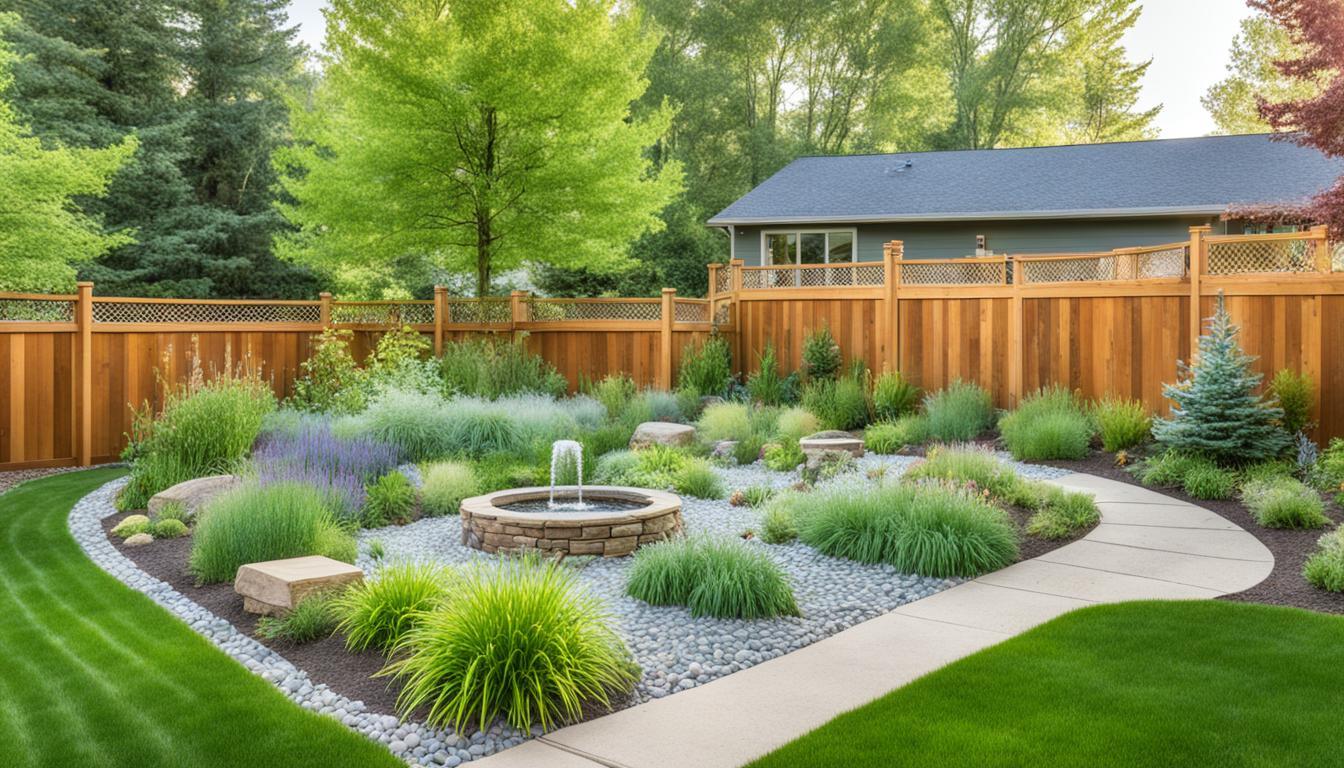
When creating a deer-friendly landscape, planting in groups makes your garden less appealing to deer, and this protects the plants. Use layered design ideas with different plant heights to hide any damage. This is especially useful in places like New Jersey, where deer are common, especially in suburbs.
- Use taller plants as a backdrop
- Place medium-height plants in the middle
- Edge with low-growing varieties like deer-resistant shrubs.
By following these tips, you’ll make a garden that deer love and looks good. Remember, the best way to keep deer out often involves using several strategies that fit your area.
Selecting Deer-Resistant And Deer-Friendly Plants
Finding the right balance between plants that deer like and those that help keep deer away can be tough. Let’s look at how to pick plants that keep deer away but still support local ecosystems.
Understanding Deer-Resistant Plant Ratings
Rutgers University has a deer-resistant plant list. They rate them from A (rarely damaged) to D (often severely damaged). This guide helps you choose plants that deer are less likely to eat.
Native Plants For Wildlife Support
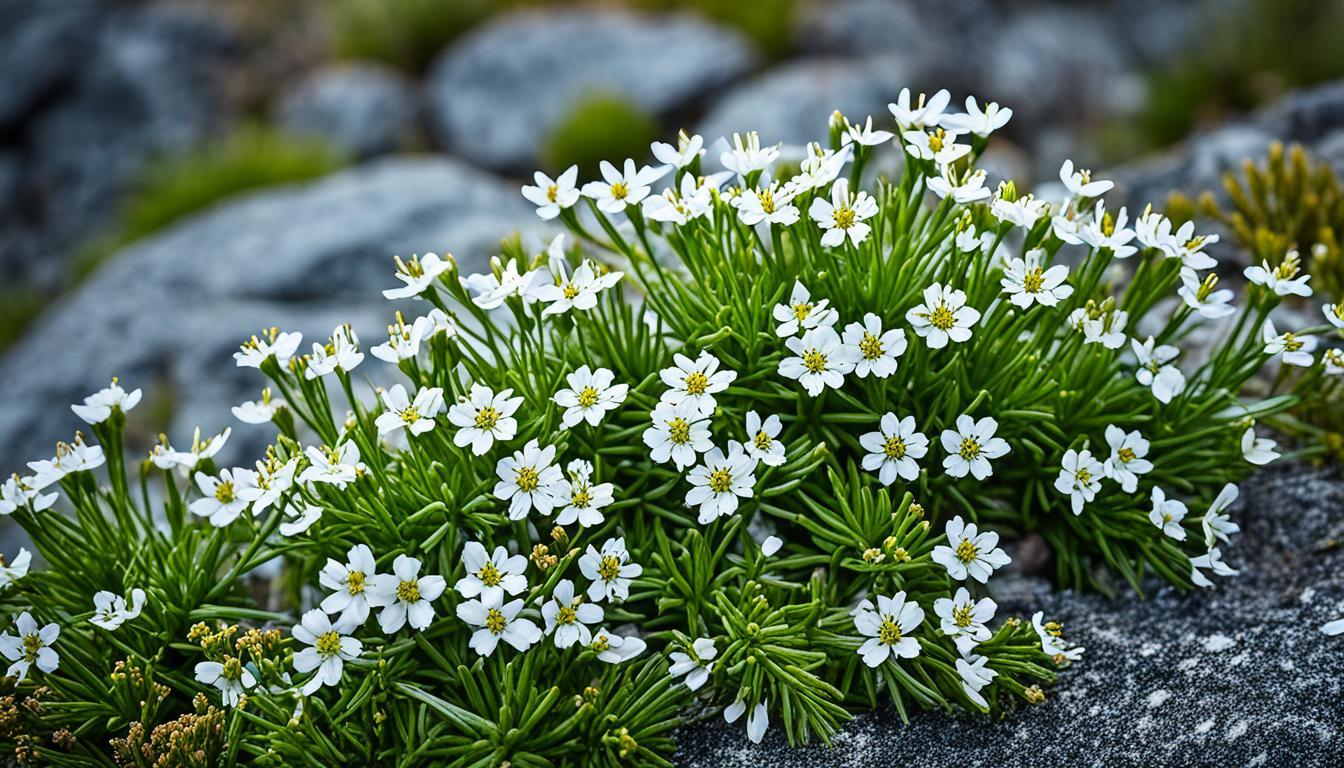
Native plants like goldenrod and jewelweed feed deer and other wildlife. Woody plants such as staghorn sumac are deer food and spread easily. These plants create sustainable food sources in Wildlife-Friendly Gardens.
Balancing Aesthetics And Deer-Friendly Choices
Mix deer-resistant and deer-friendly plants for a yard that looks good and supports wildlife. Try these tips:
- Use herbs like basil and mint as natural Deer Repellent as deer have a sensitive nose.
- Plant tough, fuzzy-leaved varieties that deer don’t like
- Choose drought-tolerant plants, which are less appealing to deer
- Add some spiny plants as natural barriers
No plant is completely deer-proof. Hungry deer might eat anything. But with smart choices, you can create a beautiful yard that deters deer and supports local wildlife.
Coexistence Strategies: Beyond Plant Selection
Creating a deer-friendly landscape is more than just picking the right plants. It’s about understanding deer behavior and working with nature. By letting natural food grow and turning lawns into meadows, you offer food and shelter for deer all year round. This also makes your garden more diverse.
Deer-Proof Gardening isn’t about keeping deer out. It’s about guiding them through your garden. Here are some tips:
- Let woody plants such as ornamental plants spread naturally
- Create habitat hedgerows for winter shelter
- Plant in drifts of low-growing native species
- Use visual cues of human intention to influence community preferences
Using native plants like mountain mints, Joe Pye weeds, and coneflowers has two benefits. They draw people in and feed wildlife. These plants can also change how the neighborhood looks, which affects garden choices.
Seeing deer as natural pruners for plants like sumac changes how we view gardening. It’s not just about keeping deer away. It’s about living in harmony with local wildlife.
Conclusion: Embracing A Harmonious Approach To Deer-Friendly Landscaping
Creating a deer-friendly landscape means changing how we think about landscaping. Instead of fighting nature, we can live in harmony with wildlife. By learning about deer behavior and using smart strategies, we can make a garden that looks great and helps the environment.
Choosing the right plants is key for a wildlife-friendly garden. Pick plants like lavender, sage, and yarrow that deer don’t like as much. Adding native plants helps local ecosystems too. But remember, “deer-resistant” doesn’t mean “deer-proof” – deer might still nibble on these plants.
Protect your garden with creative ideas. Try using raised beds with high sides or planting things together. Natural repellents like hot pepper spray or certain plants can keep deer away without harming the environment. This way, you get a beautiful garden that meets your needs and helps local wildlife.
Creating a deer-friendly landscape is more than just keeping deer away. It’s a chance to help the environment. Your garden can become a home for many species, making your backyard a richer place. With time and understanding, you can create a beautiful space that welcomes people and wildlife.
]]>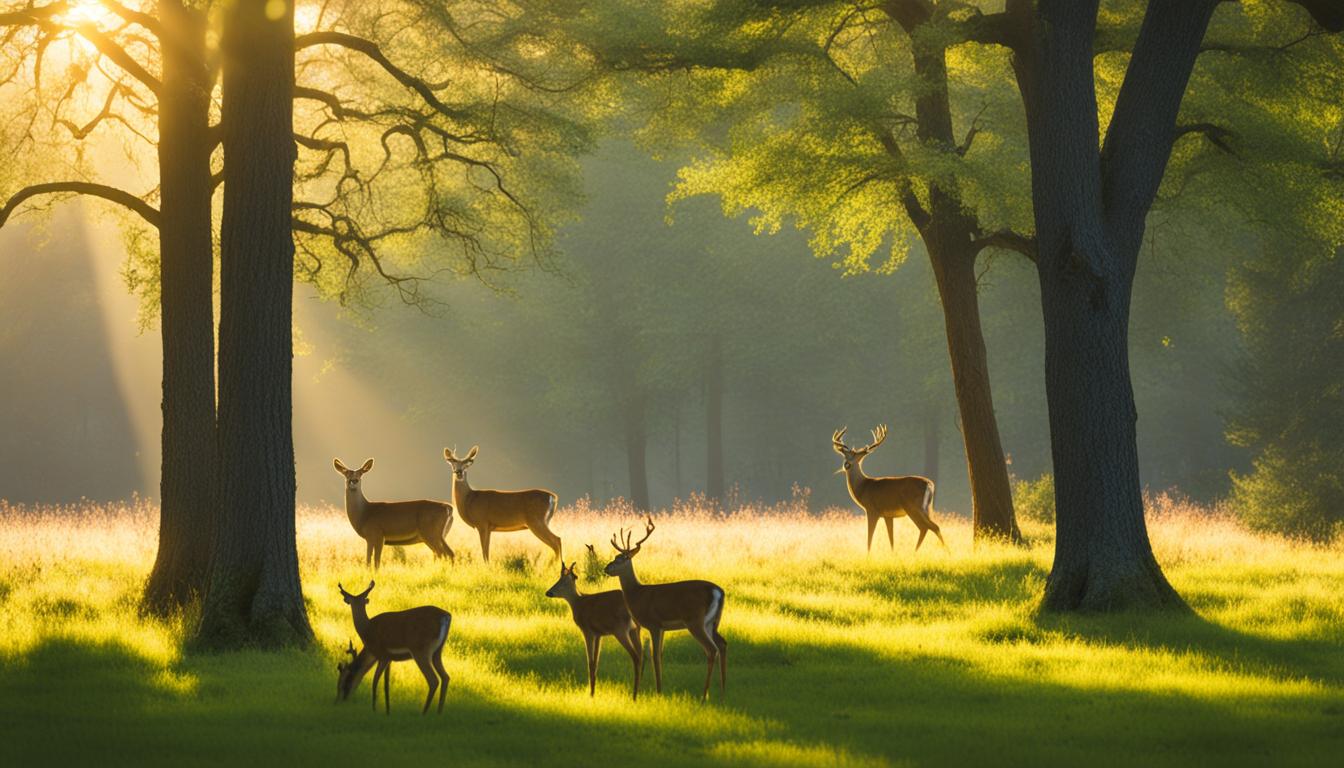
Imagine making your property a deer paradise, full of their favorite trees and plants. This guide will teach you about trees deer like and plants that deer need. You’ll learn how to make a space that’s good for deer and the environment. Get ready to learn about the trees deer like and how to live in harmony with them.
The Importance Of Tree Diversity For Deer
Having many types of trees is key for healthy deer. Trees offer different foods like nuts, fruits, leaves, and twigs. By planting trees like oak, hickory, and persimmon, landowners help deer have food all year. This is true even when faced with drought, pests, or disease.
Why Variety Matters For Deer Habitat
A mix of trees makes the ecosystem more diverse. This supports many other animals too. Studies found deer like areas with their favorite trees more than single-species areas. They avoid trees they don’t like as much.
Benefits Of A Diverse Tree Population
A diverse tree population is good for deer and the environment. It keeps the ecosystem healthy and strong. Different trees deer like thrive in various conditions, making the ecosystem more resilient.
This means fewer trees are lost to disease or pests. It also helps other plants, insects, and animals live better. This makes the whole ecosystem more balanced and healthy.
Research shows deer prefer certain trees like red maple and red oak. They avoid trees like hickory. In places without deer, diverse forests still have fewer plants but those that survive grow bigger. This shows the need for balance in tree diversity and deer management for a healthy ecosystem.
Acorn-Producing Oak Trees
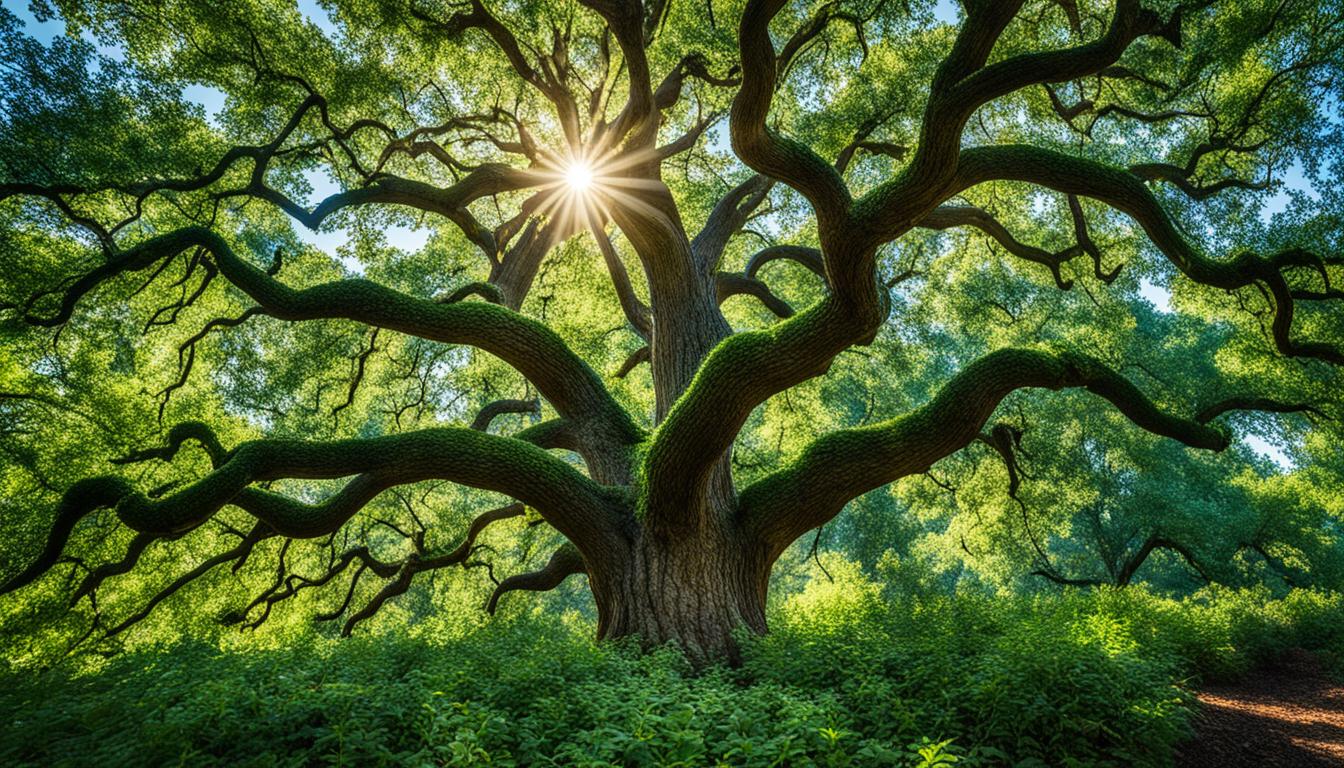
Oak trees are a key food source for deer, offering nutrient-rich acorns. White oaks (Quercus alba) are especially liked by deer because they taste sweeter. Species like swamp white oak (Quercus bicolor), overcup oak (Quercus lyrata), and chestnut oak (Quercus prinus) provide food from fall to winter.
White Oak Varieties
Planting different white oak types ensures a steady acorn supply, even when some trees don’t produce much. In middle Georgia, deer love swamp chestnut oaks and white oaks. Having various white oaks means deer always have food throughout the year.
Red Oak Varieties
Trees Deer like also include red oak (Quercus rubra) acorns, even if they’re not as tasty as white oak ones. Red oak acorns stay on the ground longer, helping deer in late season when food is scarce. Species like Shumard oak (Quercus shumardii) and nuttall oak (Quercus nuttallii) add variety to deer’s diet.
Adding both white and red oaks to a landscape makes it better for deer. This mix ensures a steady and varied acorn supply. It supports the health and well-being of local deer for a long time.
Soft Mast Trees And Shrubs
Deer love more than just oak trees. They also enjoy soft mast trees and shrubs. The wild persimmon (Diospyros virginiana) is a great example. It’s a small to medium tree that produces a fruit deer can’t get enough of.
Persimmons ripen during deer season, offering a key food source when other food is scarce. Deer and other wildlife love the sweet, orange persimmons. Adding these trees to your land can make it more welcoming to deer.
Wild Persimmon
In the Southeast, persimmons are a top choice for deer. They offer a sweet, juicy fruit that deer can’t resist. By planting different persimmon types, you can keep deer fed from fall to early winter.
Crabapple And Apple Trees
Crabapple (Malus spp.) and apple (Malus domestica) trees are great for deer too. They give deer a tasty, juicy fruit. By planting various crabapple and apple types, you can feed deer from fall to early winter.
Well-managed orchards or single fruit trees can attract deer. This makes your property a better place for them to forage.
Soft mast trees and shrubs are key for white-tailed deer. Try pears, apples, crabapples, persimmons, plums, blackberries, raspberries, and mulberries. Local nurseries can help pick the best types for your area.
Planting different trees ensures fruit is available all season. This helps deer have a steady food supply.
Browse And Cover Trees
Creating a great home for deer is not just about food. It’s also about trees deer like and shrubs that offer browse and cover. Browse is what deer eat, like leaves and young shoots. Cover gives them shelter from predators and bad weather.
For deer habitat, trees like Eastern red cedar, honey locust, and aspen are great choices. They give deer both food and a safe place to hide. Planting these deer browse and deer cover trees in important spots makes the area better for deer.
Landowners can also add warm season grasses and conifer stands to their land. Cutting or removing trees in certain ways can make great cover for deer. This helps them stay safe and warm, especially in winter.
By focusing on both food and shelter, landowners can make their land a great place for deer. This approach helps the deer and makes hunting better.
A diverse, well-thought-out landscape is key for a wildlife-friendly property. It attracts and keeps healthy deer populations happy for a long time.
Planting And Maintaining Deer-Friendly Trees
Creating a diverse, deer-friendly tree population needs careful planning and the right planting methods. Start by checking the trees on your property and finding spots to add more trees deer like. Clear away unwanted plants to make good spots for planting. Think about the soil, sunlight, and other factors that affect tree growth and success.
Site Preparation And Planting Tips
Buy trees from trusted local nurseries to get healthy, disease-free trees. Plant them in the fall to use spring rains and help roots grow before summer dryness. Use tree tubes or barriers to protect young trees from deer and other animals. Watch out for weeds and control them to help your trees grow well.
Care And Maintenance For Young Trees
Looking after new trees is key to their success and your deer-friendly landscape. In the first year, water young trees when it’s dry to help roots grow strong. Don’t over-fertilize to avoid harming roots and promoting bad plants. Keep the area around trees clear of weeds and grass to reduce competition.
Give trees regular food to help them grow big and produce food for deer. Use things like rebar posts or pie pans to stop deer from rubbing on the trees. With the right care, your trees will grow strong and be great food and shelter for deer and wildlife for years.
3 Common Trees Deer Like
Deer have their own favorite trees and plants to eat. Knowing what they like is key to making a great place for them. By planting different types of trees, we can help deer and protect the environment too.
Acorn-Producing Oak Trees
Oak trees are a main food for deer. White oaks like white, swamp white, overcup, bur, and others are favorites because their acorns are sweet and less acidic. Red oaks are also good but less preferred.
Soft Mast Trees And Shrubs
Deer also like sweet fruits from soft mast trees and shrubs. Wild persimmons, crabapples, and apples are great examples. Persimmons keep dropping fruit from fall to spring, helping deer in the winter.
Browse And Cover Trees
Deer use browse and cover trees for shelter and food. Honey locust and cedar thickets are good because deer enjoy their pods and leaves. These trees help deer feel safe and find food.
Planting different deer-preferred trees makes a great place for deer and other wildlife. It also helps the environment.
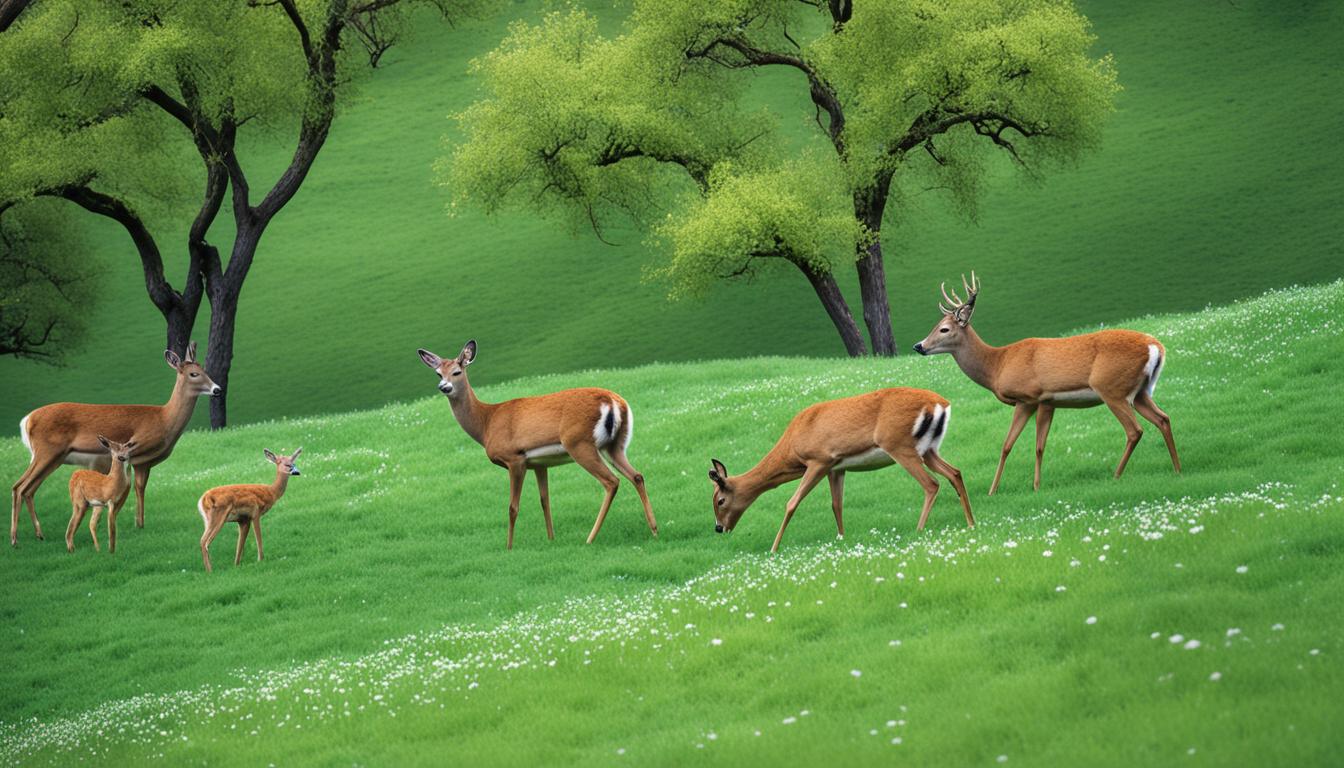
Planting trees for deer can start to help within a year or two. Some plants take 10 to 15 years to grow. Long-term trees take 15 to 20 years but keep producing for years.
Planting trees in the fall is best. It lets them grow roots over winter and spring. This prepares them for the hot, dry summer.
Conclusion
To make your landscape deer-friendly, you need to think about trees deer like and need. Planting a variety of trees, including oaks and soft mast, helps create a great home for deer. This approach also helps the environment by supporting many living things.
With the right planning and care, you can make a space that deer love. They’ll have enough food, shelter, and places to hide. This makes for a healthy deer population and a better environment.
Choosing trees deer like is key to their survival and our environment’s health. Management, restoration, stewardship, and conservation are important for a balanced ecosystem. This benefits deer and all living things around them.
Creating a deer-friendly landscape takes time and effort. But the benefits are huge. Working with hunters and using the latest research helps protect our natural world. Together, we can keep our landscapes beautiful for the future.
]]>