


Introduction
Food plot and feeding deer are two of the most powerful tools hunters can use to attract, sustain, and pattern whitetails. Ask any seasoned hunter, and they’ll tell you success doesn’t come down to chance alone.
While patience, skill, and timing play huge roles, having a well-planned food plot and feeding system is often the real difference between watching deer from afar and having them within range.
Food plots and deer feeding strategies aren’t just about pulling deer closer during hunting season. They improve herd health, support antler growth, and make deer movements more predictable throughout the year. By creating an environment where deer find consistent food sources, you’re not only increasing your odds of success but also building healthier herds on your land.
This guide will walk you through everything from choosing the right crops and planting techniques to seasonal feeding approaches and ethical considerations.
Whether you’re planting your very first plot or fine-tuning a property you’ve managed for years, this resource will help you master food plots and feeding deer strategies that truly work.
1. Food Plots and Their Role in Deer Hunting
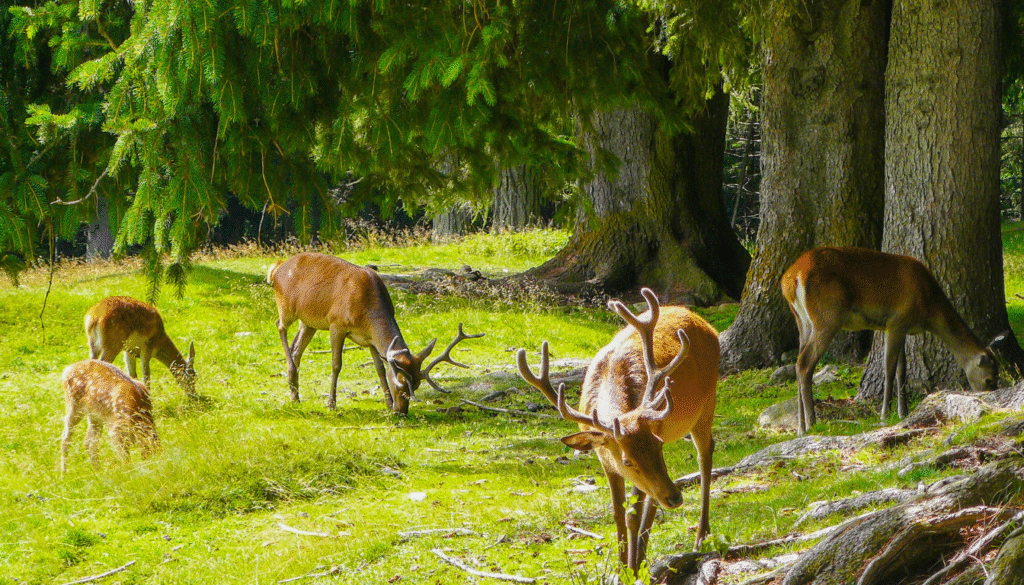
A food plot is simply a section of land prepared and planted to provide deer with supplemental nutrition. But for hunters, a food plot and feeding strategy is more than just a patch of greenery, it’s a way of shaping deer behavior.
Hunters typically use two styles of plots. Larger nutrition plots are meant to sustain deer year-round, while smaller hunting plots are designed to draw them close to a stand or blind during hunting season.
When paired with smart feeding practices, these plots make deer more predictable, giving hunters a clear edge while also ensuring the animals remain well-fed and healthy.
2. Types of Food Plots Every Hunter Should Consider
Choosing the right food plot and feeding deer plan depends on your goals and land. Perennial plots such as clover and chicory are excellent for long-term nutrition, often lasting several years with proper care. They’re reliable, especially in spring and summer, and require less replanting once established.
Annual plots, on the other hand, are seasonal but highly effective. Corn, soybeans, and brassicas grow quickly and provide attraction when it matters most in fall and winter. Many hunters plant both perennials and annuals to strike a balance between long-term nutrition and seasonal attraction.
You’ll also want to think about timing. Warm-season crops like soybeans thrive in spring and summer, while cool-season options such as oats and turnips shine in fall and winter. A food plot and feeding system that rotates crops through the year keeps deer coming back month after month.
3. Choosing the Right Food Plot for Your Land
No two hunting properties are the same, which is why tailoring your food plot and feeding deer strategy to your land is so important. Start by testing your soil so you know what nutrients it needs. From there, consider your property size, local climate, and what natural food sources already exist nearby.
If your area is surrounded by cornfields, plant something different to diversify. If you have a smaller property, focus on one or two well-placed hunting plots near cover, where deer will feel secure feeding.
Every decision you make about where and what to plant should work toward your ultimate goal: keeping deer on your property and within range.
4. Planting and Maintaining Food Plots
Planting a food plot and feeding deer may sound simple, but success comes down to preparation. Healthy soil is the foundation, so never skip a soil test.
Once you’ve corrected pH and added necessary fertilizer, prepare a clean seedbed by removing weeds and brush. Plant your chosen seeds at the right depth and spacing, then monitor growth closely.
Maintenance is just as important. Clover plots benefit from mowing to reduce weeds, while annual plots may need reseeding each year.
Crop rotation also keeps the soil fertile and prevents pests from building up. Many new hunters make the mistake of skipping these steps, but the truth is, food plots only perform well when they’re maintained with care.
5. Feeding Deer Beyond Food Plots
While food plots are the foundation, they’re not the whole story. A complete food plot and feeding deer plan often includes supplemental strategies.
Mineral sites, for example, are invaluable in spring and summer when bucks are growing antlers and does are nursing fawns. Feeders can also play a role, providing consistent access to grains where legal.
Beyond manufactured options, you can enhance natural browse by encouraging native plants, improving timber stands, or even using controlled burns. These habitat improvements often complement food plots, ensuring deer always have something to eat regardless of the season.
6. Seasonal Food Plot and Feeding Strategies
Deer diets change throughout the year, and your food plot and feeding strategy should adapt as well. In spring and summer, deer need protein-rich nutrition to grow strong and healthy. Soybeans, clover, and alfalfa are excellent choices during these months.
As fall approaches, the focus shifts to attraction. Brassicas, turnips, and oats provide irresistible feeding opportunities during hunting season, drawing deer into predictable patterns.
Once winter arrives, energy-rich food like corn and winter wheat help deer survive cold, scarce months. By rotating your plantings and feeding strategies with the seasons, you create a year-round buffet that keeps deer close.
7. Overcoming Common Challenges
Even the best-laid food plot and feeding deer plans come with obstacles. The weather is one of the biggest. Drought can ruin young crops, while flooding can wash away seeds. Choosing the right crop for your soil and climate reduces these risks.
Another challenge is heavy browsing, especially on small plots. If deer wipe out a crop before it establishes, protective fencing or larger planting areas may be necessary.
Weeds, pests, and limited budgets also present hurdles, but creative hunters often find solutions from spot spraying weeds to planting cost-effective crops like clover that deliver great results without breaking the bank.
8. Ethical and Legal Considerations
Every food plot and feeding deer plan should follow local hunting laws. In many areas, placing corn or feed during hunting season is considered baiting and may be illegal.
Beyond regulations, there’s also the question of ethics. Over-reliance on feeding can reduce the principle of fair chase. A balanced approach that combines food plots, habitat management, and supplemental feeding ensures a sustainable, ethical strategy that benefits both hunters and deer.
Conclusion
At the end of the day, hunting success isn’t luck — it’s preparation. A well-thought-out food plot and feeding deer strategy gives you a clear advantage while supporting healthier herds on your property. From spring nutrition plots to fall attraction crops, from mineral sites to habitat improvements, every decision adds up to stronger deer, more predictable movement, and better opportunities when you’re in the stand.
Remember, planting a seed today could mean harvesting the buck of a lifetime tomorrow. The more effort you put into your land, the greater the rewards both for you and for the deer you pursue.
If you haven’t started your food plot and feeding deer plan yet, this season is the perfect time. Test your soil, pick the right crops, and take that first step toward transforming your property into a whitetail paradise. Share your food plot and feeding deer experiences.