The expensive commercial repellents that smell like a chemical factory? Not really an intriguing choice. You can decide to plant deer-resistant plant varieties in your garden which is also effective but requires time.There are different types of deer repellents but homemade deer repellent essential oils offer a natural, cost-effective solution that actually works.
How about a lesser-known and easy-to-make deer repellent using ingredients that are probably already in your medicine cabinet or spice rack? These three effective essential oils will send deer packing without breaking your bank, and as a bonus, they’ll keep your garden smelling like a spa.
Effective Essential Oils for Deer Repellent
Peppermint
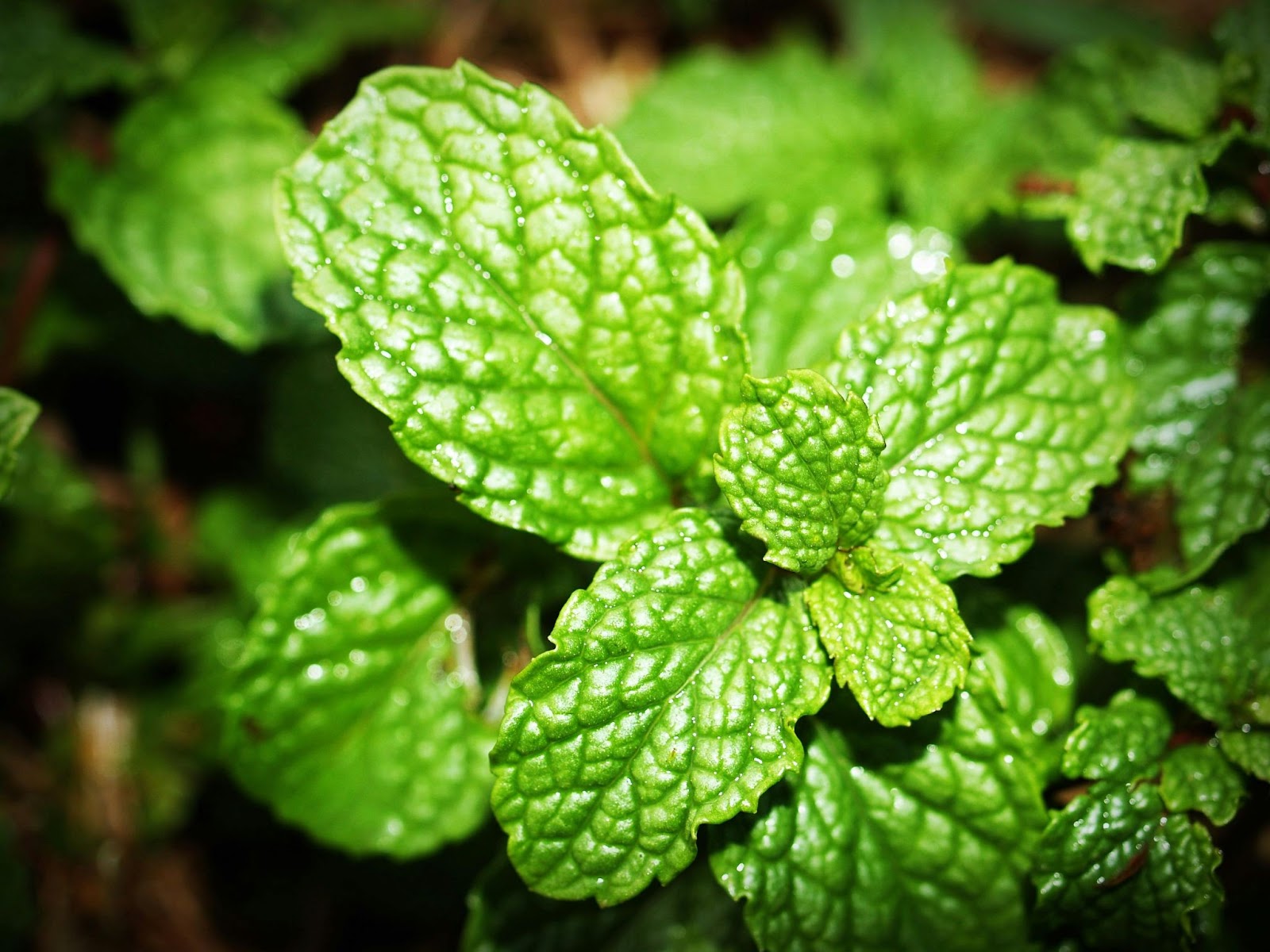
The strong minty smell of peppermint really bothers the deer, and this makes it a very good deer repellent. The good news is that peppermint also keeps mice, rats, and ants away, which is a bonus.
Note that it can be too much for us humans too, so don’t go overboard.
Recipe
What you need:
- 15-20 drops peppermint essential oil
- 1 cup water
- 1 teaspoon vegetable oil (canola, sunflower, or olive oil also works) or liquid soap
- 1/2 teaspoon cayenne pepper (optional but effective)
Procedure:
Method 1 (Vegetable Oil):
- Add the teaspoon of vegetable oil first to the water and whisk vigorously for about 30 seconds until the water gets slightly cloudy.
- Add the peppermint oil one drop at a time while continuing to whisk.
- If you’re adding cayenne, sprinkle it in last and whisk again.
Method 2 (Using Liquid Soap):
- Mix the soap with water until completely dissolved.
- Add peppermint oil drop by drop while stirring gently with a spoon.
- Gently shake before use, not the aggressive shaking the oil version requires.
Application:
- Don’t spray directly on edible plants if you’re adding cayenne.
- Create a scent barrier around your garden beds about 2-3 feet from plants.
- Spray on stakes, rocks, or non-edible border plants.
- Apply weekly or after heavy rain.
Storage:
- Keep your mixture in a cool, dark place and use it within 2 weeks.
- The oils can go rancid after 2 weeks and lose potency.
- Label your bottle with the date you made it.
Lavender

Lavender is pretty decent at keeping deer away, as they’re not fans of that strong floral smell we humans love.
The nice thing about lavender is that your garden will smell amazing, but just a heads-up. It might attract more bees and butterflies to the area, which could be good or bad depending on what you’re going for.
Recipe
What you need:
- 10-15 drops of lavender essential oil
- 1 cup of warm water
- 1 Teaspoon of dish soap (emulsifier)
- Spray Bottle
Procedure:
- Mix the dish soap with warm water first until it’s well dissolved
- Add the lavender oil drops and stir
- Pour into a spray bottle and shake well before each use
Application:
- Spray directly on plants in the evening when it’s cooler. This prevents the oils from evaporating too quickly in the hot sun.
- Focus on new growth since that’s what deer love most.
- Apply every 3-5 days or immediately after rain.
Storage:
- Store in a cool, dark place for about 2-3 weeks.
- Make small batches to keep it fresh.
- Use a dark glass spray bottle if you have one.
Eucalyptus
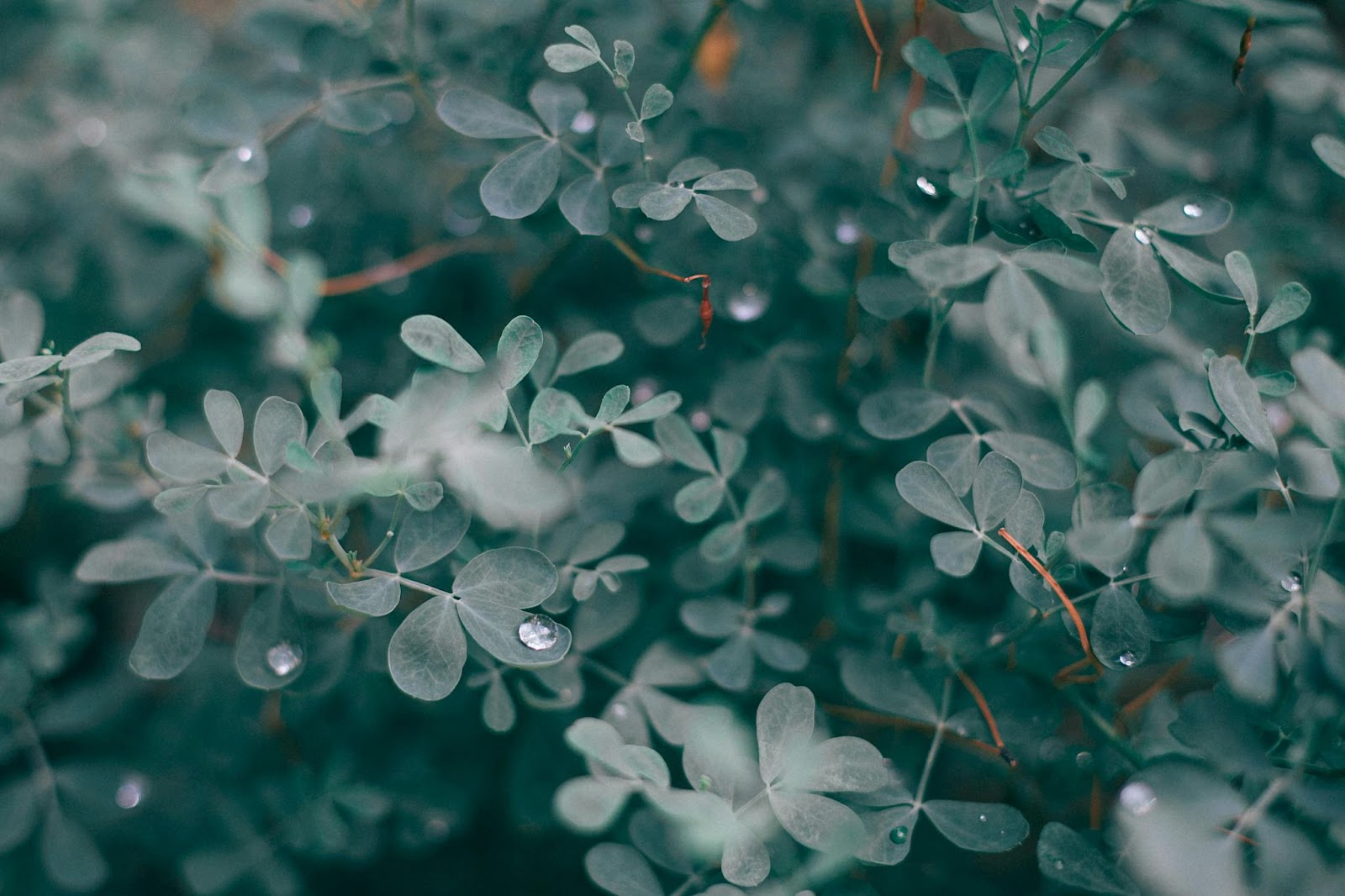
Eucalyptus is probably your best bet overall. That sharp, medicinal smell really messes with deer’s ability to smell properly, which makes them uncomfortable and likely to move on. It lasts longer than the other oils and bugs hate it too.
But you should be careful about its use around pets. Eucalyptus can be toxic if they decide to lick the treated plants.
Recipe
What you need:
- 12-18 drops of eucalyptus essential oil
- 1 cup of water
- 1 teaspoon of vegetable oil or olive oil
- 1/2 teaspoon of liquid soap (emulsifier)
- 1 tablespoon of rubbing alcohol (helps preserve and disperse oils)
Procedure:
- Add the alcohol and soap to the water first.
- Slowly add in the vegetable oil or olive oil while stirring constantly.
- Add eucalyptus oil drop by drop to create a more stable emulsion that won’t separate quickly.
Application:
Eucalyptus is strong enough that you can apply it in two ways:
- Soaking: Soak cotton balls or old rags in the mixture and hang them around your garden. Replace every 2 weeks.
- Spraying: Focus on the perimeter of your garden and the paths they use to enter your yard.
Storage:
- Store in a cool, dark place for about 2 weeks.
- Make small batches to keep it fresh.
Free Picks: Other Homemade Deer Repellent Essential Oils that work
Deer-repelling essential oils can be found in abundance in your herb garden and spice cabinet in the kitchen. When concentrated into essential oils, these well-known herbs and spices have a potent effect.

Rosemary
Deer interpret this woodsy, piney aroma as a “danger” signal. They link predatory areas with potent herbal scents.
Recipe: Use 12-15 drops rosemary essential oil to 1 cup water to 1 tsp liquid soap.
You can spray directly on edible plants because it’s safe for the majority of vegetables and herbs. Additionally, deer will naturally avoid that entire area if you’re growing real rosemary.
Thyme
Thyme’s sharp, pungent, and medicinal smell confuses deer scent receptors. It is potent and greatly undermined.
Recipe: Use 10-12 drops thyme essential oil to 1 cup water and 1 tsp dish soap.
Thyme oil is one of the longest-lasting options. You might get away with applying only twice a week instead of every few days.
Citronella
It is a lemony citrus scent with subtle wood tones and is used as a fragrance in perfumes, flavoring in food, and as a mosquito repellent. Deer hate it just as much as mosquitoes do. It’s especially effective in humid climates where the scent hangs in the air longer.
Recipe: Use 15-20 drops citronella essential oil to 1 cup water and 1 tsp vegetable oil.
Keeps deer away and reduces mosquitoes in your garden area, which is a win-win for evening gardening sessions.
Clove
Cloves possess a very intense and spicy, almost numbing scent that deer find overwhelming, which repels them.
Recipe: Use 8-10 drops clove essential oil to 1 cup water and 1 tsp soap
Note that it can be harsh on sensitive plants, so test first. Also, don’t use it if you have cats around, as it can be toxic to them.
Cinnamon
Cinnamon is sweet for us but alarming for deer. The warm spice scent triggers their “unfamiliar territory” instincts.
Recipe: Use 12-15 drops cinnamon essential oil to 1 cup water and 1 tsp dish soap
You can sprinkle ground cinnamon directly around plants, too, though essential oil lasts longer and won’t wash away as easily.
Tea Tree (Melaleuca)
Tea tree has a sharp and antiseptic smell, which is a major deer deterrent. However, it is so strong it can burn plant leaves in direct sunlight.
Recipe: Use 10-12 drops tea tree oil to 1 cup water and 1 tsp vegetable oil
Apply in the evening or on cloudy days, and always dilute properly.
Oregano
Wild oregano essential oil has an almost gasoline-like intensity that deer absolutely cannot stand.
Recipe: Use 6-8 drops oregano oil to 1 cup water and 1 tsp soap
Little goes a very long way making it the most potent on this list.
Pine or Fir Needle
This mimics the scent of a dense forest where predators might lurk, and deer avoid this smell.
Recipe: Use 12-18 drops pine/fir needle oil to 1 cup water and 1 tsp dish soap.
It works exceptionally well in fall and winter when deer are already on high alert.
Conclusion & Your Next Steps
The reality is, you don’t need to spend a fortune on commercial deer repellents that smell like a science experiment gone wrong. With just a few essential oils from your local health store or maybe your medicine cabinet, you can create effective, natural deer repellents that actually smell pleasant to humans.
The key to success isn’t just picking the right oil but consistency. Deer are persistent, but they’re also creatures of habit. Keep up with regular applications, rotate your scents every few weeks, and focus on those high-traffic deer areas around your property.
Remember, every garden and deer population is different. What works amazingly for your neighbor might need tweaking for your specific situation. Start with one of the stronger options, such as eucalyptus or peppermint, then adjust based on what you’re seeing.
Ready to Reclaim Your Garden?
Start this weekend. Pick up one essential oil from the list above and make your first batch. Apply it to your most deer-damaged areas and see what happens over the next few days.
Track your results. Keep a simple log of what you used, where you applied it, and how the deer responded.
Share your success. Once you find a combo that works, share it with fellow gardeners. Leave a comment below about which oils worked best in your area. Other readers will appreciate the local insight.
Your plants have been playing defense long enough. Time to go on the offensive and show those deer that your garden is officially off the menu!
What’s your biggest deer damage problem right now? Let us know in the comments and get personalized advice for your specific situation.
]]>Deer are special because they can get a lot of nutrients from their food. But exactly how much do deer eat in a day? Let’s explore deer eating habits and find out the surprising facts.
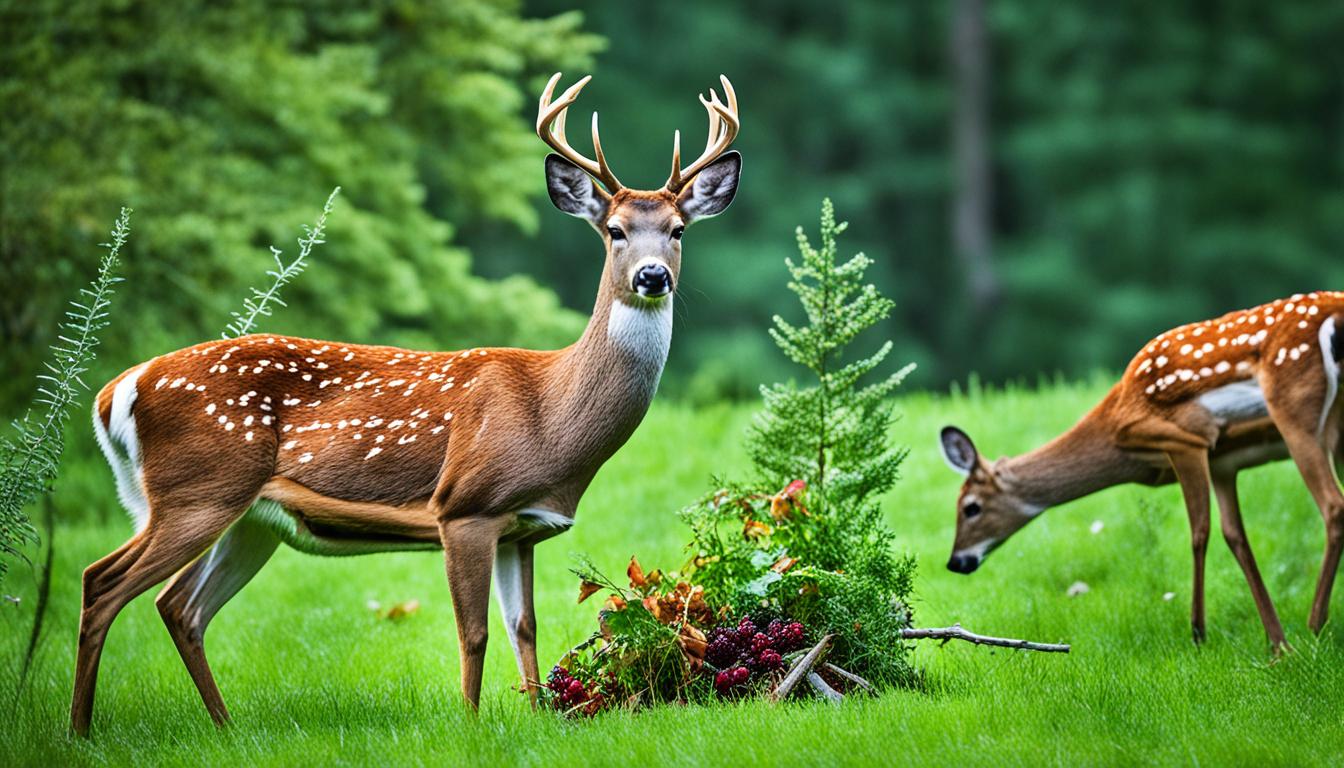
Understanding Deer Feeding Habits
Deer As Concentrate Selectors
Deer, especially whitetail deer have a special way of eating that makes them different from animals like cows. They have pointed heads and long tongues that help them pick out specific parts of plants.
Unlike cows, who have broad noses and wide tongues, deer can’t eat as many types of plants. For this reason, deer are known as “concentrate selectors” among ruminants. Their rumen, the first part of their stomach, is much smaller than a cow’s, holding about 2 gallons.
This means deer need to eat every 3-4 hours to keep their stomachs working right for their food. Deer eat a diet of grasses, leaves, acorns, berries, and twigs/saplings because of this special eating habit. These habits are key to their survival. They must always find new food because what’s available changes.
Knowing how much deer eat in a day is essential because this understanding can help experts find better ways to deal with issues like crop damage.
How Much Deer Eat in a Day?
It’s important to know how much a deer eats to keep their populations healthy. Research shows that whitetail deer can eat up to 5 pounds of food each day. This is especially true in winter when there’s less natural food around.
This high intake helps them stay healthy during the cold months. Male deer (bucks) need even more food in the spring. This is because they grow new antlers fast.
If they don’t get enough to eat, they can lose weight and have trouble mating with female deer (doe). There are two things; either the baby deer (fawns) will not survive or they could get sick easier.
In extreme cases, the antlers of male fawns might not grow right, and they could die sooner.
In summary, here are some facts about how much deer eat in a day:
- Deer eat 2 to 4 pounds of feed daily with good feeders.
- Typically, deer will eat more than 5% of their body weight in a day.
- In winter, they might eat up to 4 or 5 pounds of feed a day if there’s little natural food.
- Bucks need to save up minerals and energy before summer; when they’re growing their antlers. They will therefore eat a lot more than their usual intake, during the spring season.
It’s key to give deer the right mix of nutrients and minerals all year. This helps keep deer populations healthy and strong.
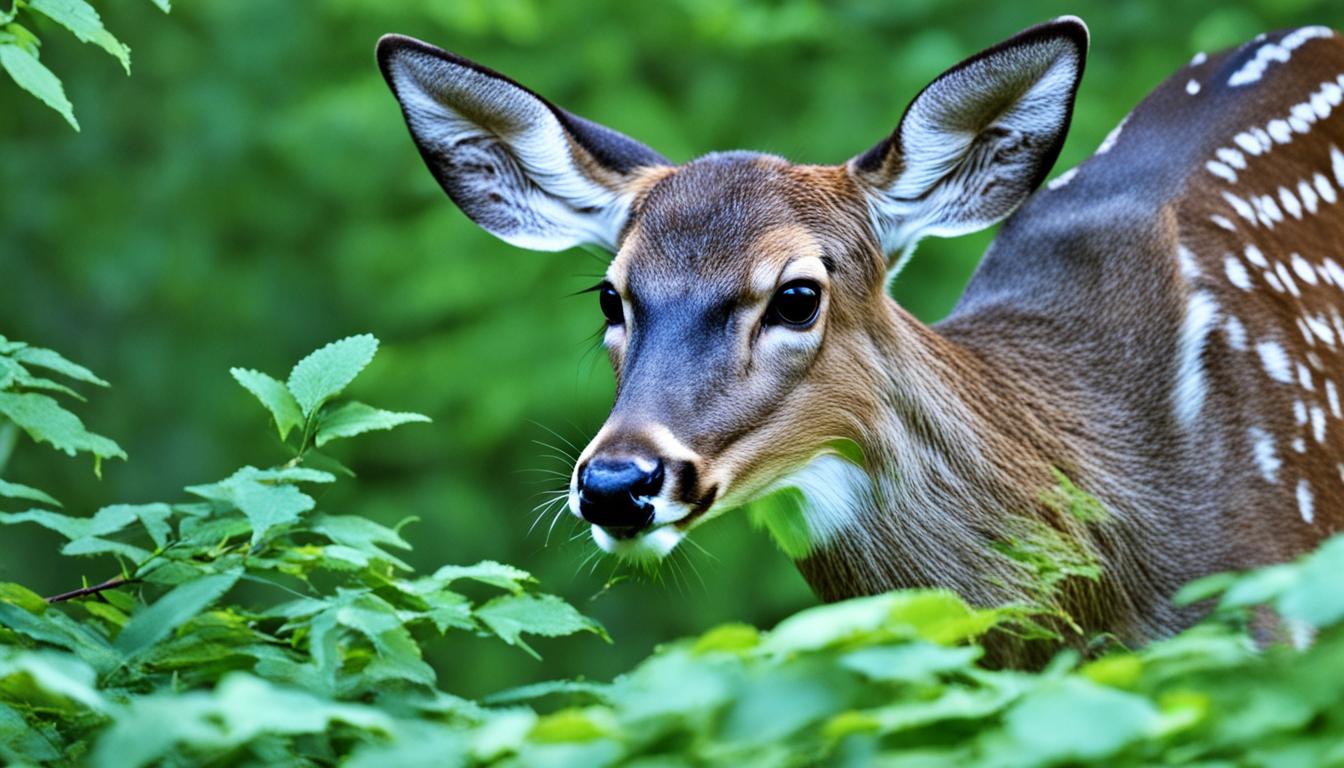
How Much Deer Eat In A Day: Deer Foods
How much deer eat in a day depends on a variety of factors. Deer like to browse, forage, graze and eat a wide variety of foods. Their diet includes leaves, twigs, weeds, wildflowers, nuts, fruits, and mushrooms. What they eat changes with the season, location, and what’s available.
Browse
Browse refers to the leaves, twigs, and buds of woody plants that deer eat. It is a type of herbivory where deer feed on high-growing, generally woody plants like shrubs. Browsing is a big part of a deer’s diet because it is almost always available.
Research indicates that deer can consume several pounds of browse daily, with estimates varying by age, sex, health, and environmental conditions.
Forbs
Alongside browse, Forbs are a type of forage that deer graze on. They are broad-leaved herbaceous plants that provide important nutritional benefits for deer. They contain higher protein, vitamins and many minerals, this makes them a valuable food source for deer.
Forbs like weeds and wildflowers are key in spring and summer when they’re full of nutrients, these nutrients are essential for deer health and growth.
Because deer are selective feeders and may focus on consuming specific forbs based on their nutritional needs, consuming several pounds to support their overall health.
Mast
Mast refers to the nuts, fruits, and seeds produced by trees and shrubs. They are an important food source for deer especially during the fall and winter when other forage may be scarce.
Mast can include acorns, beechnuts, hickory nuts, fruits like apples and berries, and seeds from various plants. Mast gives deer a lot of energy. This is especially important during hot weather or when they’re growing fast, like when they’re making antlers.
During mast-producing years when nuts, fruits, and seeds are plentiful, deer may increase their consumption of mast in order to take advantage of the energy-rich food source.
Among the three deer foods, it is a well-known fact that deer love forbs; however, they are not always easy to find. Browse is a more steady food source for deer, all year.
Mushrooms (deer eating mushroom pic)
As part of their natural foraging behavior deer may also eat mushrooms although their consumption is generally less common compared to forbs, browse, and mast. Mushrooms are a big deal for deer especially in winter, when other food is hard to find.
Mushrooms contain nutrients and minerals that can be beneficial for deer. Deer may eat them opportunistically to supplement their diet with additional nutrients. During dry periods when water sources are limited, deer consume mushrooms which have a high water content.
How much deer eat in a day may also depend on their taste preference. Deer may consume mushrooms if they find them to be palatable and readily available in their habitat. Mostly deer eat what they can, taking advantage of the best food around.
Seasonal Dietary Needs
How much deer eat in a day can change with the seasons. Deer adapt to what food is available. For example, in early spring, deer eat 6% to 8% of their body weight in order to gain back weight lost during the fall and winter.
They eat plants like asters, violets, and goldenrods that are easy to digest and full of energy. As summer comes, they eat their favorite plants (forbs), then other plants (browse), and finally early fruits like grapes and berries (mast).
How much deer eat in a day during the Fall season is relative but key. They may eat foods high in carbohydrates like acorns, chestnuts, apples, and pears to ensure they are well fed for winter. The nuts and mushrooms give them phosphorus for their antlers to grow in spring.
In winter, deer still need carbohydrates and fats to stay warm and healthy. But, eating too much corn can lead to acidosis which is a big problem for deer.
Deer need a varied and rich diet to do well all year. This keeps them healthy and supports the ecosystems they live in.
Regional Variations in Deer Diet
Depending on the place, deer may eat different foods. For example, in bottomland or wet areas, dogwood is a top choice for deer. But in arid desert regions, tropical rainforests and high alpine environments, it is not as popular.
Generally, deer love plants that grow all year and keep producing new leaves. These include Japanese honeysuckle, greenbrier, and blackberry. Deer don’t like plants that grow mainly in spring and early summer.
How much deer eat in a day changes with where they live. Places with lots of their favorite plants have more deer.
Climate, soil, and how land is used also tend to affect how much deer eat in a day and even what they eat.
Supplemental Feeding Strategies
Ever heard about deer supplements? Sometimes this can be key to their health and survival, especially when natural food is scarce.
There are two main types of feeders: free-choice and automatic spincast. Free-choice feeders offer deer food all the time. Automatic spincast feeders control how much food is given out.
Deer food plots are also another choice which can help bridge the gap between natural and supplemental feeding. By picking the right plants for the season and area, you can create great forage for deer that meet their dietary needs and support feeding supplements.
On supplemental feeding strategies, note the following:
- Free-choice feeders provide a constant supply of feed, allowing deer to access it as needed.
- Automatic spincast feeders offer controlled distribution of feed, which can be beneficial in managing deer populations and feed consumption.
- Extruded nugget feeds are often recommended for use in spincast feeders, as they are designed to disperse evenly and prevent clogging.
- Deer food plots can provide a valuable source of high-quality, nutrient-rich forage, complementing the supplemental feeding strategies.
- Careful selection of food plot species based on season and regional browse preferences is important to ensure the plots meet the dietary needs of deer.
Using a mix of deer supplemental feeding and well-planned food plots can help deer stay healthy and thrive, even when the environment is tough.
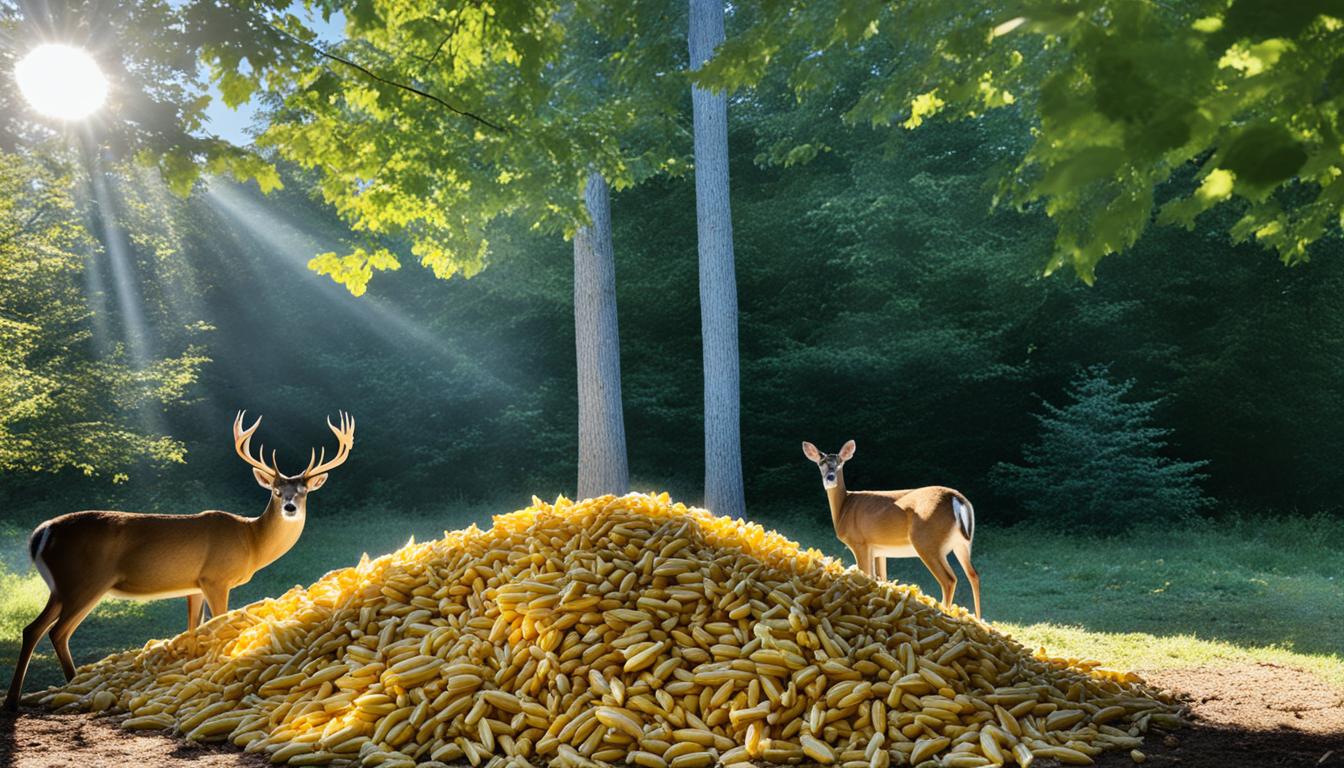
Conclusion
The daily food intake of a deer can fluctuate depending on factors such as season and food availability, but it’s evident that deer have a large appetite.
This underscores the need for a diverse and plentiful food supply for deer to thrive.
Whether it’s the 2 pounds of protein they consume daily or their increased intake during spring and winter, understanding their feeding habits is essential for managing deer populations and ensuring their well-being.
]]>