It is eye-opening to discover that deer exhibit interesting behavior, some of which include how they use their bite marks to make a point. In some instances, this behavior can be destructive.
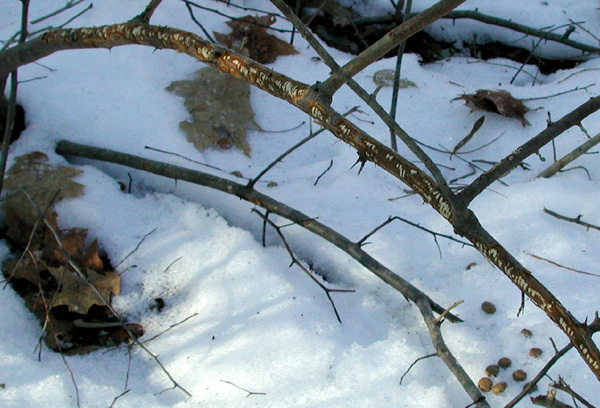
Importance Of Understanding Deer Bite Marks
Deer bite marks tell us a lot: They offer us a peek into the lives of these animals, showing us how they move and behave. By knowing the different marks, like buck rubs and deer bark stripping, we can learn when deer are calm or when they’re feeling aggressive. These form part of understanding deer social life.
This information is useful for making informed decisions about conservation, agriculture, hunting and research. It is also useful for the appreciation and management of deer populations.
In urban settings susceptible to deer invasions, learning about deer bite marks is crucial for gardeners, homeowners, and nature lovers. An understanding of these deer behaviors can help them tell deer marks apart from other animals and take the appropriate measures to protect their spaces.
Deer Bite Marks: Buck Rubs
These are deer bite marks made by bucks (male deer) rubbing their antlers on trees. This is especially important during the mating season. It helps them claim territory.
Buck rubs serve several purposes in the deer’s mating and territory-defending behaviors. These include:
- Communication: Buck rubs convey information about the buck’s presence, dominance, and readiness to mate to female deer in the area. While rubbing their antlers on trees, they may also leave scent from glands on their foreheads that can contain valuable information to other deer.
- Physical Conditioning: Rubbing their antlers against trees helps bucks to remove the velvet that covers the antlers during the growing phase. It also helps to strengthen neck muscles and sharpen the points of their antlers for potential fights during the mating season.
- Territorial Marking: Bucks make rubs to mark their territory and establish dominance. By leaving their scent and visual markers on trees and vegetation, they are signaling to other deer that this area is their domain.
- Mating Signaling: During the rut, or mating season, bucks will often make rubs to attract female deer and to show off their strength and dominance to potential rivals.
Buck rubs can vary in size and intensity, with some being more superficial while others can be deep and heavily marked. Hunters often look for buck rubs as signs of deer activity in the area and as possible indicators of a buck’s presence.
Deer Behavior: Identifying Relaxed Deer
Deer express calm and well-being through their body language. Deer bite marks are a result of deer behavior therefore to foretell deer behavior and take precaution, where necessary, we have to understand how they behave in different situations.
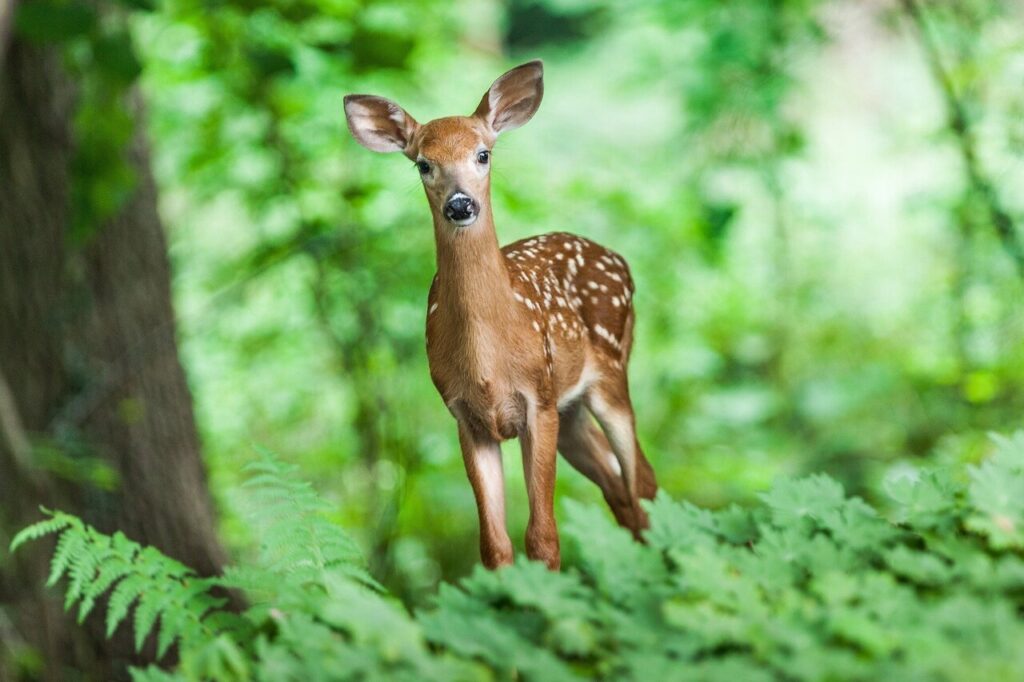
Here are some behaviors deer exhibit when they are relaxed.
- One clear sign is their calm walk. They move at a slow pace, unlike the quick, alert steps of a scared or aggressive deer. Their neck and tail also show they’re calm, with the tail moving slightly from side to side.
- Another way to tell if a deer is relaxed is by its ear movements. Instead of keeping their ears forward, they move them back and forth. This shows they are aware of their surroundings but not overly alert.
- Deer that are relaxed often chew on grass or twigs. This action is a sign they’re not stressed or threatened. They wouldn’t be doing this if they were worried about something.
Developing the ability to tell apart stressed and calm deer is crucial because regardless of how graceful deer are, they are still wild animals and can react unpredictably in stressful situations.
Deer Behavior: Recognizing Attentive Deer
Deer become attentive when something grabs their attention, like another deer, a threat, or something else. They show this by having their ears and nose aimed at what interests them.
They also use other body language signs. It’s important to know the difference between attentive and fearful deer behavior. This affects how they act next.
Deer Behavior: Identifying Fearful Deer
Deer show fear and quickly leave when they see a real threat. They have a super strong sense of smell, with 297 million receptors. This helps them catch even the tiniest scent changes.
Their strong sense of smell is key to their survival, letting them know about threats and how to react. A deer that’s scared might run away fast, known as the “flight response.”
But a deer that’s just being careful might stay alert and watch the situation. It might not run off right away.
When a deer sees a big danger, it changes its behavior a lot. Look out for these signs common signs:
- Quick moves with their tail up and flashing as they leave
- A tense, hunched look with a lowered head and ears back
- Focus and alertness, with ears up and eyes wide
By spotting the signs of fearful deer, we can guess what they might do next. With this knowledge, you can take action, safeguarding both you and the deer from potential harm to each other.
Distinguishing Attentive from Fearful Behavior
Attentive deer behavior is characterized by deer being alert, focused, and aware of its surroundings.
Attentive deer may stand still, watching out for potential threats without displaying signs of fear or stress.
Fearful deer however show signs of distress, anxiety, or agitation in response to perceived danger.
They may exhibit fleeing or freezing responses, such as running away, stamping their feet, or showing signs of nervousness like tail flicking or repeated head movements.
Here are some signs of attentive deer behavior:
| Attentive Deer Behavior | Fearful Deer Behavior |
| Ears pointed forward, focused on the object of interest | Ears are pulled back, positioned flat against the head |
| Nose and muzzle directed towards the source of attention | Nose and muzzle may be lowered, with the deer sniffing the ground |
| Body posture is alert, but not tense or rigid | Body posture is tense, with the deer ready to flee |
| The deer may freeze in place or take a few cautious steps forward | The deer may exhibit rapid, jerky movements or start to run away |
Take note of these differences in deer body language and you can always tell if they’re just paying attention or they’re scared.
This helps you know how to react, keeping you and the deer safe.
Impact Of Deer Bite Marks On Trees
Deer, well known to be graceful and majestic creatures, can inadvertently cause harm especially to tree populations through their feeding habits. Deer bite marks on trees can have far-reaching consequences for forest ecosystems and tree health.
Let’s examine some negative effects detrimental effects of deer bite marks browsing on trees:
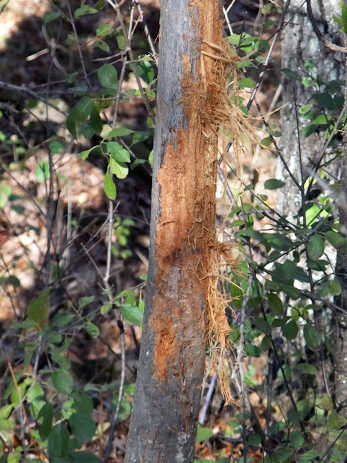
- Damage to Tree Bark: The bark of trees serve as a protective layer. Deer bite marks create wounds that may expose the tree to pathogens, pests, and diseases, increasing the tree’s susceptibility to other diseases.
- Stunted Growth: Continuous biting by deer can hinder the growth of trees, especially young saplings. This impaired growth then goes to affect the overall health and development of the tree.
- Decreased Tree Health: Persistent feeding on tree bark can deprive trees of essential nutrients and disrupt their ability to transport water and nutrients efficiently. This can result in nutrient deficiencies, poor growth, and overall decline in tree health.
- Aesthetic Damage: Deer bite marks can cause unsightly scars and blemishes on tree trunks, impacting the aesthetic value of trees in landscaping or natural settings.
Conclusion
In some cases, deer may not be easy to see, however they always leave signs wherever they go. It remains our responsibility to balance living alongside deer, seeing them as both graceful creatures and unexpected changemakers.
This understanding of deer behavior and deer bite marks is necessary to protect the environment, ourselves and deer.
]]>