You probably keep asking yourself, is milkweed deer resistant? How can I keep my plants untouched by the local deer population? One of the persistent challenges that gardeners face is the ability to deal with deer.
Milkweed, with its vibrant and aesthetic charm, contains some secret that offers unique advantages with its natural deer resistant properties.
In this post, we shall explore Milkweed deer resistant plants, powerful guides, and solutions to help preserve your garden and enjoy its blossomness.
Is Milkweed Deer Resistant?
Yes, Milkweed is widely known as a deer resistant plant.
Milkweeds are classic American flowers that can make lovely additions to a garden. The plant has a compelling fragrance that makes it easy to attract different species of butterflies.
Milkweed has milky sap that contains bitter and mildly toxic compounds which can deter deer. It has a bitter taste and tough or hairy texture, which also deter deer from consuming them.
Types Of Milkweed That Are Deer Resistant.
Milkweed has many varieties and each one has its own unique traits. This plant is generally not good for foraging animals, here are 3 types that easily deter deer.
1.Common Milkweed.
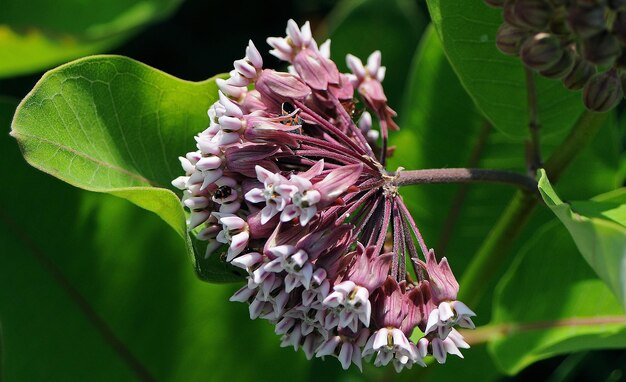
This plant is known as (Asclepias syriaca). Common milkweed is a gorgeous plant that produces purple/pink flower clusters loved by wildflower gardeners and it spreads so quickly.
It is a perennial flower that provides a primary food source for the Monarch butterfly, large leaves for caterpillars and big pink globe-like flowers that provide nectar for the adult butterflies.
Common milkweed has bitter taste and milky sap, and is very rich in toxic compounds which makes it unappealing to deer and able to keep deer away.
It easily attracts monarch butterflies and therefore a good choice for gardeners seeking pollinator support.
2. Swamp Milkweed
Swamp Milkweeds are also known (Asclepias incarnata). They have milky sap and slightly bitter taste which are basically not deer’s first choice.
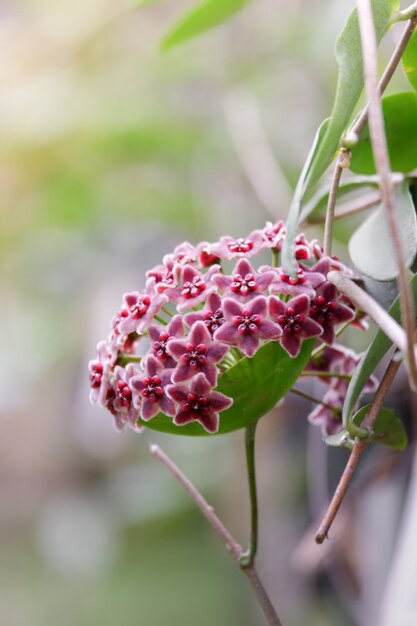
Swamp milkweed excels in moist or wet soils, which makes it a good choice for rain gardens and areas with poor drainage.
These plants are beloved by many for their striking pink flowers and their role in supporting pollinators like butterflies
3. Butterfly weed.
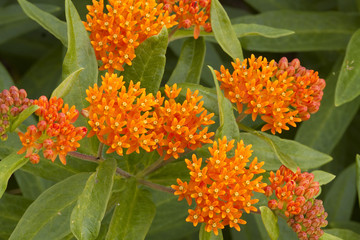
Also known as (Asclepias tuberosa). It is mostly distinguished for its fiery orange blossoms and compact growth habit, it has large, flat-topped clusters of bright-orange flowers
This Milkweed variety lacks milky sap, but then it has tough leaves that deter deer. It is able to grow and excel in dry and sandy soil and its brilliant flowers attract butterflies.
Although, all milkweed varieties have some uniqueness that deter deer due to their toxic compounds. These three above are notable for their effectiveness, especially common milkweed and butterfly weed.
How To Enhance Your Garden Success With Milkweed
Aside from its ability to beautify your garden, milkweed deer resistant plants are not only for deterring deer. It is a powerhouse that supports pollinators and creates a thriving and balanced ecosystem.
If the plant is well integrated, it can improve your gardens’ health and prevent deer intrusion into your garden.
Key Tips For Growing And Keeping Milkweed To Enhance Your Garden Success
- Choose the Right Milkweed Variety
Research milkweed species native to your region, such as Asclepias tuberosa (Butterfly Weed) or Asclepias incarnata (Swamp Milkweed). Native varieties are easier to maintain and attract local wildlife.
- Where to plant your milkweeds
Most milkweeds require good sunlight to thrive well, thus at least 6 to 8 hours of sunlight a day will keep your plants healthy.
Milkweeds are self-seed readily, it is recommended therefore to locate such plants in a part of the garden where you can control their rampant seed spread better.
- Soil
The different varieties of milkweed have different preferences, but then the best soil type for milkweed often depends on its native habitat.
This plant generally will grow well in well-drained and in average garden soil. Swamp Milkweed however, requires moist, humus-rich soil.
- When to plant Milkweed
Always try to plant your milkweed seed outdoors in the fall to give them a period of stratification. This season also allows milkweed pods to open and disperse seeds naturally to support future growth.
However, If you purchase starter plants, plant them in the spring after the danger of frost has passed.
- Spacing
Plant milkweed with adequate spacing to prevent overcrowding and ensure good air circulation, which helps reduce disease risk.
You can plant milkweed in groups of six or more to attract multitudes of monarchs to your garden. Space plants are about 6 to 24 inches apart, depending on the species.
- Watering the Milkweed
These plants normally require some consistent water especially in its early stages to be able to develop and establish roots.
Varieties such as butterfly weed and common milkweed, are drought-tolerant and require minimal watering.
- Milkweed Integration
You don’t just plant only milkweed and expect your garden to be protected. Create a diverse landscape with complementary deer-resistant plants to further enhance your garden’s resilience and beauty. You can review some deer resistant plants and add as many as you want.
Is Milkweed deer resistant now? Find additional information on Plants Addict.
How Milkweed Support Pollinators
There are several ways that milkweed support Pollinators, some are listed below
- Nectar
This plant produces nectar-rich flowers that makes it attractive to bees, moths and butterflies.
- Host plant
Aside from attracting Pollinators, Milkweed is the host plant the monarch butterflies use to lay their eggs.
- Seed Pods
Mostly, Milkweed flowers turn into seed pods that birds can eat, birds like American tree sparrows and finches are likely to eat these seed pods.
Other ways through which milkweed supports pollinators are Pollen and Bumble bees.
Additional Tips for Garden Success
- Companion Planting: Surround milkweed with herbs like sage or rosemary, which emit strong scents that repel deer.
- Encourage Natural Defences: Let milkweed self-seed to create a robust, natural-looking garden that’s less attractive to deer.
- Pollinator-Friendly Practices: Avoid using pesticides that can harm bees and butterflies; instead, opt for organic pest control solutions.
To sum up
Milkweed deer resistant plants are an additional beauty to your garden. It’s a natural ally in keeping deer away from your garden.
By prioritising milkweed and following these best practices, you can cultivate a great, low-maintenance garden that resists deer and fosters a rich habitat for pollinators. The result? A lush, vibrant outdoor space that’s as functional as it is beautiful.
Explore more about the deer lifestyle at Deer Hunting Gateway.
]]>But can deer eat strawberries? Yes, Deer can be a significant nuisance, damaging your beloved plants and flowers, including your strawberries.
If you’re a gardener who wants to protect your strawberries, then deterring deer from your garden should be a topic of concern. To do that, understanding deer’s habits is key.
And so keep reading as we delve into the truth about deer and strawberries, we shall provide you with insightful tips to keep your garden thriving.
Can Deer Eat Strawberries? Why And Why Not.
Deer has a diverse diet where vegetables and fruits are included. Strawberries are a particular favorite due to their sweet flavor.
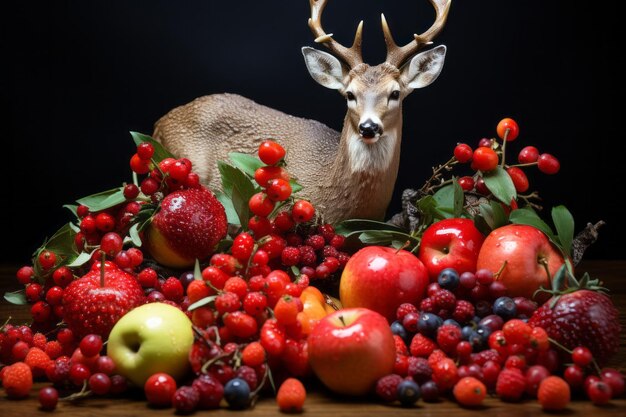
It can be argued that strawberries are not deer’s primary source of food and deer’s consumption of it depends on circumstances.
But then it is key to know as a gardener that these plants, with their sweet and juicy berries, can be a tempting treat for deer, especially during the growing season.
Deer are opportunistic feeders and will sample a wide variety of plants, especially in areas where their natural food sources are limited.
Why Will Deer Eat Strawberries
Deer can eat strawberries based on some nutritional and situational factors as below:
- Natural Sugars: Ripped strawberries are very sweet, and deer naturally are attracted to sweet flavours because sweet food provides deer with a quick energy boost.
- Vitamins and Minerals: Strawberries contain vitamin C, antioxidants, and small amounts of nutrients that are essential for deer, this can attract deer and make them eat them.
- Hydration: Strawberries have high water content. And with this content, strawberries can help quench deer’s thirst during dry seasons.
- Seasonal basis: When other vegetation is less abundant, most especially, during late fall or winter, deer can easily venture into gardens for food and strawberries can be a target.
- Easy Access: Strawberries grown in open gardens without barriers can tempt and lure deer to consume them.
- Ripe Fruit Availability: Ripe strawberries have a good scent and bright colour which can draw deer, especially if they’re in close proximity to deer trails or habitats.
- Habitat Overlap: Gardens near wooded areas or fields frequented by deer are prone to experience strawberry theft.
Why Will Deer Not Eat Strawberries?
Although we answered “YES” to our question, can deer eat strawberries?. The circumstances below can still prevent deer from eating strawberries
1. The availability of Preferred Food Sources
Deer being opportunistic feeders have preference for more readily available and palatable plants. They will prefer tender grasses, clovers, or other fruit over strawberries. If these food sources are readily available, they may bypass strawberries altogether.
2. Unripe or Poor-Quality Strawberries
Deer are mostly attracted to ripped strawberries for their sweetness and fragrance, unripe strawberries lack the sweetness and fragrance that might attract deer.
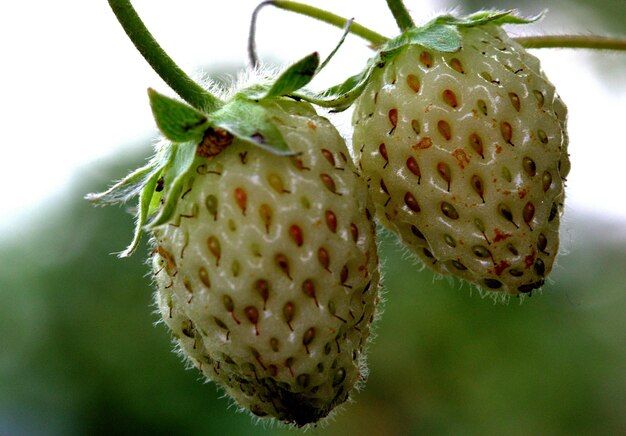
Similarly, damaged or spoiled fruit may not appeal to them. And deer will turn away from such strawberries.
5.. Human or Pet Presence
Naturally, deer are cautious animals. Frequent human activity or the presence of pets in and around your garden can deter them from venturing close to nibble on strawberries.
5. Fencing or Other Physical Barriers
Deer will hardly access strawberries in gardens equipped with deer-proof fencing or netting. This will discourage them from attempting to eat them.
6. Seasonal Factors
During times when alternative vegetation is plentiful (like in spring or early summer), deer might prioritize other more easily accessible plants over strawberries.
Signs To Show That Deer Is Eating Your Strawberries
Are you suspecting that deer is feasting on your strawberries, after getting an answer to the question can deer eat strawberries? Find out with these 3 telltale signs.
- Hoofprints and Trails
- Hoof Marks: Deer leave behind distinctive, cloven-shaped hoofprints in soft soil or muddy areas around your garden which are typically heart-shaped and about 2 to 4 inches long.
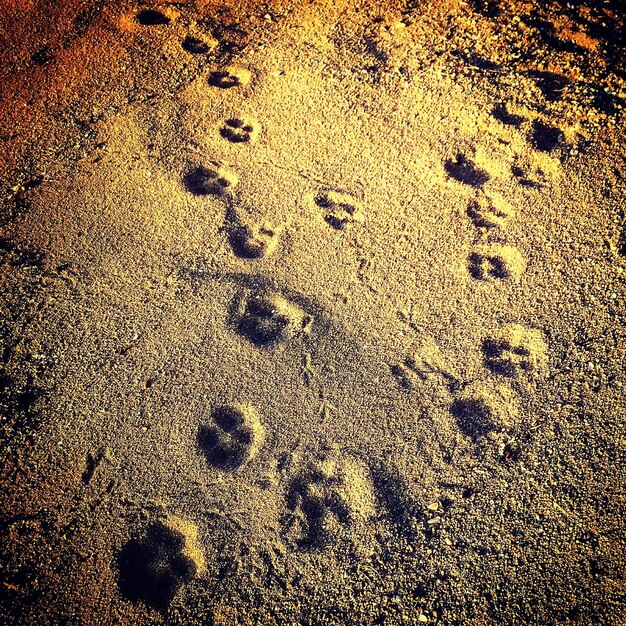
If you notice these prints in the soil or mulch near your strawberry beds, it’s a strong indication that deer have been in the area.
- Paths or Trails: Over time, deer create worn paths as they travel to and from feeding spots, this will often lead directly to your strawberry beds.
2. Nibbled or Damaged Plants
- Cleanly Nibbled Leaves or Fruit: Deer tend to bite off If you see parts of your plants bitten in a neat, angular fashion then it’s suspected to be deer. They do that due to their lack of upper front teeth.
- Missing Strawberries: If you notice ripe or unripe strawberries consistently disappearing overnight, deer may be the culprits.
- Broken Stems or Trampled Plants: Deer can knock over or crush surrounding plants in their effort to reach the strawberries
3. Droppings Near Strawberry Beds
Another telltale sign of deer presence is their droppings
- Pellet-Shaped Droppings: Deer droppings are small, round, and pellet-like, often found in clusters near areas they frequent.
- Fresh Droppings: The presence of fresh droppings can indicate recent deer activity in your garden.
How to protect your strawberries from being eaten up by deer.
After getting an answer to our question, can deer eat strawberries? Which is a yes. It might sound like a challenge g as to how you can protect your strawberries from being eaten up by deer.
Here are some effective strategies to do that.
- Netting
This can be a very effective way to protect your plants from birds and larger mammals like deer. Make sure the netting is secure so that animals cannot lift it or crawl underneath it.
- Fencing
A fence around your garden can deter deer. Surround your strawberry pitch with a fence that is at least 8 feet tall, this can help to effectively keep deer out.
You can as well consider using woven wire or stock fencing, as deer are excellent jumpers.
For effective fencing knowledge, explore article; “All you need to know about deer jumping over a fence”
- Natural repellents
You can also protect your strawberries from being consumed by deer by planting strong-scented companion plants around their patch. You can plant, Garlic and Marigolds. The pungent smell of garlic is unappealing to deer and can easily prevent it from coming to your garden.
Marigolds on the other hand also emit a scent that repels deer.
- Strategic Garden Layout
- Hedge Rows and Shrubs: Plant dense hedges or thorny bushes around your strawberry patch. This makes it harder for deer to access the plants, while adding extra protection.
- Elevate Strawberry Beds: Raised beds or containers can make it more challenging for deer to reach your strawberries, especially if you add a protective barrier around them.
To end it all,
Can deer eat strawberries? Yes, deer can eat and enjoy strawberries. They are opportunistic feeders fondly fond of strawberries due to their sweetness, hydration benefits, and nutritional value. As much as these creatures have diverse diets and can challenge your strawberries and other fruits and vegetables, you can still protect your plants from them. The strategies can help you, using natural deterrents, such as strong-scented companion plants, as well as physical barriers like netting or fencing.
This will help your garden to flourish even amidst the challenges of wildlife intrusions.
You can read more on what animals eat strawberries and how to protect them.
]]>Do you know that, with the right materials and expert guides, you can craft an all impressive antler pumpkin for Halloween? Yes, you can and you need no professional skills.
Anyone can craft a perfect and preferred antler pumpkin when guided right. In this post you will discover valuable approved tips to enable you to create a rustic masterpiece to impress your guests and bring a touch of nature to your decor.
What Is Deer Antler Pumpkin Carving
Deer antler Pumpkin Carving is a unique activity that can transform a pumpkin into a stunning and warmth display, it blends nature and art and the outcome is always beautiful.

This is a creative twist on traditional carving, it has gained popularity because it adds a natural, woodsy touch to seasonal décor, which is perfect for autumn and outdoor-inspired themes.
Essential Materials Needed For A Successful Deer Antler Pumpkin Carving
To perfectly craft your own antler pumpkin, you need some basic tools and materials. These materials will help you achieve success.
- Pumpkin
Pumpkins can not be excluded in necessary materials for deer antler carving.Choose a medium large pumpkin that has smooth surfaces. It enhances easy carving and produces a shape that complements the deer antler design.
A pumpkin tool set is needed to achieve the best pumpkin design. The carving kit, consider tools that contains these key materials
- Pumpkin scraper: It is used for cleaning the inside of the pumpkin
- Pumpkin carving saws: Utility saw for broad cuts and Detail saw for cutting intricate areas like sharp angles and curves.
- Etching tool: Useful in adding fine details to the craft.
- Stainless steel and storage bag.
- Stiff Metal Spoon
It is necessary to scrape out the interior of the carving face to a relatively thin, even thickness before you start carving. Plastic spoons might not give you the best results. It is good to get a stiff and metal spoon to aid this adventure.
- Stencils/Template
In crafting a deer antler pumpkin carving, it is necessary to have a stencil to ensure accuracy in your design.You can download a deer antler stencil in PDF format, which you can print and use as a guide for carving.
- An X-Acto Knife
An X-Acto knife is sharper and the set is the best way to do ultra-fine work, like hair, eyes, wrinkles, or teeth on your design.
- Plastic wrap
Pumpkins start losing moisture as soon as you cut them open. As the pumpkin loses water, its structure collapses, causing droops and wrinkles in your design. Your perfect craft can turn miserable in 24 hours without a wrap.
It is highly recommended to use plastic wrap to hold the stencil in place when you are carving. This will perfectly transfer the design onto the pumpkin.
- Marker or Pen
It is good to sketch your design on the pumpkin with a washable marker or pencil to view your design before you start crafting. This will help trace the template and avoid mistakes.
Additional tools include Paper towel or cloth for cleaning and Led Light for illumination.
Explore these essential pumpkin carving toolkit for my information
The 9 Expert Approved Tips/Guides For Deer Antler Carving.
- Gather all carving tools
The first tip to carving the perfect deer antler pumpkin is to gather the right tools that you will use for the activity. Ensure to have all the tools listed above functionable.endeavor to use quality tools especially a complete carving kit.
- Choose the right pumpkin.
The right pumpkin has a direct influence in making your design appealing or not appealing.
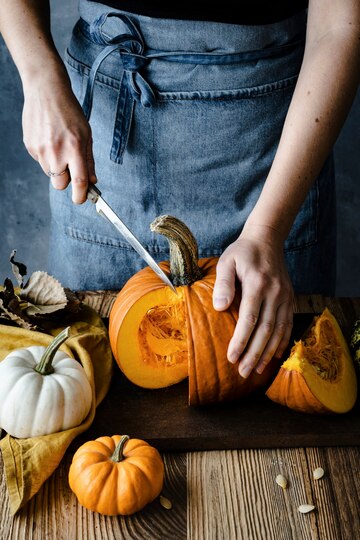
Pumpkins with a sturdy stem and thick walls are best options for carving a great antler design, such are less likely to collapse or deteriorate quickly. Consider a round large pumpkin with a smooth surface.
- Set Up A Clean Workspace.
Pumpkin carving comes with some mess,and it is necessary to manage and keep your workspace organised. To ensure this, you can prepare your carving area with trash bags and tools.
- Use A Stencil/Template.
One tip to perfect your deer antler pumpkin carving is to always have an outline before you commence the crafting activity. The deer antler stencil can provide a use outline to guide the outline. With the template, you can pre sketched your design on a paper before crafting it on the pumpkin.
After sketching, try to outline your design with washable marker or pencil to lightly sketch the antlers on the pumpkin’s surface and ensure it meets your preferences before cutting.
- Now carefully gut the Pumpkin
Use a large pumpkin saw or a kitchen paring knife. It is always good to cut the top of the pumpkin and make sure that you angle the knife towards the centre of the pumpkin, so the lid won’t fall in when it has been cut loose.
You can also start cutting from the button pumpkin’s which can preserve the pumpkin shape and makes it easier to place a light source inside without compromising.
Cut the main outline of the antlers first and gradually the intricate details.
- Add Detailing To The Antlers.
Adding these features aims to mimic the look of real antlers, you can use a Dremel tool or X-Acto knife to carve textured grooves, ridges, and slight nicks for a perfect outcome. Rougher texters create and give a natural look to the design.
- Hollow Out The Pumpkin Fully And Maintain Thin Walls
Ensure to carefully scoop out the insides of the pumpkin thoroughly, especially around the carved sections.
Remove all excess pulp and seeds to allow light to shine through the carved areas. thin the walls of the pumpkin to about 1/2 inch thick after cleaning the insides. Thai makes it easy to shine through your carving designs.
- Illuminate Your Design With Lightning
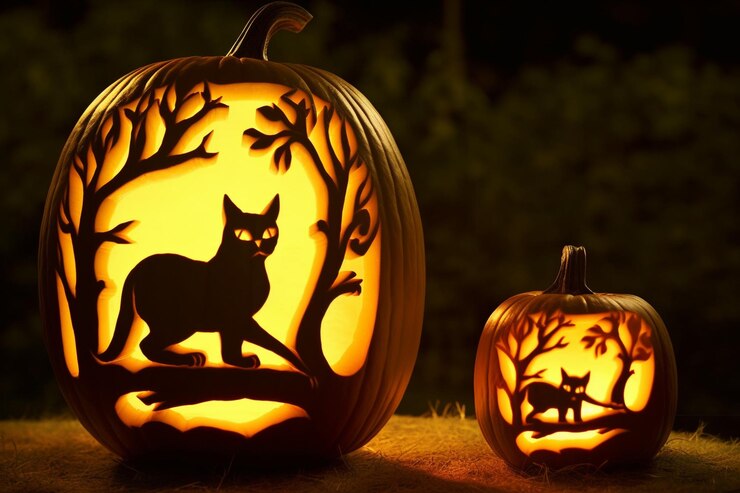
Lightning enhances the carved antlers’ look, you can place lace LED lights inside the pumpkin to create the best glow and you will admire your design. Avoid candles to prevent heat and damages.
- Ensure To Preserve And Keep Your Pumpkin Safe.
Store and keep the pumpkin in a cool place to delay it from decay. You can keep it hydrated by spritzing it with water occasionally or apply a spray sealant or coat the edges of the carved areas with petroleum jelly.
Let’s wrap up.
Now, deer antler pumpkin carving has been simplified. You can create your desired and eye catchy designs, just carefully follow these tips. Do not be afraid to exhibit your artistic skills with different styles that reflect your taste.
Try out your design and come back to share your results in the comments section or on the deer hunting gateway.
You can watch this YouTube video on Pumpkin carving tips and tricks for more insights.
]]>You have probably just chanced on your beautiful and resilient yarrow plant in the backyard and wish it never disappeared?
Unfortunately, you live in a deer-populated area, and you often find yourself wondering, “Is yarrow deer resistant plant, or could my yarrow be on the menu for the neighborhood deer, how do I protect my blossoms and colorful plants from deer?”
It is clear that in areas where deer population is high, gardeners are so concerned about how they will protect their plants from these yard invaders.
To preserve your beautiful garden it is crucial to find attractive yet deer-resistant plants for your garden.
In this guide we shall explore the yarrow deer plant, and why deer may or may not consume these plants.
The Yarrow Plant; Surprising Facts
Yarrow is scientifically known as Achillea millefolium; it is a perennial herb that belongs to the Asteraceae family, commonly referred to as the daisy family. It comes in a bright yellow variety, but it can also be red or pink.
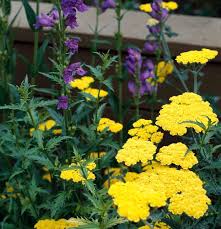
Historically, Yarrow is known to be used for a number of medicinal purposes. The plant has flat-topped or dome-shaped clusters of small white flowers that bloom from April to October.
It is an attractive, hardy perennial with features feathery and aromatic leaves that are deeply cut to give it fern-like appearance
The plant produces flat-topped clusters of small flowers that bloom from April to October, predominantly in white, but also in shades of pink, yellow, and red depending on the variety,
Yarrow has a beautiful nature which makes it very popular in many gardens.
Is Yarrow Deer Resistant?
Yes, Yarrow is deer resistant. Although, a hungry deer will eat just about anything, but yarrow plants repel because of some features, including aromatic foliage, strong fragrance, bitter taste, and potential toxicity.
These plants are widely considered deer resistant plants. But then deer can be unpredictable, especially a hungry deer, these animals can eat deer resistant plants when food is scarce, especially in harsh winters.
Seasonal Behaviours Of Deer Toward Yarrow Plant
Spring and Summer: These periods are mostly full of abundant food and deer have a number of options such as; tender grasses, shrubs and other flowering plants to feed on. But then, in Autumn and Winter, as the temperature drops and food becomes scarce, deer can sample plants they usually avoid and yarrow is no exemption.
Is Yarrow Deer Resistant Completely, Key Limitations To Take Note.
Food Shortage And Severe Hunger
Deer can barely withstand hunger, they become very vulnerable when there is a shortage of food and deer are prone to starvation. They will browse and consume Yarrow.
Individual Deer Preferences
Deer eating habits can vary based on individual deer preferences. While some deer may totally resist Yarrow plants, others may develop a taste for these plants over time, especially if they forage very often yards where Yarrow is present.
Young And Tender Growth Of Yarrow
Deer are naturally attracted to young, tender and softer plants. They are likely to graze on newly sprouted Yarrow.
What Makes A Plant Deer Resistant
Many plants are deer resistance because they have certain characteris that are not appealing to deer; such as
- Taste
Deer are mostly attracted to sweet taste and scented plants, they avoid plants that have bitter taste like Yarrow leaves. They tend to avoid plants with bitter and unpleasant taste.
- Smell
Deer dislike strong scents, yarrow is one of the plants that has a strong and distinct scent that deters deer naturally. Aside from Yarrow, deer disgust other smells such as mint, garlic, hot pepper.
- Texture
Deer will prefer softer and tender plants. They prefer plants whose leaves and stems are somewhat coarse and fibrous, because it makes them harder for deer to chew and digest.
These are the factors that make some plants resistant to deer.
Why Is Yarrow Deer Resistant
Yarrow is widely and generally seen as a deer resistant plant due to some key factors as listed above.
But then, as stated earlier deer may still consume Yarrow for a number of reasons. Below are some reasons why Yarrow may be deer resistant.
Scent
Yarrow has a strong pungent aroma that deer dislike. Deer rely heavily on their sense of smell to select food, and the intense scent of yarrow can deter deer from browsing them.
Potential Toxicity
Although Yarrow is not highly toxic, it contains compounds that can be toxic to deer. This deterrent can make deer avoid them.
Hardy Leaves
Yarrow have a fibrous, hard and hairy leaves that are in contrast to what deer prefer, soft and smooth.
Yarrow is also known to be less nutritious as compared to other deer preferred plants.
Other Deer Resistant Plants
Always remember, “Deer resistant and not deer proof”. Meaning these plants are not deer preferred food, but deer may still nibble and probably eat them.
| Name of Plant | Plant Description | Why it is deer resistant |
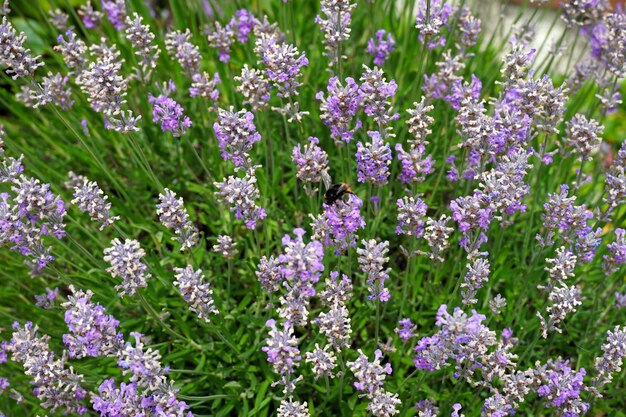
| Lavender | Aromatic herb with silver-green leaves and purple flowers, loved for its scent. | It has a strong, soothing scent that appeals to humans and is overpowering to deer. This makes them an excellent choice for garden edges. The high essential oil content also adds a natural barrier. |
| Rosemary | Woody herb with needle-like leaves and small blue flowers. | The woody, needle-like foliage has a powerful aroma and tough texture that deer find unpleasant. Its slightly bitter taste further deters deer from munching on it. |
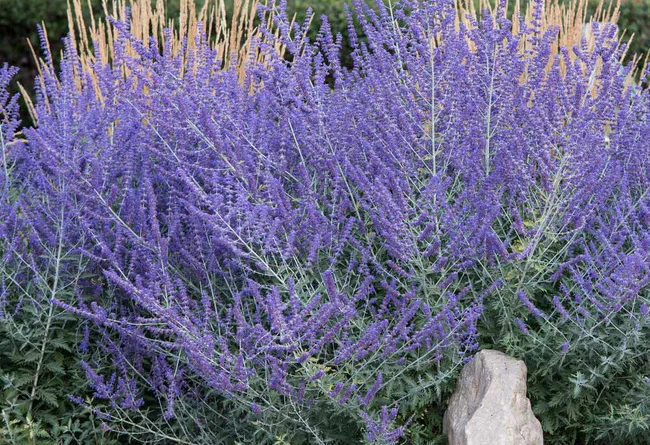
| Russian Sage | Tall perennial with silvery stems and purple-blue flowers | Russian sage has a robust fragrance that repels deer, and its leaves contain compounds that deer avoid. Its slightly bitter taste adds another layer of protection |
| Boxwood | Dense evergreen shrub with small, glossy leaves. | Tough leaves and a bitter taste make it unattractive to deer |
| Marigold | Bright orange and yellow flowers with a distinct, somewhat spicy scent. | The spicy, peppery scent of marigolds is unappealing to deer and masks the smell of nearby plants. Their leaves also have a strong, slightly bitter taste, making them a natural deterrent. |
| Foxglove | Biennial plant with tall spikes of tubular flowers in various colours.. | Toxic properties discourage deer from eating it; it may cause illness if ingested. |
| Bee Balm | Perennial with vibrant red, pink, or purple flowers that attract pollinators. | Pungent, mint-like scent and texture discourage deer. |
| Lamb’s Ear | Low-growing perennial with soft, fuzzy, silvery leaves | Fuzzy texture and mild astringency make it unappealing for deer to chew. |
You can find more information on deer and Yarrow relationship.
To conclude,
Now let’s reflect on our question, Is Yarrow deer resistant? Yes, Yarrow is a deer resistant plant. It contains some factors that deter deer from consuming it.
But it is important to note that, though Yarrow is deer resistant but not deer proof. Which means deer can be tempted to consume Yarrow based on some certain factors.
In addressing our question we have provided information on what makes plants deer resistant, why is yarrow deer resistant and finally some deer resistant plants.
You still need to protect your Yarrow as some other animals may consume it, and even deer in hash times. Find more information about deer lifestyle on the deer hunting gateway.
]]>The answer to today’s question, what smells do deer like, lies in simple scents. One of the most critical and successful factors in deer hunting is managing smells and odours that can alarm and spook these elusive creatures.
Although deer hunting requires good skills and patiences, an excellent understanding of the game, especially with factors such as what smells do deer like, is a win for hunters and wildlife lovers.
In this post we shall explore the key smells that deer like and how these scents and be used to lure deer to your yard.
The Science Behind Deer Smelling Abilities
Deer have a good sense of smell which is exceptional and helps them detect and avoid danger. Deer have so many olfactory receptors in their noses that aid them in their sensing abilities.
Deer have an olfactory bulb that’s about four times larger than a human’s. This part of the brain processes scents, with 297 million olfactory receptors in their noses as compared to men with 5 million receptors.
These receptors are designed to help detect smell, the high density of these receptors enable deer to detect a range of odours from a distance.
Top Smells/Scents Deer Like
- Food Based Scent
Naturally, deer like food and are very curious about food sources. Food smell is an answer to our intriguing question, what smells do deer like?
Food related smells can draw deer attention, especially strong-smelling human foods like fast food, strong spices, and cooking odours.
Another alarming food smell is not from the food itself but from preparing it before hunting.
Common food with good scents that attract deer;
Corn: Corn has a sweet and earthy aroma which attracts deer from afar. Corn is a deer nutrient rich food and among the top cereals grains for deer.
Apples: Apples have a sweet and fruity aroma that can travel far and is associated with high energy and water content that allures deer.
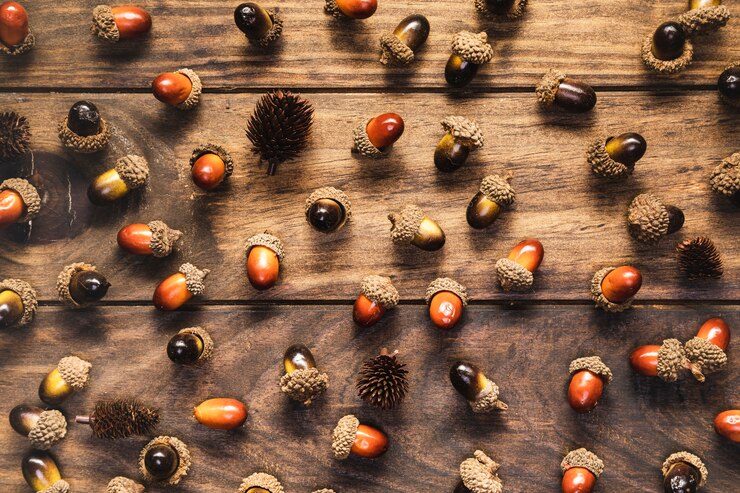
Acorns: Acorns has nutty, earthy aroma that appeals so much to deer
Peanut butter’s: Many deer find is difficult to resist Peanut butter’s rich and nutty aroma
Clover and Alfalfa: These two types of vegetation naturally draw deer. They produce a fresh and green smell which indicates the presence of nutritious foliage that deer enjoy grazing on.
- Flower Scents
Aside from food scents, deer prefer to smell some flowers more than they eat them. Deer are particularly curious about floral scents, although they may not consume these plants, the flower base scent can attract and lure them.
Top Deer Flowers That Best Answer The Question; What Smells Do Deer Like.
Roses
Roses have a classic sweet that can easily catch deer’s attention. Rose bushes can be tempting and deer may sometimes eat them. Rose fragrance is strong and deer are often more interested in the flower’s scent than the plant itself.
Honeysuckle
The sweet and sugary fragrance of honeysuckle makes it irresistible for deer. Honeysuckle grows in a natural environment and their scents can signal a safe, familiar area.
Lavender
Lavender’s calming and floral scent generally appeals to humans and to attract deer. Deer will slightly eat lavender due to its slightly bitter taste. Its soothing aroma makes it a strategic choice for attracting deer.
Daisies, Clover, and blossoms are other flowers that produce smells that deer like.
- Synthetic Scents
Unlike the other Scents discussed above, these are lab created fragrance designed to replicate the natural smells that attract deer. They are chemically produced scents that mimic food and other natural sources.
Types Of Synthetic Scents That Deer Like Their Smells.
Doe Estrus Scents for Deer
This is a chemically replicated scent that has been engineered to imitate the smell of a female deer in heat. The time when the female deer wants to mate, bucks are very responsive to the scent of estrus in response to mate with the doe.
Musk and Glands scents
Synthetic musks are chemically manufactured and designed to replicate the appeal of the original substance without using material from animals. They are commonly used now to replace historic deer musk in perfumery.
Synthetic musk imitate both doe and buck gland scents
Synthetic Food Based Scents
Just like the food based scents, these are chemically made fragrances that replicate the natural scents of food that deer like.they are available in different forms such as sprays and blogs. Always available for different hunting seasons and scenarios.
- Urine and Musk Scents
For many, Urine may be a surprising answer when they’re looking for answers to what smells do deer like. Urine and musk are key tools in hunting, specifically for attracting deer.
What Kind of urine best fits the question, what smells do deer like?
- Doe Urine: The smell of doe urine is strong and attractive especially during the rutting season. bucks are easily drawn to the scent of females in estrus.
- Buck: Deer, especially bucks, are attracted to buck urine as well. Buck urine is purposely used to indicate the presence of another male deer in the area, the smell will influence dominant bucks to investigate.
- Estrus Blends: Special estrus blends mix urine with estrus hormones, which increases attractiveness for bucks during the mating season.
You can explore this resource for additional deer attractants tips.
How To Attract Deer With These Smells
What smells do deer like, is an essential subject for hunters and deer lovers. It is also essential to know how to attract these creatures with these smells.
| Scent type | How to attract deer with the scent. |
| Food-Based Scent | You can apply food spray around areas where deer feed. Scents blocks or sprays can also be used on vegetation or tree trunks to keep deer coming back |
| Flower-Based Scent | These Scents can be sprayed near trails or on low branches in open areas |
| Urine and Musk Scent | It is effective to apply urine or musk scents to scent wicks, drag rags, or mock scrapes along deer trails |
| Synthetic Scent | These Scents can be used all year round. You can apply them near trails, feeding areas, or scent wicks. |
To wrap up , our question, what smells do deer like, has been answered. It is key to note that, In attracting deer, certain smells, both natural and synthetic are effective in doing that.
Success in attracting deer relies on strategy, patience, and respect for wildlife. By combining well-timed use of scents with thoughtful placement and ethical practices, enthusiasts can improve their chances of successful encounters and also ensure a balanced approach to wildlife interaction. Continue to explore Deer hunting gateway for more hunting tips.
]]>This natural behavior can catch gardeners off guard as they see their newly planted lawns or fields disturbed by deer.
And for hunters, when you understand this grass seed preference, it can reveal useful clues about deer foraging patterns and habitat preferences.
In this post, we’ll answer the question, do deer eat grass seed, and explore why it matters.
`For gardeners, knowing deer’s interest in grass seed can help protect lawns and newly seeded areas, while hunters can use this knowledge to manage food plots and attract deer more effectively.
Do Deer Eat Grass Seed Actually?
Yes, they do, deer will consume grass seed when it’s available.
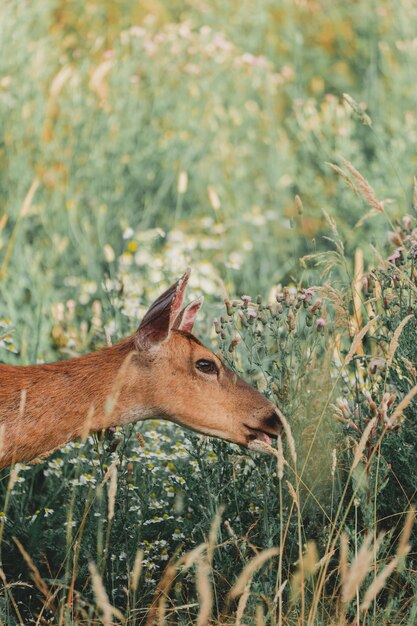
Typically, deer feed on a mix of leaves, tender plants, acorns, and berries, with grass seeds making up a lesser portion of their diet.
However, grass seeds provide essential nutrients, including fiber, protein, and energy, that are particularly valuable for deer health and available at specific times of the year.
Deer are also opportunistic eaters, which means they’ll eat what’s available, especially when other food sources are limited.
Seeds are often plentiful in the wild and freshly sown in gardens and fields in late summer and early fall.
For both gardeners and hunters, when you understand this seasonal behavior can be helpful for managing deer on their property.
Surprising Facts About Deer And Grass Seed
- Seasonal Eating Habits: The consumption of grass seed varies with the seasons. In spring, when new growth is available, deer will prefer tender shoots over seeds.
- Geographic Influence: Deer living in different regions exhibit varying eating habits. For example, deer in more forested areas tend to eat less grass and grass seed than those in open fields or grasslands where browse may be limited.
- Digestive Adaptation: Deer have a unique digestive system that is not designed to process large amounts of grass or its seeds. Overconsumption can lead to health problems, including digestive upset.
- Behavioral Patterns: When deer forage in gardens or lawns, they may appear to be eating grass when they are actually consuming clover or other plants mixed within the grass.
- Impact on Gardens: Gardeners should take precautions when planting grass seed as it can attract deer if left uncovered. Covering newly planted seeds can help deter them.
- Management Strategies: Understanding that deer will eat grass seed can inform strategies for managing gardens and hunting grounds effectively.
Do Deer Eat Grass Seed? Why It Matters For Gardeners
Deer eating grass seed frustrate most gardeners. New lawns or garden plantings are often most vulnerable, because freshly planted seeds are an easy snack for deer.
When deer consume grass seed, it can delay or even prevent the establishment of a new lawn or garden, forcing gardeners to reseed or take preventive measures to protect their hard work.
Explore what type of grass deer eat here.
Tips To Protect Grass Seed From Deer
After getting answers to the intriguing question; do deer eat grass seed? Here are some effective strategies for preventing deer from consuming grass seed in your garden or lawn:
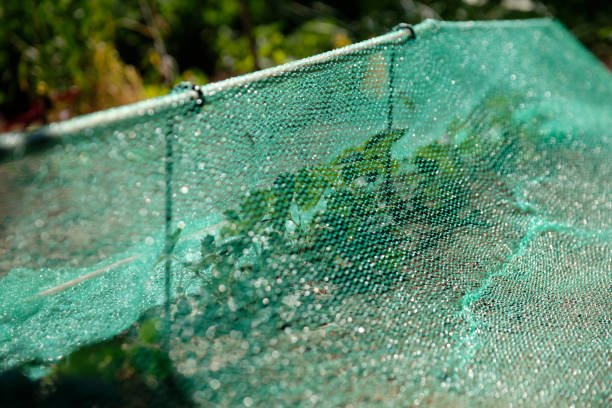
- Use Netting: Covering newly sown areas with light netting can keep deer from reaching the seeds without damaging the growing grass.
- Apply Deer Repellents: Deer repellents, whether commercial sprays or homemade mixtures like garlic and hot pepper, can deter deer from grazing on your newly planted seeds.
- Choose Less Attractive Varieties: Opt for grass seed types that deer are less likely to eat, such as fescue or perennial ryegrass, which are typically less palatable to them.
- Plant Companion Plants: Using deer-resistant plants around your lawn or garden area can act as a natural deterrent, helping to steer deer away from the area entirely.
Why Deer Eating Grass Seed Is Important For Hunters
You will encounter many wildlife enthusiasts, especially novices asking, do deer eat grass seed?
It is also important to know that for hunters, deer consuming grass seed offers valuable insight into their feeding patterns, helping identify areas that could attract deer for hunting purposes.
Deer often browse in areas where grass seed is abundant, making grass seed plots a practical addition to hunting grounds.
Tips On Using Grass Seed To Attract Deer
If you’re a hunter, planting grass seed plots with deer-preferred varieties can increase deer traffic on your property. Here are some tips for success:
- Opt for Nutrient-Rich Varieties: Clover and alfalfa, though not traditional grasses, are often included in grass seed mixes to boost protein and nutrients, making these mixes more attractive to deer.
- Plant in Accessible Areas: Create grass seed plots in open fields or at the edge of wooded areas, where deer feel safe foraging.
- Time Your Planting: Late summer or early fall is ideal for planting, as deer are more likely to consume grass seed during these seasons.
How Deer Foraging Habits Affect Grass Growth
Deer’s foraging habits, including grazing on grass and consuming seeds, can influence grass growth cycles.
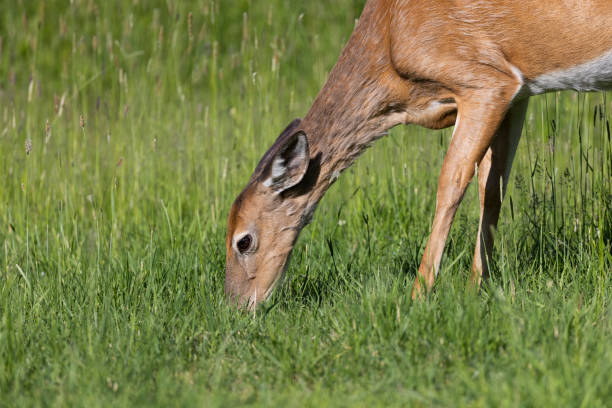
When deer consume grass seed before it has a chance to germinate, it impacts the establishment of new growth and may require reseeding.
On the other hand, deer’s grazing can encourage new growth by trimming the grass, which stimulates regrowth in certain species.
Additionally, deer unintentionally spread seeds while foraging, often transporting them to different areas via fur or droppings.
This can lead to natural reseeding and contribute to the growth of grass in new locations, benefiting some plant species by expanding their habitat.
Best Practices For Gardeners To Protect Grass Seed From Deer
For those aiming to maintain a lush lawn or garden, here are practical tips for keeping deer away from grass seed:
- Timing: Plant grass seed when deer are less active in the area, such as early spring or mid-fall.
- Physical Barriers: Temporary fencing around newly seeded areas can help deter deer from accessing your lawn or garden.
- Landscaping Choices: Consider integrating deer-resistant plants, like lavender or sage, to create a natural boundary around your property.
- Natural Deterrents: Sprinkling blood meal, eggshells, or scented soaps around newly seeded areas can act as mild deterrents, as deer tend to avoid these smells.
Best Practices For Hunters To Attract Deer With Grass Seed
For hunters seeking to attract deer using grass seed, establishing a reliable food source can draw deer into accessible areas:
- Seed Variety Selection: Clover, alfalfa, and ryegrass are excellent choices for food plots, as they are rich in nutrients and appealing to deer.
- Planting Timing: Plant seeds in late summer or early fall to align with deer’s natural foraging habits during this period.
- Plot Management: Once deer begin foraging on your grass seed plot, periodic mowing can encourage regrowth and sustain food availability throughout the season.
You can learn more on what grass seed to plant for deer
To wrap up,
So, do deer eat grass seed? Yes, they do, and understanding this behavior benefits both gardeners and hunters.
For gardeners, taking preventive steps such as using barriers or repellents can help protect lawns and plantings, while hunters can take advantage of deer’s preference for grass seed by planting seed plots to attract deer to their property.
When you’re trying to preserve your garden or enhance your hunting grounds, these insights can help you manage deer’s interaction with grass seed effectively.
Explore our website for more insights on our website.
]]>Understanding what grass do deer eat reveals other important aspects about their lives and habitats. When you know the types of grass deer love, it can give you a better chance to attract them to your yard or spot them in the wild.
In this post, we will break down seven types of grass deer eat and why each one plays a unique role in their diet.
Why Deer Eat Grass
It is necessary to understand why deer eat grass when addressing what grass do deer eat.
Deer often prefer high-energy foods like nuts, fruits, and shrubs, grass may not be deer’s first dietary choice.
However, grass can be an essential part of their diet, especially in particular seasons when other food sources become scarce.
Yet still, grass composes healthy nutrients that are essential for deer health. Grasses offer deer roughage that aids digestion, and fibre and protein that helps sustain deer when other foods are unavailable
Grass plays a complementary role in a deer’s diet. In spring and summer, fresh grasses are high in fiber and water, which support the deer’s hydration and digestion.
During autumn, grass availability wanes, and deer shift toward other forage types.
However, in winter, deer may return to grass if it’s one of the few food sources accessible beneath the snow, making it a critical seasonal staple in their diet.
What Grass Do Deer Eat- Top 7 Grasses Deer Love
1. Clover
Clovers should not be left out when it comes to what grass do deer eat.
It has high nutritional value, rich in protein and minerals, and attracts deer throughout the year. Clover is one of the top choices for deer and many wildlife food plots due to its high protein content and palatability.
It has varieties like white and red clover which are more attractive to deer, the protein needed for muscle development and antler growth.
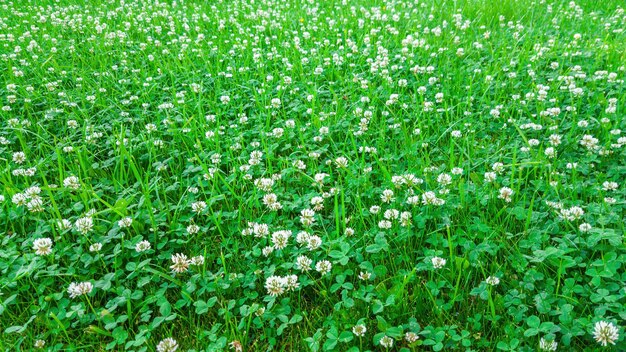
Clover grows well in various environments, such as meadows, open fields, and along the forest edge, which makes them widely accessible for deer across regions.
2. Fescue
Fescue is a resilient grass that is commonly found in landscapes, fields and pastures. It is another answer to what grass do deer eat.
It has high fiber content and broad availability, especially in early spring when tender fescue shoots emerge, which is what draws deer to it.
Although it is not as nutrient-dense as fescue, it provides good roughage and grows well in many climates, making it a consistent option for deer.
3. Orchard grass
This grass grows well in shaded areas and is often found in meadows. Its soft texture, lush growth, and high digestibility grass make it a favorite among deer, especially in habitats where other forage is limited.
Orchard grass grows primarily in open pastures and woodland edges, which are natural grazing spots for deer. It is an important answer to what grass do deer eat.
Orchard grass is moderately high in protein and very palatable, and an ideal grass for deer during the growing season.
4. Bluegrass
Bluegrass is a fine-textured, palatable grass that deer often consume in early spring when it’s most tender and nutritious.
It grows well in cooler climates and provides essential nutrients that help sustain deer through different seasons.
These grasses are commonly found in lawns and open fields, have a soft texture and mild taste that makes them popular with deer.
Kentucky bluegrass, in particular, is a favorite due to its widespread availability and palatability.
5. Alfalfa
Although technically a legume, alfalfa is often grouped with grasses in habitat management due to its high appeal for deer. Therefore, a perfect answer to what grass do deer eat.
Alfalfa offers an impressive protein content, it is one of the valuable food sources for antlered bucks and pregnant does in spring and summer.
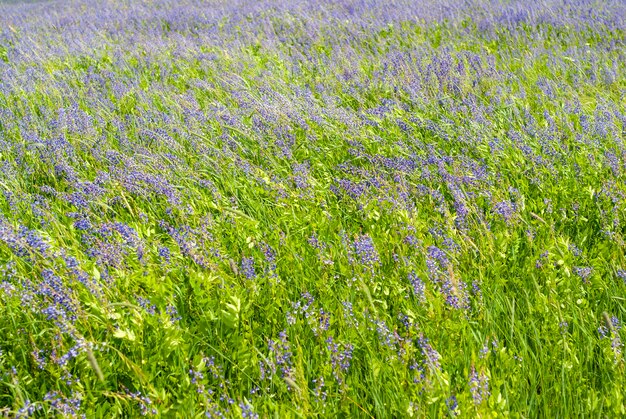
Its deep-rooted growth makes it flourish even during droughts, making it a sustainable option for supporting local deer populations.
6. Ryegrass
Ryegrass is easy to establish and grows quickly, making it a reliable food source for deer.Ryegrass is well-loved by deer and widely available in the wild, it is an easy food choice in regions with diverse grasses.
It has tender blades and moderate nutritional profile that makes it a solid option for deer, especially in early spring and late autumn.
Ryegrass grows quickly and is often used in food plots for attracting deer due to its reliable growth and appeal.
7. Timothy Grass
Timothy grass is an irresistible option for deer, especially when they’re looking for a fibrous, filling forage.
It is known for its tall, seed-bearing stalks and dense growth, timothy grass is very attractive in late summer when seed heads emerge and an answer to what grass deer eat.
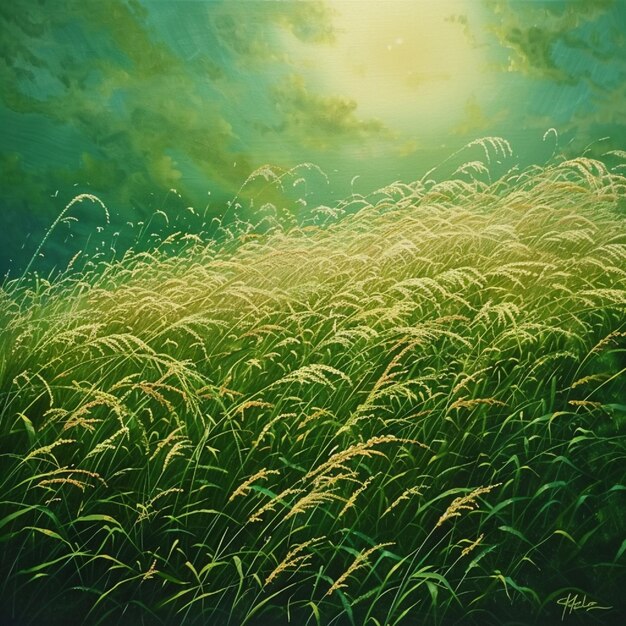
It also has high fiber content and helps with digestion, which makes it an ideal choice for deer who require additional roughage.
How To Identify These Grasses In The Wild
Here’s a quick guide on spotting these grasses for wildlife enthusiasts, and habitat managers looking to attract deer
- Clover: Look for small, round leaves in clusters of three; white or red flowers are common.
- Fescue: Fescue grows in dense clumps, often with a deep green or blue-green color. It is known for its fine blades,
- Orchard grass: It is a recognizable by its tall, tufted growth and blue-green color; often found in patches near woodland edges.
- Bluegrass: Has a soft, narrow blade and a distinctive bluish tint.
- Alfalfa: Look for tall, leafy plants with purplish flowers and a deep taproot.
- Ryegrass: Characterized by narrow, glossy blades; grows quickly and densely in open fields.
- Timothy Grass: This grass grows tall and produces long, cylindrical seed heads that sway in the wind.
How To Attract Deer With Grass: Best Practices
After knowing what grass do deer eat, it is important to know how to attract them.
For those interested in attracting deer to their property, establishing and maintaining grass plots is a simple and effective approach. Here are a few tips:
- Plant Diverse Grass Mixes: Combine clover, ryegrass, and orchard grass to create a nutritionally balanced food plot that deer will frequent.
- Choose Locations Carefully: Deer prefer areas with open visibility but some cover nearby for safety. Plant food plots in meadows, clearings, or forest edges.
- Timing Matters: Plant cool-season grasses like ryegrass and orchard grass in early spring or late summer for optimal growth.
- Soil Preparation: Test and amend your soil as needed to support strong grass growth, as healthy, nutritious grass will be more appealing to deer.
- Regular Maintenance: Mow occasionally to encourage tender regrowth, and fertilize periodically to keep your grasses nutrient-rich.
Read more on what attracts deer to your site for additional insights.
To wrap up,
Understanding “what grass do deer eat” is vital for anyone involved in wildlife observation, hunting, or habitat management.
When you learn deer’s grass preferences (clover, fescue, orchardgrass, bluegrass, alfalfa, ryegrass, and timothy grass), you can effectively attract deer to specific areas and support healthier wildlife populations.
Each grass type offers unique benefits that meet deer’s dietary needs, so consider planting a mix to increase the attractiveness and sustainability of your space for local deer populations.
For more information on deer diets and habitat management practices that benefit both wildlife and landowners alike, check out resources from organizations like Noble Research Institute 2 or Wildlife Illinois
]]>It is widely known and confirmed from many estimates that white-tailed deer can run and even cover up to 35 to 40 miles in an hour. Mind-blowing right?
There are many intriguing features about this graceful creature. How high can white-tailed deer jump is not just a question but another fantastic aspect of its behavior worth exploring.
In this article, we shall provide specific and perfect answers to address the concern and often-asked question; how high can white-tailed deer jump?
What Is White-Tailed Deer Jumping
Before exploring How high can White-tailed deer jump; It is important to know what white-tailed deer jumping is.
It is commonly known as stotting (a term for deer jumping), where deer jump in the air using all four legs. It is a common behavior among deer species usually for many reasons.
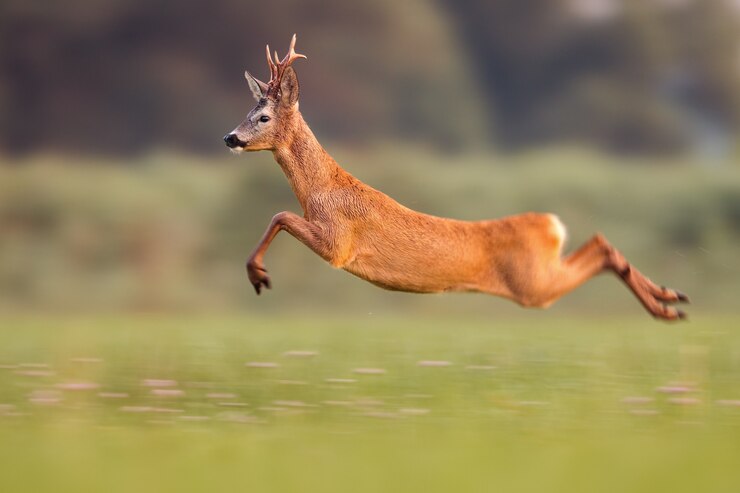
White-tailed deer can be very active throughout the day. Their behavior can change instantly when they perceive that a predator is approaching. The first action is to leap away, and they often do that with their tail lifted so high that the white underside is seen.
How High Can Whitetail Deer Jump
Most white-tailed deer can jump up to 8 feet from a standing start, but others can jump higher. Some can jump as high as 12 feet.
On average, whitetail deer can jump between 8 to 10 feet in height, which is very impressive and essential for their survival.
Though they are able to jump up to twelve feet high with a running start, they only do this when escaping a dangerous situation.
It is important to note that the higher a white-tailed deer can jump may depend on the motivation for that, for instance, danger.
Watch a white-tailed deer jumping over a 7-foot fence and and a 12-point Whitetail deer jumping
Factors That Influence The Height A Deer Can Jump.
When it comes to how high can white-tailed deer jump? Several factors can influence your response to this question. The exact height a deer can reach has a direct relation with the factors that influence the jumping.
- Terrain: How high can deer jump can depend on how much space a deer has to jump.
In open areas, deer often have the space and momentum to jump higher. In contrast, dense forests where obstacles may hinder their movement or uneven terrain can limit their jumping height.
The ground surface plays a crucial role because deer require stability for maximum leverage.
- Threats: White-tailed deer are vulnerable to many predators. When faced with predators or human threats, such as hunters, they are more likely to exert maximum effort, which can result in higher jumps.
The more immediate or intense the threat, the more likely they are to push their physical limits to escape.
In such cases the white-tailed deer can clear a 7-8-foot fence on the stand and up to 12 feet from a running start.
- Age and Health: Age and health also have a great influence on the height a deer can jump. Younger, healthier deer have greater agility and strength, which allows them to jump higher and farther.
- In contrast, older deer or those suffering from injuries or illnesses may not reach the same heights. A whitetail’s overall fitness plays a significant role in its jumping ability.
Understanding these factors is essential for anyone interacting with or hunting whitetail deer. By knowing what affects their jumping, hunters can anticipate and strategize accordingly.
Other factors
Hunger
Deer do not hesitate to go for anything that they think will make a delicious snack. A short fence in the way is no match for a hungry and curious deer.
To mate
White-tailed deer also jump to mate. According to expert hunters, a deer is willing to jump as high as possible when they see a potential mate, most especially with male deer during the mating season.
Practical Insights For Hunters
How high can white-tailed deer jump, can be asked by anyone. But for hunters and landowners, understanding how high whitetail deer can jump is not enough, but crucial for them in developing effective strategies and maintaining property boundaries.
Fence Height: What You Need to Know
One of the most common issues faced by landowners and hunters is deer clearing or jumping over fences meant to keep them out.
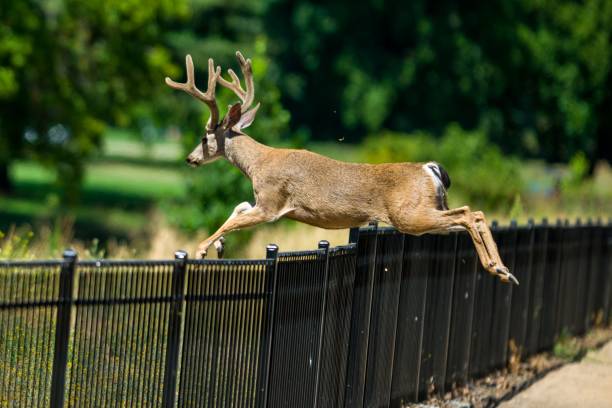
With the ability to jump as high as 10-12 feet, a standard farm fence may not be enough to deter them from entering fields or gardens.
An effective deer fence can be at least 8 feet high. Even though deer can jump an average of 8-10 feet, and even 12 feet depending on the circumstances, they will not risk jumping a fence they are uncertain about.
For hunters and wildlife managers, when you understand these limits, you can set up effective barriers.
Yet still a minimum fence height of 10 feet is recommended to prevent deer from jumping over. However, if the terrain offers a slope or an incline leading up to the fence, deer might find it easier to clear even a taller barrier.
Landowners might consider using angled or double fencing to further reduce the likelihood of deer jumping over.
Escape Tactics: How Deer Use Their Jumping Ability
When whitetail deer feel threatened, their first instinct is to flee. Their jumping ability plays a significant role in this escape process.
They are fast and can use obstacles like fallen trees, fences, or rocks to create distance between themselves and a predator.
For hunters, this means that a deer fleeing for safety is not limited by traditional barriers; they can and will jump over almost anything in their path if the threat is great enough.
Hunting Strategy: Using Deer Jumps to Your Advantage
As a hunter, knowing how high whitetail deer can jump can give you a great advantage. For instance, tree stand placement is crucial for maximizing your visibility and avoiding areas where deer might suddenly leap and disappear.
If you understand that a whitetail is capable of clearing a certain fence or obstacle, you can use that knowledge to anticipate their escape routes and plan ambush points more effectively.
Moreover, when tracking deer, pay attention to signs of jumps—scratched bark, disturbed leaves, or fence indentations—these clues can help you follow their trail, especially when hunting in dense or wooded areas where deer might leap to evade detection.
You can learn more about White-tailed deer at the Word deer Organisation.
Final remarks,
How high can white-tailed deer jump is not only a question but an opportunity to explore and understand its unique behavior.
Whitetail deer, with their remarkable ability to jump as high as 8 to 10 feet, will continue to amaze those who observe them in the wild.
For hunters, understanding this key makes you appreciate nature and enhance hunting strategies to be able to make more informed decisions.
Whether you’re setting up a tree stand, tracking deer, or building a fence, knowledge of how high deer can jump provides valuable insights into their behavior.
And staying aware of the factors that influence their jumping—terrain, threats, and health—you can make strategic choices that will improve your hunting experience and protect your property from deer intrusions.
If you found this information helpful, explore more on how to enhance your deer hunting skills on our website.
]]>Mule Deer Hopping is one of the unique deer behaviors many animal lovers and hunters long to see. It is an eye-catching sight for wildlife enthusiasts.
It is also known as “stotting” or “pronking”, a distinctive movement that sets mule deer apart from other species and serves many critical survival functions.
But what does it mean? Why do they do it? And how can you spot mule deer in the wild?
In this post, we will learn and understand the beauty and function of mule deer hopping hopping behavior.
What Is Mule Deer Hopping?
Mule deer hopping, also called stotting, is a behavior in which mule deer leap into the air with all four legs stiff and in unison, often resembling a bounding motion.
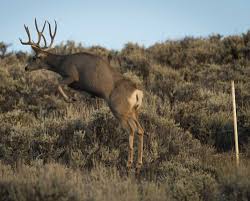
It’s almost as if they’re bouncing across the landscape with stiff-legged bounds, and it can be mind-blowing to watch. This can serve an important survival function.
You can watch a video of a mule deer hopping here.
How Mule Deer Hooping Helps Them Survive
Mule deer often live in tough terrains, and their hopping motion allows them to move quickly over rocky landscapes, steep slopes, and thick brush.
Their leaps allow them to cover ground fast, making it harder for predators to catch them and helping them conserve energy.
Why Do Mule Deer Hop?
So, why exactly do mule deer hop? There’s more to it than just looking cool.
Escape Response
Mule deer are often prey to various predators, including mountain lions, coyotes, and wolves. Hopping is an anti-predator strategy that allows mule deer to quickly put distance between themselves and a threat.
When a mule deer feels threatened, hopping is one of its first moves to escape danger, high leaps allow them to make a speedy getaway.
Mule deer hopping is very useful when they need to move fast through uneven or rocky terrain.
A Visual Warning
Some scientists think mule deer hopping is a display of communication to predators / Hunters.
When the deer hops high and confidently, it is trying to tell the predator that, “I’m strong, I’m fast, and I can outrun you. Therefore, don’t even bother!” This could discourage predators from attempting to chase them.
Communication With Other Deer
Stotting is a useful way for mule deer to communicate with each other. The behavior is a way to alert other deer to be cautious or prepare for flight.
When one deer starts hopping, others might pick up on the behavior as a signal that there’s danger nearby. It’s sounding an alarm.
Terrain Adaptation
Mule deer live in rough environments, and their hopping helps them move efficiently over these challenging terrains.
Be it rocky hillsides or desert landscapes, their stiff-legged leap allows them to conserve energy and navigate areas that slow down other animals.
How to Spot Mule Deer in the Wild
If you want to see mule deer in their natural habitat, it is important to know where and when to look for them. Here are some practical tips to increase your chances:
Where To Find Them
Mule deer are commonly found in diverse habitats across western North America, including forests, deserts, and mountainous regions.
They prefer spots with plenty of cover and easy access to food. Dawn and dusk are the best times to catch a glimpse of them since that’s when they’re most active.
Want to share your thoughts on mule deer hopping and why they hop, join this conversation.
Pay Attention To Movement
Mule deer’s hopping behavior makes them easier to spot in wide-open spaces. When hiking in mule deer territories, keep an eye out for unusual movements or rhythmic leaps.
They can often be seen hopping away when startled or when they’re on the move.
Be Patient and observant
Mule deer are cautious animals, they are shy too. If you’re hoping to spot them, patience is key.
Stay quiet, take your time, and scan the landscape for any movement. Binoculars can be a big help here, especially if you’re watching from a distance.
Best Time of Day
Mule deer are active during the early morning and late evening hours. These are the best times for observing/sighting mule deer.
They are often out feeding or moving between bedding and foraging areas, during these cooler times of day. This gives you a perfect window to catch a glimpse of them in action.
Signs They Might Hop Soon
It can be easy to detect if a mule deer is about to hop. If you notice a mule deer suddenly becoming very still or alert, it might be preparing to hop.
Also, keep an eye on their posture—if they seem tense and ready to spring, a hop may be coming.
The Difference Between Mule Deer And Other Deer Species
You might be wondering how mule deer differ from other types of deer, like white-tailed deer. Here’s a quick breakdown:
Physical Traits
Mule deer have large ears that resemble those of a mule, which is how they got their name. They also have a black-tipped tail, unlike the white-tailed deer, which has a wider, white tail.
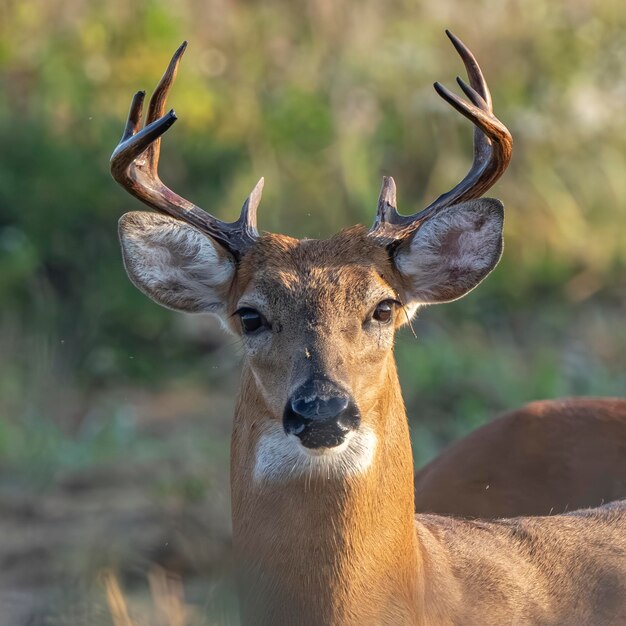
And of course, their hopping behavior is a key distinction—white-tailed deer typically run, rather than hop, when fleeing predators.
Behavioral Differences
Mule deer tend to rely on their stotting behavior more than other deer species. While both mule and white-tailed deer are prey to similar predators, mule deer are more adapted to rugged, uneven terrain and use hopping as an effective way to navigate it.
Tips For Observing Mule Deer Safely
When you’re lucky enough to spot mule deer hopping or just the deer in the wild, it’s important to respect their space and observe them in a way that doesn’t disturb their natural behavior.
Keep Your Distance
Always maintain a safe distance. Mule deer are easily startled, and getting too close could scare them away.
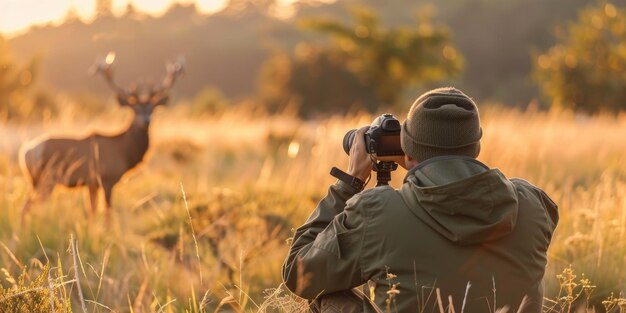
Bring binoculars or a camera with a zoom lens so you can watch them from afar without causing any distress. Approaching them too closely can cause stress or disrupt their natural behavior.
Minimize Disturbance
Try to avoid loud noises or sudden movements that might startle the deer. Move quietly and slowly to increase your chances of observing their natural behavior.
Ethical Wildlife Watching
As always, remember to respect the environment. Leave no trace, and avoid interfering with the animals or their habitat.
Responsible wildlife watching helps protect these creatures and ensures that future generations can enjoy the same experience.
In Conclusion,
Mule deer hopping is one of nature’s most interesting behaviors by deer; it serves as both a survival tool and a means of communication.
When you understand why mule deer hop and know where and how to observe them, you can deepen your appreciation for these incredible animals.
If you are an avid hiker or a curious observer, spotting mule deer in the wild can be one of your unique experiences.
So next time you’re out in the wild, keep an eye out for those high leaps and enjoy the thrill of witnessing mule deer in action.
Have you ever seen mule deer hop? Share your experiences or tips in the comments below, and remember—always observe wildlife responsibly.
Keep exploring our website for deer behavior and hunting tips
]]>Cereal grains for deer provide the vital nutrients deer need to enhance their energy, improve body condition, and promote antler growth. These grains offer a consistent food source for deer, and also help with antler development.
Therefore, for deer lover, wildlife enthusiasts, and land managers, it is very crucial to understand the best cereal grains for deer diets and use them wisely
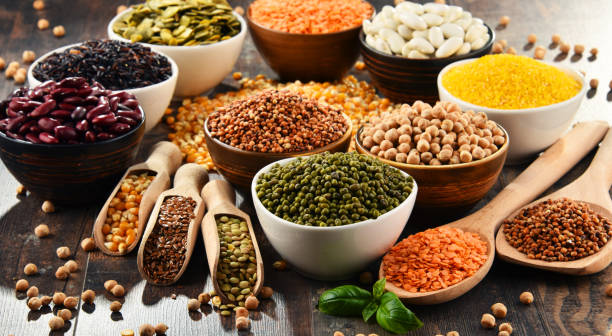
In this post, we will explore why these grains are key to maximizing the potential of the deer, and unveil 7 best cereal grains for deer that will change your deer population’s health.
The 7 Best Cereal Grains For Deer
1. Corn (Energy Booster for Active Deer)
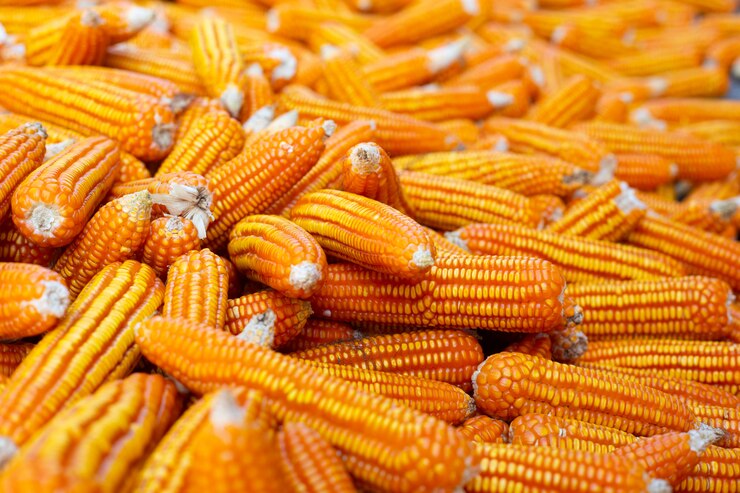
Corn is a popular cereal grain for deer. It is rich in carbohydrates and provides a significant energy boost for deer, especially during the winter months when natural forage is scarce and deer need extra fuel.
Corn helps deer maintain body weight and keep their energy levels high. Most especially in colder months when food sources are scarce, corn offers calories they need to maintain body heat and energy levels.
However, corn should be fed in moderation and avoid overfeeding. Overfeeding can lead to digestive issues such as acidosis, a condition where deer cannot properly digest high-starch foods, which causes discomfort or worse.
You can avoid this, by carefully introducing corn slowly and mixing it with other grains for a balanced diet..
2. Oats (A Balanced Source of Fiber and Energy)
Also, among the nutritious cereal grains for deer is Oats. Oats provide a balanced mix of fibre and protein, which makes them suitable for deer in all seasons as they provide energy as well.
This cereal is rich in fibre which helps to maintain a healthy digestive system and protein to support muscle development. This aids the deer to bulk up for winter or recover from harsh conditions.
Oats are versatile and can be incorporated into food plots or offered as supplemental feed. Their high fiber content aids digestion, ensuring deer absorb the maximum nutrients from their food.
According to Mossy oak gamekeeper, Oats are most attractive when they just emerge to a height of about 6 inches
3. Wheat (Nutrient-Rich and Antler-Boosting)
Wheat is among the nutritious cereal grains for deer, it is packed with protein and energy.
One of its unique benefits is its ability to promote antler growth,aside from its nutritious content, it has a palatable taste that deer enjoy.
It is highly recommended for hunters or landowners focused on improving the quality of bucks in their area.
Wheat can attract deer to feeding areas effectively, but it must be fed carefully. Because of its high energy content, if overfeed, it can lead to imbalances in the animal’s diet.
To feed wheat safely, introduce it gradually, and mix it with other lower-energy grains to avoid overwhelming their digestive systems.
4. Barley (Balanced Nutrient Profile for Harsh Conditions)
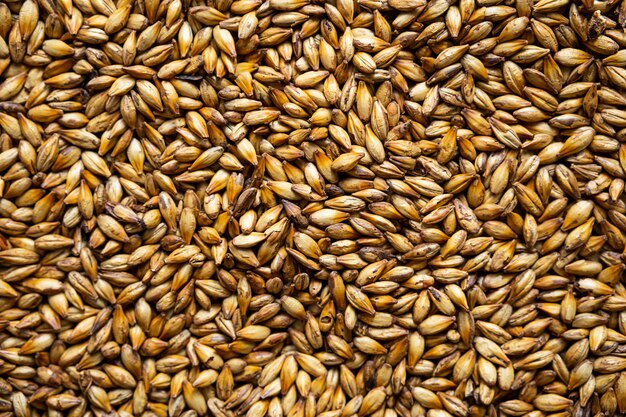
Barley supports deer’s overall health successfully with its combination of carbohydrates, protein, and fiber.
This makes it an ideal grain for maintaining deer weight and energy in colder climates or during the winter months when forage is less abundant.
Barley’s high carbohydrate content provides a slow-release energy source that helps deer maintain their strength and stamina.
Barley also supports overall health, providing essential nutrients that can help deer survive harsh weather conditions.
Incorporating barley into food plots or as supplemental feed will help keep deer populations strong through tough times.
5. Rye (Hardy Grain for Tough Conditions)
Rye is another cereal grain for deer, most useful in colder climates. It has high fiber content that aids in digestion, and carbohydrates that provide a quick energy boost to help deer stay active and healthy even in harsh weather.
“Rye is a cool-season annual bunchgrass that has an extensive range, covering almost every state with the only exception being a small section of the lower Southwest”; from a Whitetails Unlimited Magazine.
It is excellent for boosting deer metabolism, which helps it to stay warm. Consider using rye in food plots or as supplemental feed to ensure your deer get the nutrients they need to excel.
6. Sorghum (Versatile and Drought-Resistant)
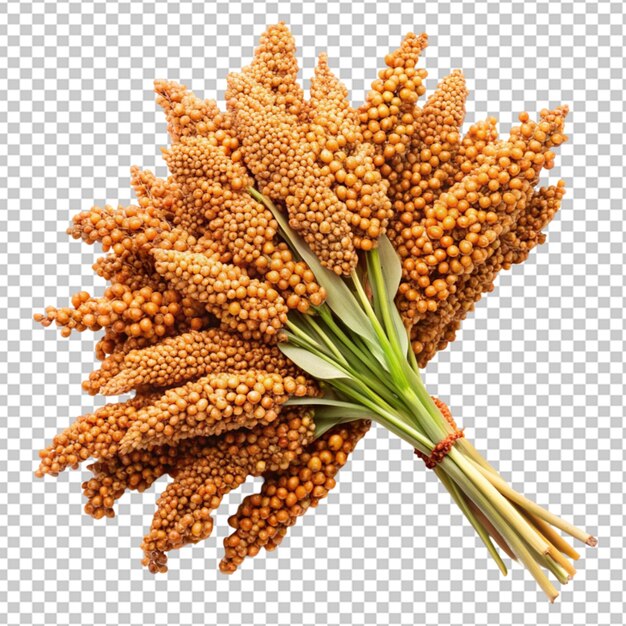
Sorghum is nutrient-rich grain, high in essential vitamins and minerals, fiber, antioxidants, and protein. It is among the best cereal grains for deer as it is rich in natural nutrients and can easily be added to a deer’s diet.
Sorghum is a reliable choice for deer food plots, especially in drier climates. It is most useful in the summer and fall when natural food sources start to dwindle.
Sorghum often remains available even in less-than-ideal growing conditions, due to its drought resistance which makes it a valuable addition to any deer management plan.
7. Triticale (Hybrid of Wheat and Rye)
Triticale is a hybrid grain that combines the benefits of wheat and rye. It’s packed with protein and fiber, which are essential in offering excellent nutritional support for deer.
This cereal grain is drought-resistant, making it ideal for areas with limited rainfall
It falls in the list of best cereal grains for deer as it contains the best qualities of both wheat and rye, which support antler growth and overall health.
Triticale is a great choice for deer food plots. Its hardiness enables it to function well in tough conditions, and is available to provide deer with the energy and nutrients they need year-round.
Best Practices for Feeding Cereal Grains to Deer
Aside from knowing the best cereal grains to deer, it’s necessary to ensure you offer a balanced diet. Consider these practical tips;
- Combine Grains: Mixing different cereal grains can create a balanced diet that meets various nutritional needs.
- Portion Control: Monitor portion sizes carefully to avoid overfeeding; smaller, more frequent feedings are recommended.
- Food Plot Setup: Establish well-prepared food plots or feeders that allow easy access for deer while minimizing waste.
To sum up,
Cereal grains offer numerous health benefits that enhances deer’s growth and overall well-being.
Incorporating these 7 cereal grains for deer (corn, oats, wheat, barley, rye, sorghum, and triticale into a deer’s diet can improve their health and growth.
Each grain provides unique benefits, such as energy boosts in the winter, and antler development.
You can ensure that deer populations remain healthy, strong, and resilient all year long, by selecting and combining these grains carefully.
To further maximize deer health, check out the 12 Best Protein feeds for deer.
Remember to share your thoughts in the comments section below.
]]>