Table of Contents
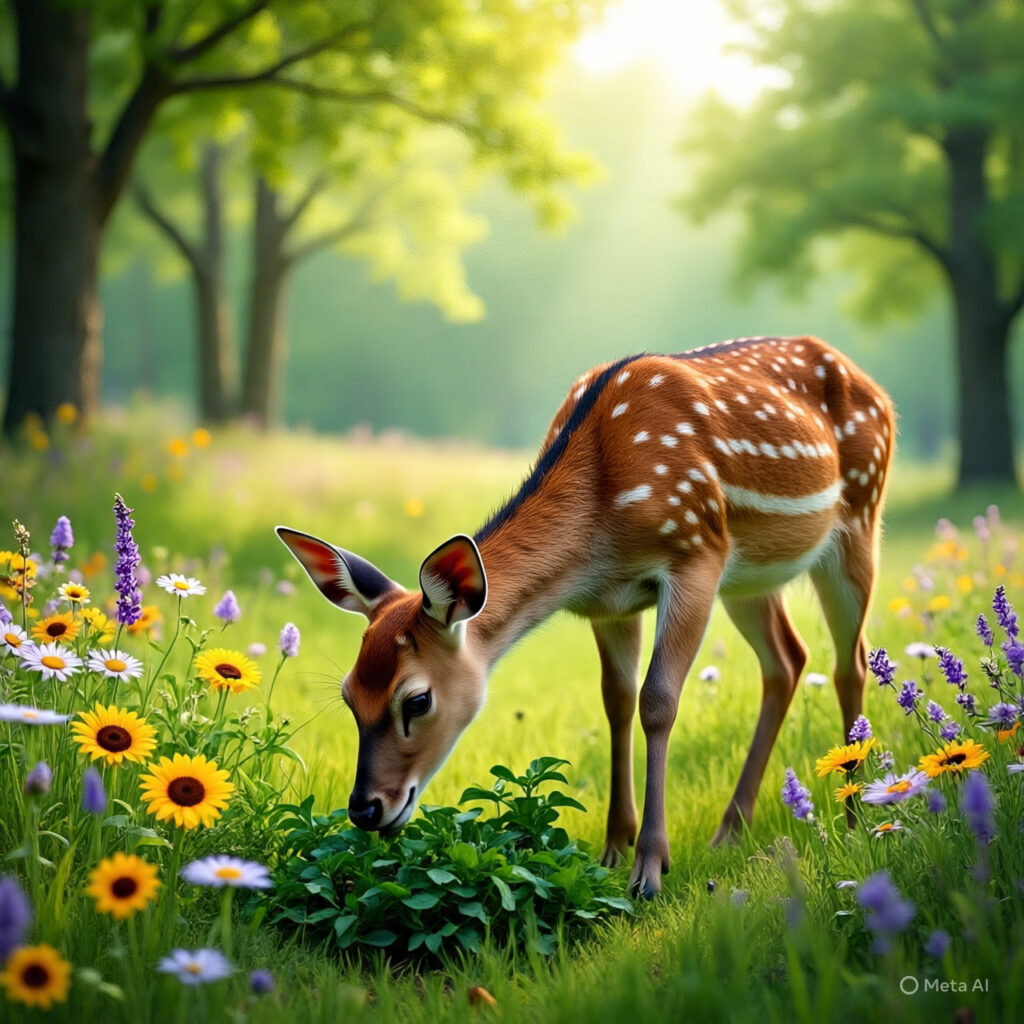
Have you ever walked your property at dawn, only to find fresh deer tracks leading straight to where your lilies used to stand? For hunters and deer enthusiasts, that sight sparks one question: are lilies deer resistant, or is lily deer resistant status just another gardening myth hunters and growers debate?
The truth is, deer feeding patterns aren’t carved in stone. While some plants earn the “deer resistant” badge (see full list of deer-resistant plants), lilies often sit in a gray zone — ignored one season, wiped out the next. Factors like rut timing, food shortages, and even local herd habits can decide whether your lilies remain standing.
In this guide, we’ll cut through the myths with a hunter’s field‑tested take on lily browse resistance, unpack why deer make the choices they do, and share practical protection strategies that actually work in the field. Whether you’re managing food plots or simply defending the few ornamental plants you keep, you’ll walk away knowing exactly where lilies stand in the deer menu.
Understanding the Relationship Between Deer and Lilies
Deer love lilies — which is why true lily deer resistant is so rare — because they are soft, moist, and easy to chew. For deer, lilies are a fresh and tasty snack in the wild. This is why people often wonder, are lily deer resistant?
On Rutgers University’s deer resistance scale, lilies are rated “Occasionally Severely Damaged.” In simple terms, deer may skip them sometimes, but when they eat them, the harm can be serious.
Damage also depends on what deer bite. If they nibble leaves or buds, lilies may recover. But if they dig into the bulbs or eat whole plants, the lilies usually die.
So, while a few varieties show better resistance, most lilies are not deer resistant. Without some protection, deer can quickly wipe out a patch of lilies.
Are Lily Deer Resistant? The Truth from the Field
From a hunter’s perspective, “deer‑resistant” means plants deer usually avoid — but not guaranteed protection. They’re lower on a deer’s “menu,” often because of scent, taste, texture, or mild toxicity. Still, hungry deer in tough seasons may sample them, so resistance is about reduced risk, not complete immunity.
However, there are some important exceptions. Within the lily family, certain types have natural traits that make them less appealing. Tiger lilies, with their spotted orange blooms, are less attractive to deer. Calla lilies contain toxins that make them distasteful. Other related bulbs, like ornamental onions (Allium) and fritillaria, are also more likely to be left alone.
Knowing the difference between deer-resistant lilies and those that are highly vulnerable is important, especially in areas where deer are common. Choosing the right type can reduce damage and help preserve your plants. While no lily is completely safe, some options stand a better chance against hungry deer.
Lily Deer Resistant Types
Not all lilies are easy targets for deer. A few kinds are more lily deer resistant and can survive better in areas where deer are common.
Tiger Lilies
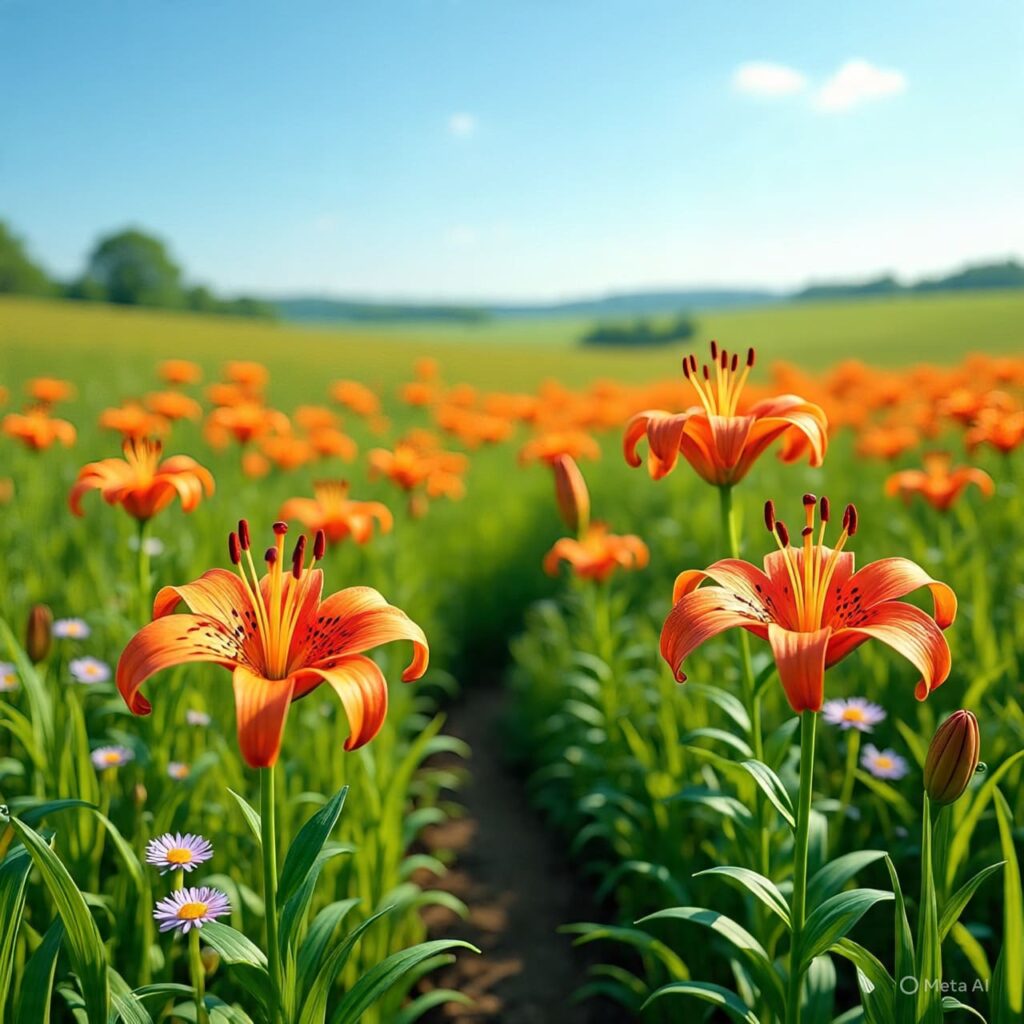
These lilies stand out with their bright orange petals covered in spots. Deer usually ignore them, making tiger lilies one of the best options for those looking for lily deer resistant varieties.
Calla Lilies
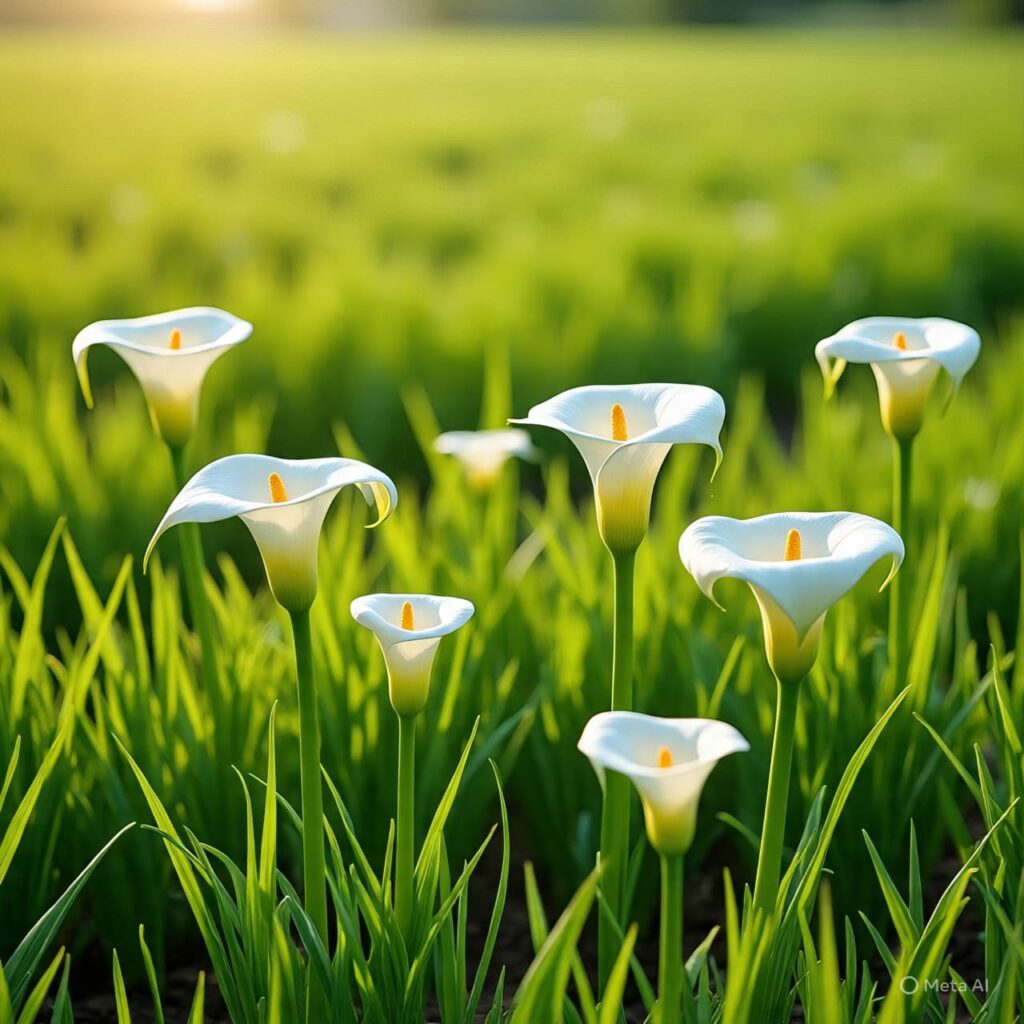
Calla lilies are not only elegant but also protected by nature. Their bulbs and leaves contain toxins called calcium oxalate crystals. These make them taste unpleasant, so deer avoid them.
Other Resistant Members of the Lily Family
Resistant Members of the Lily Family
- Ornamental onions (Allium species): Their strong smell keeps deer away.
- Camassia and squills (Scilla): Both are hardy and less attractive to deer.
- Fritillaria: Known for their unusual flowers and natural resistance.
- Grape hyacinths (Muscari): Small but tough, and generally left alone.
- Squid lilies (Lycoris): Striking flowers that deer tend to avoid.
While no plant is 100% safe, these lilies and related bulbs give you a better chance of keeping blooms out of a deer’s reach.
Strategies to Protect Lilies from Deer
Building a truly lily deer resistant setup means more than just one barrier — it’s about understanding deer habits and adapting defences to the season, herd pressure, and terrain. Here’s what consistently works in the field:
1. Physical Barriers
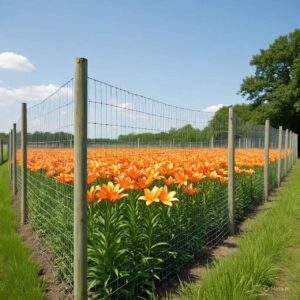
The most effective defense against deer is a physical barrier like a fence, even for plants like the lily deer resistant varieties that are less appealing to them.
2. Repellents
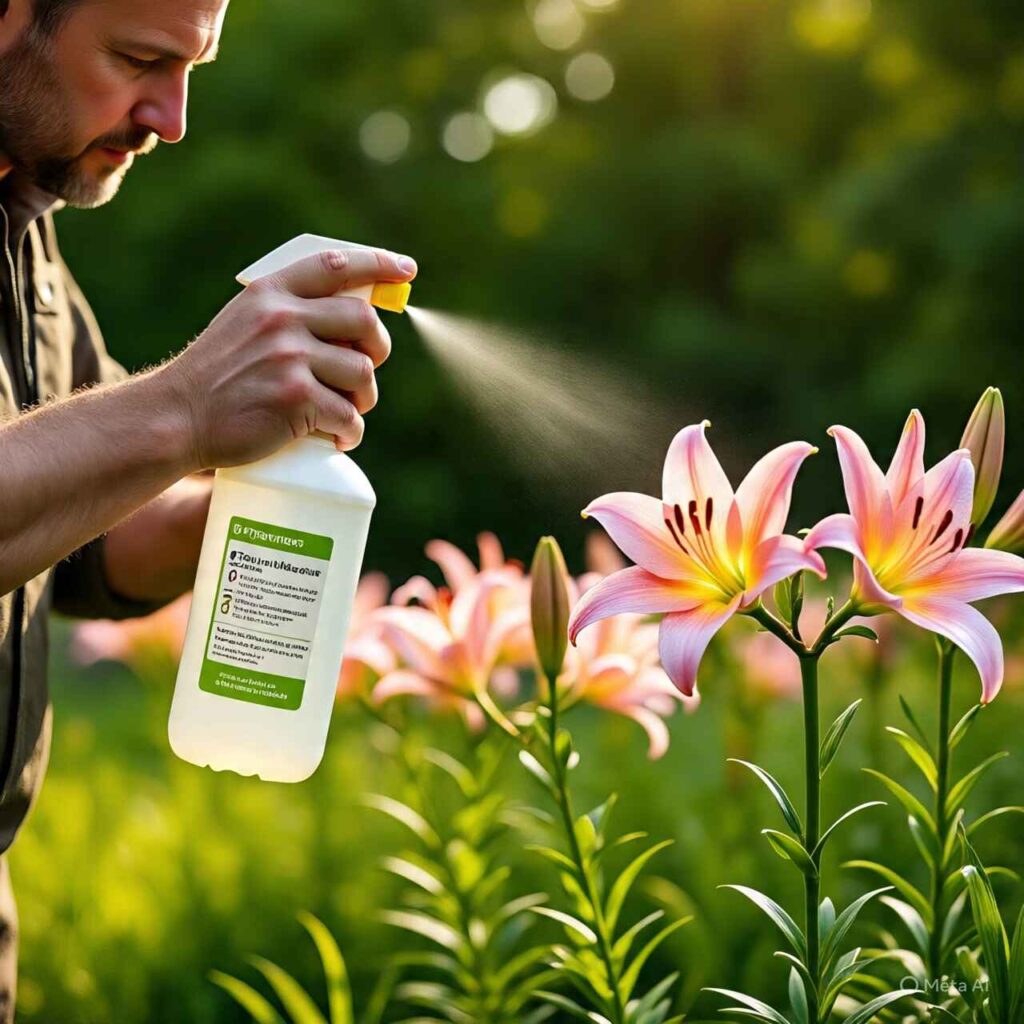
Use sprays like Plantskydd on bulbs and leaves. Homemade deterrents—garlic, eggs, or soap shavings—can help too. Reapply often, especially after rain.
3. Strategic Planting
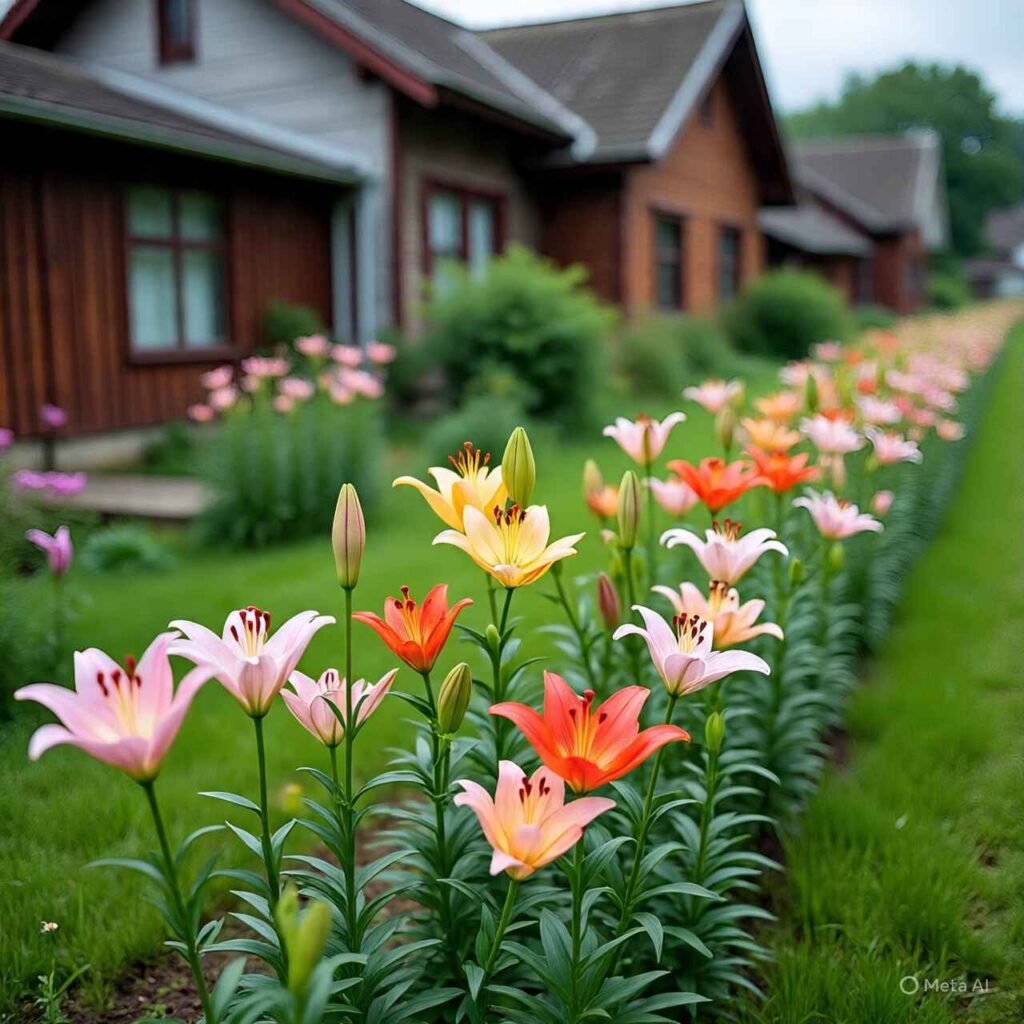
Place lilies close to houses, patios, or in raised beds. Plant them in spots that are harder for deer to reach.
4. Companion Planting
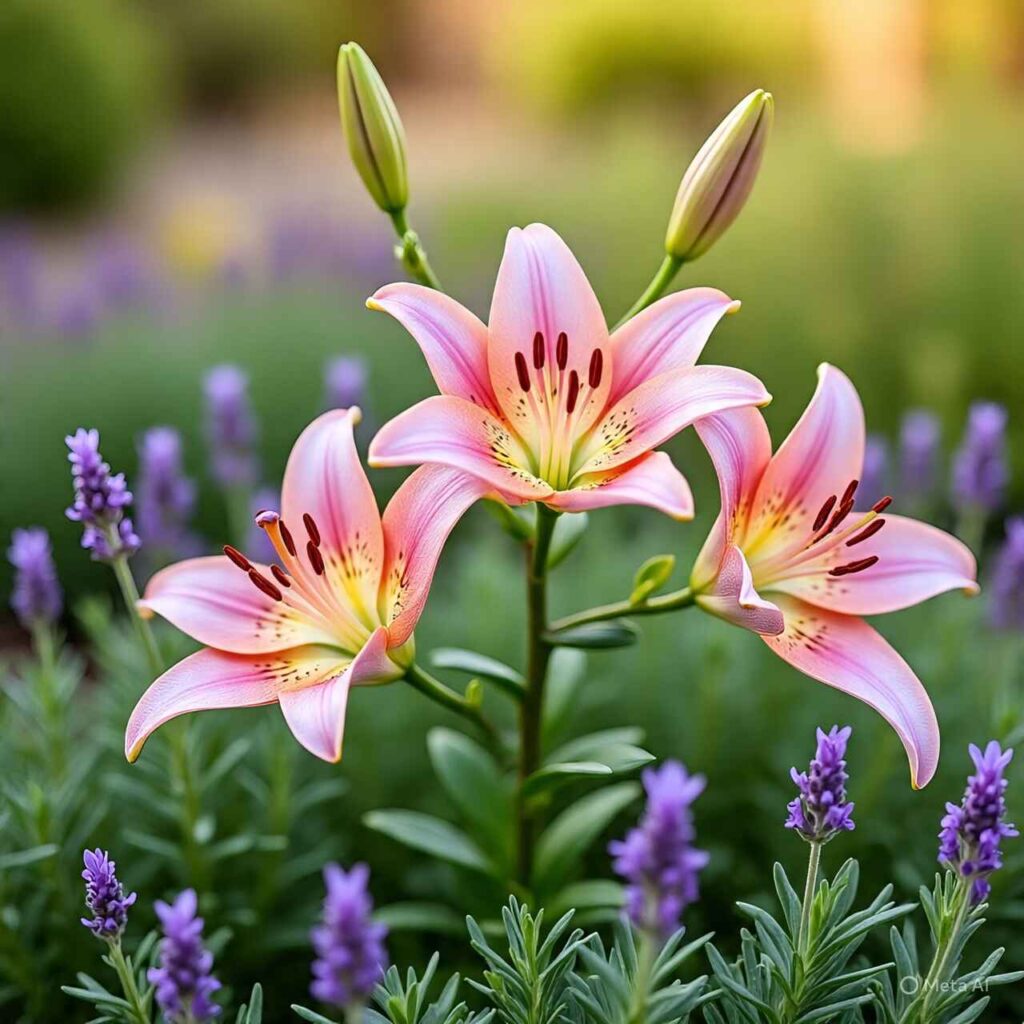
Grow lilies beside plants deer dislike, such as lavender, rosemary, or daffodils. Their strong scents make deer avoid the area.
With barriers, repellents, and smart planting, even vulnerable lilies can be protected from hungry deer.
Practical Tips from a Hunter’s Perspective
Hunters in the field often observe that even so‑called “lily deer‑resistant” plants aren’t completely safe. When natural food sources are scarce, deer will browse almost anything, including plants they usually ignore. This is why calling any lily deer resistant is never a guarantee — seasonal deer feeding patterns and behaviour can quickly change a plant’s chances of survival.
Seasonal Risks
Lilies face the most danger in spring and summer. At this time, deer search for tender new growth, and lilies provide exactly that.
Natural Deterrents in the Wild
In the wild, I notice deer avoid areas with strong scents or thick natural barriers. Using scent masking, like planting rosemary or lavender nearby, can help. Thick hedges, tall grass, or fencing also make deer think twice before coming close.
By paying attention to feeding patterns and seasonal changes, you can better understand how to protect lilies from deer.
Common Myths About Lily Deer Resistance
There are many myths about lilies and deer resistance. Believing them can leave your plants unprotected.
Myth 1: All lilies are safe from deer
This is false. Most lilies are not genuinely lily deer resistant, and deer see them as food, especially when they are fresh and moist. Only a few types, like tiger lilies or calla lilies, are less appealing.
Myth 2: Repellents work permanently
Repellents are useful, but they do not last forever. Rain, sun, and time wash them away. They must be reapplied often to remain effective.
Myth 3: Deer avoid all toxic plants
Deer usually stay away from toxic plants, but hunger can change that. In tough seasons, they may still nibble even on plants that normally deter th
Conclusion
Most lilies are not truly deer resistant, though a few—like tiger lilies and calla lilies—are less appealing to deer. Hungry deer may still sample even resistant plants, which is why protection is important. Barriers, repellents, and companion planting all help reduce damage.
The key takeaway is simple: while some varieties show better resistance, no lily deer resistant claim is absolute. With the right strategies, you can give your lilies the best chance to thrive, even in deer-prone areas.
Love lilies but worried about deer? Start by choosing resistant types like tiger lilies or calla lilies and use simple protection methods to keep them safe. For more easy tips and guides, follow my blog and keep your blooms thriving.
The answer to today’s question, what smells do deer like, lies in simple scents. One of the most critical and successful factors in deer hunting is managing smells and odours that can alarm and spook these elusive creatures.
Although deer hunting requires good skills and patiences, an excellent understanding of the game, especially with factors such as what smells do deer like, is a win for hunters and wildlife lovers.
In this post we shall explore the key smells that deer like and how these scents and be used to lure deer to your yard.
The Science Behind Deer Smelling Abilities
Deer have a good sense of smell which is exceptional and helps them detect and avoid danger. Deer have so many olfactory receptors in their noses that aid them in their sensing abilities.
Deer have an olfactory bulb that’s about four times larger than a human’s. This part of the brain processes scents, with 297 million olfactory receptors in their noses as compared to men with 5 million receptors.
These receptors are designed to help detect smell, the high density of these receptors enable deer to detect a range of odours from a distance.
Top Smells/Scents Deer Like
- Food Based Scent
Naturally, deer like food and are very curious about food sources. Food smell is an answer to our intriguing question, what smells do deer like?
Food related smells can draw deer attention, especially strong-smelling human foods like fast food, strong spices, and cooking odours.
Another alarming food smell is not from the food itself but from preparing it before hunting.
Common food with good scents that attract deer;
Corn: Corn has a sweet and earthy aroma which attracts deer from afar. Corn is a deer nutrient rich food and among the top cereals grains for deer.
Apples: Apples have a sweet and fruity aroma that can travel far and is associated with high energy and water content that allures deer.
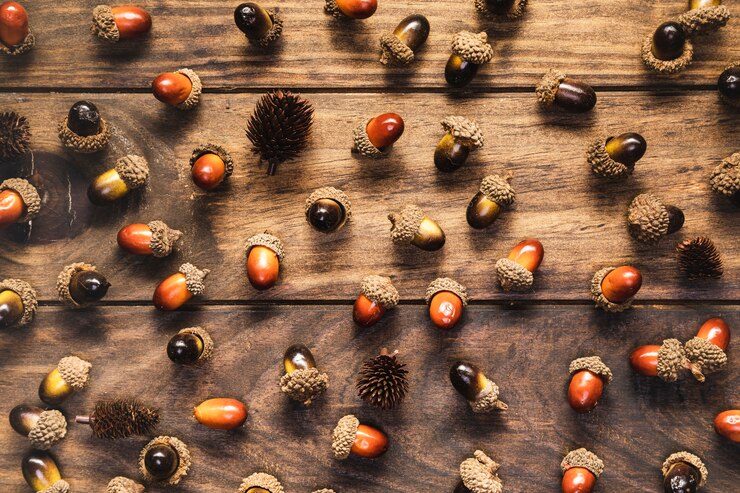
Acorns: Acorns has nutty, earthy aroma that appeals so much to deer
Peanut butter’s: Many deer find is difficult to resist Peanut butter’s rich and nutty aroma
Clover and Alfalfa: These two types of vegetation naturally draw deer. They produce a fresh and green smell which indicates the presence of nutritious foliage that deer enjoy grazing on.
- Flower Scents
Aside from food scents, deer prefer to smell some flowers more than they eat them. Deer are particularly curious about floral scents, although they may not consume these plants, the flower base scent can attract and lure them.
Top Deer Flowers That Best Answer The Question; What Smells Do Deer Like.
Roses
Roses have a classic sweet that can easily catch deer’s attention. Rose bushes can be tempting and deer may sometimes eat them. Rose fragrance is strong and deer are often more interested in the flower’s scent than the plant itself.
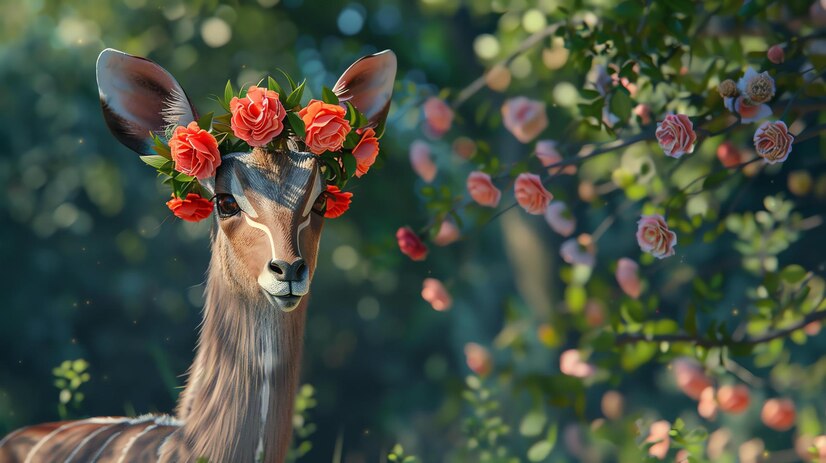
Honeysuckle
The sweet and sugary fragrance of honeysuckle makes it irresistible for deer. Honeysuckle grows in a natural environment and their scents can signal a safe, familiar area.
Lavender
Lavender’s calming and floral scent generally appeals to humans and to attract deer. Deer will slightly eat lavender due to its slightly bitter taste. Its soothing aroma makes it a strategic choice for attracting deer.
Daisies, Clover, and blossoms are other flowers that produce smells that deer like.
- Synthetic Scents
Unlike the other Scents discussed above, these are lab created fragrance designed to replicate the natural smells that attract deer. They are chemically produced scents that mimic food and other natural sources.
Types Of Synthetic Scents That Deer Like Their Smells.
Doe Estrus Scents for Deer
This is a chemically replicated scent that has been engineered to imitate the smell of a female deer in heat. The time when the female deer wants to mate, bucks are very responsive to the scent of estrus in response to mate with the doe.
Musk and Glands scents
Synthetic musks are chemically manufactured and designed to replicate the appeal of the original substance without using material from animals. They are commonly used now to replace historic deer musk in perfumery.
Synthetic musk imitate both doe and buck gland scents
Synthetic Food Based Scents
Just like the food based scents, these are chemically made fragrances that replicate the natural scents of food that deer like.they are available in different forms such as sprays and blogs. Always available for different hunting seasons and scenarios.
- Urine and Musk Scents
For many, Urine may be a surprising answer when they’re looking for answers to what smells do deer like. Urine and musk are key tools in hunting, specifically for attracting deer.
What Kind of urine best fits the question, what smells do deer like?
- Doe Urine: The smell of doe urine is strong and attractive especially during the rutting season. bucks are easily drawn to the scent of females in estrus.
- Buck: Deer, especially bucks, are attracted to buck urine as well. Buck urine is purposely used to indicate the presence of another male deer in the area, the smell will influence dominant bucks to investigate.
- Estrus Blends: Special estrus blends mix urine with estrus hormones, which increases attractiveness for bucks during the mating season.
You can explore this resource for additional deer attractants tips.
How To Attract Deer With These Smells
What smells do deer like, is an essential subject for hunters and deer lovers. It is also essential to know how to attract these creatures with these smells.
| Scent type | How to attract deer with the scent. |
| Food-Based Scent | You can apply food spray around areas where deer feed. Scents blocks or sprays can also be used on vegetation or tree trunks to keep deer coming back |
| Flower-Based Scent | These Scents can be sprayed near trails or on low branches in open areas |
| Urine and Musk Scent | It is effective to apply urine or musk scents to scent wicks, drag rags, or mock scrapes along deer trails |
| Synthetic Scent | These Scents can be used all year round. You can apply them near trails, feeding areas, or scent wicks. |
To wrap up , our question, what smells do deer like, has been answered. It is key to note that, In attracting deer, certain smells, both natural and synthetic are effective in doing that.
Success in attracting deer relies on strategy, patience, and respect for wildlife. By combining well-timed use of scents with thoughtful placement and ethical practices, enthusiasts can improve their chances of successful encounters and also ensure a balanced approach to wildlife interaction. Continue to explore Deer hunting gateway for more hunting tips.
]]>Understanding what grass do deer eat reveals other important aspects about their lives and habitats. When you know the types of grass deer love, it can give you a better chance to attract them to your yard or spot them in the wild.
In this post, we will break down seven types of grass deer eat and why each one plays a unique role in their diet.
Why Deer Eat Grass
It is necessary to understand why deer eat grass when addressing what grass do deer eat.
Deer often prefer high-energy foods like nuts, fruits, and shrubs, grass may not be deer’s first dietary choice.
However, grass can be an essential part of their diet, especially in particular seasons when other food sources become scarce.
Yet still, grass composes healthy nutrients that are essential for deer health. Grasses offer deer roughage that aids digestion, and fibre and protein that helps sustain deer when other foods are unavailable
Grass plays a complementary role in a deer’s diet. In spring and summer, fresh grasses are high in fiber and water, which support the deer’s hydration and digestion.
During autumn, grass availability wanes, and deer shift toward other forage types.
However, in winter, deer may return to grass if it’s one of the few food sources accessible beneath the snow, making it a critical seasonal staple in their diet.
What Grass Do Deer Eat- Top 7 Grasses Deer Love
1. Clover
Clovers should not be left out when it comes to what grass do deer eat.
It has high nutritional value, rich in protein and minerals, and attracts deer throughout the year. Clover is one of the top choices for deer and many wildlife food plots due to its high protein content and palatability.
It has varieties like white and red clover which are more attractive to deer, the protein needed for muscle development and antler growth.
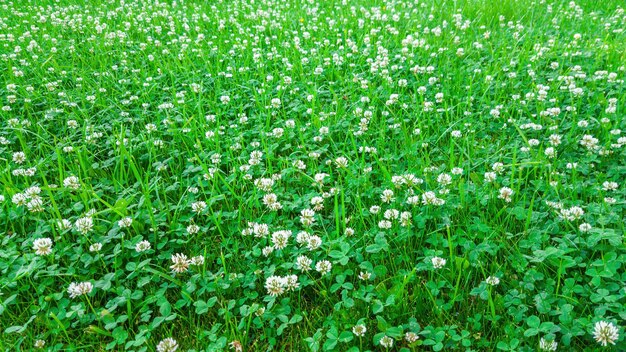
Clover grows well in various environments, such as meadows, open fields, and along the forest edge, which makes them widely accessible for deer across regions.
2. Fescue
Fescue is a resilient grass that is commonly found in landscapes, fields and pastures. It is another answer to what grass do deer eat.
It has high fiber content and broad availability, especially in early spring when tender fescue shoots emerge, which is what draws deer to it.
Although it is not as nutrient-dense as fescue, it provides good roughage and grows well in many climates, making it a consistent option for deer.
3. Orchard grass
This grass grows well in shaded areas and is often found in meadows. Its soft texture, lush growth, and high digestibility grass make it a favorite among deer, especially in habitats where other forage is limited.
Orchard grass grows primarily in open pastures and woodland edges, which are natural grazing spots for deer. It is an important answer to what grass do deer eat.
Orchard grass is moderately high in protein and very palatable, and an ideal grass for deer during the growing season.
4. Bluegrass
Bluegrass is a fine-textured, palatable grass that deer often consume in early spring when it’s most tender and nutritious.
It grows well in cooler climates and provides essential nutrients that help sustain deer through different seasons.
These grasses are commonly found in lawns and open fields, have a soft texture and mild taste that makes them popular with deer.
Kentucky bluegrass, in particular, is a favorite due to its widespread availability and palatability.
5. Alfalfa
Although technically a legume, alfalfa is often grouped with grasses in habitat management due to its high appeal for deer. Therefore, a perfect answer to what grass do deer eat.
Alfalfa offers an impressive protein content, it is one of the valuable food sources for antlered bucks and pregnant does in spring and summer.
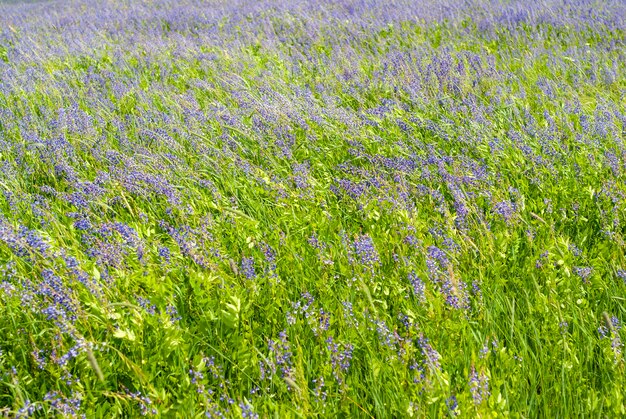
Its deep-rooted growth makes it flourish even during droughts, making it a sustainable option for supporting local deer populations.
6. Ryegrass
Ryegrass is easy to establish and grows quickly, making it a reliable food source for deer.Ryegrass is well-loved by deer and widely available in the wild, it is an easy food choice in regions with diverse grasses.
It has tender blades and moderate nutritional profile that makes it a solid option for deer, especially in early spring and late autumn.
Ryegrass grows quickly and is often used in food plots for attracting deer due to its reliable growth and appeal.
7. Timothy Grass
Timothy grass is an irresistible option for deer, especially when they’re looking for a fibrous, filling forage.
It is known for its tall, seed-bearing stalks and dense growth, timothy grass is very attractive in late summer when seed heads emerge and an answer to what grass deer eat.

It also has high fiber content and helps with digestion, which makes it an ideal choice for deer who require additional roughage.
How To Identify These Grasses In The Wild
Here’s a quick guide on spotting these grasses for wildlife enthusiasts, and habitat managers looking to attract deer
- Clover: Look for small, round leaves in clusters of three; white or red flowers are common.
- Fescue: Fescue grows in dense clumps, often with a deep green or blue-green color. It is known for its fine blades,
- Orchard grass: It is a recognizable by its tall, tufted growth and blue-green color; often found in patches near woodland edges.
- Bluegrass: Has a soft, narrow blade and a distinctive bluish tint.
- Alfalfa: Look for tall, leafy plants with purplish flowers and a deep taproot.
- Ryegrass: Characterized by narrow, glossy blades; grows quickly and densely in open fields.
- Timothy Grass: This grass grows tall and produces long, cylindrical seed heads that sway in the wind.
How To Attract Deer With Grass: Best Practices
After knowing what grass do deer eat, it is important to know how to attract them.
For those interested in attracting deer to their property, establishing and maintaining grass plots is a simple and effective approach. Here are a few tips:
- Plant Diverse Grass Mixes: Combine clover, ryegrass, and orchard grass to create a nutritionally balanced food plot that deer will frequent.
- Choose Locations Carefully: Deer prefer areas with open visibility but some cover nearby for safety. Plant food plots in meadows, clearings, or forest edges.
- Timing Matters: Plant cool-season grasses like ryegrass and orchard grass in early spring or late summer for optimal growth.
- Soil Preparation: Test and amend your soil as needed to support strong grass growth, as healthy, nutritious grass will be more appealing to deer.
- Regular Maintenance: Mow occasionally to encourage tender regrowth, and fertilize periodically to keep your grasses nutrient-rich.
Read more on what attracts deer to your site for additional insights.
To wrap up,
Understanding “what grass do deer eat” is vital for anyone involved in wildlife observation, hunting, or habitat management.
When you learn deer’s grass preferences (clover, fescue, orchardgrass, bluegrass, alfalfa, ryegrass, and timothy grass), you can effectively attract deer to specific areas and support healthier wildlife populations.
Each grass type offers unique benefits that meet deer’s dietary needs, so consider planting a mix to increase the attractiveness and sustainability of your space for local deer populations.
For more information on deer diets and habitat management practices that benefit both wildlife and landowners alike, check out resources from organizations like Noble Research Institute 2 or Wildlife Illinois
]]>Mule Deer Hopping is one of the unique deer behaviors many animal lovers and hunters long to see. It is an eye-catching sight for wildlife enthusiasts.
It is also known as “stotting” or “pronking”, a distinctive movement that sets mule deer apart from other species and serves many critical survival functions.
But what does it mean? Why do they do it? And how can you spot mule deer in the wild?
In this post, we will learn and understand the beauty and function of mule deer hopping hopping behavior.
What Is Mule Deer Hopping?
Mule deer hopping, also called stotting, is a behavior in which mule deer leap into the air with all four legs stiff and in unison, often resembling a bounding motion.
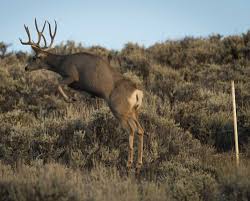
It’s almost as if they’re bouncing across the landscape with stiff-legged bounds, and it can be mind-blowing to watch. This can serve an important survival function.
You can watch a video of a mule deer hopping here.
How Mule Deer Hooping Helps Them Survive
Mule deer often live in tough terrains, and their hopping motion allows them to move quickly over rocky landscapes, steep slopes, and thick brush.
Their leaps allow them to cover ground fast, making it harder for predators to catch them and helping them conserve energy.
Why Do Mule Deer Hop?
So, why exactly do mule deer hop? There’s more to it than just looking cool.
Escape Response
Mule deer are often prey to various predators, including mountain lions, coyotes, and wolves. Hopping is an anti-predator strategy that allows mule deer to quickly put distance between themselves and a threat.
When a mule deer feels threatened, hopping is one of its first moves to escape danger, high leaps allow them to make a speedy getaway.
Mule deer hopping is very useful when they need to move fast through uneven or rocky terrain.
A Visual Warning
Some scientists think mule deer hopping is a display of communication to predators / Hunters.
When the deer hops high and confidently, it is trying to tell the predator that, “I’m strong, I’m fast, and I can outrun you. Therefore, don’t even bother!” This could discourage predators from attempting to chase them.
Communication With Other Deer
Stotting is a useful way for mule deer to communicate with each other. The behavior is a way to alert other deer to be cautious or prepare for flight.
When one deer starts hopping, others might pick up on the behavior as a signal that there’s danger nearby. It’s sounding an alarm.
Terrain Adaptation
Mule deer live in rough environments, and their hopping helps them move efficiently over these challenging terrains.
Be it rocky hillsides or desert landscapes, their stiff-legged leap allows them to conserve energy and navigate areas that slow down other animals.
How to Spot Mule Deer in the Wild
If you want to see mule deer in their natural habitat, it is important to know where and when to look for them. Here are some practical tips to increase your chances:
Where To Find Them
Mule deer are commonly found in diverse habitats across western North America, including forests, deserts, and mountainous regions.
They prefer spots with plenty of cover and easy access to food. Dawn and dusk are the best times to catch a glimpse of them since that’s when they’re most active.
Want to share your thoughts on mule deer hopping and why they hop, join this conversation.
Pay Attention To Movement
Mule deer’s hopping behavior makes them easier to spot in wide-open spaces. When hiking in mule deer territories, keep an eye out for unusual movements or rhythmic leaps.
They can often be seen hopping away when startled or when they’re on the move.
Be Patient and observant
Mule deer are cautious animals, they are shy too. If you’re hoping to spot them, patience is key.
Stay quiet, take your time, and scan the landscape for any movement. Binoculars can be a big help here, especially if you’re watching from a distance.
Best Time of Day
Mule deer are active during the early morning and late evening hours. These are the best times for observing/sighting mule deer.
They are often out feeding or moving between bedding and foraging areas, during these cooler times of day. This gives you a perfect window to catch a glimpse of them in action.
Signs They Might Hop Soon
It can be easy to detect if a mule deer is about to hop. If you notice a mule deer suddenly becoming very still or alert, it might be preparing to hop.
Also, keep an eye on their posture—if they seem tense and ready to spring, a hop may be coming.
The Difference Between Mule Deer And Other Deer Species
You might be wondering how mule deer differ from other types of deer, like white-tailed deer. Here’s a quick breakdown:
Physical Traits
Mule deer have large ears that resemble those of a mule, which is how they got their name. They also have a black-tipped tail, unlike the white-tailed deer, which has a wider, white tail.
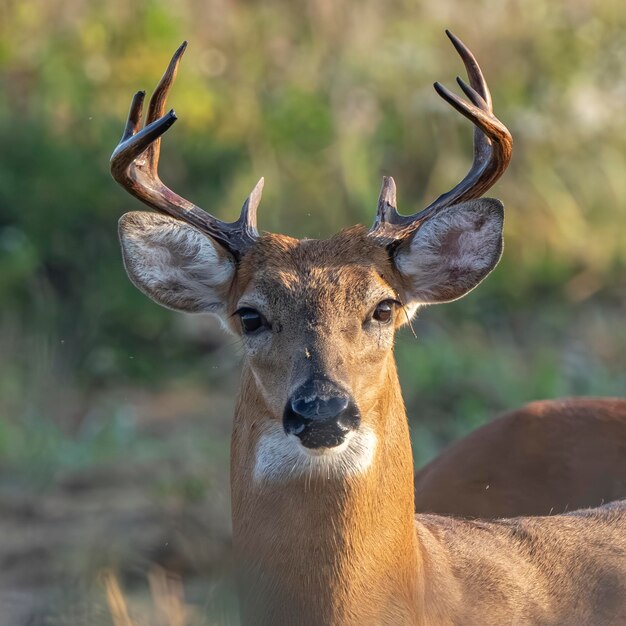
And of course, their hopping behavior is a key distinction—white-tailed deer typically run, rather than hop, when fleeing predators.
Behavioral Differences
Mule deer tend to rely on their stotting behavior more than other deer species. While both mule and white-tailed deer are prey to similar predators, mule deer are more adapted to rugged, uneven terrain and use hopping as an effective way to navigate it.
Tips For Observing Mule Deer Safely
When you’re lucky enough to spot mule deer hopping or just the deer in the wild, it’s important to respect their space and observe them in a way that doesn’t disturb their natural behavior.
Keep Your Distance
Always maintain a safe distance. Mule deer are easily startled, and getting too close could scare them away.
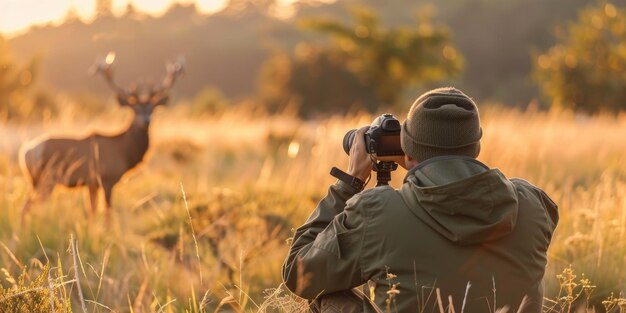
Bring binoculars or a camera with a zoom lens so you can watch them from afar without causing any distress. Approaching them too closely can cause stress or disrupt their natural behavior.
Minimize Disturbance
Try to avoid loud noises or sudden movements that might startle the deer. Move quietly and slowly to increase your chances of observing their natural behavior.
Ethical Wildlife Watching
As always, remember to respect the environment. Leave no trace, and avoid interfering with the animals or their habitat.
Responsible wildlife watching helps protect these creatures and ensures that future generations can enjoy the same experience.
In Conclusion,
Mule deer hopping is one of nature’s most interesting behaviors by deer; it serves as both a survival tool and a means of communication.
When you understand why mule deer hop and know where and how to observe them, you can deepen your appreciation for these incredible animals.
If you are an avid hiker or a curious observer, spotting mule deer in the wild can be one of your unique experiences.
So next time you’re out in the wild, keep an eye out for those high leaps and enjoy the thrill of witnessing mule deer in action.
Have you ever seen mule deer hop? Share your experiences or tips in the comments below, and remember—always observe wildlife responsibly.
Keep exploring our website for deer behavior and hunting tips
]]>
If you are one of those people who think about having mouse deer as pets, I am here to tell you to think again. Deer mice with tiny bodies and big, innocent eyes, make it so easy for some people to want to keep them as pets. But here’s the truth: deer mice may look cute, but they can bring real dangers into your home.
Let’s delve into seven reasons deer mice are far from the ideal house guests and why you should think twice before considering them as pets.
1. Mouse Deer as Pets: Carriers of Hantavirus

One of the most alarming dangers of deer mice in your home is their ability to carry and transmit hantavirus, a potentially deadly human disease. The virus mainly spreads through the urine, droppings, and saliva of mice infected with the disease. When these particles become airborne, such as when sweeping or vacuuming, they can be inhaled, leading to severe respiratory issues and even death.
This alone is reason enough to consider never keeping deer mice as pets. Keeping them in your home increases the risk of exposure, especially for children and the elderly, who are more vulnerable to infections.
2. Rapid Breeders
Deer mice are prolific breeders. A single pair can multiply quickly, producing multiple litters throughout the year. Female deer mice can give birth to as many as 12 babies simultaneously. Before you know it, what started as a minor nuisance can change to a full-blown infestation.
Once deer mice find a cozy spot in your home, they’re unlikely to leave. This makes it critical to act quickly if you suspect even a single deer mouse. Their rapid reproduction rate makes them a major threat to your home and peace of mind.
3. Damage to Your Home’s Structure
While mouse deer as pets might not chew through walls as aggressively as some rodents, they still have a knack for causing damage. They are natural chewers, gnawing on wood, electrical wires, insulation, and more. Over time, this can lead to structures and potential fire hazards if they chew through wiring.
This behavior is another reason why deer mice should never be kept as pets. Their instinct to chew can damage cages, furniture, and anything else in their environment. In a home setting, their curiosity can be dangerous.
4. Contamination of Food Supplies
Deer mice are scavengers and will seek out any food source they find. These rodents will eat anything they can find, whether pet food, cereal, or pantry items. As they travel through your home, they leave behind urine and droppings, contaminating everything they make contact with.
This contamination can lead to foodborne illnesses and unsanitary conditions in your home. If you’re contemplating having a mouse deer as a pet, remember that even their food and bedding can be breeding grounds for harmful bacteria and diseases.
5. They’re Expert Hiders
Deer mice are excellent at finding hiding spots within your home. They often settle in kitchens, basements, or walls, making it difficult to detect an infestation until it’s too late. Their nocturnal nature also means they’re most active when you’re asleep, making it harder to catch them in the act.
This sneaky behavior of mouse deer as pets is another reason why they’re dangerous to have around. Before you notice them, they have already caused damage or spread harmful pathogens.
6. Difficulty in Trapping
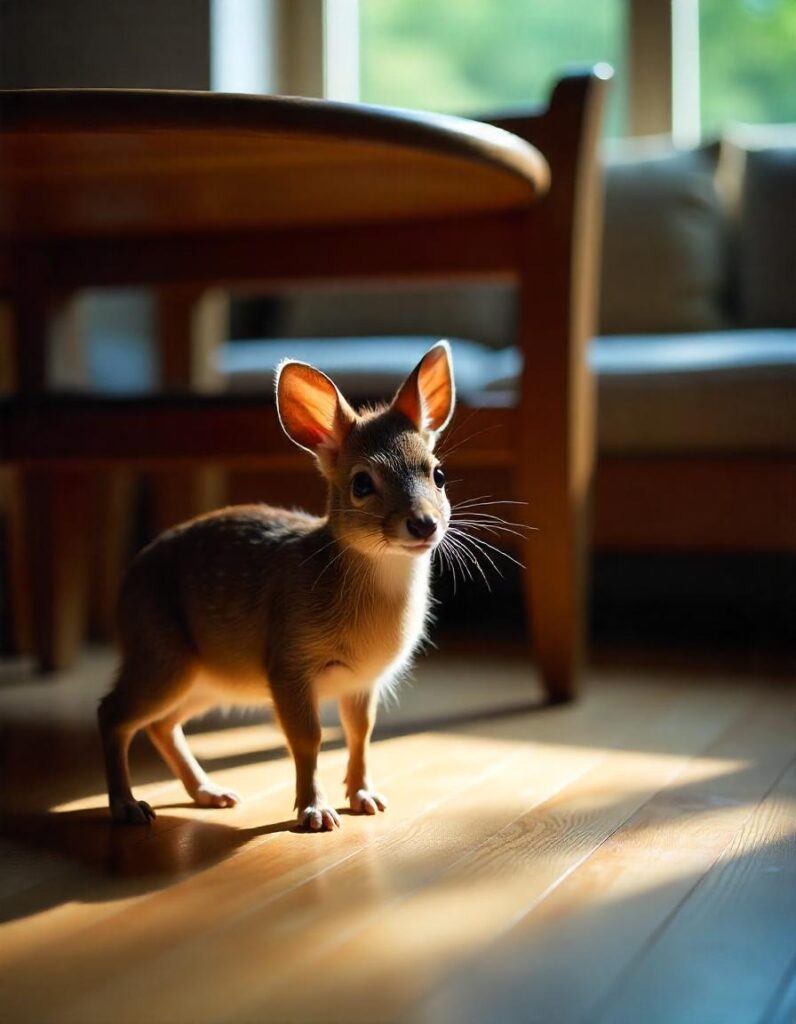
Even if you notice deer mice in your home, getting rid of them is a different story. These mice are fast, agile, and clever because of which traditional traps do not stand a chance in outsmarting them.
Many homeowners find it difficult to catch them, especially since they can quickly adapt to different situations.
It’s easy to get frustrated when traps don’t work, but that’s where professional pest control comes in. While traps may catch one or two, a larger infestation requires expert handling. Deer mice are not only hard to grab, they’re harder to keep out for good.
7. Risk of Secondary Infestations
Here’s something that might surprise you: where there are deer mice, other pests often follow. These rodents can bring fleas and ticks into your home, which leads to new problems. Deer mice can be the gateway to a much larger pest infestation.
Fleas and ticks pose health risks, including Lyme disease and other infections. If you thought the mice were bad, the pests they carry can make the situation even worse. One problem can spiral into multiple infestations before you even realize it.
Conclusion
While the idea of keeping deer mice as pets might seem fun, the reality is far more dangerous. These tiny creatures aren’t just innocent animals; they carry serious health risks, cause property damage, and can lead to further infestations. From their ability to transmit diseases like Hantavirus to the damage they can inflict on your home, deer mice are far more than just a cute face.
If you find deer mice in your home, act fast. Contact a professional pest control service to ensure your home stays safe and rodent-free. When it comes to deer mice, prevention and quick action are key. After all, no one wants their home to turn into a hazardous zone just because of a few small creatures.
Protect your home and health from the dangers of deer mice. Visit our website today for reliable pest control tips and solutions.
]]>
Have you ever wondered how expert hunters get deer to come to them? Well, the secret lies in mastering their vocal cues.
Learn the art of deer communications and turn your next hunt into a success story.
Ready to learn more about deer vocalizations and how to bring them in close?
Let’s get started.
Why Deer Sounds Matter
Deer use sounds to communicate, and each call carries a different message.
Understanding these deer vocalizations can give you a serious edge as a hunter.
Whether you’re trying to draw in a big buck or calm a wary doe, mastering these sounds is like learning a new language, and it can drastically improve your chances of success.
The Basic Deer Sounds
Every sound or noise a deer makes serves a purpose. Here are three of the most common sounds deer make and how you can use them to your advantage:
The Grunt
The grunt is the most well-known type of deer vocalization, often made by bucks, especially during the rut when they hunt for mates.
It’s a short, deep sound that signals to does and other bucks.
When you hear a grunt, it’s usually a good sign that a buck is nearby and feeling territorial.
For deer hunters, you can use this to your advantage by mimicking a grunt to bring curious and competitive bucks who may think another male is encroaching on their territory into range.
The Bleat
A bleat is a softer, higher-pitched sound often made by does or fawns.
Depending on the situation, a bleat can be sign of contentment, safety, or even distress.
For hunters, using a bleat can signal to deer that the area is safe, which can put them at ease and make them more likely to approach.
You can try to use a bleat call in areas where deer are active.
This helps draw them in, especially does or fawns and can signal to bucks that there are females nearby.
The Snort-Wheeze
This is the most aggressive of the calls. A loud, harsh sound is made by dominant bucks when they feel confrontational.
It’s not a call you hear every day, but when you do, you know there’s a dominant buck in the area, often ready to challenge a rival.
If you know there’s a mature buck in the area, throwing out a snort-wheeze to provoke him to come charging in, ready to defend his territory, is how you can use this to your advantage.
When and Where to Use Deer Calls
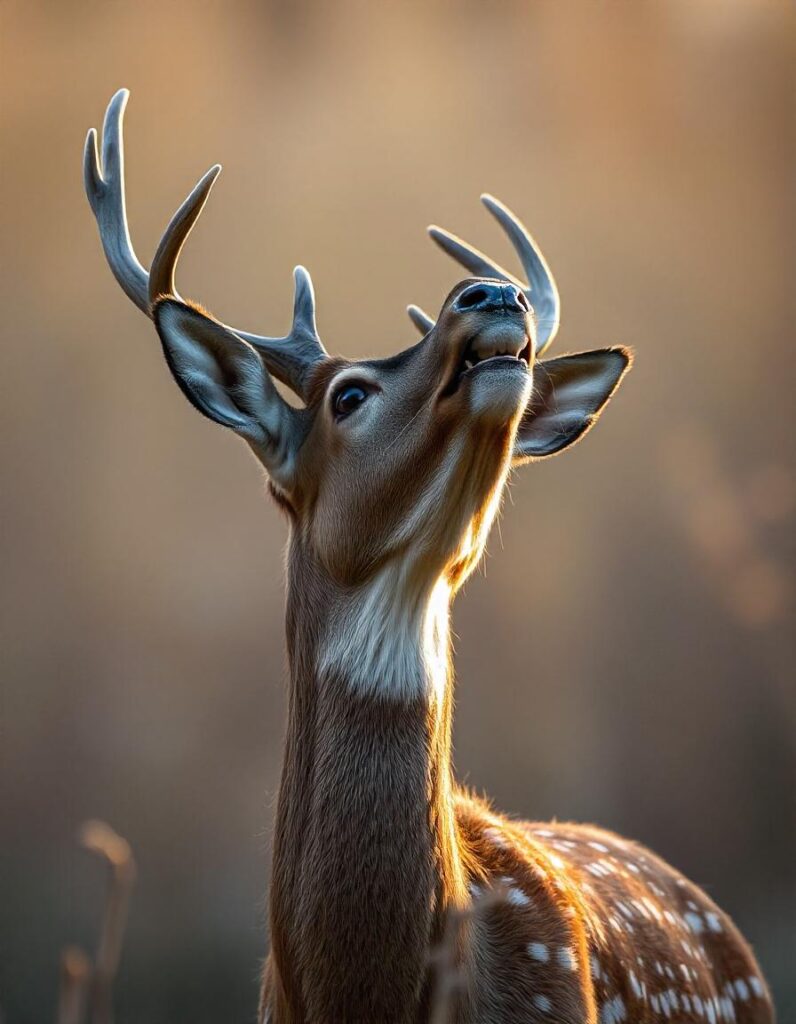
Now that you know the basic calls, let’s talk strategy. Knowing when and where to use deer calls is crucial during a hunt. It’s not just about making the sound, it’s about making it at the right time and place.
Timing is everything.
Deer vocalizations vary depending on the season and the behavior of the deer.
During the pre-rut and rut season, bucks are more responsive to grunt calls because they’re actively seeking mates.
However, after the rut, their aggression fades, and they may respond better to softer calls like bleats.
Tip: Save the snort-wheeze for the peak rut when bucks are most likely to challenge other males. In the early season, focus more on bleats and light grunts.
Location is Key
Knowing where to make the call is just as important as timing.
If you’re out in the open, your calls might be effective.
Calling in thick covers, where deer feel safe, can increase your chances of a response.
Tip: Try using calls near bedding areas or along travel routes.
Deer are more likely to respond when they feel secure in their surroundings.
Avoiding Common Mistakes
Like any tool, deer calls can be misused.
Here are two common mistakes hunters make and how you can avoid them.
Overcalling
It’s tempting to keep calling when you’re not seeing immediate results, but deer are smart.
Too much calling can frighten them and make them wary instead of curious.
To avoid this mistake, use calls in small amounts.
Think of them as a way to spark curiosity, not to fill the silence. Patience pays off.
Using the Wrong Call at the Wrong Time
The time of year matters in deer vocalizations.
Using aggressive snort-wheeze during the early season might confuse or scare deer, while a soft bleat during the rut might go unnoticed by a preoccupied buck.
Match your calls to the season and the situation.
If it’s pre-rut, stick with light grunts and bleats.
During peak rut, don’t be afraid to throw out a snort-wheeze to challenge dominant bucks.
Reading Deer Behavior After a Call
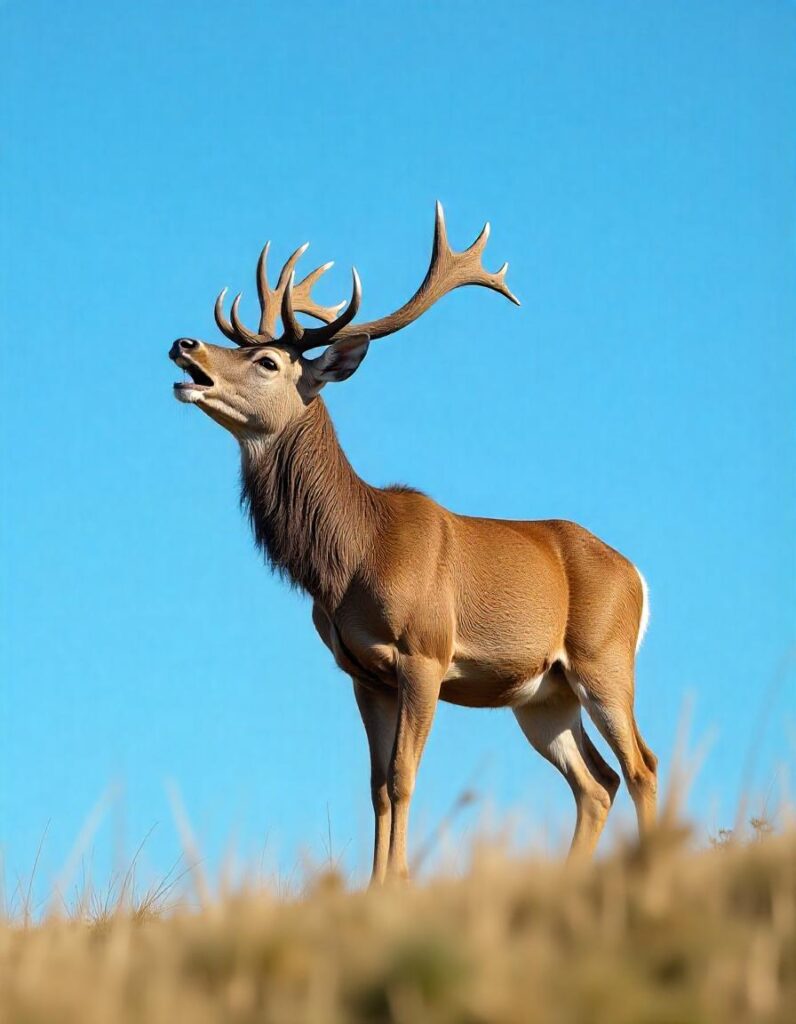
Once you’ve made a call, consider how the deer react.
Body language can tell you a lot about whether your call was effective.
Responses to Deer Vocalizations
Responses to deer vocalizations play a huge role in your hunting adventure.
Should a deer hear your call and start moving in your direction, stay patient and quiet.
Look for signs like head tilts or flicking ears, which indicate they’re curious but cautious.
If they freeze or move away, you may need to readjust your strategy.
Don’t call again immediately if the deer shows interest, let them come to you.
If they seem disinterested or frightened, wait a while before trying a different call.
Staying Patient
The biggest mistake hunters make after calling is getting too anxious.
It can take time for a deer to fully commit to coming closer, especially if they’re not in a rush.
Patience is your best friend here.
Stay still and let the deer make the first move.
Calling too often or too quickly can ruin your chances.
Conclusion: Turn Sounds Into Success
Mastering deer vocalizations isn’t about memorizing a list of sounds, it’s about understanding the behavior behind them and knowing when and how to use each call.
Whether it’s a grunt, bleat, or snort-wheeze, learning these simple tips can dramatically improve your hunting experience.
So next time you’re out in the woods, try speaking the language of the deer and you might find out all the difference it will make.
And remember, each hunt is a chance to learn.
Please share your experiences and insights with us in the comments.
Keep perfecting your deer-calling skills.
]]>While these majestic creatures may look harmless, their attraction to sunflowers goes beyond just a sweet snack—there’s science and instinct at play.
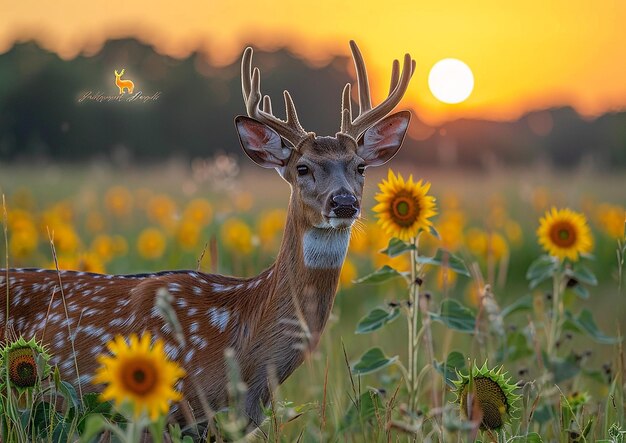
These tall, bright, and energy-packed flowers are a favorite for deer. From their high nutrient value to their water content, there’s more to a deer’s love for sunflowers than meets the eye.
Let’s explore 10 surprising facts that reveal why these majestic animals find sunflowers irresistible. Understanding these facts can help you better coexist with nature and protect your crops.
10 Surprising Facts About why deer eat sunflowers
1. Nutritional Value of Sunflowers for Deer
Deer eat sunflowers because they provide a pivotal source of nutrition for deer. Sunflower seeds and leaves are packed with proteins, healthy fats, and minerals that help maintain a deer’s health throughout the year.
Sunflowers provide essential nutrients for deer, from energy-boosting carbohydrates from the leaves to vitamins from the seeds, especially when other food sources are scarce.
Deer prioritise nutrient-dense food like sunflowers to maintain their health throughout the year, especially during the colder months.
2. Sunflowers as a High-Energy Food Source
The energy-rich sunflower seeds are a powerful food source for deer. They are high in fiber, filled with fats and proteins that help deer maintain their energy levels, particularly during critical periods such as winter and the breeding season.
Much like how deer feed on crops like corn and soybeans, they are naturally drawn to high-energy plants to survive through tough seasons.
If you plant sunflowers in your yard or farm, don’t be surprised to find deer munching on the seeds to store up energy for the colder months.
3. Attraction to Sunflower Scent
One of the most surprising reasons deer are attracted to sunflowers is the plant’s alluring scent, the scent of blooming sunflowers acts as a natural lure for deer.
Both the blooms and seeds emit a fragrance that deer find hard to resist. Just like how birds are drawn to certain flowers by scent, deer’s keen sense of smell draws them to gardens that have an inviting aroma.
This can make sunflower-filled gardens prime spots for deer foraging. On many wildlife forums, you’ll find that gardeners often discuss how the fragrance of sunflowers inadvertently attracts deer to their properties.
4. Water Content in Sunflower Plants
Deer are often attracted to sunflowers for their high water content, especially in regions experiencing dry conditions.
Sunflowers provide a dual benefit: hydration and nutrition, like other moisture-rich plants such as pea or bean crops.
When field areas or natural water sources dry up, deer naturally turn to plants like sunflowers to stay hydrated, making it a key fact abut why deer eat sunflowers.
The high water content makes these plants especially valuable during droughts, helping deer stay healthy when other water sources aren’t readily available.
5. The Tender Texture of Sunflower Stems and Leaves
Deer prefer soft and easy to chew plants over tough ones, and sunflower plants meet this need perfectly.
Their tender leaves and stems are much easier to eat and digest compared to other tougher plants.
Sunflower shoots, in particular, are a favorite for deer because they are soft and full of nutrients. This is why deer often prefer sunflowers over more fibrous plants like certain types of shrubs or grasses.
6. Seasonal Availability and Foraging Patterns
Sunflowers bloom during the summer and fall, coinciding with the time when deer are actively foraging to prepare for the winter months.
Deer have a natural ability to adapt their diet according to the season, often taking advantage of what’s readily available.
Sunflowers become an important food source during late summer when the plants are at their nutritional peak. Just as they feed on crops like corn and soybeans during harvest time, sunflowers also become a prime food source.
7. Opportunistic Feeding Habits of Deer
Deer consume whatever is readily available to them, including sunflowers if they find them nearby wooded areas or wildlife corridors. Deer will take advantage of any opportunity to feed on these nutritious plants.
If you live near a wildlife corridor, it’s almost inevitable that your sunflower plants will be targeted by deer. On online forums dedicated to wildlife discussions, you’ll find countless threads from gardeners and farmers sharing stories about deer raiding their sunflower crops.
8. The Appeal of Young Sunflower Shoots
Young sunflower shoots are highly appealing to deer. These tender and easily digestible shoots provide more nutritional value than mature plants, making them a prime target for deer in the early stages of growth.
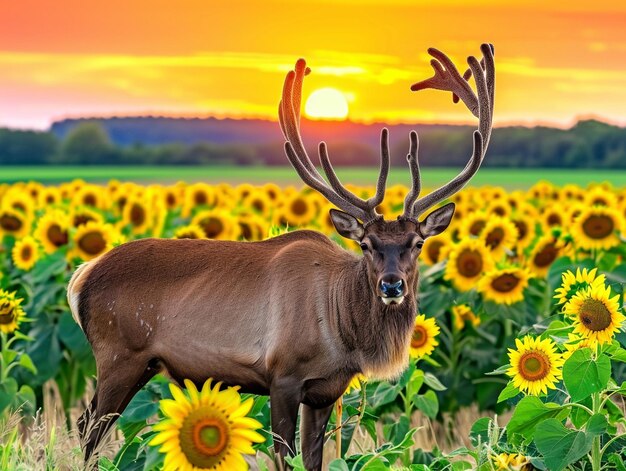
Protecting your sunflowers during these early growth phases is crucial if you want to keep them from becoming deer food.
You can find some guides for creating a deer resistant garden here
9. The Role of Antioxidants in Sunflowers
Sunflowers are rich in antioxidants, which may offer health benefits to deer. Antioxidants help reduce oxidative stress in animals, contributing to overall health and longevity.
While many wildlife enthusiasts on forums may not realize the health benefits sunflowers provide to deer, research suggests that antioxidants play a significant role in why deer are drawn to them.
10. Deer’s Curiosity and Exploration
Deer are naturally curious animals, always exploring their surroundings in search of new food sources. Sunflowers, with their bright yellow flowers, are highly visible and can easily attract deer exploring unfamiliar areas.
Just as deer may be drawn to a food plot in the wild, they’re likely to investigate sunflower gardens and fields out of sheer curiosity. Over time, they may return frequently once they realize these areas offer a nutritious snack.
How to Protect Sunflowers from Deer
Having realized why deer eat sunflowers, if you’re concerned about protecting your sunflower crops from deer damage, there are several strategies you can employ:
- Fencing: Install tall fencing around your garden or farm area.
- Repellents: Use eco-friendly repellents that emit scents or tastes unpleasant to deer.
- Companion Planting: Consider planting other crops like beans or peas nearby that may deter deer.
- Physical Barriers: Raised beds or containers can make it harder for deer to access your plants.
In summary
Sunflowers provide deer with a rich source of nutrients, hydration, and energy, making them a favored food option.
Understanding why deer eat sunflowers helps gardeners, farmers, and wildlife enthusiasts find ways to coexist with these creatures.
From their high antioxidant content to their tender texture and seasonal availability, there’s no shortage of reasons why deer are drawn to these plants.
By implementing strategies to protect your sunflower crops, you can enjoy the beauty of your garden without losing it to hungry deer.
For more tips on how to manage wildlife and protect your crops, visit Deer Hunting Gateway for valuable resources and advice on deer management.
]]>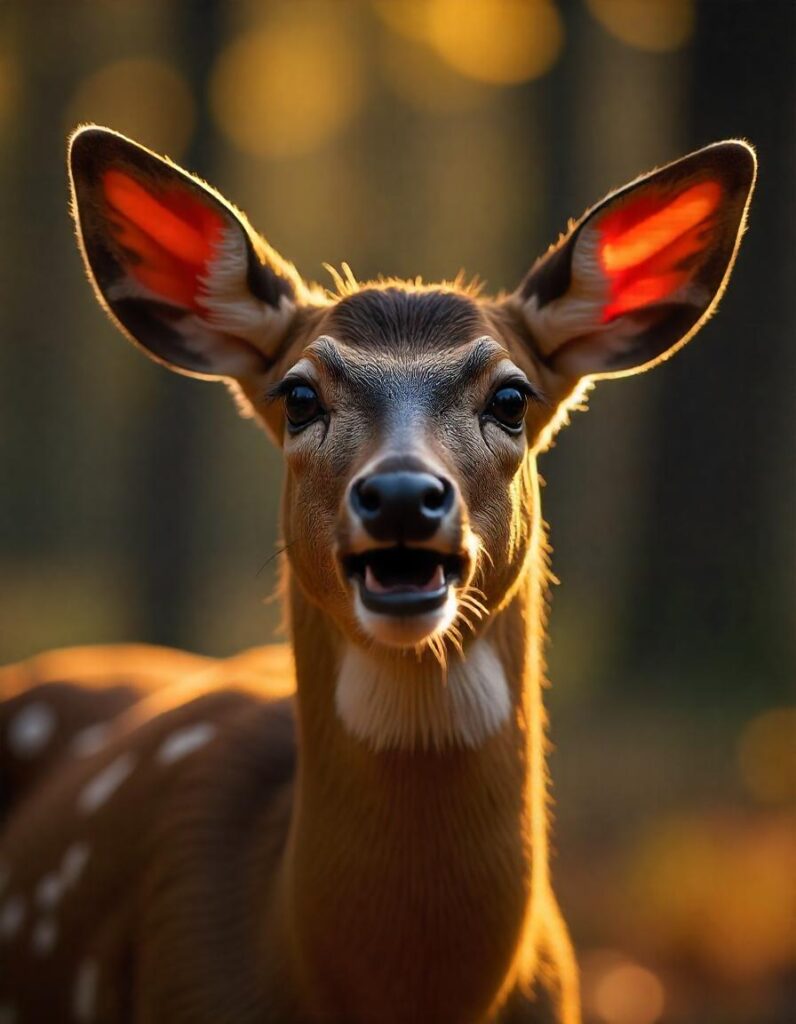
Blacktail deer vocalizations are more than sounds, they are a form of communication that has the potential to reveal important details during a hunt.
From a grunt, and snort, to a bleat, each sound has a specific meaning that holds vital clues to their behavior and environment.
But what exactly are they saying, and how can understanding these sounds improve your connection with nature or your next hunting trip?
In this post, we’ll get to know the secrets of blacktail deer vocalization and reveal how understanding these sounds can help us connect better with nature and for hunters, even improve your success in the field.
What Are Blacktail Deer Vocalizations
Vocalizations are the sounds animals make to communicate with each other.
For blacktail deer, vocalizations are their way of expressing everything from fear to attraction.
While these deer are generally quiet, they produce a variety of sounds, especially in specific situations.
The vocalizations of the blacktail deer range from whispers to loud calls, and each sound plays a role in their social interactions.
Blacktail deer vocalizations also come in the form of soft grunts and louder snorts, each signaling different emotions.
The various types of vocalizations include the following:
1. Grunts
Blacktail deer vocalizations are often marked by the grunt, which is the most common sound they make.
It’s a low, throaty noise that bucks often use to communicate with one another, especially during the mating season.
Bucks grunt to assert dominance and show interest in does.
If you’re a hunter, recognizing this sound can be invaluable as it often means a buck is nearby, actively seeking a mate.
The timing of the grunts can indicate the rutting phase, making it essential to tune your ears to this vocalization when you’re in the field.
2. Bleats
Another type of blacktail deer vocalizations is bleats.
Bleats are higher-pitched sounds that serve different purposes depending on the context.
Does commonly use bleats to communicate with their fawns, especially when the little ones wander off or get separated.
In the context of mating, does may also use bleats to attract bucks.
When you hear a bleat, pay attention, there could be a doe looking for her young, or a buck may be responding to a receptive female nearby.
3. Snorts
Among the type of blacktail deer vocalizations include snorting.
Snorting is a sharp, explosive sound that blacktail deer make when they sense danger.
It’s a warning call that alerts other deer in the area to potential threats.
If you’re quietly observing wildlife and hear a snort, it’s a sign to remain still and assess your surroundings.
This vocalization can often be accompanied by body language, like stomping their feet, signaling they are wary of something in their environment.
4. Barks
Barks are another type of blacktail deer vocalizations.
While less common, the bark of a blacktail deer can be startling.
It’s a single, loud sound used as an alarm, typically made by does when they feel threatened.
This vocalization is used to alert deer of nearby danger.
If you’re out hiking or hunting and hear a bark, it’s a clear sign that something has disturbed the deer, and they are on high alert.
Why Understanding Vocalizations Matter
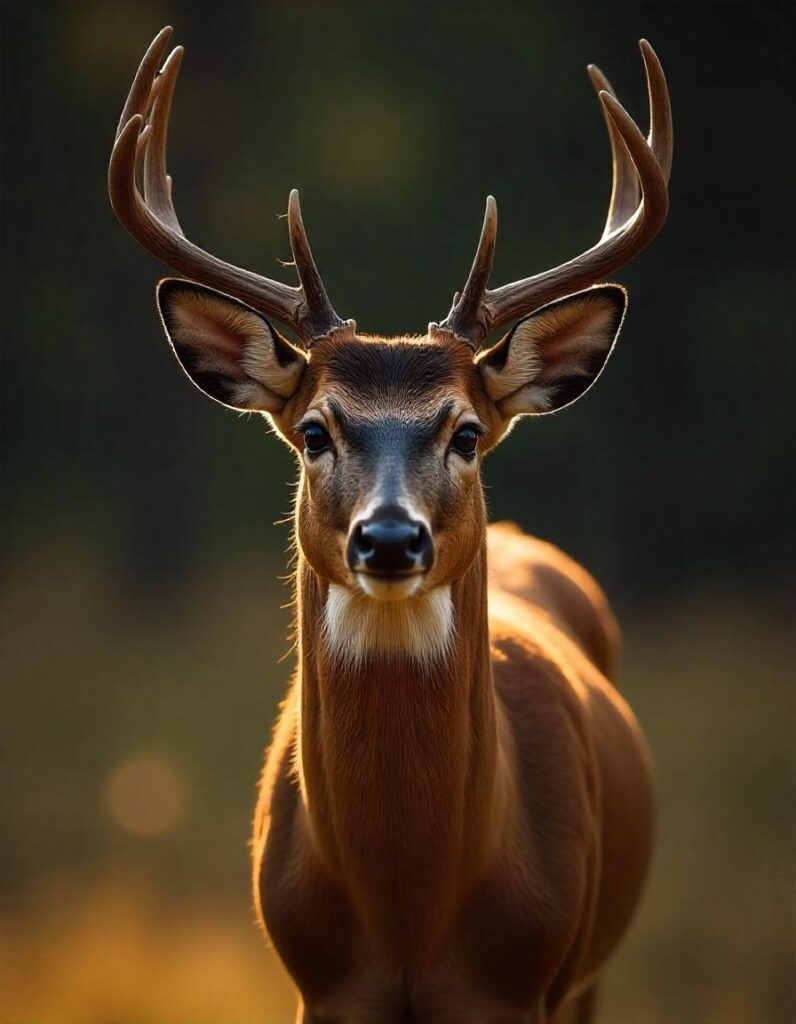
Recognizing and interpreting blacktail deer vocalization can provide several benefits, particularly for those who spend time outdoors. Here are some of the benefits.
1. Enhancing Hunting Success
For hunters, understanding the blacktail deer vocalizations is crucial.
Knowing when a deer is alert, mating, or in distress can help you determine your next move.
For example, hearing a buck grunt can indicate it’s time to set up for a potential shot.
Using call devices that mimic these vocalizations can also attract deer to your location.
Mastering this aspect of deer behavior can dramatically increase your chances of a successful hunt.
2. Connecting with Nature
Even for those who don’t hunt, understanding blacktail deer vocalizations can enrich your outdoor experiences.
The ability to interpret the sounds you hear in the forest adds another layer to your appreciation of wildlife.
It turns an ordinary hike into an opportunity to observe and understand the intricate relationships among animals in their natural habitat.
Imagine the thrill of recognizing a bleat and knowing a fawn is nearby or identifying the anxious snort of a deer that has sensed your presence.
3. Wildlife Observation and Photography
For wildlife photographers and enthusiasts, knowing the vocalizations of blacktail deer can lead to incredible opportunities.
By recognizing vocalizations, you can anticipate deer movements and behaviors, allowing you to position yourself for the perfect shot.
If you hear a snort, you might know to remain still, while a series of grunts may lead you to a scene of mating behavior.
The Seasonal Changes in Vocalizations
Blacktail deer vocalization sounds can vary throughout the seasons.
During the spring and summer, you may hear more bleats as does call for their fawns.
As autumn approaches and the rut begins, grunts and other mating calls become more prevalent.
Understanding these seasonal changes can give you insights into deer behavior, helping you know what to expect at different times of the year.
In late summer and early fall, the male blacktail deer become more vocal as they establish dominance and prepare for the breeding season.
This is the time to listen closely for those grunts, as the bucks are actively seeking out does.
During this period, knowing the sounds they make can be particularly advantageous for hunters looking to capitalize on the heightened activity.
Conservation and Blacktail Deer Vocalizations
Understanding blacktail deer vocalization goes beyond just enhancing hunting and wildlife observation.
It can also play a role in conservation efforts.
By studying blacktail vocalizations and behaviors, researchers gain insights into population dynamics, habitat use, and the impacts of environmental changes.
For instance, if certain vocalizations decrease in frequency, it may signal stress in the population due to habitat loss or increased human interference.
Monitoring these sounds can provide critical data for conservation programs aimed at protecting blacktail deer and their habitats.
As more people become interested in wildlife conservation and naturalist activities, understanding blacktail deer vocalization will be crucial.
Educating the public about these sounds can foster a deeper respect for wildlife and its preservation.
If you are a passionate hunter, a wildlife enthusiast, or just curious about nature, being aware of the communication patterns of blacktail deer can enhance your outdoor experiences and deepen your connection to the environment.
The next time you find yourself in blacktail deer territory, take a moment to listen closely.
You may uncover stories of survival, communication, and the detailed dance of life that unfolds around you, often hidden in plain sight.
If you are hunting for sport or aiming to provide food for your family, understanding your surroundings and using the right tools can make all the difference.
Taking time to practice with your riffle and familiarize yourself with the sounds of the deer will help ensure a productive and rewarding hunt.
Conclusion
The sounds of blacktail deer are more than mere noise, they are a complex language that reveals the inner workings of these fascinating animals.
By learning to interpret these vocalizations, you gain a greater understanding of blacktail deer and enrich your experiences in the wild, regardless of whether you’re hunting, hiking, or simply enjoying the beauty of nature.
So next time you’re in the woods, keep your ears open.
The deer are talking, so it’s time to listen.
Are you ready to explore more about the hidden language of blacktail deer and become a true expert in their behavior?
Subscribe to Deer Hunting Gateway for insightful wildlife tips.
Share your experiences with deer vocalizations with us in the comments.
Happy hunt!
]]>Fallow deer are not only an iconic species but also a rewarding target for hunters. One of the most effective times to hunt fallow deer is during their breeding season, also known as the rut.
For hunters, knowing the timing, phases, and behaviors of fallow deer during this period can greatly improve their chances of a successful hunt.
In this post, I will explain the timing of the fallow deer breeding season and provide key tips for hunters to take advantage of this crucial period.
What Fallow Deer Breeding Is All About
Fallow deer (Dama dama) are a popular species of deer native to Europe but also found in various regions like New Zealand. Their breeding season, also known as the rut, is a crucial period for hunters.
This is the time when bucks are most active, seeking out ‘does’ to mate and compete for dominance over their territory.
During this season, bucks become highly aggressive, displaying changes in behavior, appearance, and scent, making them more predictable targets for hunters.
The fallow deer is a polyestrous species, meaning females, known as does, can come into heat multiple times if not successfully bred.
A doe typically reaches sexual maturity around 16 months of age, which marks her first opportunity to enter the breeding season. The cycle revolves around the estrous period, when the doe becomes receptive to mating.
When is the Fallow Deer Breeding Season?
The breeding season of fallow deer varies based on the region and climate. However, in most temperate regions, including Europe and New Zealand, the breeding season takes place in the fall.
Typically, it occurs between late September and early November, with some regional variances depending on factors like food availability, climate, and herd structure.
Hunters should be particularly attentive to the onset of the breeding season.
In some regions, the rut may extend into early December or even late September.
- Northern Hemisphere: October to November
- Southern Hemisphere: April to May
The peak activity lasts about 3 to 4 weeks, during which bucks compete for access to the does by establishing territory through aggressive behavior like scraping and thrashing their antlers against trees.
Knowing these general timelines can help hunters plan their trips accordingly. For more specific insights, explore the latest news of deer behavior or resources like Hunt Wise for updates on seasonal changes in your area.
Factors Affecting the Timing
Several factors affect the timing of the fallow deer breeding season:
| Factor | Impact on Breeding Season |
| Climate | Warmer or cooler weather can influence the onset of the rut. |
| Food availability | Well-fed herds experience a stronger and earlier rut. |
| Population Density | More deer in a given area can trigger early rut behavior. |
| Regional Difference | In places like New Zealand, the timing may slightly differ. |
| Health and age of Herd | Younger and healthier deer may experience earlier rutting |
Times and Phases of the Fallow Deer Breeding
The fallow deer breeding season can be divided into three main phases:
Pre-rut
The pre-rut is when bucks start to establish their dominance and prepare for the breeding season.
This phase typically begins in late September and is characterized by bucks marking their territory with scrapes, urine, and antler rubs.
Bucks also begin to shed the velvet from their antlers and engage in sparring with other males.
Peak Rut
The peak rut is the height of the mating season and typically occurs in mid to late October. During this time, bucks aggressively pursue does in heat and compete for access to mate.
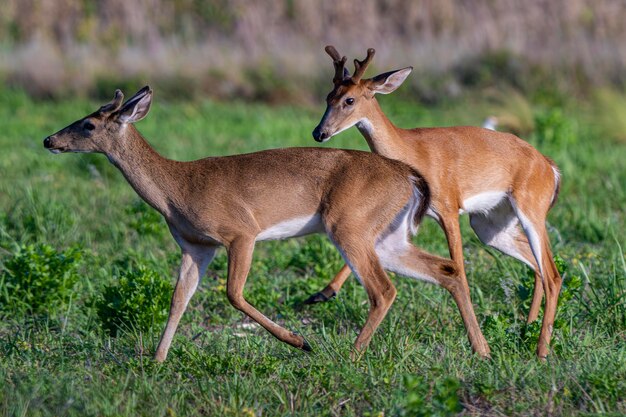
Bucks may lose a significant amount of weight due to their intense focus on breeding rather than feeding. You will see increased activity within the herd during this time.
Key behaviors during this phase include:
- Mating Calls: Bucks emit loud grunts and groans to attract receptive ‘does’.
- Chasing: Bucks will actively chase does that are in estrus, leading to increased movement throughout their territories.
- Sparring: Aggressive interactions between bucks become more common as they vie for dominance.
Post-rut
The post-rut occurs after most of the does have been bred. Bucks start to withdraw from competition and regain their strength.
This phase, in early November, is when the fawns conceived during the rut begin their gestation period, which typically lasts about 7.5 months.
Proven Tips to Identify Fallow Deer During the Breeding Season
Physical Changes in Bucks
During the rut, bucks undergo significant physical transformations. Their necks swell, and their coats darken.
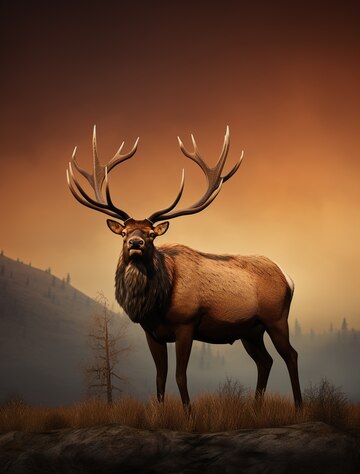
Their antlers become polished after shedding the velvet. Bucks often develop deep grunts and bellows, a vocalization that serves to challenge other bucks and attract does.
Behavioral Cues
Bucks will thrash trees and bushes with their antlers to mark their territory and assert dominance. You’ll also observe bucks scraping the ground and urinating on it to spread their scent.
Doe Behavior
The female deer, or does, display signs of readiness to mate by seeking out dominant bucks. During the estrous cycle, which lasts just a few days, they will allow bucks to approach and mate.
Hunters should look for does in groups, as they often stay together during the breeding season.
Best Hunting Tips and Strategies During Fallow Deer Breeding Season
Timing Your Hunts for Maximum Success
Timing is critical during the fallow deer breeding season. The pre-rut phase is an excellent time to hunt, as bucks are more visible while establishing their territory and engaging in sparring matches.
During the peak rut, bucks are distracted by mating activities, making them more vulnerable to hunters.
Hunting During Different Phases of the Rut
- Pre-rut: Bucks are territorial and still feeding heavily. This is a great time to pattern their movements based on food sources.
- Peak rut: Bucks are chasing does, making this the best time to call or rattle antlers to simulate a challenge.
- Post-rut: Bucks are exhausted and less cautious. This is the time to focus on food sources as they seek to regain weight.
Using Calls and Decoys
During the peak rut, bucks are highly responsive to calls and decoys. Effective use of calls can significantly enhance your chances of attracting fallow deer.
Mimicking Vocalizations: Use grunt calls during pre-rut and peak rut phases to attract nearby bucks.
Strategic Decoys: Position decoys strategically during peak rut; they can entice curious bucks into shooting range.
For tips on using calls effectively, check out resources like Mossy Oak.
Positioning and Stalking Tips
Where you set up is critical. During the rut, bucks are on the move, often chasing ‘does’ through open fields or wooded areas.
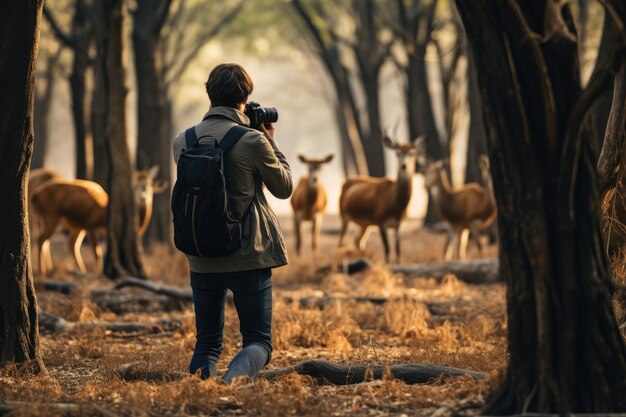
Position yourself along known travel routes or near feeding areas where ‘does’ congregate. Stalking during the rut can be more successful as bucks are more focused on mating than avoiding predators.
To sum up
The fallow deer breeding season offers hunters unique opportunities to track and harvest these fascinating animals.
By understanding the timing of the rut, recognizing physical and behavioral changes in the herd, and adjusting hunting strategies for each phase of the breeding season, hunters can maximize their chances of success.
For more expert tips on hunting strategies, browse our additional resources at Deer Hunting Gateway. Stay informed and prepared for the fallow deer rut to enjoy a productive hunting season.
]]>While there’s no sure way to keep deer away from your plants, knowing what is poisonous to deer can help. But do you know which common plants and substances deer find toxic or unpalatable?
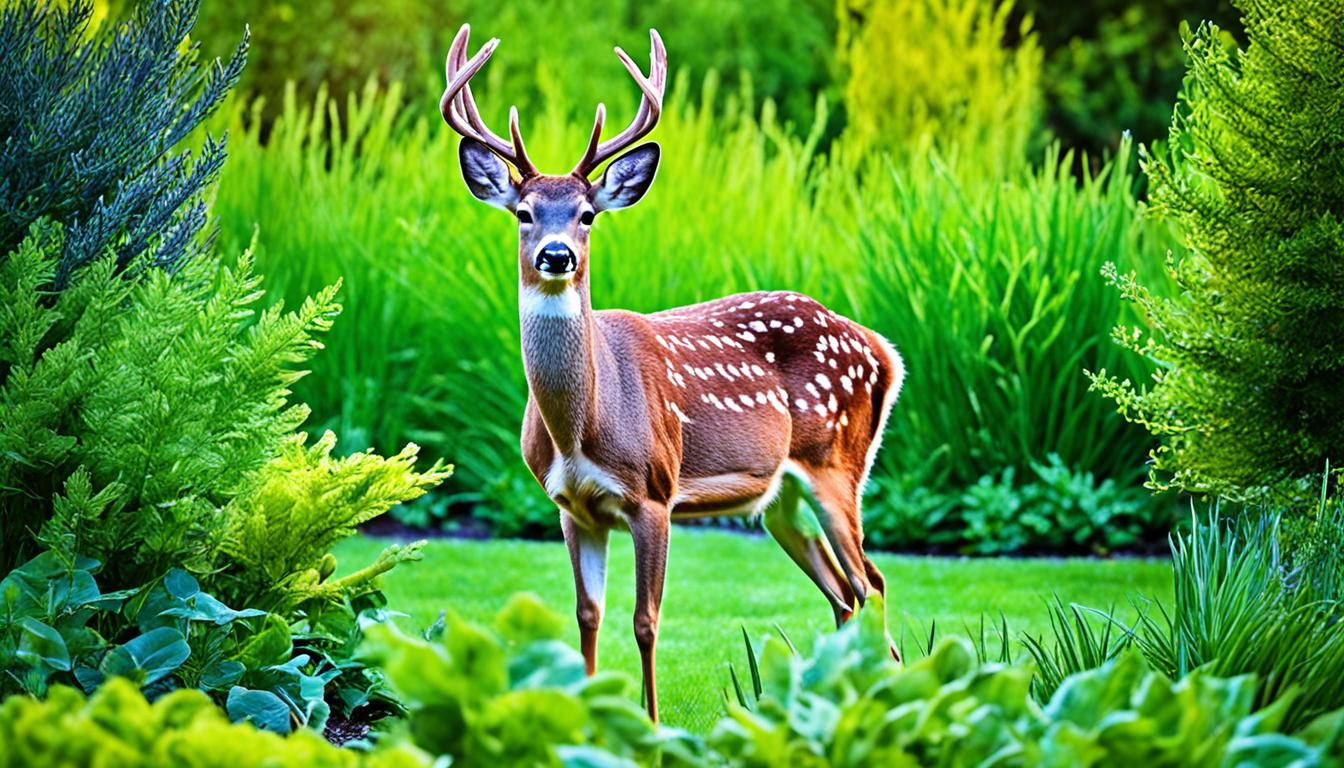
Deer eat leaves, stems, and even the bark of trees, as well as forbs and grasses. But they often skip certain plants because they are toxic, smell bad, or feel bad. By choosing the right deer-resistant plants, you can protect your garden and enjoy a beautiful, deer-free space.
Introduction to Deer-Resistant Gardening
Deer-resistant gardening means learning about deer’s eating habits. They like to eat leaves, stems, and buds of plants and shrubs. They eat a mix of plants, some of which are toxic or have natural defenses.
Deer can handle some poisonous compounds if they eat just a little. This helps them survive in different environments.
Deer Foraging Habits and the Need for Deer-Proof Plants
Deer eating habits vary by region. Knowing what is poisonous to deer in a particular place might be their favorite elsewhere. It’s important to know these differences when planning a garden that deer won’t like.
Some plants, like holly bushes and lilacs, keep deer away. This is because they have thorns, sharp points, or strong smells.
Regional Variations in Deer Palates
Deer populations have grown after being nearly wiped out in the 20th century. In places like Vermont and Illinois, they were almost gone but were brought back. But now, with fewer big predators, deer are becoming a problem again for gardeners.
To keep deer out of your garden, know what is poisonous to deer and pick the right plants they don’t like in your area. Using deer-proof plants can help you have a beautiful garden, even with lots of deer around.
What Is Poisonous To Deer: Herbal And Fuzzy Plants
Creating a garden that deer won’t bother is easier if you know what they dislike. Many plants are safe or unattractive to deer because of their special traits.
Plants With An Herbal Scent That Deter Deer
Herbs and plants with a strong smell, like catmint, bee balm, lavender, sage, thyme, and yarrow, are safe for gardens. These plants keep deer away because of their strong smells. Research shows up to 73% of these fragrant plants are deer-resistant.
Plants With Fuzzy Foliage That Deer Tend To Avoid
Deer also dislike plants with fuzzy or scratchy foliage. Examples include heartleaf brunnera, lungwort, lamb’s ear, and wormwood. While they might eat these if they have to, they usually prefer tastier plants.
Adding deer-resistant plants with herbal scents and fuzzy foliage to your garden helps protect it from deer. This way, you can enjoy a beautiful, safe garden.
Poisonous Plants And Deer Diet
Deer eat a wide variety of plants, even those toxic to humans. They can handle small amounts of toxins in their food. Deer know which plants are safe and which ones to avoid.
But, they might eat poisonous plants if they’re very hungry or if their usual food is hard to find. For example, they avoid vinca (periwinkle) and lily-of-the-valley because they can make deer sick. Deer also don’t like pokeweed, poison ivy, bittersweet, and daffodils.
Some plants, like tomatoes and nightshades, are poisonous to many animals but not to deer. This shows deer know which plants are safe for them.
What deer prefer can change by region. In the South Fork area, they don’t like some wildflowers like asters and goldenrods. But in other places, these flowers might be more appealing to them.
Gardeners and landowners can use this knowledge to pick plants deer won’t eat. This helps make gardens more deer-resistant and protects valuable plants from damage.
Plants With Fine Texture Overlooked By Deer
Creating a deer-resistant garden can be easy with plants that have fine-textured foliage or wispy blooms. Deer usually ignore these delicate plants, choosing bigger, tastier plants instead.
Finely Textured Plants That Deer Ignore
Plants like blue star (Amsonia), pinks (Dianthus), tickseed (Coreopsis), clematis, ferns, and boxwood are often ignored by deer. They don’t offer enough food for deer, so they prefer other plants.
Adding these fine-textured plants to your garden makes it deer-resistant. Their delicate look adds beauty and keeps deer away. By placing them smartly, you can have a garden deer don’t like.
- Ornamental grasses, such as little bluestem and purple fountain grass
- Lace-leaf Japanese maples
- Carex sedges
- Threadleaf coreopsis
- Lavender
By adding these deer-resistant plants to your garden, you can have a beautiful, safe space. You won’t worry about deer damaging your garden.
Conclusion
Keeping your garden safe from deer can be tough, but knowing what they like to eat helps. Planting certain types of plants can keep deer away. These include plants with strong smells, soft leaves, fine texture, or that are a bit poisonous.
But remember, deer tastes can change by where you live. So, it’s smart to talk to local experts to find the best plants that deer won’t eat in your area.
This article shows how deer and other animals adapt to eat plants that are toxic. They are careful about what they eat and have ways to make those plants safe for them. By learning about deer-resistant gardening, you can make a garden that keeps your plants safe and still lets deer live nearby.
To make your garden deer-resistant, you need to think about what plants grow well in your area and how deer and plants interact. Being informed and flexible will help you create a garden that looks great and keeps deer away. This way, you can enjoy your garden and live in harmony with wildlife.
]]>