Understanding what grass do deer eat reveals other important aspects about their lives and habitats. When you know the types of grass deer love, it can give you a better chance to attract them to your yard or spot them in the wild.
In this post, we will break down seven types of grass deer eat and why each one plays a unique role in their diet.
Why Deer Eat Grass
It is necessary to understand why deer eat grass when addressing what grass do deer eat.
Deer often prefer high-energy foods like nuts, fruits, and shrubs, grass may not be deer’s first dietary choice.
However, grass can be an essential part of their diet, especially in particular seasons when other food sources become scarce.
Yet still, grass composes healthy nutrients that are essential for deer health. Grasses offer deer roughage that aids digestion, and fibre and protein that helps sustain deer when other foods are unavailable
Grass plays a complementary role in a deer’s diet. In spring and summer, fresh grasses are high in fiber and water, which support the deer’s hydration and digestion.
During autumn, grass availability wanes, and deer shift toward other forage types.
However, in winter, deer may return to grass if it’s one of the few food sources accessible beneath the snow, making it a critical seasonal staple in their diet.
What Grass Do Deer Eat- Top 7 Grasses Deer Love
1. Clover
Clovers should not be left out when it comes to what grass do deer eat.
It has high nutritional value, rich in protein and minerals, and attracts deer throughout the year. Clover is one of the top choices for deer and many wildlife food plots due to its high protein content and palatability.
It has varieties like white and red clover which are more attractive to deer, the protein needed for muscle development and antler growth.
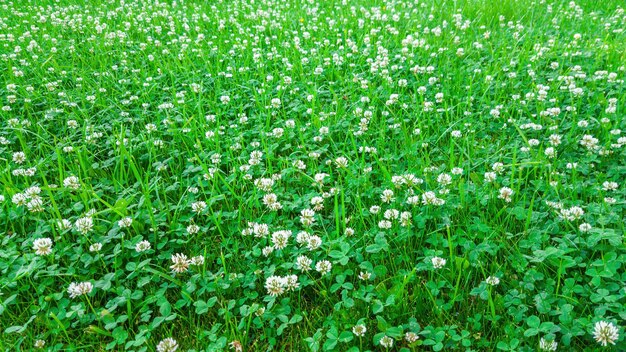
Clover grows well in various environments, such as meadows, open fields, and along the forest edge, which makes them widely accessible for deer across regions.
2. Fescue
Fescue is a resilient grass that is commonly found in landscapes, fields and pastures. It is another answer to what grass do deer eat.
It has high fiber content and broad availability, especially in early spring when tender fescue shoots emerge, which is what draws deer to it.
Although it is not as nutrient-dense as fescue, it provides good roughage and grows well in many climates, making it a consistent option for deer.
3. Orchard grass
This grass grows well in shaded areas and is often found in meadows. Its soft texture, lush growth, and high digestibility grass make it a favorite among deer, especially in habitats where other forage is limited.
Orchard grass grows primarily in open pastures and woodland edges, which are natural grazing spots for deer. It is an important answer to what grass do deer eat.
Orchard grass is moderately high in protein and very palatable, and an ideal grass for deer during the growing season.
4. Bluegrass
Bluegrass is a fine-textured, palatable grass that deer often consume in early spring when it’s most tender and nutritious.
It grows well in cooler climates and provides essential nutrients that help sustain deer through different seasons.
These grasses are commonly found in lawns and open fields, have a soft texture and mild taste that makes them popular with deer.
Kentucky bluegrass, in particular, is a favorite due to its widespread availability and palatability.
5. Alfalfa
Although technically a legume, alfalfa is often grouped with grasses in habitat management due to its high appeal for deer. Therefore, a perfect answer to what grass do deer eat.
Alfalfa offers an impressive protein content, it is one of the valuable food sources for antlered bucks and pregnant does in spring and summer.
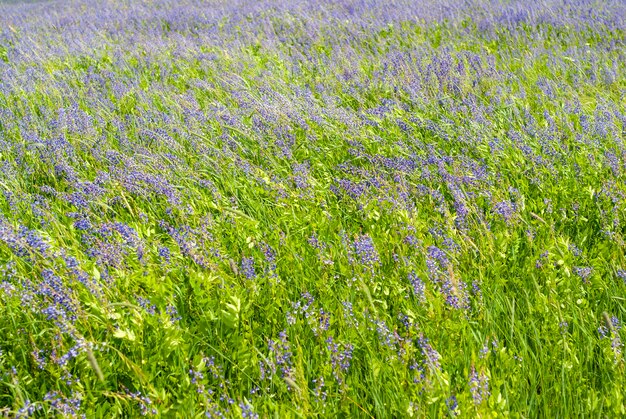
Its deep-rooted growth makes it flourish even during droughts, making it a sustainable option for supporting local deer populations.
6. Ryegrass
Ryegrass is easy to establish and grows quickly, making it a reliable food source for deer.Ryegrass is well-loved by deer and widely available in the wild, it is an easy food choice in regions with diverse grasses.
It has tender blades and moderate nutritional profile that makes it a solid option for deer, especially in early spring and late autumn.
Ryegrass grows quickly and is often used in food plots for attracting deer due to its reliable growth and appeal.
7. Timothy Grass
Timothy grass is an irresistible option for deer, especially when they’re looking for a fibrous, filling forage.
It is known for its tall, seed-bearing stalks and dense growth, timothy grass is very attractive in late summer when seed heads emerge and an answer to what grass deer eat.

It also has high fiber content and helps with digestion, which makes it an ideal choice for deer who require additional roughage.
How To Identify These Grasses In The Wild
Here’s a quick guide on spotting these grasses for wildlife enthusiasts, and habitat managers looking to attract deer
- Clover: Look for small, round leaves in clusters of three; white or red flowers are common.
- Fescue: Fescue grows in dense clumps, often with a deep green or blue-green color. It is known for its fine blades,
- Orchard grass: It is a recognizable by its tall, tufted growth and blue-green color; often found in patches near woodland edges.
- Bluegrass: Has a soft, narrow blade and a distinctive bluish tint.
- Alfalfa: Look for tall, leafy plants with purplish flowers and a deep taproot.
- Ryegrass: Characterized by narrow, glossy blades; grows quickly and densely in open fields.
- Timothy Grass: This grass grows tall and produces long, cylindrical seed heads that sway in the wind.
How To Attract Deer With Grass: Best Practices
After knowing what grass do deer eat, it is important to know how to attract them.
For those interested in attracting deer to their property, establishing and maintaining grass plots is a simple and effective approach. Here are a few tips:
- Plant Diverse Grass Mixes: Combine clover, ryegrass, and orchard grass to create a nutritionally balanced food plot that deer will frequent.
- Choose Locations Carefully: Deer prefer areas with open visibility but some cover nearby for safety. Plant food plots in meadows, clearings, or forest edges.
- Timing Matters: Plant cool-season grasses like ryegrass and orchard grass in early spring or late summer for optimal growth.
- Soil Preparation: Test and amend your soil as needed to support strong grass growth, as healthy, nutritious grass will be more appealing to deer.
- Regular Maintenance: Mow occasionally to encourage tender regrowth, and fertilize periodically to keep your grasses nutrient-rich.
Read more on what attracts deer to your site for additional insights.
To wrap up,
Understanding “what grass do deer eat” is vital for anyone involved in wildlife observation, hunting, or habitat management.
When you learn deer’s grass preferences (clover, fescue, orchardgrass, bluegrass, alfalfa, ryegrass, and timothy grass), you can effectively attract deer to specific areas and support healthier wildlife populations.
Each grass type offers unique benefits that meet deer’s dietary needs, so consider planting a mix to increase the attractiveness and sustainability of your space for local deer populations.
For more information on deer diets and habitat management practices that benefit both wildlife and landowners alike, check out resources from organizations like Noble Research Institute 2 or Wildlife Illinois
]]>