You have probably just chanced on your beautiful and resilient yarrow plant in the backyard and wish it never disappeared?
Unfortunately, you live in a deer-populated area, and you often find yourself wondering, “Is yarrow deer resistant plant, or could my yarrow be on the menu for the neighborhood deer, how do I protect my blossoms and colorful plants from deer?”
It is clear that in areas where deer population is high, gardeners are so concerned about how they will protect their plants from these yard invaders.
To preserve your beautiful garden it is crucial to find attractive yet deer-resistant plants for your garden.
In this guide we shall explore the yarrow deer plant, and why deer may or may not consume these plants.
The Yarrow Plant; Surprising Facts
Yarrow is scientifically known as Achillea millefolium; it is a perennial herb that belongs to the Asteraceae family, commonly referred to as the daisy family. It comes in a bright yellow variety, but it can also be red or pink.
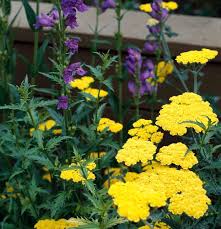
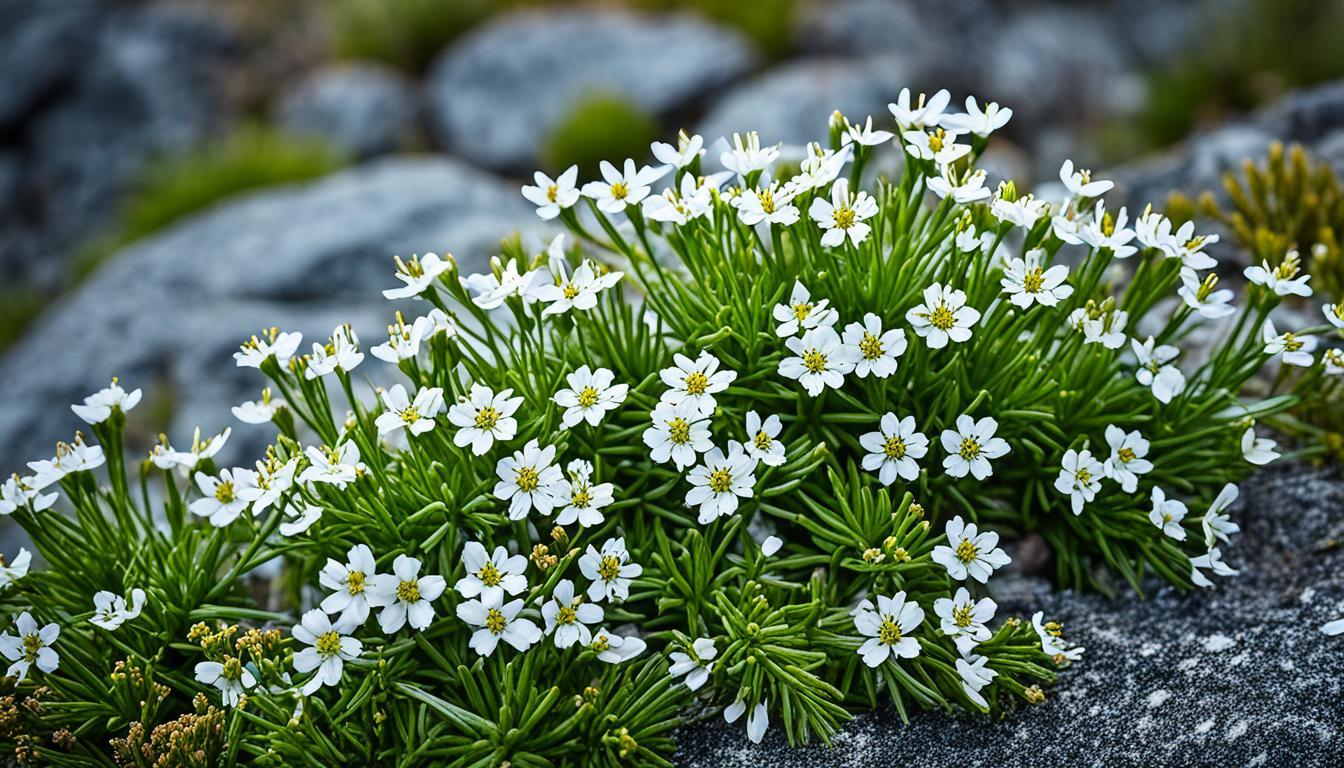
Historically, Yarrow is known to be used for a number of medicinal purposes. The plant has flat-topped or dome-shaped clusters of small white flowers that bloom from April to October.
It is an attractive, hardy perennial with features feathery and aromatic leaves that are deeply cut to give it fern-like appearance
The plant produces flat-topped clusters of small flowers that bloom from April to October, predominantly in white, but also in shades of pink, yellow, and red depending on the variety,
Yarrow has a beautiful nature which makes it very popular in many gardens.
Is Yarrow Deer Resistant?
Yes, Yarrow is deer resistant. Although, a hungry deer will eat just about anything, but yarrow plants repel because of some features, including aromatic foliage, strong fragrance, bitter taste, and potential toxicity.
These plants are widely considered deer resistant plants. But then deer can be unpredictable, especially a hungry deer, these animals can eat deer resistant plants when food is scarce, especially in harsh winters.
Seasonal Behaviours Of Deer Toward Yarrow Plant
Spring and Summer: These periods are mostly full of abundant food and deer have a number of options such as; tender grasses, shrubs and other flowering plants to feed on. But then, in Autumn and Winter, as the temperature drops and food becomes scarce, deer can sample plants they usually avoid and yarrow is no exemption.
Is Yarrow Deer Resistant Completely, Key Limitations To Take Note.
Food Shortage And Severe Hunger
Deer can barely withstand hunger, they become very vulnerable when there is a shortage of food and deer are prone to starvation. They will browse and consume Yarrow.
Individual Deer Preferences
Deer eating habits can vary based on individual deer preferences. While some deer may totally resist Yarrow plants, others may develop a taste for these plants over time, especially if they forage very often yards where Yarrow is present.
Young And Tender Growth Of Yarrow
Deer are naturally attracted to young, tender and softer plants. They are likely to graze on newly sprouted Yarrow.
What Makes A Plant Deer Resistant
Many plants are deer resistance because they have certain characteris that are not appealing to deer; such as
- Taste
Deer are mostly attracted to sweet taste and scented plants, they avoid plants that have bitter taste like Yarrow leaves. They tend to avoid plants with bitter and unpleasant taste.
- Smell
Deer dislike strong scents, yarrow is one of the plants that has a strong and distinct scent that deters deer naturally. Aside from Yarrow, deer disgust other smells such as mint, garlic, hot pepper.
- Texture
Deer will prefer softer and tender plants. They prefer plants whose leaves and stems are somewhat coarse and fibrous, because it makes them harder for deer to chew and digest.
These are the factors that make some plants resistant to deer.
Why Is Yarrow Deer Resistant
Yarrow is widely and generally seen as a deer resistant plant due to some key factors as listed above.
But then, as stated earlier deer may still consume Yarrow for a number of reasons. Below are some reasons why Yarrow may be deer resistant.
Scent
Yarrow has a strong pungent aroma that deer dislike. Deer rely heavily on their sense of smell to select food, and the intense scent of yarrow can deter deer from browsing them.
Potential Toxicity
Although Yarrow is not highly toxic, it contains compounds that can be toxic to deer. This deterrent can make deer avoid them.
Hardy Leaves
Yarrow have a fibrous, hard and hairy leaves that are in contrast to what deer prefer, soft and smooth.
Yarrow is also known to be less nutritious as compared to other deer preferred plants.
Other Deer Resistant Plants
Always remember, “Deer resistant and not deer proof”. Meaning these plants are not deer preferred food, but deer may still nibble and probably eat them.
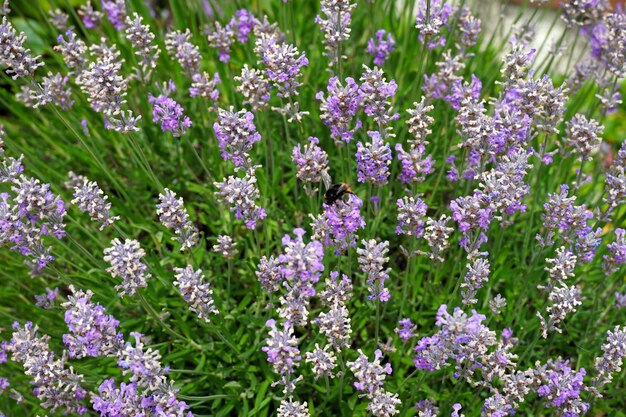
| Name of Plant | Plant Description | Why it is deer resistant |
| Lavender | Aromatic herb with silver-green leaves and purple flowers, loved for its scent. | It has a strong, soothing scent that appeals to humans and is overpowering to deer. This makes them an excellent choice for garden edges. The high essential oil content also adds a natural barrier. |
| Rosemary | Woody herb with needle-like leaves and small blue flowers. | The woody, needle-like foliage has a powerful aroma and tough texture that deer find unpleasant. Its slightly bitter taste further deters deer from munching on it. |
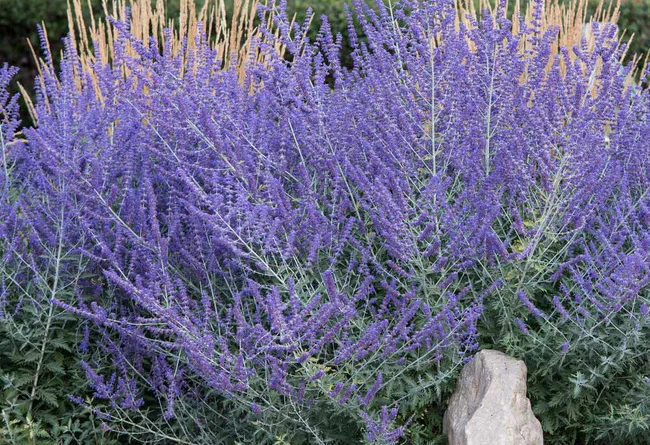
| Russian Sage | Tall perennial with silvery stems and purple-blue flowers | Russian sage has a robust fragrance that repels deer, and its leaves contain compounds that deer avoid. Its slightly bitter taste adds another layer of protection |
| Boxwood | Dense evergreen shrub with small, glossy leaves. | Tough leaves and a bitter taste make it unattractive to deer |
| Marigold | Bright orange and yellow flowers with a distinct, somewhat spicy scent. | The spicy, peppery scent of marigolds is unappealing to deer and masks the smell of nearby plants. Their leaves also have a strong, slightly bitter taste, making them a natural deterrent. |
| Foxglove | Biennial plant with tall spikes of tubular flowers in various colours.. | Toxic properties discourage deer from eating it; it may cause illness if ingested. |
| Bee Balm | Perennial with vibrant red, pink, or purple flowers that attract pollinators. | Pungent, mint-like scent and texture discourage deer. |
| Lamb’s Ear | Low-growing perennial with soft, fuzzy, silvery leaves | Fuzzy texture and mild astringency make it unappealing for deer to chew. |
You can find more information on deer and Yarrow relationship.
To conclude,
Now let’s reflect on our question, Is Yarrow deer resistant? Yes, Yarrow is a deer resistant plant. It contains some factors that deter deer from consuming it.
But it is important to note that, though Yarrow is deer resistant but not deer proof. Which means deer can be tempted to consume Yarrow based on some certain factors.
In addressing our question we have provided information on what makes plants deer resistant, why is yarrow deer resistant and finally some deer resistant plants.
You still need to protect your Yarrow as some other animals may consume it, and even deer in hash times. Find more information about deer lifestyle on the deer hunting gateway.
]]>The answer to today’s question, what smells do deer like, lies in simple scents. One of the most critical and successful factors in deer hunting is managing smells and odours that can alarm and spook these elusive creatures.
Although deer hunting requires good skills and patiences, an excellent understanding of the game, especially with factors such as what smells do deer like, is a win for hunters and wildlife lovers.
In this post we shall explore the key smells that deer like and how these scents and be used to lure deer to your yard.
The Science Behind Deer Smelling Abilities
Deer have a good sense of smell which is exceptional and helps them detect and avoid danger. Deer have so many olfactory receptors in their noses that aid them in their sensing abilities.
Deer have an olfactory bulb that’s about four times larger than a human’s. This part of the brain processes scents, with 297 million olfactory receptors in their noses as compared to men with 5 million receptors.
These receptors are designed to help detect smell, the high density of these receptors enable deer to detect a range of odours from a distance.
Top Smells/Scents Deer Like
- Food Based Scent
Naturally, deer like food and are very curious about food sources. Food smell is an answer to our intriguing question, what smells do deer like?
Food related smells can draw deer attention, especially strong-smelling human foods like fast food, strong spices, and cooking odours.
Another alarming food smell is not from the food itself but from preparing it before hunting.
Common food with good scents that attract deer;
Corn: Corn has a sweet and earthy aroma which attracts deer from afar. Corn is a deer nutrient rich food and among the top cereals grains for deer.
Apples: Apples have a sweet and fruity aroma that can travel far and is associated with high energy and water content that allures deer.
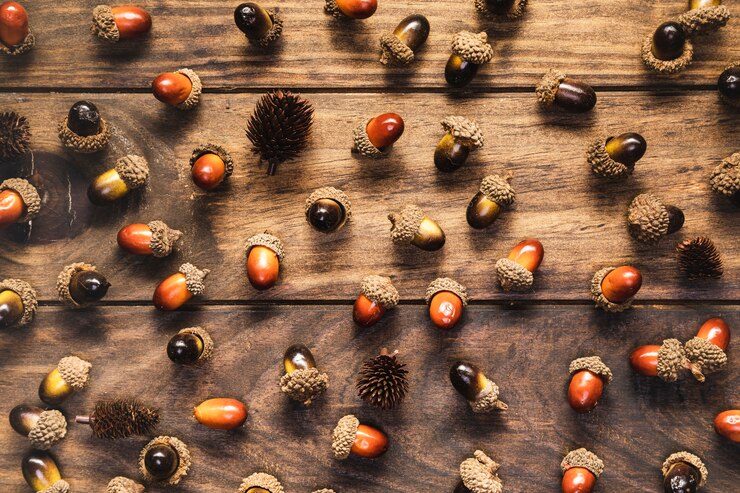
Acorns: Acorns has nutty, earthy aroma that appeals so much to deer
Peanut butter’s: Many deer find is difficult to resist Peanut butter’s rich and nutty aroma
Clover and Alfalfa: These two types of vegetation naturally draw deer. They produce a fresh and green smell which indicates the presence of nutritious foliage that deer enjoy grazing on.
- Flower Scents
Aside from food scents, deer prefer to smell some flowers more than they eat them. Deer are particularly curious about floral scents, although they may not consume these plants, the flower base scent can attract and lure them.
Top Deer Flowers That Best Answer The Question; What Smells Do Deer Like.
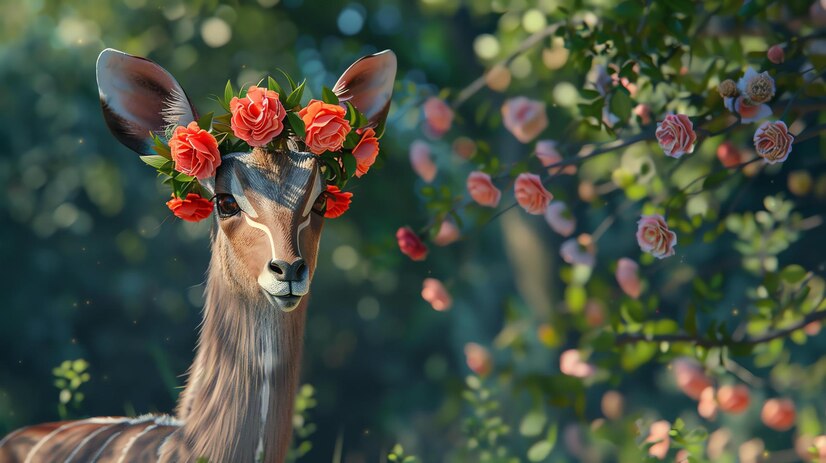
Roses
Roses have a classic sweet that can easily catch deer’s attention. Rose bushes can be tempting and deer may sometimes eat them. Rose fragrance is strong and deer are often more interested in the flower’s scent than the plant itself.
Honeysuckle
The sweet and sugary fragrance of honeysuckle makes it irresistible for deer. Honeysuckle grows in a natural environment and their scents can signal a safe, familiar area.
Lavender
Lavender’s calming and floral scent generally appeals to humans and to attract deer. Deer will slightly eat lavender due to its slightly bitter taste. Its soothing aroma makes it a strategic choice for attracting deer.
Daisies, Clover, and blossoms are other flowers that produce smells that deer like.
- Synthetic Scents
Unlike the other Scents discussed above, these are lab created fragrance designed to replicate the natural smells that attract deer. They are chemically produced scents that mimic food and other natural sources.
Types Of Synthetic Scents That Deer Like Their Smells.
Doe Estrus Scents for Deer
This is a chemically replicated scent that has been engineered to imitate the smell of a female deer in heat. The time when the female deer wants to mate, bucks are very responsive to the scent of estrus in response to mate with the doe.
Musk and Glands scents
Synthetic musks are chemically manufactured and designed to replicate the appeal of the original substance without using material from animals. They are commonly used now to replace historic deer musk in perfumery.
Synthetic musk imitate both doe and buck gland scents
Synthetic Food Based Scents
Just like the food based scents, these are chemically made fragrances that replicate the natural scents of food that deer like.they are available in different forms such as sprays and blogs. Always available for different hunting seasons and scenarios.
- Urine and Musk Scents
For many, Urine may be a surprising answer when they’re looking for answers to what smells do deer like. Urine and musk are key tools in hunting, specifically for attracting deer.
What Kind of urine best fits the question, what smells do deer like?
- Doe Urine: The smell of doe urine is strong and attractive especially during the rutting season. bucks are easily drawn to the scent of females in estrus.
- Buck: Deer, especially bucks, are attracted to buck urine as well. Buck urine is purposely used to indicate the presence of another male deer in the area, the smell will influence dominant bucks to investigate.
- Estrus Blends: Special estrus blends mix urine with estrus hormones, which increases attractiveness for bucks during the mating season.
You can explore this resource for additional deer attractants tips.
How To Attract Deer With These Smells
What smells do deer like, is an essential subject for hunters and deer lovers. It is also essential to know how to attract these creatures with these smells.
| Scent type | How to attract deer with the scent. |
| Food-Based Scent | You can apply food spray around areas where deer feed. Scents blocks or sprays can also be used on vegetation or tree trunks to keep deer coming back |
| Flower-Based Scent | These Scents can be sprayed near trails or on low branches in open areas |
| Urine and Musk Scent | It is effective to apply urine or musk scents to scent wicks, drag rags, or mock scrapes along deer trails |
| Synthetic Scent | These Scents can be used all year round. You can apply them near trails, feeding areas, or scent wicks. |
To wrap up , our question, what smells do deer like, has been answered. It is key to note that, In attracting deer, certain smells, both natural and synthetic are effective in doing that.
Success in attracting deer relies on strategy, patience, and respect for wildlife. By combining well-timed use of scents with thoughtful placement and ethical practices, enthusiasts can improve their chances of successful encounters and also ensure a balanced approach to wildlife interaction. Continue to explore Deer hunting gateway for more hunting tips.
]]>Understanding what grass do deer eat reveals other important aspects about their lives and habitats. When you know the types of grass deer love, it can give you a better chance to attract them to your yard or spot them in the wild.
In this post, we will break down seven types of grass deer eat and why each one plays a unique role in their diet.
Why Deer Eat Grass
It is necessary to understand why deer eat grass when addressing what grass do deer eat.
Deer often prefer high-energy foods like nuts, fruits, and shrubs, grass may not be deer’s first dietary choice.
However, grass can be an essential part of their diet, especially in particular seasons when other food sources become scarce.
Yet still, grass composes healthy nutrients that are essential for deer health. Grasses offer deer roughage that aids digestion, and fibre and protein that helps sustain deer when other foods are unavailable
Grass plays a complementary role in a deer’s diet. In spring and summer, fresh grasses are high in fiber and water, which support the deer’s hydration and digestion.
During autumn, grass availability wanes, and deer shift toward other forage types.
However, in winter, deer may return to grass if it’s one of the few food sources accessible beneath the snow, making it a critical seasonal staple in their diet.
What Grass Do Deer Eat- Top 7 Grasses Deer Love
1. Clover
Clovers should not be left out when it comes to what grass do deer eat.
It has high nutritional value, rich in protein and minerals, and attracts deer throughout the year. Clover is one of the top choices for deer and many wildlife food plots due to its high protein content and palatability.
It has varieties like white and red clover which are more attractive to deer, the protein needed for muscle development and antler growth.
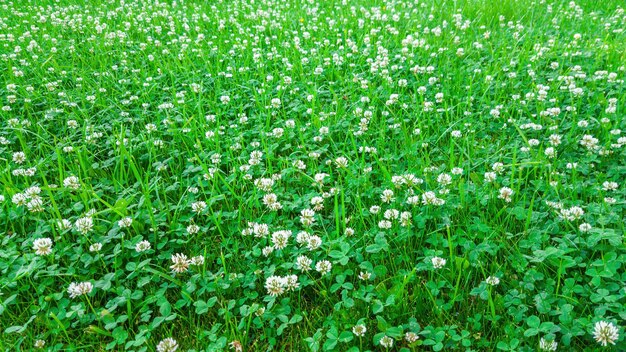
Clover grows well in various environments, such as meadows, open fields, and along the forest edge, which makes them widely accessible for deer across regions.
2. Fescue
Fescue is a resilient grass that is commonly found in landscapes, fields and pastures. It is another answer to what grass do deer eat.
It has high fiber content and broad availability, especially in early spring when tender fescue shoots emerge, which is what draws deer to it.
Although it is not as nutrient-dense as fescue, it provides good roughage and grows well in many climates, making it a consistent option for deer.
3. Orchard grass
This grass grows well in shaded areas and is often found in meadows. Its soft texture, lush growth, and high digestibility grass make it a favorite among deer, especially in habitats where other forage is limited.
Orchard grass grows primarily in open pastures and woodland edges, which are natural grazing spots for deer. It is an important answer to what grass do deer eat.
Orchard grass is moderately high in protein and very palatable, and an ideal grass for deer during the growing season.
4. Bluegrass
Bluegrass is a fine-textured, palatable grass that deer often consume in early spring when it’s most tender and nutritious.
It grows well in cooler climates and provides essential nutrients that help sustain deer through different seasons.
These grasses are commonly found in lawns and open fields, have a soft texture and mild taste that makes them popular with deer.
Kentucky bluegrass, in particular, is a favorite due to its widespread availability and palatability.
5. Alfalfa
Although technically a legume, alfalfa is often grouped with grasses in habitat management due to its high appeal for deer. Therefore, a perfect answer to what grass do deer eat.
Alfalfa offers an impressive protein content, it is one of the valuable food sources for antlered bucks and pregnant does in spring and summer.
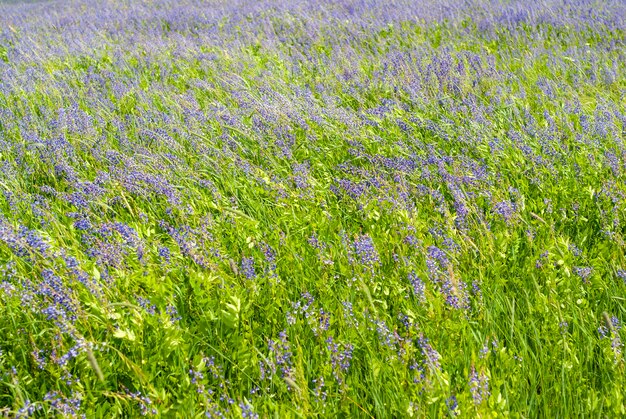
Its deep-rooted growth makes it flourish even during droughts, making it a sustainable option for supporting local deer populations.
6. Ryegrass
Ryegrass is easy to establish and grows quickly, making it a reliable food source for deer.Ryegrass is well-loved by deer and widely available in the wild, it is an easy food choice in regions with diverse grasses.
It has tender blades and moderate nutritional profile that makes it a solid option for deer, especially in early spring and late autumn.
Ryegrass grows quickly and is often used in food plots for attracting deer due to its reliable growth and appeal.
7. Timothy Grass
Timothy grass is an irresistible option for deer, especially when they’re looking for a fibrous, filling forage.
It is known for its tall, seed-bearing stalks and dense growth, timothy grass is very attractive in late summer when seed heads emerge and an answer to what grass deer eat.

It also has high fiber content and helps with digestion, which makes it an ideal choice for deer who require additional roughage.
How To Identify These Grasses In The Wild
Here’s a quick guide on spotting these grasses for wildlife enthusiasts, and habitat managers looking to attract deer
- Clover: Look for small, round leaves in clusters of three; white or red flowers are common.
- Fescue: Fescue grows in dense clumps, often with a deep green or blue-green color. It is known for its fine blades,
- Orchard grass: It is a recognizable by its tall, tufted growth and blue-green color; often found in patches near woodland edges.
- Bluegrass: Has a soft, narrow blade and a distinctive bluish tint.
- Alfalfa: Look for tall, leafy plants with purplish flowers and a deep taproot.
- Ryegrass: Characterized by narrow, glossy blades; grows quickly and densely in open fields.
- Timothy Grass: This grass grows tall and produces long, cylindrical seed heads that sway in the wind.
How To Attract Deer With Grass: Best Practices
After knowing what grass do deer eat, it is important to know how to attract them.
For those interested in attracting deer to their property, establishing and maintaining grass plots is a simple and effective approach. Here are a few tips:
- Plant Diverse Grass Mixes: Combine clover, ryegrass, and orchard grass to create a nutritionally balanced food plot that deer will frequent.
- Choose Locations Carefully: Deer prefer areas with open visibility but some cover nearby for safety. Plant food plots in meadows, clearings, or forest edges.
- Timing Matters: Plant cool-season grasses like ryegrass and orchard grass in early spring or late summer for optimal growth.
- Soil Preparation: Test and amend your soil as needed to support strong grass growth, as healthy, nutritious grass will be more appealing to deer.
- Regular Maintenance: Mow occasionally to encourage tender regrowth, and fertilize periodically to keep your grasses nutrient-rich.
Read more on what attracts deer to your site for additional insights.
To wrap up,
Understanding “what grass do deer eat” is vital for anyone involved in wildlife observation, hunting, or habitat management.
When you learn deer’s grass preferences (clover, fescue, orchardgrass, bluegrass, alfalfa, ryegrass, and timothy grass), you can effectively attract deer to specific areas and support healthier wildlife populations.
Each grass type offers unique benefits that meet deer’s dietary needs, so consider planting a mix to increase the attractiveness and sustainability of your space for local deer populations.
For more information on deer diets and habitat management practices that benefit both wildlife and landowners alike, check out resources from organizations like Noble Research Institute 2 or Wildlife Illinois
]]>
If you are one of those people who think about having mouse deer as pets, I am here to tell you to think again. Deer mice with tiny bodies and big, innocent eyes, make it so easy for some people to want to keep them as pets. But here’s the truth: deer mice may look cute, but they can bring real dangers into your home.
Let’s delve into seven reasons deer mice are far from the ideal house guests and why you should think twice before considering them as pets.
1. Mouse Deer as Pets: Carriers of Hantavirus

One of the most alarming dangers of deer mice in your home is their ability to carry and transmit hantavirus, a potentially deadly human disease. The virus mainly spreads through the urine, droppings, and saliva of mice infected with the disease. When these particles become airborne, such as when sweeping or vacuuming, they can be inhaled, leading to severe respiratory issues and even death.
This alone is reason enough to consider never keeping deer mice as pets. Keeping them in your home increases the risk of exposure, especially for children and the elderly, who are more vulnerable to infections.
2. Rapid Breeders
Deer mice are prolific breeders. A single pair can multiply quickly, producing multiple litters throughout the year. Female deer mice can give birth to as many as 12 babies simultaneously. Before you know it, what started as a minor nuisance can change to a full-blown infestation.
Once deer mice find a cozy spot in your home, they’re unlikely to leave. This makes it critical to act quickly if you suspect even a single deer mouse. Their rapid reproduction rate makes them a major threat to your home and peace of mind.
3. Damage to Your Home’s Structure
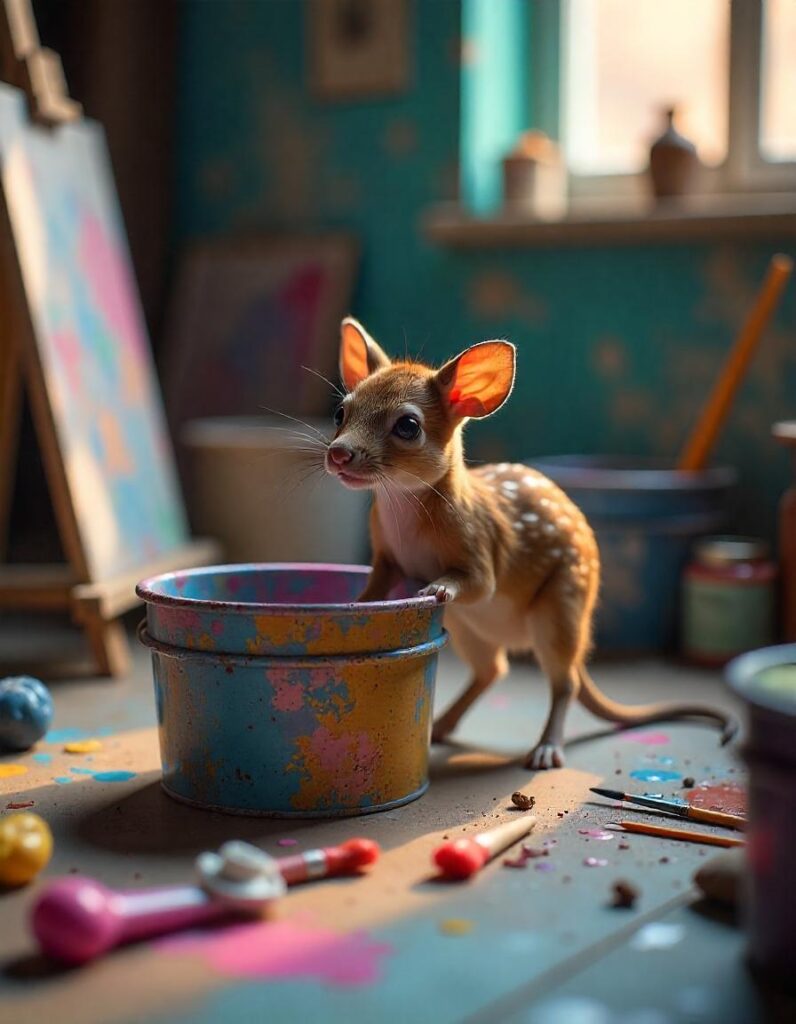
While mouse deer as pets might not chew through walls as aggressively as some rodents, they still have a knack for causing damage. They are natural chewers, gnawing on wood, electrical wires, insulation, and more. Over time, this can lead to structures and potential fire hazards if they chew through wiring.
This behavior is another reason why deer mice should never be kept as pets. Their instinct to chew can damage cages, furniture, and anything else in their environment. In a home setting, their curiosity can be dangerous.
4. Contamination of Food Supplies
Deer mice are scavengers and will seek out any food source they find. These rodents will eat anything they can find, whether pet food, cereal, or pantry items. As they travel through your home, they leave behind urine and droppings, contaminating everything they make contact with.
This contamination can lead to foodborne illnesses and unsanitary conditions in your home. If you’re contemplating having a mouse deer as a pet, remember that even their food and bedding can be breeding grounds for harmful bacteria and diseases.
5. They’re Expert Hiders
Deer mice are excellent at finding hiding spots within your home. They often settle in kitchens, basements, or walls, making it difficult to detect an infestation until it’s too late. Their nocturnal nature also means they’re most active when you’re asleep, making it harder to catch them in the act.
This sneaky behavior of mouse deer as pets is another reason why they’re dangerous to have around. Before you notice them, they have already caused damage or spread harmful pathogens.
6. Difficulty in Trapping
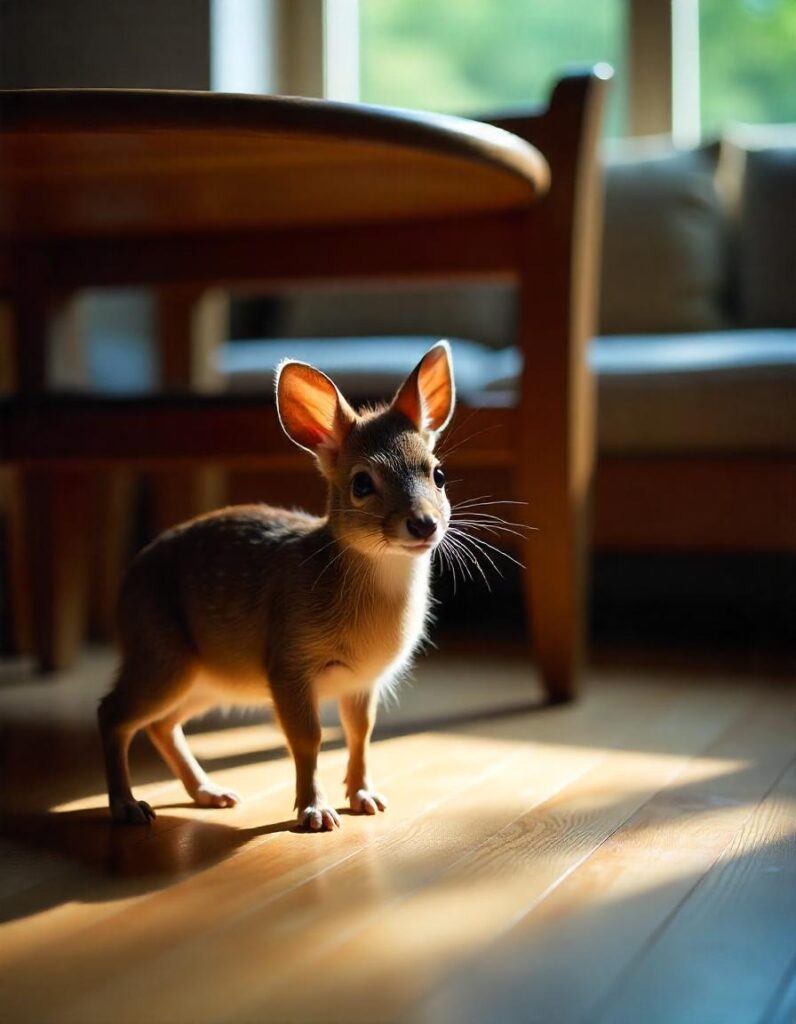
Even if you notice deer mice in your home, getting rid of them is a different story. These mice are fast, agile, and clever because of which traditional traps do not stand a chance in outsmarting them.
Many homeowners find it difficult to catch them, especially since they can quickly adapt to different situations.
It’s easy to get frustrated when traps don’t work, but that’s where professional pest control comes in. While traps may catch one or two, a larger infestation requires expert handling. Deer mice are not only hard to grab, they’re harder to keep out for good.
7. Risk of Secondary Infestations
Here’s something that might surprise you: where there are deer mice, other pests often follow. These rodents can bring fleas and ticks into your home, which leads to new problems. Deer mice can be the gateway to a much larger pest infestation.
Fleas and ticks pose health risks, including Lyme disease and other infections. If you thought the mice were bad, the pests they carry can make the situation even worse. One problem can spiral into multiple infestations before you even realize it.
Conclusion
While the idea of keeping deer mice as pets might seem fun, the reality is far more dangerous. These tiny creatures aren’t just innocent animals; they carry serious health risks, cause property damage, and can lead to further infestations. From their ability to transmit diseases like Hantavirus to the damage they can inflict on your home, deer mice are far more than just a cute face.
If you find deer mice in your home, act fast. Contact a professional pest control service to ensure your home stays safe and rodent-free. When it comes to deer mice, prevention and quick action are key. After all, no one wants their home to turn into a hazardous zone just because of a few small creatures.
Protect your home and health from the dangers of deer mice. Visit our website today for reliable pest control tips and solutions.
]]>Unfortunately, these stunning plants are often attracted to and targeted by many creatures, they are vulnerable and easily devoured by some animals.
Fortunately, you can actually protect your plants, that is to identify what animals eat daylilies and take proactive steps that can help protect your daylilies from hungry animals.
In this post, we will learn which animals are most likely to eat daylilies and provide five practical tips to keep your plants safe, and ensure your garden remains a sanctuary for beautiful blooms.
What Animals Eat Daylilies?
Daylilies are hardy perennials, prized for their ability to thrive in various conditions. Unfortunately, their resilience and tender, juicy leaves and flowers make them an attractive target for various animals.
Here’s a breakdown of the main culprits:
Deer
Deer are part of the top animals that eat daylilies, particularly in suburban and rural areas. Their browsing habits can lead to significant damage, and leave behind just stubs of what were once flourishing plants in your garden.
Deer are mostly attracted to the tender flowers and leaves, especially during their dawn and dusk feeding times. Therefore, if your plants seem to disappear overnight, deer could be the reason.
When you are been asked about what animals eat daylilies, deer can be a best answer.
According to a report from The Fayetteville Observer, deer will eat the entire plant if given the chance, making them a primary concern for gardeners
Rabbits
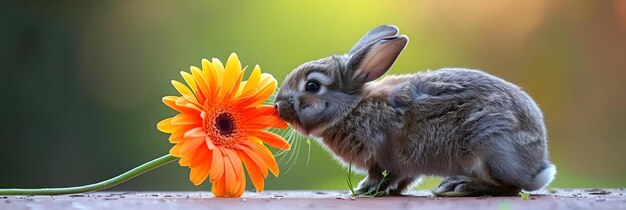
Naturally, Rabbits love young and tender shoots, for daylilies rabbits are attracted to their tender shoots and leaves that emerge in early spring.
They typically feast on the lower parts of the plant, leaving small, jagged bite marks on leaves and stems.
These bite marks are a telltale sign of rabbit damage. Rabbits are particularly active in spring and early summer when new growth is most tender and vulnerable.
Squirrels
Another perfect answer to our question top what animals eat daylilies.
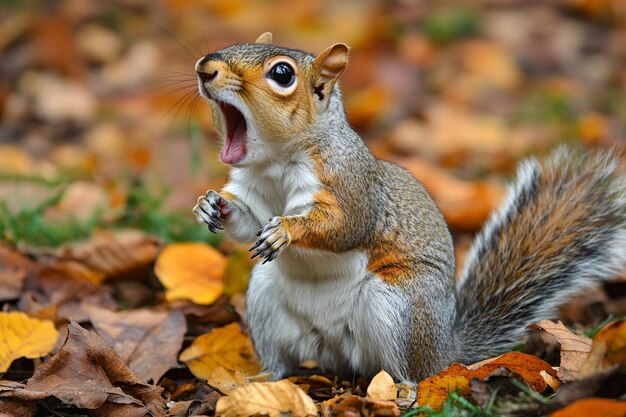
Squirrels might not target daylilies for their leaves or flowers, but they are known to dig up bulbs, sometimes out of curiosity and sometimes out of hunger.These rodents like to look for roots, especially fresh roots.
Daylilies have crunchy bulbs that attract squirrels to them. If you find your daylily bulbs disturbed or unearthed, squirrels may be the cause.
Their damage is less direct than that of deer or rabbits, but can still weaken your plants.
Groundhogs
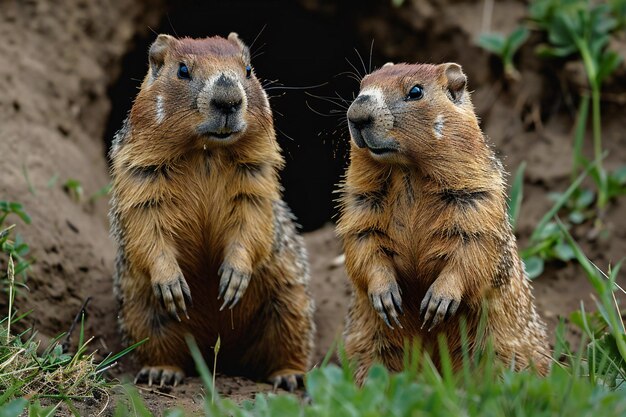
These animals are also known as woodchucks. They are voracious grazers that can quickly mow down entire plants if given the chance.
They tend to feast on daylilies when they’re available, particularly if the garden is near their burrows. Groundhogs can cause significant damage, because they often eat large portions of the plant.
Other Small Rodents (Voles and Chipmunks)
Voles and chipmunks are small, burrowing animals that also target the bulbs and roots of daylilies. Their feeding isn’t as immediately noticeable as deer or rabbits, and may go unnoticed until significant damage has occurred.
These rodents can cause the plants to weaken and die because they attack their root systems.
Signs of vole or chipmunk activity include collapsed soil around the base of the plants and disturbed roots.
Insects (Bonus)
When it comes to what animals eat daylilies, insects are often overlooked because animals are the primary focus.
That is fine, but it is worth mentioning that some insects, like aphids and slugs, can also damage daylilies.
Aphids may cluster on leaves, and slugs may create small holes in the foliage. Although insect damage is usually less severe, it can still weaken the plants.
5 Tips To Protect Your Daylilies
It is crucial to know what animals eat daylilies, but very critical to know how to protect your plants from being devoured by these animals.
Let’s learn these five tips
1. Fencing
Fencing is a reliable way to protect your daylilies from larger animals like deer and groundhogs.
Deer-proof fencing should be at least 8 feet tall, as deer can jump quite high. For instance, 8-foot or 10-foot black plastic deer fencing with a gate will be effective to protect your daylilies from deer, these are available across the web.
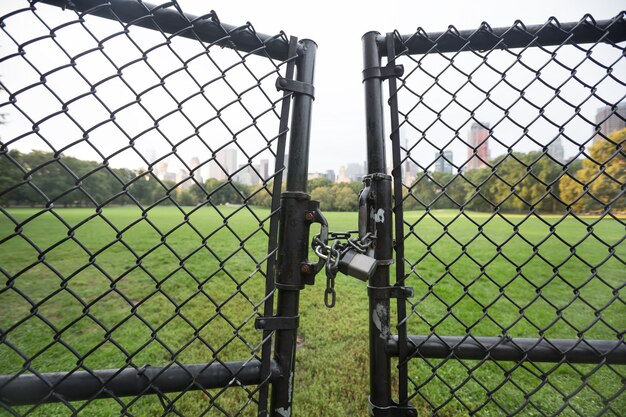
For smaller animals like rabbits and groundhogs, a 2- to 4-foot-high wire mesh fence can be effective.
Burying the bottom of the fence 6 inches below the ground will help keep burrowing animals from sneaking underneath.
2. Repellents
Both natural and commercial repellents can help keep animals away from your daylilies. Products containing ingredients like garlic, cayenne pepper, or predator urine work by creating scents that animals find unpleasant.
You can also create homemade repellents using ingredients like garlic or hot pepper mixed with water and soap. Just be sure to reapply after rain or every couple of weeks for the best results.
Commercial options like Liquid Fence or Plantskydd are also effective and safe for use around plants. These products can deter animals from grazing without harming the plants or the animals.
You should not be afraid after knowing what animals eat day lilies if you can not afford fencing
3. Companion Planting
A natural way to protect your daylilies is to plant them alongside plants that naturally repel animals.
Examples of such plants are; Marigolds, lavender, and certain herbs like rosemary and thyme. These animals can help keep animals like rabbits and deer away.
These plants have strong scents that animals dislike and contain natural chemicals that act as deterrents. Companion planting is a great way to protect your garden and maintain its beauty after knowing what animals eat daylilies in your garden.
4. Motion-Activated Deterrents
This is a high-tech solution that works effectively in protecting your plants, you should consider installing motion-activated sprinklers or lights.
These devices activate when an animal approaches, scaring them away without causing harm.
Motion-activated sprinklers, in particular, can be highly effective for deterring deer and rabbits, which dislike sudden bursts of water.
Devices like the Orbit Yard Enforcer or Hoont Animal Repeller are great options for this type of protection.
5. Mulching and Barriers
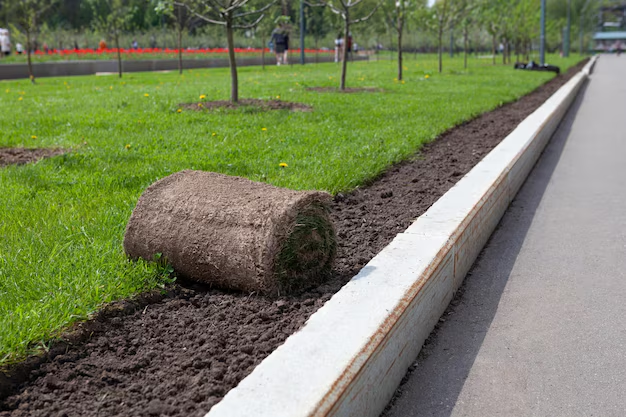
If you want an effective way to protect your daylily bulbs from burrowing rodents like voles and chipmunks, you should consider using mulch and underground barriers.
Apply a thick layer of mulch around your plants to deter smaller animals from digging. Additionally, placing a layer of hardware cloth or chicken wire beneath the soil can prevent rodents from accessing the bulbs and roots.
Ensure to use a material with small enough openings to keep even the smallest pests at bay.
In summary,
Your beautiful and resilient daylilies can be protected, understanding what animals eat daylilies is important for gardeners and plant lovers who want to protect their plants.
Deer, rabbits, squirrels, groundhogs, and other small rodents are the most common culprits, each of these animals can cause different types of damage to your plants.
Now that we have identified what animals eat daylilies, you can leverage on the five tips outlined above—fencing, repellents, companion planting, motion-activated deterrents, and mulching, to protect your plants and enjoy their beauty all season long.
Try different combinations of these tips based on the animals in your area and your specific garden setup. And if you’ve had success with any of these methods or have additional tips, share your experiences in the comments!
Have you dealt with animals eating your daylilies? Share your experiences and tips in the comments section below!
Aside from what animals eat daylilies, you can get more hunting tips at Deer Hunting Gateway to boost your hunting success.
]]>It is essential to know that white-tailed deer’s behavior and its habits can significantly enhance your experience as a wildlife enthusiast or hunter.
But most importantly, white-tailed deer poop can reveal essential clues about a deer’s behavior, movement, diet, and health, which will greatly contribute to your hunting success and put you above the average hunter.
Therefore, if you’re hoping to improve your tracking skills or deepen your understanding of white-tailed deer in the wild, analyzing their droppings will provide crucial insights.
In this guide, we’ll break down five key insights about white-tailed deer poop and their essence to hunters. By the end, you’ll know how to use this often-ignored resource to become a better wildlife observer.
6 Essential Insights About White-Tailed Deer Poop
1. Identifying White-Tailed Deer Poop
Before you can leverage white-tailed deer droppings you need to know what it looks like. White-tailed deer poop typically comes in small, pellet-like droppings that are dark brown or black.
The size, shape, and consistency of the droppings can vary depending on the deer’s diet and season.
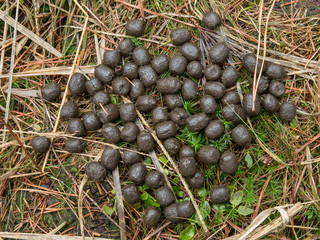
- Size and Shape Clues: In warmer months when deer feed on lush vegetation like leaves and grass, their poop tends to be larger and clumpier. In winter/colder months, their scat tends to be smaller and more compact as deer feed on drier foods like twigs and bark.
- Understanding what deer droppings look like can immediately help you determine if white-tailed deer are in the area. Spotting fresh droppings means deer have been there recently, while older, dry pellets indicate they passed through some time ago.
This simple observation can help you decide where to set up a hunting blind or plan your next wildlife watching trip.
Find out more characteristics of deer poop here.
2. Understanding Diet From White-Tailed Deer Poop
Deer dropping can help you learn a lot about their diet, it can provide you with valuable information about what these animals have been eating.
White-tailed deer have a highly varied diet that changes with the seasons.
- Seasonal Diet Changes: For instance, if the droppings are soft and clumped together, it indicates the deer have been consuming moisture-rich foods like grasses and leaves, which are abundant in the spring and summer.
On the other hand, hard, dry pellets are common during the winter months when deer switch to a diet of woody plants, including twigs and bark.
- Tip for Wildlife Enthusiasts: Observing deer poop in a particular area can reveal their feeding habits and predict their movements..
For instance, softer droppings in an area with abundant fruit trees may indicate that the deer are feeding on fruit there.
This insight can be useful for hunters or anyone tracking deer for photography.
Practical Example: During hunting season, if you find clumped droppings in an area rich with fruit-bearing plants, it’s a good indication that deer have been grazing there.
3. Tracking Deer Movement
Another useful insight from white-tailed deer poop is the ability to track their movement patterns.
When you observe the location and frequency of droppings, you can determine where deer have been and where they might be headed.
- Frequency and Freshness: Fresh droppings are a sign that deer are nearby, and old, dried-out scat suggests they passed through some time ago.
The frequency of droppings can also give an idea of how often deer visit an area, and whether the deer are staying in one place or moving around.
- Pro Tip: Pair this information with other signs of deer activity, such as tracks or rubbed tree bark, to get a clearer understanding of their movement patterns.
- Wildlife Tip: By mapping out the locations where you consistently find deer poop.
As For wildlife enthusiasts you can start to predict the paths deer are likely to take by mapping out locations you often find deer poop, which can be useful for setting up trail cameras or hunting blinds.
4. Health Indicators from White-Tailed Deer Poop
Deer poop also reveals some insights into deer health. Hunters and wildlife enthusiasts should pay attention to the consistency and appearance of these droppings.
Occasional changes in poop consistency can be due to diet changes, but then, persistent abnormalities can indicate health issues.
- Normal vs. Abnormal: Healthy deer poop is typically well-formed pellets. Unusually soft or runny droppings might indicate stress, parasites, or other health issues.
- Disease Indicators: In some cases, abnormal poop can be a sign of diseases like Chronic Wasting Disease (CWD), which is a serious issue for deer populations.
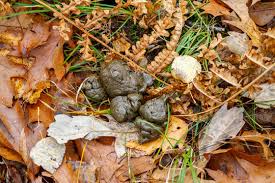
If you come across unusually large amounts of diarrhea-like droppings, it could suggest a sick deer in the area, which is vital information for both wildlife conservation and hunting safety.
Monitoring deer poop in your area can give you a better sense of the overall health of the local deer population and even alert you to potential issues.
But do not rush to make conclusions based on one abnormal-looking sample, pay keen attention.
5. Identifying Prime Habitat Areas and Ideal Hunting Locations
Have you heard of this popular saying from hunters? – Where there’s poop, there’s likely deer.
White-tailed deer tend to defecate in areas where they feel safe and spend a lot of time, so finding concentrated amounts of white-tailed deer poop can indicate a prime habitat.
- Habitat Zones: Areas where you find large amounts of deer poop are often key feeding or bedding areas.
These are places where deer feel comfortable, making them excellent spots for observation or hunting. Where there’s poop, there’s usually deer activity.
- When you combine the evidence of droppings, the observations of food sources, water availability, and cover you can identify the best locations for spotting or hunting deer.
Dense concentrations of poop near abundant food sources are a strong indicator of frequent deer visits.
Final thoughts
In your efforts to understand their behavior, pay keen attention to white tailed deer poop, it offers invaluable resources and information for wildlife enthusiasts and hunters.
When you learn to identify, analyze, and interpret white tailed deer droppings, you can gain crucial insights into the behavior, health, and movement of these graceful animals.
From tracking their diet to finding prime habitats and understanding their overall well-being, deer poop is a key tool for anyone interested in the great outdoors.
Take the time to observe this often-overlooked clue next time you’re out in nature—it just might lead you to your next great wildlife discovery.
We would like to hear from you; Have you ever used white-tailed deer poop to track wildlife? Share your experiences and tips in the comments below!
Check out our article on “How to Attract Deer to Your Yard” for more wildlife observation tips!
]]>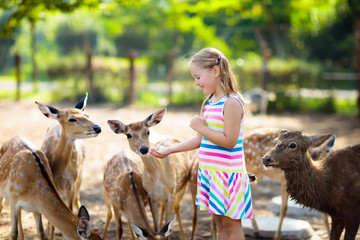
Some animal enthusiasts dream of forming a unique bond with a deer, but is it really feasible?
If you’re a hunter, animal lover, or someone curious about wildlife, or you have ever been asked the question, Can you have a deer as a Pet? Then this guide will greatly answer you.
This article clearly outlined and explained the pros, cons, and key considerations of keeping deer as pets.
Can you Have a Deer as a Pet? The Nature of Deer: Wild vs. Domestic
A. Is it legal to keep deer as a Pet?
Keeping deer raises numerous legal and ethical considerations, yet still, it basically depends on your locations.
In the United States, the legality of owning a deer varies significantly across various states. Most states impose strict regulations or outright bans on keeping these wild animals as pets.
In general, the majority of states in the U.S. prohibit keeping deer as pets. However, some states have specific laws that allow for it under certain conditions.
Are you still wondering, if you can have a deer as a pet depending on your location, find out whether it is legal to have a deer at your specific location here.
B. Natural Behavior of Deer
Deer, particularly wild deer, have strong instincts driven by their need for open spaces and freedom. As browsers, they feed on leaves, shoots, and shrubs, often wandering across vast areas in search of food.
Their flight response to perceived threats is part of their survival mechanism, making it difficult to tame or domesticate them.
Unlike domesticated animals such as goats or sheep, deer prefer a herd environment, where social dynamics play a crucial role in their well-being.
C. Adaptability to Domestication
Even as it is an interesting thing to keep deer as pets, the numerous challenges may outweigh the benefits. Wild deer are not bred for domestication, and taming them requires significant effort and resources.
Even fawns, when raised by humans, maintain some of their wild instincts, especially as they mature. There are rare examples of successful deer domestication, typically on farms that provide ample space for the animals to roam.
However, even in these settings, deer do not become as tame as more traditional pets like dogs or cats.
Pros of Having a Deer as a Pet
A. Unique Bond with a Wild Animal
One of the most appealing aspects of keeping a deer as a pet is the opportunity to form a deep connection with a wild animal.
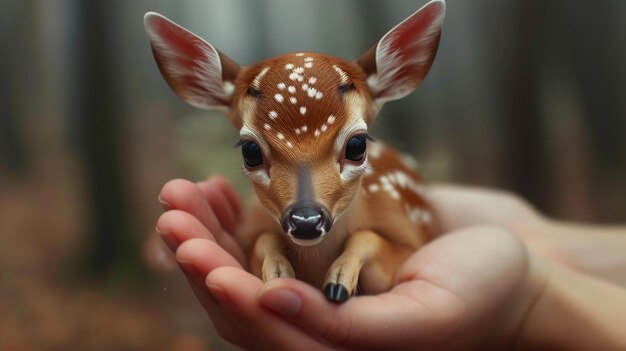
A fawn, in particular, may grow attached to its human caregiver, creating a bond that feels both rare and rewarding. Unlike domesticated pets, having a deer in your life offers the novelty of interacting with wildlife daily.
B. Contribution to Conservation
In certain situations, taking care of injured or orphaned deer can aid conservation efforts. If a fawn is orphaned in the wild, raising it may ensure its survival.
However, ethical considerations must be taken into account, and releasing the deer back into the wild or handing it over to a wildlife sanctuary is often the best option.
C. Aesthetic and Educational Value
White-tailed deer and other species are undeniably beautiful, with their graceful movements and majestic antlers.
Having a deer in your space provides not only an aesthetic experience but also educational opportunities.
Children and adults alike can learn about deer behaviour, biology, and the importance of wildlife conservation by observing a deer closely.
But remember to follow strict ethical considerations, because deer are dangerous
Cons of Keeping a Deer as a Pet
A. Space and Environmental Requirements
Deer, especially wild deer, need large, open spaces to thrive. Attempting to confine a deer to a backyard or small garden is impractical and harmful to the animal’s well-being.
It is costly to recreate their natural habitat, as it requires expansive land and careful landscaping to mimic their roaming environment.
Keeping deer as pets means providing them with ample space to wander and graze, much like you would on a farm.
B.Can you Have a Deer as a Pet? Dietary and Care Needs
Deer have specific dietary requirements that differ significantly from domesticated pets. They need a diet rich in fresh vegetation, grains, and seasonal changes.
To care for a deer you have to ensure they have access to proper food sources year-round, which can become time-consuming and expensive.
Additionally, keeping a deer as a pet requires constant attention to their health, as they can easily fall victim to chronic wasting disease (CWD), a deadly condition affecting deer populations.
C. Behavioral and Safety Risks
As fawn may seem docile and friendly, adult deer can become aggressive, particularly during mating season. Male deer, in particular, may pose a threat to humans and other animals as they exhibit territorial behavior.
The flight response in deer can also lead to injuries, both to the deer and those around them. Their natural tendency to wander increases the risk of accidents, especially if confined in an inadequate space.
D. Can you have a Deer as a Pet?-Health Concerns
Aside from being dangerous, deer are known carriers of various diseases, such as Lyme disease and parasites.
These diseases can be transmitted to humans and other animals, posing a health risk. Pet deer require regular veterinary care, and managing their health involves constant vigilance to prevent the spread of diseases.
Alternatives to Having a Pet Deer
Exotic Pets vs. Domestic Pets
While the idea of having a pet deer may seem appealing, domesticated pets such as dogs, cats, or even goats are better suited for companionship.
Unlike wild animals, these pets have been bred for domestic life, making them easier to care for and safer to interact with. Exotic pets like deer may offer novelty, but they are far from practical for most pet owners.
Find out more alternatives to owning deer as a pet here if you are still not clear with your question, Can you have Deer as a pet?
Considerations for Those Set on Keeping a Deer
A. Ethical Responsibility
Keeping a deer as a pet comes with immense ethical responsibility. As wildlife, deer have complex needs that go beyond those of domesticated animals.
Anyone considering this option must be prepared to provide the best care, ensuring the deer’s physical and emotional well-being.
B. Financial and Time Commitment
If you ever encountered anyone asking you this, can you have a deer as a pet? ask the person if the person has the finances to commit.
The financial and time investment required to keep deer as pets is significant. From building and maintaining a suitable habitat to providing a proper diet and medical care, the costs add up quickly.
Pet deer demand a level of care that many people may not be able to meet, and the commitment lasts throughout the deer’s lifetime.
C. Long-Term Challenges
As a deer matures, its size and behavior change, which can lead to additional challenges. A deer that seemed manageable as a fawn may grow too large or become difficult to handle as an adult.
There may come a point when rehoming the deer or transferring it to a sanctuary becomes necessary due to behavioral issues or the inability to meet its needs.
Conclusion
To sum up, the idea of keeping a deer as a pet can be appealing, but the challenges and ethical responsibilities make it a difficult endeavor. The perfect answer to whether can you have a deer as a pet, depends on the individual and the location.
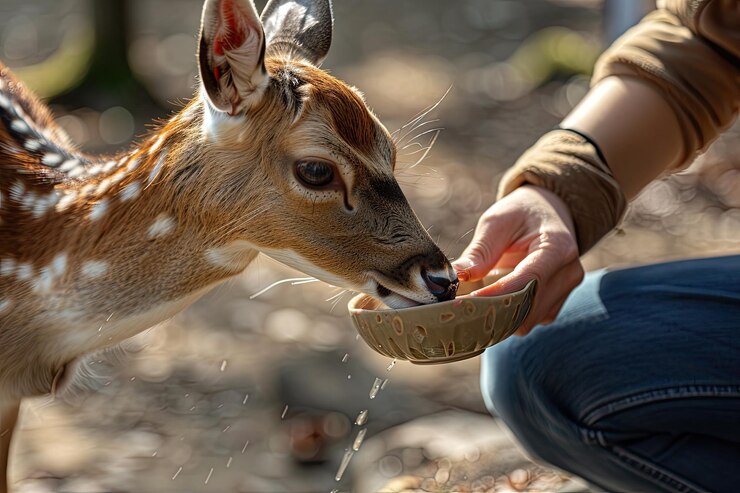
Deer are wild animals, not domesticated pets, and their natural instincts and needs are best met in the wild or controlled environments like wildlife sanctuaries.
If you’re still curious about deer, consider alternatives like wildlife observation, sponsorship, or photography to appreciate their beauty without compromising their well-being.
For more information about deer and ethical wildlife interaction, check out Deer Hunting Gateway.
]]>The answer to this question may vary, depending on what state you are in or which part of the world you find yourself in.
There are strict rules and laws regarding the ownership of wild animals like deer, especially when it comes to their care, safety, and the environment.
Before you make the decision to have a deer as a pet, it’s crucial to understand the complex landscape of regulations and wildlife protection, and get answers to your question, Is it legal to have a deer as a pet?
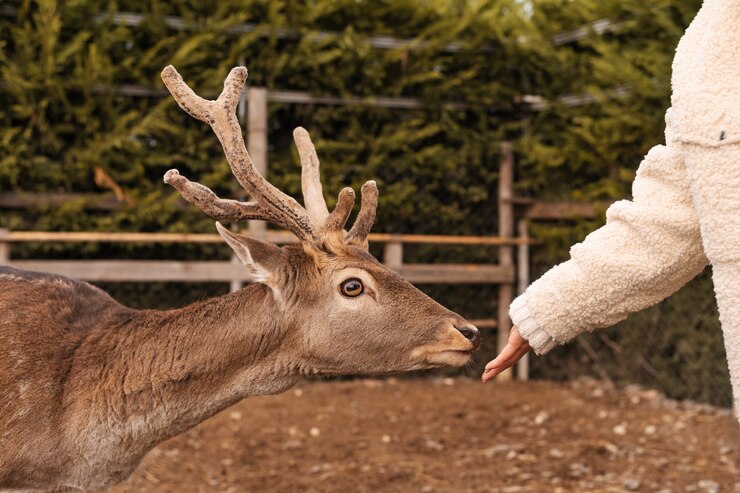
In this article, we’ll break down the legal considerations, provide state-specific rules, and explore the ethical issues of keeping deer as pets.
General Legal Considerations
Federal Laws Governing Wildlife Ownership
In the United States, the ownership of wildlife is heavily regulated by federal laws, primarily enforced by the U.S. Fish and Wildlife Service.
These regulations are designed to protect native wildlife species and ensure their conservation. Under the Wildlife Protection Acts, it is generally illegal to possess wild animals, including deer, without proper permits.
Wildlife Protection Acts
Also, laws regarding keeping deer as pets vary depending on the species. The Endangered Species Act and various state-level wildlife protection laws prohibit the capture and possession of certain species without authorization.
These laws are in place to prevent illegal hunting and trafficking of wild animals, ensuring that populations remain sustainable.
Is it legal to Have a Deer as a Pet? Global Perspectives
When it comes to keeping wild animals as pets, understanding the laws and ethical considerations is critical, worldwide.
Keeping deer as pets is more permissible in some countries, often under strict regulations. For example, in parts of Europe, certain species may be kept with permits.
Countries like the UK and Canada also impose restrictions on owning wildlife to protect native species and maintain ecological balance.
In many places worldwide, similar restrictions apply due to concerns about animal welfare and public safety.
State-by-State Legal Breakdown (U.S. Focus)
In the U.S., laws regarding owning deer as pets vary greatly by state. Many species of deer, like red deer, and white-tailed deer are considered wild animals.
Some states completely prohibit keeping wildlife as pets, while others allow it under strict conditions.
Most states in the U.S. prohibit keeping deer as pets outright. For instance:
- California: Illegal to keep deer as pets.
- Maryland: Prohibits ownership without a special permit.
- Massachusetts: Requires a permit for certain species.
Table 1. Is it legal to have a deer as a pet in the USA? Examples of Deer Legal Status in the USA.
| State | Legality Status |
| Alabama | Illegal |
| Alaska | Illegal |
| Arkansas | Legal |
| California | Illegal |
| Colorado | Legal |
| Florida | Permit Required |
| Georgia | Illegal |
| Idaho | Permit Required |
| Illinois | Illegal |
| Michigan | Permit required |
If you’re considering keeping a deer as a pet, you’ll need to check your state’s specific regulations and possibly acquire a license or permit.
For example, in many states, it is illegal to keep a deer without the proper permits, and failure to comply with these regulations can result in fines or penalties.
You can find the full list of states and their legal status on World Population Review. This will help answer the question, is it legal to keep a deer as a pet.
You can also consult the Department of Natural Resources in your state or visit the U.S. Fish and Wildlife Service website here.
Reasons Deer Ownership Is Restricted
There are multiple reasons why keeping a wild animal as a pet, particularly a deer, is illegal:
- Health Risks
Deer are known carriers of disease that can affect humans and other animals. Chronic Wasting Disease (CWD), for example, is a deadly condition found in deer that can spread through direct contact or contaminated environments.
This disease poses a serious risk not only to other wildlife but also to farm animals like goats and pigs.
- Public Safety Concerns
Deer can be extremely dangerous. Male deer, in particular, can become aggressive during the breeding season, posing a risk to their owners and others.
Keeping deer in captivity can also trigger behavioral issues, making them more likely to cause injury.
- Impact on Ecosystems and wildlife conservation
Keeping wild animals like deer can disrupt local ecosystems. If these animals escape or are released into the wild, they may compete with native wildlife for resources or introduce diseases into local populations.
Ethical Considerations of Keeping a Deer as a Pet
After getting answers to your question, is it legal to have a deer as a pet, Remember to carefully consider the ethics of keeping deer as pets.
Deer are wild animals and not domesticated, and as such, they have specific needs that cannot easily be met in a domestic environment. Keeping them in captivity may cause undue stress and negatively impact their health.
- Animal Welfare
Deer require large, open spaces to roam, graze, and interact with their environment.
Keeping them in confined spaces or attempting to domesticate them can result in poor health outcomes, behavioral issues, and even premature death.
Their dietary needs also differ significantly from domestic animals, requiring fresh vegetation and specialized care.
- Long-Term Care
Deer can live for over 20 years, requiring a long-term commitment to their care. Veterinary costs, proper diet, and habitat maintenance are all factors that must be considered before attempting to keep a deer as a pet.
Additionally, most veterinarians may not have the expertise to treat deer, which can complicate medical care.
Is it Legal to Have a Deer as a Pet?- Alternatives to Owning a Deer
For those who wish to connect with deer, but keep asking yourselves, is it legal to have a deer as a pet? it is good to understand the complications of keeping one as a pet, there are ethical alternatives:
- Adoption or Sponsorship Programs
Many wildlife conservation programs allow individuals to sponsor or adopt deer without keeping them as pets. These programs support the care and rehabilitation of deer in sanctuaries or nature reserves.
- Wildlife Sanctuaries
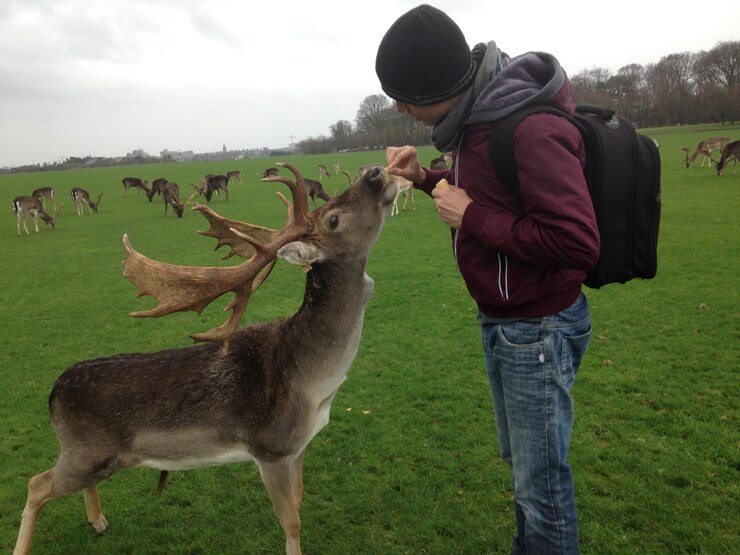
Visiting sanctuaries provides an opportunity to observe deer in a natural environment without the need to possess them. Sanctuaries offer safe, expansive habitats where deer can live freely, and visitors can interact with them responsibly.
- Photography and Wildlife Watching
For animal lovers, wildlife photography and deer watching can provide a fulfilling way to engage with nature without the complications of ownership. Observing deer in their natural habitat allows for a deeper appreciation of their beauty and behaviors.
What To Do If You Find An Injured Or Orphaned Deer
If you encounter an injured or orphaned fawn:
- Legal Steps: Understand that it may be illegal to keep or possess wild animals without proper permits.
- Contact Local Wildlife Authorities: Reach out to your state’s Department of Natural Resources or local wildlife authorities for guidance.
- Avoid Attempting to Keep a Wild Deer: Attempting to domesticate or keep a wild deer can lead to significant stress for the animal and potential legal repercussions for you.
Final words
The answer to “Is it legal to have a deer as a pet?” is highly dependent on your location and the specific regulations of your state.
While some states may issue a permit, most prohibit owning deer as pets due to health risks, public safety concerns, and ethical considerations.
Before attempting to keep any wild animal as a pet, it’s important to research both the legal and ethical implications.
Instead of keeping a deer in captivity, consider supporting wildlife conservation programs or visiting sanctuaries to enjoy these majestic creatures from afar. Always prioritize the well-being of the animals and comply with state and federal regulations.
For more information on wildlife and ethical hunting practices, visit Deer Hunting Gateway.
]]>Grassland inhabiting deer, also known as antelope, are a diverse group of hoofed mammals. They live in open plains and savannas around the world. These adaptable ruminants have evolved unique traits to survive in their grassy habitats.
This article will explore the various grassland deer, their characteristics, preferred habitats, and interesting social behaviors.
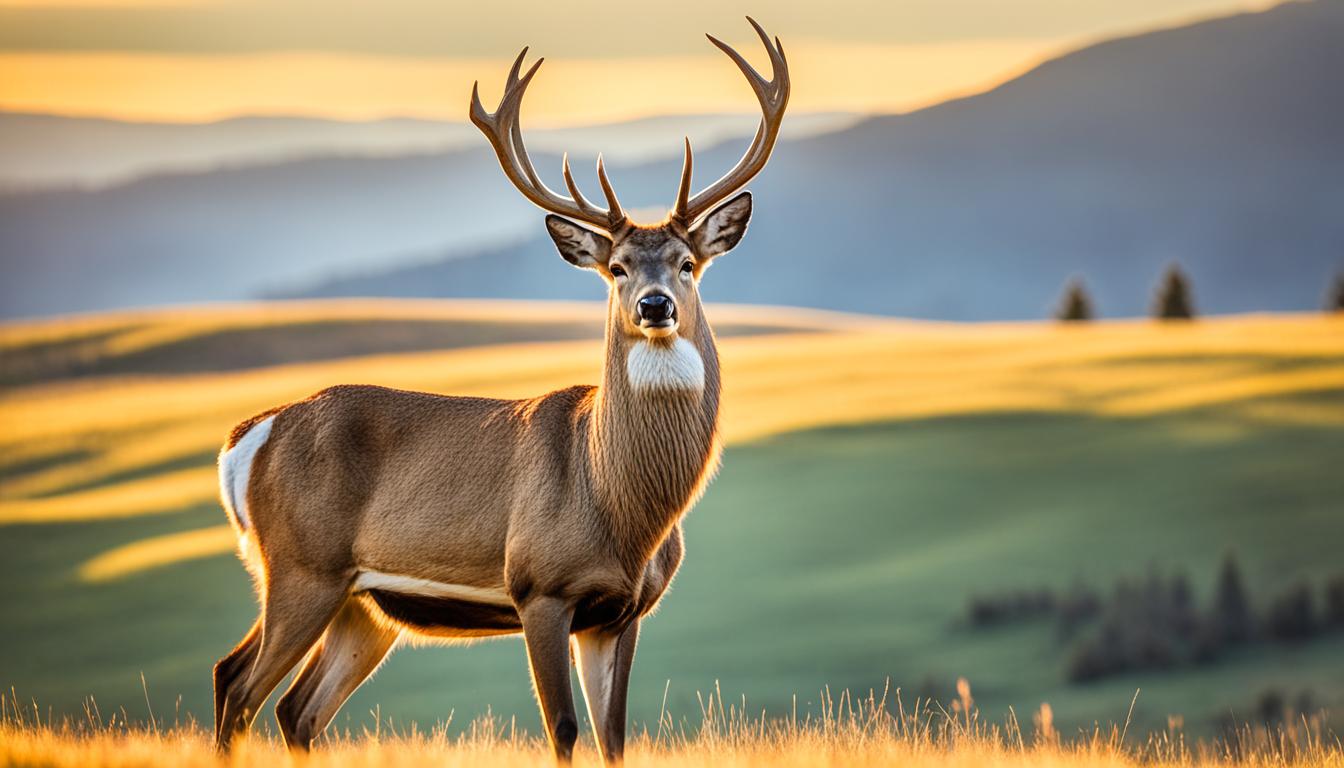
Are you fascinated by the lightning-fast pronghorn of North America, the graceful gazelle of the African savanna, or the elusive impala of the bush? The world of grassland-dwelling deer is full of captivating stories. Join us as we explore the remarkable adaptations and vibrant lives of these magnificent grassland antelope.
Introduction To Grassland Inhabiting Deer
The deer family, known as Cervidae, includes many hoofed, ruminant ungulates found worldwide. They are called “true deer” and are known for their iconic antlers. These antlers are grown and shed every year by most males. While many deer live in forests, a lot have adapted to live in grasslands, prairies, and savannas.
Grassland deer have unique physical traits, social behaviors, and preferences for their habitats. They share a common ancestry with forest deer but have special traits for living in open areas. This makes them stand out.
Deer like the pampas deer, marsh deer, and Andean deer live in grasslands. They are important to the cervidae family and play a key role in grassland ecology. These remarkable deer show how the deer family has adapted to different habitats, from forests to grasslands.
Pampas Deer: The Iconic Grassland Species
In central South America, the Pampas deer (Ozotoceros bezoarticus) is a standout among grassland deer. They are smaller than European deer but have a compact build and plain colors. This helps them blend into their grassy home.
Physical Characteristics
The Pampas deer has a unique 3-point antler structure, like many Asian deer. Their fur is reddish-brown to grayish-brown, perfect for hiding in the grasslands. They are about 3 feet tall and weigh 130-220 pounds, making them medium-sized deer.
Habitat And Diet
These deer live in the open grasslands and savannas of South America, especially in central Argentina’s Pampas. They eat various grasses, herbs, and sometimes woody plants. Their ability to move through the flat, treeless lands lets them thrive in this unique area.
Social Behavior And Reproduction
- Pampas deer live in small groups of up to 20, led by a dominant male.
- They breed in spring and summer, with females having one fawn after 7-8 months of pregnancy.
- Newborn fawns can stand and follow their mothers right away, a key survival skill in the open grasslands.
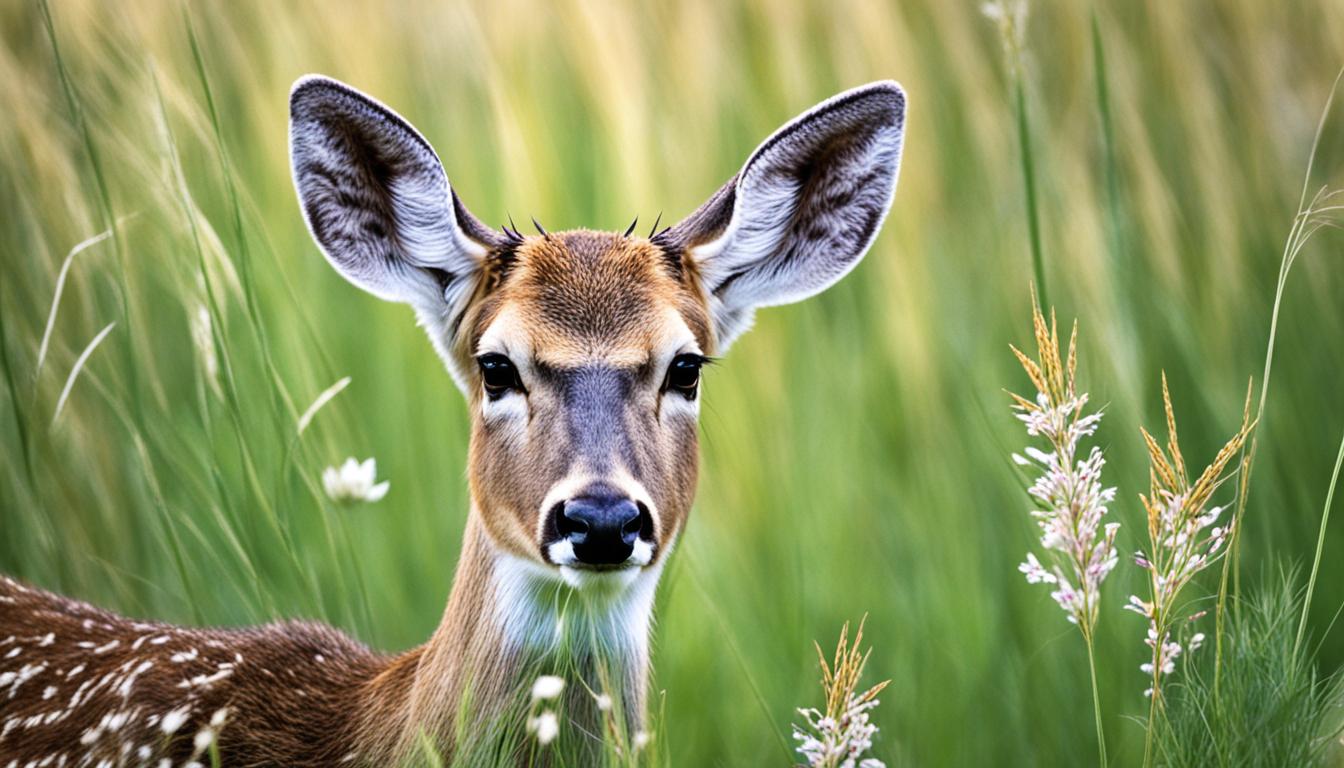
The Pampas deer is known for its unique look, special adaptations, and important role in the grasslands. It’s a symbol of South America’s natural beauty. Protecting this deer is key to keeping the Pampas ecosystem diverse and balanced.
Marsh Deer: Wetland Wonders
In the vast wetlands and tall grasses, a majestic creature roams – the marsh deer (Blastocerus dichotomus). It looks like a pampas deer but has long legs and black lower legs. These features make it stand out. Its antlers have four or five points with a unique design.
Distinguishing Features
The marsh deer is unique among wetland deer. Its long legs help it move through marshes easily. Its dark lower legs contrast with its light-colored body. The deer’s antlers have a special design with multiple points.
Habitat Preferences And Feeding Habits
The marsh deer loves wetland environments. It lives in places like the Pantanal in South America and lush river deltas. These deer eat many types of aquatic plants. They dive into the water to eat the plants that grow there.
Grassland Inhabiting Deer: Species, Behavior, And Habitat
Grassland deer, also known as antelope, live in open plains, prairies, and savannas worldwide. They include pampas deer, marsh deer, and many others like pronghorn, gazelle, and wildebeest. These deer have special traits to live in vast, grassy areas. They have unique ways of eating and living together in groups.
The pampas deer lives in small areas in central South America. Only about 1% of their old home is left today. They eat grass, shrubs, and herbs. They live in small groups and change their behavior with the seasons.
Marsh deer are bigger than pampas deer and love wetlands. They can swim well and eat plants in shallow water. But, their homes are being destroyed by people, making them harder to find.
There are many types of grassland deer, each with its own way of life. Learning about these deer helps us understand how they live in their vast, grassy homes.
Andean Deer: Mountain Marvels
Many deer live in open areas, but two species love the Andes’ mountains. These Andean deer are amazing. They live in tough places in the Andes.
Taruka: The Central Andes Dweller
The taruka lives in the central Andes, from Peru to northern Argentina. It’s an Andean deer that’s great at moving through steep places. It’s perfect for its home in the high mountains.
Huemul: The Endangered Patagonian Gem
In Chile and Argentina, the huemul lives in the southern Andes. It’s also known as the Patagonian deer. This deer is very special and has adapted well to the tough Patagonian land. Sadly, it’s endangered, and people are working to save it.
Conservation Challenges And Efforts
The grassland deer species, like the pampas deer, marsh deer, and Andean deer, face big challenges. Their homes are being destroyed and broken up by human activities. These include farming, building cities, and making roads.
For example, only about 1% of the original pampas deer home is left today. The marsh deer and the endangered huemul are also losing their homes. Their wetlands and mountain areas are being changed and used for other things.
People are working hard to save these deer and their homes. They use new methods like spatial modeling and remote sensing to track changes in the land. This helps them make plans to protect these areas.
The NRCS started a project to help grassland birds in the U.S. Northern Great Plains. Researchers like Niemuth et al. in 2017 made maps to help save grassland birds in the same area.
Conserving private land is getting harder because people use it for different things now. But, there are still efforts to restore habitats and protect deer populations.
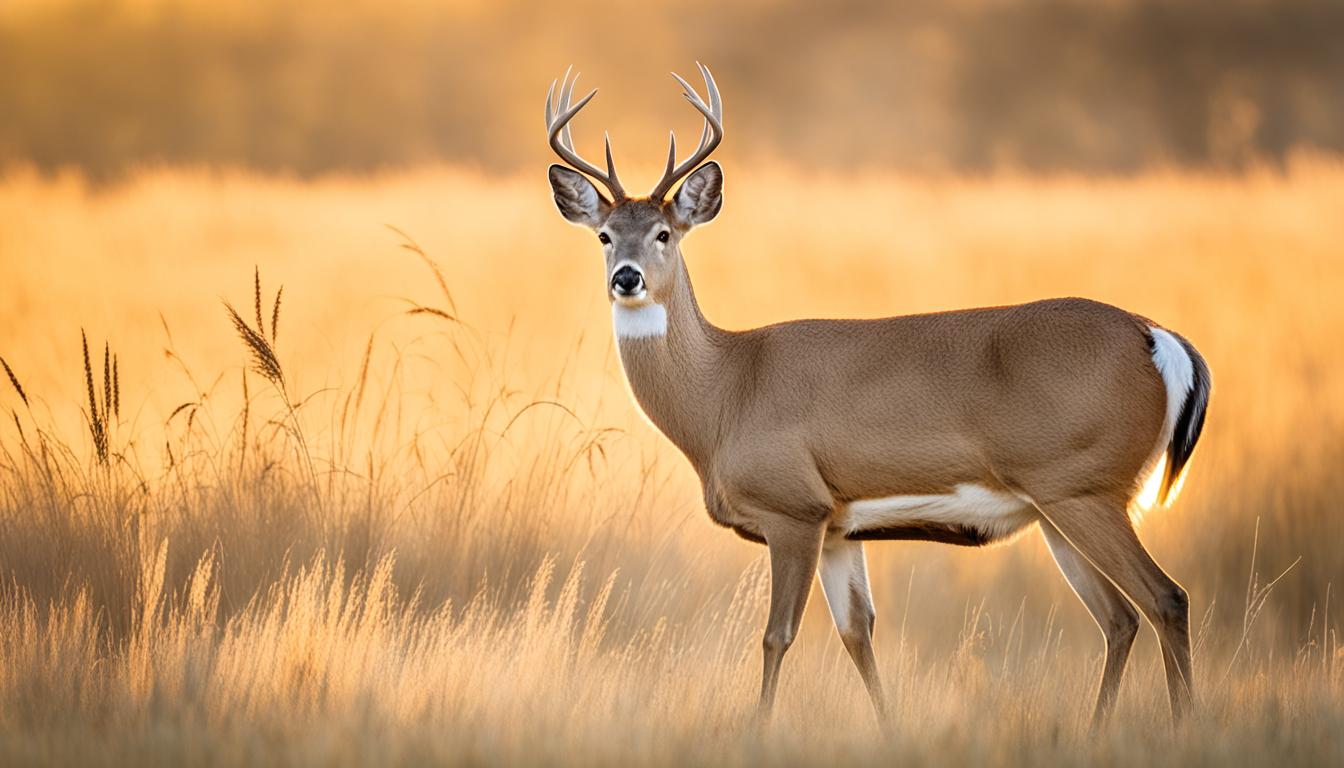
Even with big challenges, there’s hope for saving grassland deer. By stopping the main causes of habitat loss and using smart conservation plans, we can help these special deer live in their natural homes.
Conclusion
Grassland deer are a fascinating group that live in open, treeless areas. They include the well-known pampas deer and the endangered Andean species. These deer have unique traits and behaviors that help them live in their grassy homes.
It’s important to understand and protect these deer because they face many threats. Habitat loss and fragmentation are big problems for them. We need to keep studying and protecting these deer to save them.
By researching and raising awareness, we can help these deer survive. We can learn how deer affect the ecosystem by studying their eating habits and how they interact with plants. This knowledge helps us manage deer in places like farms and forests better.
Protecting grassland deer is important for nature and culture. They are tied to the culture and history of their lands. Keeping these deer helps keep their ecosystems diverse and balanced. By focusing on saving grassland deer, we protect these amazing animals and their homes for the future.
]]>Many homeowners share this frustration. But can you make your yard into a deer-friendly landscape that you and the deer will love?
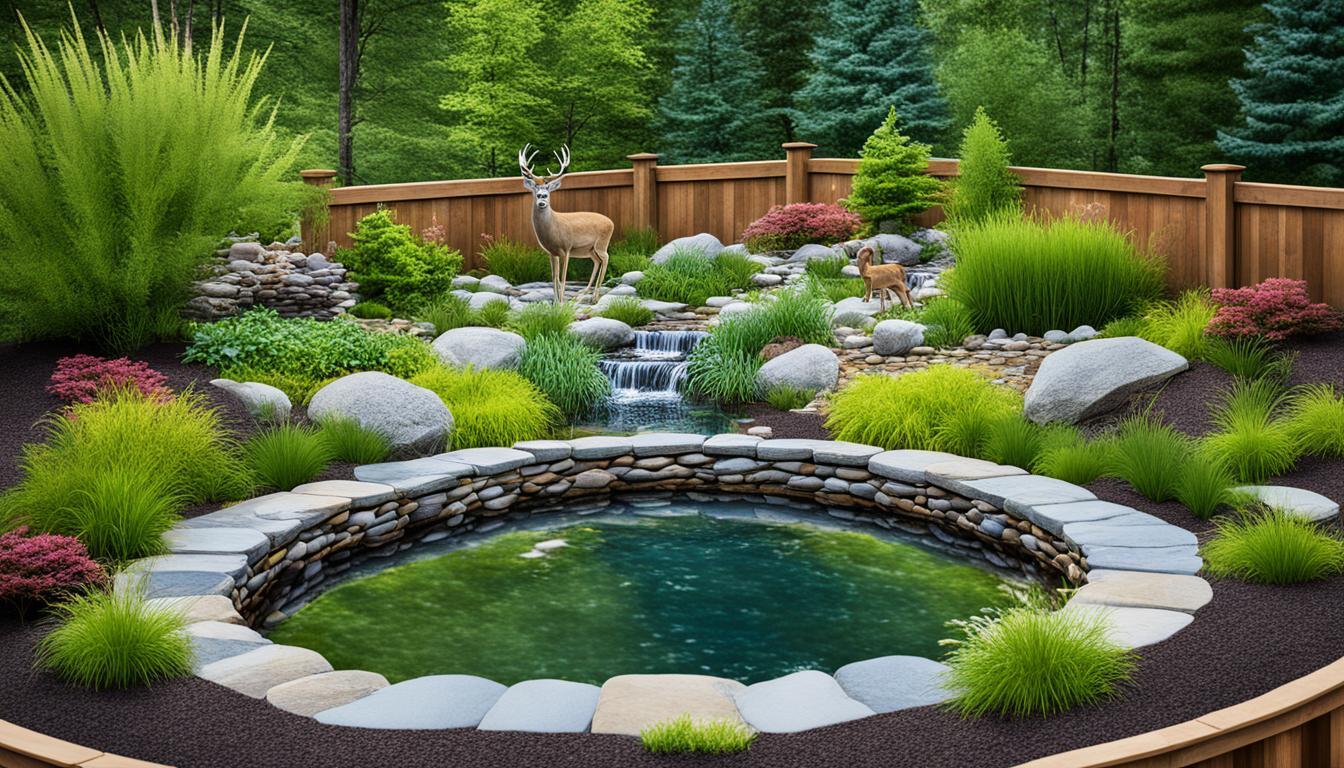
The answer is yes, with the right knowledge and plants. By choosing deer resistant plants and creating a deer-friendly landscape, you can make your yard beautiful and safe. There are many native plants and planting methods to try for a peaceful garden.
Let’s explore how to make your yard safe for your plants and welcoming for wildlife. You’ll learn to turn your yard into a place where plants and animals live together well.
- Understanding Deer Behavior and Habitat Needs
- Deer feeding patterns and preferences
- Natural deer habitats and how to mimic them
- The importance of edge zones in deer-friendly landscapes
- Designing Deer-Friendly Landscapes: Principles and Strategies
- Incorporating Hardscape Elements
- Choosing the Right Color Palette
- Creating Plant Groupings and Layered Designs
- Selecting Deer-Resistant and Deer-Friendly Plants
- Understanding Deer-Resistant Plant Ratings
- Native Plants for Wildlife Support
- Balancing Aesthetics and Deer-Friendly Choices
- Coexistence Strategies: Beyond Plant Selection
- Conclusion: Embracing a Harmonious Approach to Deer-Friendly Landscaping
Understanding Deer Behavior And Habitat Needs
Creating a Deer-friendly Landscape plan starts with knowing their behavior and needs. Deer can live in both rural and urban areas. By understanding their likes, you can make your yard beautiful and safe for deer to stay.
Deer Feeding Patterns And Preferences
Deer have certain eating habits that affect their actions. They like tender, young plants. Knowing this helps to keep deer from eating your plants.
Deer are most active at dawn and dusk. Keep this in mind when planning your garden to minimize deer damage to new crops.
Natural Deer Habitats And How To Mimic Them
Deer do well in diverse places with food and shelter. Creating a deer-friendly landscape makes your yard beautiful, and it mimics deer natural habitats. Mix open areas for eating with shrubs and dense trees for hiding.
This approach helps deer and makes your yard more diverse.
The Importance Of Edge Zones In Deer-Friendly Landscapes
Edge zones, where trees and shrubs meet, are ideal for deer, offering both food and safety. When creating a deer-friendly landscape, consider incorporating these areas to attract and protect deer.
They help deer move around and make your yard look better. Adding these features creates a safe space for deer and keeps your yard beautiful.
Creating a Deer-Friendly Landscapes: Principles And Strategies
Creating a yard that’s friendly to deer doesn’t mean it can’t look great. With designing a deer-resistant garden, you can have a yard that looks good and is easy to take care of. Let’s look at key ways to make your garden deer-proof while keeping it beautiful.
Incorporating Hardscape Elements
Begin your deer-proof garden with hardscape elements. Pathways, stone walls, and patios are great because deer can’t damage them. They also make your yard look neat. Add things like water fountains or decorative containers to distract deer from plants they might eat.
Choosing The Right Color Palette
A good color scheme makes your yard look better and helps pick the right plants. Choose colors that match your home. This makes your yard look better and hides any deer damage.

Creating Plant Groupings And Layered Designs
When creating a deer-friendly landscape, planting in groups makes your garden less appealing to deer, and this protects the plants. Use layered design ideas with different plant heights to hide any damage. This is especially useful in places like New Jersey, where deer are common, especially in suburbs.
- Use taller plants as a backdrop
- Place medium-height plants in the middle
- Edge with low-growing varieties like deer-resistant shrubs.
By following these tips, you’ll make a garden that deer love and looks good. Remember, the best way to keep deer out often involves using several strategies that fit your area.
Selecting Deer-Resistant And Deer-Friendly Plants
Finding the right balance between plants that deer like and those that help keep deer away can be tough. Let’s look at how to pick plants that keep deer away but still support local ecosystems.
Understanding Deer-Resistant Plant Ratings
Rutgers University has a deer-resistant plant list. They rate them from A (rarely damaged) to D (often severely damaged). This guide helps you choose plants that deer are less likely to eat.
Native Plants For Wildlife Support
Native plants like goldenrod and jewelweed feed deer and other wildlife. Woody plants such as staghorn sumac are deer food and spread easily. These plants create sustainable food sources in Wildlife-Friendly Gardens.
Balancing Aesthetics And Deer-Friendly Choices
Mix deer-resistant and deer-friendly plants for a yard that looks good and supports wildlife. Try these tips:
- Use herbs like basil and mint as natural Deer Repellent as deer have a sensitive nose.
- Plant tough, fuzzy-leaved varieties that deer don’t like
- Choose drought-tolerant plants, which are less appealing to deer
- Add some spiny plants as natural barriers
No plant is completely deer-proof. Hungry deer might eat anything. But with smart choices, you can create a beautiful yard that deters deer and supports local wildlife.
Coexistence Strategies: Beyond Plant Selection
Creating a deer-friendly landscape is more than just picking the right plants. It’s about understanding deer behavior and working with nature. By letting natural food grow and turning lawns into meadows, you offer food and shelter for deer all year round. This also makes your garden more diverse.
Deer-Proof Gardening isn’t about keeping deer out. It’s about guiding them through your garden. Here are some tips:
- Let woody plants such as ornamental plants spread naturally
- Create habitat hedgerows for winter shelter
- Plant in drifts of low-growing native species
- Use visual cues of human intention to influence community preferences
Using native plants like mountain mints, Joe Pye weeds, and coneflowers has two benefits. They draw people in and feed wildlife. These plants can also change how the neighborhood looks, which affects garden choices.
Seeing deer as natural pruners for plants like sumac changes how we view gardening. It’s not just about keeping deer away. It’s about living in harmony with local wildlife.
Conclusion: Embracing A Harmonious Approach To Deer-Friendly Landscaping
Creating a deer-friendly landscape means changing how we think about landscaping. Instead of fighting nature, we can live in harmony with wildlife. By learning about deer behavior and using smart strategies, we can make a garden that looks great and helps the environment.
Choosing the right plants is key for a wildlife-friendly garden. Pick plants like lavender, sage, and yarrow that deer don’t like as much. Adding native plants helps local ecosystems too. But remember, “deer-resistant” doesn’t mean “deer-proof” – deer might still nibble on these plants.
Protect your garden with creative ideas. Try using raised beds with high sides or planting things together. Natural repellents like hot pepper spray or certain plants can keep deer away without harming the environment. This way, you get a beautiful garden that meets your needs and helps local wildlife.
Creating a deer-friendly landscape is more than just keeping deer away. It’s a chance to help the environment. Your garden can become a home for many species, making your backyard a richer place. With time and understanding, you can create a beautiful space that welcomes people and wildlife.
]]>