The expensive commercial repellents that smell like a chemical factory? Not really an intriguing choice. You can decide to plant deer-resistant plant varieties in your garden which is also effective but requires time.There are different types of deer repellents but homemade deer repellent essential oils offer a natural, cost-effective solution that actually works.
How about a lesser-known and easy-to-make deer repellent using ingredients that are probably already in your medicine cabinet or spice rack? These three effective essential oils will send deer packing without breaking your bank, and as a bonus, they’ll keep your garden smelling like a spa.
Effective Essential Oils for Deer Repellent
Peppermint
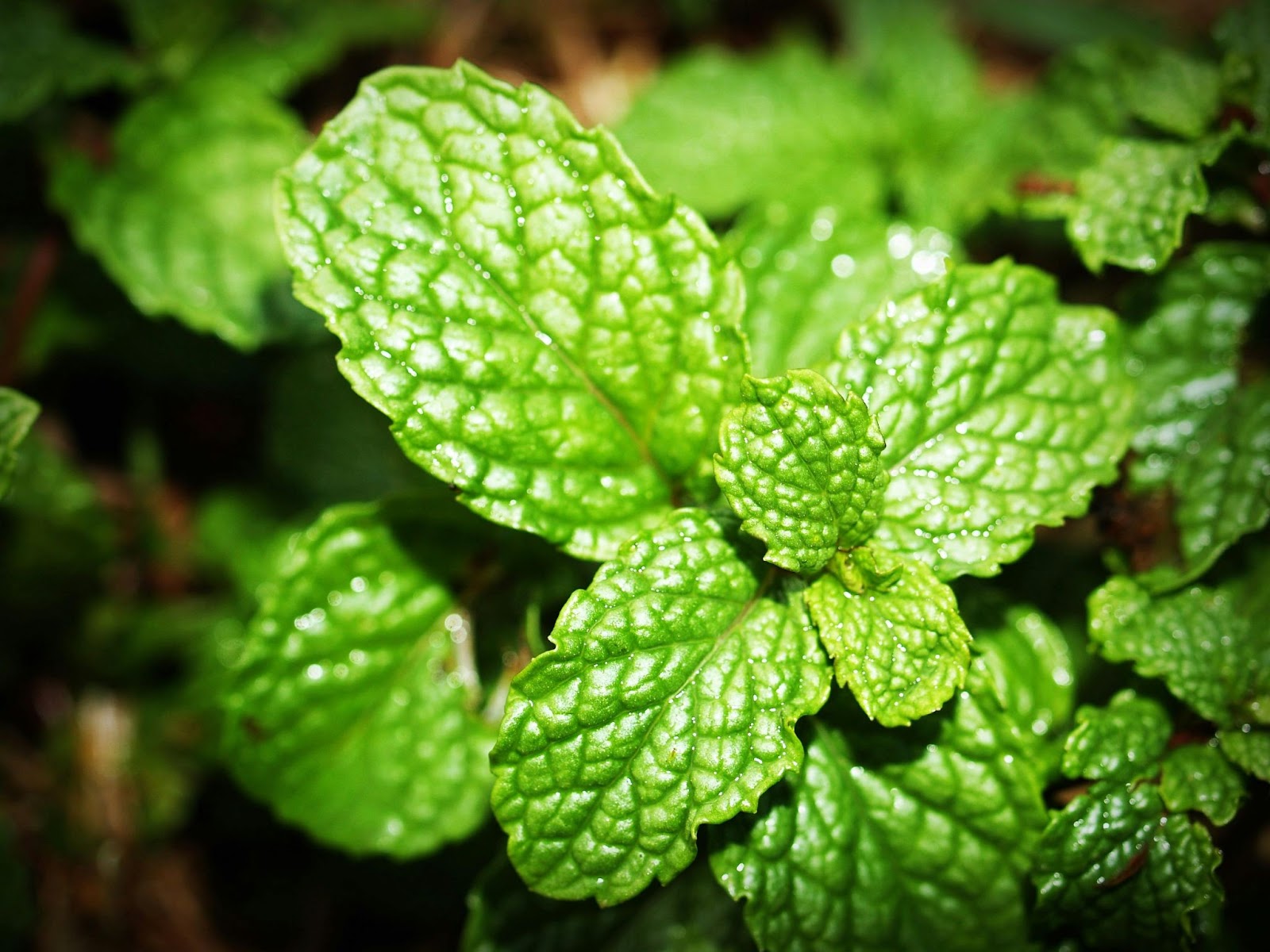
The strong minty smell of peppermint really bothers the deer, and this makes it a very good deer repellent. The good news is that peppermint also keeps mice, rats, and ants away, which is a bonus.
Note that it can be too much for us humans too, so don’t go overboard.
Recipe
What you need:
- 15-20 drops peppermint essential oil
- 1 cup water
- 1 teaspoon vegetable oil (canola, sunflower, or olive oil also works) or liquid soap
- 1/2 teaspoon cayenne pepper (optional but effective)
Procedure:
Method 1 (Vegetable Oil):
- Add the teaspoon of vegetable oil first to the water and whisk vigorously for about 30 seconds until the water gets slightly cloudy.
- Add the peppermint oil one drop at a time while continuing to whisk.
- If you’re adding cayenne, sprinkle it in last and whisk again.
Method 2 (Using Liquid Soap):
- Mix the soap with water until completely dissolved.
- Add peppermint oil drop by drop while stirring gently with a spoon.
- Gently shake before use, not the aggressive shaking the oil version requires.
Application:
- Don’t spray directly on edible plants if you’re adding cayenne.
- Create a scent barrier around your garden beds about 2-3 feet from plants.
- Spray on stakes, rocks, or non-edible border plants.
- Apply weekly or after heavy rain.
Storage:
- Keep your mixture in a cool, dark place and use it within 2 weeks.
- The oils can go rancid after 2 weeks and lose potency.
- Label your bottle with the date you made it.
Lavender

Lavender is pretty decent at keeping deer away, as they’re not fans of that strong floral smell we humans love.
The nice thing about lavender is that your garden will smell amazing, but just a heads-up. It might attract more bees and butterflies to the area, which could be good or bad depending on what you’re going for.
Recipe
What you need:
- 10-15 drops of lavender essential oil
- 1 cup of warm water
- 1 Teaspoon of dish soap (emulsifier)
- Spray Bottle
Procedure:
- Mix the dish soap with warm water first until it’s well dissolved
- Add the lavender oil drops and stir
- Pour into a spray bottle and shake well before each use
Application:
- Spray directly on plants in the evening when it’s cooler. This prevents the oils from evaporating too quickly in the hot sun.
- Focus on new growth since that’s what deer love most.
- Apply every 3-5 days or immediately after rain.
Storage:
- Store in a cool, dark place for about 2-3 weeks.
- Make small batches to keep it fresh.
- Use a dark glass spray bottle if you have one.
Eucalyptus

Eucalyptus is probably your best bet overall. That sharp, medicinal smell really messes with deer’s ability to smell properly, which makes them uncomfortable and likely to move on. It lasts longer than the other oils and bugs hate it too.
But you should be careful about its use around pets. Eucalyptus can be toxic if they decide to lick the treated plants.
Recipe
What you need:
- 12-18 drops of eucalyptus essential oil
- 1 cup of water
- 1 teaspoon of vegetable oil or olive oil
- 1/2 teaspoon of liquid soap (emulsifier)
- 1 tablespoon of rubbing alcohol (helps preserve and disperse oils)
Procedure:
- Add the alcohol and soap to the water first.
- Slowly add in the vegetable oil or olive oil while stirring constantly.
- Add eucalyptus oil drop by drop to create a more stable emulsion that won’t separate quickly.
Application:
Eucalyptus is strong enough that you can apply it in two ways:
- Soaking: Soak cotton balls or old rags in the mixture and hang them around your garden. Replace every 2 weeks.
- Spraying: Focus on the perimeter of your garden and the paths they use to enter your yard.
Storage:
- Store in a cool, dark place for about 2 weeks.
- Make small batches to keep it fresh.
Free Picks: Other Homemade Deer Repellent Essential Oils that work
Deer-repelling essential oils can be found in abundance in your herb garden and spice cabinet in the kitchen. When concentrated into essential oils, these well-known herbs and spices have a potent effect.

Rosemary
Deer interpret this woodsy, piney aroma as a “danger” signal. They link predatory areas with potent herbal scents.
Recipe: Use 12-15 drops rosemary essential oil to 1 cup water to 1 tsp liquid soap.
You can spray directly on edible plants because it’s safe for the majority of vegetables and herbs. Additionally, deer will naturally avoid that entire area if you’re growing real rosemary.
Thyme
Thyme’s sharp, pungent, and medicinal smell confuses deer scent receptors. It is potent and greatly undermined.
Recipe: Use 10-12 drops thyme essential oil to 1 cup water and 1 tsp dish soap.
Thyme oil is one of the longest-lasting options. You might get away with applying only twice a week instead of every few days.
Citronella
It is a lemony citrus scent with subtle wood tones and is used as a fragrance in perfumes, flavoring in food, and as a mosquito repellent. Deer hate it just as much as mosquitoes do. It’s especially effective in humid climates where the scent hangs in the air longer.
Recipe: Use 15-20 drops citronella essential oil to 1 cup water and 1 tsp vegetable oil.
Keeps deer away and reduces mosquitoes in your garden area, which is a win-win for evening gardening sessions.
Clove
Cloves possess a very intense and spicy, almost numbing scent that deer find overwhelming, which repels them.
Recipe: Use 8-10 drops clove essential oil to 1 cup water and 1 tsp soap
Note that it can be harsh on sensitive plants, so test first. Also, don’t use it if you have cats around, as it can be toxic to them.
Cinnamon
Cinnamon is sweet for us but alarming for deer. The warm spice scent triggers their “unfamiliar territory” instincts.
Recipe: Use 12-15 drops cinnamon essential oil to 1 cup water and 1 tsp dish soap
You can sprinkle ground cinnamon directly around plants, too, though essential oil lasts longer and won’t wash away as easily.
Tea Tree (Melaleuca)
Tea tree has a sharp and antiseptic smell, which is a major deer deterrent. However, it is so strong it can burn plant leaves in direct sunlight.
Recipe: Use 10-12 drops tea tree oil to 1 cup water and 1 tsp vegetable oil
Apply in the evening or on cloudy days, and always dilute properly.
Oregano
Wild oregano essential oil has an almost gasoline-like intensity that deer absolutely cannot stand.
Recipe: Use 6-8 drops oregano oil to 1 cup water and 1 tsp soap
Little goes a very long way making it the most potent on this list.
Pine or Fir Needle
This mimics the scent of a dense forest where predators might lurk, and deer avoid this smell.
Recipe: Use 12-18 drops pine/fir needle oil to 1 cup water and 1 tsp dish soap.
It works exceptionally well in fall and winter when deer are already on high alert.
Conclusion & Your Next Steps
The reality is, you don’t need to spend a fortune on commercial deer repellents that smell like a science experiment gone wrong. With just a few essential oils from your local health store or maybe your medicine cabinet, you can create effective, natural deer repellents that actually smell pleasant to humans.
The key to success isn’t just picking the right oil but consistency. Deer are persistent, but they’re also creatures of habit. Keep up with regular applications, rotate your scents every few weeks, and focus on those high-traffic deer areas around your property.
Remember, every garden and deer population is different. What works amazingly for your neighbor might need tweaking for your specific situation. Start with one of the stronger options, such as eucalyptus or peppermint, then adjust based on what you’re seeing.
Ready to Reclaim Your Garden?
Start this weekend. Pick up one essential oil from the list above and make your first batch. Apply it to your most deer-damaged areas and see what happens over the next few days.
Track your results. Keep a simple log of what you used, where you applied it, and how the deer responded.
Share your success. Once you find a combo that works, share it with fellow gardeners. Leave a comment below about which oils worked best in your area. Other readers will appreciate the local insight.
Your plants have been playing defense long enough. Time to go on the offensive and show those deer that your garden is officially off the menu!
What’s your biggest deer damage problem right now? Let us know in the comments and get personalized advice for your specific situation.
]]>