You probably keep asking yourself, is milkweed deer resistant? How can I keep my plants untouched by the local deer population? One of the persistent challenges that gardeners face is the ability to deal with deer.
Milkweed, with its vibrant and aesthetic charm, contains some secret that offers unique advantages with its natural deer resistant properties.
In this post, we shall explore Milkweed deer resistant plants, powerful guides, and solutions to help preserve your garden and enjoy its blossomness.
Is Milkweed Deer Resistant?
Yes, Milkweed is widely known as a deer resistant plant.
Milkweeds are classic American flowers that can make lovely additions to a garden. The plant has a compelling fragrance that makes it easy to attract different species of butterflies.
Milkweed has milky sap that contains bitter and mildly toxic compounds which can deter deer. It has a bitter taste and tough or hairy texture, which also deter deer from consuming them.
Types Of Milkweed That Are Deer Resistant.
Milkweed has many varieties and each one has its own unique traits. This plant is generally not good for foraging animals, here are 3 types that easily deter deer.
1.Common Milkweed.
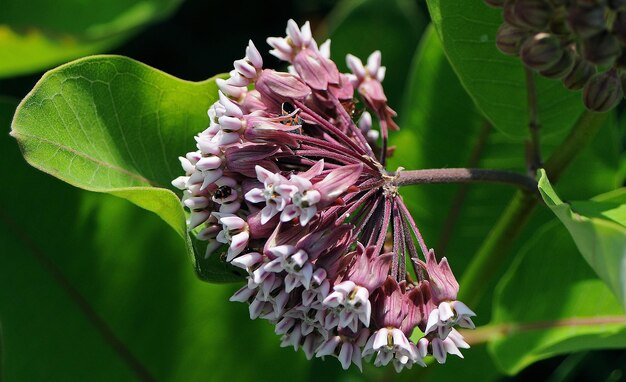
This plant is known as (Asclepias syriaca). Common milkweed is a gorgeous plant that produces purple/pink flower clusters loved by wildflower gardeners and it spreads so quickly.
It is a perennial flower that provides a primary food source for the Monarch butterfly, large leaves for caterpillars and big pink globe-like flowers that provide nectar for the adult butterflies.
Common milkweed has bitter taste and milky sap, and is very rich in toxic compounds which makes it unappealing to deer and able to keep deer away.
It easily attracts monarch butterflies and therefore a good choice for gardeners seeking pollinator support.
2. Swamp Milkweed
Swamp Milkweeds are also known (Asclepias incarnata). They have milky sap and slightly bitter taste which are basically not deer’s first choice.
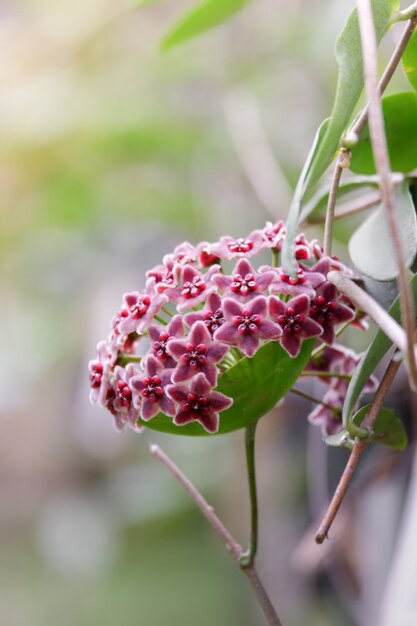
Swamp milkweed excels in moist or wet soils, which makes it a good choice for rain gardens and areas with poor drainage.
These plants are beloved by many for their striking pink flowers and their role in supporting pollinators like butterflies
3. Butterfly weed.
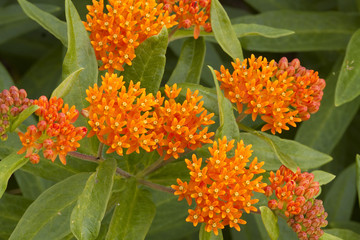
Also known as (Asclepias tuberosa). It is mostly distinguished for its fiery orange blossoms and compact growth habit, it has large, flat-topped clusters of bright-orange flowers
This Milkweed variety lacks milky sap, but then it has tough leaves that deter deer. It is able to grow and excel in dry and sandy soil and its brilliant flowers attract butterflies.
Although, all milkweed varieties have some uniqueness that deter deer due to their toxic compounds. These three above are notable for their effectiveness, especially common milkweed and butterfly weed.
How To Enhance Your Garden Success With Milkweed
Aside from its ability to beautify your garden, milkweed deer resistant plants are not only for deterring deer. It is a powerhouse that supports pollinators and creates a thriving and balanced ecosystem.
If the plant is well integrated, it can improve your gardens’ health and prevent deer intrusion into your garden.
Key Tips For Growing And Keeping Milkweed To Enhance Your Garden Success
- Choose the Right Milkweed Variety
Research milkweed species native to your region, such as Asclepias tuberosa (Butterfly Weed) or Asclepias incarnata (Swamp Milkweed). Native varieties are easier to maintain and attract local wildlife.
- Where to plant your milkweeds
Most milkweeds require good sunlight to thrive well, thus at least 6 to 8 hours of sunlight a day will keep your plants healthy.
Milkweeds are self-seed readily, it is recommended therefore to locate such plants in a part of the garden where you can control their rampant seed spread better.
- Soil
The different varieties of milkweed have different preferences, but then the best soil type for milkweed often depends on its native habitat.
This plant generally will grow well in well-drained and in average garden soil. Swamp Milkweed however, requires moist, humus-rich soil.
- When to plant Milkweed
Always try to plant your milkweed seed outdoors in the fall to give them a period of stratification. This season also allows milkweed pods to open and disperse seeds naturally to support future growth.
However, If you purchase starter plants, plant them in the spring after the danger of frost has passed.
- Spacing
Plant milkweed with adequate spacing to prevent overcrowding and ensure good air circulation, which helps reduce disease risk.
You can plant milkweed in groups of six or more to attract multitudes of monarchs to your garden. Space plants are about 6 to 24 inches apart, depending on the species.
- Watering the Milkweed
These plants normally require some consistent water especially in its early stages to be able to develop and establish roots.
Varieties such as butterfly weed and common milkweed, are drought-tolerant and require minimal watering.
- Milkweed Integration
You don’t just plant only milkweed and expect your garden to be protected. Create a diverse landscape with complementary deer-resistant plants to further enhance your garden’s resilience and beauty. You can review some deer resistant plants and add as many as you want.
Is Milkweed deer resistant now? Find additional information on Plants Addict.
How Milkweed Support Pollinators
There are several ways that milkweed support Pollinators, some are listed below
- Nectar
This plant produces nectar-rich flowers that makes it attractive to bees, moths and butterflies.
- Host plant
Aside from attracting Pollinators, Milkweed is the host plant the monarch butterflies use to lay their eggs.
- Seed Pods
Mostly, Milkweed flowers turn into seed pods that birds can eat, birds like American tree sparrows and finches are likely to eat these seed pods.
Other ways through which milkweed supports pollinators are Pollen and Bumble bees.
Additional Tips for Garden Success
- Companion Planting: Surround milkweed with herbs like sage or rosemary, which emit strong scents that repel deer.
- Encourage Natural Defences: Let milkweed self-seed to create a robust, natural-looking garden that’s less attractive to deer.
- Pollinator-Friendly Practices: Avoid using pesticides that can harm bees and butterflies; instead, opt for organic pest control solutions.
To sum up
Milkweed deer resistant plants are an additional beauty to your garden. It’s a natural ally in keeping deer away from your garden.
By prioritising milkweed and following these best practices, you can cultivate a great, low-maintenance garden that resists deer and fosters a rich habitat for pollinators. The result? A lush, vibrant outdoor space that’s as functional as it is beautiful.
Explore more about the deer lifestyle at Deer Hunting Gateway.
]]>The answer to today’s question, what smells do deer like, lies in simple scents. One of the most critical and successful factors in deer hunting is managing smells and odours that can alarm and spook these elusive creatures.
Although deer hunting requires good skills and patiences, an excellent understanding of the game, especially with factors such as what smells do deer like, is a win for hunters and wildlife lovers.
In this post we shall explore the key smells that deer like and how these scents and be used to lure deer to your yard.
The Science Behind Deer Smelling Abilities
Deer have a good sense of smell which is exceptional and helps them detect and avoid danger. Deer have so many olfactory receptors in their noses that aid them in their sensing abilities.
Deer have an olfactory bulb that’s about four times larger than a human’s. This part of the brain processes scents, with 297 million olfactory receptors in their noses as compared to men with 5 million receptors.
These receptors are designed to help detect smell, the high density of these receptors enable deer to detect a range of odours from a distance.
Top Smells/Scents Deer Like
- Food Based Scent
Naturally, deer like food and are very curious about food sources. Food smell is an answer to our intriguing question, what smells do deer like?
Food related smells can draw deer attention, especially strong-smelling human foods like fast food, strong spices, and cooking odours.
Another alarming food smell is not from the food itself but from preparing it before hunting.
Common food with good scents that attract deer;
Corn: Corn has a sweet and earthy aroma which attracts deer from afar. Corn is a deer nutrient rich food and among the top cereals grains for deer.
Apples: Apples have a sweet and fruity aroma that can travel far and is associated with high energy and water content that allures deer.
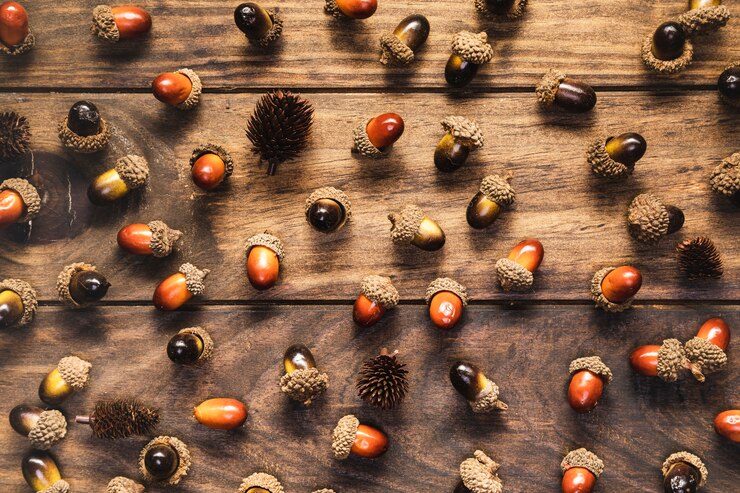
Acorns: Acorns has nutty, earthy aroma that appeals so much to deer
Peanut butter’s: Many deer find is difficult to resist Peanut butter’s rich and nutty aroma
Clover and Alfalfa: These two types of vegetation naturally draw deer. They produce a fresh and green smell which indicates the presence of nutritious foliage that deer enjoy grazing on.
- Flower Scents
Aside from food scents, deer prefer to smell some flowers more than they eat them. Deer are particularly curious about floral scents, although they may not consume these plants, the flower base scent can attract and lure them.
Top Deer Flowers That Best Answer The Question; What Smells Do Deer Like.
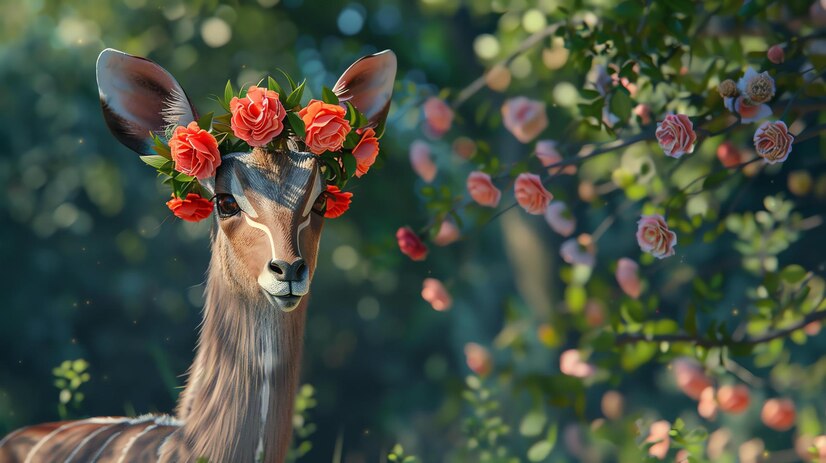
Roses
Roses have a classic sweet that can easily catch deer’s attention. Rose bushes can be tempting and deer may sometimes eat them. Rose fragrance is strong and deer are often more interested in the flower’s scent than the plant itself.
Honeysuckle
The sweet and sugary fragrance of honeysuckle makes it irresistible for deer. Honeysuckle grows in a natural environment and their scents can signal a safe, familiar area.
Lavender
Lavender’s calming and floral scent generally appeals to humans and to attract deer. Deer will slightly eat lavender due to its slightly bitter taste. Its soothing aroma makes it a strategic choice for attracting deer.
Daisies, Clover, and blossoms are other flowers that produce smells that deer like.
- Synthetic Scents
Unlike the other Scents discussed above, these are lab created fragrance designed to replicate the natural smells that attract deer. They are chemically produced scents that mimic food and other natural sources.
Types Of Synthetic Scents That Deer Like Their Smells.
Doe Estrus Scents for Deer
This is a chemically replicated scent that has been engineered to imitate the smell of a female deer in heat. The time when the female deer wants to mate, bucks are very responsive to the scent of estrus in response to mate with the doe.
Musk and Glands scents
Synthetic musks are chemically manufactured and designed to replicate the appeal of the original substance without using material from animals. They are commonly used now to replace historic deer musk in perfumery.
Synthetic musk imitate both doe and buck gland scents
Synthetic Food Based Scents
Just like the food based scents, these are chemically made fragrances that replicate the natural scents of food that deer like.they are available in different forms such as sprays and blogs. Always available for different hunting seasons and scenarios.
- Urine and Musk Scents
For many, Urine may be a surprising answer when they’re looking for answers to what smells do deer like. Urine and musk are key tools in hunting, specifically for attracting deer.
What Kind of urine best fits the question, what smells do deer like?
- Doe Urine: The smell of doe urine is strong and attractive especially during the rutting season. bucks are easily drawn to the scent of females in estrus.
- Buck: Deer, especially bucks, are attracted to buck urine as well. Buck urine is purposely used to indicate the presence of another male deer in the area, the smell will influence dominant bucks to investigate.
- Estrus Blends: Special estrus blends mix urine with estrus hormones, which increases attractiveness for bucks during the mating season.
You can explore this resource for additional deer attractants tips.
How To Attract Deer With These Smells
What smells do deer like, is an essential subject for hunters and deer lovers. It is also essential to know how to attract these creatures with these smells.
| Scent type | How to attract deer with the scent. |
| Food-Based Scent | You can apply food spray around areas where deer feed. Scents blocks or sprays can also be used on vegetation or tree trunks to keep deer coming back |
| Flower-Based Scent | These Scents can be sprayed near trails or on low branches in open areas |
| Urine and Musk Scent | It is effective to apply urine or musk scents to scent wicks, drag rags, or mock scrapes along deer trails |
| Synthetic Scent | These Scents can be used all year round. You can apply them near trails, feeding areas, or scent wicks. |
To wrap up , our question, what smells do deer like, has been answered. It is key to note that, In attracting deer, certain smells, both natural and synthetic are effective in doing that.
Success in attracting deer relies on strategy, patience, and respect for wildlife. By combining well-timed use of scents with thoughtful placement and ethical practices, enthusiasts can improve their chances of successful encounters and also ensure a balanced approach to wildlife interaction. Continue to explore Deer hunting gateway for more hunting tips.
]]>It is essential to know that white-tailed deer’s behavior and its habits can significantly enhance your experience as a wildlife enthusiast or hunter.
But most importantly, white-tailed deer poop can reveal essential clues about a deer’s behavior, movement, diet, and health, which will greatly contribute to your hunting success and put you above the average hunter.
Therefore, if you’re hoping to improve your tracking skills or deepen your understanding of white-tailed deer in the wild, analyzing their droppings will provide crucial insights.
In this guide, we’ll break down five key insights about white-tailed deer poop and their essence to hunters. By the end, you’ll know how to use this often-ignored resource to become a better wildlife observer.
6 Essential Insights About White-Tailed Deer Poop
1. Identifying White-Tailed Deer Poop
Before you can leverage white-tailed deer droppings you need to know what it looks like. White-tailed deer poop typically comes in small, pellet-like droppings that are dark brown or black.
The size, shape, and consistency of the droppings can vary depending on the deer’s diet and season.
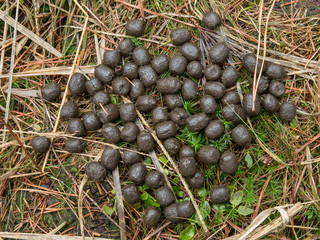
- Size and Shape Clues: In warmer months when deer feed on lush vegetation like leaves and grass, their poop tends to be larger and clumpier. In winter/colder months, their scat tends to be smaller and more compact as deer feed on drier foods like twigs and bark.
- Understanding what deer droppings look like can immediately help you determine if white-tailed deer are in the area. Spotting fresh droppings means deer have been there recently, while older, dry pellets indicate they passed through some time ago.
This simple observation can help you decide where to set up a hunting blind or plan your next wildlife watching trip.
Find out more characteristics of deer poop here.
2. Understanding Diet From White-Tailed Deer Poop
Deer dropping can help you learn a lot about their diet, it can provide you with valuable information about what these animals have been eating.
White-tailed deer have a highly varied diet that changes with the seasons.
- Seasonal Diet Changes: For instance, if the droppings are soft and clumped together, it indicates the deer have been consuming moisture-rich foods like grasses and leaves, which are abundant in the spring and summer.
On the other hand, hard, dry pellets are common during the winter months when deer switch to a diet of woody plants, including twigs and bark.
- Tip for Wildlife Enthusiasts: Observing deer poop in a particular area can reveal their feeding habits and predict their movements..
For instance, softer droppings in an area with abundant fruit trees may indicate that the deer are feeding on fruit there.
This insight can be useful for hunters or anyone tracking deer for photography.
Practical Example: During hunting season, if you find clumped droppings in an area rich with fruit-bearing plants, it’s a good indication that deer have been grazing there.
3. Tracking Deer Movement
Another useful insight from white-tailed deer poop is the ability to track their movement patterns.
When you observe the location and frequency of droppings, you can determine where deer have been and where they might be headed.
- Frequency and Freshness: Fresh droppings are a sign that deer are nearby, and old, dried-out scat suggests they passed through some time ago.
The frequency of droppings can also give an idea of how often deer visit an area, and whether the deer are staying in one place or moving around.
- Pro Tip: Pair this information with other signs of deer activity, such as tracks or rubbed tree bark, to get a clearer understanding of their movement patterns.
- Wildlife Tip: By mapping out the locations where you consistently find deer poop.
As For wildlife enthusiasts you can start to predict the paths deer are likely to take by mapping out locations you often find deer poop, which can be useful for setting up trail cameras or hunting blinds.
4. Health Indicators from White-Tailed Deer Poop
Deer poop also reveals some insights into deer health. Hunters and wildlife enthusiasts should pay attention to the consistency and appearance of these droppings.
Occasional changes in poop consistency can be due to diet changes, but then, persistent abnormalities can indicate health issues.
- Normal vs. Abnormal: Healthy deer poop is typically well-formed pellets. Unusually soft or runny droppings might indicate stress, parasites, or other health issues.
- Disease Indicators: In some cases, abnormal poop can be a sign of diseases like Chronic Wasting Disease (CWD), which is a serious issue for deer populations.
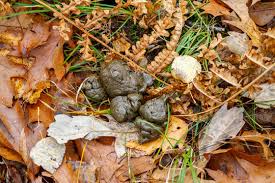
If you come across unusually large amounts of diarrhea-like droppings, it could suggest a sick deer in the area, which is vital information for both wildlife conservation and hunting safety.
Monitoring deer poop in your area can give you a better sense of the overall health of the local deer population and even alert you to potential issues.
But do not rush to make conclusions based on one abnormal-looking sample, pay keen attention.
5. Identifying Prime Habitat Areas and Ideal Hunting Locations
Have you heard of this popular saying from hunters? – Where there’s poop, there’s likely deer.
White-tailed deer tend to defecate in areas where they feel safe and spend a lot of time, so finding concentrated amounts of white-tailed deer poop can indicate a prime habitat.
- Habitat Zones: Areas where you find large amounts of deer poop are often key feeding or bedding areas.
These are places where deer feel comfortable, making them excellent spots for observation or hunting. Where there’s poop, there’s usually deer activity.
- When you combine the evidence of droppings, the observations of food sources, water availability, and cover you can identify the best locations for spotting or hunting deer.
Dense concentrations of poop near abundant food sources are a strong indicator of frequent deer visits.
Final thoughts
In your efforts to understand their behavior, pay keen attention to white tailed deer poop, it offers invaluable resources and information for wildlife enthusiasts and hunters.
When you learn to identify, analyze, and interpret white tailed deer droppings, you can gain crucial insights into the behavior, health, and movement of these graceful animals.
From tracking their diet to finding prime habitats and understanding their overall well-being, deer poop is a key tool for anyone interested in the great outdoors.
Take the time to observe this often-overlooked clue next time you’re out in nature—it just might lead you to your next great wildlife discovery.
We would like to hear from you; Have you ever used white-tailed deer poop to track wildlife? Share your experiences and tips in the comments below!
Check out our article on “How to Attract Deer to Your Yard” for more wildlife observation tips!
]]>Will you be surprised to know that a well-designed and deer-friendly yard can increase your chances of attracting them by up to 80%?
Attracting these animals to your yard is a great way to connect with nature. If you’re a wildlife enthusiast who loves to watch animals or a hunter preparing for the hunting season.
Knowing what attracts deer to your yard can create a space that is attractive to them.
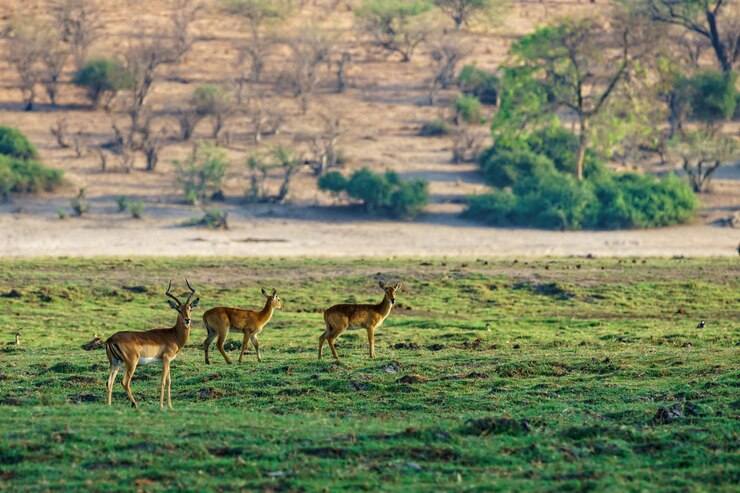
In this guide, I’ll walk you through 9 expert secrets that will help you design a deer-friendly yard, and make it a haven for these majestic creatures.
1. Food Attracts Deer
One secret to attracting deer is by providing food. Deer are constantly on the lookout for reliable food sources, especially during the colder months or when natural food becomes scarce.
- What Deer Eat: Common foods they enjoy include acorns, apples, clover, and even corn. By planting trees that produce nuts or fruit and grasses that grow naturally in your area, you can create a steady food source for them.
- Planting Deer-Friendly Plants: Like Oaks (for acorns), apple trees, and clover plots will keep deer coming back to your yard. You can create bedding areas with tall grasses or thick vegetation if you are interested in natural feeding.
- Food Plots: Planting a dedicated food plot. It’s like a buffet for them! consisting of crops like soybean or clove. This can further boost your chances of attracting deer.
- Be mindful of local regulations, especially when planting food plots, to ensure you’re acting responsibly. Just make sure to check your local regulations on food plots and feeding wildlife.
2.Shelter and Safe Spaces
Aside from the food, deer need safe spaces to rest and hide. By creating natural shelters in your yard, you will provide them with the security they need and attract them to your yard..
- Natural Cover/Habitat: Planting dense shrubs, trees, and tall grasses can offer the protection deer seek.
They prefer areas where they can quickly hide from predators, so incorporating thick vegetation will make your yard feel safer to them.
- Artificial Shelter Options: You can create portable shelters and a small brush pile if you don’t have a lot of natural cover, this will provide deer with a cozy spot to rest.
- Landscaping for Privacy: Deer are naturally shy and will avoid areas with too much human activity. You can create privacy for them by using hedge rows, shrubs, or even a simple fence to block out the hustle and bustle of daily life.
3. Water Sources to Attract Deer
Water is another key element in attracting deer and perfectly answers the question, of what attracts deer to your yard. Just like any other animal, deer need consistent access to fresh water, and providing it can significantly increase your chances of seeing them regularly.
It can be a pond, stream, or even a simple water trough can do the trick.
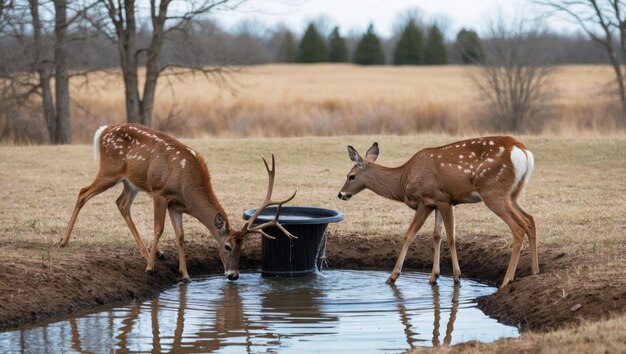
- Water Features: Deer are more attracted to natural water sources like a pond, you can add a small artificial pond or a water feeder to your yard.
- Seasonal Water Needs: Remember, deer’s water needs vary by season. In the summer, they need more to stay hydrated, while in winter, they will seek out ice-free water sources.
- Placement Tips: Position your water source near your food plot or in a quiet part of your yard to make it more accessible and appealing to deer.
4. Keep Your Yard Quiet and Calm
Deer are very sensitive to noise and human activity. If you want to attract them, you have to create an environment where they feel safe and undisturbed.
- Deer and Human Scent: Deer have a remarkable sense of smell, and too much human scent in the area will scare them off. Limit your movements around the spots where you want to attract deer.
- Noise Sensitivity: Loud noises such as barking dogs, heavy machinery, or frequent human presence can deter deer. The quieter your yard, the more comfortable deer will feel.
- Creating a Calm Environment: Deer are attracted to a serene environment that makes them feel at home.
5. Use Deer Lures and Scents
When it comes to what attracts deer to your yard, using deer attractants like doe estrus or salt licks is a proven way to draw deer closer to your property. These natural scents can entice deer to investigate your yard, especially during mating seasons.
- Best Times to Use: Use attractants during the rutting season or when natural food sources are scarce. This is when deer are most likely to seek out new feeding grounds.
The best times to use these attractants are early morning or late afternoon when deer are most active.
- DIY Lure Options: You can create your own lures using things like corn or molasses to attract deer to your yard.
6. Minerals and Salt Licks
Deer need a variety of nutrients, and minerals are key for their health, especially when it comes to antler growth. Providing a mineral block or salt lick will make your yard attractive to bucks.
- Best Salt Lick Placement: Position your salt lick in a quiet, shady spot where they feel safe enough to linger. This attracts them easily to your yard.
- DIY Mineral Sites: You can also create DIY mineral sites by mixing salt with other minerals such as calcium and phosphorus to improve their health. This will give them a reason to return again and again.
7. Forest Edge
One response often given by experienced deer hunters when asked, ”What attracts deer to your yard” is Forest Edge. Deer are attracted to forest edges because they provide food, shelter, and easy access to open areas.
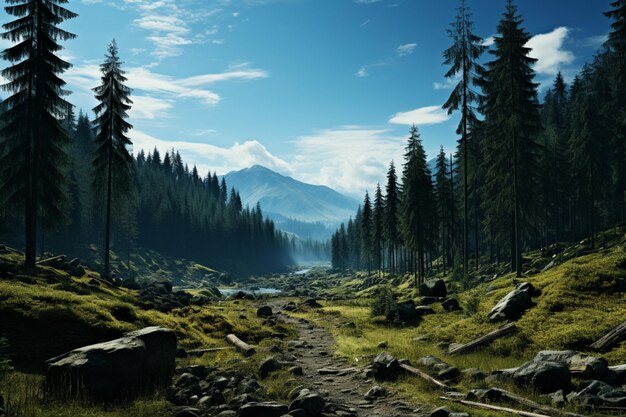
- Deer prefer to travel along the edges of forests where they can quickly dart into cover.
- To mimic this in your yard, create a forest-like edge with tiered vegetation. Hedges, rows of trees, or small clearings can make your yard feel like an extension of the natural habitat, encouraging deer to visit.
8. Manage Yard Design for Deer Attraction
Yard design is one key answer to the question, of what attracts deer to your yard.
Choose a layout that combines food, shelter, and water sources. Strategically plant trees and shrubs to provide cover, and leave pathways open for deer to move through easily.
You can even fence off certain parts of your yard to prevent over-browsing and still allow deer to access their favorite spots.
Creating natural trails and clearings can guide deer directly into your yard, offering a more reliable experience for observing or hunting.
9. Seasonal Adjustments
- Understanding Deer Behavior by Season: During the summer, deer are more likely to roam widely, while in winter, they stick close to reliable food and shelter. Adapt your yard to these seasonal needs.
- Winter Strategies: In colder months, consider providing extra food, like corn, and additional shelter to help deer weather the harsh conditions.
Responsible Deer Attraction and Conservation
As you get answers to your question, what attracts deer to your yard, remember It’s essential to attract these animalsresponsibly.
Check local laws regarding feeding and interacting with wildlife to avoid any legal issues. Attracting deer can also contribute to wildlife conservation by supporting local ecosystems and ensuring they have safe habitats to live in. Read about ethical wildlife management practices.
In Summary
Finally, you just learned 9 expert secrets on what attracts deer to your yard. Attracting these animals to your yard is a brilliant way to engage with wildlife, and it does not have to be complicated.
With these 9 guides, you can create a haven that’s perfect for deer while enjoying the beauty of nature right in your backyard.
Start small, be patient, and enjoy the rewards of a deer-friendly yard that both you and the wildlife can appreciate.
If you’re ready to take the next step, check out more tips on wildlife management and ethical ways to create your own deer sanctuary at Deer Hunting Gateway.
Remember to share your tips in the comments section.
]]>Sharpening your skills with the best deer hunting techniques is a key to bagging that trophy buck and making deer hunting friendly.
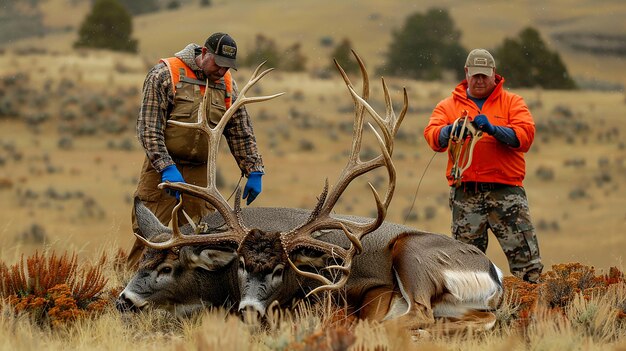
Whether you’re preparing for your first deer hunt or you’re an experienced hunter chasing that elusive trophy buck.
This guide is designed to give both new and experienced hunters practical insights into the best deer hunting techniques that will enhance your skill set.
These techniques not only improve your chances of bagging a deer but also ensure you’re hunting ethically and safely.
This article breaks down nine tried-and-true methods that will help you hone your hunting skills, no matter your level of experience
List of 9 Best Deer Hunting Techniques
1. Understanding Deer Behavior
A hunter’s ability to read deer behavior is fundamental. The more you know about how deer move, react, and perceive their environment, the better you can position yourself for a successful hunt.
Learn the Basics of Deer Anatomy and Senses
Deer are equipped with a unique set of senses that help them evade predators, especially hunters.
Their vision is adapted to detect movement, their hearing is acute, and their sense of smell is their most powerful defense. A deer’s nose can pick up scents from over a hundred yards away, making scent control and wind management critical elements of any hunt.
Daily Deer Patterns
Deer are creatures of habit, often following a predictable daily routine. They’re most active at dawn and dusk, feeding at food sources such as acorns or nearby food plots, and resting in thick cover during the day. It is good to understand this pattern and plan your hunt around peak deer activity.
The Rut
During the breeding season, or rut, bucks throw caution to the wind. They focus on pursuing does, which makes them more vulnerable to hunters.
Learning how to capitalize on the rut—when bucks are less concerned with their safety—can lead to sightings of a mature buck or even a trophy buck.
Weather also plays a role in deer movement. Deer tend to move more during cooler temperatures, overcast days, or when barometric pressure rises.
Downwind hunting is important here—deer rely heavily on their sense of smell, so always position yourself in a way that avoids them catching your scent.
2. Choosing the Right Gear
Having the proper gear is just as important as knowing how to use it. The right equipment can greatly enhance your hunting experience. This can not be excluded from the best deer hunting techniques.
Essential Hunting Equipment
Your weapon, whether a bow or rifle, should be reliable and suited to the type of hunt you’re undertaking.
But beyond the basics, gear like binoculars, a sharp knife, and a sturdy tree stand or ground blind can make a huge difference. A tree stand provides a vantage point and helps you stay above a deer’s line of sight.
Proper camouflage helps you blend into your surroundings, reducing your visibility to the deer. Equally important is staying still and quiet, as deer are quick to notice sudden movements
Choose your gear wisely to optimize your comfort, safety, and success.
You can learn more on the top gear list for deer hunting in my previous articles.
3. Scouting and Tracking
Scouting is one of the most important pre-hunt activities. Effective scouting allows you to locate food sources, bedding areas, and deer trails.
Use trail cameras to monitor deer activity and map out their movements. Pay attention to seasonal patterns—during fall, deer often feed on acorns, while food plots provide excellent feeding grounds in other seasons.
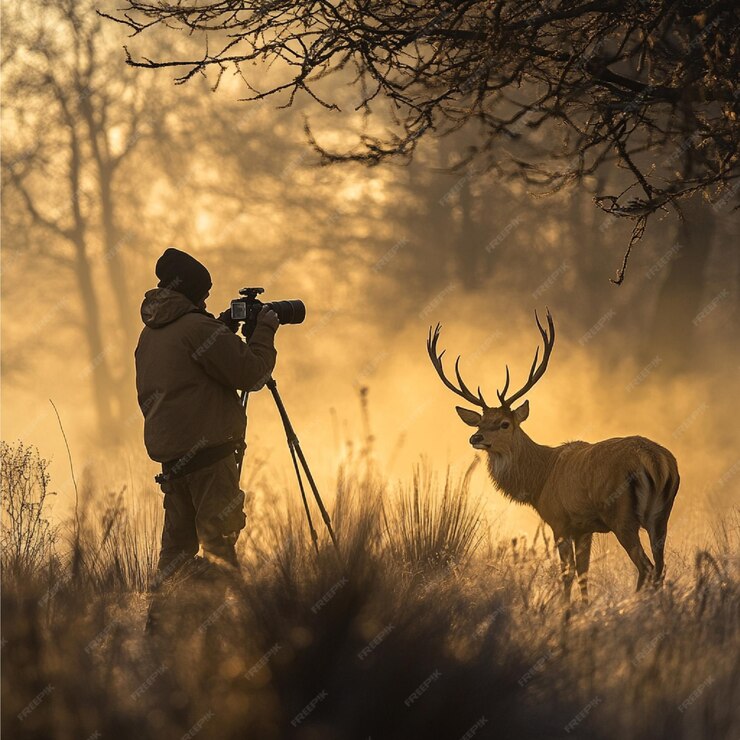
Tracking deer involves looking for key signs like scrapes, rubs, and tracks. Understanding these indicators can lead you to high-traffic areas where deer are likely to be. The more you scout, the better your chances of a successful hunt.
Effective Scouting Techniques
Pre-hunt scouting involves identifying key locations where deer are likely to feed, bed, and travel.
Trail cameras can be an invaluable tool, helping you observe deer activity when you’re not in the woods. Look for signs like deer tracks, rubs, scrapes, and trails to pinpoint prime hunting spots.
Seasonal Movements
Deer movements change with the seasons. As winter approaches, deer gravitate towards reliable food sources like acorns and food plots.
In the pre-rut and rut periods, bucks cover more ground as they search for does, making it a great time to scout and set up in high-traffic areas.
These are some best deer hunting techniques to consider.
4. Stand and Blind Placement
Where you set up your stand or blind can make all the difference between success and failure.
Tree Stands vs. Ground Blinds
Both tree stands and ground blinds have their advantages. Tree stands give you a higher vantage point, allowing you to see farther and stay above the deer’s line of sight.
Ground blinds, on the other hand, provide better cover, especially in areas with sparse trees.
Whichever option you choose, ensure that it’s positioned near deer trails or feeding areas, and always keep the wind in mind.
Choosing the Right Location
Positioning yourself downwind of a deer’s travel route is critical to avoid detection. Pay attention to the wind direction and use it to your advantage when selecting the perfect location for your setup.
5. Wind and Scent Management
Deer rely heavily on their ability to detect scents. For a successful hunt, controlling your scent and using the wind to your advantage are key.
Understanding Wind and Scent Control
Wind direction can either make or break your hunt. Always position yourself downwind of where you expect deer to appear. This way, your scent is carried away from the deer, rather than toward them.
Scent Elimination
Investing in scent-eliminating sprays and scent-free clothing can reduce your chances of being detected. Additionally, using scent lures such as doe estrus or buck urine can attract deer and mask your scent at the same time.
6. Effective Use of Calls and Scents
When it comes to the best deer hunting techniques, calls and scents are key, using them strategically can increase your chances of luring a deer into range.
Deer Calls
Different calls serve different purposes. Grunt calls mimic the sound of a buck, bleats imitate the calls of does, and rattling mimics the sound of bucks sparring.
During the rut, using these calls at the right moment can lure a buck into shooting range.
Scent Lures
Scents like doe estrus and buck urine are particularly effective during the rut. Placing these scents strategically can attract bucks and keep their attention on the lure rather than you.
7. Perfecting Your Shot
This is one of the best deer hunting techniques is; taking a good shot. Preparation is key to ensuring a clean, ethical kill.
Shot Placement
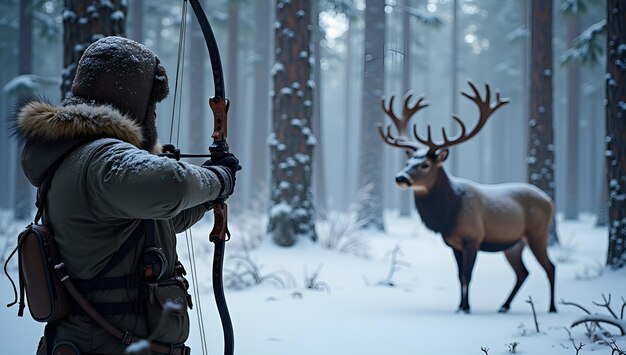
Understanding a deer’s anatomy is essential to making a humane shot. Aim for the vital organs, such as the heart and lungs, for a quick, ethical kill.
Practice and Preparation
Frequent practice with your bow or rifle is necessary to maintain accuracy. Consider practicing from an elevated position, such as a tree stand, to simulate real hunting conditions.
8. Stalking and Still-Hunting
While stand hunting is popular, still-hunting and stalking require more movement and patience.
Stalking Basics
When stalking, move slowly and keep the wind in your favor. Use natural cover like trees and hills to stay hidden. Always approach from downwind to avoid being detected by a deer’s keen sense of smell.
Patience and Timing
Patience is crucial. Waiting for the right moment can often mean the difference between success and failure. Deer are most active at dawn and dusk, so plan your hunts accordingly for the best chances of success.
9. Post-Shot Tracking and Field Dressing
After you’ve taken the shot, the work isn’t over yet. Tracking and field dressing are important steps in the process, it is one of the key best deer hunting techniques.
Blood Trail Tracking
A well-placed shot will leave a clear blood trail. Follow the trail patiently, looking for signs like blood splatter, disturbed foliage, or footprints. Patience is key in recovering your deer.
Field Dressing Tips
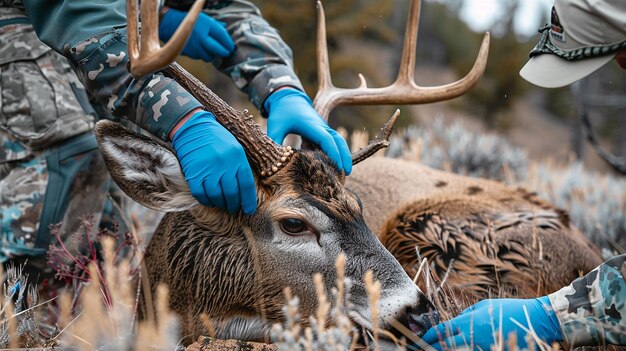
Once you’ve found your deer, field dressing is essential for preserving the meat. Use a sharp knife and work carefully to avoid puncturing internal organs. This step ensures that your harvest is well-prepared for transport.
We can explore more best deer hunting techniques here.
To sum up
Mastering these best deer hunting techniques will not only improve your hunting skills but also ensure that you’re hunting ethically and effectively.
Whether it’s understanding deer behavior, scouting properly, or perfecting your shot, every aspect of the hunt is a chance to improve.
Remember, success comes with practice, patience, and respect for the animals you pursue. So as you prepare for your next hunt, keep these best deer hunting techniques in mind, and you’ll be one step closer to bagging that trophy buck.
Gear up! go and bag that trophy deer with these techniques.
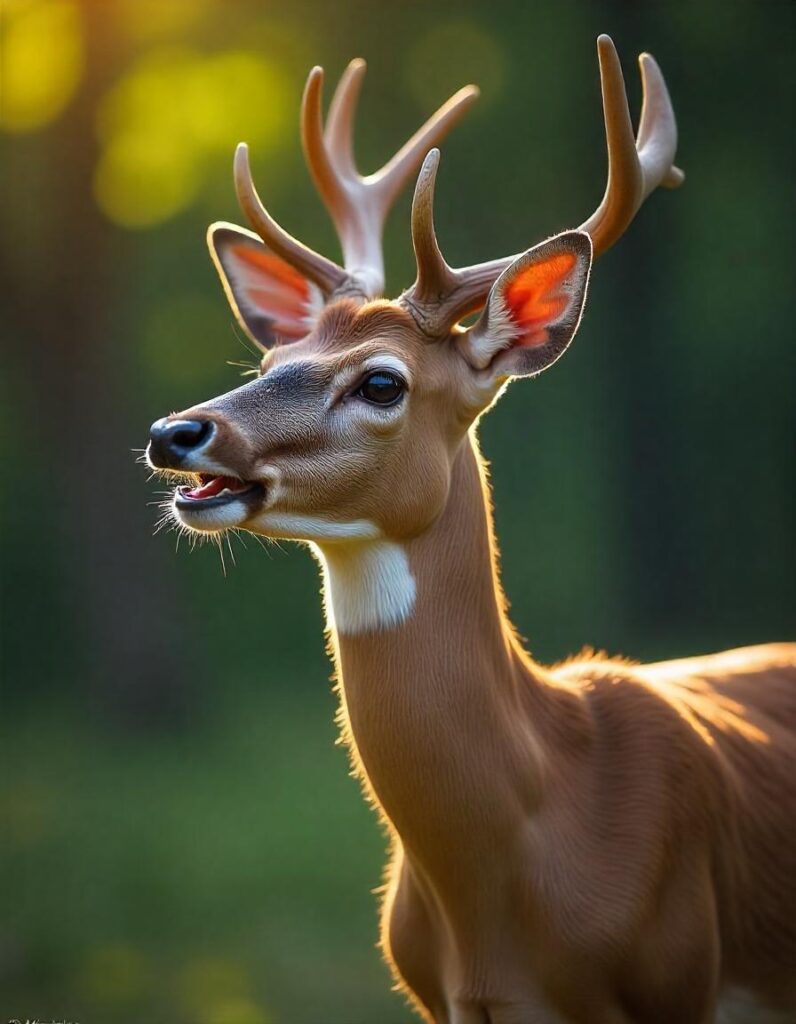
Do deer vocalize? Have you ever found yourself in the woods and heard an unfamiliar sound, only to wonder, “Was that a deer?”
Most people assume deer are silent creatures, but they have a fascinating range of vocalizations that can surprise you.
From grunts to bleats, deer communicate in ways we’re just beginning to understand.
But what are they saying? And why should it matter to hunters, hikers, and wildlife enthusiasts?
In this article, we’ll get into the world of deer vocalizations and uncover the mystery behind these fascinating sounds.
Introduction to Deer Vocalizations
When you picture a deer, you probably imagine a quiet, graceful creature silently roaming through the woods.
But did you know deer make a variety of sounds?
Yes, they do.
Even though they may seem like strong, silent creatures, they have their own unique way of communicating with one another.
Why do Deer Vocalize?
Just like humans use words to communicate, deer use vocalizations to share important information with their herd.
They might be warning others of danger, calling out to their young, or even signaling their presence during mating season.
Deer vocalize to warn predators when they sense danger nearby, attract females during the rut season, and communicate with their young fawns.
Common Deer Sounds and What They Mean
Let’s look at some of the most common deer sounds you might hear and what they mean.
•Grunts: Known as one of the most common sounds bucks make during mating season,
grunts are low, short vocalizations that signal deer dominance or show interest their in a doe.
•Bleats: These are higher-pitched sounds, often made by fawns.
Deer use bleats to communicate with their mothers.
As they grow older, does may use a similar sound to call their fawns.
•Snorts: This sharp, loud sound is usually a sign of alarm.
If a deer catches wind of a predator, they’ll often snort to warn others in the area.
If you hear a snort, it means they’re onto something that may even be you.
Other Deer Sounds You Might Not Expect
While grunts, bleats, and snorts are fairly well-known, other deer vocalizations may surprise you.
These sounds are rare but can be just as meaningful.
They include the following:
•Bawls and Whines: Deer in distress may make a bawling or whining sound.
This usually happens when they’re frightened or hurt. It’s a desperate call that other deer may respond to.
•Bucks’ Roar: During the rut, some bucks will make an aggressive, roar.
This intense vocalization is a sign of dominance, used to intimidate other males or attract females.
It’s not as common as other sounds but is powerful when heard.
Why Understanding Deer Vocalizations Matter
There are enormous benefits to recognizing deer vocalizations for hunters and wildlife enthusiasts alike.
Some of the benefits include the following:
•For hunters: Recognizing different vocalizations can give you clues about deer behavior.
If you hear a grunt, It could mean a buck is nearby, increasing your chances of spotting one.
•For wildlife enthusiasts: Understanding deer sounds adds another layer to your outdoor experience.
You’ll feel more connected to the animals and better appreciate their behaviors.
•For nature lovers: Even if you’re just hiking through the woods, recognizing deer sounds can enhance your experience, making every encounter with wildlife more meaningful.
How to Tune Your Ears to Deer Vocalizations
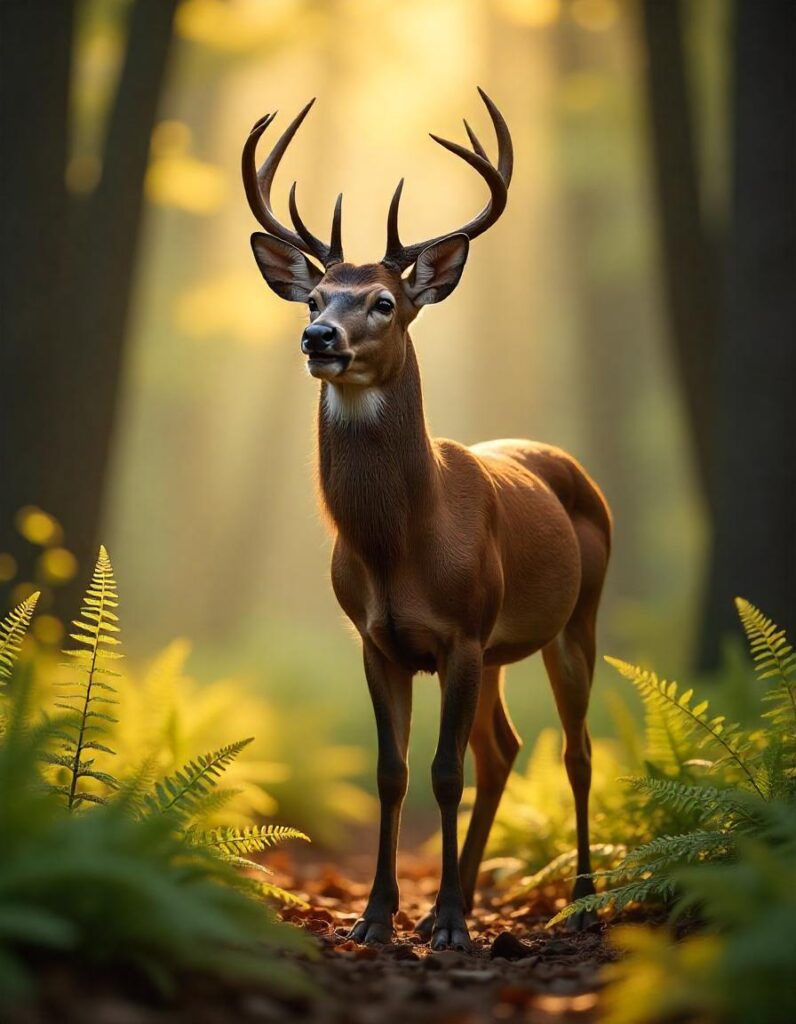
When it comes to recognizing deer vocalizations, you want to sharpen your skills.
Here are a few tips:
•Stay still and listen: Deer are often quiet, so you need to be patient and still to catch their sounds.
Take time to pause during your walks or hunts.
•Pay attention to your surroundings: Paying attention to your surroundings is a great way to tune your ears to deer vocalizations. Sounds may vary depending on the environment.
Wind, trees, and terrain can all affect how you hear a deer.
•Use technology: There are apps and online recordings that can help you learn to identify different deer vocalizations and sounds.
Listening to recordings ahead of time can help you recognize vocalizations in the field.
Conclusion.
Deer may seem quiet, but they have a rich and fascinating language of their own.
From grunts to bleats, these vocalizations reveal much about their world.
And while we’ve come a long way in understanding their communication, there’s still plenty we don’t know.
Who knows what other sounds they might be using that we haven’t yet discovered?
So the next time you’re out in the woods, don’t just watch, listen.
You might be surprised at what you hear.
Are you interested in more hunting tips?
Check out our other articles on our website for expert tips.
]]>While these majestic creatures may look harmless, their attraction to sunflowers goes beyond just a sweet snack—there’s science and instinct at play.
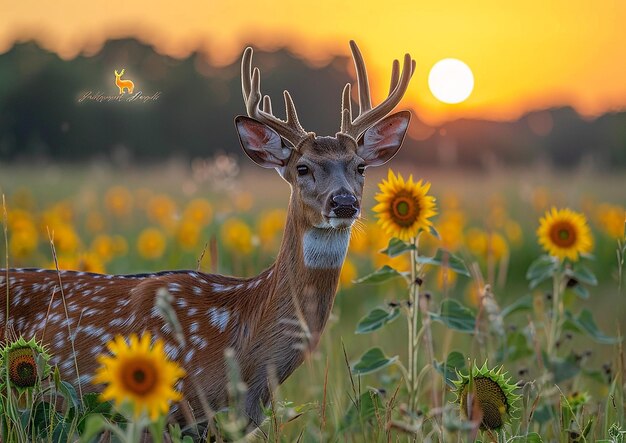
These tall, bright, and energy-packed flowers are a favorite for deer. From their high nutrient value to their water content, there’s more to a deer’s love for sunflowers than meets the eye.
Let’s explore 10 surprising facts that reveal why these majestic animals find sunflowers irresistible. Understanding these facts can help you better coexist with nature and protect your crops.
10 Surprising Facts About why deer eat sunflowers
1. Nutritional Value of Sunflowers for Deer
Deer eat sunflowers because they provide a pivotal source of nutrition for deer. Sunflower seeds and leaves are packed with proteins, healthy fats, and minerals that help maintain a deer’s health throughout the year.
Sunflowers provide essential nutrients for deer, from energy-boosting carbohydrates from the leaves to vitamins from the seeds, especially when other food sources are scarce.
Deer prioritise nutrient-dense food like sunflowers to maintain their health throughout the year, especially during the colder months.
2. Sunflowers as a High-Energy Food Source
The energy-rich sunflower seeds are a powerful food source for deer. They are high in fiber, filled with fats and proteins that help deer maintain their energy levels, particularly during critical periods such as winter and the breeding season.
Much like how deer feed on crops like corn and soybeans, they are naturally drawn to high-energy plants to survive through tough seasons.
If you plant sunflowers in your yard or farm, don’t be surprised to find deer munching on the seeds to store up energy for the colder months.
3. Attraction to Sunflower Scent
One of the most surprising reasons deer are attracted to sunflowers is the plant’s alluring scent, the scent of blooming sunflowers acts as a natural lure for deer.
Both the blooms and seeds emit a fragrance that deer find hard to resist. Just like how birds are drawn to certain flowers by scent, deer’s keen sense of smell draws them to gardens that have an inviting aroma.
This can make sunflower-filled gardens prime spots for deer foraging. On many wildlife forums, you’ll find that gardeners often discuss how the fragrance of sunflowers inadvertently attracts deer to their properties.
4. Water Content in Sunflower Plants
Deer are often attracted to sunflowers for their high water content, especially in regions experiencing dry conditions.
Sunflowers provide a dual benefit: hydration and nutrition, like other moisture-rich plants such as pea or bean crops.
When field areas or natural water sources dry up, deer naturally turn to plants like sunflowers to stay hydrated, making it a key fact abut why deer eat sunflowers.
The high water content makes these plants especially valuable during droughts, helping deer stay healthy when other water sources aren’t readily available.
5. The Tender Texture of Sunflower Stems and Leaves
Deer prefer soft and easy to chew plants over tough ones, and sunflower plants meet this need perfectly.
Their tender leaves and stems are much easier to eat and digest compared to other tougher plants.
Sunflower shoots, in particular, are a favorite for deer because they are soft and full of nutrients. This is why deer often prefer sunflowers over more fibrous plants like certain types of shrubs or grasses.
6. Seasonal Availability and Foraging Patterns
Sunflowers bloom during the summer and fall, coinciding with the time when deer are actively foraging to prepare for the winter months.
Deer have a natural ability to adapt their diet according to the season, often taking advantage of what’s readily available.
Sunflowers become an important food source during late summer when the plants are at their nutritional peak. Just as they feed on crops like corn and soybeans during harvest time, sunflowers also become a prime food source.
7. Opportunistic Feeding Habits of Deer
Deer consume whatever is readily available to them, including sunflowers if they find them nearby wooded areas or wildlife corridors. Deer will take advantage of any opportunity to feed on these nutritious plants.
If you live near a wildlife corridor, it’s almost inevitable that your sunflower plants will be targeted by deer. On online forums dedicated to wildlife discussions, you’ll find countless threads from gardeners and farmers sharing stories about deer raiding their sunflower crops.
8. The Appeal of Young Sunflower Shoots
Young sunflower shoots are highly appealing to deer. These tender and easily digestible shoots provide more nutritional value than mature plants, making them a prime target for deer in the early stages of growth.
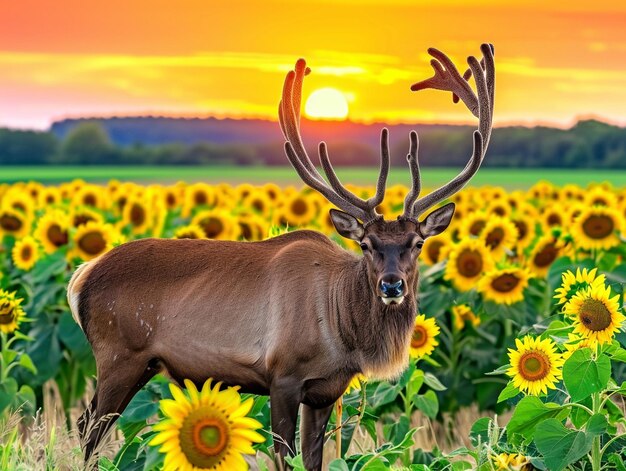
Protecting your sunflowers during these early growth phases is crucial if you want to keep them from becoming deer food.
You can find some guides for creating a deer resistant garden here
9. The Role of Antioxidants in Sunflowers
Sunflowers are rich in antioxidants, which may offer health benefits to deer. Antioxidants help reduce oxidative stress in animals, contributing to overall health and longevity.
While many wildlife enthusiasts on forums may not realize the health benefits sunflowers provide to deer, research suggests that antioxidants play a significant role in why deer are drawn to them.
10. Deer’s Curiosity and Exploration
Deer are naturally curious animals, always exploring their surroundings in search of new food sources. Sunflowers, with their bright yellow flowers, are highly visible and can easily attract deer exploring unfamiliar areas.
Just as deer may be drawn to a food plot in the wild, they’re likely to investigate sunflower gardens and fields out of sheer curiosity. Over time, they may return frequently once they realize these areas offer a nutritious snack.
How to Protect Sunflowers from Deer
Having realized why deer eat sunflowers, if you’re concerned about protecting your sunflower crops from deer damage, there are several strategies you can employ:
- Fencing: Install tall fencing around your garden or farm area.
- Repellents: Use eco-friendly repellents that emit scents or tastes unpleasant to deer.
- Companion Planting: Consider planting other crops like beans or peas nearby that may deter deer.
- Physical Barriers: Raised beds or containers can make it harder for deer to access your plants.
In summary
Sunflowers provide deer with a rich source of nutrients, hydration, and energy, making them a favored food option.
Understanding why deer eat sunflowers helps gardeners, farmers, and wildlife enthusiasts find ways to coexist with these creatures.
From their high antioxidant content to their tender texture and seasonal availability, there’s no shortage of reasons why deer are drawn to these plants.
By implementing strategies to protect your sunflower crops, you can enjoy the beauty of your garden without losing it to hungry deer.
For more tips on how to manage wildlife and protect your crops, visit Deer Hunting Gateway for valuable resources and advice on deer management.
]]>Fallow deer are not only an iconic species but also a rewarding target for hunters. One of the most effective times to hunt fallow deer is during their breeding season, also known as the rut.
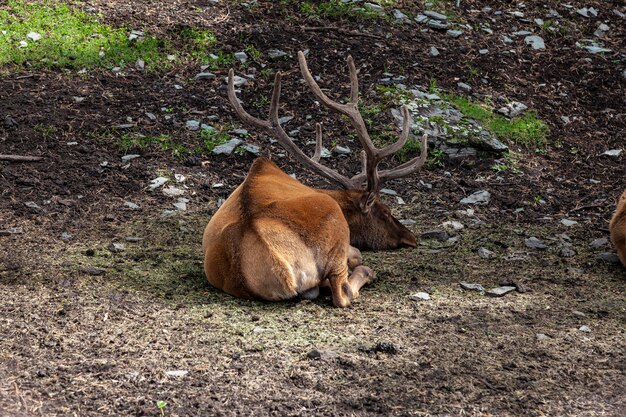
For hunters, knowing the timing, phases, and behaviors of fallow deer during this period can greatly improve their chances of a successful hunt.
In this post, I will explain the timing of the fallow deer breeding season and provide key tips for hunters to take advantage of this crucial period.
What Fallow Deer Breeding Is All About
Fallow deer (Dama dama) are a popular species of deer native to Europe but also found in various regions like New Zealand. Their breeding season, also known as the rut, is a crucial period for hunters.
This is the time when bucks are most active, seeking out ‘does’ to mate and compete for dominance over their territory.
During this season, bucks become highly aggressive, displaying changes in behavior, appearance, and scent, making them more predictable targets for hunters.
The fallow deer is a polyestrous species, meaning females, known as does, can come into heat multiple times if not successfully bred.
A doe typically reaches sexual maturity around 16 months of age, which marks her first opportunity to enter the breeding season. The cycle revolves around the estrous period, when the doe becomes receptive to mating.
When is the Fallow Deer Breeding Season?
The breeding season of fallow deer varies based on the region and climate. However, in most temperate regions, including Europe and New Zealand, the breeding season takes place in the fall.
Typically, it occurs between late September and early November, with some regional variances depending on factors like food availability, climate, and herd structure.
Hunters should be particularly attentive to the onset of the breeding season.
In some regions, the rut may extend into early December or even late September.
- Northern Hemisphere: October to November
- Southern Hemisphere: April to May
The peak activity lasts about 3 to 4 weeks, during which bucks compete for access to the does by establishing territory through aggressive behavior like scraping and thrashing their antlers against trees.
Knowing these general timelines can help hunters plan their trips accordingly. For more specific insights, explore the latest news of deer behavior or resources like Hunt Wise for updates on seasonal changes in your area.
Factors Affecting the Timing
Several factors affect the timing of the fallow deer breeding season:
| Factor | Impact on Breeding Season |
| Climate | Warmer or cooler weather can influence the onset of the rut. |
| Food availability | Well-fed herds experience a stronger and earlier rut. |
| Population Density | More deer in a given area can trigger early rut behavior. |
| Regional Difference | In places like New Zealand, the timing may slightly differ. |
| Health and age of Herd | Younger and healthier deer may experience earlier rutting |
Times and Phases of the Fallow Deer Breeding
The fallow deer breeding season can be divided into three main phases:
Pre-rut
The pre-rut is when bucks start to establish their dominance and prepare for the breeding season.
This phase typically begins in late September and is characterized by bucks marking their territory with scrapes, urine, and antler rubs.
Bucks also begin to shed the velvet from their antlers and engage in sparring with other males.
Peak Rut
The peak rut is the height of the mating season and typically occurs in mid to late October. During this time, bucks aggressively pursue does in heat and compete for access to mate.
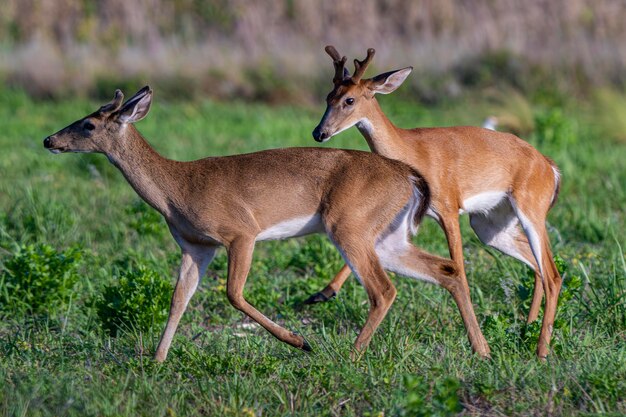
Bucks may lose a significant amount of weight due to their intense focus on breeding rather than feeding. You will see increased activity within the herd during this time.
Key behaviors during this phase include:
- Mating Calls: Bucks emit loud grunts and groans to attract receptive ‘does’.
- Chasing: Bucks will actively chase does that are in estrus, leading to increased movement throughout their territories.
- Sparring: Aggressive interactions between bucks become more common as they vie for dominance.
Post-rut
The post-rut occurs after most of the does have been bred. Bucks start to withdraw from competition and regain their strength.
This phase, in early November, is when the fawns conceived during the rut begin their gestation period, which typically lasts about 7.5 months.
Proven Tips to Identify Fallow Deer During the Breeding Season
Physical Changes in Bucks
During the rut, bucks undergo significant physical transformations. Their necks swell, and their coats darken.
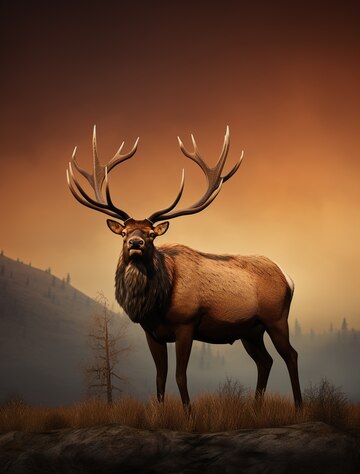
Their antlers become polished after shedding the velvet. Bucks often develop deep grunts and bellows, a vocalization that serves to challenge other bucks and attract does.
Behavioral Cues
Bucks will thrash trees and bushes with their antlers to mark their territory and assert dominance. You’ll also observe bucks scraping the ground and urinating on it to spread their scent.
Doe Behavior
The female deer, or does, display signs of readiness to mate by seeking out dominant bucks. During the estrous cycle, which lasts just a few days, they will allow bucks to approach and mate.
Hunters should look for does in groups, as they often stay together during the breeding season.
Best Hunting Tips and Strategies During Fallow Deer Breeding Season
Timing Your Hunts for Maximum Success
Timing is critical during the fallow deer breeding season. The pre-rut phase is an excellent time to hunt, as bucks are more visible while establishing their territory and engaging in sparring matches.
During the peak rut, bucks are distracted by mating activities, making them more vulnerable to hunters.
Hunting During Different Phases of the Rut
- Pre-rut: Bucks are territorial and still feeding heavily. This is a great time to pattern their movements based on food sources.
- Peak rut: Bucks are chasing does, making this the best time to call or rattle antlers to simulate a challenge.
- Post-rut: Bucks are exhausted and less cautious. This is the time to focus on food sources as they seek to regain weight.
Using Calls and Decoys
During the peak rut, bucks are highly responsive to calls and decoys. Effective use of calls can significantly enhance your chances of attracting fallow deer.
Mimicking Vocalizations: Use grunt calls during pre-rut and peak rut phases to attract nearby bucks.
Strategic Decoys: Position decoys strategically during peak rut; they can entice curious bucks into shooting range.
For tips on using calls effectively, check out resources like Mossy Oak.
Positioning and Stalking Tips
Where you set up is critical. During the rut, bucks are on the move, often chasing ‘does’ through open fields or wooded areas.
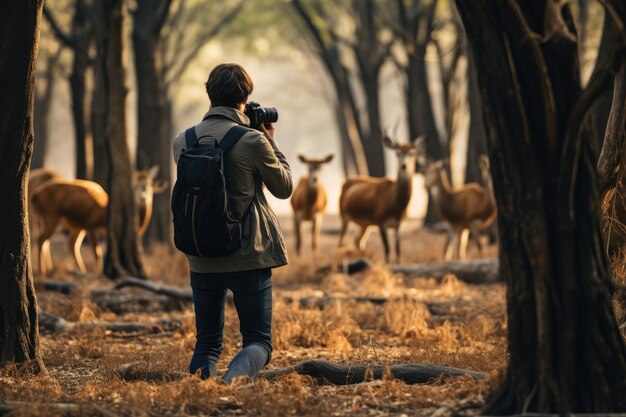
Position yourself along known travel routes or near feeding areas where ‘does’ congregate. Stalking during the rut can be more successful as bucks are more focused on mating than avoiding predators.
To sum up
The fallow deer breeding season offers hunters unique opportunities to track and harvest these fascinating animals.
By understanding the timing of the rut, recognizing physical and behavioral changes in the herd, and adjusting hunting strategies for each phase of the breeding season, hunters can maximize their chances of success.
For more expert tips on hunting strategies, browse our additional resources at Deer Hunting Gateway. Stay informed and prepared for the fallow deer rut to enjoy a productive hunting season.
]]>
What if I told you that the success of your axis deer breeding could come down to just a few critical decisions?
Breeding isn’t just nature taking its course, it’s a science that requires understanding, strategy, and the right approach.
If you have ever wondered what sets a thriving axis deer herd apart from one that refuses to grow, you may want to grab a cup of coffee and get comfy because I have done all the research so you don’t have to.
In this guide, we’ll delve deeper into everything you need to know about axis deer breeding, helping you raise a healthy, thriving herd with confidence.
Ready to take your breeding game to the next level?
Let’s get started.
Understanding Axis Deer Breeding Basics
Before we get into the whole process, it’s important to understand how axis deer breeding works.
Axis deer, also known as chital, are beautiful creatures known for their beautiful spotted coats and grace.
But did you know that they can breed all year round?
Yes, they can.
However, there’s a peak breeding season, usually between May and August, when their reproductive activity is highest.
For successful breeding, it’s important to keep an eye on their reproductive cycle and behaviors, like increased vocalizations and territorial behavior in bucks.
Knowing these basics gives you a strong foundation to build on.
Setting Up the Right Environment for Axis Breeding
A healthy breeding herd starts with the right environment.
Axis deer need plenty of space to roam, clean water, and a nutrient-rich food supply.
Think of their habitat as the foundation for their overall well-being.
Stress, poor living conditions, or overcrowding can negatively impact breeding success.
What is the best time of year to breed Axis deer?
The ideal season for breeding Axis deer typically falls between late summer and early fall.
During this time, the deer are more likely to be in optimal health and condition, which can significantly enhance the likelihood of successful mating.
It is essential to monitor the habitat for signs of estrus in females, as this can indicate the best timing for breeding activities.
Additionally, ensuring that the wildlife in the area is healthy and well-fed will support a successful breeding program.
How can I ensure the health of my Axis deer breed?
Maintaining the health of your Axis deer herd during breeding season requires a multifaceted approach. It is crucial to provide a balanced diet consisting of natural forage and supplements, particularly during harsh weather conditions.
Regular veterinary check-ups are also essential to monitor for any diseases or parasites.
Furthermore, creating a suitable habitat with ample space for roaming and grazing can reduce stress among the herd, promoting overall health and vitality.
What are the nutritional needs of Axis deer during breeding?
During the axis breeding season, Axis deer require increased nutritional support to ensure successful reproduction.
This includes a diet rich in protein, vitamins, and minerals. High-quality forage, along with supplemental feed such as alfalfa and grains can help meet these needs.
It is also important to provide fresh water sources within the habitat to keep the deer hydrated, especially in the warmer months.
How can I manage the genetics of my Axis deer herd?
Effective genetic management is vital for the success of any breeding program. Regularly assess the genetics of your Axis deer herd by keeping detailed records of lineage and performance.
Select breeding pairs based on desirable traits such as size, antler quality, and temperament.
This selective breeding approach can help produce healthier offspring with superior genetic qualities, contributing positively to the overall population of your herd.
What are the signs of successful mating in Axis deer?
Successful mating in Axis deer can be indicated by several signs.
Observing the behavior of the females during the season can be crucial; receptive females often display increased activity, and vocalizations, and may seek out males.
Additionally, the presence of active rubs and scrapes in the forest can signal that males are marking their territory and attracting females.
Monitoring your herd for pregnancies will ultimately confirm successful mating.
How do I create a suitable habitat for Axis deer?
What’s the best habitat for my axis deer?
When it comes to providing the best habitat for your axis deer, think about creating a space that mimics their natural environment. They love open fields interspersed with forest cover.
When it is axis deer breeding season, aim for a mix of grasslands and shaded areas where they can cool off. Also, make sure there’s access to fresh water sources like a small river or pond.
The more you can replicate their natural wilderness setting, the happier and healthier your herd will be!
How often should I check on my herd?
It’s super important to regularly check on your herd during axis breeding.
Ideally, you should be checking in daily to ensure they’re all doing well. Look out for any signs of illness or distress, and make sure they have enough food and water.
During the breeding season, you might want to keep an even closer eye, as this can be a stressful time for them.
Just remember, the more time you spend with your deer, the stronger your connection will be!
What should I feed my axis deer?
Axis deer are grazers and love a balanced diet.
High-quality forage is key! You can provide them with a mix of grasses, legumes, and even some grains.
Make sure you include minerals and vitamins in their diet too. You might want to look into supplemental feeds specifically designed for deer to ensure they’re getting all the nutrients they need to thrive.
A well-fed herd is a happy herd.
How can I tell if my axis deer are healthy?
During axis deer breeding season, keeping an eye on the physical condition is very crucial.
Healthy axis deer should have shiny coats, and bright eyes, and should be active.
Check for any unusual behavior like limping or isolation from the herd. Regular health checks from a vet can also help you track their well-being.
Keeping records of their weights and any vaccinations can help maintain a healthy population!
What are common health issues in axis deer breeding?
Try to replicate their natural environment as much as possible.
Plenty of shade, grazing areas, and shelter from harsh weather can make a big difference.
A stress-free environment means your deer will be more likely to breed successfully.
Selecting and Managing Breeding Stock
Choosing the right breeding stock is key to a healthy axis deer herd.
Look for animals with strong genetics, good health, and a calm temperament.
Bucks with a strong lineage will often pass on those qualities to their offspring, so it’s worth taking the time to select carefully.
Keep in mind the buck-to-does ratio.
A general rule of thumb is to have one buck for every 15- 20 does to ensure effective breeding without overwhelming the buck.
Nutrition for a Healthy Herd
Like humans, a well-balanced diet is essential for a healthy herd in axis breeding season.
Axis deer need a mix of grasses, plants, and grains to thrive.
During breeding season and pregnancy, does will need more protein and minerals to support their growing fawns.
Adding supplements like calcium, phosphorus, and vitamin E to their diet can help prevent common issues like weak fawns or poor milk production.
A solid nutrition plan ensures that both your breeding stock and their offspring stay healthy.
Handling the Breeding Process
When it’s time to breed, introduce your buck and does gradually.
This prevents stress and aggressive behavior, which can interfere with successful mating.
Keep an eye on the herd for signs of mating, such as bucks following does closely or sparring with other males.
The actual breeding process may happen multiple times to ensure success, so monitor your herd closely during this period to spot signs of successful conception, like changes in behavior or increased appetite.
Caring for Pregnant Does and Fawns
Caring for your pregnant does and fawns is a crucial step in ensuring a successful herds in axis deer breeding.
once your does are pregnant, it’s time to shift your focus to prenatal care.
Pregnant does need extra food, water, and shelter to support the growth of their fawns.
Make sure their living space is calm and safe, especially as they get closer to giving birth.
When the fawns arrive, provide a secluded, protected area where the mother and fawn can bond.
The first few weeks are critical for fawn survival, so it’s important to monitor their health closely during this time.
Common Challenges in Axis Deer Breeding
Breeding any animal comes with its challenges, and axis deer are no exception.
Infertility, illness, and injuries during mating season can slow down herd growth.
Regular veterinary check-ups and proper herd management can help you avoid or quickly address these issues.
Make sure your herd is vaccinated against common diseases and parasites, and keep a close eye on their overall health throughout the year.
Maximizing Your Herd’s Growth and Longevity
The ultimate goal of any axis deer breeding program is a healthy, sustainable herd.
This requires long-term planning and regular herd management.
Keep your herd’s genetic diversity strong by occasionally introducing new breeding stock, and make sure their habitat and diet continue to support their growth.
Healthy, well-managed herds can not only thrive but also grow over time, providing you with long-term success in your axis deer breeding efforts.
Monitoring Breeding Progress and Results
Once breeding is underway, it’s important to regularly monitor the herd to ensure the process is progressing smoothly.
Keep detailed records of mating activity, pregnancies, and births.
Tracking this data can help you identify patterns or potential issues, like does that aren’t conceiving or bucks that are underperforming.
By keeping a close watch on the herd’s health and breeding cycles, you can make informed decisions on when to introduce new genetics, when to intervene with veterinary care, or when to adjust the breeding environment.
Regular checks will also help in spotting early signs of any health problems, ensuring that both mothers and fawns are in good condition.
Marketing and Selling Axis Deer
If part of your goal in breeding axis deer is to sell or market them, understanding the demand and positioning your herd appropriately is essential.
Healthy, well-bred axis deer are highly sought after, particularly in the hunting, meat production, and wildlife management industries.
Make sure to highlight the strengths of your breeding program, strong genetics, excellent care, and sustainable herd management.
Building relationships with potential buyers, wildlife preserves, and even exotic game ranches can be a lucrative next step as your herd grows.
Maintaining a reputation for quality will also increase demand and profitability over time.
Conclusion:
Raising a thriving axis deer herd comes down to thoughtful planning, proper care, and ongoing attention to detail.
From selecting the right breeding stock to creating the perfect environment, each step plays a vital role in your success.
By following these tips and strategies, you can confidently manage your axis deer breeding program and ensure the health and longevity of your herd for years to come.
So are you ready to kick off your epic Axis deer hunt in 2024? Look no further than our top-notch outfitter in your hunting location.
This is the ultimate gateway to an unforgettable wilderness adventure, where you can connect with nature and other passionate hunters.
imagine yourself in a cozy camp or lodge, surrounded by breathtaking views and the thrill of the chase.
With these expert tips, you’ll learn all the best techniques for a successful guided axis deer hunt, whether you’re after trophy mule deer or the majestic white-tailed deer.
This is more than just a hunting trip, it’s an opportunity to foster memories that will last a lifetime while practicing responsible hunting and conservation ethics.
Whether you’re experienced or a youth just getting started, you’ll be welcomed into a community of like-minded adventurers.
In this Idaho county, you’ll embark on a pursuit that excites the spirit and promises exceptional hunting experiences.
Don’t miss out on the chance to book your spot in this unparalleled location, where every mile traversed sets the stage for a journey filled with passion and the chance to harvest a truly exceptional trophy.
Many hunters dream of this, so get your license and prepare for an adventure that’s bound to thrill and connect you to the wild like never before.
For more information and tips on everything hunting,
head over to Deer Hunting Gateway. com and check out other articles that can be relevant to you.
Happy hunting!
]]>Having a gear list for deer hunting that’s both reliable and efficient can make all the difference between a productive day in the field and a frustrating one.
It does not just boost your chances of bagging that trophy deer; it ensures your safety, comfort, and overall enjoyment throughout the hunt.
In this post, we are presenting the top gear list for deer hunting, a must-have selection of essential items trusted by experienced hunters.

Whether you’re new to hunting or a seasoned pro, these must-have items will enhance your performance and keep you prepared for anything the wilderness throws at you.
2 Key Importance Of Having The Proper Gear List
- Preparation and Organization
A comprehensive gear list ensures that you have all necessary equipment before heading out, preventing the frustration of forgetting crucial items during your hunt. This maximises your hunting success.
- Safety and Efficiency
Proper gear enhances safety and increases your chances of a successful hunt by ensuring you’re equipped for various conditions and scenarios in the field.
Gear List for Deer Hunting- Essential Items and Tips
1.Clothing and Footwear
The right clothing and footwear are crucial for any hunting trip. Here’s what you need to include in your gear list for deer hunting
- Camouflage Gear
For a successful hunt, consider clothing that blends with your environment. Choose camouflage patterns that match the terrain you’ll be hunting in, whether it’s woodland, snow, or desert.
- Layered Clothing for Temperature Control
Weather conditions can change rapidly in the wild, a proper layering system keeps you comfortable in varying weather conditions. A three-layer system (base, mid, and outer layers) allows you to adapt to temperature fluctuations.
- Hunting Boots
Invest in quality waterproof and insulated boots to keep your feet warm and dry. Look for boots that provide good traction for navigating various terrains.
- Socks and Gaiters
Quality Socks and Giaters are as important as Hunting boots, do not overlook quality socks in your list. Merino wool socks are great for insulation, gaiters help keep debris out of your boots.
Table 1: Recommended Clothing and Footwear for Deer Hunting
| Item | Features to Look For | Top Recommended Brands |
| Camouflage Jacket | Breathable, lightweight, matching terrain | Sitka |
| Layered Clothing | Moisture-wicking base, warm mid-layer | Under Armour, Merino |
| Weather-Resistant Boots | Waterproof, insulated, durable sole | Danner, Irish Setter |
| Socks and Gaiters | Merino wool socks, waterproof gaiters | Smartwool |
Read more about essential clothing for hunters here.
2. Weaponry and Ammunition
Your choice of weapon can significantly impact your success in the field.
Include these essentials in your gear list for deer hunting.
- Rifles or Bows
Deciding between a rifle or bow depends on your hunting style and experience. Each has its pros and cons, but both can be effective if used correctly.
- Ammunition or Arrows
Choose the right caliber or arrow type based on your weapon and the size of the deer you’re targeting. Properly matched ammunition will improve your accuracy.
- Sights and Scopes
High-quality scopes or sights can make a substantial difference, especially for long-distance shots. Invest in reliable optics to improve your precision in the field.
Table 2: Top Weaponry and Ammunition for Deer Hunting
| Weapon Type | Key Features | Top Picks |
| Rifle | Lightweight, accurate, good range | Remington 700, Browning X-Bolt |
| Bow | Smooth draw, good power, accurate aiming | Mathews V3, Hoyt RX-7 |
| Ammunition | Proper caliber for deer size, high velocity | Federal Premium, Hornady |
| Arrows | Durable, sharp broadheads | Easton Full Metal Jacket, Carbon Express |
3. Optics and Rangefinding
Clear vision is critical when you’re out hunting, these items enhance accuracy and improve situational awareness.
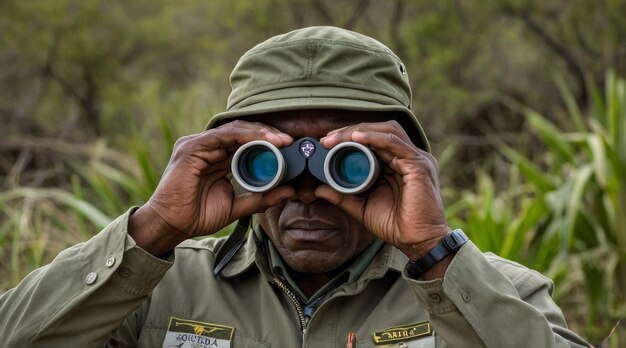
Here are the optics you should include in your gear list for deer hunting:
- Binoculars
High-quality binoculars will allow you to scout deer from a distance and identify any potential threats in your surroundings.
Look for models with good magnification and a wide field of view (8×32 or 10×42 magnification).
- Rangefinder
A rangefinder will help you gauge the distance between you and your target, enabling more accurate shots. This is particularly important for hunters using rifles or bows.
4. Safety and Survival Gear
As a season hunter or a novice, your safety should always be a top priority while deer hunting.
What you should pack in your gear list for deer hunting:
- Hunting Knife
A reliable hunting knife is an essential hunting tool used for field dressing and other tasks during your hunt. Choose one that is sturdy and easy to handle.
- First Aid Kit
Accidents can happen, so a well-stocked first aid kit is a must. Include basic supplies for treating cuts, scrapes, and more serious injuries.
- Fire Starters and Emergency Blanket
Fire starters are necessary for warmth or signalling for help in case of an emergency. An emergency blanket is lightweight and can help retain body heat.
- Compass and GPS Device
A compass and GPS device are important tools, especially in unfamiliar areas, as they help you avoid getting lost in the wilderness.
5. Game Processing and Field Dressing Equipment
You should always prepare for a successful hunt, and proper processing is crucial. Here’s what you’ll need:
- Game Bags
Look for breathable game bags that allow the meat to cool, this is key for transporting deer meat clean and free from contaminants.
- Gloves for Field Dressing
Gloves protect your hands from sharp objects and potential contaminants, when dressing your game.
- Field Dressing Kit
A field dressing kit with essential tools makes processing your game easier and more efficient. Look for kits that include a knife, bone saw, and other useful tools.
6. Backpack and Storage
A good backpack is key to carrying all your gear efficiently. Here are some essentials to include in your gear list for deer hunting:
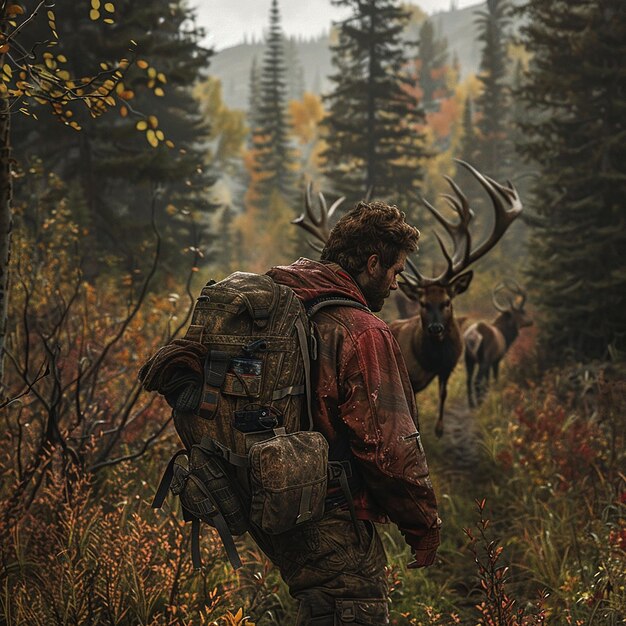
- Hunting Backpack
Choose a backpack designed for hunting. It should be durable, water-resistant, and have enough compartments to store your gear organized.
- Waterproof Storage Bags
Waterproof storage bags are vital for keeping your gear dry, in unpredictable weather. This can prevent damage to essential items during your hunting trip.
7. Scent Control and Calls
Managing scent is vital in deer hunting. Here’s what you need:
- Scent Control Products
Using scent control products can prevent deer from detecting human odors. Look for sprays and other items designed to neutralize scents.
- Deer Calls
Different types of calls, like grunt calls and rattling antlers, can attract deer by mimicking their sounds. Incorporate these into your gear for added effectiveness.
8. Food, Water, and Hydration Systems
Staying hydrated and energized during your hunt is essential. Consider the following a part of your gear list for deer hunting;
- Water Bottle or Hydration Bladder
Staying hydrated is critical, carry a water bottle or hydration bladder that’s easy to access during your hunt.
- Energy Bars or Snacks
High-energy snacks like energy bars are excellent for maintaining stamina. Opt for lightweight, nutrient-dense options.
- Water Purification Tools (Optional)
If you’re hunting in remote areas, consider bringing water purification tools to ensure you have safe drinking water.
9. Hunting Licenses and Documentation
Don’t forget the importance of having your hunting licenses, tags, and necessary permits. Always double-check that you’re compliant with local regulations before heading out.
10. Miscellaneous Must-Haves
Lastly, ensure not to overlook the below items:
- Headlamp or Flashlight
Moving in low-light conditions is key. A headlamp or flashlight will help you see clearly, especially during early morning or late evening hunts.
- Multitool
A multitool can be useful for various tasks during the hunt. It provides several functions in a compact form, making it easy to carry.
Final Thoughts
Having a well-prepared gear list for deer hunting is crucial for enhancing your deer hunting success and safe experience in the wilderness.
Each item listed plays a significant role in improving your performance and keeping you comfortable throughout your trip.
Whether you are a seasoned hunter or just starting, this top gear list for deer hunting covers all the essentials you need to be prepared for whatever the wild throws at you.
So gear up and get ready for a remarkable hunting adventure!
For more resources and tips, visit Deer Hunting Gateway and check out our other guides on deer hunting strategies and equipment.
Enjoy your hunting!
]]>