But can deer eat strawberries? Yes, Deer can be a significant nuisance, damaging your beloved plants and flowers, including your strawberries.
If you’re a gardener who wants to protect your strawberries, then deterring deer from your garden should be a topic of concern. To do that, understanding deer’s habits is key.
And so keep reading as we delve into the truth about deer and strawberries, we shall provide you with insightful tips to keep your garden thriving.
Can Deer Eat Strawberries? Why And Why Not.
Deer has a diverse diet where vegetables and fruits are included. Strawberries are a particular favorite due to their sweet flavor.
It can be argued that strawberries are not deer’s primary source of food and deer’s consumption of it depends on circumstances.
But then it is key to know as a gardener that these plants, with their sweet and juicy berries, can be a tempting treat for deer, especially during the growing season.
Deer are opportunistic feeders and will sample a wide variety of plants, especially in areas where their natural food sources are limited.
Why Will Deer Eat Strawberries
Deer can eat strawberries based on some nutritional and situational factors as below:
- Natural Sugars: Ripped strawberries are very sweet, and deer naturally are attracted to sweet flavours because sweet food provides deer with a quick energy boost.
- Vitamins and Minerals: Strawberries contain vitamin C, antioxidants, and small amounts of nutrients that are essential for deer, this can attract deer and make them eat them.
- Hydration: Strawberries have high water content. And with this content, strawberries can help quench deer’s thirst during dry seasons.
- Seasonal basis: When other vegetation is less abundant, most especially, during late fall or winter, deer can easily venture into gardens for food and strawberries can be a target.
- Easy Access: Strawberries grown in open gardens without barriers can tempt and lure deer to consume them.
- Ripe Fruit Availability: Ripe strawberries have a good scent and bright colour which can draw deer, especially if they’re in close proximity to deer trails or habitats.
- Habitat Overlap: Gardens near wooded areas or fields frequented by deer are prone to experience strawberry theft.
Why Will Deer Not Eat Strawberries?
Although we answered “YES” to our question, can deer eat strawberries?. The circumstances below can still prevent deer from eating strawberries
1. The availability of Preferred Food Sources
Deer being opportunistic feeders have preference for more readily available and palatable plants. They will prefer tender grasses, clovers, or other fruit over strawberries. If these food sources are readily available, they may bypass strawberries altogether.
2. Unripe or Poor-Quality Strawberries
Deer are mostly attracted to ripped strawberries for their sweetness and fragrance, unripe strawberries lack the sweetness and fragrance that might attract deer.
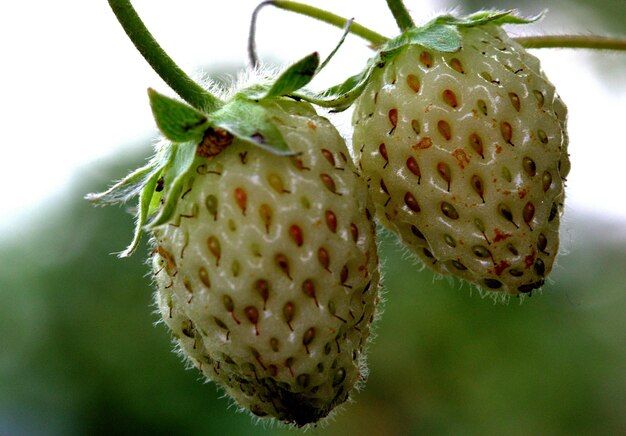
Similarly, damaged or spoiled fruit may not appeal to them. And deer will turn away from such strawberries.
5.. Human or Pet Presence
Naturally, deer are cautious animals. Frequent human activity or the presence of pets in and around your garden can deter them from venturing close to nibble on strawberries.
5. Fencing or Other Physical Barriers
Deer will hardly access strawberries in gardens equipped with deer-proof fencing or netting. This will discourage them from attempting to eat them.
6. Seasonal Factors
During times when alternative vegetation is plentiful (like in spring or early summer), deer might prioritize other more easily accessible plants over strawberries.
Signs To Show That Deer Is Eating Your Strawberries
Are you suspecting that deer is feasting on your strawberries, after getting an answer to the question can deer eat strawberries? Find out with these 3 telltale signs.
- Hoofprints and Trails
- Hoof Marks: Deer leave behind distinctive, cloven-shaped hoofprints in soft soil or muddy areas around your garden which are typically heart-shaped and about 2 to 4 inches long.
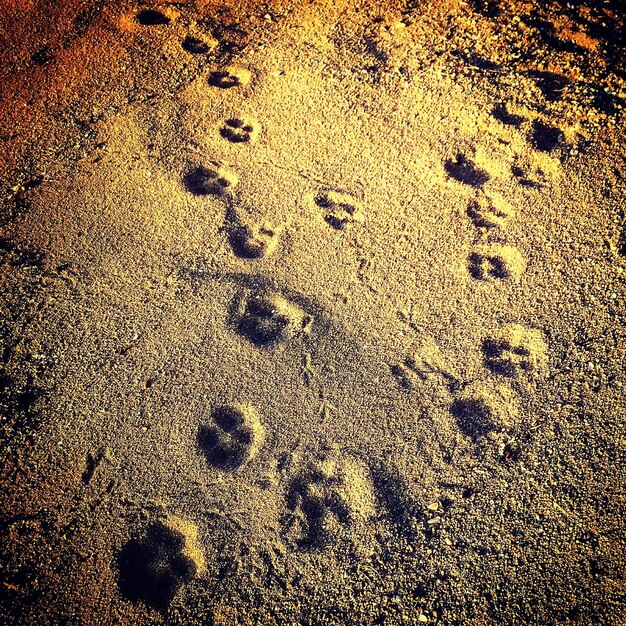
If you notice these prints in the soil or mulch near your strawberry beds, it’s a strong indication that deer have been in the area.
- Paths or Trails: Over time, deer create worn paths as they travel to and from feeding spots, this will often lead directly to your strawberry beds.
2. Nibbled or Damaged Plants
- Cleanly Nibbled Leaves or Fruit: Deer tend to bite off If you see parts of your plants bitten in a neat, angular fashion then it’s suspected to be deer. They do that due to their lack of upper front teeth.
- Missing Strawberries: If you notice ripe or unripe strawberries consistently disappearing overnight, deer may be the culprits.
- Broken Stems or Trampled Plants: Deer can knock over or crush surrounding plants in their effort to reach the strawberries
3. Droppings Near Strawberry Beds
Another telltale sign of deer presence is their droppings
- Pellet-Shaped Droppings: Deer droppings are small, round, and pellet-like, often found in clusters near areas they frequent.
- Fresh Droppings: The presence of fresh droppings can indicate recent deer activity in your garden.
How to protect your strawberries from being eaten up by deer.
After getting an answer to our question, can deer eat strawberries? Which is a yes. It might sound like a challenge g as to how you can protect your strawberries from being eaten up by deer.
Here are some effective strategies to do that.
- Netting
This can be a very effective way to protect your plants from birds and larger mammals like deer. Make sure the netting is secure so that animals cannot lift it or crawl underneath it.
- Fencing
A fence around your garden can deter deer. Surround your strawberry pitch with a fence that is at least 8 feet tall, this can help to effectively keep deer out.
You can as well consider using woven wire or stock fencing, as deer are excellent jumpers.
For effective fencing knowledge, explore article; “All you need to know about deer jumping over a fence”
- Natural repellents
You can also protect your strawberries from being consumed by deer by planting strong-scented companion plants around their patch. You can plant, Garlic and Marigolds. The pungent smell of garlic is unappealing to deer and can easily prevent it from coming to your garden.
Marigolds on the other hand also emit a scent that repels deer.
- Strategic Garden Layout
- Hedge Rows and Shrubs: Plant dense hedges or thorny bushes around your strawberry patch. This makes it harder for deer to access the plants, while adding extra protection.
- Elevate Strawberry Beds: Raised beds or containers can make it more challenging for deer to reach your strawberries, especially if you add a protective barrier around them.
To end it all,
Can deer eat strawberries? Yes, deer can eat and enjoy strawberries. They are opportunistic feeders fondly fond of strawberries due to their sweetness, hydration benefits, and nutritional value. As much as these creatures have diverse diets and can challenge your strawberries and other fruits and vegetables, you can still protect your plants from them. The strategies can help you, using natural deterrents, such as strong-scented companion plants, as well as physical barriers like netting or fencing.
This will help your garden to flourish even amidst the challenges of wildlife intrusions.
You can read more on what animals eat strawberries and how to protect them.
]]>A well-constructed hunting camp is fundamental to ensure a comfortable and successful hunt during every hunting season.
When hunting season arrives, A well-planned and constructed hunting camp provides comfort, safety, and a communal space for hunters to bond and strategize. This allows them to focus on the thrill of the hunt and create lifetime memories.
A hunting camp serves as a base of operation for hunters, offering a place to rest, prepare, and share stories.
Unlike a simple hunting cabin, which may be more permanent, a hunting camp can be more flexible and tailored to your specific needs.
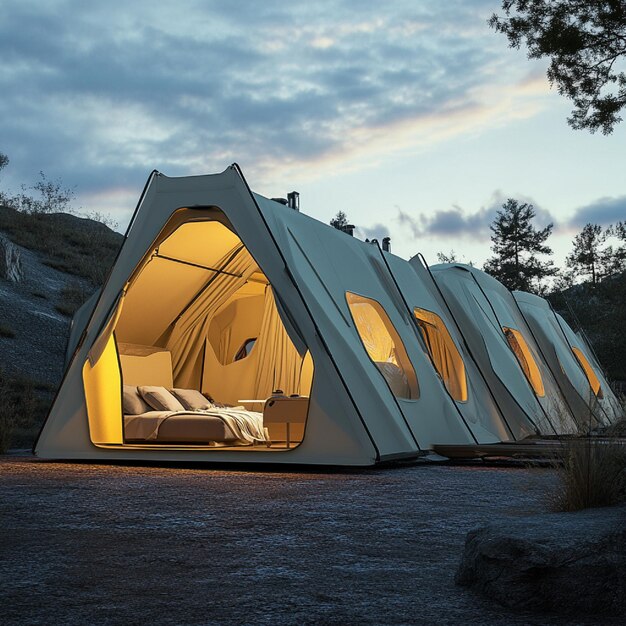
In this guide, you’ll learn everything you need to build a hunting camp like a pro, from planning, to setting up, and maintaining a professional-grade hunting camp.
Section 1: Pre-Planning Your Hunting Camp
Choosing the Right Location when Building a Hunting Camp
Selecting the right spot for your hunting camp is important, consider these factors
- Proximity to Hunting Areas Look for a location that’s close to your prime hunting areas but not too close that your presence scares off game.
Ensure accessibility, especially if you’re bringing along a buddy, as getting gear and supplies into remote areas can be challenging.
- Access to a reliable water source and tree cover: which can offer natural shelter and help break the wind. Nearby water sources are vital for cooking and cleaning
- Additionally, ensure the area is elevated to avoid flood-prone zones during heavy rains.
Scouting the area before making your choice ensures you understand the terrain and wildlife patterns.
Additionally, check for any necessary permits or land access rights to avoid legal issues later on, especially when hunting on public property or private lands.
Planning for Different Seasons When Building a hunting camp
Pay attention to seasons when building a hunting camp, your camp setup will vary significantly depending on the season.
- Winter (colder months). You’ll need to weatherproof your camp, paying close attention to insulation, roof design, and access to warmth. Ensure your camp is insulated properly, with windbreaks provided by logs or siding,
- Summer (warmer months), make sure your camp offers good ventilation to manage heat and stay comfortable.
Consider building your camp in a shaded area, perhaps under the canopy of tall trees, to stay cool.
Weatherproofing Tips. Invest in durable materials that can withstand rain, snow, and extreme heat.
Rain can soak equipment and food, so ensuring your storage setup is off the ground and sealed is essential.
Understanding game movement patterns during different seasons can also influence where you set up your camp.
Setting a Budget
Building a hunting camp or cabin can range in cost depending on the level of comfort you’re aiming for.
As much as we perceive building a hunting camp to be more cost-effective than building a hunting cabin, it has to be planned properly.
Decide where you want to splurge— Balance cost with quality by investing more in durable shelters and essential gear like stoves, while saving on items you can easily replace or upgrade later.
Get more ideas for building an inexpensive camp here.
Section 2: Essential Equipment and Materials for Building a Hunting Camp
Shelter Options: Tents, Cabins, and DIY Structures
Your shelter choice should depend on how long you plan to stay. When it comes to shelter, you have a variety of options.
For a more permanent setup, a hunting cabin provides insulation and protection but requires more upfront investment and maintenance. For a more flexible solution, tents or DIY shelters using natural materials are ideal.
- Cabins: Solid structures with weatherproof siding, interior storage for gear, and windows for ventilation.
- Tents: Lightweight and portable, perfect for shorter stays or hunters who move around frequently.
If you’re on a budget, a DIY approach—using local materials to build a temporary shelter—can also be effective.
Whether it’s a tent or cabin, focus on insulation to maintain warmth during the cold months and ventilation for the heat.
Proper interior setup, such as designated sleeping and eating areas, enhances both comfort and safety.
Campfire and Cooking Setup
Cooking and warmth are central to any hunting camp. Set up a stove or portable grill near your camp’s center but at a safe distance from your shelter. A well-built fire pit serves dual purposes: warmth and meal preparation.
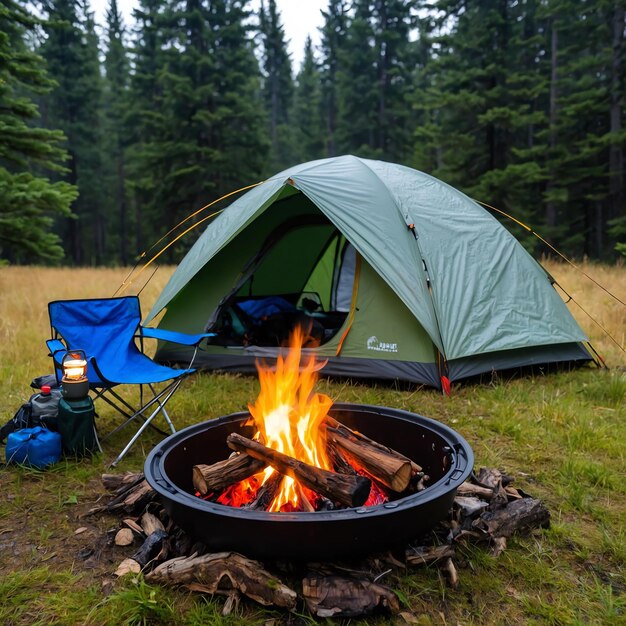
Cooking outdoors is part of the charm, but make sure your setup is practical, easy to manage, and animal-proof—especially in bear territory.
Sleeping Arrangements
For a good night’s rest, you can’t overlook your sleeping setup. Depending on the weather and your preference, options include sleeping bags, hammocks, or a camp bed.
To stay comfortable, ensure the sleeping area is elevated and insulated against the cold when building a hunting camp. Setting up camp under a tree or adding a temporary roof over your sleeping spot will help keep the area dry
Power and Lighting Solutions
In today’s hunting camps, having some form of power is essential, even in the backcountry.
Solar-powered lighting, portable generators, and battery-powered lanterns are lightweight options that can keep your camp well-lit without relying on heavy fuel sources.
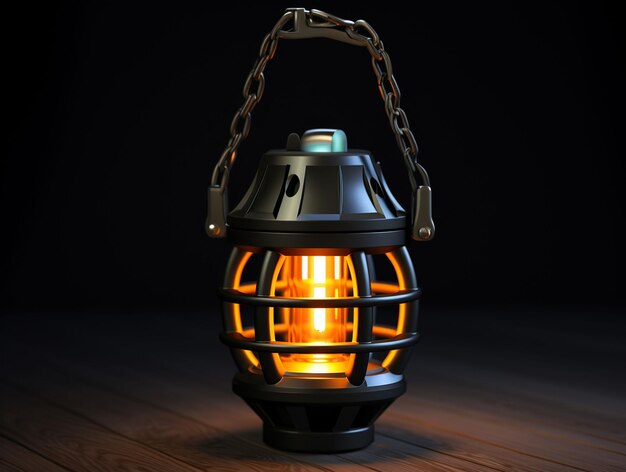
Bring a solar charger or small generator to keep essential devices like GPS units or radios powered during your stay.
Section 3: Camp Setup and Layout
Organizing the Layout for Functionality and Safety
When building a Hunting camp, your layout should prioritize safety and functionality. The cabin or shelter should be placed upwind from the kitchen and fire pit to avoid smoke and smells drifting into your sleeping area.
Storage for food and equipment should be secure and placed away from the shelter to avoid attracting animals. Keeping the camp clean is not just about comfort—it’s essential for safety.
Sanitation and Waste Management
Proper waste management ensures a sustainable camp. Set up a toilet away from your water source and follow Leave No Trace principles by packing out what you pack in.
For extended stays, portable sanitation systems are ideal, or you can build a simple outhouse or composting toilet.
Section 4: Maintaining and Managing Your Camp
Maintenance Tips for a Long-Lasting Hunting Camp
Regular upkeep is key to a long-lasting hunting camp, to ensure your camp lasts for multiple seasons, make sure to frequently inspect your camp’s shelter, cooking equipment, and sleeping area.
Secure your gear in weatherproof storage containers when not in use, and check the condition of your tents or cabins at the end of each season.
Staying Safe in the Wilderness
Safety should always be a top priority. Make sure you pack an emergency shed or storage area with first aid kits, survival gear, a shower solution for hygiene, and emergency communication devices like satellite phones or radios. Knowing how to handle encounters with wildlife, especially bears, is crucial for any hunter in the wild.
You can select from these essential hunting accessories and the best hunting gear list for deer hunters.
To wrap up
Building a hunting camp is a rewarding endeavor that can elevate your overall hunting experience. It involves thoughtful planning, essential gear, and effective maintenance.
A well-prepared hunter is a successful one, and a well-built hunting camp will not only provide comfort but also help you make the most of every hunting season.
By following this guide, you can create a camp that offers comfort, safety, and functionality, as well as ensures a successful hunting season.
If you are setting up a hunting cabin or a temporary shelter, being well-prepared will elevate your hunting experience.
If you’re ready to get started, check out our recommended products and share your hunting camp tips with the community at Deer Hunting Gateway.
]]>
Some animal enthusiasts dream of forming a unique bond with a deer, but is it really feasible?
If you’re a hunter, animal lover, or someone curious about wildlife, or you have ever been asked the question, Can you have a deer as a Pet? Then this guide will greatly answer you.
This article clearly outlined and explained the pros, cons, and key considerations of keeping deer as pets.
Can you Have a Deer as a Pet? The Nature of Deer: Wild vs. Domestic
A. Is it legal to keep deer as a Pet?
Keeping deer raises numerous legal and ethical considerations, yet still, it basically depends on your locations.
In the United States, the legality of owning a deer varies significantly across various states. Most states impose strict regulations or outright bans on keeping these wild animals as pets.
In general, the majority of states in the U.S. prohibit keeping deer as pets. However, some states have specific laws that allow for it under certain conditions.
Are you still wondering, if you can have a deer as a pet depending on your location, find out whether it is legal to have a deer at your specific location here.
B. Natural Behavior of Deer
Deer, particularly wild deer, have strong instincts driven by their need for open spaces and freedom. As browsers, they feed on leaves, shoots, and shrubs, often wandering across vast areas in search of food.
Their flight response to perceived threats is part of their survival mechanism, making it difficult to tame or domesticate them.
Unlike domesticated animals such as goats or sheep, deer prefer a herd environment, where social dynamics play a crucial role in their well-being.
C. Adaptability to Domestication
Even as it is an interesting thing to keep deer as pets, the numerous challenges may outweigh the benefits. Wild deer are not bred for domestication, and taming them requires significant effort and resources.
Even fawns, when raised by humans, maintain some of their wild instincts, especially as they mature. There are rare examples of successful deer domestication, typically on farms that provide ample space for the animals to roam.
However, even in these settings, deer do not become as tame as more traditional pets like dogs or cats.
Pros of Having a Deer as a Pet
A. Unique Bond with a Wild Animal
One of the most appealing aspects of keeping a deer as a pet is the opportunity to form a deep connection with a wild animal.
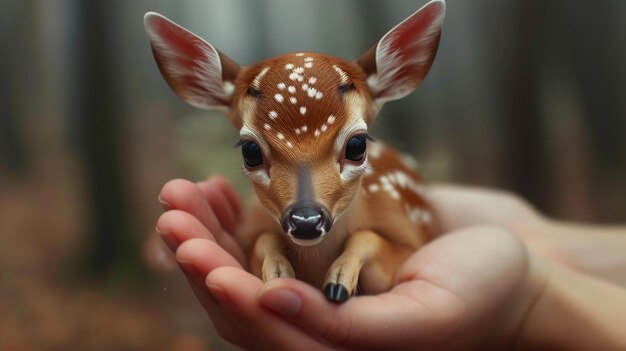
A fawn, in particular, may grow attached to its human caregiver, creating a bond that feels both rare and rewarding. Unlike domesticated pets, having a deer in your life offers the novelty of interacting with wildlife daily.
B. Contribution to Conservation
In certain situations, taking care of injured or orphaned deer can aid conservation efforts. If a fawn is orphaned in the wild, raising it may ensure its survival.
However, ethical considerations must be taken into account, and releasing the deer back into the wild or handing it over to a wildlife sanctuary is often the best option.
C. Aesthetic and Educational Value
White-tailed deer and other species are undeniably beautiful, with their graceful movements and majestic antlers.
Having a deer in your space provides not only an aesthetic experience but also educational opportunities.
Children and adults alike can learn about deer behaviour, biology, and the importance of wildlife conservation by observing a deer closely.
But remember to follow strict ethical considerations, because deer are dangerous
Cons of Keeping a Deer as a Pet
A. Space and Environmental Requirements
Deer, especially wild deer, need large, open spaces to thrive. Attempting to confine a deer to a backyard or small garden is impractical and harmful to the animal’s well-being.
It is costly to recreate their natural habitat, as it requires expansive land and careful landscaping to mimic their roaming environment.
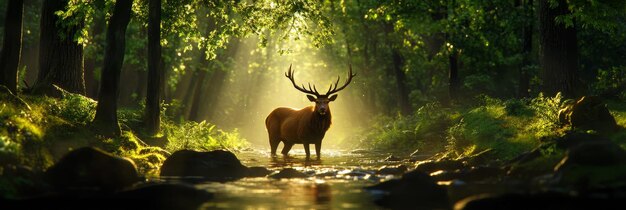
Keeping deer as pets means providing them with ample space to wander and graze, much like you would on a farm.
B.Can you Have a Deer as a Pet? Dietary and Care Needs
Deer have specific dietary requirements that differ significantly from domesticated pets. They need a diet rich in fresh vegetation, grains, and seasonal changes.
To care for a deer you have to ensure they have access to proper food sources year-round, which can become time-consuming and expensive.
Additionally, keeping a deer as a pet requires constant attention to their health, as they can easily fall victim to chronic wasting disease (CWD), a deadly condition affecting deer populations.
C. Behavioral and Safety Risks
As fawn may seem docile and friendly, adult deer can become aggressive, particularly during mating season. Male deer, in particular, may pose a threat to humans and other animals as they exhibit territorial behavior.
The flight response in deer can also lead to injuries, both to the deer and those around them. Their natural tendency to wander increases the risk of accidents, especially if confined in an inadequate space.
D. Can you have a Deer as a Pet?-Health Concerns
Aside from being dangerous, deer are known carriers of various diseases, such as Lyme disease and parasites.
These diseases can be transmitted to humans and other animals, posing a health risk. Pet deer require regular veterinary care, and managing their health involves constant vigilance to prevent the spread of diseases.
Alternatives to Having a Pet Deer
Exotic Pets vs. Domestic Pets
While the idea of having a pet deer may seem appealing, domesticated pets such as dogs, cats, or even goats are better suited for companionship.
Unlike wild animals, these pets have been bred for domestic life, making them easier to care for and safer to interact with. Exotic pets like deer may offer novelty, but they are far from practical for most pet owners.
Find out more alternatives to owning deer as a pet here if you are still not clear with your question, Can you have Deer as a pet?
Considerations for Those Set on Keeping a Deer
A. Ethical Responsibility
Keeping a deer as a pet comes with immense ethical responsibility. As wildlife, deer have complex needs that go beyond those of domesticated animals.
Anyone considering this option must be prepared to provide the best care, ensuring the deer’s physical and emotional well-being.
B. Financial and Time Commitment
If you ever encountered anyone asking you this, can you have a deer as a pet? ask the person if the person has the finances to commit.
The financial and time investment required to keep deer as pets is significant. From building and maintaining a suitable habitat to providing a proper diet and medical care, the costs add up quickly.
Pet deer demand a level of care that many people may not be able to meet, and the commitment lasts throughout the deer’s lifetime.
C. Long-Term Challenges
As a deer matures, its size and behavior change, which can lead to additional challenges. A deer that seemed manageable as a fawn may grow too large or become difficult to handle as an adult.
There may come a point when rehoming the deer or transferring it to a sanctuary becomes necessary due to behavioral issues or the inability to meet its needs.
Conclusion
To sum up, the idea of keeping a deer as a pet can be appealing, but the challenges and ethical responsibilities make it a difficult endeavor. The perfect answer to whether can you have a deer as a pet, depends on the individual and the location.
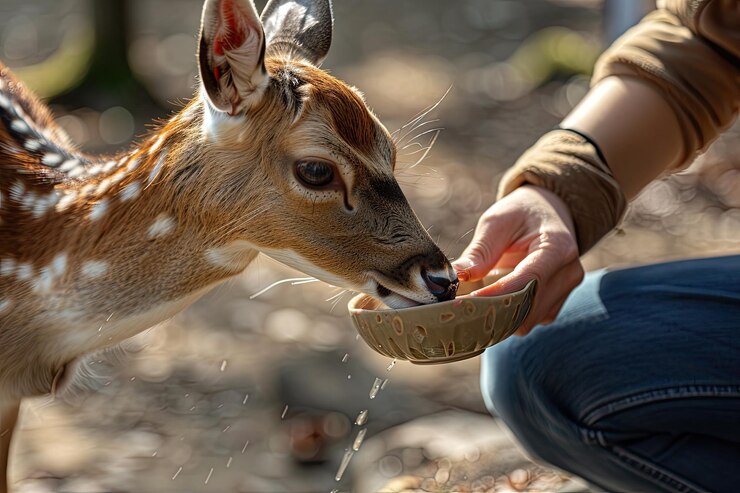
Deer are wild animals, not domesticated pets, and their natural instincts and needs are best met in the wild or controlled environments like wildlife sanctuaries.
If you’re still curious about deer, consider alternatives like wildlife observation, sponsorship, or photography to appreciate their beauty without compromising their well-being.
For more information about deer and ethical wildlife interaction, check out Deer Hunting Gateway.
]]>Sharpening your skills with the best deer hunting techniques is a key to bagging that trophy buck and making deer hunting friendly.
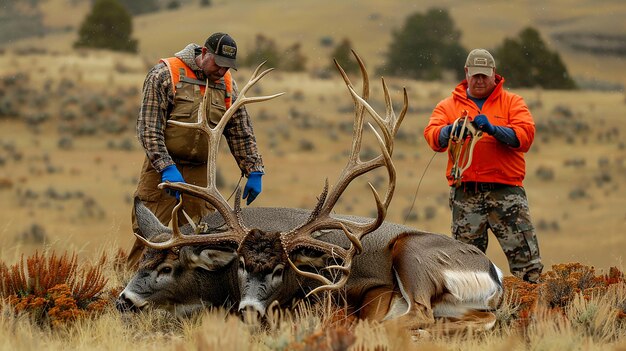
Whether you’re preparing for your first deer hunt or you’re an experienced hunter chasing that elusive trophy buck.
This guide is designed to give both new and experienced hunters practical insights into the best deer hunting techniques that will enhance your skill set.
These techniques not only improve your chances of bagging a deer but also ensure you’re hunting ethically and safely.
This article breaks down nine tried-and-true methods that will help you hone your hunting skills, no matter your level of experience
List of 9 Best Deer Hunting Techniques
1. Understanding Deer Behavior
A hunter’s ability to read deer behavior is fundamental. The more you know about how deer move, react, and perceive their environment, the better you can position yourself for a successful hunt.
Learn the Basics of Deer Anatomy and Senses
Deer are equipped with a unique set of senses that help them evade predators, especially hunters.
Their vision is adapted to detect movement, their hearing is acute, and their sense of smell is their most powerful defense. A deer’s nose can pick up scents from over a hundred yards away, making scent control and wind management critical elements of any hunt.
Daily Deer Patterns
Deer are creatures of habit, often following a predictable daily routine. They’re most active at dawn and dusk, feeding at food sources such as acorns or nearby food plots, and resting in thick cover during the day. It is good to understand this pattern and plan your hunt around peak deer activity.
The Rut
During the breeding season, or rut, bucks throw caution to the wind. They focus on pursuing does, which makes them more vulnerable to hunters.
Learning how to capitalize on the rut—when bucks are less concerned with their safety—can lead to sightings of a mature buck or even a trophy buck.
Weather also plays a role in deer movement. Deer tend to move more during cooler temperatures, overcast days, or when barometric pressure rises.
Downwind hunting is important here—deer rely heavily on their sense of smell, so always position yourself in a way that avoids them catching your scent.
2. Choosing the Right Gear
Having the proper gear is just as important as knowing how to use it. The right equipment can greatly enhance your hunting experience. This can not be excluded from the best deer hunting techniques.
Essential Hunting Equipment
Your weapon, whether a bow or rifle, should be reliable and suited to the type of hunt you’re undertaking.
But beyond the basics, gear like binoculars, a sharp knife, and a sturdy tree stand or ground blind can make a huge difference. A tree stand provides a vantage point and helps you stay above a deer’s line of sight.
Proper camouflage helps you blend into your surroundings, reducing your visibility to the deer. Equally important is staying still and quiet, as deer are quick to notice sudden movements
Choose your gear wisely to optimize your comfort, safety, and success.
You can learn more on the top gear list for deer hunting in my previous articles.
3. Scouting and Tracking
Scouting is one of the most important pre-hunt activities. Effective scouting allows you to locate food sources, bedding areas, and deer trails.
Use trail cameras to monitor deer activity and map out their movements. Pay attention to seasonal patterns—during fall, deer often feed on acorns, while food plots provide excellent feeding grounds in other seasons.
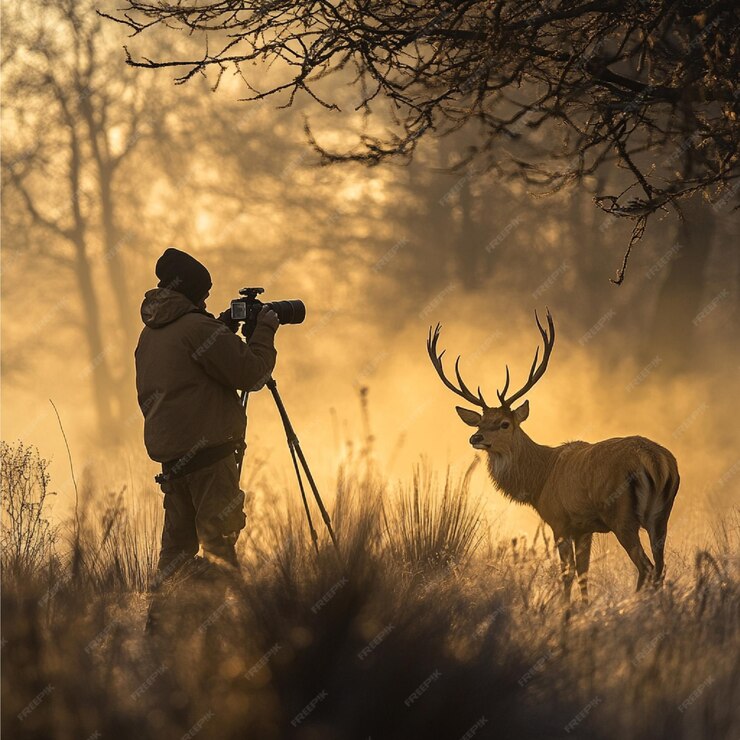
Tracking deer involves looking for key signs like scrapes, rubs, and tracks. Understanding these indicators can lead you to high-traffic areas where deer are likely to be. The more you scout, the better your chances of a successful hunt.
Effective Scouting Techniques
Pre-hunt scouting involves identifying key locations where deer are likely to feed, bed, and travel.
Trail cameras can be an invaluable tool, helping you observe deer activity when you’re not in the woods. Look for signs like deer tracks, rubs, scrapes, and trails to pinpoint prime hunting spots.
Seasonal Movements
Deer movements change with the seasons. As winter approaches, deer gravitate towards reliable food sources like acorns and food plots.
In the pre-rut and rut periods, bucks cover more ground as they search for does, making it a great time to scout and set up in high-traffic areas.
These are some best deer hunting techniques to consider.
4. Stand and Blind Placement
Where you set up your stand or blind can make all the difference between success and failure.
Tree Stands vs. Ground Blinds
Both tree stands and ground blinds have their advantages. Tree stands give you a higher vantage point, allowing you to see farther and stay above the deer’s line of sight.
Ground blinds, on the other hand, provide better cover, especially in areas with sparse trees.
Whichever option you choose, ensure that it’s positioned near deer trails or feeding areas, and always keep the wind in mind.
Choosing the Right Location
Positioning yourself downwind of a deer’s travel route is critical to avoid detection. Pay attention to the wind direction and use it to your advantage when selecting the perfect location for your setup.
5. Wind and Scent Management
Deer rely heavily on their ability to detect scents. For a successful hunt, controlling your scent and using the wind to your advantage are key.
Understanding Wind and Scent Control
Wind direction can either make or break your hunt. Always position yourself downwind of where you expect deer to appear. This way, your scent is carried away from the deer, rather than toward them.
Scent Elimination
Investing in scent-eliminating sprays and scent-free clothing can reduce your chances of being detected. Additionally, using scent lures such as doe estrus or buck urine can attract deer and mask your scent at the same time.
6. Effective Use of Calls and Scents
When it comes to the best deer hunting techniques, calls and scents are key, using them strategically can increase your chances of luring a deer into range.
Deer Calls
Different calls serve different purposes. Grunt calls mimic the sound of a buck, bleats imitate the calls of does, and rattling mimics the sound of bucks sparring.
During the rut, using these calls at the right moment can lure a buck into shooting range.
Scent Lures
Scents like doe estrus and buck urine are particularly effective during the rut. Placing these scents strategically can attract bucks and keep their attention on the lure rather than you.
7. Perfecting Your Shot
This is one of the best deer hunting techniques is; taking a good shot. Preparation is key to ensuring a clean, ethical kill.
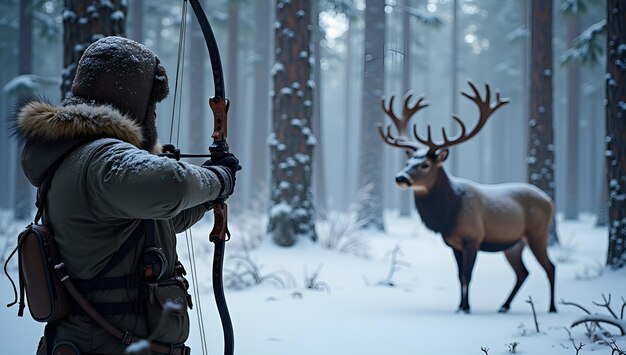
Shot Placement
Understanding a deer’s anatomy is essential to making a humane shot. Aim for the vital organs, such as the heart and lungs, for a quick, ethical kill.
Practice and Preparation
Frequent practice with your bow or rifle is necessary to maintain accuracy. Consider practicing from an elevated position, such as a tree stand, to simulate real hunting conditions.
8. Stalking and Still-Hunting
While stand hunting is popular, still-hunting and stalking require more movement and patience.
Stalking Basics
When stalking, move slowly and keep the wind in your favor. Use natural cover like trees and hills to stay hidden. Always approach from downwind to avoid being detected by a deer’s keen sense of smell.
Patience and Timing
Patience is crucial. Waiting for the right moment can often mean the difference between success and failure. Deer are most active at dawn and dusk, so plan your hunts accordingly for the best chances of success.
9. Post-Shot Tracking and Field Dressing
After you’ve taken the shot, the work isn’t over yet. Tracking and field dressing are important steps in the process, it is one of the key best deer hunting techniques.
Blood Trail Tracking
A well-placed shot will leave a clear blood trail. Follow the trail patiently, looking for signs like blood splatter, disturbed foliage, or footprints. Patience is key in recovering your deer.
Field Dressing Tips
Once you’ve found your deer, field dressing is essential for preserving the meat. Use a sharp knife and work carefully to avoid puncturing internal organs. This step ensures that your harvest is well-prepared for transport.
We can explore more best deer hunting techniques here.
To sum up
Mastering these best deer hunting techniques will not only improve your hunting skills but also ensure that you’re hunting ethically and effectively.
Whether it’s understanding deer behavior, scouting properly, or perfecting your shot, every aspect of the hunt is a chance to improve.
Remember, success comes with practice, patience, and respect for the animals you pursue. So as you prepare for your next hunt, keep these best deer hunting techniques in mind, and you’ll be one step closer to bagging that trophy buck.
Gear up! go and bag that trophy deer with these techniques.
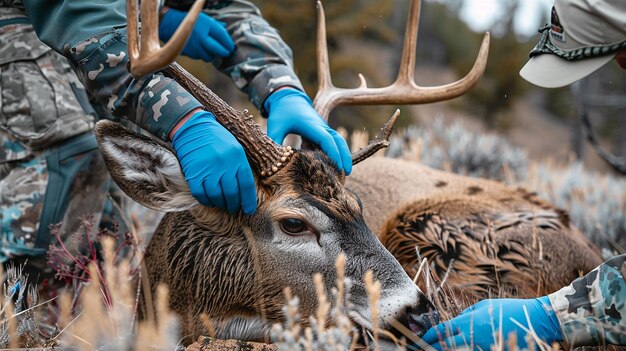
Having a gear list for deer hunting that’s both reliable and efficient can make all the difference between a productive day in the field and a frustrating one.
It does not just boost your chances of bagging that trophy deer; it ensures your safety, comfort, and overall enjoyment throughout the hunt.
In this post, we are presenting the top gear list for deer hunting, a must-have selection of essential items trusted by experienced hunters.
Whether you’re new to hunting or a seasoned pro, these must-have items will enhance your performance and keep you prepared for anything the wilderness throws at you.
2 Key Importance Of Having The Proper Gear List
- Preparation and Organization
A comprehensive gear list ensures that you have all necessary equipment before heading out, preventing the frustration of forgetting crucial items during your hunt. This maximises your hunting success.
- Safety and Efficiency
Proper gear enhances safety and increases your chances of a successful hunt by ensuring you’re equipped for various conditions and scenarios in the field.
Gear List for Deer Hunting- Essential Items and Tips
1.Clothing and Footwear
The right clothing and footwear are crucial for any hunting trip. Here’s what you need to include in your gear list for deer hunting
- Camouflage Gear
For a successful hunt, consider clothing that blends with your environment. Choose camouflage patterns that match the terrain you’ll be hunting in, whether it’s woodland, snow, or desert.
- Layered Clothing for Temperature Control
Weather conditions can change rapidly in the wild, a proper layering system keeps you comfortable in varying weather conditions. A three-layer system (base, mid, and outer layers) allows you to adapt to temperature fluctuations.
- Hunting Boots
Invest in quality waterproof and insulated boots to keep your feet warm and dry. Look for boots that provide good traction for navigating various terrains.
- Socks and Gaiters
Quality Socks and Giaters are as important as Hunting boots, do not overlook quality socks in your list. Merino wool socks are great for insulation, gaiters help keep debris out of your boots.
Table 1: Recommended Clothing and Footwear for Deer Hunting
| Item | Features to Look For | Top Recommended Brands |
| Camouflage Jacket | Breathable, lightweight, matching terrain | Sitka |
| Layered Clothing | Moisture-wicking base, warm mid-layer | Under Armour, Merino |
| Weather-Resistant Boots | Waterproof, insulated, durable sole | Danner, Irish Setter |
| Socks and Gaiters | Merino wool socks, waterproof gaiters | Smartwool |
Read more about essential clothing for hunters here.
2. Weaponry and Ammunition
Your choice of weapon can significantly impact your success in the field.
Include these essentials in your gear list for deer hunting.
- Rifles or Bows
Deciding between a rifle or bow depends on your hunting style and experience. Each has its pros and cons, but both can be effective if used correctly.
- Ammunition or Arrows
Choose the right caliber or arrow type based on your weapon and the size of the deer you’re targeting. Properly matched ammunition will improve your accuracy.
- Sights and Scopes
High-quality scopes or sights can make a substantial difference, especially for long-distance shots. Invest in reliable optics to improve your precision in the field.
Table 2: Top Weaponry and Ammunition for Deer Hunting
| Weapon Type | Key Features | Top Picks |
| Rifle | Lightweight, accurate, good range | Remington 700, Browning X-Bolt |
| Bow | Smooth draw, good power, accurate aiming | Mathews V3, Hoyt RX-7 |
| Ammunition | Proper caliber for deer size, high velocity | Federal Premium, Hornady |
| Arrows | Durable, sharp broadheads | Easton Full Metal Jacket, Carbon Express |
3. Optics and Rangefinding
Clear vision is critical when you’re out hunting, these items enhance accuracy and improve situational awareness.
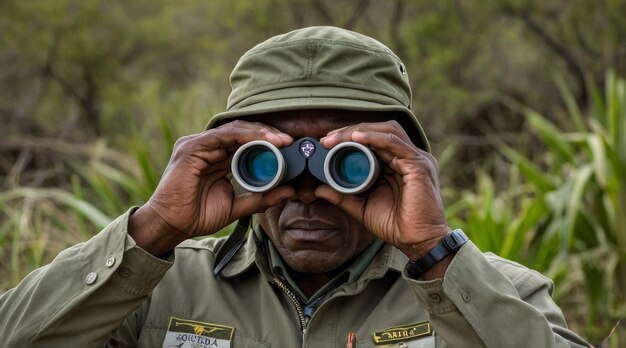
Here are the optics you should include in your gear list for deer hunting:
- Binoculars
High-quality binoculars will allow you to scout deer from a distance and identify any potential threats in your surroundings.
Look for models with good magnification and a wide field of view (8×32 or 10×42 magnification).
- Rangefinder
A rangefinder will help you gauge the distance between you and your target, enabling more accurate shots. This is particularly important for hunters using rifles or bows.
4. Safety and Survival Gear
As a season hunter or a novice, your safety should always be a top priority while deer hunting.
What you should pack in your gear list for deer hunting:
- Hunting Knife
A reliable hunting knife is an essential hunting tool used for field dressing and other tasks during your hunt. Choose one that is sturdy and easy to handle.
- First Aid Kit
Accidents can happen, so a well-stocked first aid kit is a must. Include basic supplies for treating cuts, scrapes, and more serious injuries.
- Fire Starters and Emergency Blanket
Fire starters are necessary for warmth or signalling for help in case of an emergency. An emergency blanket is lightweight and can help retain body heat.
- Compass and GPS Device
A compass and GPS device are important tools, especially in unfamiliar areas, as they help you avoid getting lost in the wilderness.
5. Game Processing and Field Dressing Equipment
You should always prepare for a successful hunt, and proper processing is crucial. Here’s what you’ll need:
- Game Bags
Look for breathable game bags that allow the meat to cool, this is key for transporting deer meat clean and free from contaminants.
- Gloves for Field Dressing
Gloves protect your hands from sharp objects and potential contaminants, when dressing your game.
- Field Dressing Kit
A field dressing kit with essential tools makes processing your game easier and more efficient. Look for kits that include a knife, bone saw, and other useful tools.
6. Backpack and Storage
A good backpack is key to carrying all your gear efficiently. Here are some essentials to include in your gear list for deer hunting:
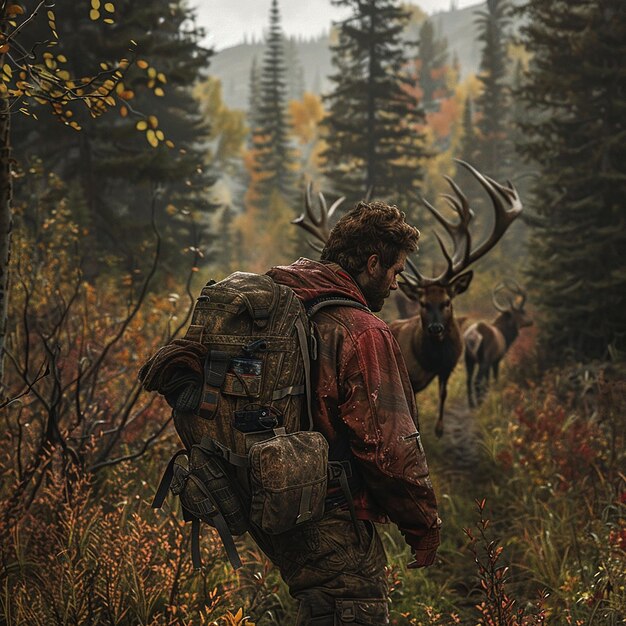
- Hunting Backpack
Choose a backpack designed for hunting. It should be durable, water-resistant, and have enough compartments to store your gear organized.
- Waterproof Storage Bags
Waterproof storage bags are vital for keeping your gear dry, in unpredictable weather. This can prevent damage to essential items during your hunting trip.
7. Scent Control and Calls
Managing scent is vital in deer hunting. Here’s what you need:
- Scent Control Products
Using scent control products can prevent deer from detecting human odors. Look for sprays and other items designed to neutralize scents.
- Deer Calls
Different types of calls, like grunt calls and rattling antlers, can attract deer by mimicking their sounds. Incorporate these into your gear for added effectiveness.
8. Food, Water, and Hydration Systems
Staying hydrated and energized during your hunt is essential. Consider the following a part of your gear list for deer hunting;
- Water Bottle or Hydration Bladder
Staying hydrated is critical, carry a water bottle or hydration bladder that’s easy to access during your hunt.
- Energy Bars or Snacks
High-energy snacks like energy bars are excellent for maintaining stamina. Opt for lightweight, nutrient-dense options.
- Water Purification Tools (Optional)
If you’re hunting in remote areas, consider bringing water purification tools to ensure you have safe drinking water.
9. Hunting Licenses and Documentation
Don’t forget the importance of having your hunting licenses, tags, and necessary permits. Always double-check that you’re compliant with local regulations before heading out.
10. Miscellaneous Must-Haves
Lastly, ensure not to overlook the below items:
- Headlamp or Flashlight
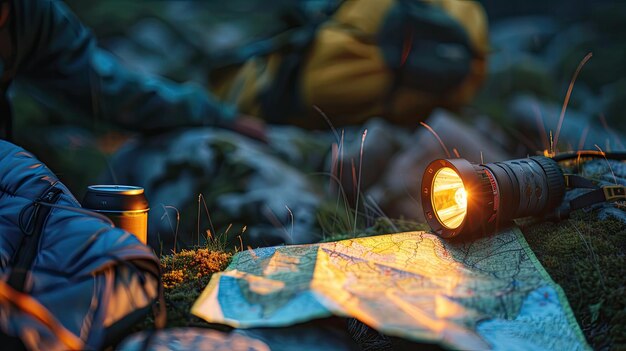
Moving in low-light conditions is key. A headlamp or flashlight will help you see clearly, especially during early morning or late evening hunts.
- Multitool
A multitool can be useful for various tasks during the hunt. It provides several functions in a compact form, making it easy to carry.
Final Thoughts
Having a well-prepared gear list for deer hunting is crucial for enhancing your deer hunting success and safe experience in the wilderness.
Each item listed plays a significant role in improving your performance and keeping you comfortable throughout your trip.
Whether you are a seasoned hunter or just starting, this top gear list for deer hunting covers all the essentials you need to be prepared for whatever the wild throws at you.
So gear up and get ready for a remarkable hunting adventure!
For more resources and tips, visit Deer Hunting Gateway and check out our other guides on deer hunting strategies and equipment.
Enjoy your hunting!
]]>But it is not enough to just know these laws, we must also be better stewards of nature by following them.
This guide will cover the essential parts of hunting laws. We’ll talk about bag limits, permits, and ethical hunting. I promise this will be a good one to get you started on your journey of protecting nature while enhancing your hunting.
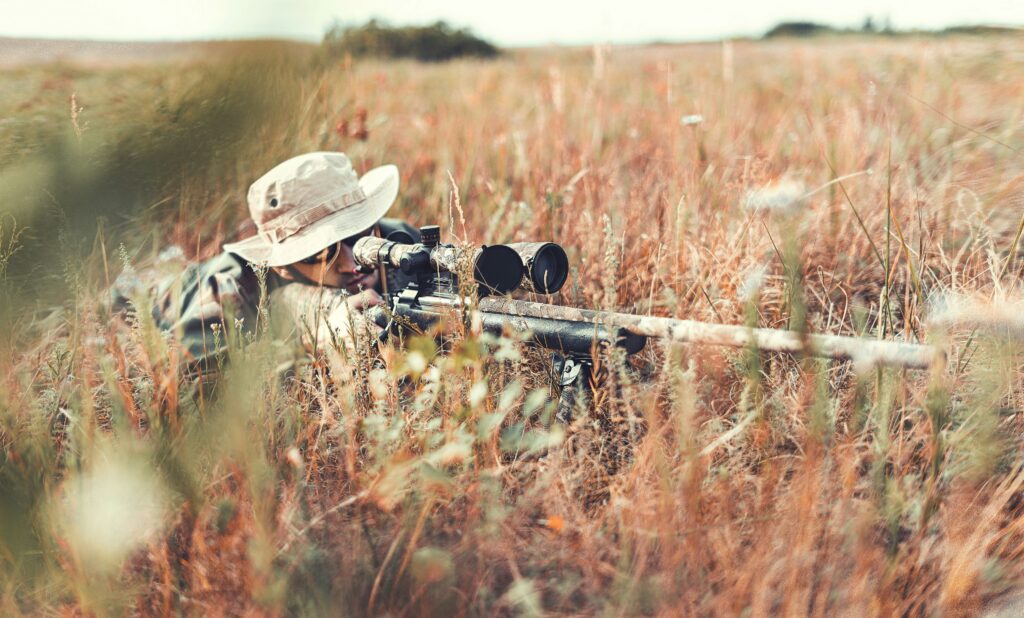
Understanding Bag Limits and Legal Requirements
As a responsible hunter, it is important for you to know about bag limits and legal requirements because knowing them will ensure hunting is done right.
For example, knowing that Archery Antlerless Permits are good during the archery deer season in any county and Firearms Antlerless Permits work during all parts of the firearms deer season helps in your hunting preparations.
As a hunter, you can take advantage by buying and filling as many Archery Antlerless Deer Hunting Permits as you want during the archery season.
However, depending on your location there are set limits on how many permits you can fill with firearms during the firearms season.
Equipping for a Successful and Safe Hunt
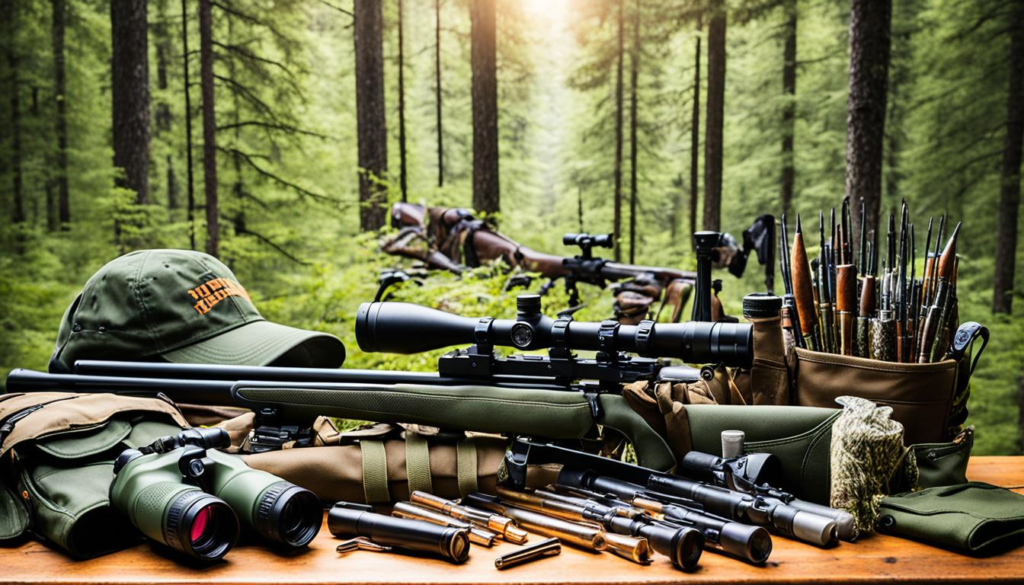
After successfully identifying the types of permits for different seasons in your country/location, you need to also identify the hunting equipment rules before you set out to choose your hunting gear. For starters, you should get a set of Firearm Safety and Archery Gear that fits the game you’re after.
Ensure that your guns are working well and you know how to use them. As a hunter, you should be prepared for any weather changes therefore, adding the right clothes and gear is necessary.
As part of your preparation, you should learn as much as you can about the Terrain you are going to hunt in. Foreknowledge of the what challenges you might face, will help you brace yourself accordingly.
To effectively do this, keep up with the weather forecast and be open to unexpected weather changes, as well. Be prepared, at all times!
Ethical Hunting
Ethical hunting are hunting practices that respect animal welfare and the environment. The aim of ethical hunters is to minimize suffering and operate within legal and fair regulations.
To ensure compliance with ethical hunting principles, we will examine a few things:
- On-Site Safety Protocols
First things first, don’t be a loner. In situations where you should be a loner, be sure to always tell a trusted friend your hunting plans, including when you’ll be back. This information could come in handy should anything unexpected happen.
While you may have informed a trusted person, it is still important to carry a phone or radio with you. These can be your link to help if an emergency comes up.
- Wildlife Preservation and Ethical Tenets
The actions (whether positive or negative) of hunters greatly affect wildlife conservation. If bag limits and hunting seasons are followed closesly, overhunting will be prevented and animal populations will be in a healthy balance.
- Respecting the Chronology of Hunting Seasons and Bag Limits
One of the most important things to do to protect biodiversity, is to learn about the the animals you hunt. This will prevent you from harming them by mistake.
Below are 3 key ethical hunting practices you can try:
Ethical Hunting Practices
- Seek humane and effective kills. This reduces suffering and waste.
- Focus on a specific quarry. This helps keep the ecological balance.
- Do not target one species too much. This helps protect the natural food chain, helping all wildlife thrive.
Now you are all equipped to effectively hunt but what happens when something goes wrong during a hunt? How do you deal with unforeseen circumstances that could affect either you or the animals you are hunting?
This is what we are about to learn:
Preparing for Emergencies
To effectively tackle emergencies while hunting, you need to have the right first aid skills. As a hunter, you should always have a good first aid kit, this is vital for treating minor injuries or helping until help arrives.
You should also learn some basic navigation tools like GPS or maps, this will help you find your way if you get lost. For easy reference, keep the 5 points below as a checklist to prepare for emergencies before going on a hunt.
- Learn basic first aid for minor injuries or emergencies that might happen while hunting.
- Know how to handle wildlife, like snake bites or aggressive animals.
- Learn about hypothermia, heat exhaustion, and other weather dangers. Know how to treat them.
- Make a clear plan with your hunting group, including how to communicate and who to call in an emergency.
- Get and learn to use basic navigation tools, like a compass, GPS, or map, to avoid getting lost.
When you are adequately prepared, you can have a safe and fun hunting trip without worrying about what to do in case of an emergency.
In this article, we have provided you with everything you need to do to ensure you are hunting ethically.
On your next hunt, remembe to use what you have learnt to ensure you make the right choices that will keep both you and the animals you hunt, safe for generations.
]]>
What’s important when picking the best optics and scopes for hunting? You’ll need to think about magnification levels, eye relief, lens coatings, and reticle patterns. Also, have you heard about the latest in mounting systems and spotting scopes?
These can improve your accuracy and flexibility in the field. Get ready to learn how to pick the best gear for your hunting adventures.
Understanding The Importance Of Rifle Scopes
Rifle scopes are key for modern hunters. They offer unmatched accuracy and versatility. A good scope can change a miss into a hit, as the author learned during a snowstorm.
The Evolution Of Rifle Scopes: From Simple To Sophisticated
Rifle scopes have changed a lot over time. They went from simple to complex, with features like illuminated reticles and ballistic compensation. Now, hunters can pick a scope that fits their needs and hunting style.
Scopes now have glass-etched reticles for better precision and durability. They also have BDC and Mil reticles for accurate aiming at specific distances. The Impact Ballistic program matches cartridges with reticles for better long-range shots.
The right scope can really change the game for hunters. It gives them the tools to make precise shots and improve their hunting. By knowing about magnification, reticle patterns, and ballistics, hunters can choose wisely and increase their success in the field.
Key Factors To Consider When Choosing A Hunting Scope
Choosing the right hunting scope is often about your budget. High-end scopes can be expensive but are worth it for their quality. They offer better light transmission, clarity, and durability for tough hunting conditions.
But, you don’t have to spend a lot to get a good scope. It’s about finding the right balance between cost and what you need for hunting. Knowing your budget can help you find the best value.
Magnification Levels: Choosing The Right Power For Your Hunt
Choosing the right magnification is also key. Fixed-Power Scopes are great for close-range shots in dense cover. They give a wide view and help you quickly spot targets. Variable-Power Scopes are versatile, letting you change the magnification for different distances.
- For bush hunting or stalking small game up to 100 yards, a low magnification of 1-4x is best.
- A 3-9x scope is good for stalking game up to about 200 yards.
- For hunting in wide areas over 200 yards, scopes with 4-16x or 3-12x magnification are ideal.
Knowing the differences between Fixed-Power and Variable-Power Scopes helps you choose the right one. This ensures you’re prepared for hunting in any terrain.
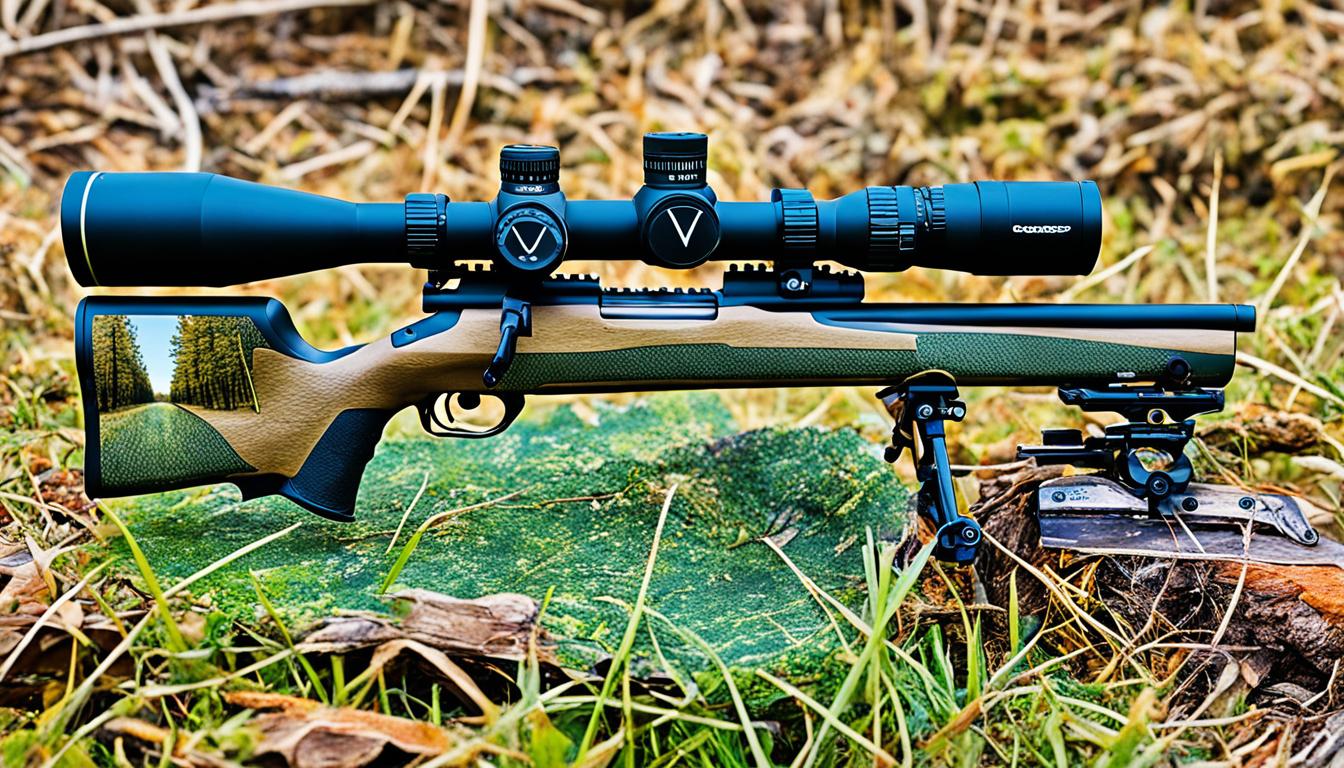
Optics And Scopes Selection: Exploring Essential Features
When picking a hunting scope, think about magnification, budget, and more. The objective lens size and reticle pattern are key. They affect how much light gets in, your view, and accuracy at a distance.
Objective Lens Size: Balancing Light Transmission And Portability
The objective lens at the rifle’s end gathers and sends light. Bigger lenses bring in more light and a wider view. But, they make the scope heavier and less easy to carry.
It’s important to find a balance. For low-recoil guns, aim for lenses under 28mm. For high-recoil guns, 30-44mm is best. And for long-range or low-light, go for lenses 50mm or bigger.
Reticle Patterns: From Simple Crosshairs To Ballistic Compensation
Reticles are the aiming points in scopes. They come in many designs for different needs. You can pick from simple crosshairs to complex ones like BDC and MOA.
These advanced reticles help with bullet drop and wind at long ranges. They make your shots more accurate and precise.
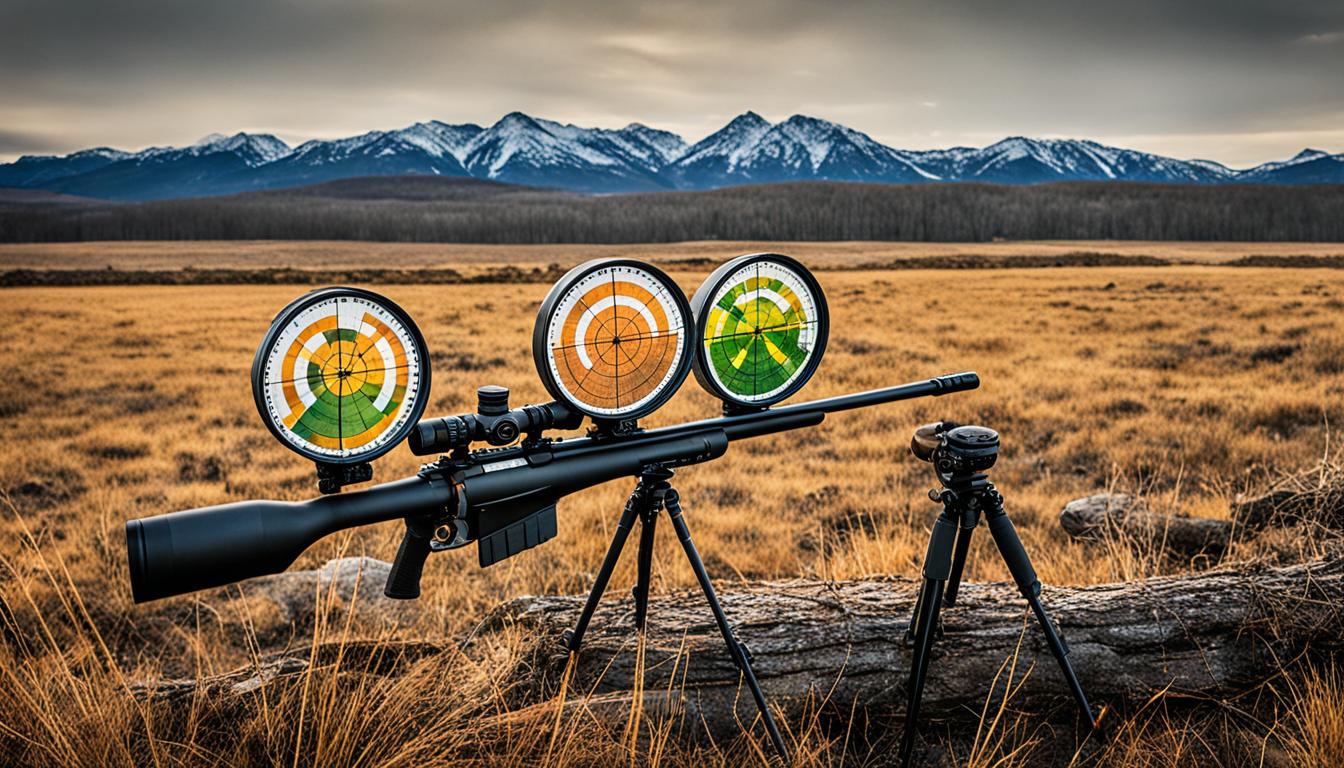
Whether you’re new or experienced, knowing about objective lens size and reticle patterns is key. They help you choose the right scope for your hunt. By matching these features with your needs, you’ll increase your chances of a successful hunt.
Advanced Scope Capabilities: Enhancing Your Hunting Experience
Exploring the world of hunting shows us how modern rifle scopes have advanced features. These features include turrets and dialing for precision, and high-quality lens coatings for clear images.
Turrets And Dialing: Precision Shooting At Long Ranges
When hunting at long ranges, making precise adjustments is key. Today’s top scopes have turrets for this purpose. They let you dial in the right corrections for long shots. With custom ballistic turrets, you can be sure of your aim even from far away.
Lens Coatings And Clarity: Maximizing Image Quality
The quality of lens coatings and glass in a scope greatly affects how clear the image is, especially in the dark. HD and ED glass give better color and contrast. This makes it easier to see your targets clearly.
Understanding how modern rifle scopes work can improve your hunting skills. Whether you need accuracy at a distance or clear images, the right scope makes a big difference.
Conclusion
Choosing the right optics and scopes for your hunting rifle is key to your success. It’s important to know about magnification, objective lens size, reticle patterns, and advanced features. This knowledge helps you pick the best gear for your needs and hunting conditions.
Do you like a simple fixed-power scope or a complex variable-power one with special turrets? The right optics and scopes can make your rifle accuracy better, help in low light, and let you hit targets at different distances. Quality hunting gear increases your shot success and brings home the game you want.
Choosing optics and scopes is a personal choice. Think about the features and what you need for your hunting style and environment. With the right gear, you’ll become a more confident and successful hunter.
]]>