This guide will cover the grasses deer eat, how to grow those species, and how to make the best deer habitat. Let’s dive in and learn more about grasses deer eat.
Why Deer Prefer Certain Grasses
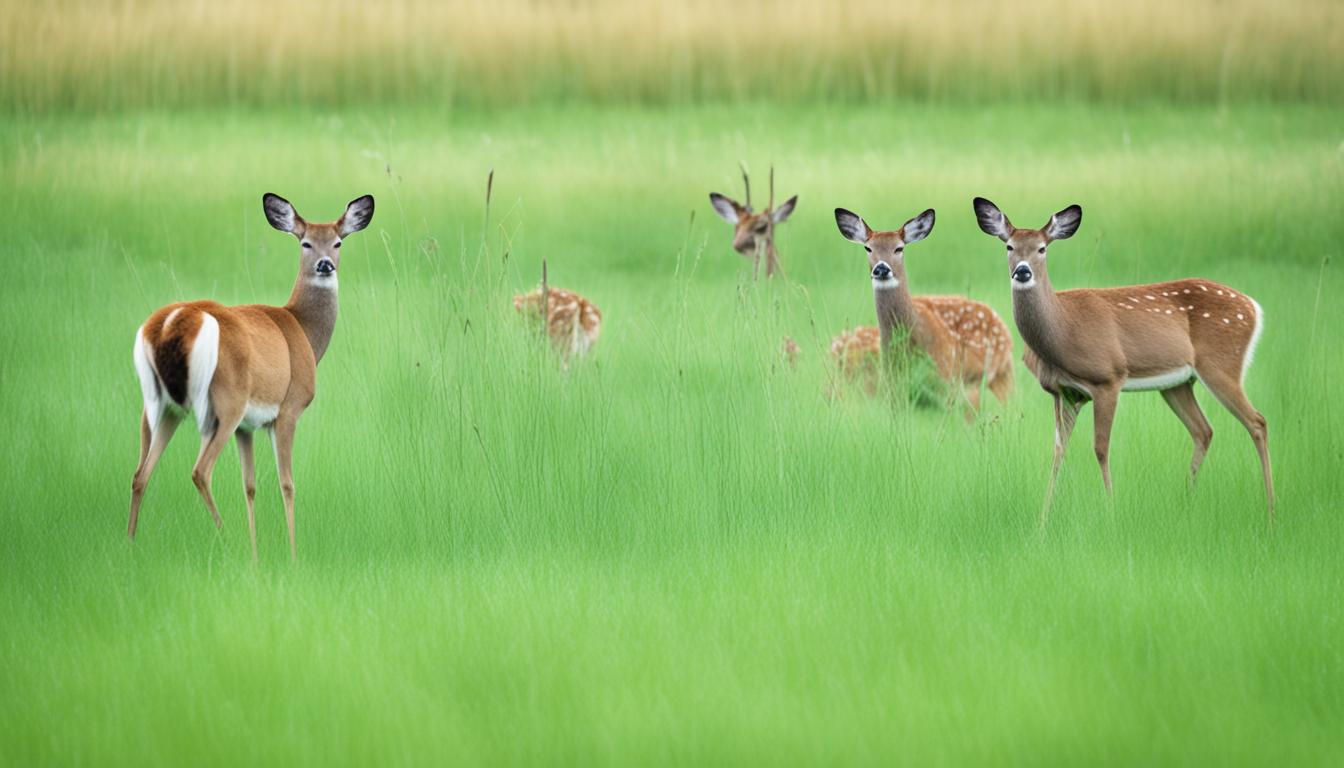
Deer prefer certain grasses due to their nutritional needs and various influencing factors. Key nutritional requirements for deer include proteins, carbohydrates, fats, vitamins, and minerals, which support growth, energy, and overall health.
Factors such as protein content, palatability, availability, nutrient density, seasonal changes, and digestibility determine grass preference. High-protein grasses like orchardgrass and clover are favored, while soft, tender, and easily digestible grasses are more palatable.
Seasonal variations and the availability of nutritious grasses also play significant roles in deer dietary choices. Understanding these preferences allows for better habitat management to support healthy deer populations.
The Importance Of Native Warm-Season Grasses For Deer
Native warm-season grasses (NWSGs) like big bluestem, little bluestem, indiangrass, and switchgrass are types of grasses deer eat. They offer better food, shelter, and cover than non-native cool-season grasses. These grasses are essential for deer in the winter
.
Nutritional Value Of Native Grasses
Deer need to eat five times a day, often in their bedding areas. Switchgrass is a top choice for deer habitat because it provides food and shelter. A pure switchgrass field is ideal for turning fields into deer habitat or keeping old CRP fields deer-friendly.
Providing Fawning And Winter Cover
Early Successional Growth (ESG) takes 12-15 years to hide deer well. But, a frost-seeded switchgrass field can do it in 18 months. Adding diversity to a switchgrass field makes it 4-5′ tall in the first season, helping deer hide during hunting.
Warm-season grasses grow tall, need little care, and attract mature bucks. Bucks find these grasses perfect for resting and finding mates. It’s good to set aside 2 to 10 acres for these grasses on your property.
These grasses produce 4 to 7 tons of hay per acre. Cutting them after July helps protect pheasants and quail. They support deer, turkeys, pheasants, and quail and can survive without rain for over a month. Planting a mix of species like switchgrass and others is best.
Managing Old Fields For Optimal Deer Habitat
Many old fields are filled with non-native grasses that don’t help deer much. To make these fields better for deer, start by getting rid of the “grass carpet” with herbicides. This lets native plants grow, which deer love for food and shelter.
Removing Non-Native Grass Carpets
Grasses like fescue, orchardgrass, and Kentucky bluegrass make fields too uniform for deer. Using selective herbicides can clear these out. This lets native plants take over. You might need to do this a few times to get rid of all the unwanted plants.
Promoting Forb And Bramble Growth
After getting rid of the non-native grasses, native plants can start to grow. This means more food and shelter for deer. Keeping the field healthy with burns or mows helps keep it perfect for deer.
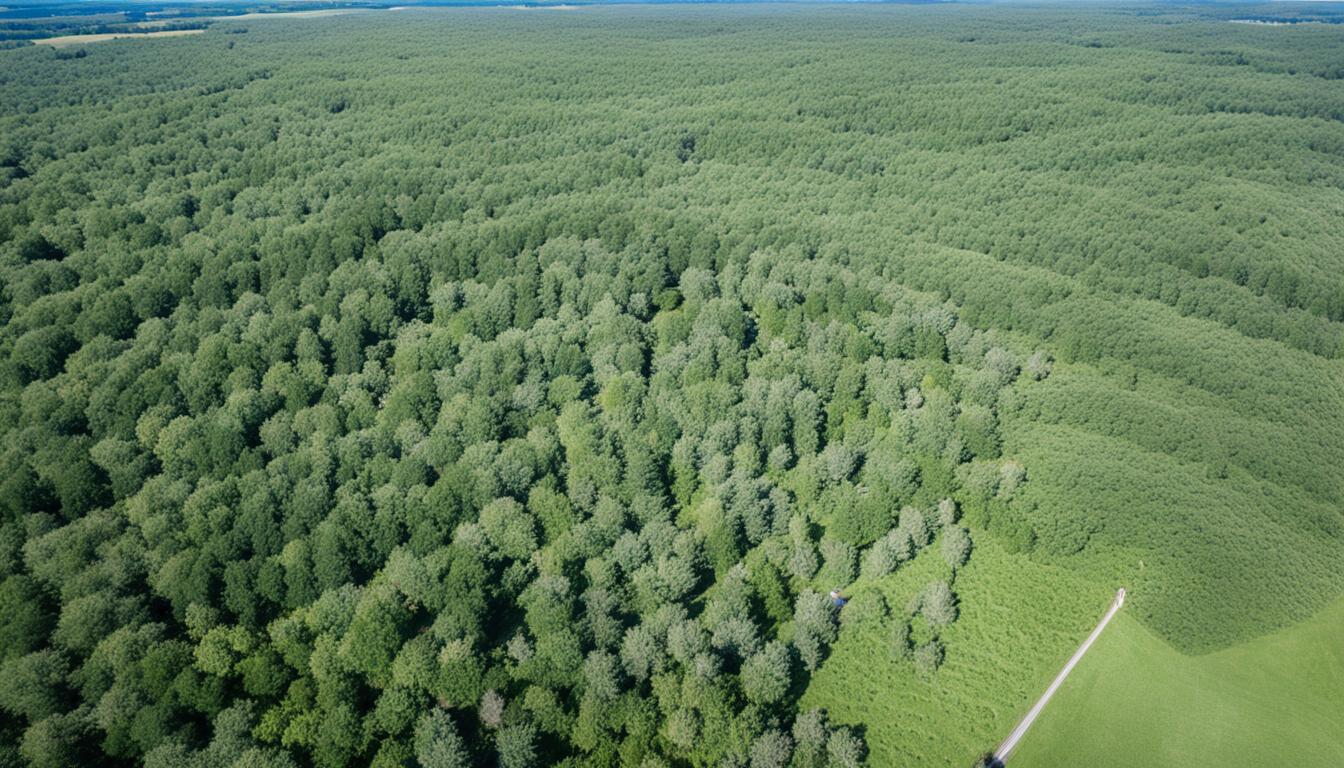
Turning old fields into great places for deer means making them diverse. By removing unwanted grasses and helping native plants grow, or by growing grasses deer eat. You can make an old field a great home for deer.
Grasses Deer Eat
Deer don’t just eat grasses. They prefer a variety of plants, like forbs, browse, mast, and mushrooms. These plants are more nutritious than grasses, which are often lower in quality.
Dr. Dave Hewitt from Texas A&M-Kingsville says deer eat mostly browse, forbs, mast, and crops. Grasses are a small part of their diet, mainly eaten in late winter and early spring.
About one-third of the plants deer eat make up most of their diet. Grasses like winter grass and panic grass are part of this. But deer can’t live only on grass. They need a mix of plants to stay healthy.
Deer like to eat browse and forbs because they’re easy to digest and give them quick energy. A mix of plants is key for deer health. In the Southeast, deer eat over 400 plant species, mostly browse, forbs, and mast.
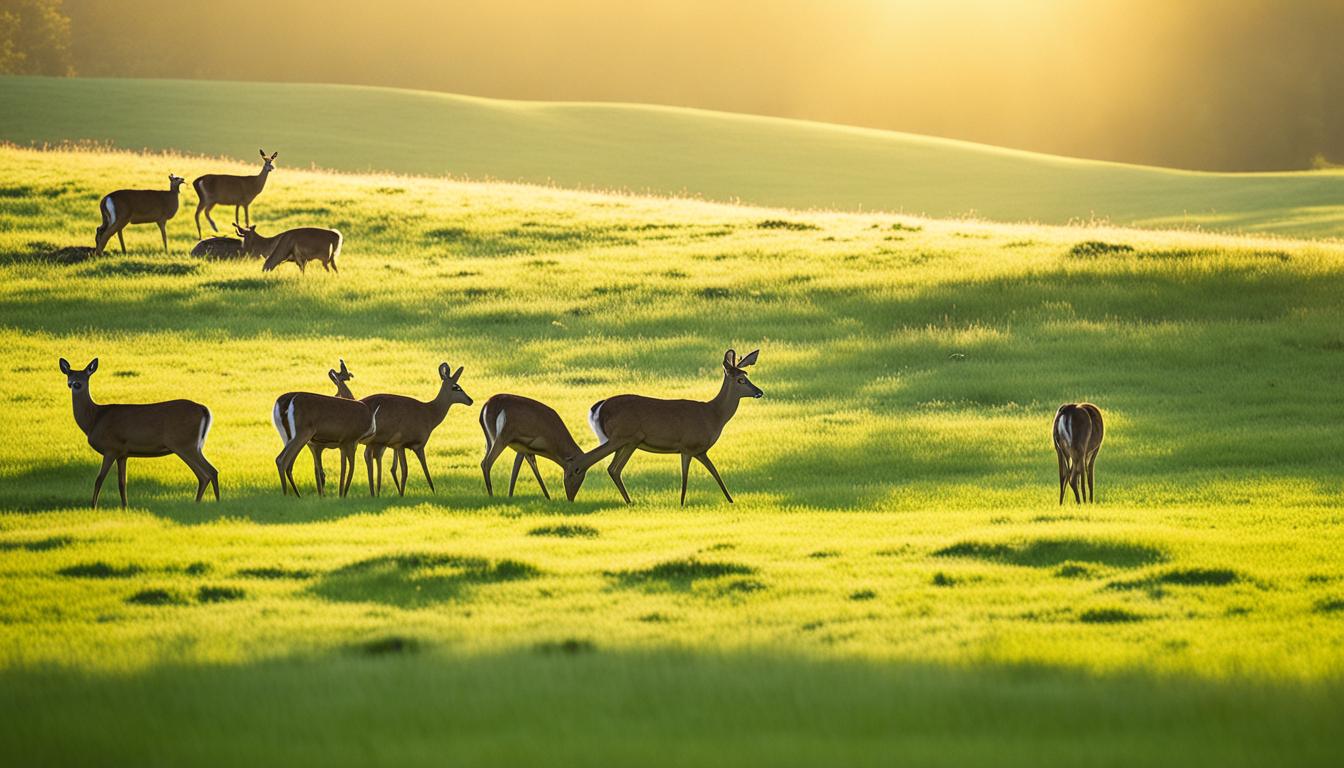
In conclusion, deer eat more than just grass. They prefer a variety of plants, including woody plants, forbs, and mast. Knowing what deer eat helps with habitat management and keeping deer healthy.
Identifying And Encouraging Deer-Preferred Grass Species
Some native warm-season grasses are key for deer. Big bluestem, little bluestem, indiangrass, and switchgrass offer great winter cover. They also help forbs grow. Deer don’t eat these grasses much, but they’re vital for a diverse plant community. This community supports deer’s needs all year.
Big Bluestem And Little Bluestem
Big bluestem and little bluestem are crucial for deer. They grow tall and have a blue-green color. In winter, they provide dense cover. The dead plant material is perfect for deer forages like legumes.
Indiangrass And Switchgrass
Indiangrass and switchgrass are also great for deer. Indiangrass has golden-yellow seed heads, offering great nesting and fawning cover. Switchgrass creates dense stands that protect deer from winter. Both support deer-preferred forbs and browse plants.
By promoting these grasses, landowners and wildlife managers can create top-notch deer habitat. These grasses meet deer’s needs all year. Proper management helps them grow, boosting deer health and population.
Conclusion
Managing old fields and grasslands for deer habitat management is more than just planting food plots. It’s about letting native grasses, forbs, and shrubs grow. This makes a wildlife-friendly landscaping that gives deer good food and shelter all year. It also helps many other animals and supports sustainable agriculture.
Restoring native plants helps create a healthy ecosystem for white-tailed deer. By growing native grasses, forbs, and shrubs, deer get the food they need. They also find shelter and protection for their young and in winter.
To manage deer habitats well, focus on creating a diverse and strong grassland. This approach supports deer’s needs and helps your local ecosystem stay healthy and full of life.
]]>