In contrast, my friend said, “as enormous as the pumpkin they may look, it has been green through and through. Each day he looks at his fruits, he keeps asking himself, what are the pumpkin ripening stages? When will he see that bright orange colour in his garden?”.
To summarize our story, we studied the pumpkin ripening stages and got it right. And he yielded a bountiful and perfect harvest just in time for Halloween.
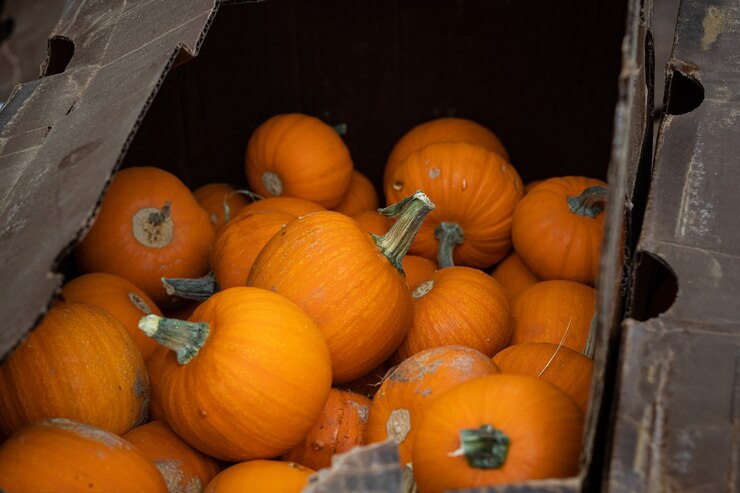
Understanding the pumpkin ripening stages can actually transform your harvest. Stay glued to this article as we explore the key pumpkin ripening stages for a bountiful harvest.
What Are Pumpkin Ripening Stages?
In simple words pumpkin ripening is the natural process that transforms a pumpkin from its initial growth stage to a matured pumpkin.
It has both physical and chemical impacts on the fruit, this process can affect the pumpkins taste, colour, texture, and longevity.
Key Pumpkin Ripening Stages
Pollination And Fruit Set
- What Happens: After flowering, pollination occurs when bees transfer pollen from male flowers to female flowers. Successful pollination leads to fruit sets.
- Appearance: Female flowers will begin to swell at the base, indicating that fruit is beginning to form. The fruit starts as a small green structure.
- Key Actions: Ensure that there are enough pollinators in the area. If necessary, hand-pollinate flowers by transferring pollen with a small brush or cotton swab.
2. Early Growth (Immature Stage)
- What Happens: The pumpkin begins to grow rapidly after pollination, absorbing nutrients and water from the plant.
- Appearance: The fruit remains green and is still relatively small compared to its final size. The vine continues to grow and spread.
- Key Actions: Maintain consistent watering and fertilisation to support healthy growth. Monitor for pests and diseases that may affect young plants.
3. Mid-Growth (Development Stage)
- What Happens: The pumpkin continues to grow in size, with the plant focusing on leaf and vine development.
- Appearance: The fruit may still be green but will start to show signs of increasing size. The vines will have numerous leaves for photosynthesis.
- Key Actions: Ensure adequate sunlight (at least 6 hours per day) and proper spacing between plants for air circulation. Regularly check for nutrient deficiencies or pest infestations.
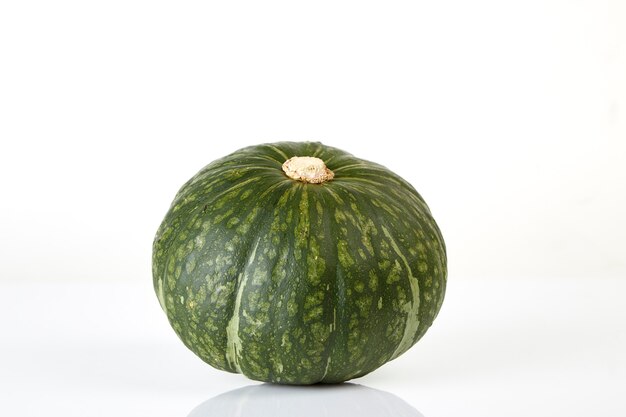
4. Color Transition (Ripening Stage)
- What Happens: As the pumpkin matures, it begins transitioning in color from green to its mature hue (often orange).
- Appearance: The skin starts showing patches of orange, indicating that sugars are developing within the fruit.
- Key Actions: Remove any leaves that shade the pumpkins to allow full sun exposure. Rotate the pumpkins occasionally to promote even color development.
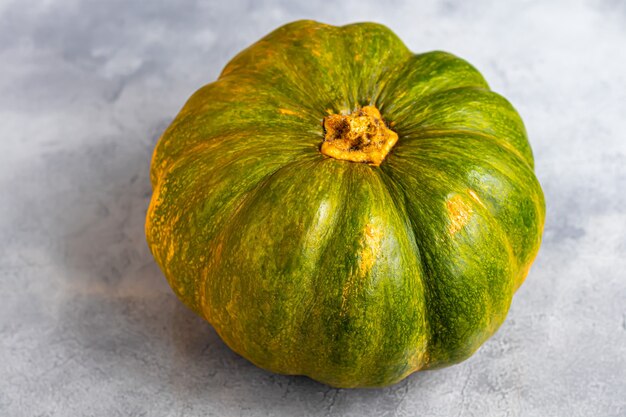
5. Mature Ripening (Full Ripeness)
- What Happens: The pumpkin reaches its maximum size and color, with sugars fully developed.
- Appearance: The skin is a deep, even color (usually orange), and the rind is hard to the touch.
- Key Actions: Check for firmness by pressing on the skin; it should feel solid. If conditions are right, consider starting the curing process by bringing pumpkins indoors.
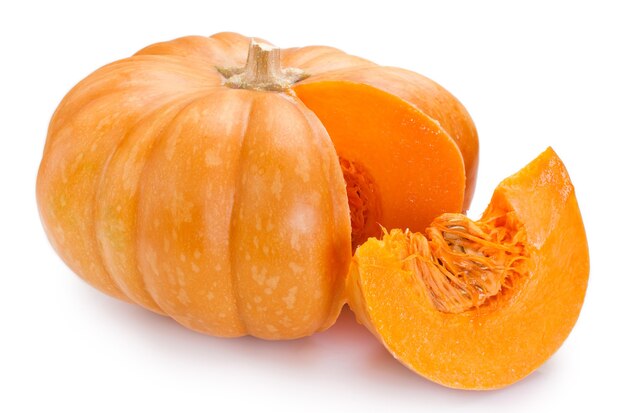
6. Harvest Ready
- What Happens: The pumpkin is ready for harvest when it has reached full ripeness and has been cured properly.
- Appearance: The stem turns brown and begins to dry out; a hollow sound is heard when thumped.
- Key Actions: Cut the pumpkin from the vine with a sharp knife, leaving a stem of at least 4 inches attached to prevent rot. Handle carefully to avoid bruising.
7. Overripe Stage (Optional)
- What Happens: If left too long on the vine or stored improperly, pumpkins can become overripe.
- Appearance: The skin may become soft or wrinkled, and there may be signs of decay or mould.
- Key Actions: Regularly inspect stored pumpkins for signs of overripeness or disease. Use any overripe pumpkins promptly in cooking or compost them if they are beyond use.
Key Factors To Consider In The Pumpkin Ripening Stages
Sunlight
Pumpkins require ample sunlight for proper ripening. Position your pumpkins in sunny areas and remove any leaves that shade them to enhance their exposure to sunlight, this can promote colour development and sugar accumulation.
Temperature
Also monitor the temperature of your pumpkin, the best temperatures for ripening pumpkins are between 80°F and 85°F during the day, with nighttime temperatures not dropping below 60°F.
Cooler temperatures can slow down the ripening process and may lead to chilling injury if they fall below 50°F.
Colour Development
A consistent and vibrant colour can be a good and reliable indicator that your pumpkin is ready for harvest. The skin colour of the pumpkin changes as it ripens, it changes from green to deep bright oranges and sometimes the mature hue specific to its variety.
Size And Shape
Pumpkins grow until it is mature or near maturity, a pumpkin that stops growing signals that it is nearing maturity.
When the pumpkin reaches its size, it takes the characteristics and shape of its variety. The size varies based on its variety, but the average size and weight of a pumpkin is between 1 kg to 7kg.
Skin Texture
Another key factor to note in the stages of pumpkin ripening is the hard and tough skin. As the fruit ripes, its skin hardens and becomes tough, making it difficult to pierce with a fingernail, this nature protects the pumpkin from pests and indicates ripeness.
Stem And Vine Condition
As the pumpkin ripens, the stem turns woody, brown, and begins to dry out. A drying stem signals that the fruit is no longer drawing nutrients from the vine and is ready for harvest.
And The vine attached to the pumpkin starts to wither and die back, such is a natural indicator that the pumpkin has fully matured.
Sound Test
Another factor to consider is the sound, tap the pumpkin lightly, a pumpkin ready for harvest will have a hollow sound when you thump on it lightly with your finger.
Timeframe
Understanding the typical timeline helps manage expectations and plan for harvest. Pumpkins typically ripen 90–120 days after planting, depending on the variety.
Understanding the typical timeline helps manage expectations and plan for harvest.
Weather Conditions
Cool nights and warm days encourage ripening. Frost can damage unripe pumpkin,
harvest before frost to avoid crop loss.
Considering these factors ensures that pumpkins are harvested at their peak quality for culinary use, decoration, or long-term storage.
In summary, with these pumpkin ripening stages; Pollination and fruit stage, immature, development and ripening stages to full ripening stages, and overripe stage are essential to anyone involved in pumpkin cultivation and other pumpkin activities such as, Deer antler pumpkin carving.
By monitoring these stages closely and taking appropriate actions, growers can ensure their pumpkins develop optimal flavor, texture, and storage potential. Proper management throughout these stages leads to a successful harvest and enjoyment of this versatile crop.
Leave your comments Deer Hunting Gateway
]]>