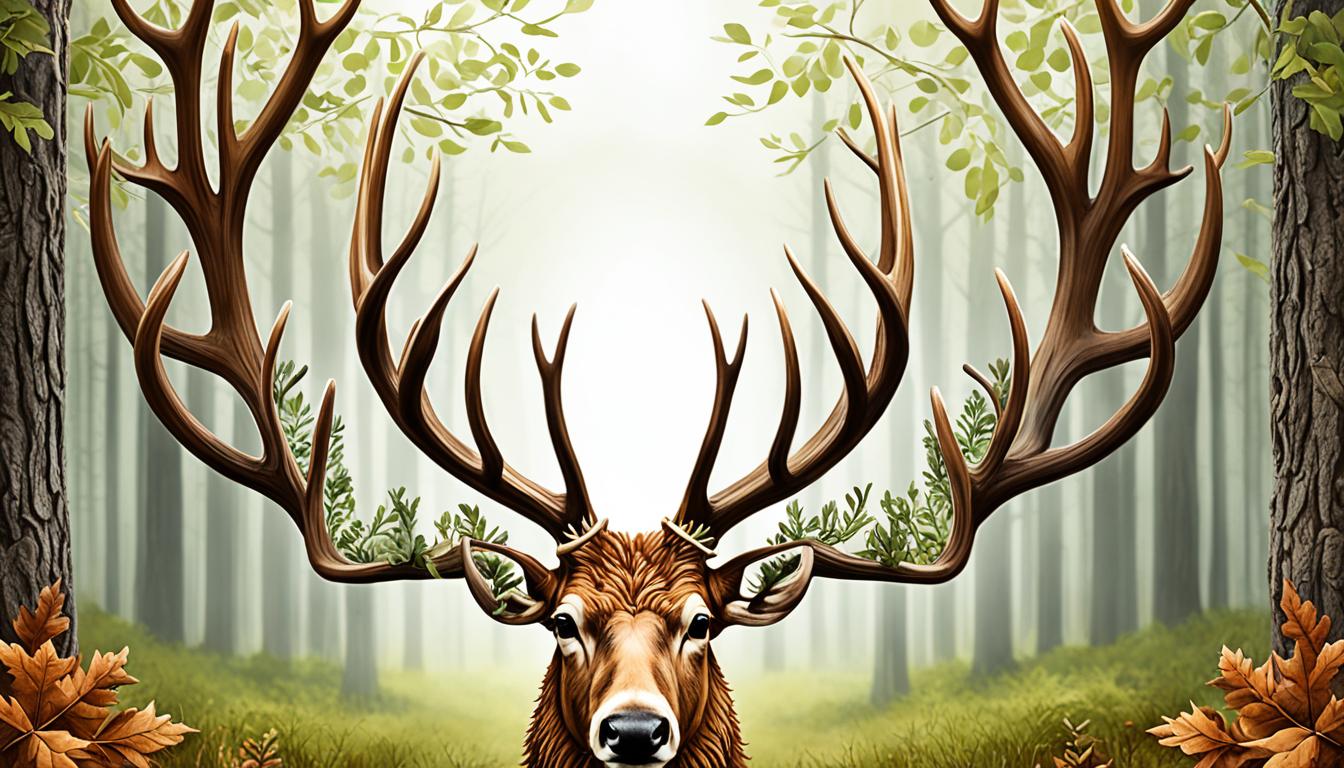
Did you know a healthy bull elk can shed up to 10 pounds of velvet yearly? Or that antlers in velvet can grow 1 inch daily? These are just a few amazing facts about antler growth. Join us to learn more about their anatomy, purpose, and what affects their size and development. This guide is perfect for hunters, wildlife fans, or anyone curious about nature.
Introduction To Antlers
Antlers are a unique feature of the deer family, Cervidae. They grow every year from the pedicles on the frontal bones of male deer, caribou, and moose. Female caribou also grow antlers, showing that not all are limited to males.
What Are Antlers?
Antlers are temporary bone projections that grow and are shed yearly. They are unique to cervids, like deer, elk, moose, and caribou. These antlers are seen as a secondary sexual trait. Their main role is to help males compete during the breeding season.
Purpose Of Antlers
- Antlers signal a male deer’s health and genetic quality to potential mates.
- They are used in fights between males to show dominance and get mating rights.
- Antlers can defend against predators, causing serious injuries with their size and shape.
- Recent studies show antlers might be a controlled bone growth, like tumors, not just for fighting or showing off.
The growth and shedding of antlers each year is amazing. It needs a lot of energy and nutrients from the deer. Learning about antlers helps us understand the deer family’s biology and evolution.
Anatomy And Growth Of Antlers
Deer are famous for their impressive antlers, which they grow and shed every year. This process is controlled by hormones and environmental factors. As spring and summer come, antler growth starts, thanks to a lot of blood and a velvet skin layer.
The growth of antlers starts right after the old ones are shed, usually from January to March. Then, the antlers grow fast, up to half an inch a day in July. By mid-September, the velvet comes off, showing the hard, shiny antlers ready for the breeding season.
- Hormones control antler growth, with the pituitary gland starting the process in spring.
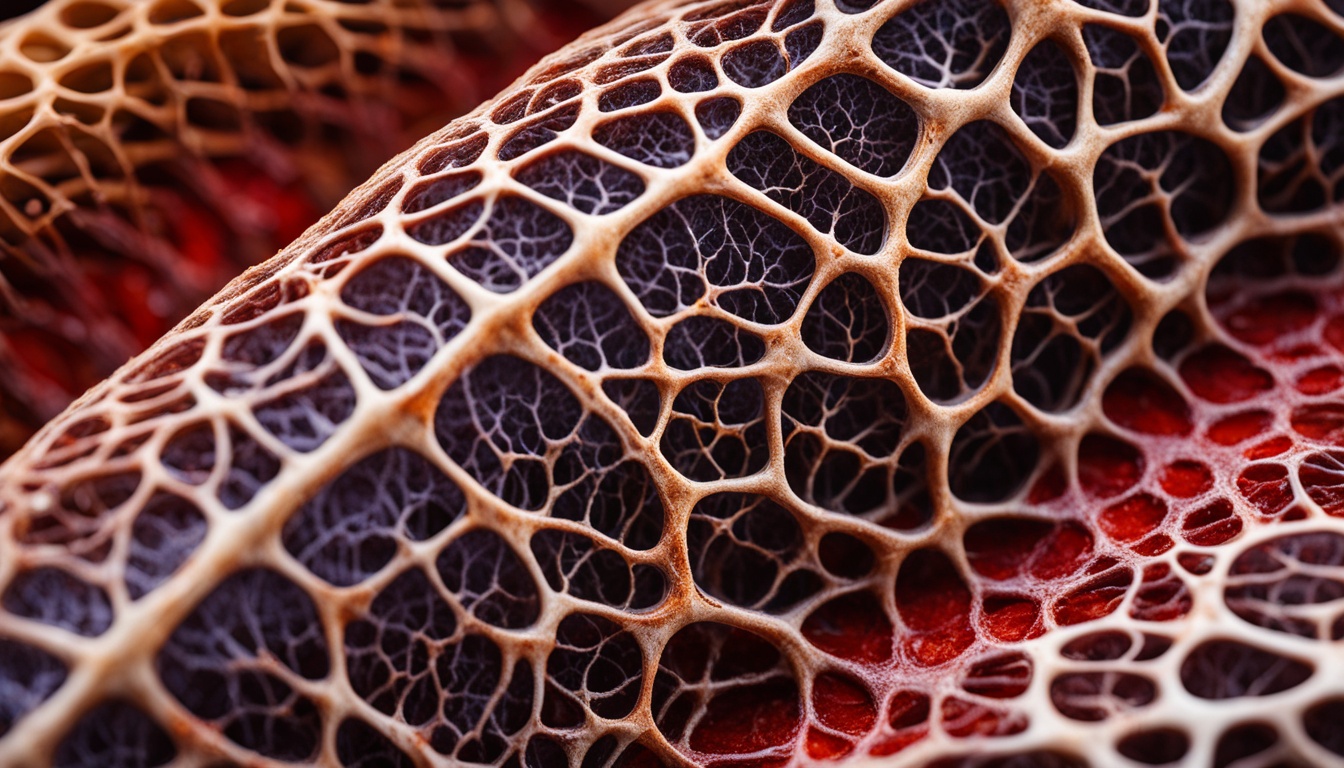
- Antlers are made of spongy and compact bone, with the outer layer strong and the inside full of marrow and blood vessels.
- Things like age, genes, and diet affect the size and shape of antlers, making them different from one another.
When the breeding season ends and days get shorter, deer shed their antlers. This starts the cycle again. This amazing yearly growth shows how well deer have adapted.
Antlers And Their Growth
The size and growth of a deer’s antlers depend on age, nutrition, and genetics. These factors are key to understanding how these amazing structures grow and change.
Factors Affecting Antler Size
As male deer get older, their antlers grow bigger and more complex. This is because their age and hormonal changes help their antlers grow. Young bucks have small, thin antlers, but older ones can have huge, impressive racks.
What a deer eats is also crucial for its antlers. They need a diet full of protein, minerals, and nutrients for fast antler growth. This can happen at a rate of up to half an inch per day during the growing season. Bucks with a good diet tend to have bigger, more impressive antlers.
Genetics also play a big part in antler size and shape. Every deer is different genetically, which affects how big and complex its antlers can be. Some bucks are naturally better at growing large, impressive racks.
Knowing about age, nutrition, and genetics helps us appreciate deer antlers more. It also helps wildlife managers and hunters make better decisions about these amazing natural wonders.
Deformed Antlers
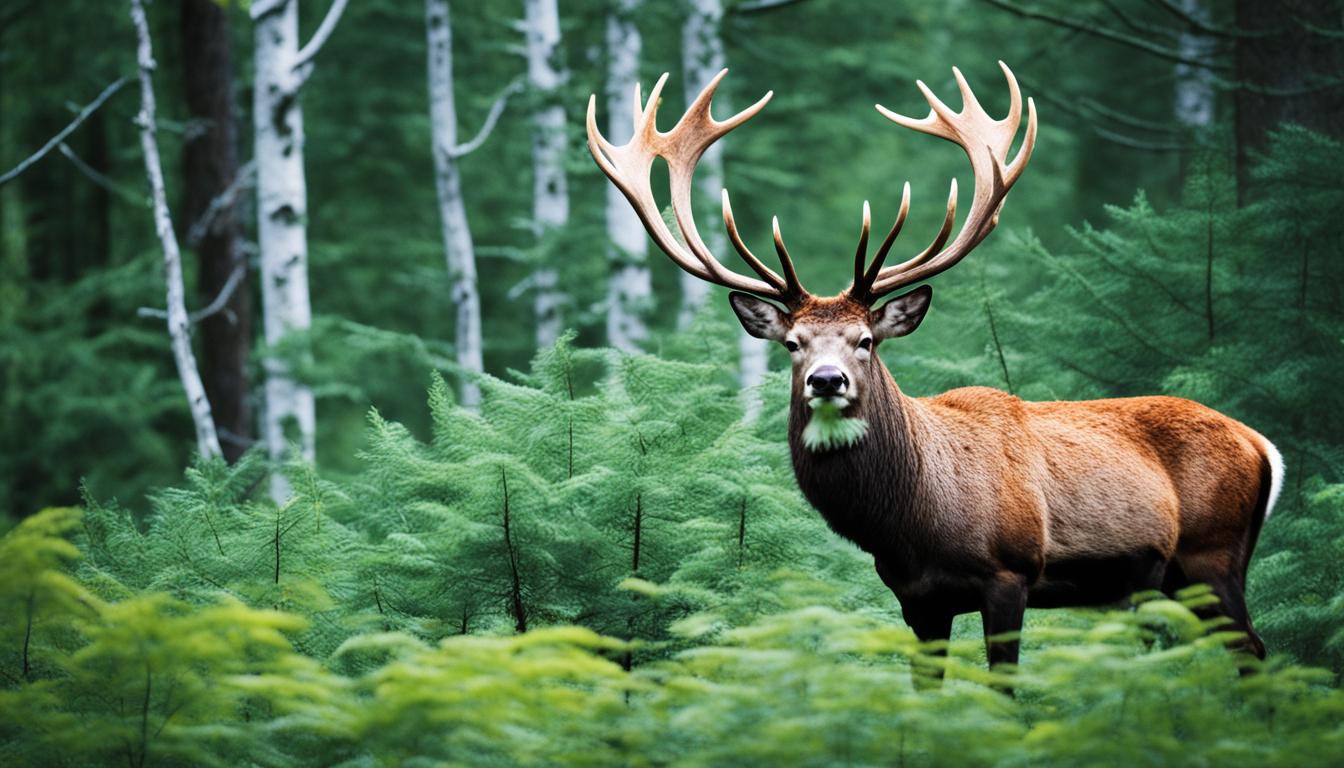
White-tailed deer are famous for their impressive antlers. But sometimes, these antlers can look different. Deformed antlers come from injuries or genes, showing how complex antler growth is.
Injuries often cause deformed antlers. Damage to the leg, pedicle, or velvet can mess up antler growth. If a deer gets hurt during a fight, it might grow an “SOS” buck. This means one antler stays small or looks odd. But, these issues often get better over time as the deer heals.
- A study by Auburn University found 34 out of 71 SOS bucks had injuries that caused their antlers to deform.
- Injuries during the velvet stage can make antlers look odd this year. But, they might grow normally the next year if the velvet heals.
- Leg injuries can also make antlers grow funny or small. This happens because the deer uses its energy to heal instead of growing antlers.
Genetics also matter a lot. More than half of wild bucks can have genes for odd antlers. But most don’t live long enough to show it. In places where odd antlers are common, these traits can be passed down.
Low hormone levels, especially testosterone, can cause weird antler shapes. Understanding why antlers grow oddly is key for managing wildlife and conservation.
Looking into why antlers deform helps us value these amazing animals more. From injuries to genes, deformed antlers show how adaptable and strong these creatures are. They give us a peek into the changing world of nature.
Conclusion
Antlers are a key part of male deer, showing strength and helping them survive. By learning about how antlers grow, we can better understand deer biology. This guide has shown how important antlers are for deer.
If you love deer, study wildlife, or just enjoy nature, knowing about antlers is important. It helps you see deer in a new light. By using what we’ve learned, we can help protect deer and keep them safe.
Antlers show how strong and adaptable deer are. By learning more about them, we can help protect deer. We can also enjoy the beauty and complexity of nature.
]]>