It is essential to know that white-tailed deer’s behavior and its habits can significantly enhance your experience as a wildlife enthusiast or hunter.
But most importantly, white-tailed deer poop can reveal essential clues about a deer’s behavior, movement, diet, and health, which will greatly contribute to your hunting success and put you above the average hunter.
Therefore, if you’re hoping to improve your tracking skills or deepen your understanding of white-tailed deer in the wild, analyzing their droppings will provide crucial insights.
In this guide, we’ll break down five key insights about white-tailed deer poop and their essence to hunters. By the end, you’ll know how to use this often-ignored resource to become a better wildlife observer.
6 Essential Insights About White-Tailed Deer Poop
1. Identifying White-Tailed Deer Poop
Before you can leverage white-tailed deer droppings you need to know what it looks like. White-tailed deer poop typically comes in small, pellet-like droppings that are dark brown or black.
The size, shape, and consistency of the droppings can vary depending on the deer’s diet and season.
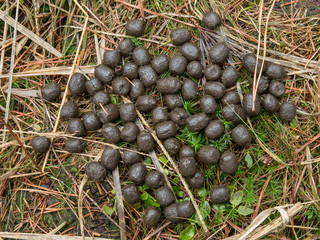
- Size and Shape Clues: In warmer months when deer feed on lush vegetation like leaves and grass, their poop tends to be larger and clumpier. In winter/colder months, their scat tends to be smaller and more compact as deer feed on drier foods like twigs and bark.
- Understanding what deer droppings look like can immediately help you determine if white-tailed deer are in the area. Spotting fresh droppings means deer have been there recently, while older, dry pellets indicate they passed through some time ago.
This simple observation can help you decide where to set up a hunting blind or plan your next wildlife watching trip.
Find out more characteristics of deer poop here.
2. Understanding Diet From White-Tailed Deer Poop
Deer dropping can help you learn a lot about their diet, it can provide you with valuable information about what these animals have been eating.
White-tailed deer have a highly varied diet that changes with the seasons.
- Seasonal Diet Changes: For instance, if the droppings are soft and clumped together, it indicates the deer have been consuming moisture-rich foods like grasses and leaves, which are abundant in the spring and summer.
On the other hand, hard, dry pellets are common during the winter months when deer switch to a diet of woody plants, including twigs and bark.
- Tip for Wildlife Enthusiasts: Observing deer poop in a particular area can reveal their feeding habits and predict their movements..
For instance, softer droppings in an area with abundant fruit trees may indicate that the deer are feeding on fruit there.
This insight can be useful for hunters or anyone tracking deer for photography.
Practical Example: During hunting season, if you find clumped droppings in an area rich with fruit-bearing plants, it’s a good indication that deer have been grazing there.
3. Tracking Deer Movement
Another useful insight from white-tailed deer poop is the ability to track their movement patterns.
When you observe the location and frequency of droppings, you can determine where deer have been and where they might be headed.
- Frequency and Freshness: Fresh droppings are a sign that deer are nearby, and old, dried-out scat suggests they passed through some time ago.
The frequency of droppings can also give an idea of how often deer visit an area, and whether the deer are staying in one place or moving around.
- Pro Tip: Pair this information with other signs of deer activity, such as tracks or rubbed tree bark, to get a clearer understanding of their movement patterns.
- Wildlife Tip: By mapping out the locations where you consistently find deer poop.
As For wildlife enthusiasts you can start to predict the paths deer are likely to take by mapping out locations you often find deer poop, which can be useful for setting up trail cameras or hunting blinds.
4. Health Indicators from White-Tailed Deer Poop
Deer poop also reveals some insights into deer health. Hunters and wildlife enthusiasts should pay attention to the consistency and appearance of these droppings.
Occasional changes in poop consistency can be due to diet changes, but then, persistent abnormalities can indicate health issues.
- Normal vs. Abnormal: Healthy deer poop is typically well-formed pellets. Unusually soft or runny droppings might indicate stress, parasites, or other health issues.
- Disease Indicators: In some cases, abnormal poop can be a sign of diseases like Chronic Wasting Disease (CWD), which is a serious issue for deer populations.
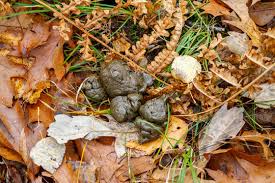
If you come across unusually large amounts of diarrhea-like droppings, it could suggest a sick deer in the area, which is vital information for both wildlife conservation and hunting safety.
Monitoring deer poop in your area can give you a better sense of the overall health of the local deer population and even alert you to potential issues.
But do not rush to make conclusions based on one abnormal-looking sample, pay keen attention.
5. Identifying Prime Habitat Areas and Ideal Hunting Locations
Have you heard of this popular saying from hunters? – Where there’s poop, there’s likely deer.
White-tailed deer tend to defecate in areas where they feel safe and spend a lot of time, so finding concentrated amounts of white-tailed deer poop can indicate a prime habitat.
- Habitat Zones: Areas where you find large amounts of deer poop are often key feeding or bedding areas.
These are places where deer feel comfortable, making them excellent spots for observation or hunting. Where there’s poop, there’s usually deer activity.
- When you combine the evidence of droppings, the observations of food sources, water availability, and cover you can identify the best locations for spotting or hunting deer.
Dense concentrations of poop near abundant food sources are a strong indicator of frequent deer visits.
Final thoughts
In your efforts to understand their behavior, pay keen attention to white tailed deer poop, it offers invaluable resources and information for wildlife enthusiasts and hunters.
When you learn to identify, analyze, and interpret white tailed deer droppings, you can gain crucial insights into the behavior, health, and movement of these graceful animals.
From tracking their diet to finding prime habitats and understanding their overall well-being, deer poop is a key tool for anyone interested in the great outdoors.
Take the time to observe this often-overlooked clue next time you’re out in nature—it just might lead you to your next great wildlife discovery.
We would like to hear from you; Have you ever used white-tailed deer poop to track wildlife? Share your experiences and tips in the comments below!
Check out our article on “How to Attract Deer to Your Yard” for more wildlife observation tips!
]]>