Unfortunately, these stunning plants are often attracted to and targeted by many creatures, they are vulnerable and easily devoured by some animals.
Fortunately, you can actually protect your plants, that is to identify what animals eat daylilies and take proactive steps that can help protect your daylilies from hungry animals.
In this post, we will learn which animals are most likely to eat daylilies and provide five practical tips to keep your plants safe, and ensure your garden remains a sanctuary for beautiful blooms.
What Animals Eat Daylilies?
Daylilies are hardy perennials, prized for their ability to thrive in various conditions. Unfortunately, their resilience and tender, juicy leaves and flowers make them an attractive target for various animals.
Here’s a breakdown of the main culprits:
Deer
Deer are part of the top animals that eat daylilies, particularly in suburban and rural areas. Their browsing habits can lead to significant damage, and leave behind just stubs of what were once flourishing plants in your garden.
Deer are mostly attracted to the tender flowers and leaves, especially during their dawn and dusk feeding times. Therefore, if your plants seem to disappear overnight, deer could be the reason.
When you are been asked about what animals eat daylilies, deer can be a best answer.
According to a report from The Fayetteville Observer, deer will eat the entire plant if given the chance, making them a primary concern for gardeners
Rabbits
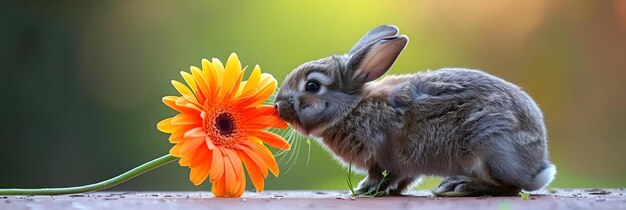
Naturally, Rabbits love young and tender shoots, for daylilies rabbits are attracted to their tender shoots and leaves that emerge in early spring.
They typically feast on the lower parts of the plant, leaving small, jagged bite marks on leaves and stems.
These bite marks are a telltale sign of rabbit damage. Rabbits are particularly active in spring and early summer when new growth is most tender and vulnerable.
Squirrels
Another perfect answer to our question top what animals eat daylilies.
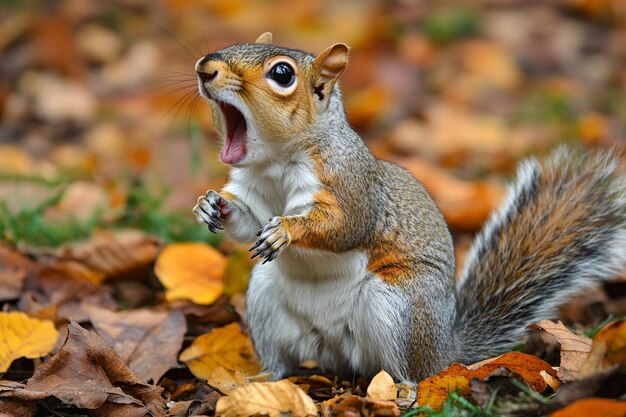
Squirrels might not target daylilies for their leaves or flowers, but they are known to dig up bulbs, sometimes out of curiosity and sometimes out of hunger.These rodents like to look for roots, especially fresh roots.
Daylilies have crunchy bulbs that attract squirrels to them. If you find your daylily bulbs disturbed or unearthed, squirrels may be the cause.
Their damage is less direct than that of deer or rabbits, but can still weaken your plants.
Groundhogs
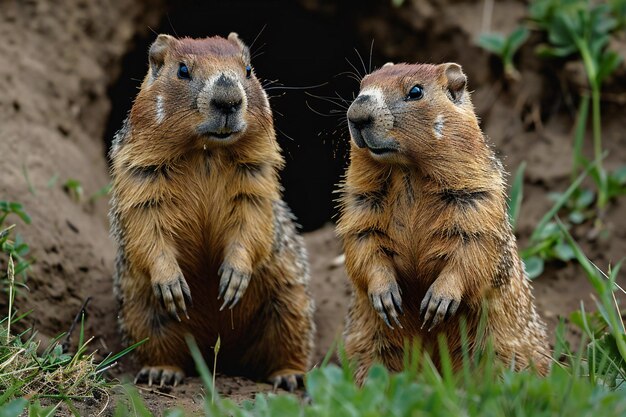
These animals are also known as woodchucks. They are voracious grazers that can quickly mow down entire plants if given the chance.
They tend to feast on daylilies when they’re available, particularly if the garden is near their burrows. Groundhogs can cause significant damage, because they often eat large portions of the plant.
Other Small Rodents (Voles and Chipmunks)
Voles and chipmunks are small, burrowing animals that also target the bulbs and roots of daylilies. Their feeding isn’t as immediately noticeable as deer or rabbits, and may go unnoticed until significant damage has occurred.
These rodents can cause the plants to weaken and die because they attack their root systems.
Signs of vole or chipmunk activity include collapsed soil around the base of the plants and disturbed roots.
Insects (Bonus)
When it comes to what animals eat daylilies, insects are often overlooked because animals are the primary focus.
That is fine, but it is worth mentioning that some insects, like aphids and slugs, can also damage daylilies.
Aphids may cluster on leaves, and slugs may create small holes in the foliage. Although insect damage is usually less severe, it can still weaken the plants.
5 Tips To Protect Your Daylilies
It is crucial to know what animals eat daylilies, but very critical to know how to protect your plants from being devoured by these animals.
Let’s learn these five tips
1. Fencing
Fencing is a reliable way to protect your daylilies from larger animals like deer and groundhogs.
Deer-proof fencing should be at least 8 feet tall, as deer can jump quite high. For instance, 8-foot or 10-foot black plastic deer fencing with a gate will be effective to protect your daylilies from deer, these are available across the web.
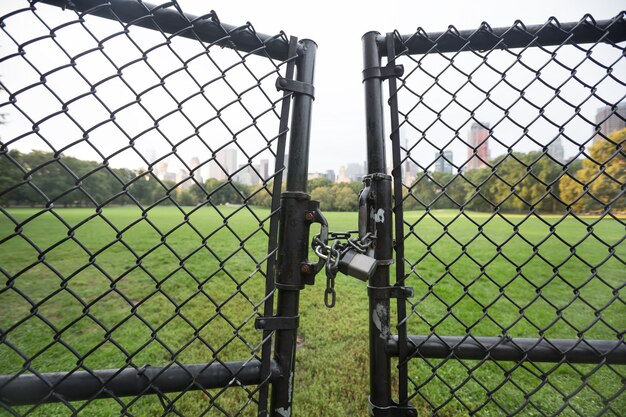
For smaller animals like rabbits and groundhogs, a 2- to 4-foot-high wire mesh fence can be effective.
Burying the bottom of the fence 6 inches below the ground will help keep burrowing animals from sneaking underneath.
2. Repellents
Both natural and commercial repellents can help keep animals away from your daylilies. Products containing ingredients like garlic, cayenne pepper, or predator urine work by creating scents that animals find unpleasant.
You can also create homemade repellents using ingredients like garlic or hot pepper mixed with water and soap. Just be sure to reapply after rain or every couple of weeks for the best results.
Commercial options like Liquid Fence or Plantskydd are also effective and safe for use around plants. These products can deter animals from grazing without harming the plants or the animals.
You should not be afraid after knowing what animals eat day lilies if you can not afford fencing
3. Companion Planting
A natural way to protect your daylilies is to plant them alongside plants that naturally repel animals.
Examples of such plants are; Marigolds, lavender, and certain herbs like rosemary and thyme. These animals can help keep animals like rabbits and deer away.
These plants have strong scents that animals dislike and contain natural chemicals that act as deterrents. Companion planting is a great way to protect your garden and maintain its beauty after knowing what animals eat daylilies in your garden.
4. Motion-Activated Deterrents
This is a high-tech solution that works effectively in protecting your plants, you should consider installing motion-activated sprinklers or lights.
These devices activate when an animal approaches, scaring them away without causing harm.
Motion-activated sprinklers, in particular, can be highly effective for deterring deer and rabbits, which dislike sudden bursts of water.
Devices like the Orbit Yard Enforcer or Hoont Animal Repeller are great options for this type of protection.
5. Mulching and Barriers
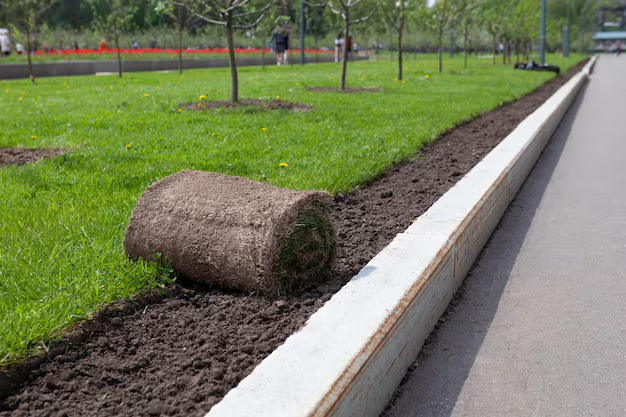
If you want an effective way to protect your daylily bulbs from burrowing rodents like voles and chipmunks, you should consider using mulch and underground barriers.
Apply a thick layer of mulch around your plants to deter smaller animals from digging. Additionally, placing a layer of hardware cloth or chicken wire beneath the soil can prevent rodents from accessing the bulbs and roots.
Ensure to use a material with small enough openings to keep even the smallest pests at bay.
In summary,
Your beautiful and resilient daylilies can be protected, understanding what animals eat daylilies is important for gardeners and plant lovers who want to protect their plants.
Deer, rabbits, squirrels, groundhogs, and other small rodents are the most common culprits, each of these animals can cause different types of damage to your plants.
Now that we have identified what animals eat daylilies, you can leverage on the five tips outlined above—fencing, repellents, companion planting, motion-activated deterrents, and mulching, to protect your plants and enjoy their beauty all season long.
Try different combinations of these tips based on the animals in your area and your specific garden setup. And if you’ve had success with any of these methods or have additional tips, share your experiences in the comments!
Have you dealt with animals eating your daylilies? Share your experiences and tips in the comments section below!
Aside from what animals eat daylilies, you can get more hunting tips at Deer Hunting Gateway to boost your hunting success.
]]>When it comes to supporting deer health and antler growth, the best deer protein feed plays a critical role.
Protein is a key foundation in deer health and antler growth. It ensures they are strong and healthy especially during key seasons.
You should be aware as a hunter or a wildlife enthusiast that the best deer protein feed plays a crucial role in the entire deer lifestyle.
Providing the right protein feed can significantly improve the size and health of your deer population.
That is why we will explore the essence of protein in deer health and antler development in this article.
We will provide you with the top 12 best deer protein feeds to ensure your deer are healthy, strong, and sporting impressive antlers.
Why Protein is Crucial for Deer Health and Antler Growth
The Role of Protein in Deer Development
Protein is essential for deer, particularly for bucks during their antler-growing season, which typically occurs from late winter to summer. Deer require 16%–20% protein intake for optimal health during this time.
Protein supports muscle development, tissue repair, and overall deer health. Bucks use protein to grow dense, durable antlers, which are crucial during the rut when they compete for mates.
Deer can struggle to maintain body condition, and bucks may grow smaller, weaker antler without adequate protein
Deer with sufficient protein levels have better immune function, reproductive success, and muscle mass retention. High-quality protein feeds can help deer recover from winter weight loss and prepare them for the rigors of the rut.
Aside from antler growth, protein basically supports the deer’s entire well-being
Top 12 Best Deer Protein Feeds For Deer Health And Antler Growth
Find below the top 12 protein feeds, with their unique benefits that can boost deer health and promote robust antler growth.
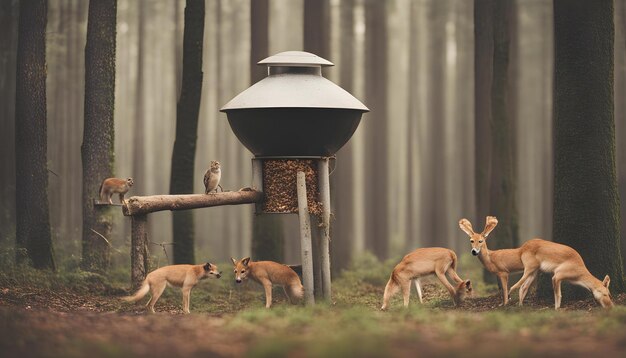
1. Soybean Meal
Soybean meal is one of the highest-protein feeds available, It contains around 48% protein, and an excellent nutrient for antler growth and muscle development.
Useful during pre-antler growth in late winter through early summer, that is when bucks begin to grow their antlers.
Soybean meal also provides energy, making it a highly effective feed for the rut.
2. Purina AntlerMax Deer 20
This high-protein feed (20%) is specifically formulated to support antler growth and overall health.
You can use it all year-round, particularly in spring and summer.
It also contains essential minerals and vitamins that promote reproductive health and immune function.
3. Alfalfa Pellets
One of the best deer protein feeds that is rich in both protein (around 16%) and fiber, alfalfa pellets are easily digestible for deer, and boost muscle mass.
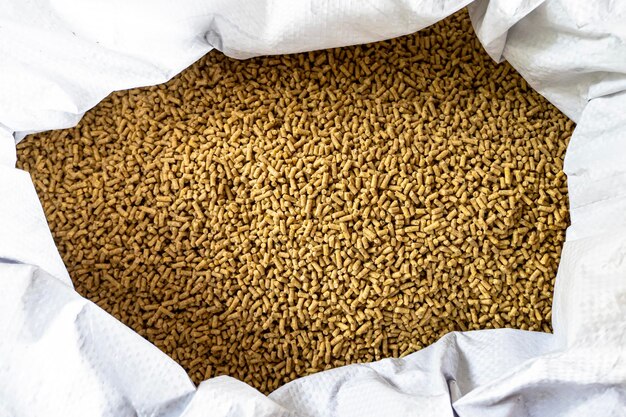
The best time to use it is spring and summer, when bucks need extra protein to maximize antler growth.
This feed is naturally attractive to deer and can be mixed with other grains for a balanced diet.
4. Cottonseed
This feed is one of the best and excellent options for deer overall body condition and antler growth. Cottonseed is high in both protein (23%) and fat.
It is best useful in early spring and pre-rut.
Caution: Cottonseed should be used in moderation due to its high fat content.
5. Record Rack Fawn Starter & Sportsman’s Choice Record Rack
Specifically designed to support fawn development, this feed also promotes muscle growth and antler development in adult bucks.
It is useful all year-round, especially during the growth period.
Additional benefits: High in vitamins and minerals that support immune function and reproductive health.
You can find other deer products on record rack
6. West Deer Feed
West Deer Feed is one of the best deer feeds that is specially designed for deer, it is a balanced feed with 18% protein. It highly supports antler growth and body condition.
Best use in spring through summer, preferably before rut and antler growth.
It also contains minerals essential for bone development and antler growth.
7. Big Tine 30-06 Protein Plus
This is one of the best deer protein feeds with 30% protein content. is packed with the nutrients bucks need and specially designed for superior antler growth.
Best use in spring and early summer.
Big Tine also contains a blend of grains, providing deer with both energy and nutrition.
8. Peas (Field or Austrian Winter)
Naturally, Peas are high in protein, and contain around 25% protein content, making them a well known best deer protein feed for antler growth and muscle development.
Often used around late winter through early spring for maximum results.
Additional Advantages: Peas are easy to plant and attractive to deer, making them a great addition to food plots.
9. Clovers and Legumes
These feeds are highly digestible and contain around 20% protein. Which promotes and contributes to the overall health and antler growth.
These feeds are mostly available in Spring through summer,and the best time to feed deer with these feeds.
These crops also improve soil health and attract deer to feeding areas.
10. Corn with Protein Supplement
Corn is one of deer’s favourite feed, but it is low in protein on its own. It gets a good percentage of protein content when combined with a protein supplement and provides a balanced feed that supports body condition and antler growth.
It is useful all year round, but particularly in winter when food is scarce.
Corn is highly attractive to deer naturally, this makes it an excellent medium to deliver protein supplements.
11. Rice Bran
Rice ban is a best deer protein feed that is good for muscle gain and antler development. It is high in fat and protein
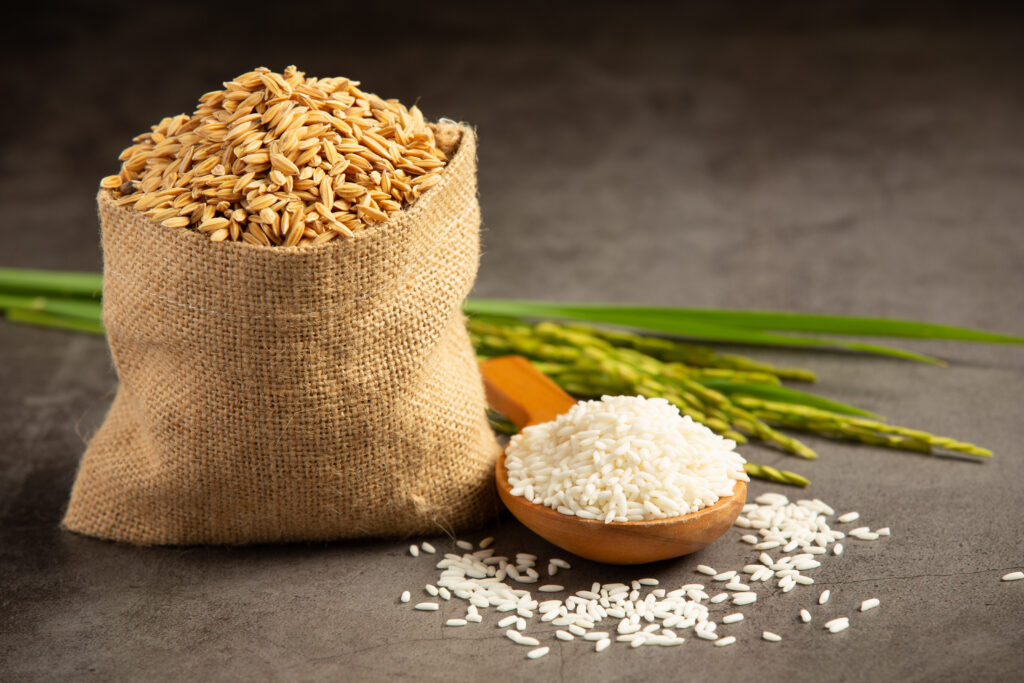
The best period to use this feed is when deer need an energy boost for antler growth in late winter through early spring.
It contains high energy content and helps deer maintain body condition during the leaner months.
12. Sportsman’s Choice Record Rack 20% Protein Pellets
As stated, this best deer protein feed contains 20% protein, and specifically designed to promote antler growth and deer overall health.
It is useful all year-round, with a focus on the antler-growing season.
Aside from the high protein content this best deer protein feed is easy to use and attractive to deer. It is a very popular choice among hunters and wildlife managers.
To sum up, as a deer hunter or animal lover, maximizing your deer health and antler growth should be your priority. Protein is very essential for deer, and investing in these best deer protein feeds can make a great difference.
These 12 best deer protein feeds; from soybean meal and Purina AntlerMax to rice bran and Big Tine are all proven feeds that provide essential nutrients for deer and improve deer health, body condition, and antler size.
Ensure to experiment with these protein feeds to find what works best for your specific deer population, based on the season and availability of food resources.
Always remember that the right feed can make a huge difference.
Let us hear from you; which of these protein feeds have you been using? Share your experiences in the comments!
Explore Deer Hunting Gateway for more deer tips
]]>