“In nature, nothing is perfect and everything is perfect. Trees can be contorted, bent in weird ways, and they’re still beautiful.” – Alice Walker
Gregory Smolin is a photographer who knows birds and landscapes well. He says knowing your subjects is key to great wildlife shots. This helps you guess their actions and find the best focal length shots.
It doesn’t matter if you use a fancy camera like Smolin’s Sony a7Riii or your smartphone to shoot wildlife. The main thing is to improve your observation skills and avoid camera shake. While you let the camera do the work, you’ll need patience, fast thinking, and a love for nature.
Are you ready to start? Let’s look at some key tips for wildlife photography to get those good photos.
Understanding Wildlife Photography Basics
Wildlife photography combines art and science. It lets you take amazing photos of animals in their natural settings. You must know about animal behavior, their homes, and how to photograph them ethically.
Knowing Your Subjects and Their Habitats
To take a photo; I mean take great wildlife photos, do your homework. Learn about the animals you want to photograph. Understand their habits, where they live, and what they do every day.
This information helps many wildlife photographers guess their actions and find places to take great photos or better images.
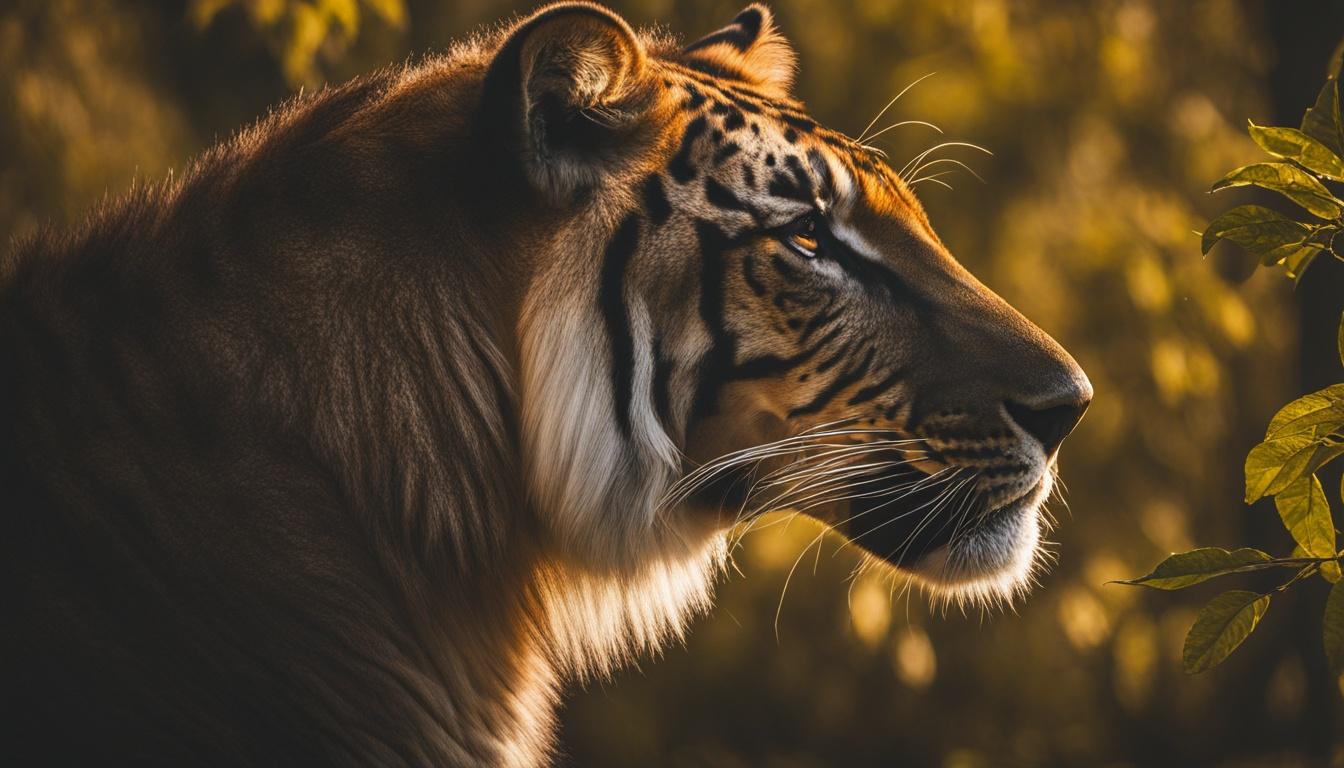
Essential Equipment for Wildlife Photography
Even if you’re a beginner wildlife photographer, in getting the right gear to capture wildlife, you’ll need:
- A weather-sealed camera body
- Telephoto lenses (300mm to 600mm)
- Sturdy tripod or monopod
- Fast memory cards
- Extra batteries
Importance of Patience and Observation
When it comes to wildlife photography you’ll need a lot of patience. Moving animals won’t pose for you. You might wait for hours for the perfect shot. You’re using this time to watch and learn. In professional wildlife photography, silent shutter mode helps you not scare your subjects.
“The best wildlife photographers are those who can think like the animals they’re photographing.”
Remember, it’s important to photograph wildlife ethically. Keep a safe distance, don’t harm their homes, and never use bait. To get great photos of animals, aim to capture real behavior, not fake scenes. With patience and respect, you can usually take several stunning photos that show the wild world’s beauty.
Let’s now look at the tips for wildlife photography that can greatly impact your images.
Choosing the Right Camera and Lenses
Finding the right gear is crucial for your wildlife photos to look good. The camera and lenses you choose can greatly improve your wildlife photography and allow you to shoot great photos of different types of animals.
The following are tips for wildlife photography that you need to know to ensure you take stunning pictures like an experienced wildlife photographer!
Best Cameras for Nature Photography
For wildlife and landscape photography, look for cameras with high resolution, good zoom lens and good low-light performance. For the best composition, many experts prefer full-frame DSLRs or mirrorless cameras.
The Sony ⍺1 is a top pick for its speed and image quality. But depending on your camera to choose, you don’t have to spend a lot. A crop sensor camera in hand can also work well, offering more reach with your lenses.
Selecting Appropriate Lenses for Different Scenarios
The right lenses are key for wildlife photography. Here’s a quick guide:
- Wide-angle (10-35mm): Great for landscapes and environmental shots
- Standard (35-85mm): Versatile for various nature subjects
- Telephoto (70-200mm+): Perfect for distant wildlife
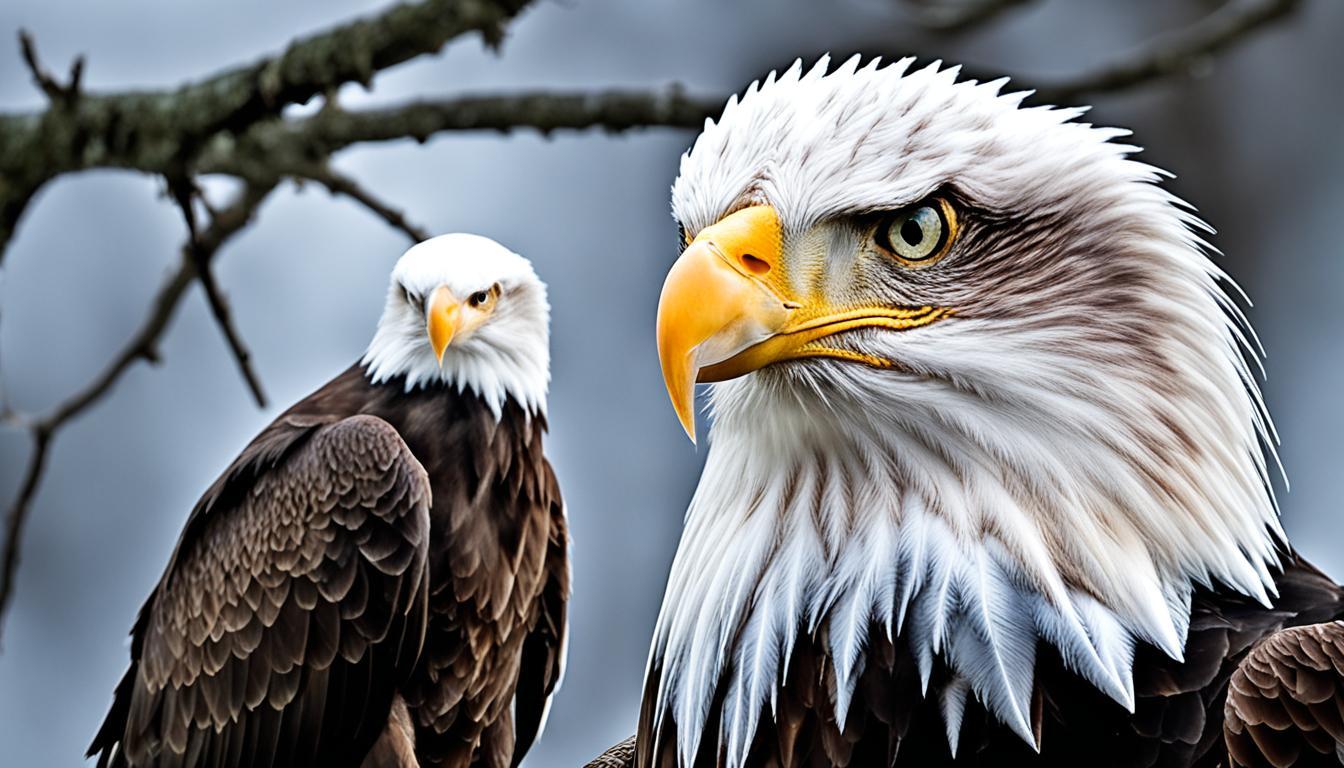
For wildlife, telephoto lenses are often the best choice. The Sony FE 200-600mm f/5.6-6.3 is a popular option, priced at $1998. It gives you great reach without costing too much. To shoot in low light, fast lenses with wide aperture and shutter speed like f/2.8 or f/4 work best.
Importance of Weather-Sealed Equipment
Nature can be unpredictable. That’s why weather-sealed gear is essential. It keeps the camera and lenses safe from dust, moisture, and other outdoor challenges. This feature lets you shoot in tough conditions, making sure you don’t miss that perfect shot.
Remember, good camera settings for wildlife are just as important as your gear. Practice with your equipment to find the best settings for different situations. With the right tools and knowledge, you’ll be taking amazing wildlife shots in no time.
Tips for Wildlife Photography
Mastering wildlife photography takes time and practice. Start by understanding the animals to get the best photographs. Learn about animal behavior and where they live. This helps you get the best shots when photographing the animal.
For birds in flight, keep your shutter speeds at 1/500th or higher. This freezes their movement and makes your photos sharp. With mammals, be patient. Watch their behavior, prepare your lens and camera and wait for the perfect moment to snap a photo.
Storytelling through wildlife images is key. Don’t just take close-ups. Include the animal’s surroundings to tell a story. Try different angles to make your photos more interesting.
- Use the golden hours for soft, even lighting
- Shoot in continuous mode to capture fleeting moments
- Frame subjects off-center for dynamic compositions
- Get low for dramatic perspectives
Remember, ethical wildlife photography is important. Observe wildlife well, never disturb animals for a photo. Increase the length of your lens and keep a respectful distance. By following these tips for wildlife photography, you’ll get better pictures that tell powerful stories.
“The eyes are the windows to the soul in wildlife photography. Focus on capturing them to create engaging images.”
Mastering Camera Settings for Wildlife Shots
Getting your camera settings right is key to great wildlife photos. Let’s explore the main settings you need for amazing wildlife shots.
Aperture and Depth of Field
Aperture is vital in wildlife photography. For clear, detailed shots, use an aperture between f/5.6 and f/8. This keeps the animal looking sharp and the background soft. In bright light, a higher f-stop helps avoid overexposure and sharpens focus.
Shutter Speed for Capturing Movement
Your shutter speed can freeze or blur motion. For flying birds, set it to 1/2000th of a second. Fast-moving animals like deer need 1/1000th to 1/1600th. For still wildlife, 1/500th is enough.
ISO and White Balance Considerations
ISO is crucial in low light for wildlife. Keep it low (100-200) in bright conditions for clear photos. Set a maximum iso to 400-800 as light fades. In very dark scenes, go up to 1600 or higher. You can fix noise later in editing.
“The right settings can turn an ordinary wildlife shot into something extraordinary.”
Try these camera settings for wildlife. Practice in various lighting and with different subjects. Soon, you’ll be capturing nature’s beauty like a pro!
Composition Techniques for Stunning Nature Images
Wildlife photography composition is crucial for making images that tell a story. The rule of thirds is a great tool. Picture your frame split into nine parts by lines. Place your subject where these lines meet for a balanced shot. This method helps create images that grab the viewer’s attention.
Storytelling in wildlife photos is more than just showing the animal. Add depth with foreground elements. Use wide apertures (f/2.8 or f/4) to show the setting and mood. Negative space can show freedom and exploration, especially in big landscapes. The background is as important as the subject. A clean background makes your subject stand out and boosts your image’s impact.
Always put ethical wildlife photography first. It’s tempting to get close for a great shot, but keep a safe distance. This avoids disturbing the animals and their homes. Use long lenses for close shots without disturbing them. Shooting at eye level with your subject builds a connection with the viewer. These tips for wildlife photography ensures you approach nature with respect and helps wildlife conservation efforts.
Start Your Journey
Wildlife photography is a journey into the heart of nature’s untamed beauty. By mastering the interplay of essential equipment, you can capture stunning images that tell compelling stories.
Take these tips to heart and elevate your picture capturing skills!
]]>