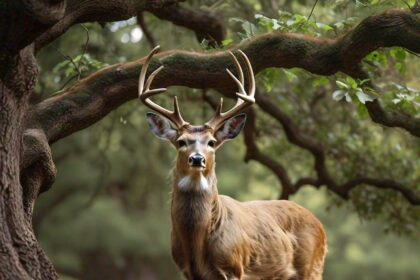



Have you ever paused on a summer walk and spotted a deer quietly grazing in the distance, its ears flicking as it nibbles on something green and fresh?
In that moment, you might wonder — what exactly are deer eating in the summer, and why does it matter so much to them?
Summer is a season of abundance for deer. Unlike the harsh winter months, when food is scarce, the warm months provide a rich buffet of plants, fruits, and crops that fuel their energy, help bucks grow strong antlers, and give does the nutrients they need to care for their fawns.
Understanding what deer eat in the summer not only deepens our appreciation for these graceful animals but also offers valuable insights for hunters and wildlife enthusiasts who love observing them in their natural element.
Why Summer Diet Matters for Deer
If you’ve ever wondered what do deer eat in the summer, the answer is more than just “plants.” Summer marks a dramatic shift in a deer’s diet compared to the leaner months of winter.
For wildlife enthusiasts, this is the season when deer seem most active and visible, and for hunters, it’s the perfect time to understand patterns that can make scouting more effective.
During summer, food is plentiful. Meadows, forests, and farmlands transform into feeding grounds where deer can find high-quality vegetation.
Unlike winter, when survival depends on woody browse and whatever scraps they can find, summer provides nutrient-rich foods that help deer thrive. This abundance directly affects their health, growth, and daily movements.
One of the biggest reasons summer foods matter is antler development in bucks.
Growing antlers requires a tremendous amount of protein, minerals, and hydration. Summer vegetation, fruits, and crops provide these nutrients in abundance.
Hunters who track deer during this season can often spot bucks frequenting fields and crop edges, where they can get the nutrition needed to fuel their rapid antler growth.
For me, the summer diet is equally critical. Many are nursing fawns, which means their bodies demand extra energy and minerals. Foods rich in protein and natural sugars support milk production and overall health.
For wildlife lovers observing deer, this explains why deer are often seen near lush vegetation or fruiting trees, carefully balancing their need to feed with their instinct to protect their young.
Water also plays a crucial role. Deer often seek out ponds, streams, and moisture-rich plants to stay hydrated during hot months.
This makes their feeding patterns more predictable, as they rarely stray far from a reliable water source.
Both hunters and nature observers can use this knowledge to anticipate where deer are likely to be found at different times of day.
In short, the summer diet of deer isn’t just about food, it’s about survival, growth, and behavior.
Understanding these seasonal changes gives you a clearer window into their world and sets the stage for exploring the specific foods deer enjoy most during this season.
Common Deer Foods in the Summer
When we ask the question what do deer eat in the summer, the answer is surprisingly diverse.
Deer take full advantage of the lush growth and variety of foods available in warm months, feeding on a mix of plants, fruits, crops, and even moisture-rich vegetation that keeps them healthy and active.
One of their favorite summer meals is green vegetation. Fields of clover, alfalfa, soyabeans, and peas are irresistible to deer because they are tender, easy to digest, and packed with protein. If you’re a hunter scouting in the summer, you’ll often spot deer grazing in these areas during early mornings or late evenings.
For wildlife enthusiasts, watching a herd calmly feeding in a green field is one of the most peaceful sights nature offers.
Another major food source is fruits and berries. Deer are opportunistic feeders, so when apples, pears, persimmons, and blackberries are in season, they flock to these natural sugar sources.
These fruits give deer quick energy and hydration, making them a crucial part of the summer deer diet. If you live near orchards or wild berry patches, chances are you’ll see deer frequenting those areas.
Deer also browse on leaves, shrubs, and young shoots. Fresh tree leaves and vines are soft and easy to chew compared to woody browse in winter. This makes them an important summer staple.
Add in agricultural crops like corn, wheat, and oats, and you have a near-endless buffet that keeps deer thriving.
Lastly, don’t overlook water and moisture-rich plants. The summer heat means hydration is just as essential as food. Deer will often remain close to creeks, ponds, or shaded areas where moisture is readily available.
So, what do deer eat in the summer? The short answer: almost everything that’s green, fresh, or sweet. This rich variety explains why summer is the season when deer appear healthiest and most active.
How These Foods Impact Deer Behavior
Understanding what deer eat in the summer is not just about listing food sources, it also explains why deer behave the way they do during this season. The availability of fresh greens, fruits, and crops shapes their daily routines, movement patterns, and even their social interactions.
For wildlife enthusiasts, this makes summer one of the best times to observe deer in their natural element, while hunters can use these insights to improve scouting.
Because food is abundant, deer don’t need to travel long distances to find meals in summer. Instead, they concentrate around areas rich in vegetation, orchards, or crop fields. This abundance creates predictable feeding patterns, with deer most active in the cooler parts of the day – early morning and late evening.
If you’ve ever noticed deer emerging from the woods at dusk to feed in open fields, this is a direct result of what deer eat in the summer.
For bucks, high-protein foods like clover, soybeans, and alfalfa play a critical role in antler growth. Bucks will revisit these areas regularly, which is why summer is prime time for spotting them with velvet-covered antlers.
Hunters often use trail cameras near food plots during this season to track these patterns.
Does, on the other hand, need extra nutrition to support fawn growth and milk production. Their feeding behavior is more cautious, as they balance the need for energy-rich foods with keeping their fawns safe. Enthusiasts watching closely may see it grazing near fruit trees or berry patches, then retreating quickly into cover.
In short, what do deer eat in the summer directly shapes how and where they spend their time. From predictable feeding schedules to clear habitat preferences, their diet influences nearly every aspect of summer behavior.
Why Knowing Deer Foods in Summer Helps You
Learning what deer eat in the summer isn’t just an interesting fact,it’s practical knowledge that benefits both wildlife enthusiasts and hunters. Deer diets directly influence their habits, locations, and visibility, which means understanding their summer food sources can greatly improve your chances of seeing or tracking them.
For wildlife lovers, knowing what deer eat in the summer makes it easier to find them in natural settings. Deer are drawn to lush fields of clover, berry patches, and orchards, so spending time in these areas increases your chances of observing them up close.
Imagine watching a doe carefully guide her fawn to a patch of wild blackberries or spotting a buck with velvet antlers grazing on soybeans. By understanding their seasonal diet, you can anticipate where these moments are likely to happen and enjoy a more rewarding nature experience.
For hunters, knowledge of summer food sources provides a strategic advantage. Bucks and deer both stick to reliable feeding patterns in summer, making this the best time to scout.
Setting up trail cameras near soybean fields, corn edges, or water sources often reveals consistent deer activity. Since deer diets fuel antler growth and fawn health, knowing what do deer eat in the summer also helps hunters predict how strong and healthy the herd will be heading into fall.
Finally, understanding deer foods encourages ethical interaction with wildlife. Observers can respect natural feeding behaviors instead of interfering, while hunters can plan responsibly for future seasons.
In short, learning what deer eat in the summer connects you more closely to deer behavior. Whether you’re capturing photos or planning hunts, this knowledge gives you deeper insight into the rhythms of deer life during the warm months.
Conclusion: Share Your Summer Deer Encounters
So, what do deer eat in the summer? From lush green fields and wild berries to crops and tender shoots, deer enjoy a season of abundance that fuels their health, growth, and daily rhythms.
For wildlife enthusiasts, this knowledge opens the door to more meaningful sightings in meadows, orchards, and forest edges. For hunters, it provides a crucial scouting advantage as you prepare for the months ahead.
But the real magic of learning about deer isn’t just in reading — it’s in sharing experiences. Every encounter tells a story, and your perspective adds value to this community of nature lovers and hunters.
Have you ever watched a deer grazing on summer crops, nibbling berries, or cooling off near a stream? What’s the most memorable summer sighting you’ve had?
Drop your story in the comments below. Your insight could inspire another reader, help a beginner spot deer more easily, or simply spark a great conversation about the beauty of these animals.
Don’t just read — be part of the conversation. Scroll down, share your experience, and let’s build a space where hunters and wildlife enthusiasts can learn from each other.