


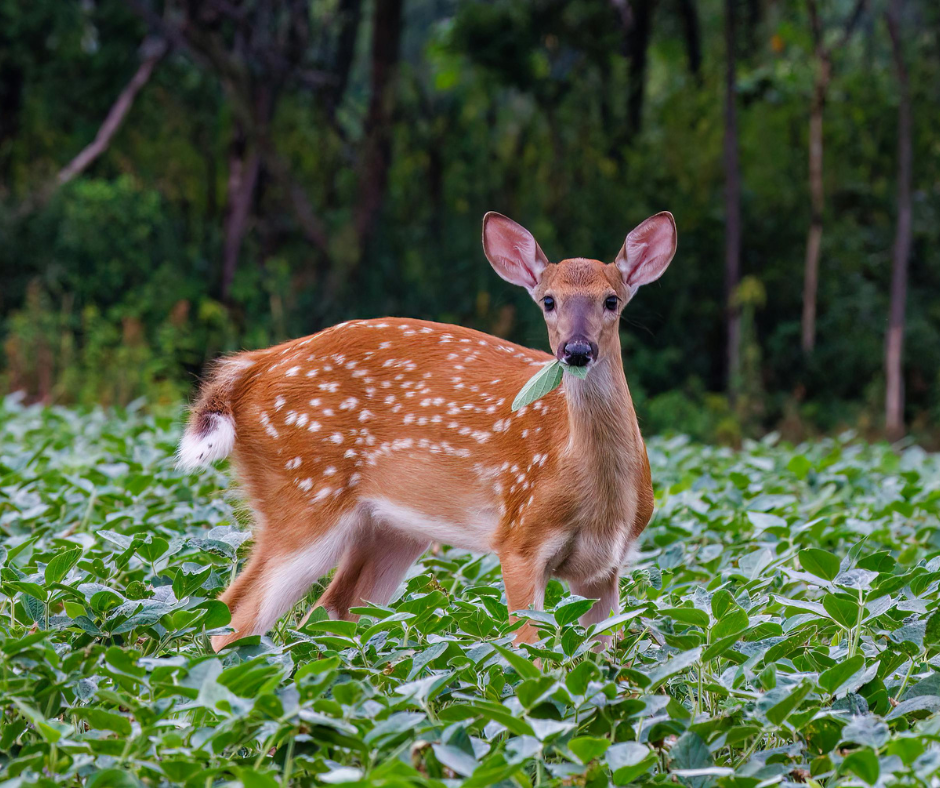
If you’ve ever asked yourself, “Will deer eat green beans?”, the answer is a firm yes and not just occasionally. Deer actively seek out green beans when given the chance.
Table of Contents
For hunters, wildlife managers, and outdoor enthusiasts, understanding what draws deer to specific foods can offer valuable insight into their habits, movement patterns, and habitat use. Green beans might not be a native browse species, but their high nutritional content and soft texture make them an irresistible target in food plots, farm edges, and backyard environments.
This article dives into why deer are drawn to green beans, when they’re most likely to eat them, where these encounters occur, and what this behavior tells us about their diet. We’ll also cover whether feeding green beans to deer is wise or legal, and how to observe or manage this behavior whether you’re tracking deer for a hunt or working to protect your land.
Why Deer Will Eat Green Beans
Deer are naturally drawn to plants that are soft, moist, and easy to eat and green beans fit this profile perfectly.
High Palatability
Green bean plants have tender leaves, soft stems, and juicy pods that are especially appealing to deer. Unlike woody shrubs or tough grasses, green beans are easy for deer to bite and chew. This makes them a preferred food source, especially for young deer or those looking for quick, easy energy.
Nutritional Appeal
Green beans are more than just tasty,they’re nutritious, too. The leaves and pods are rich in moisture, which helps keep deer hydrated during hot months. They also contain natural sugars and carbohydrates that provide fast energy, as well as protein, which is essential for growth, muscle development, and especially in bucks antler formation. For does (female deer), protein and vitamins in green beans are valuable during pregnancy and nursing.
Lack of Natural Deterrents
Many wild plants develop bitter flavors or chemical compounds to protect themselves from being eaten. Green beans do not. They lack strong defenses, making them not only more palatable but also more likely to be eaten in larger amounts when deer come across them.
Scent and Visual Cues
Deer rely heavily on their sense of smell and sight to find food. Green bean plants give off a mild but sweet scent, especially when flowering or when the pods are forming. The bright green color and open structure of bean plants can also help catch a deer’s attention, particularly in areas with less vegetation.
When Deer Are Most Likely to Eat Green Beans
While deer may browse green beans at any time they’re available, certain seasons and conditions increase the chances of green bean plants becoming a deer magnet.
Spring and Summer
In spring and early summer, deer are actively seeking out tender, new plant growth. Green beans grow quickly in warm weather, producing soft leaves and young pods just the kind of food deer crave. This is also a time when deer need more nutrients for growth, fawning, or antler development, making green beans especially valuable.
Periods of Food Scarcity
As summer ends and natural vegetation begins to dry up, deer may struggle to find fresh food sources. In late summer or early fall, if rainfall is low or wild forage is limited, green beans can become one of the few lush, green foods left in the landscape. This makes deer more likely to target gardens, small farms, or leftover crops.
During Gestation or Lactation
Female deer (does) have increased nutritional needs during pregnancy and while nursing fawns. They seek out foods that are rich in protein, moisture, and minerals to support both themselves and their young. Green beans, with their high nutrient content, provide a natural source of these essential elements. If a doe finds green beans during these periods, she’s likely to return frequently.
Where Are Green Beans Most Vulnerable? – Will Deer Eat Green Beans Based on Location?
Farmland: Beans Grown for Human Consumption
In rural areas, farmland often provides deer with direct access to green beans. These crops are grown widely for human consumption, and the edges of fields or garden plots are commonly visited by deer searching for soft, nutritious plants. Once deer discover rows of green beans especially during early stages of growth they can return repeatedly, consuming leaves, stems, and pods until little is left. Farmers and rural homeowners often find that deer can cause serious damage in just a few nights.
Suburban Areas: Backyard Compost Piles and Hobby Farms
As deer populations expand into suburban and semi-rural areas, they increasingly find green beans in backyards, hobby farms, and even compost piles. Deer are opportunistic and curious by nature. If someone tosses bean plants or scraps into an open compost pile, deer may be drawn by the scent and begin foraging. Homegrown vegetable patches in suburban neighborhoods are especially vulnerable, as deer have learned that these areas often offer easy, untended food.
Food Plots: Hunters or Land Managers May Use Green Beans in Plant Mixes
Some hunters and landowners plant food plots to attract or support local deer. While soybeans, clover, and alfalfa are more common choices, green beans may be used in mixed plantings designed to provide nutritional diversity. These plants grow quickly and are highly palatable, making them a tempting treat in managed lands where supplemental forage is provided during warm seasons.
Accidental Access: Fallen or Discarded Produce Near Roads, Trash Bins, or Markets
Occasionally, deer may encounter green beans purely by accident. Spilled or discarded produce near farmers markets, grocery store dumpsters, roadside stands, or even residential garbage bins can provide deer with a surprise snack. These chance encounters demonstrate how deer will investigate and consume unfamiliar foods if they look, smell, or taste appealing.
What This Behavior Reveals About Deer Diets
Deer Are Adaptive Feeders: They Adjust to Local Food Availability
Deer are known as adaptive feeders, meaning their diets change depending on what food sources are available. In spring and summer, they target fresh, leafy vegetation. In fall, they seek out fruits and acorns. In winter, they’ll even eat bark or twigs when options are scarce. The fact that deer willingly eat green beans even though they aren’t native or wild plants shows how flexible and opportunistic their feeding behavior really is.
Preference for Variety: Green Beans Are Just One of Many Soft-Tissue Plants Deer Consume
Rather than feeding exclusively on a single plant type, deer prefer to browse sampling a variety of plants in small amounts. Green beans are just one of many tender, moisture-rich plants deer enjoy. Others include hostas, strawberries, and even certain flowers like tulips. This variety helps deer meet their nutritional needs more effectively, especially when their diet must support antler growth, fawning, or winter fat storage.
Feeding Patterns Reflect Environmental Pressures and Seasonal Needs
Deer diets also change in response to seasonal changes and environmental stress. During dry periods or food shortages, deer may move closer to human spaces in search of accessible food. In years with low acorn or mast production, they may shift more heavily toward farm crops and garden plants. Their willingness to eat green beans especially when natural food is scarce is a direct response to these changing conditions.
Should You Feed Green Beans to Deer?
Natural Foraging vs. Intentional Feeding
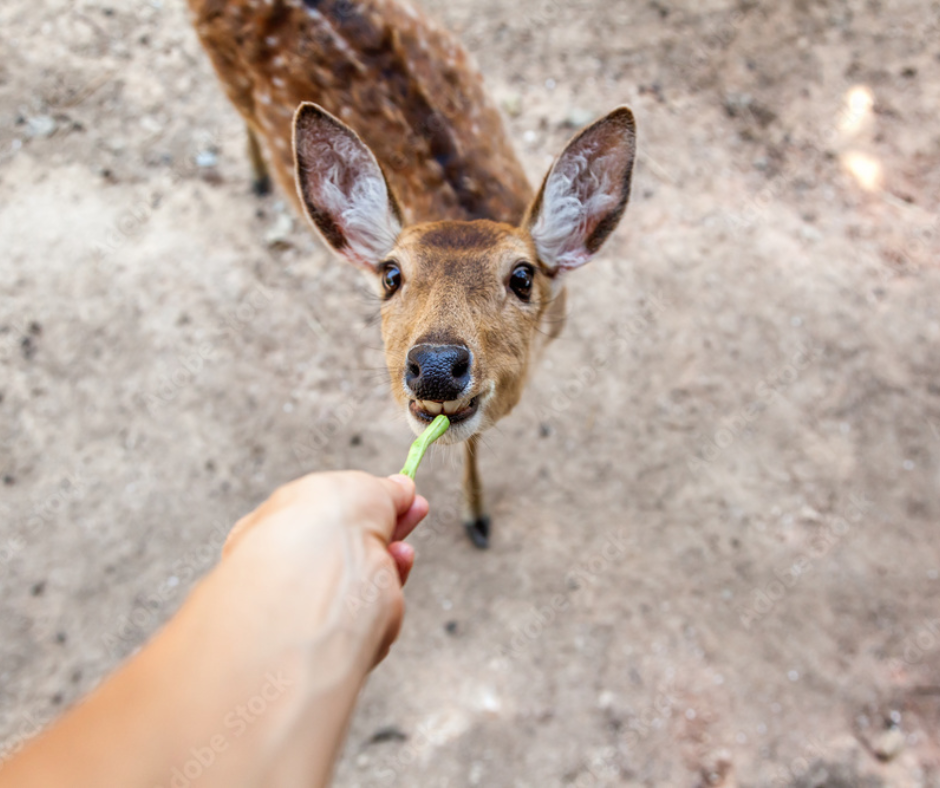
It’s important to distinguish between deer naturally discovering green beans and people intentionally feeding them. While letting deer nibble on what’s naturally available in the environment is part of the ecosystem, providing food regularly, especially human-grown produce can lead to long-term problems. Wildlife agencies generally recommend letting deer forage on their own without human interference.
Potential Risks of Supplemental Feeding: Dependence, Disease Spread, Habitat Disruption
Feeding deer whether green beans or other foods can lead to a number of issues. It may cause deer to become dependent on handouts and lose their natural foraging habits. Additionally, gathering deer around a single food source increases the risk of disease transmission, including serious illnesses like chronic wasting disease (CWD). Supplemental feeding can also disrupt migration patterns, increase local overpopulation, and cause long-term habitat degradation as deer stay in areas not suited to sustained browsing.
Legal and Ethical Considerations in Feeding Wildlife
In many regions, feeding deer is regulated or prohibited by law, especially during hunting season or disease outbreaks. Even where it is legal, wildlife experts discourage the practice. Feeding deer green beans might seem kind or harmless, but it can unintentionally cause harm to both the deer and the local ecosystem. If you’re unsure about the rules in your area, it’s always best to check with your local wildlife or conservation authority.
Observing or Managing This Behavior
What to Look For: Signs Deer Have Eaten Green Beans
If deer are feeding on green beans in your area, they’ll leave behind several signs. You might notice clean, angled bite marks on leaves and pods, deer tracks around the plants, or small piles of droppings nearby. Often, deer feed at dawn or dusk, so damage may appear suddenly overnight. You may also see that the plants are eaten unevenly, with top leaves and stems stripped while lower portions remain untouched.
Implications for Wildlife Watchers, Landowners, and Conservationists
For wildlife enthusiasts, observing deer behavior can be a rewarding experience. Watching deer browse and interact with their environment provides insight into their habits and health. However, for landowners, frequent deer activity may mean crop loss or plant damage. Conservationists, too, must consider the balance between supporting deer populations and protecting native plants and ecosystems from overbrowsing.
Tips for Discouraging or Redirecting Deer if Necessary
If you’re trying to protect green bean crops or other plants from deer, there are several strategies you can use. Tall fencing, at least 6 to 8 feet high, is often the most effective deterrent. Scent-based repellents made from garlic, eggs, or pepper can make plants less appealing. Motion-activated sprinklers or lights may also startle deer and keep them at a distance. Additionally, you can plant deer-resistant plants like lavender, marigolds, or yarrow around your green beans to act as a natural barrier
CONCLUSION
So, will deer eat green beans? Absolutely and their interest in this simple crop offers more insight than you might expect. Green beans are soft, nutritious, and completely unprotected by natural deterrents, making them an easy target across a variety of environments.
This behavior can hint at travel routes and preferred feeding spots during key seasons. And for wildlife enthusiasts and landowners, it’s a reminder of how deer adapt and how our land use affects their choices.
Want more practical tips for understanding and managing whitetail behavior? Sign up for our expert wildlife insights, and stay informed every season.